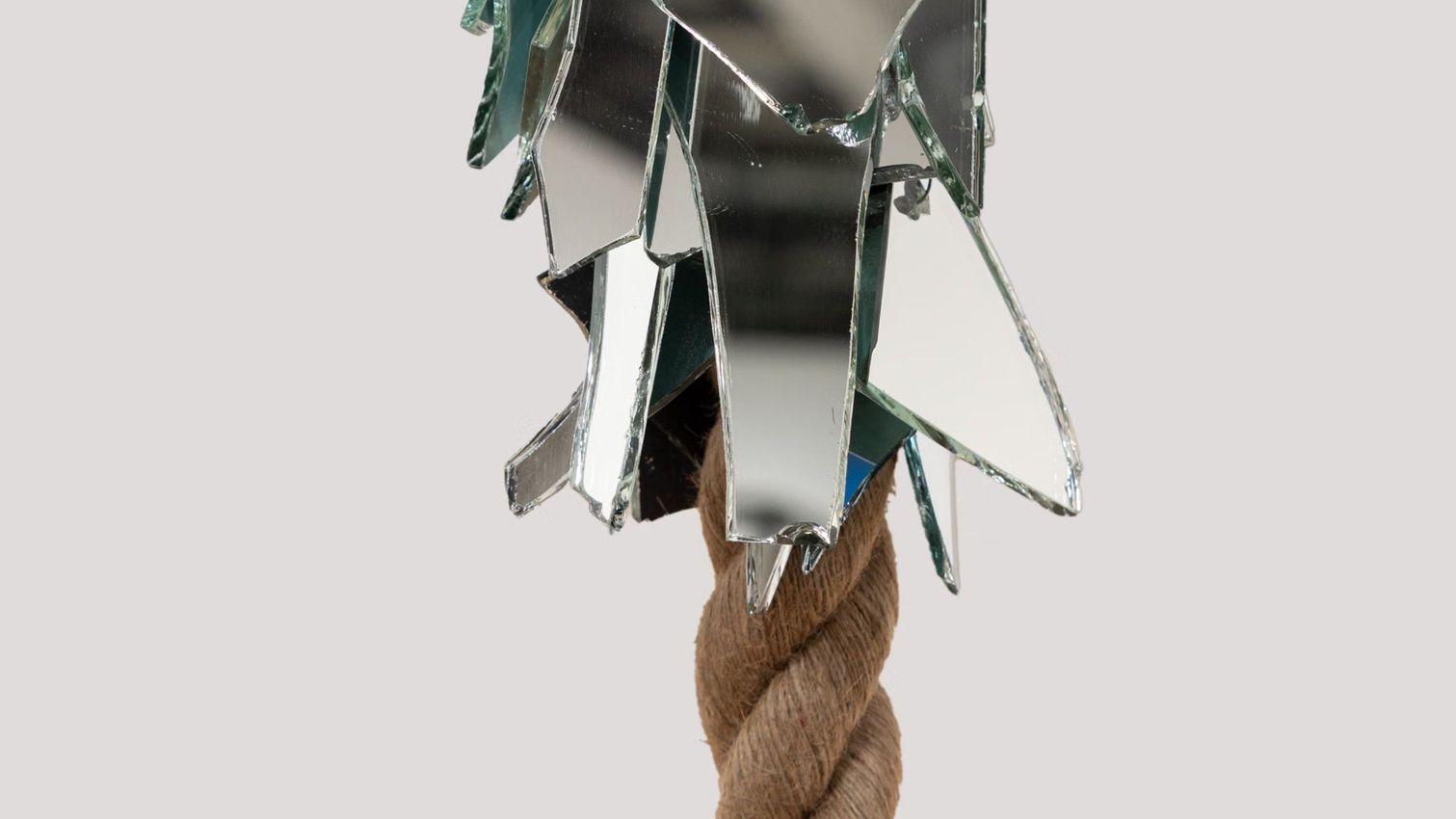
Lehmann Maupin is pleased to present Double Dream, an exhibition of new and recent work by Erwin Wurm. Over the last four decades, the Austrian artist’s dynamic sculptural practice has explored the absurdity and paradoxes inherent in post-modern life. While his oeuvre is filled with larger-than-life-size pickles, anthropomorphic sausages, empty suits, and impossibly proportioned houses, Wurm is best known for his iconic One Minute Sculptures, which provide instructions for participants to create temporary sculptures by performing illogical poses with everyday objects. Through his paradoxical work, Wurm confronts philosophical questions about contemporary society—from obsessions with status and consumerism, to anxieties around traditional value systems, to the complexities of modern psychology. At the same time, the artist explores new possibilities for sculpture through ambitious formal experiments with volume, surface, scale, and duration. Double Dream marks Wurm’s first solo presentation in New York in five years and runs alongside his solo exhibition at Museo Fortuny, Venice, which opens concurrent with the Venice Biennale on May 5th. A public reception for Double Dream will be held on May 14 from 6–8 PM, with the artist in attendance.
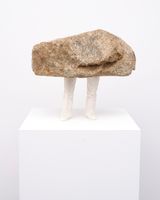
Double Dream debuts two new sculptures from Wurm’s Dreamer series. Both works, Nurse and Double Dreamer (2026), feature figures whose entire upper bodies have been replaced by massive pillows, squashed as if pulled off an unmade bed. The absence of identifying features gives these pieces a sense of both anonymity and universality, yet despite lacking faces, arms, and torsos the sculptures still manage to express their distinct personalities. In Double Dreamer, two pillows are stacked on top of a pair of legs that hug tightly together, suggesting shyness, unease, or reticence, while in Nurse, the figure stands with legs apart, confidently bearing the weight of an oversized cushion. In both works the sculpture’s head is subsumed within a large pillow. Without the ability to see clearly, the figures find their perception clouded and they become lost in their own thoughts, dreams, and illusions.
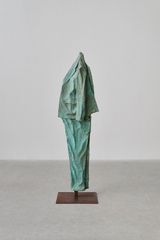
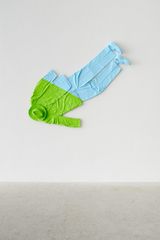
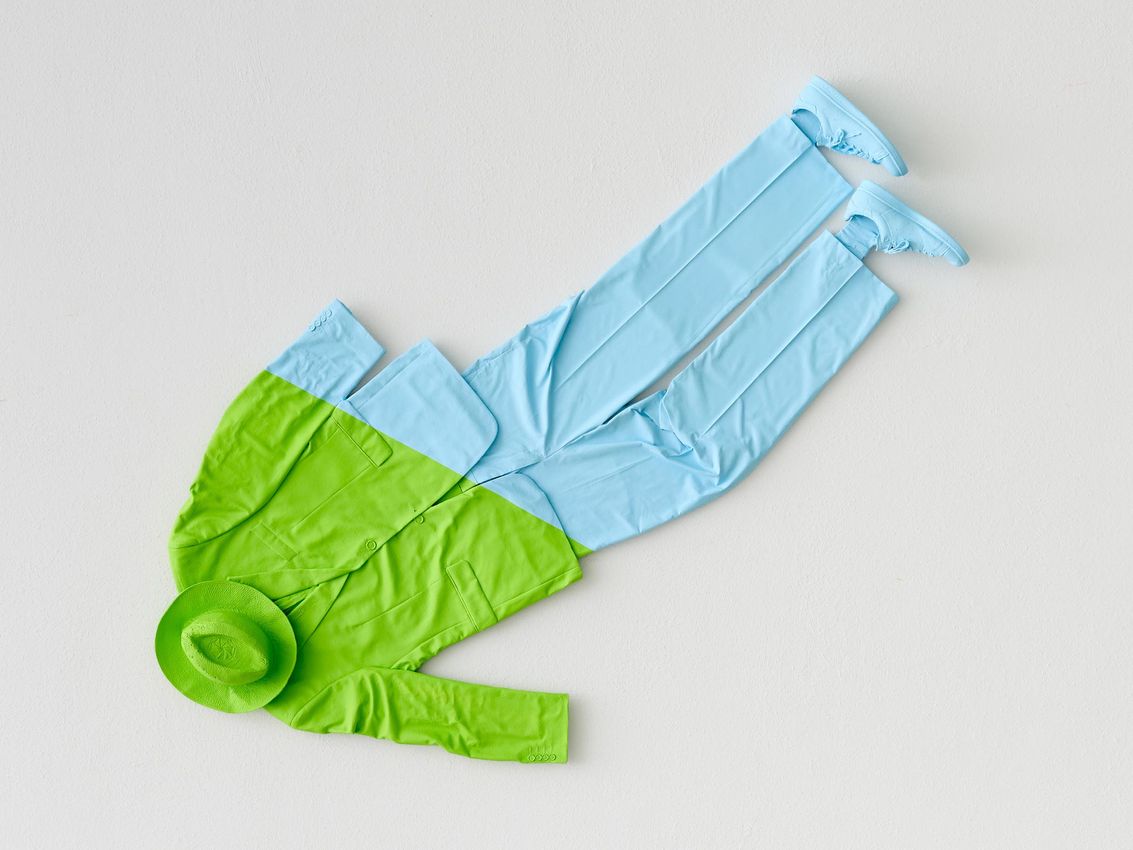
The exhibition also features a number of new and recent Substitutes, ranging from the petite to the towering. In this series Wurm continues his decades-long exploration of clothing as a sculptural medium, and in these works he absents the body entirely, leaving empty garments cast in aluminium or bronze. In Double Dream, Substitutes fill the largest gallery, creating a field of brightly colored figures seemingly suspended mid-motion. Again, even without heads, faces, or hands, Wurm successfully conveys the personalities and moods of his figures through shrewd choices in posture, scale, and color. In the smallest work, Waiting Pink Small (2024), a diminutive pink suit stands with its arms by its sides, one foot slightly in front of the other to reveal flattened dress socks. The figure’s stance suggests a body in pause, and the sculpture appears to be waiting patiently for something intangible.
Double Dream showcases the breadth of Wurm’s experiments with the figure—at turns present, absent, supplanted, or distorted. Where the artist’s Dreamers visualise psychological weight, his Substitutes examine how clothing can function as a stand-in for the individual. Here, clothing is revealed as an icon, symbol, signifier, or even avatar, reinterpreting the age-old maxim ‘the clothes make the man.’ Across the Substitutes and Dreamers, Double Dream reveals Wurm to be a sculptor of surprising economy, continually asking how much can be communicated with how little.

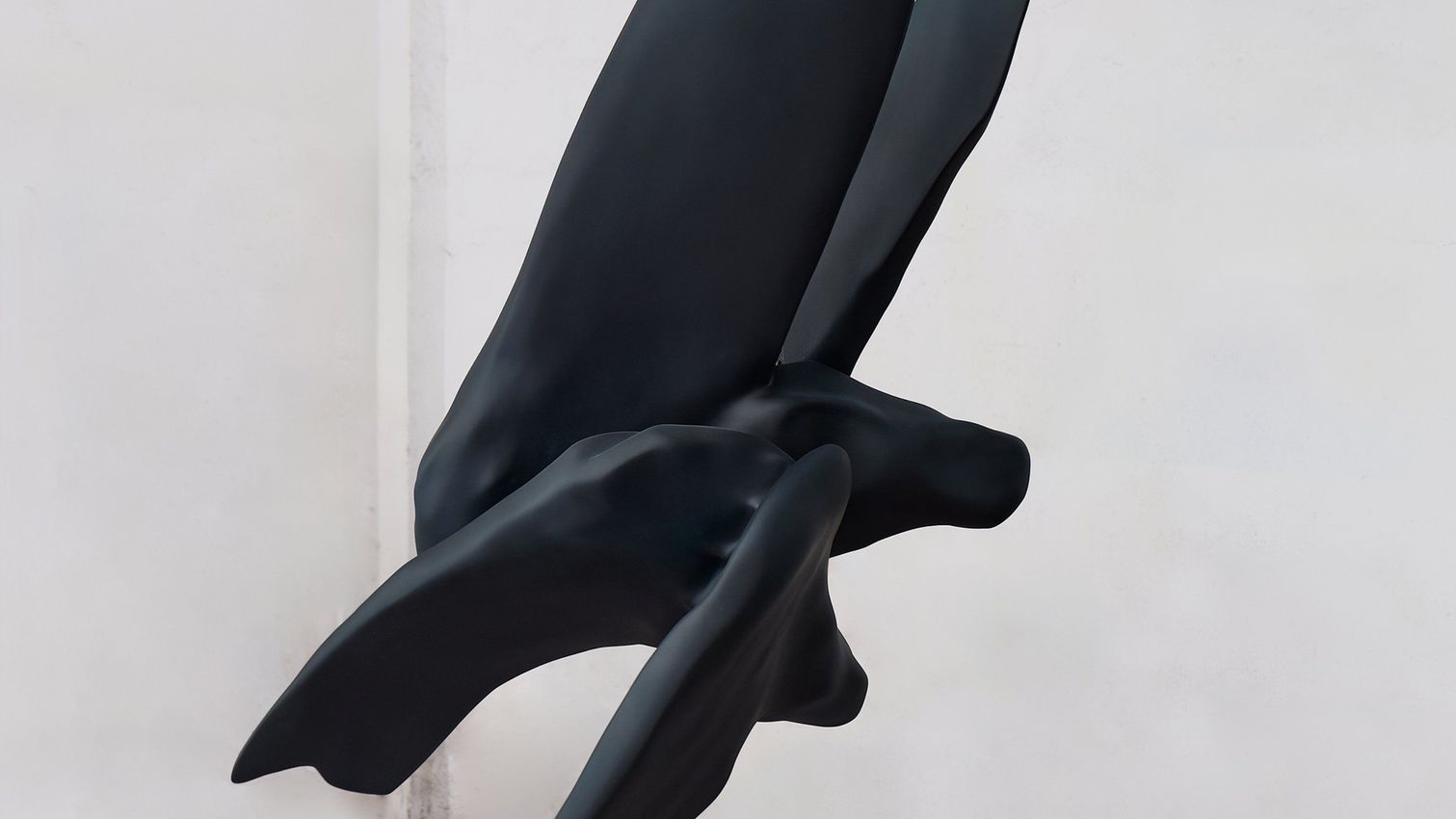
Erwin Wurm (b. 1954 Bruck an der Mur/Styria, Austria; lives and works in Vienna and Limberg, Austria) came to prominence with his One Minute Sculptures, a project that he began in 1996/1997. In these works, Wurm gives written or drawn instructions to participants that indicate actions or poses to perform with everyday objects such as chairs, buckets, fruit, or knit sweaters. These sculptures are by nature ephemeral, and by incorporating photography and performance into the process, he challenges the formal qualities of the medium as well as the boundaries between performance and daily life and spectator and participant. While in this series he explores the idea of the human body as sculpture, in some of his more recent work, he anthropomorphises everyday objects in unsettling ways, like contorting sausage-like forms into bronze sculptures in Abstract Sculptures, or distorting and bloating the volume and shape of a car in Fat Car. Wurm considers the physical act of gaining and losing weight a sculptural gesture, and often creates the illusion of bodily growth or shrinkage in his work. While Wurm considers humour an important tool in his work, there is always an underlying social critique of contemporary culture, particularly in response to the Capitalist influences and resulting societal pressures that the artist sees as contrary to our internal ideals. Wurm emphasises this dichotomy by working within the liminal space between high and low and merging genres to explore what he views as a farcical and invented reality.


Rachel Lehmann and David Maupin founded Lehmann Maupin in 1996. The gallery represents a diverse range of American artists, as well as artists and estates from across Europe, Asia, Africa, South America, and the Middle East. It has been instrumental in introducing numerous artists from around the world in their first New York exhibitions.

A respected voice in contemporary art discourse.
Focusing on ambitious storytelling and insightful art-world commentary. Ocula Magazine publishes in-depth interviews, critical essays and timely analysis on the artists, exhibitions and ideas driving the global art world.
Learn more about Ocula Magazine
Showcasing the best of the art world.
Ocula partners with galleries from around the world to highlight their artists, artworks and exhibitions. Gallery membership is by application and invitation, with each member vetted by an independent panel.
Learn more about Ocula Membership

Specialises in the sale of major artworks.
Led by a team with deep ties to the world’s leading auction houses, galleries and collectors. Ocula’s advisory team offers bespoke services to high-net-worth clients from around the world who are looking to acquire the best of contemporary and modern art.
Learn more about our team and services