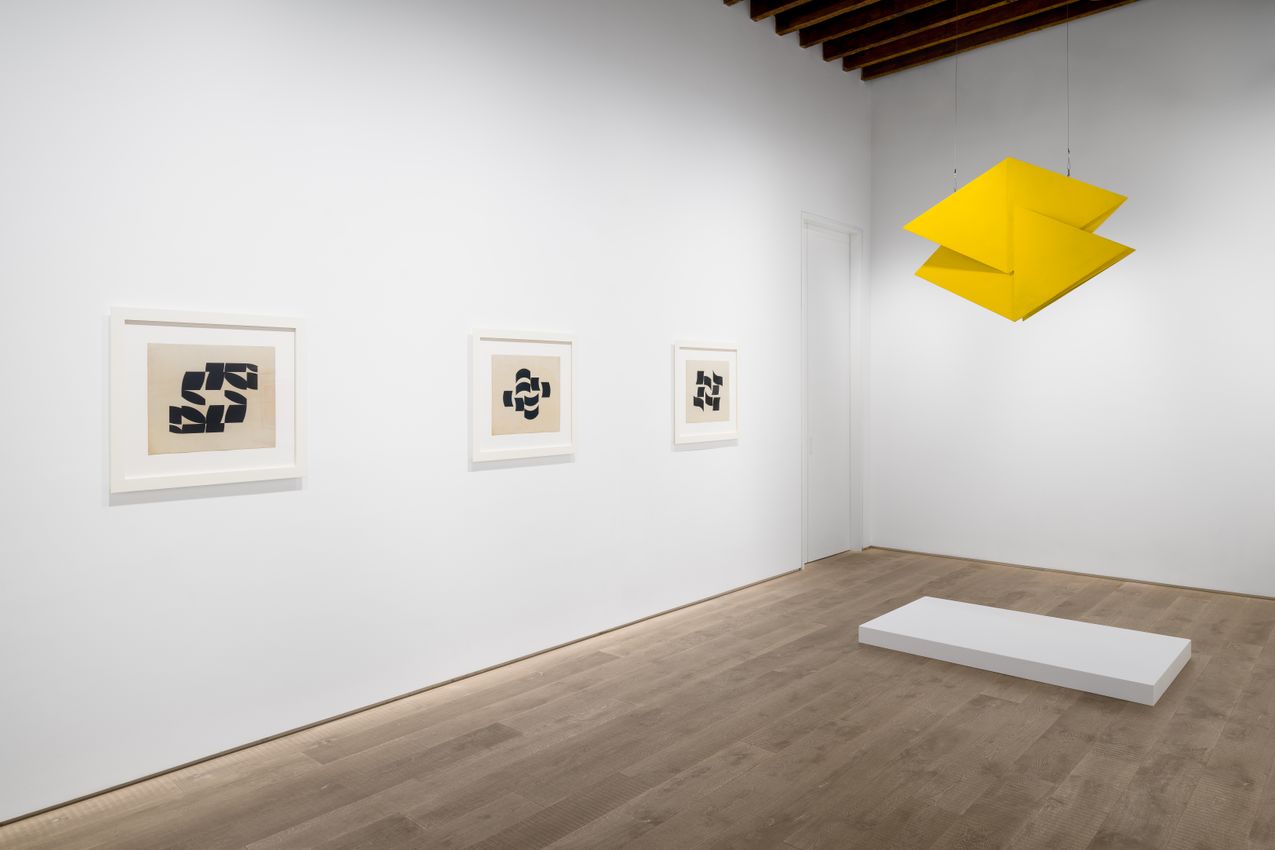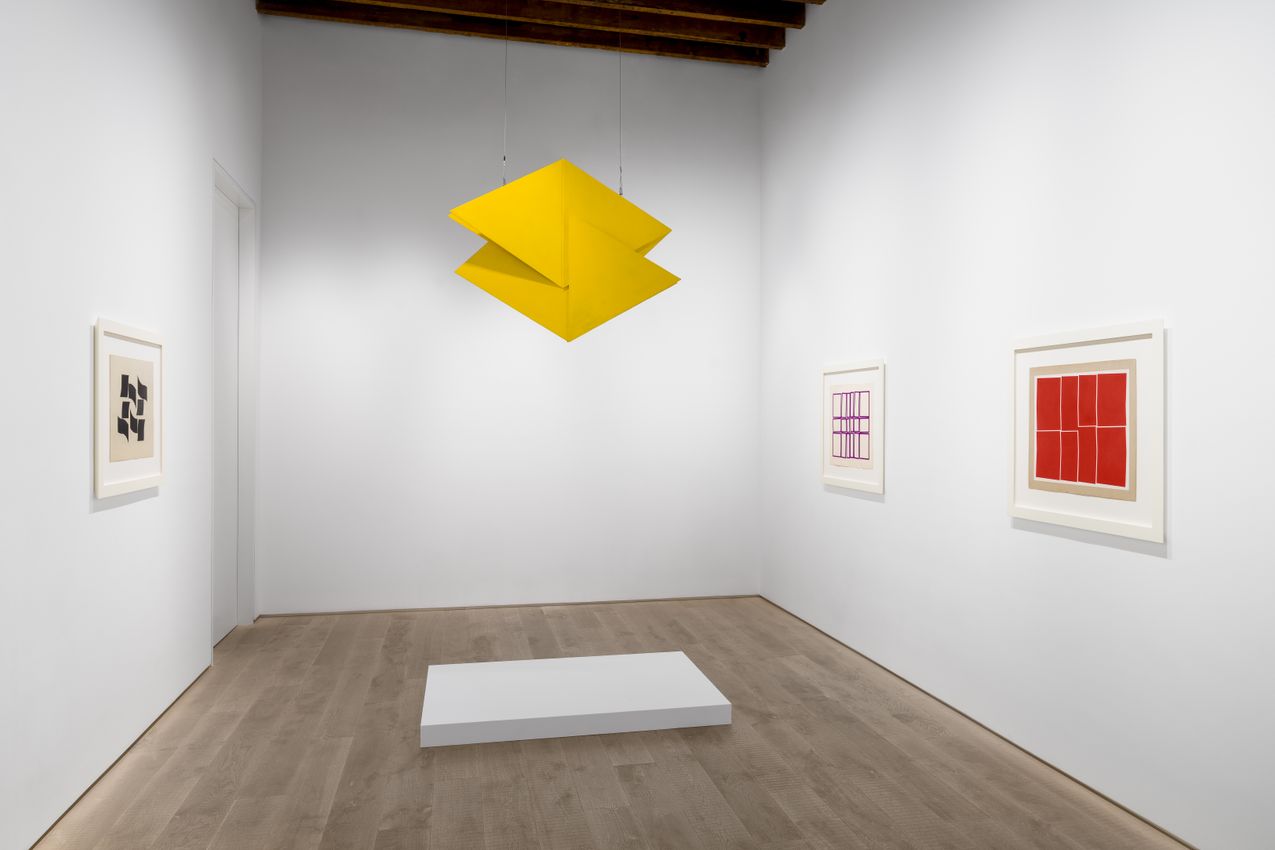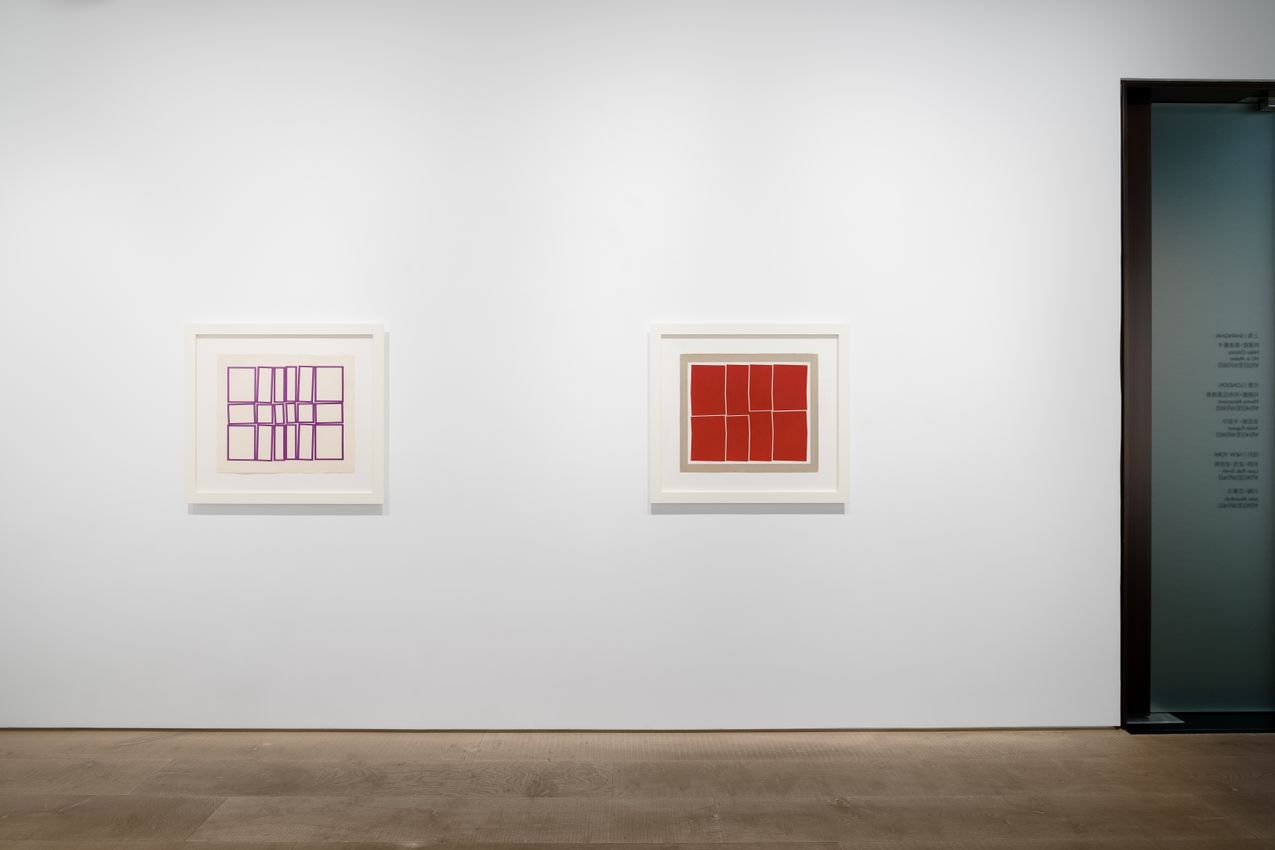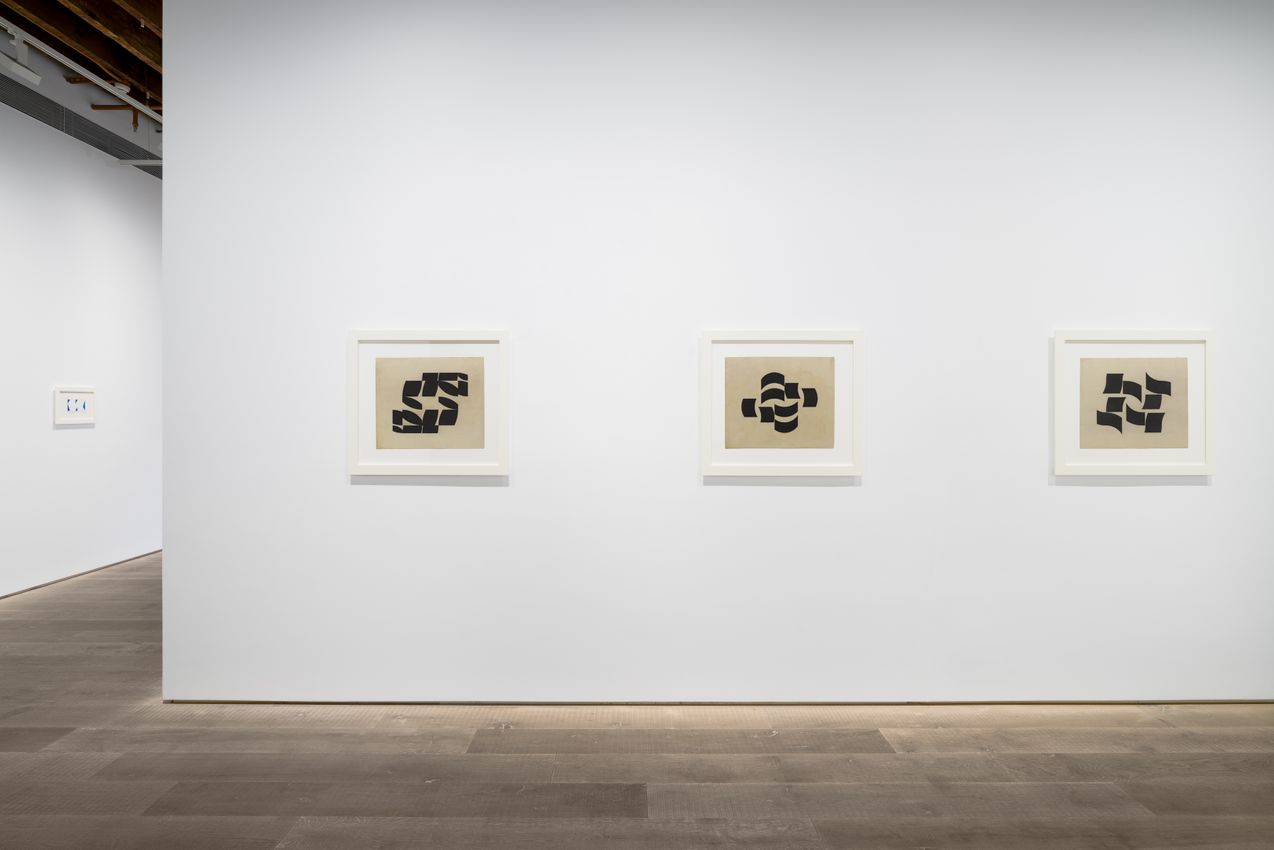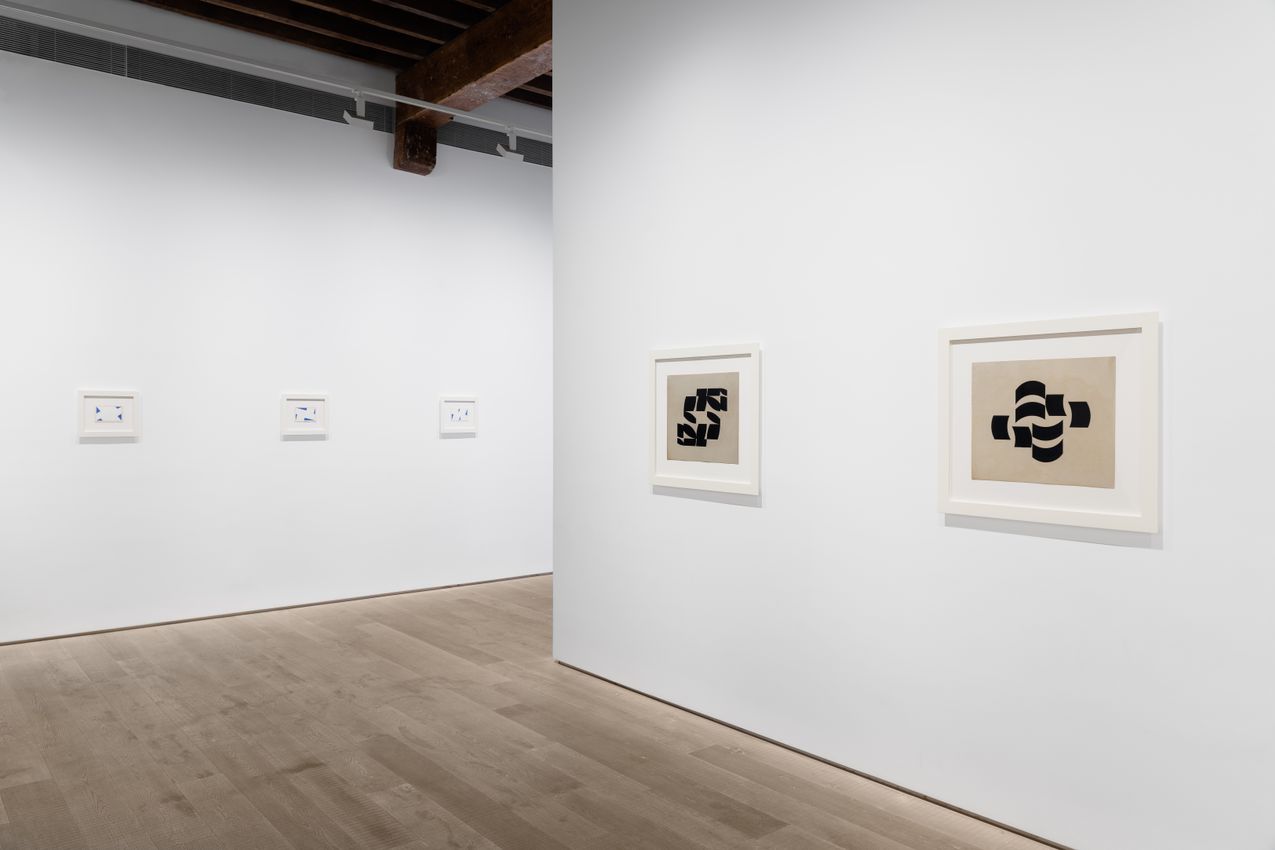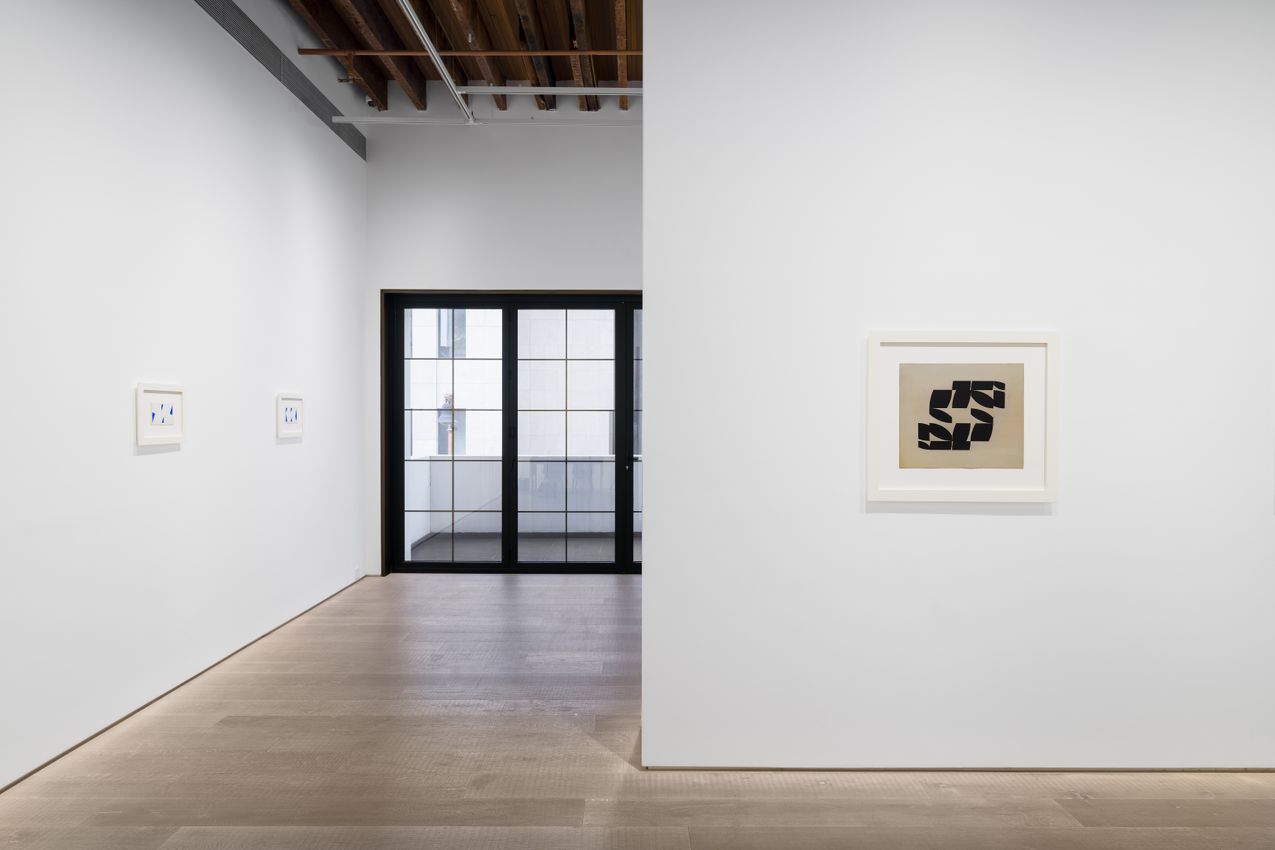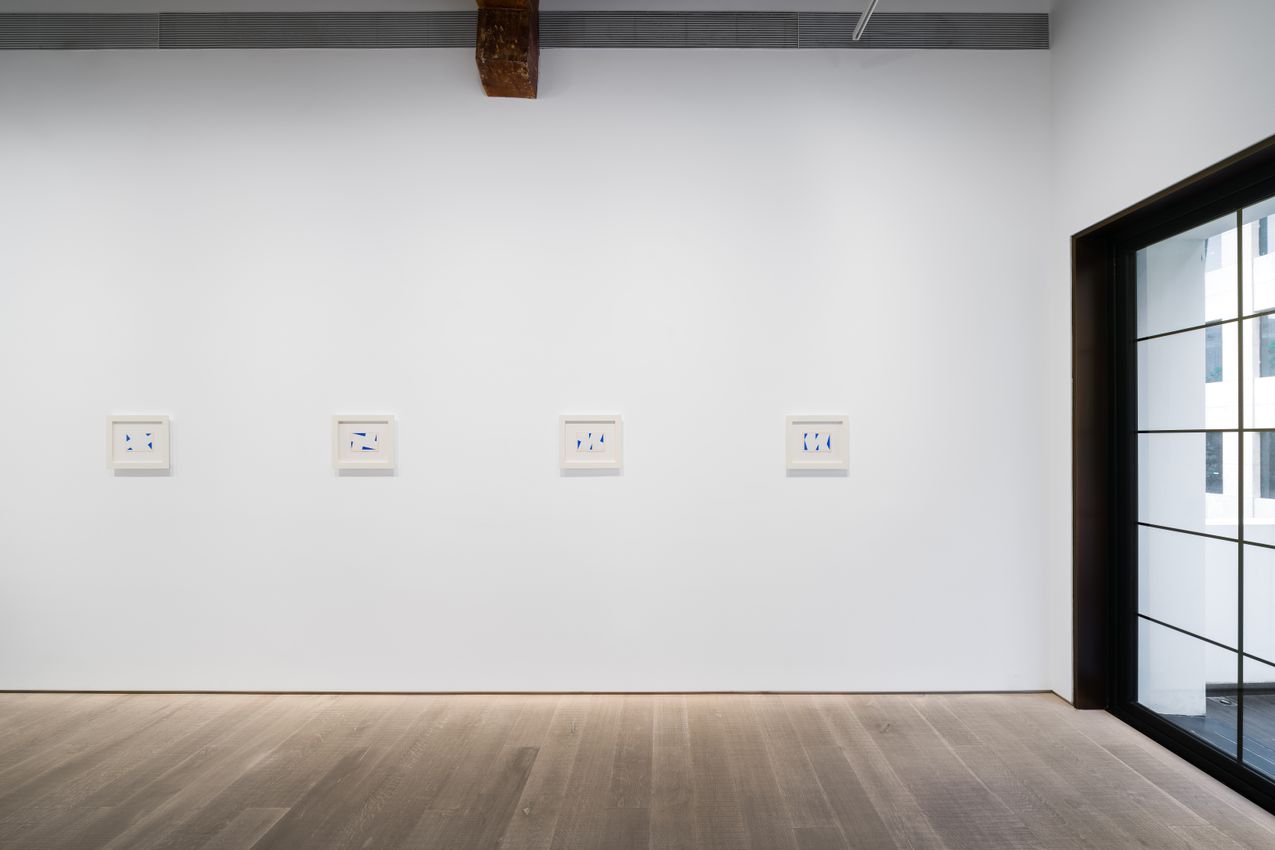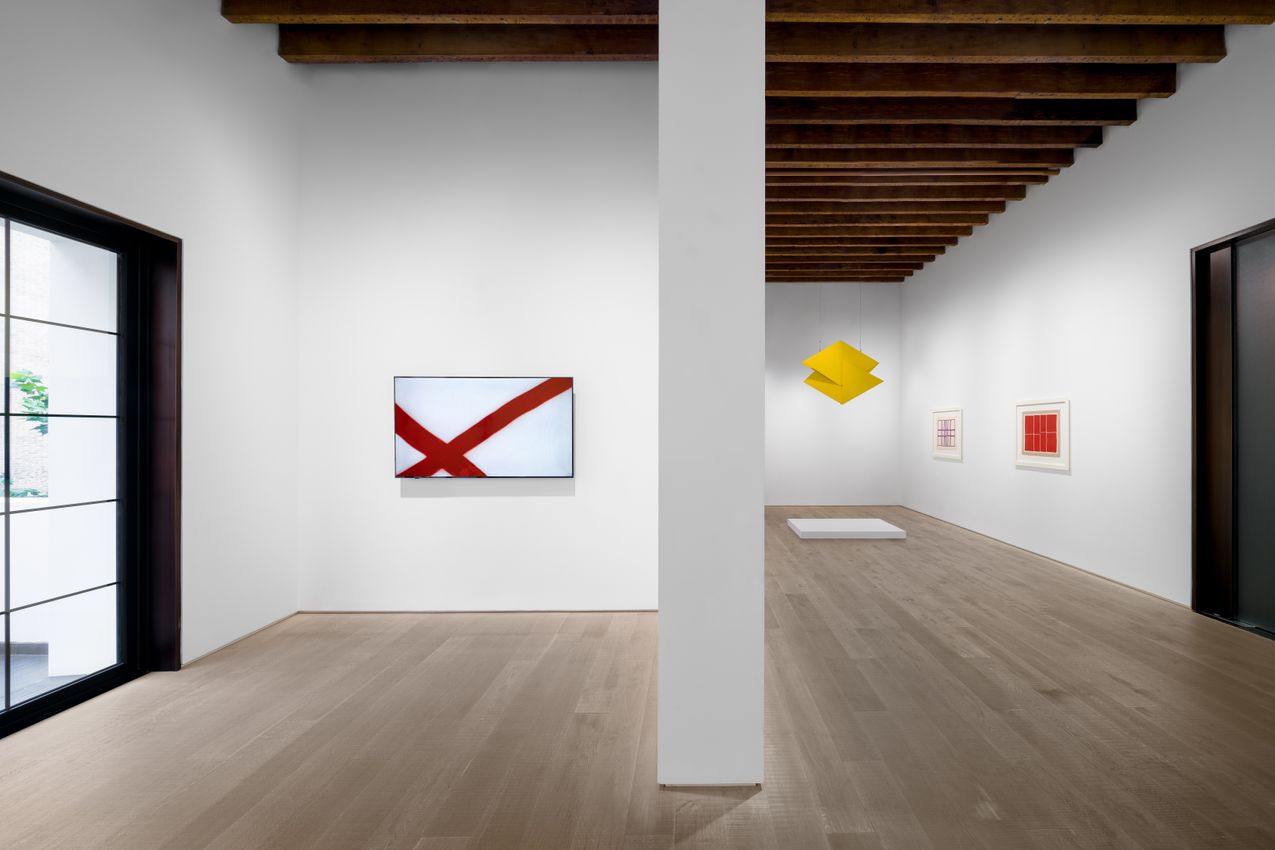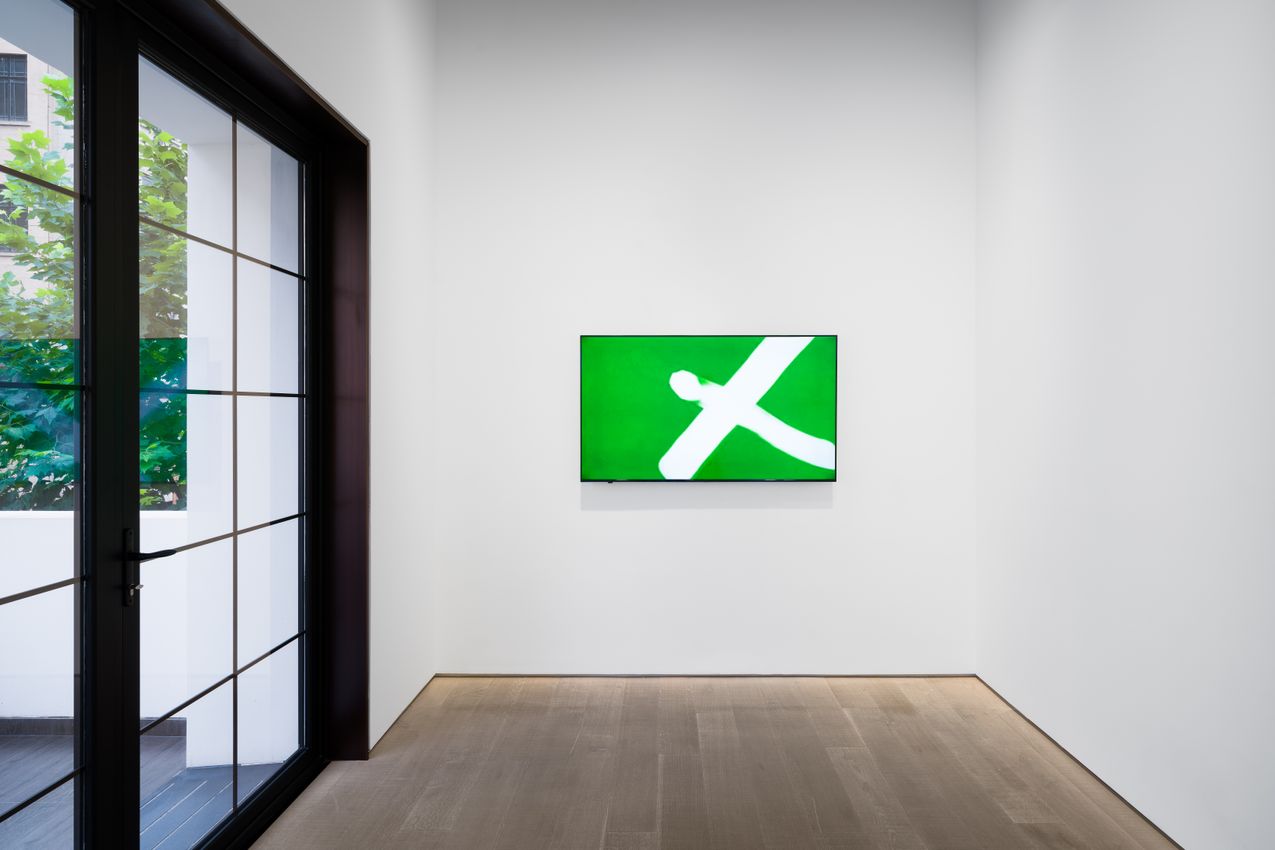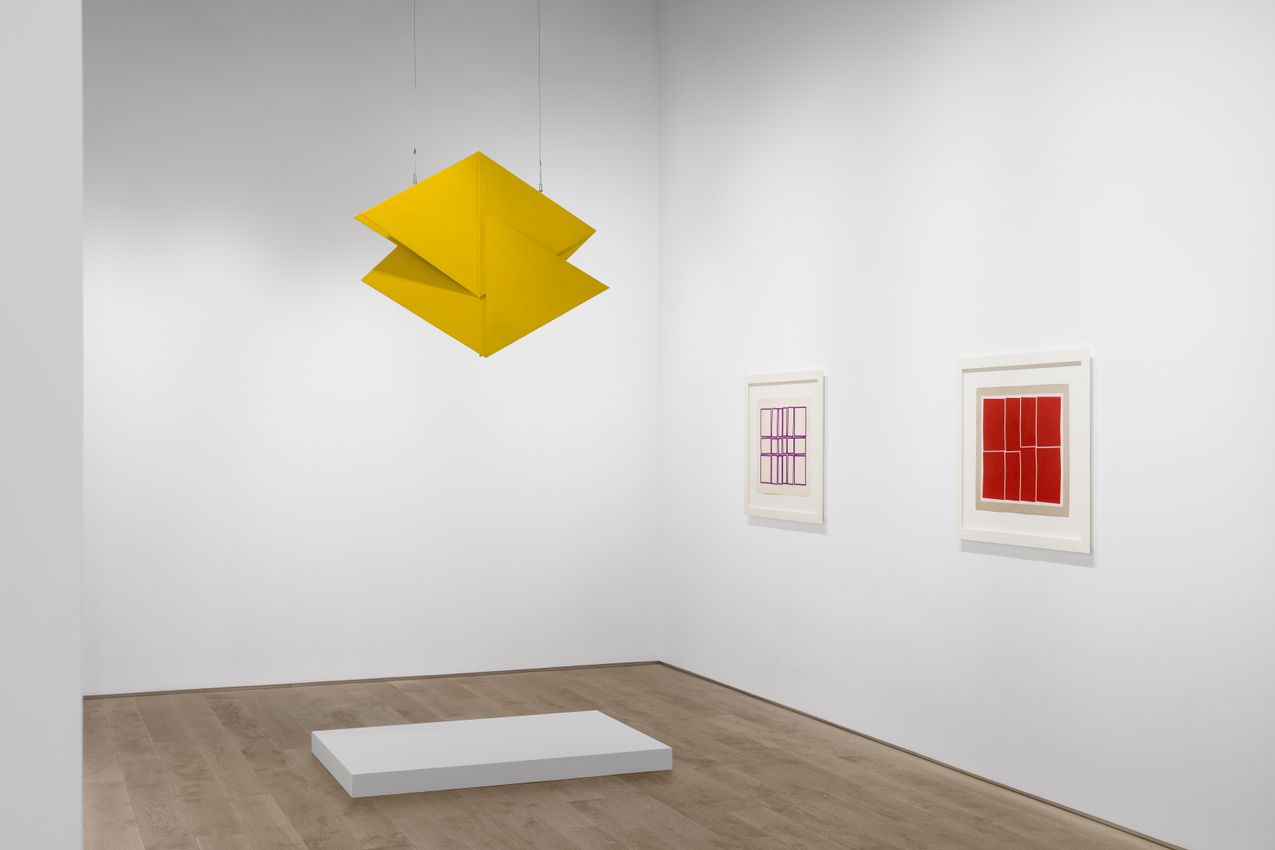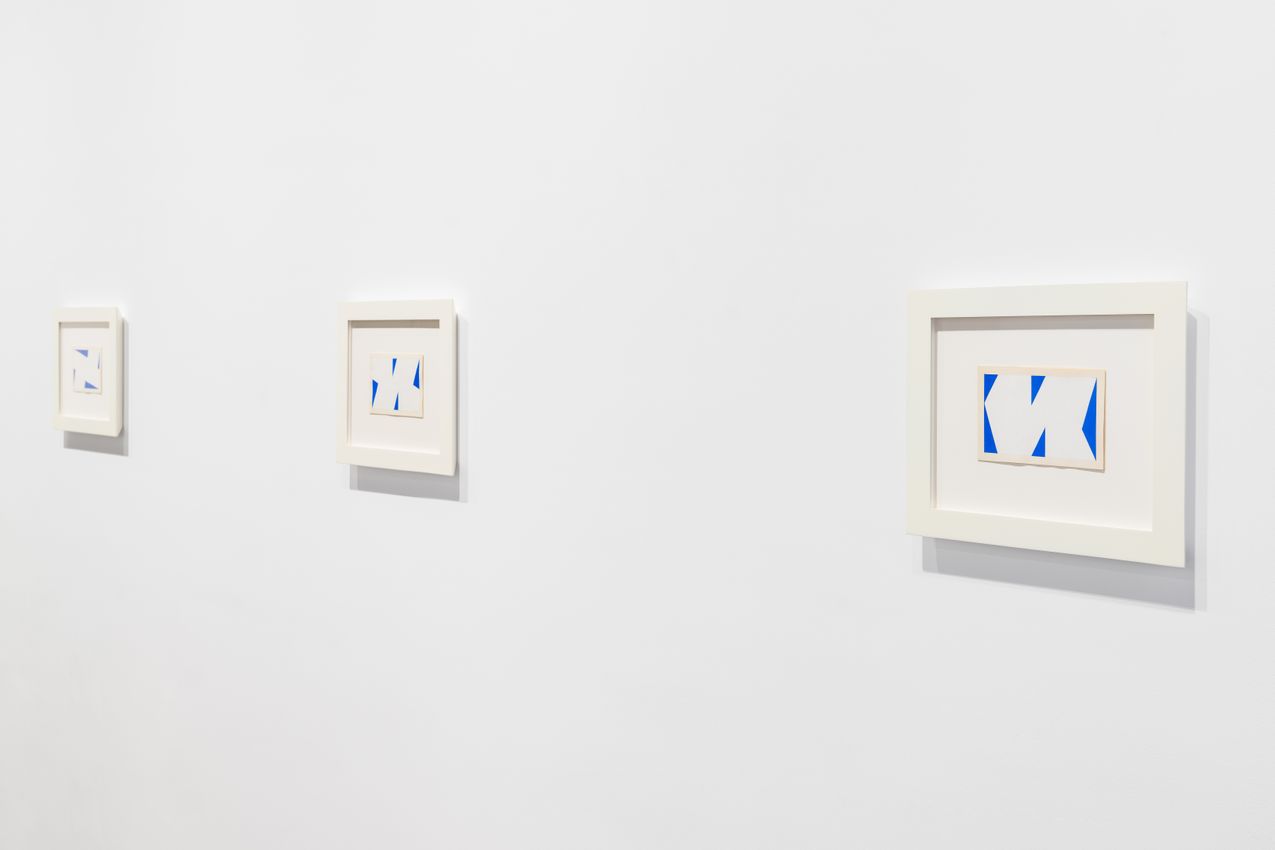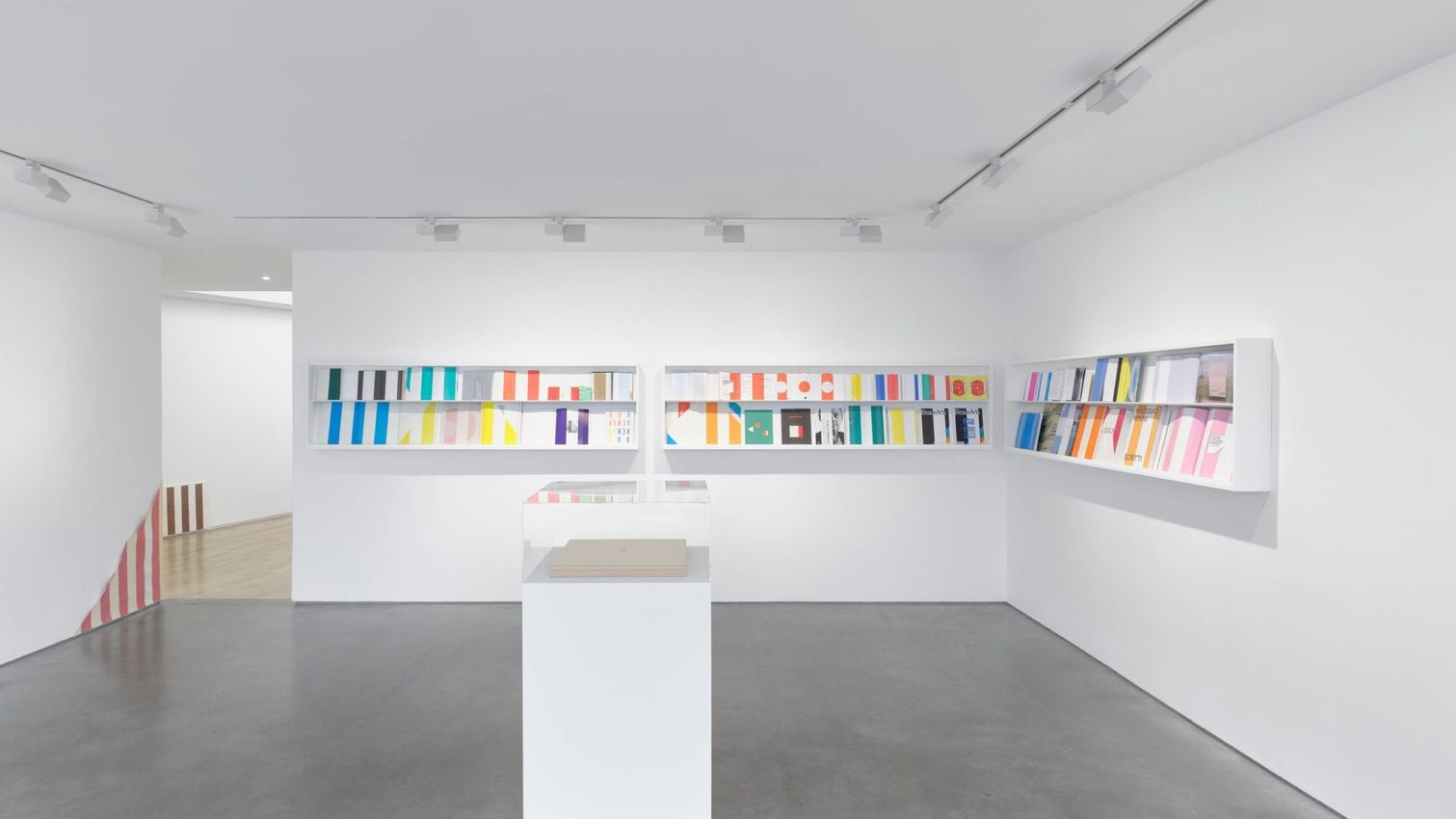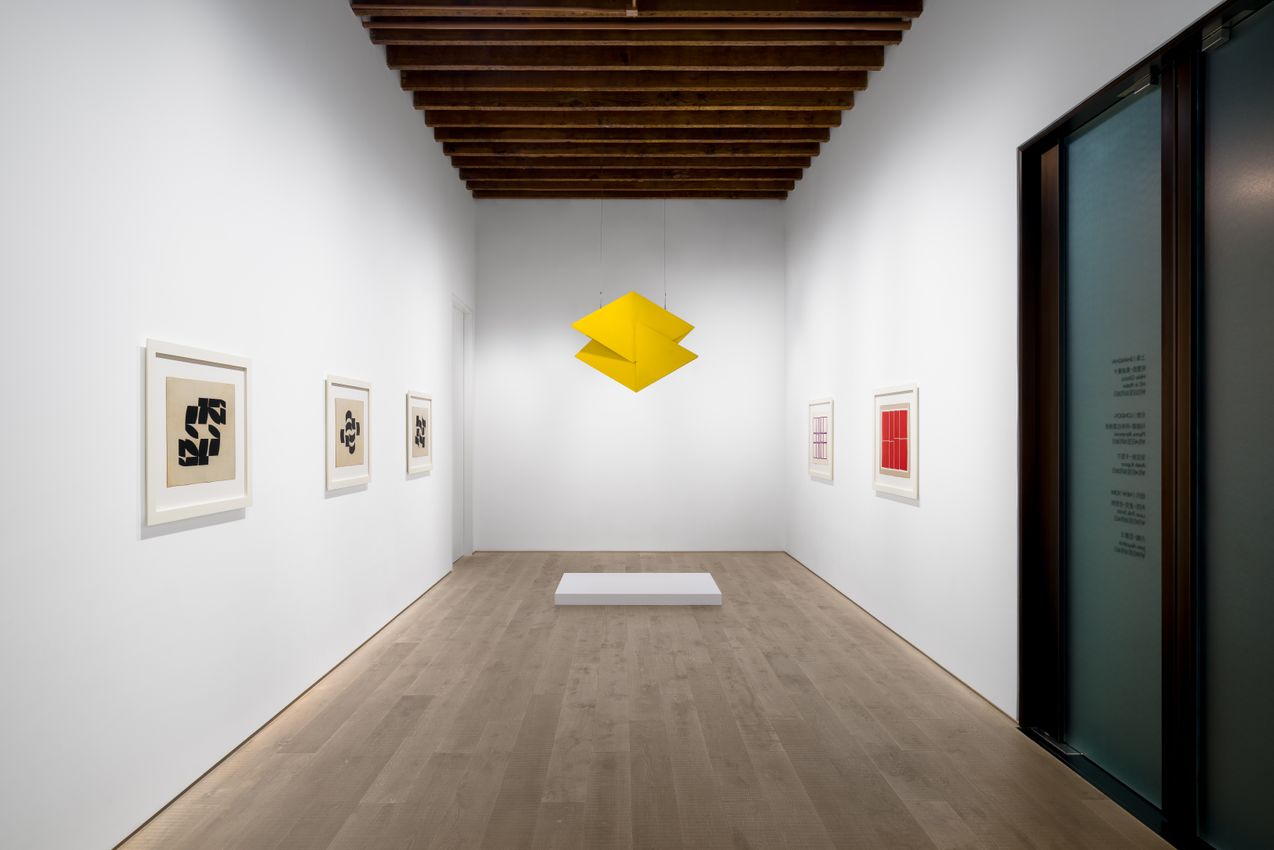
Lisson Gallery is delighted to present the inaugural exhibition of work by Brazilian artist, Hélio Oiticica, in China. One of the most original artists of the twentieth century, Oiticica had a marked influence on all aspects of Brazilian avant-garde culture, and his performative, participatory work served as a touchstone for much contemporary art made since the 1960s. The exhibition serves as an introduction to the artist’s practice by presenting pivotal works from throughout his career, including a series of ‘Metaesquema’ paintings (1957–1958), a Spatial Relief from 1960 that has featured in many of the significant institutional exhibitions on his work, and an experimental video work. This selection captures the complex and multi-dimensional evolution of Oiticica’s oeuvre, and introduces the activist, exuberant works that reflect the culture and society he was embedded in. A cosmopolitan traveller—moving from Brazil to London and New York before returning to Rio de Janeiro—Oiticica’s ideas continue to expand globally and unfold new meanings for the world, now reaching Asia in a major way for the first time.
Even before the age of 20, Hélio Oiticica (1937–1980) was a founding member of the historic Rio de Janeiro-based art movement, Grupo Frente, alongside artists Ivan Serpa, Aluisio Carvão, Lygia Clark, and Lygia Pape, and went on to become a leading figure of Brazilian Neo-Concretism. This predisposed the larger cultural movement known as ‘Tropicalismo’, named after Oiticica’s groundbreaking installation Tropicália (1967), which used art, poetry and music to address the country’s changing dynamics. While Oiticica began his career with geometric explorations into painting and drawing, he soon expanded his practice to include ambitious architectural installations, film, writing, sculpture and large-scale, immersive environments. Through these, he confronted the traditional boundaries of art and challenged the separation of the art-as-object from the viewer, encouraging active participation and dissolving the boundary between art and life.
The works featured in the exhibition demonstrate the key concepts that characterised Oiticica’s approach, illustrating in particular the artist’s interest in dynamic movement throughout his career. The series of ‘Metaesquema’—created from 1957–1958 while living and working in Rio de Janeiro—show his manipulation of seemingly simple geometric compositions. These works are imbued with a remarkable energy despite their two-dimensionality, bursting with rhythm and the avant-garde spirit of Brazilian culture, as well as providing an insight into his analytical and reflexive nature.
Another work in the show, a vibrant yellow Relevo Espacial (1959–60) marks the beginning of the 1960s era, where Oiticica’s aesthetic restlessness kept his work in continuous transformation. Here the viewer’s participation is required, as they must circumnavigate the Spatial Relief in order to experience colour as form. The final work in the exhibition is an experimental video work, entitled Helioframes (1979), made in collaboration with the Brazilian filmmaker, Ivan Cardoso. Made with 35mm film, this series of projected graphic interventions produces a melodic environment, deepening his aesthetic experimentation by further dematerialising the work of art.
The exhibition will also be accompanied by an essay by the distinguished art historian, Roberto Conduru.
Oiticica’s Penetrável Macaléia (Malaceia Penetrable), a walk-in installation inspired by Rio de Janeiro’s favelas, was recently acquired by the Pérez Art Museum Miami.
Hélio Oiticica (1937–1980) is widely regarded as one of Brazil’s leading artists of the twentieth century and a touchstone for much contemporary art made since the 1960s, primarily through his freewheeling, participatory works of art, performative environments, avant-garde films and abstract paintings. Even before the age of 20, Oiticica was a key member of the historic Rio de Janeiro-based Grupo Frente (1954–1956), his radical play with geometric form and vibrant colours transcending the minimal lines of European constructivism and imbuing his work with an exuberant rhythm that resonated with the avant-garde music and poetry of his native Brazil. In the late 1950s, Oiticica would go on to become a leading figure of Brazilian Neo-Concretism (1959–1961) that included other ground breaking artists such as Lygia Clark, Lygia Pape and the poet Ferreira Gullar, ultimately giving rise to the artistic movement known as Tropicalismo, named for a work of Oiticica’s from 1967.


Established in 1967 in London, Lisson Gallery is one of the most well-known galleries operating globally. Boasting an influential and continuing legacy, including playing a pivotal role in the careers of many pioneers of historically important art movements, the gallery works with some of the most significant contemporary artists today.

A respected voice in contemporary art discourse.
Focusing on ambitious storytelling and insightful art-world commentary. Ocula Magazine publishes in-depth interviews, critical essays and timely analysis on the artists, exhibitions and ideas driving the global art world.
Learn more about Ocula Magazine
Showcasing the best of the art world.
Ocula partners with galleries from around the world to highlight their artists, artworks and exhibitions. Gallery membership is by application and invitation, with each member vetted by an independent panel.
Learn more about Ocula Membership

Specialises in the sale of major artworks.
Led by a team with deep ties to the world’s leading auction houses, galleries and collectors. Ocula’s advisory team offers bespoke services to high-net-worth clients from around the world who are looking to acquire the best of contemporary and modern art.
Learn more about our team and services