



Press Release

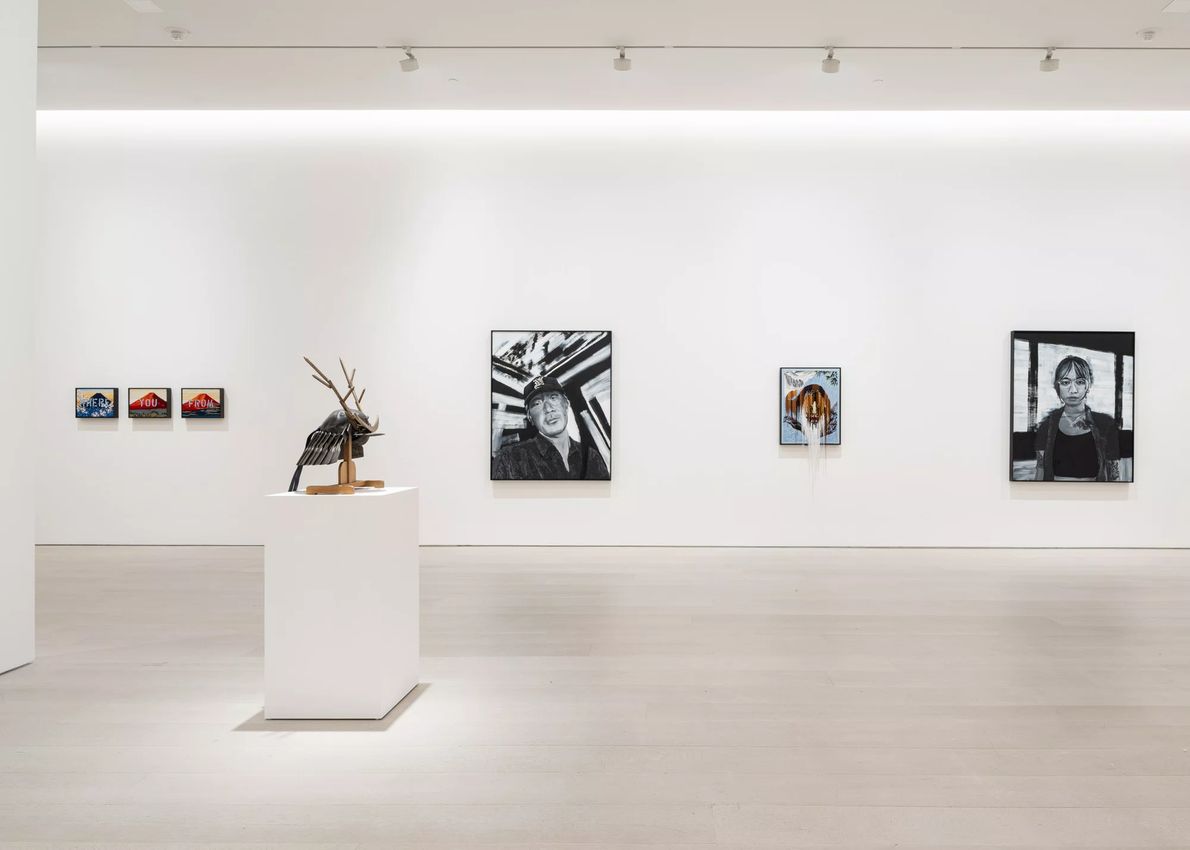
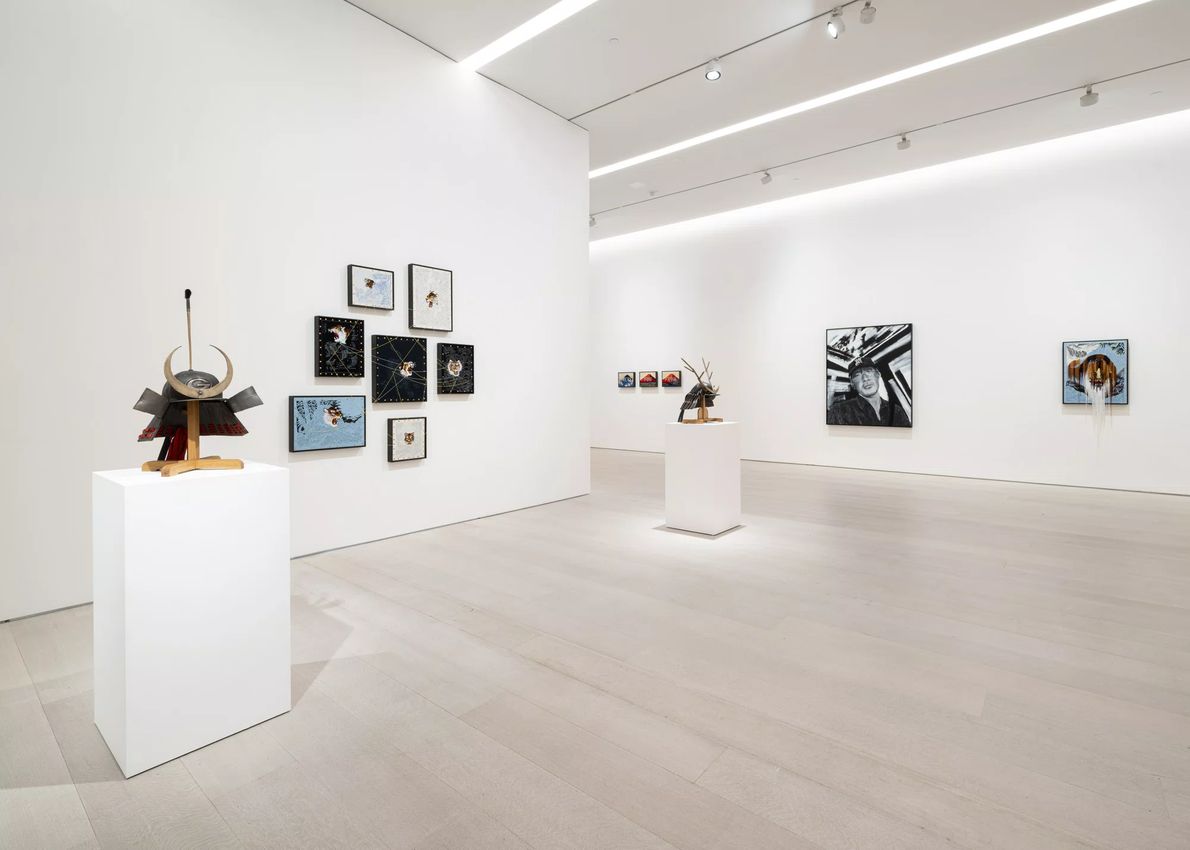
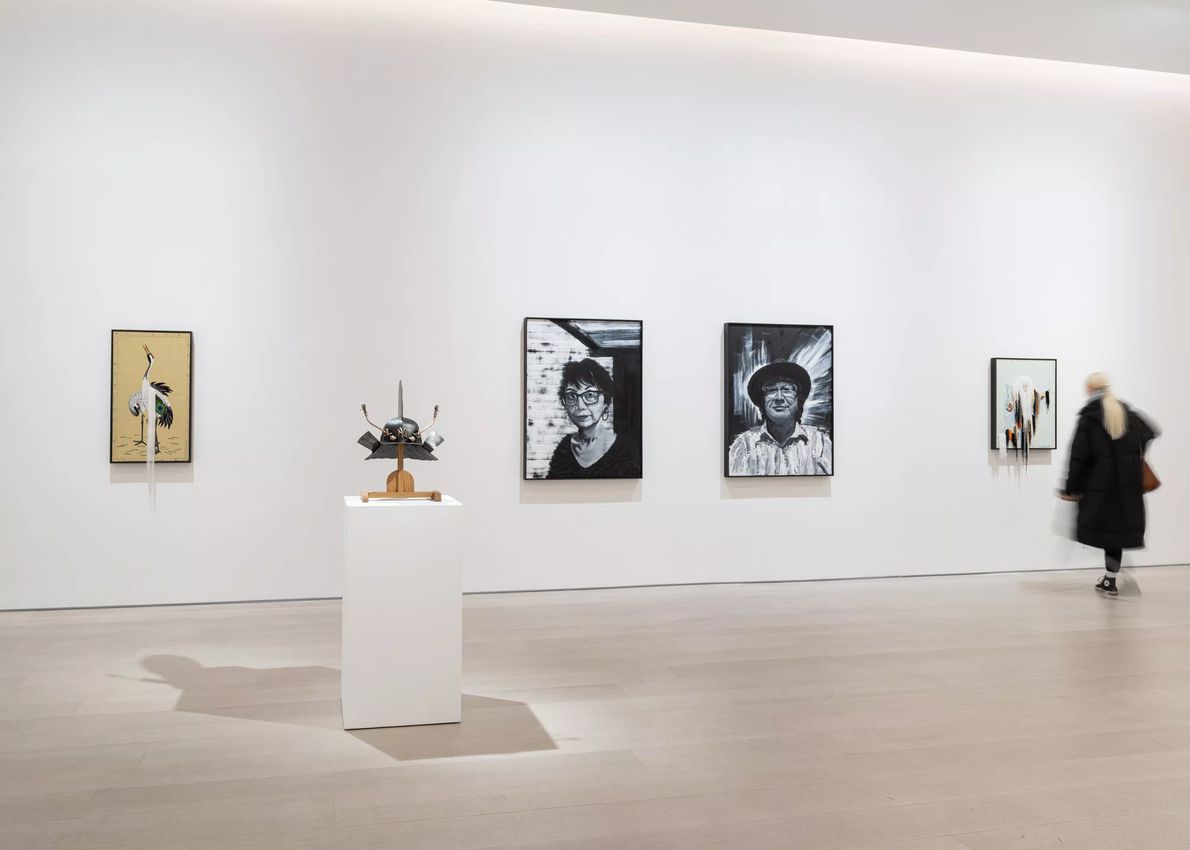
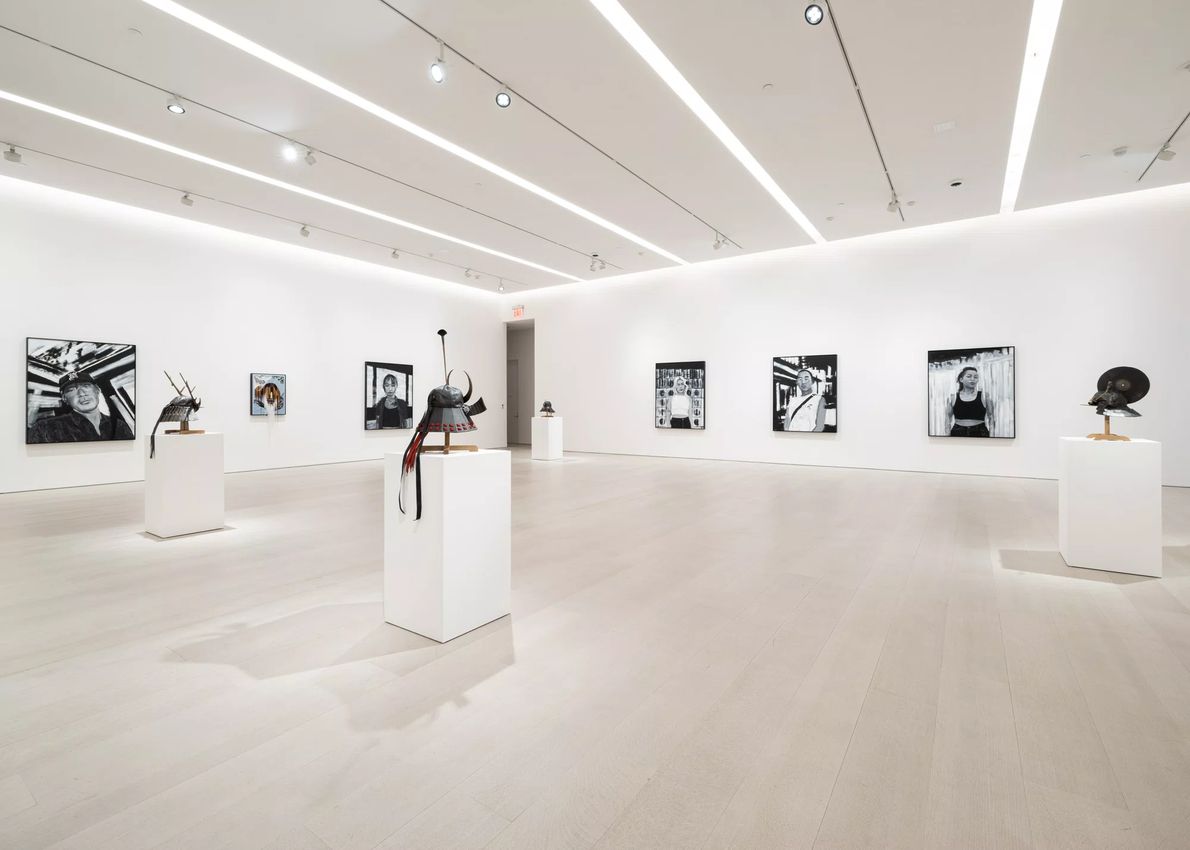
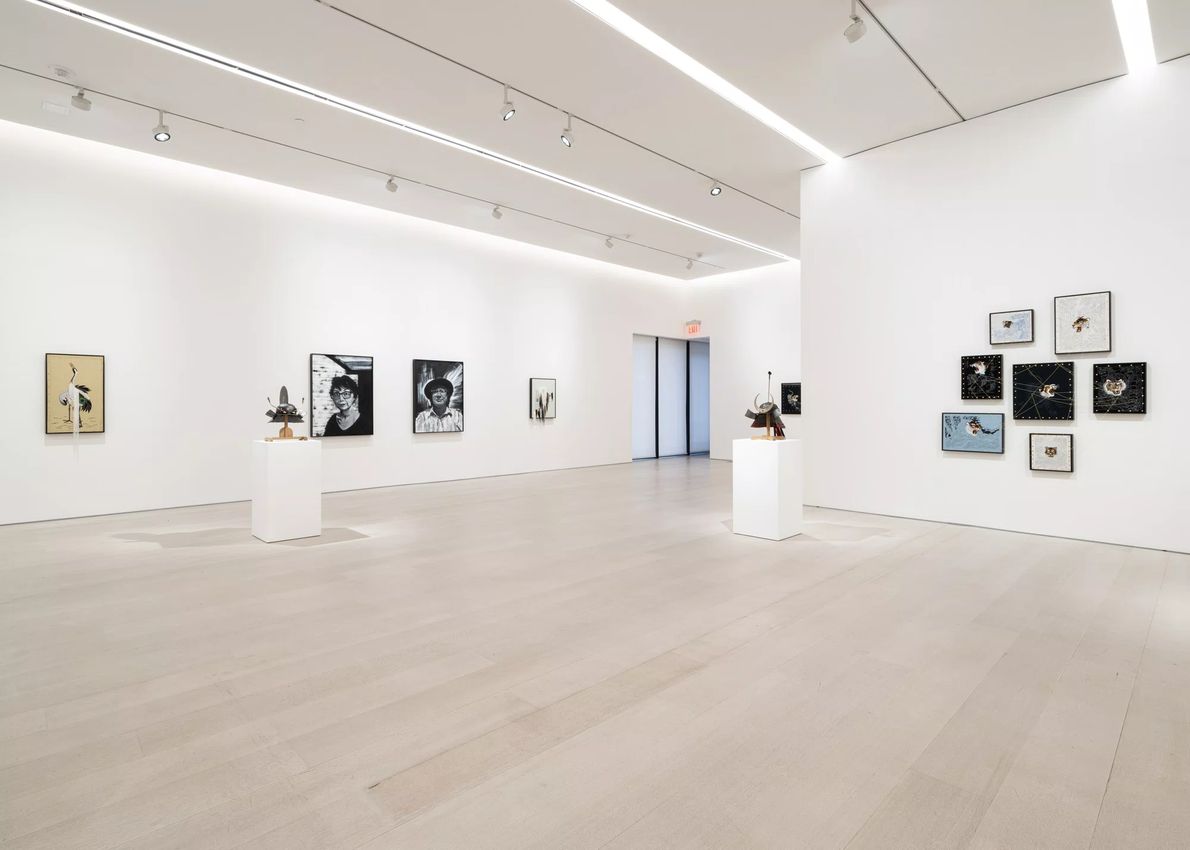
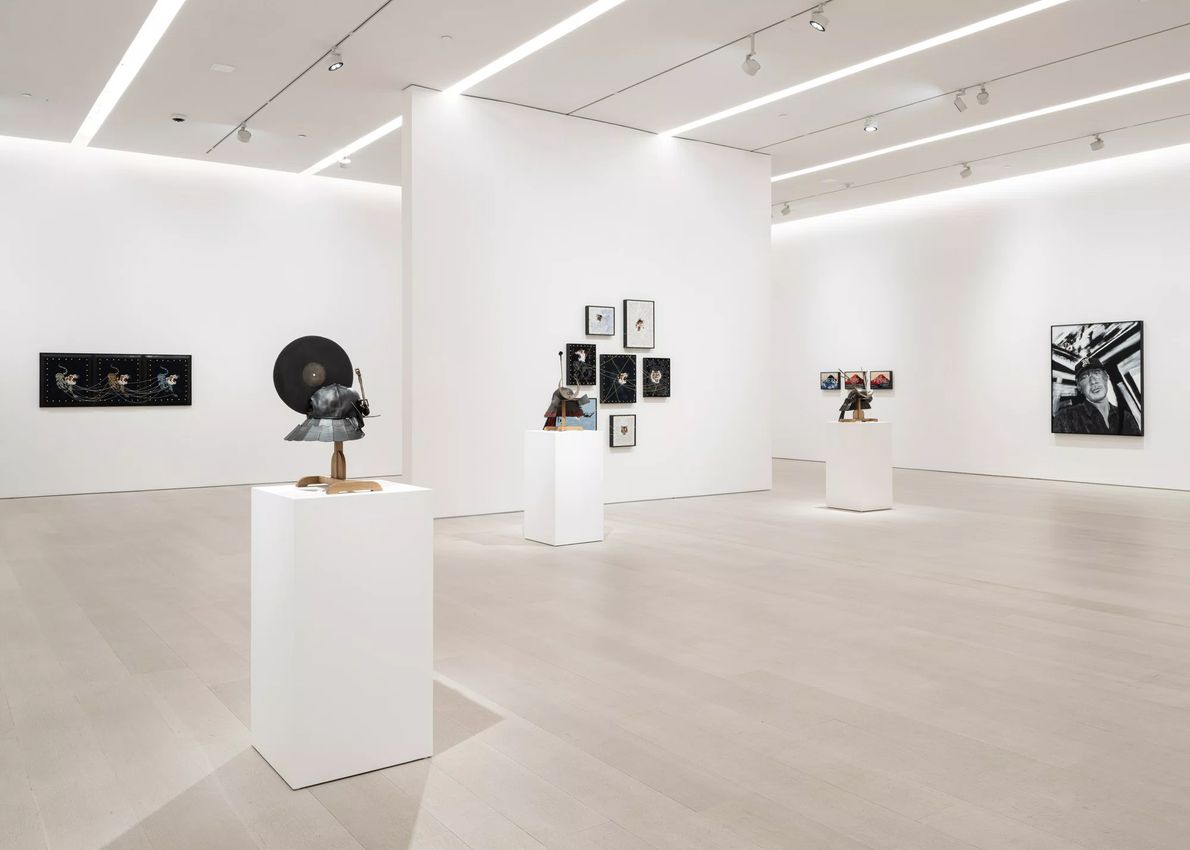
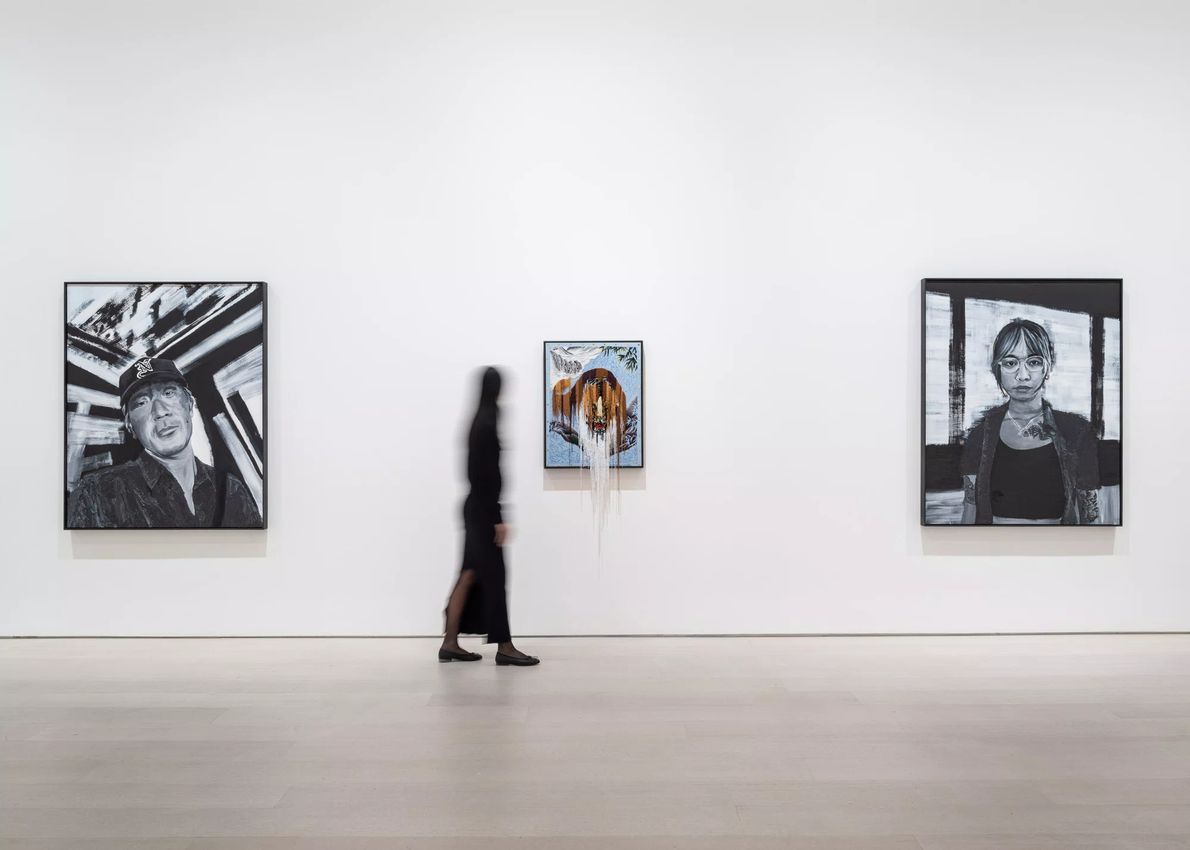
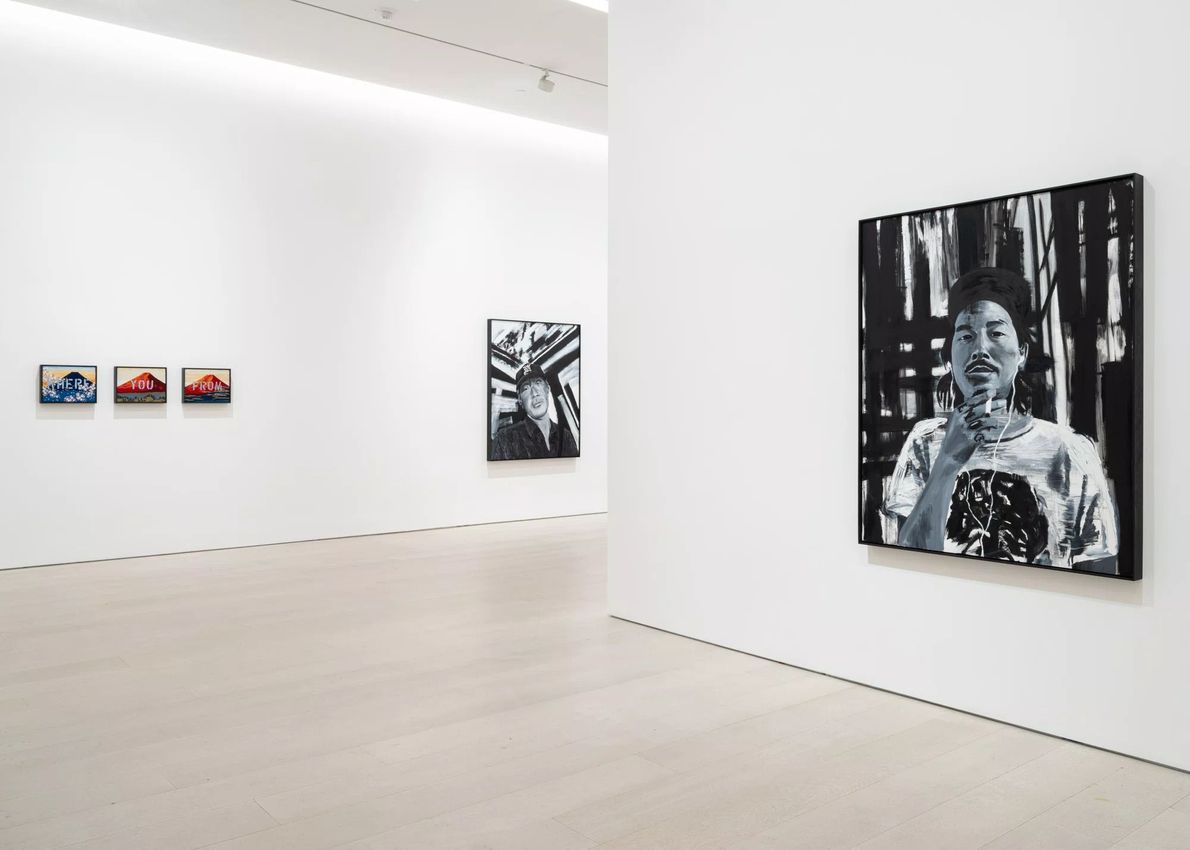
New York – Pace is pleased to present an exhibition of new work by Glenn Kaino at its 540 West 25th Street gallery inNew York. On view from January 12 to February 24, 2024, the show, titled Walking with a Tiger, marks Kaino’s firstmajor exhibition with Pace since he joined the gallery’s program in 2021. The presentation will bring together 18 newartworks—including paintings, embroideries, and sculptures—created by the artist this year.

Known for his multidisciplinary, activist-minded practice and collaborative approach to art making, Kaino hasexplored a wide range of political, social, and environmental issues in his work across mediums. In his paintings,sculptures, installations, performances, films, and monumental public works, the artist examines the roles thatempathy and subjectivity can play in dismantling oppressive power structures and effecting real change.

For his first full-scale exhibition with Pace, Kaino will show a selection of deeply personal works centering on hisfamily history and identity as a Japanese-American. With new paintings, embroideries, and sculptures, the artisthas, for the first time in his career, turned his gaze inward to his own history, memories, and experiences. Kaino’sdecision to engage in this more intimate kind of storytelling—as opposed to the macro-scale social issues he hasexplored in much of his past work—evolved from Glenn Kaino: Aki’s Market, a multifaceted installation centering onhis grandfather’s life in East LA, on view at the Japanese American National Museum in Los Angeles throughJanuary 28, 2024. Kaino’s upcoming show in New York addresses these personal concerns with the same rigor,inventiveness, and humor that has defined his approach to art making and scholarship.

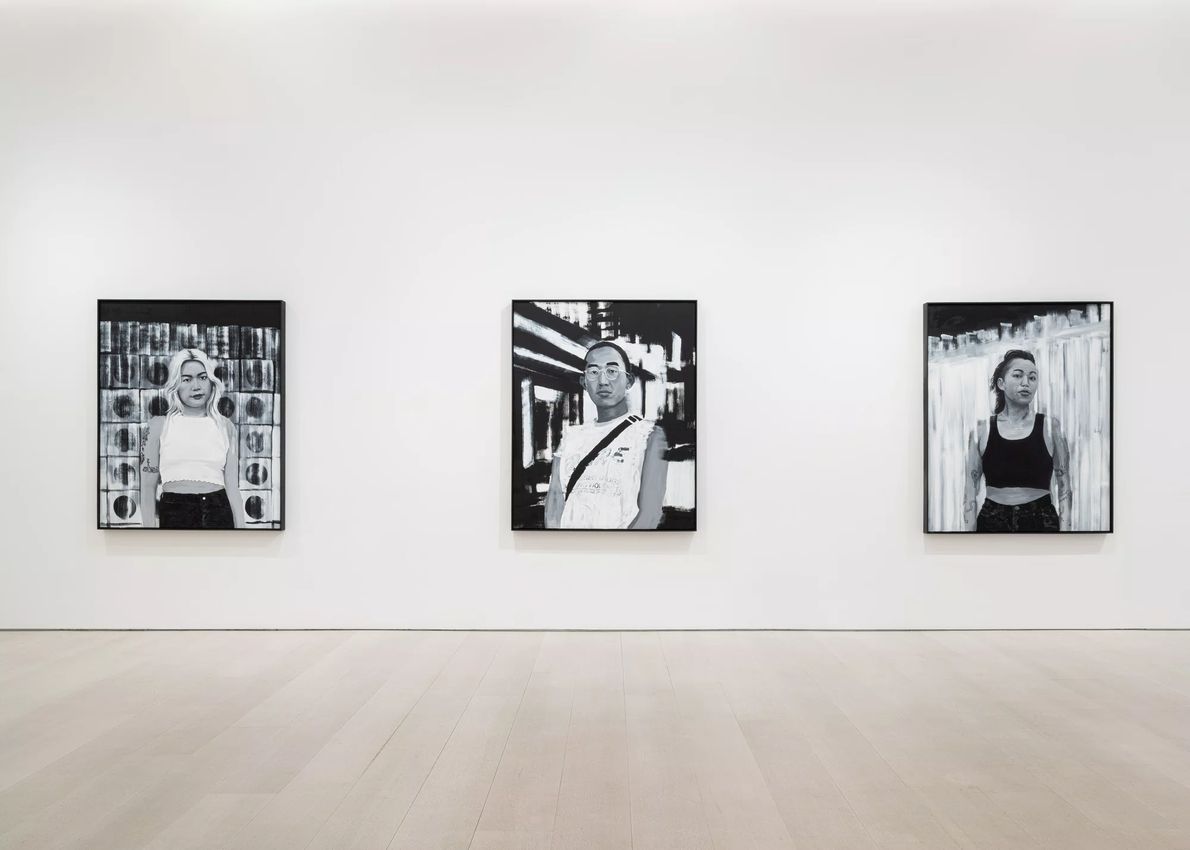
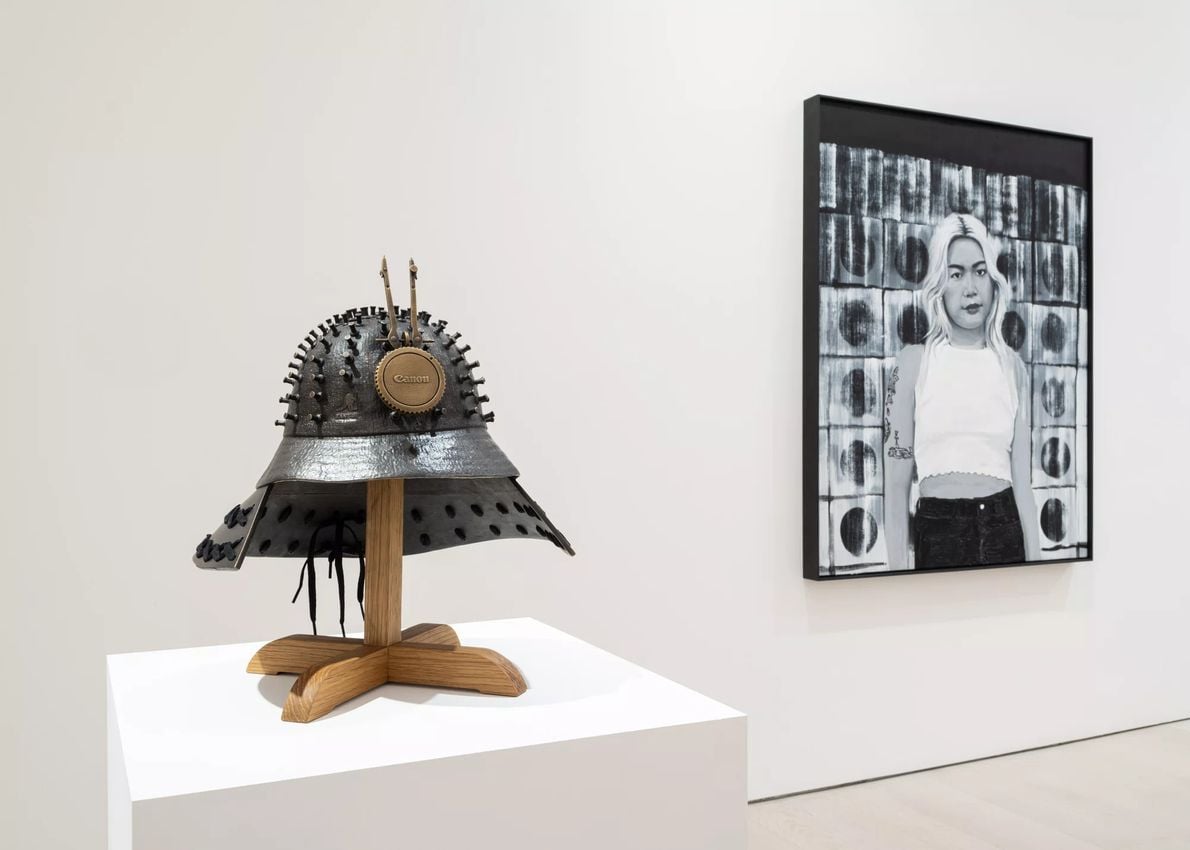
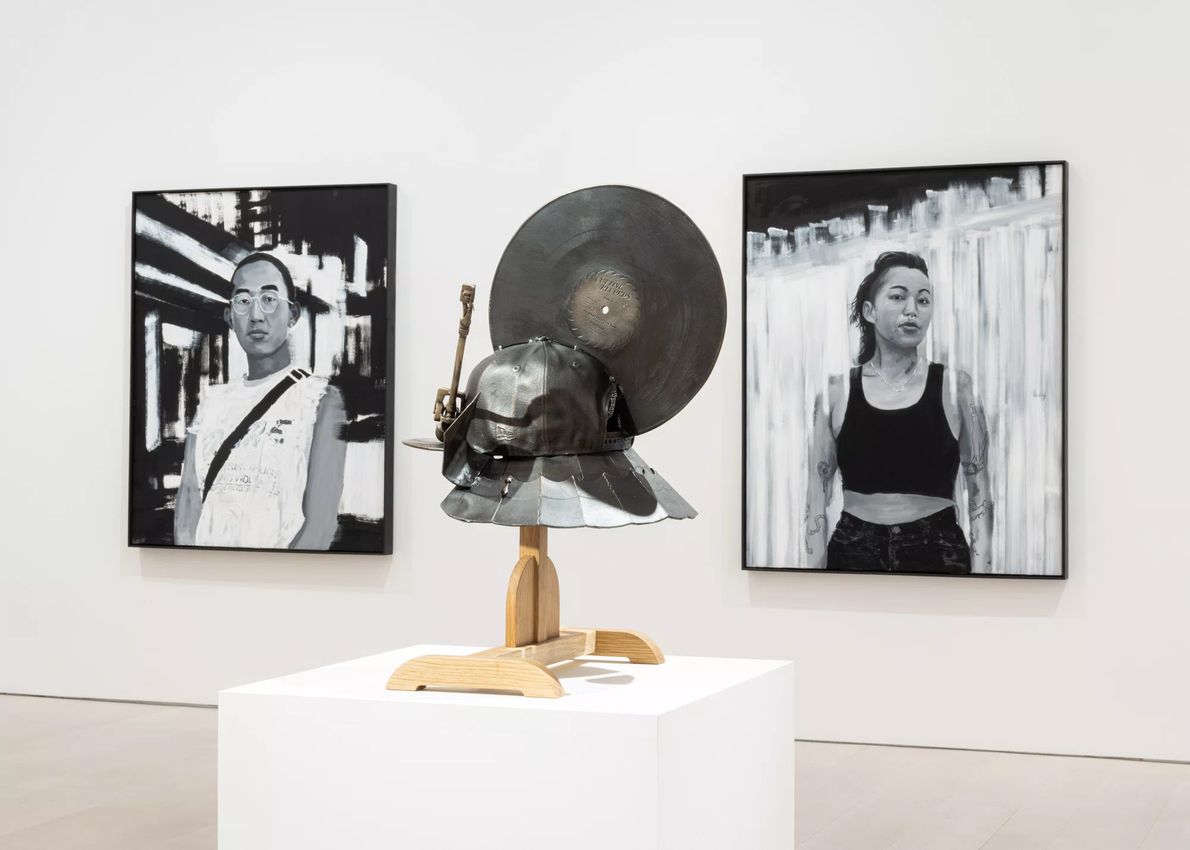
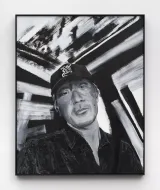
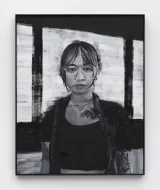
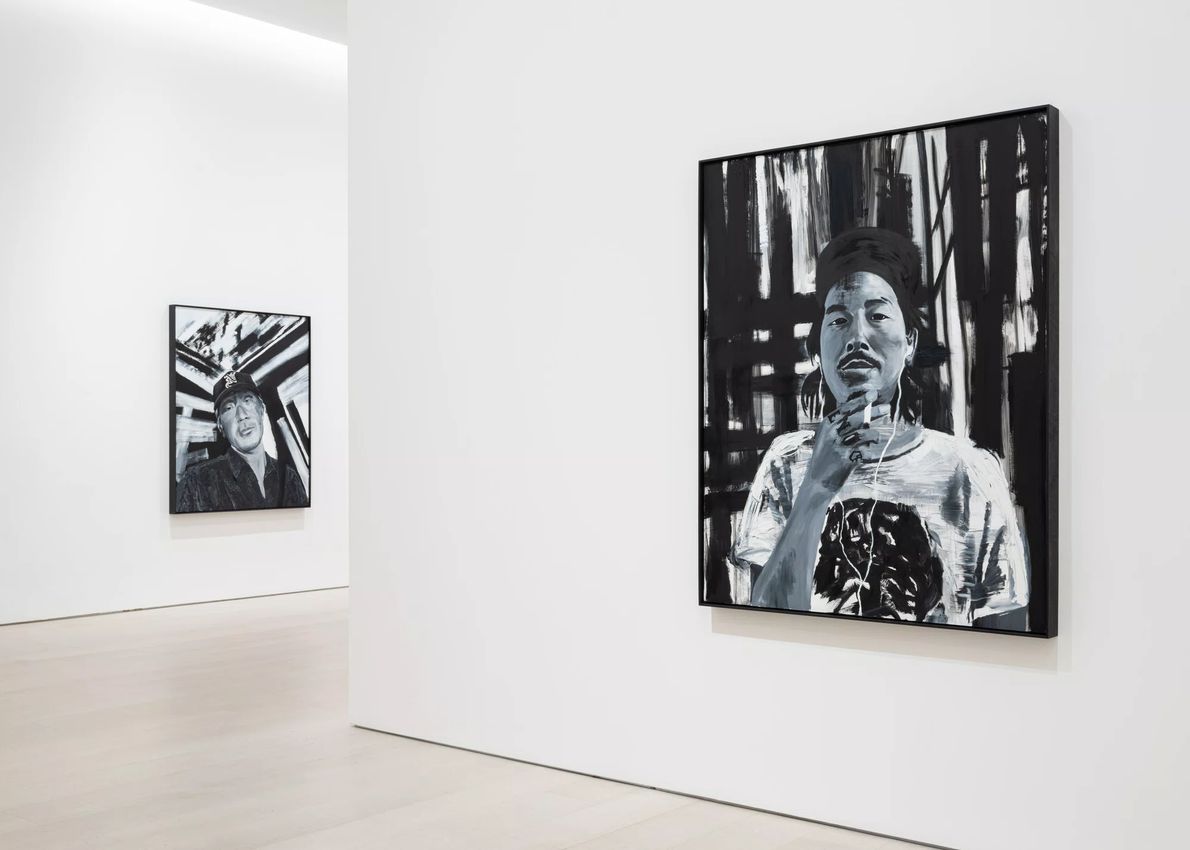
Walking with a Tiger raises questions about the Asian-American diaspora, a subject that has been largely ignored incultural production until very recently, as it relates to the past, present, and future alike. Based on originalphotography, Kaino’s portraits—including friends, musicians, and individuals he encountered on the streets of LA—are acts of visibility, bringing new representations of Asian-Americans into conversation with one another andforegrounding enactments of intergenerational communion within the exhibition. Through gestural processes ofaccumulation and erasure, Kaino uses his brushstrokes to partially obscure various features of the paintings’subjects, suggesting a disruption or slippage in the fabric of time and a tension between the background and fore.

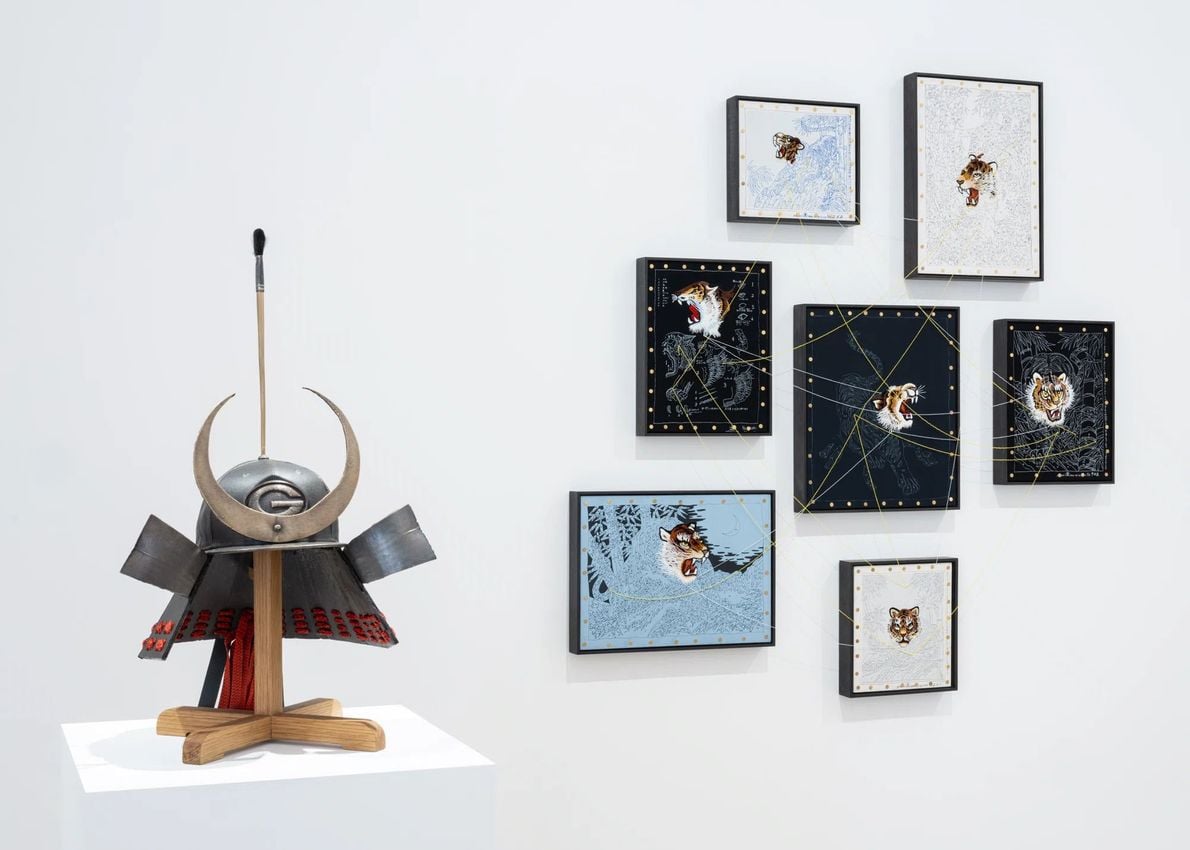
For the new embroidered works in the exhibition, the artist draws on the history of bunka shishu, Japanese punchembroidery that was popularized in the Japanese-American community during the postwar years as a kind of paint-by-numbers for fiber arts and served, for many, as a link to the past. Departing from the instructions within the kitsas he has done in his previous ‘Kitbash’ works, Kaino has invented a new stitch that he utilizes alongside traditionalmethods. The threads in these works are long and loose, extending embroidered images of tigers, storks, andKabuki figures well beyond the confines of the picture plane; in some cases, the artist sews images directly together.Japanese tigers are of particular interest to Kaino as symbolic meditations of a romanticized homeland, given thatthe creature has become part of Japanese iconography and mythology despite having never been indigenous to thecountry.

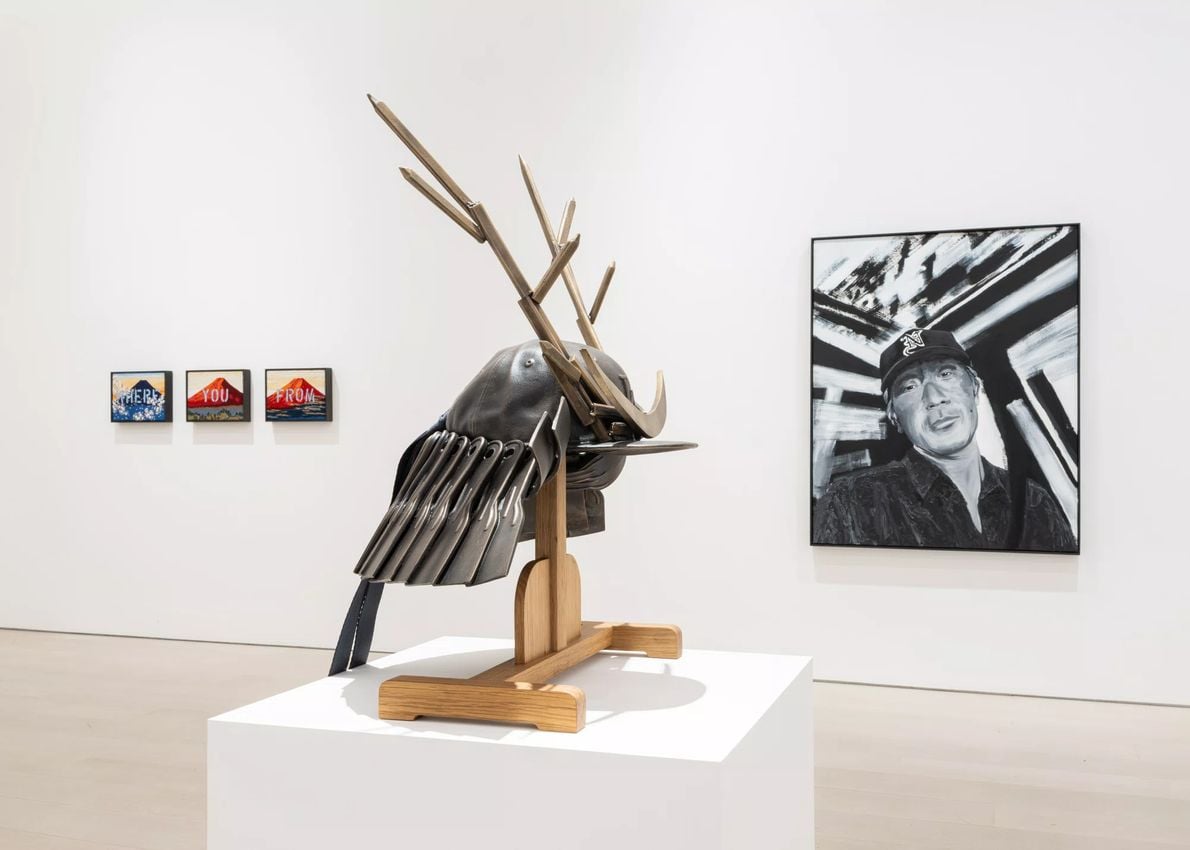
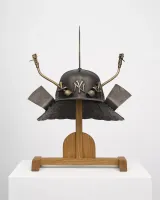
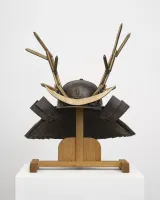
The exhibition will also include a selection of bronze sculptures based on kabuto, a type of helmet used by samurai.In Kaino’s hands, this traditional Japanese armor has been reinterpreted through a contemporary lens. Each of theseworks is an amalgamation of structures and styles—combining baseball caps or Kangols with futuristic, embellishedforms that protrude into space, declaring their Asian-American history by incorporating distinctly American wares.Displayed atop wooden plinths, Kaino’s helmets will also feature decorated interiors composed of kimono fabrics andwoven shoelaces from sneakers. These sculptures speak to the ways that the form and design of relics can endurethrough the ages, generating new meanings and connections by way of the artist’s hand.

Kaino is the co-curator of the Hammer Museum’s forthcoming Pacific Standard Time exhibition Breath(e): TowardsClimate and Social Justice, and his newly commissioned public works for LA’s 6th Street Park and MTA LAX MetroConnector will be unveiled in 2026 and 2024, respectively. Last year, he exhibited his large-scale installation Bridge(Raise Your Voice in Silence) (2021)—a work produced as part of his decade-long collaboration with Olympic trackand field athlete Tommie Smith—at Pace’s gallery in New York. He also recently presented a long-term exhibition, Inthe Light of a Shadow, at MASS MoCA in North Adams, Massachusetts.

Read More

Installation Views

About the Artist

Known for his collaborative projects with prominent cultural figures like Tommie Smith, Jesse Williams, and John Cage, artist Glenn Kaino takes a multi-disciplinary approach to contemporary issues.

View Artist Profile

Also Exhibiting at Pace Gallery

About the Gallery

Pace is a global art gallery of and for the future, modeled on a set of core values established during its founding in 1960 and designed to serve its artists, estates, and collectors in a way that is focused, responsive, and aligned with its enduring mission.

View Gallery Profile
Address
540 West 25th Street
New York
United States
Opening Hours
Tuesday – Saturday
10am – 6pm
(1)
New York 540 West 25th Street
Pace Gallery
540 West 25th Street, New York, United States
+1 212 421 3292
http://www.pacegallery.com

Opening hours
Tuesday – Saturday
10am – 6pm
The art world in focus