The art world in focus
Subscribe to our newsletter for news and insights on artists, galleries and exhibitions.
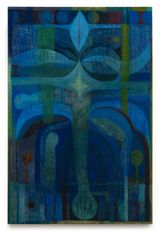
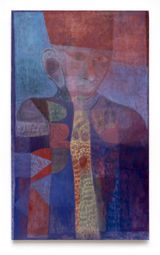
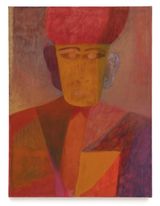
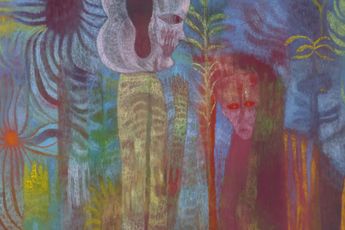
A wolf howls into a hazy evening sky and distorted faces fade in and out of focus in the dreamlike, jewel-toned paintings of Bosnia-Herzegovina-born artist Maja Ruznic. Raised in San Francisco following three years spent in European refugee camps during the Bosnian War, she now calls the desert landscape of New Mexico home. She uses colour to conjure the emotions evoked by personal memory, with scenes drenched in hazy blues, greens and reds that create less a specific moment in time than an ongoing feeling or desire.
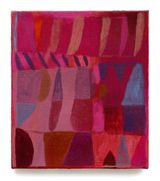
Ruznic’s latest exhibition, Who Tastes Fire and Cannot Speak, at Contemporary Fine Arts in Basel is titled after a line in Louise Glück’s poem Day Without Night (published in 1985). Glück imagines a hell made not of darkness and flames but of relentless bright light, in which the respite offered by the shadows is set in stark relief. This notion of ambiguity as a site of transformation, where nothing is quite as it seems, is key to Ruznic’s scenes as they slip easily between figuration and abstraction. Layers of paint dissolve and bleed together as they appear to emanate from the woven linen canvas, like light bouncing off a car bonnet. She is interested in “all the things that arise from the shadows and the subconscious, where movements are slower”. As she puts it: “There’s a sense of dream logic, which is more interesting to me than things of reason or illumination.”
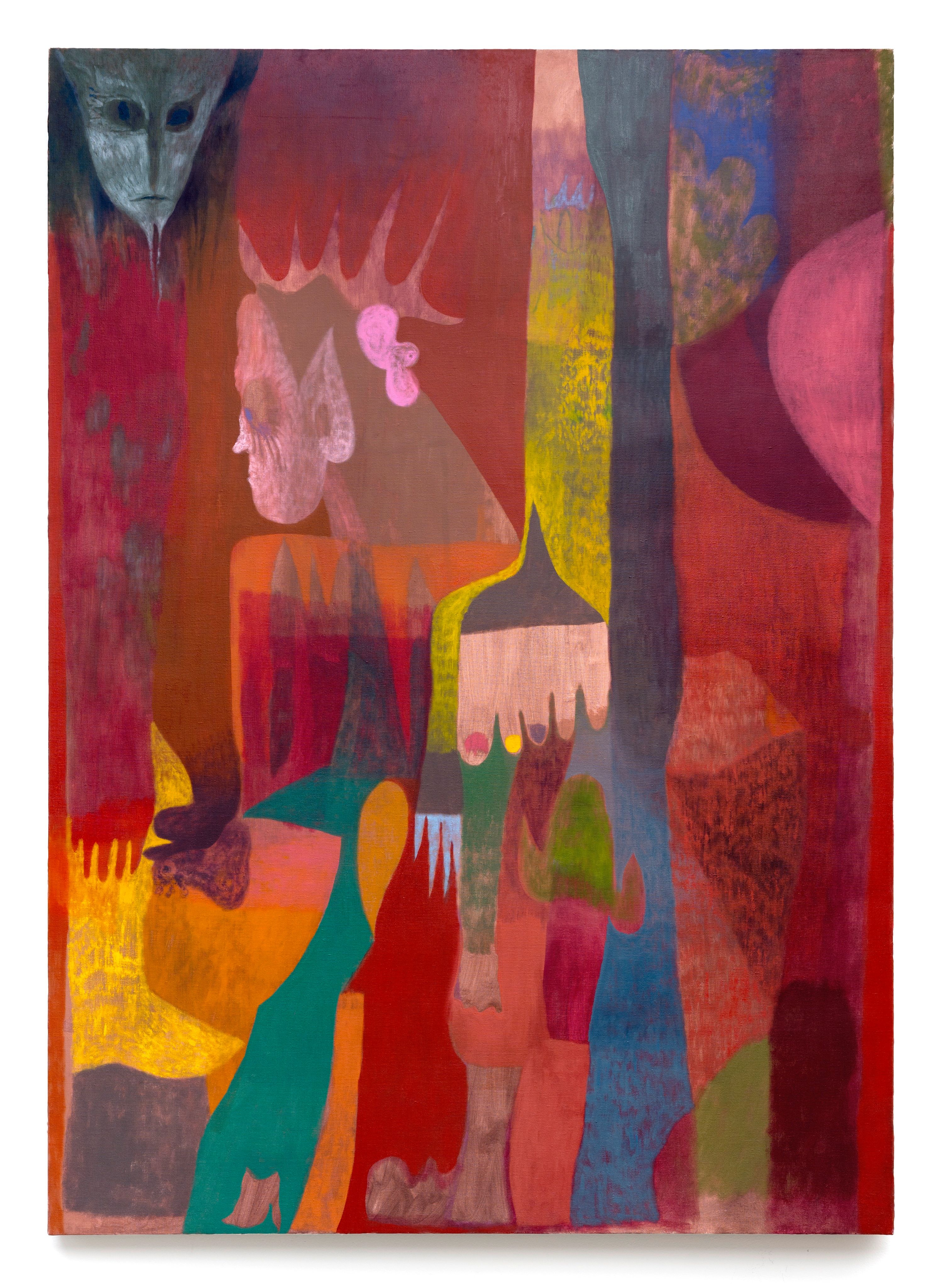
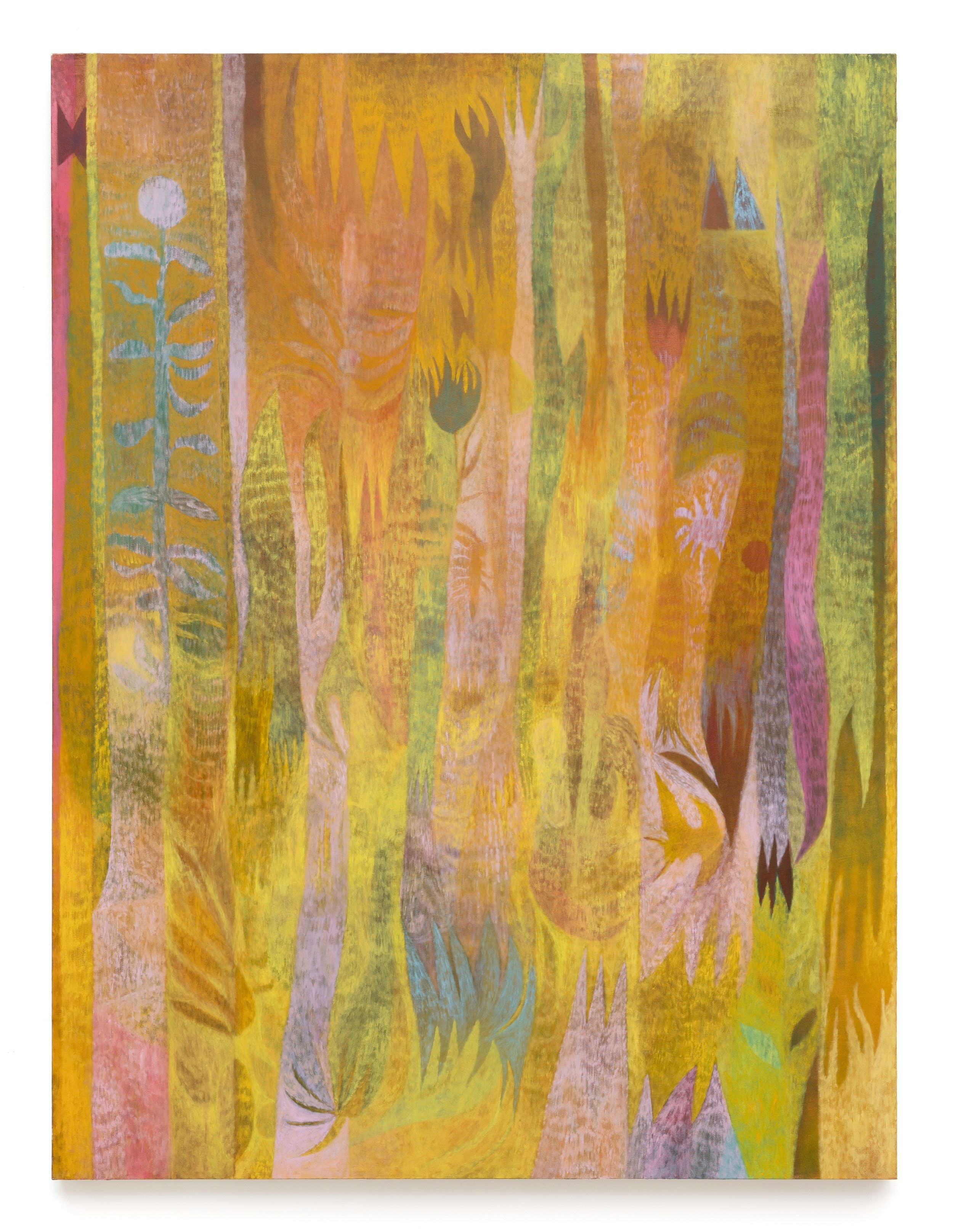
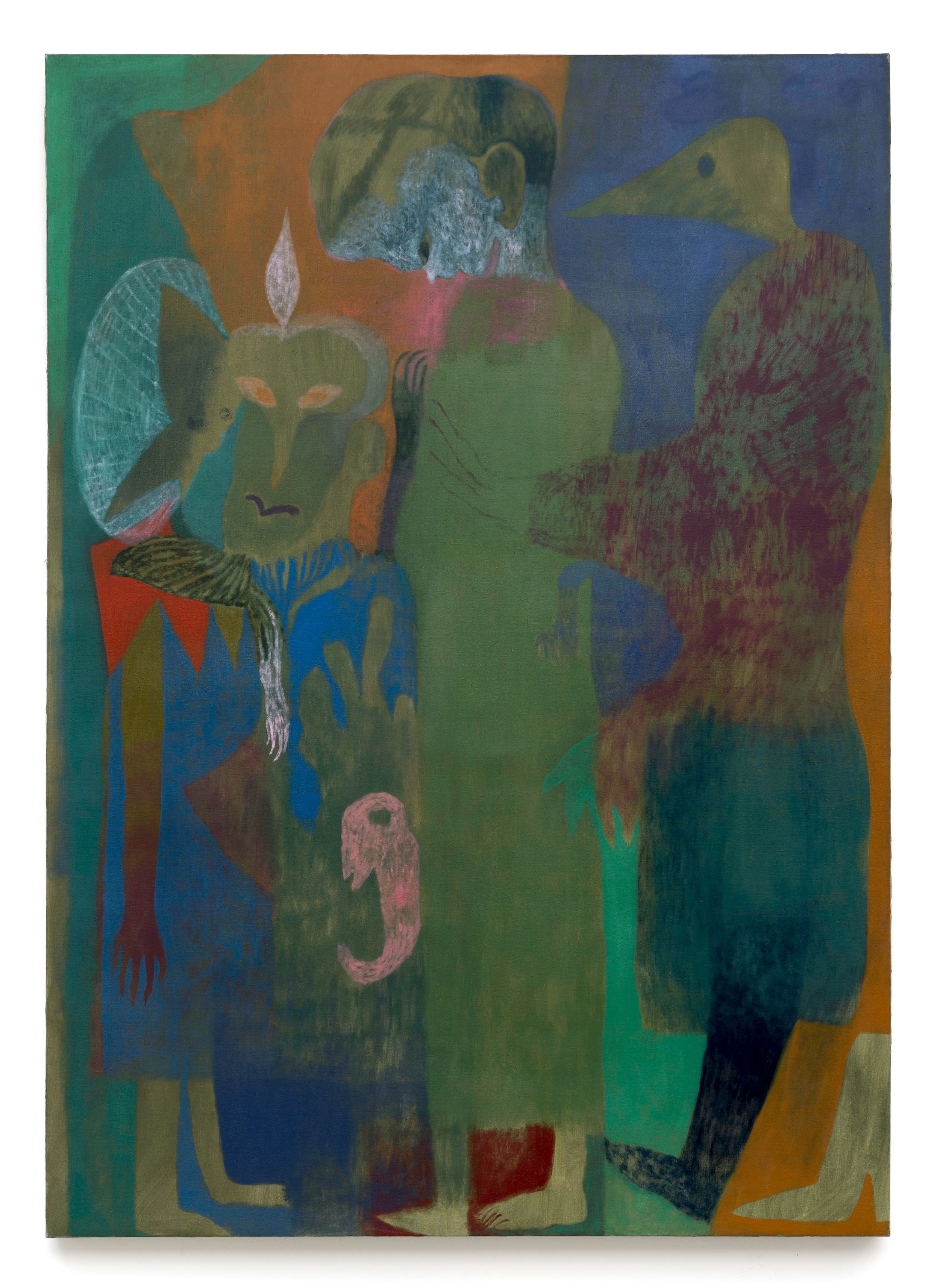
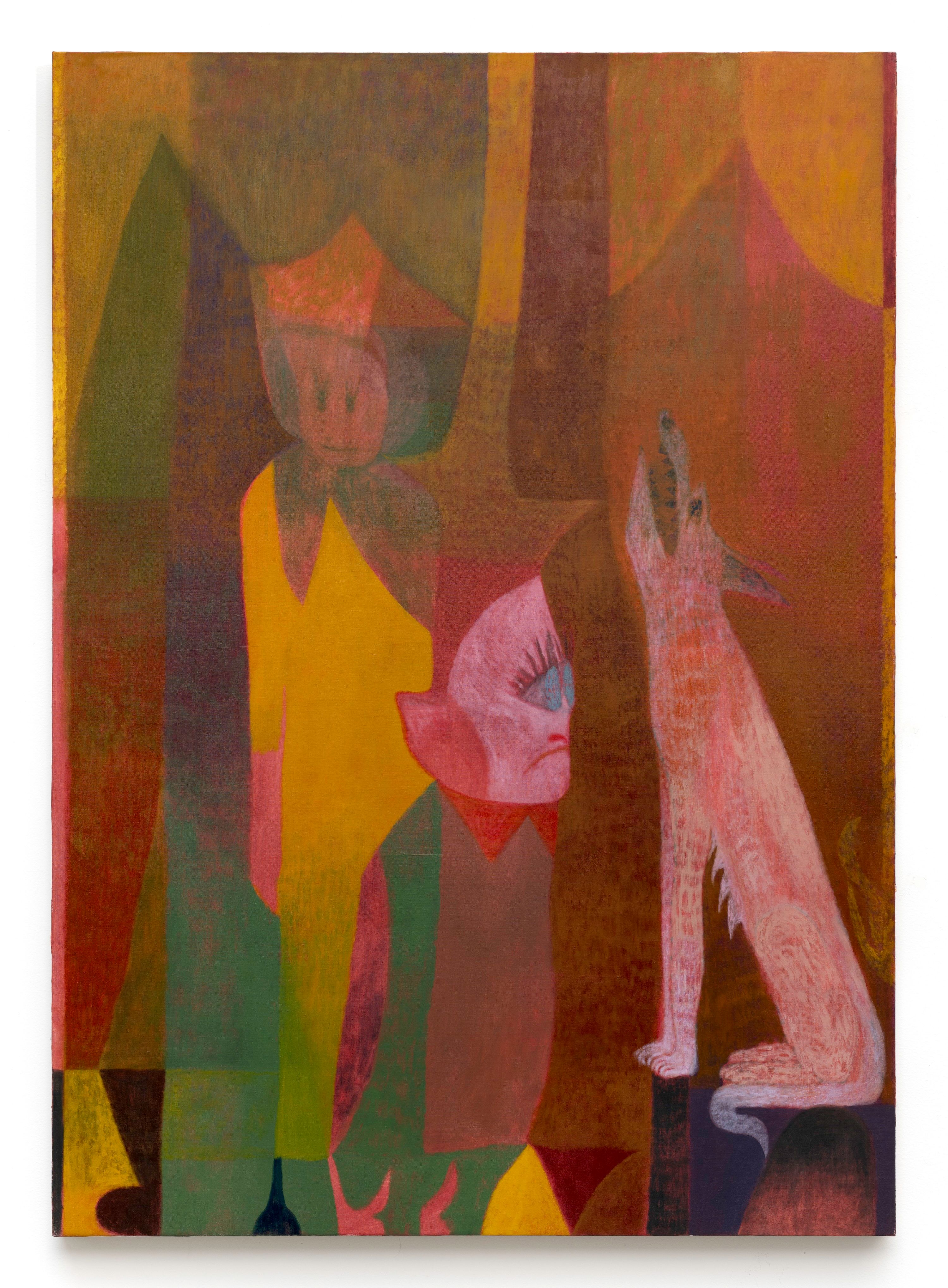
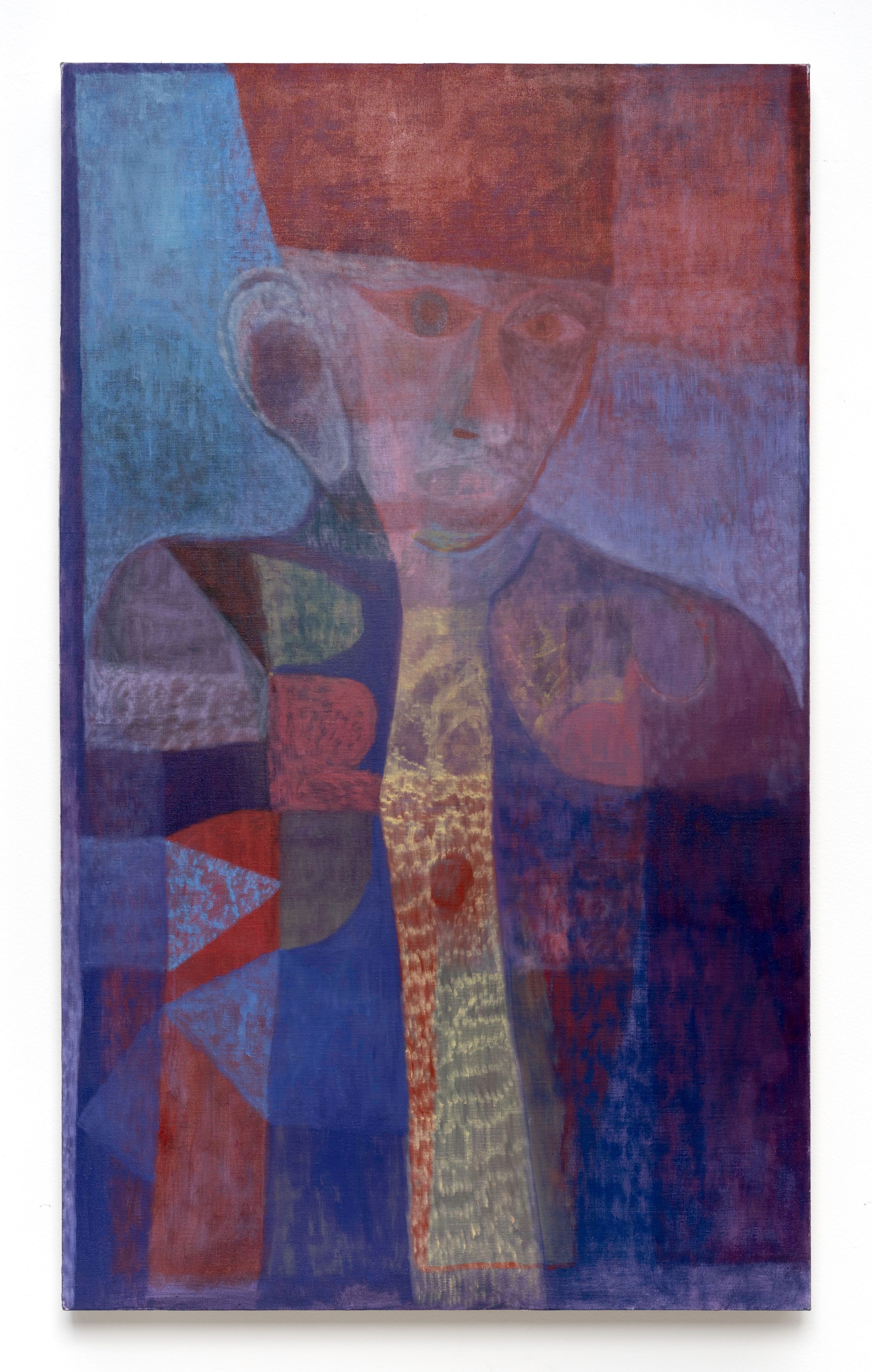
Ruznic’s family history is central to her work, in which a sense of play and horror is often held within a single motif. Outstretched hands and feet warp and creep, yet in the titular work of the show one hand is adorned with multicoloured nail polish. “When I first started really painting, I was 12 years old. My mom and I fled Bosnia and we were refugees in Austria,” she recalls. “I made myself a little art studio in the back of our kitchen and I was using a lot of water-based ink and watercolour and I remember using my breath a lot to guide the pools of water on my paper that would pigment it. And I remember how there was a connection with my interiority, my breath and what it did on the paper and the kind of dizziness all formed something that to me felt stronger than language.”
That sense of intuition is key to Ruznic’s work. “Sometimes I just look for an hour and I don’t paint. It’s a bit of hallucination, almost. The colours start vibrating. It’s as if the painting just tells me what to do. And I’m very obedient.” Abstract and geometric forms hint at rooms and architectural spaces, at homes inhabited and lost, as Ruznic reaches into her own past in search of new stories. “Everything about our contemporary moment wants us to be and behave like machines,” she concludes. “And I think being an artist is really a radical way to not plug into that.” —[O]

A respected voice in contemporary art discourse.
Focusing on ambitious storytelling and insightful art-world commentary. Ocula Magazine publishes in-depth interviews, critical essays and timely analysis on the artists, exhibitions and ideas driving the global art world.
Learn more about Ocula Magazine
Showcasing the best of the art world.
Ocula partners with galleries from around the world to highlight their artists, artworks and exhibitions. Gallery membership is by application and invitation, with each member vetted by an independent panel.
Learn more about Ocula Membership
Specialises in the sale of major artworks.
Led by a team with deep ties to the world’s leading auction houses, galleries and collectors. Ocula’s advisory team offers bespoke services to high-net-worth clients from around the world who are looking to acquire the best of contemporary and modern art.
Learn more about our team and services