The art world in focus
Subscribe to our newsletter for news and insights on artists, galleries and exhibitions.
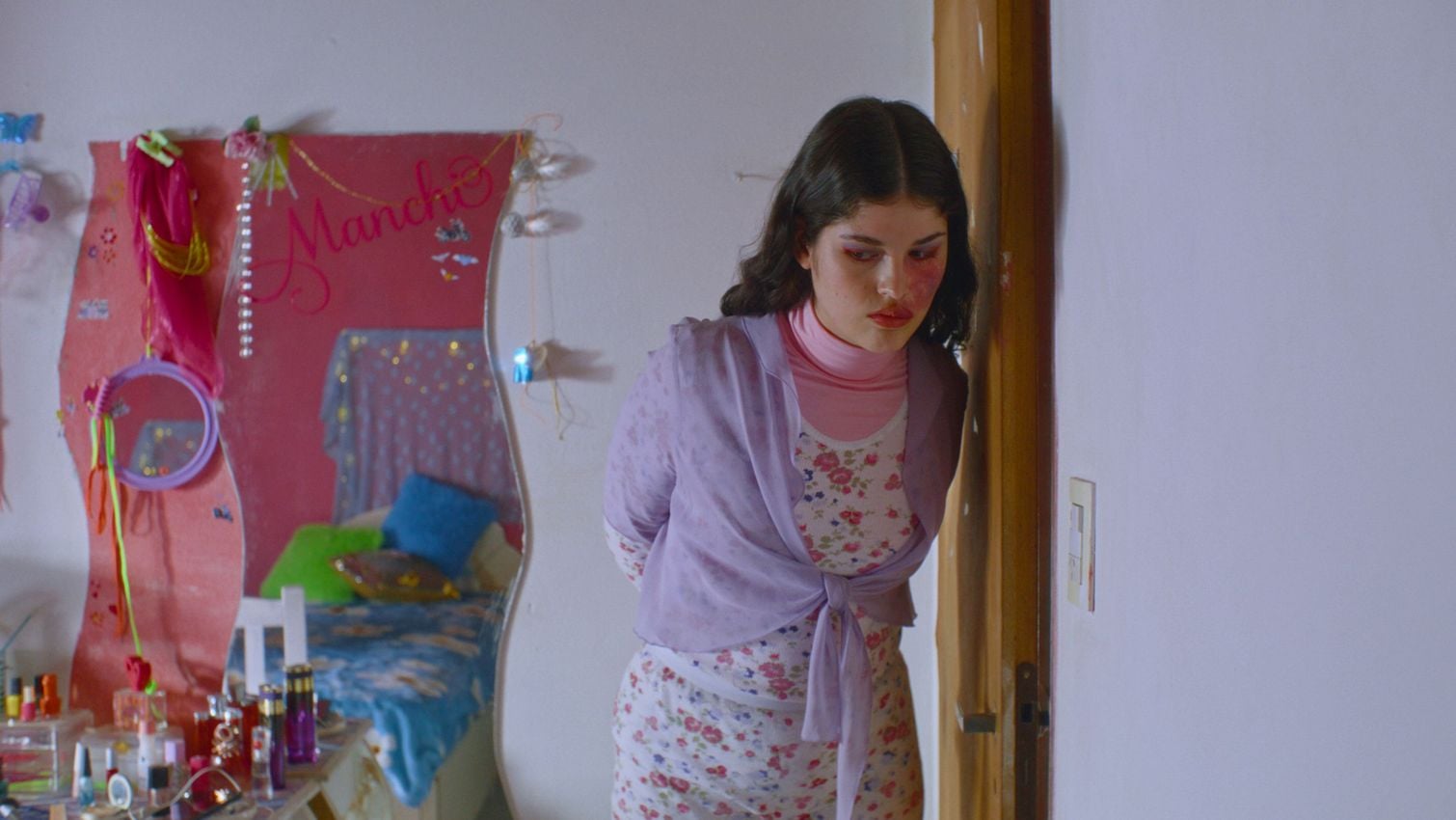
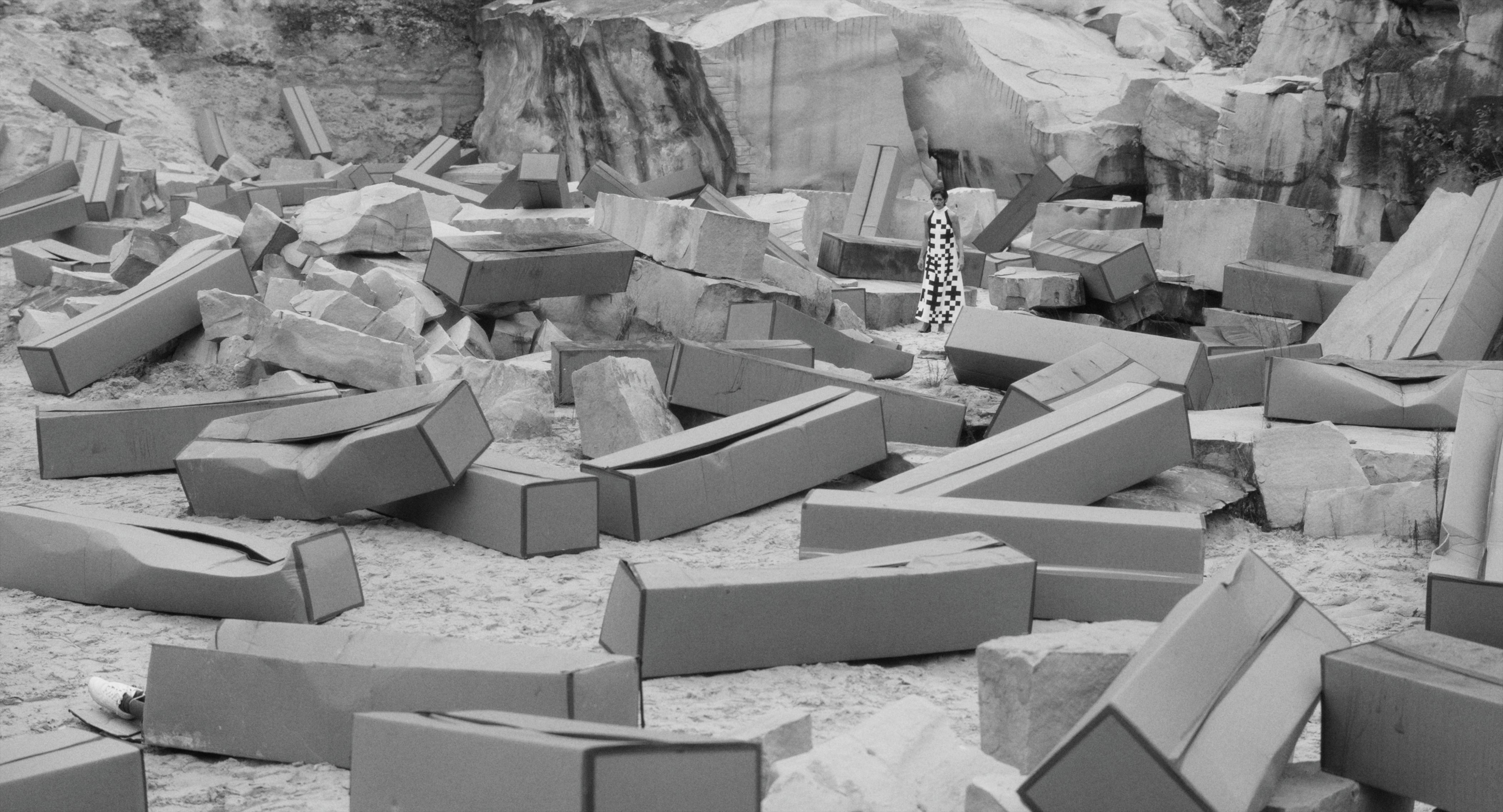
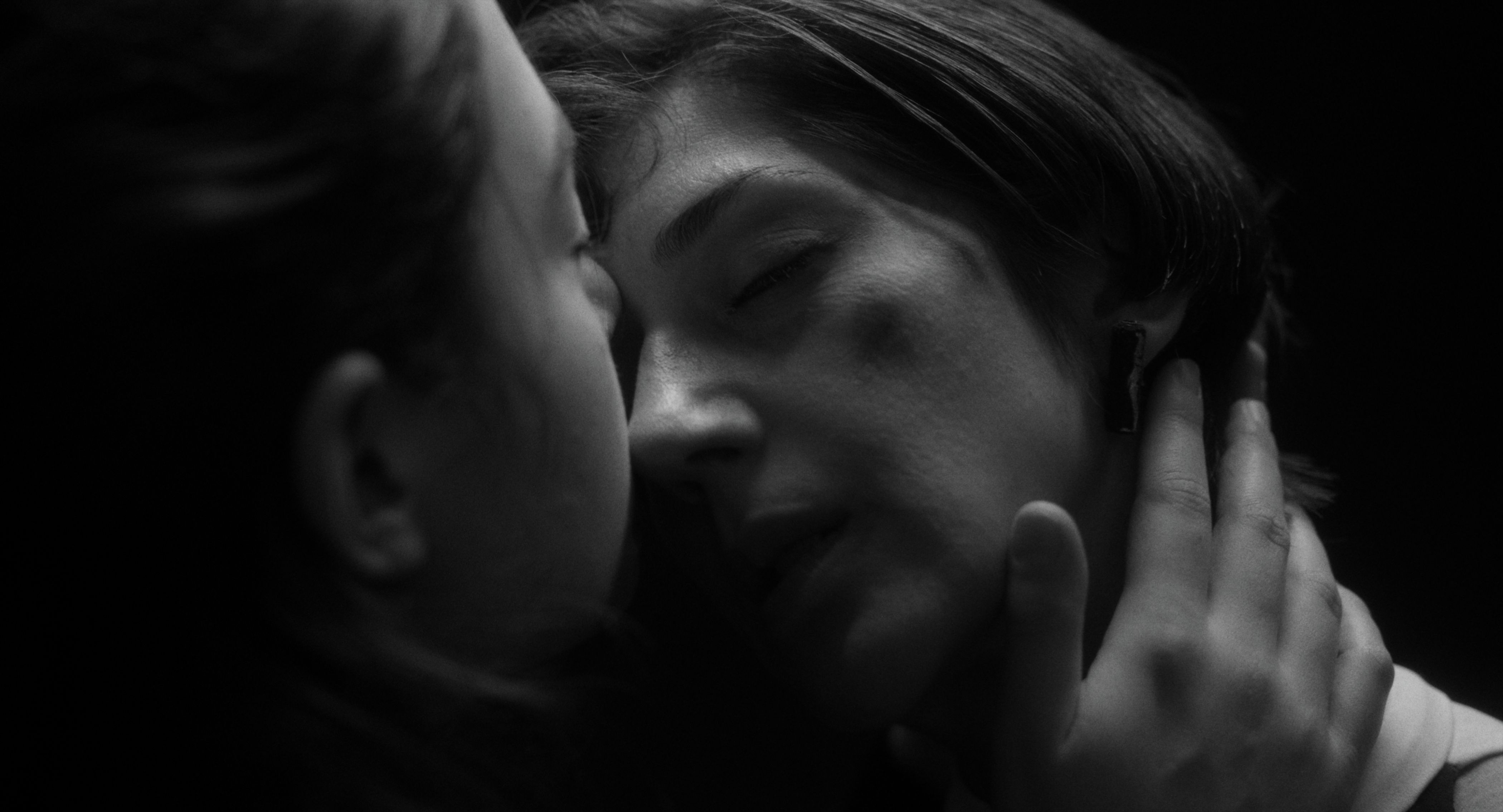
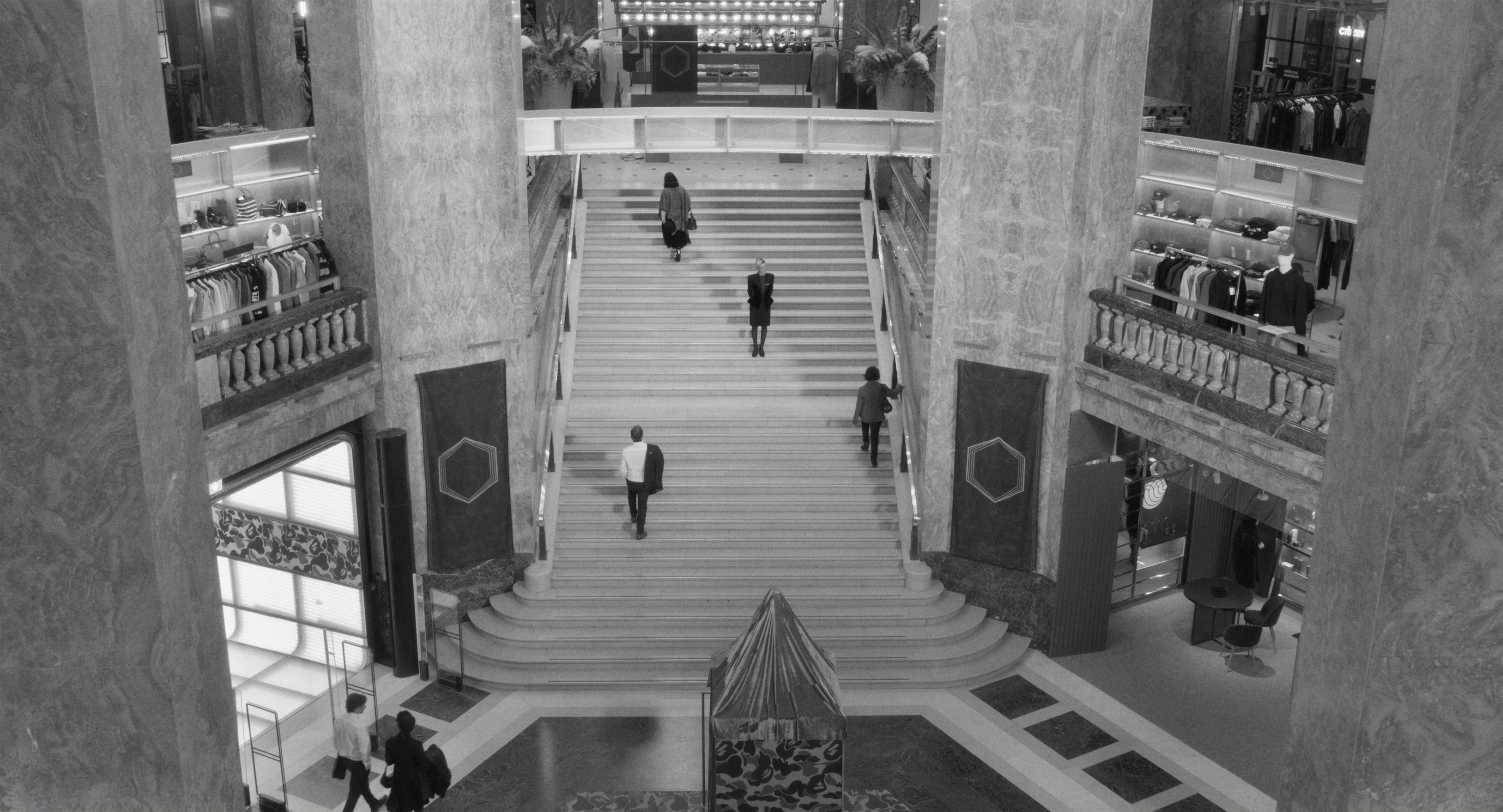
Kissing is punishable by death in Two People Exchanging Saliva (2024), the black-and-white short film directed by Alexandre Singh and Natalie Musteata that won an Academy Award earlier this year. Set in a dystopian future in Paris, the Art Nouveau interior of luxury department store Galeries Lafayette serves as the backdrop for a charged romantic encounter between a saleswoman and a female customer. In this world of heady consumerism, we learn that hard slaps to the cheek serve as official currency when it comes to the time for payment by the customer to be made for her chosen items. The film is an allusive fable centred on the systems of control that mediate our lives, and the tension between fear and desire.
It is the second film written and directed by Singh and Musteata, who are partners in work and in life. Singh, who was born in France to Indian and French parents and grew up in Manchester, has exhibited his combination of installation, film, large-scale drawings and theatrical performances at the Drawing Centre in New York City and the Palais de Tokyo, and has been represented by Sprüth Magers since 2011. Romanian American Musteata was raised in New York in an art-world family and served as a curatorial fellow at Performa earlier in her career, while with Singh she has previously collaborated on exhibitions including A Gothic Tale at the Legion of Honour Museum in San Francisco in 2019, which featured their first short film.
“The thing that is so particular to cinema, and not the art world, is emotion”
Neither Singh nor Musteata studied film formally earlier in their careers, instead arriving in the industry after a prolonged period in the art world. They are part of a growing number of New York-based visual artists who have made the move into the world of narrative cinema and found new success there.
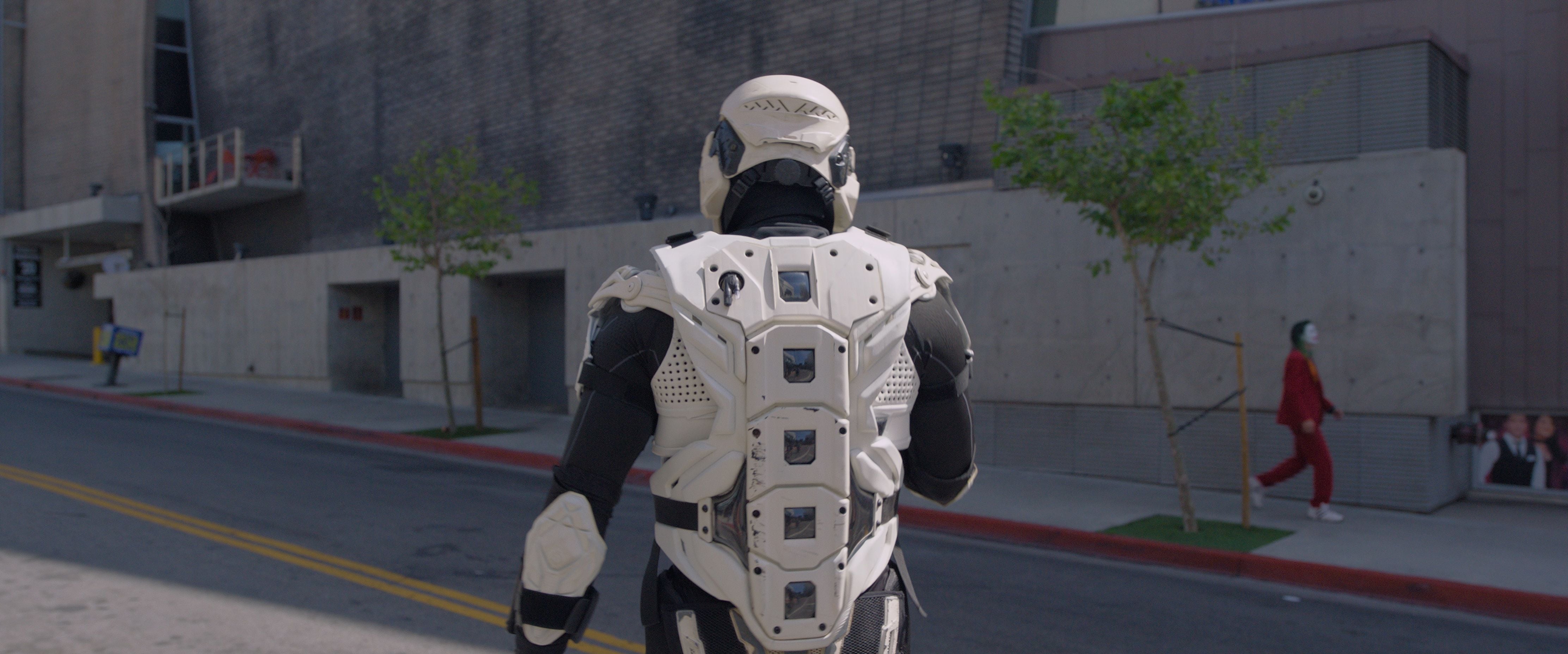
This June, The Last Day, the debut feature film by artist Rachel Rose, starring Alicia Vikander and Wagner Moura, premiered at the Tribeca Film Festival. Last year, Amalia Ulman’s second feature film Magic Farm (2025) premiered at the Sundance Film Festival, starring Chloë Sevigny as a journalist with a film crew that finds itself stranded in the wrong country to interview a musician. Artist Andrew Norman Wilson has released a string of short films, including In the Air Tonight (2020), which focuses on the story behind Phil Collins’s song of the same name and Impersonator (2021), focusing on a Hollywood Boulevard character impersonator. He currently has three feature films in development.
“Art was a fascinating thing to get into in the early 2000s,” Singh says over tea in his and Musteata’s Brooklyn home. “Art exploded in terms of what it could be, to both its benefit and its detriment”. The Thai contemporary artist Rikrit Tiravanija was “cooking pad thai,” Singh says, referring to Tiravanija’s interactive performance piece, “while Cecily Brown was making abstract paintings, and both artists could be in a biennial at the same time.”
Singh has long been fascinated by narrative fiction and found himself confounded by what he saw as the art world’s over-reliance on non-committal gestures left to the audience to interpret. “There was a lot of art-making, especially in New York City in the 2000s and 2010s, that leaned into that a little bit too hard, like the cool kids,” he says. “Writing a story that you were actually meant to read—something that wasn’t just an abstract text on the wall that everyone ignores—felt very risky and potentially embarrassing.” As Musteata adds: “The thing that is so particular to cinema, and which still doesn’t really exist in the art world, is emotion. There is spectacle but emotion is fleeting.”
“I feel like you can do whatever you want in the art world if you’re good at partying”
It wasn’t until Singh met Musteata that the pair began to explore the possibility of making a film. “I was in the middle of my PhD in art history and he had an art show coming up. And we knew no one,” Musteata remembers. “We had to learn how to write a screenplay, and so on the weekends, we would sit in the garden and we would throw ideas around and develop stories orally. We started reading screenwriting books and listening to screenwriting podcasts.” The duo finally made their first short, The Appointment, in 2019. The process of making Two People Exchanging Saliva took another three years and occurred largely during the Covid-19 shutdowns. “It did not feel entirely real,” says Musteata.
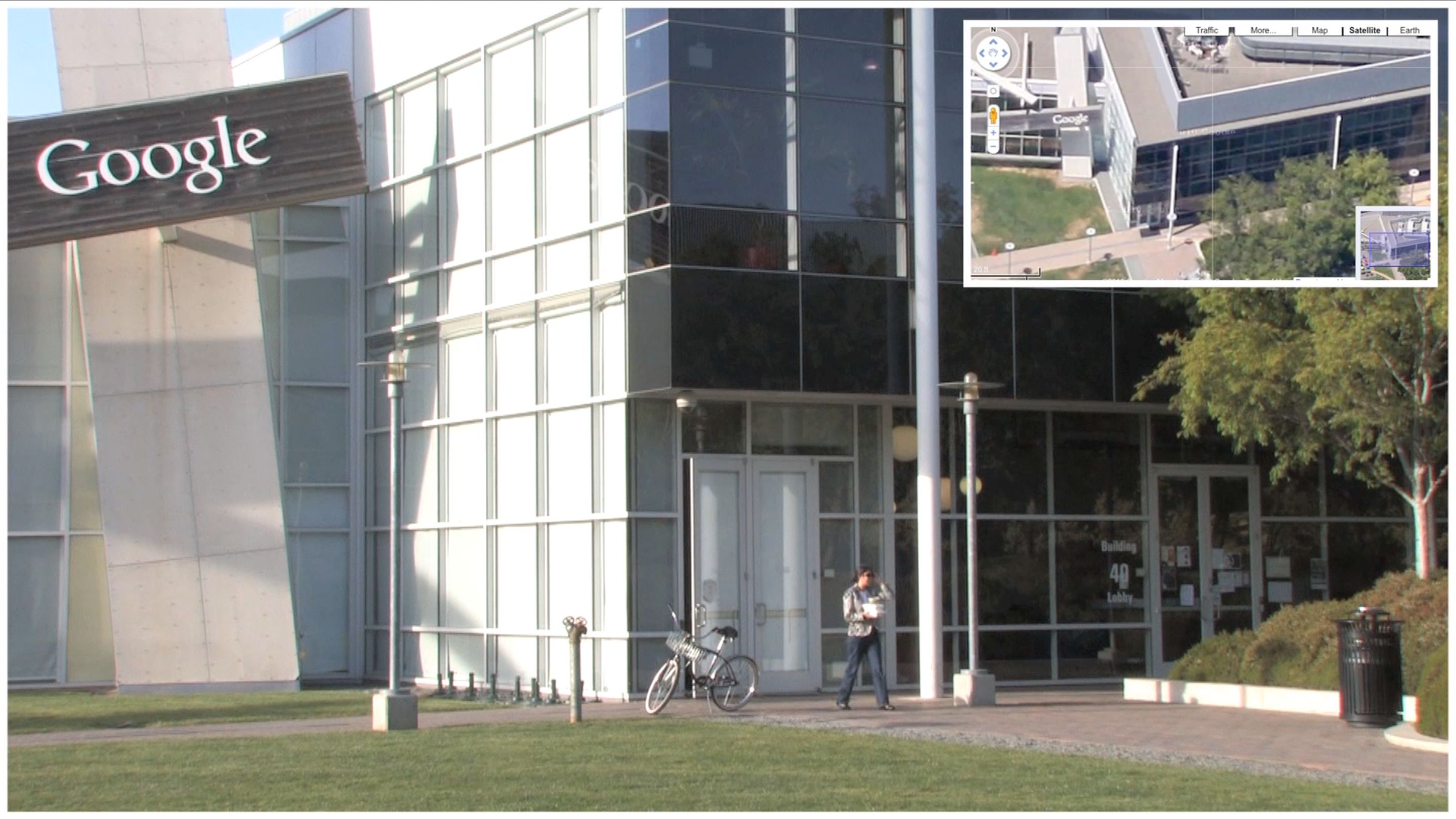
For Wilson, filmmaking had long been a part of his practice as an artist before he made the transition into the world of narrative cinema. He came to prominence early as an artist with the video installation Workers Leaving the Googleplex in 2011, which documents first-hand the stratification of labour at the technology corporation, using footage shot by Wilson while working in San Francisco as a video producer for Google. Wilson was later fired from his role at the company, leading him to retrain as an artist following an earlier degree in journalism.

“You not only have to be a storyteller, you also have to be a salesperson”
After spending years making video art that was shown internationally but which didn’t result in a modicum of financial stability, Wilson documented his complicated relationship with the art world in his viral essay It’s Not What the World Needs Right Now, published in The Baffler in 2024. The piece details his personal experiences of navigating the art world’s preoccupation with status and hierarchy that, in its own way, stratifies the industry. Since then, he has increasingly migrated to film.
“In the art world you can kind of get by as an alcoholic or a drug addict and have this team that helps you along the way,” Wilson reflects. By contrast, “Filmmakers and film people have to function as businesspeople.” For even a low-budget feature film to enter production, Wilson explains, he will have to work extensively with a producer, fundraise for the project, and approach potential cast members. “It’s all so much more baroque. You not only have to be a storyteller, you also have to be a salesperson of your own stories.”
Ulman similarly began her career as an artist with an internet-centric project that showcased her ability to craft a compelling narrative. Excellences and Perfections (2014) documented the artist’s portrayal of a fictional striving character who undergoes a glow-up over four months on Instagram, exemplifying and contending with the platform’s nascent (and now longstanding) love affair with the performative self. While the project is highly regarded as a defining work in the post-internet art canon, Ulman herself has mixed feelings about its reception. “Older people didn’t really understand it because they were not yet familiar with fiction on social media, and fake news and all of that,” she says. “I got accused of perpetrating a hoax and being a scammer. That was very damaging in my life.”
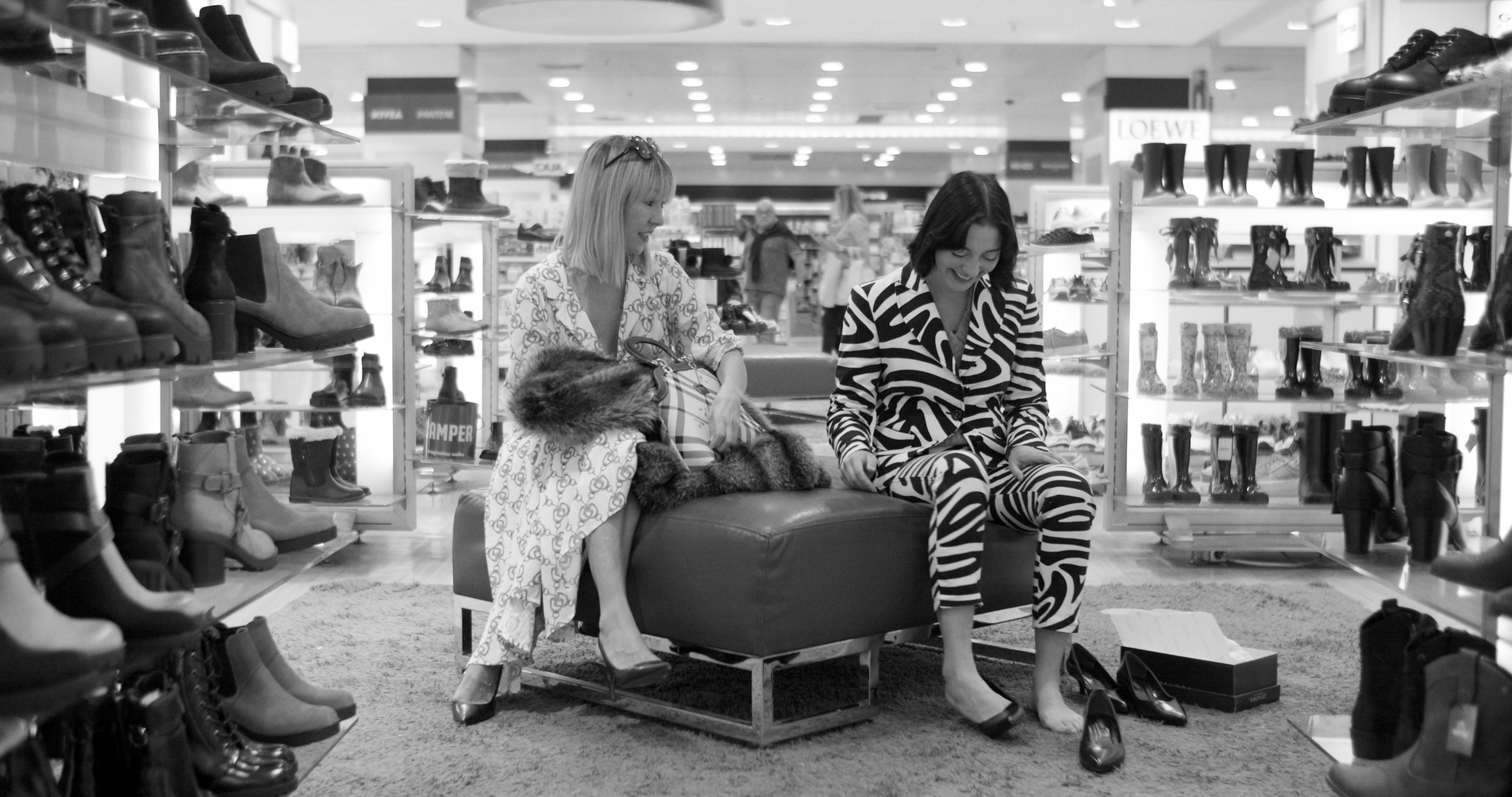
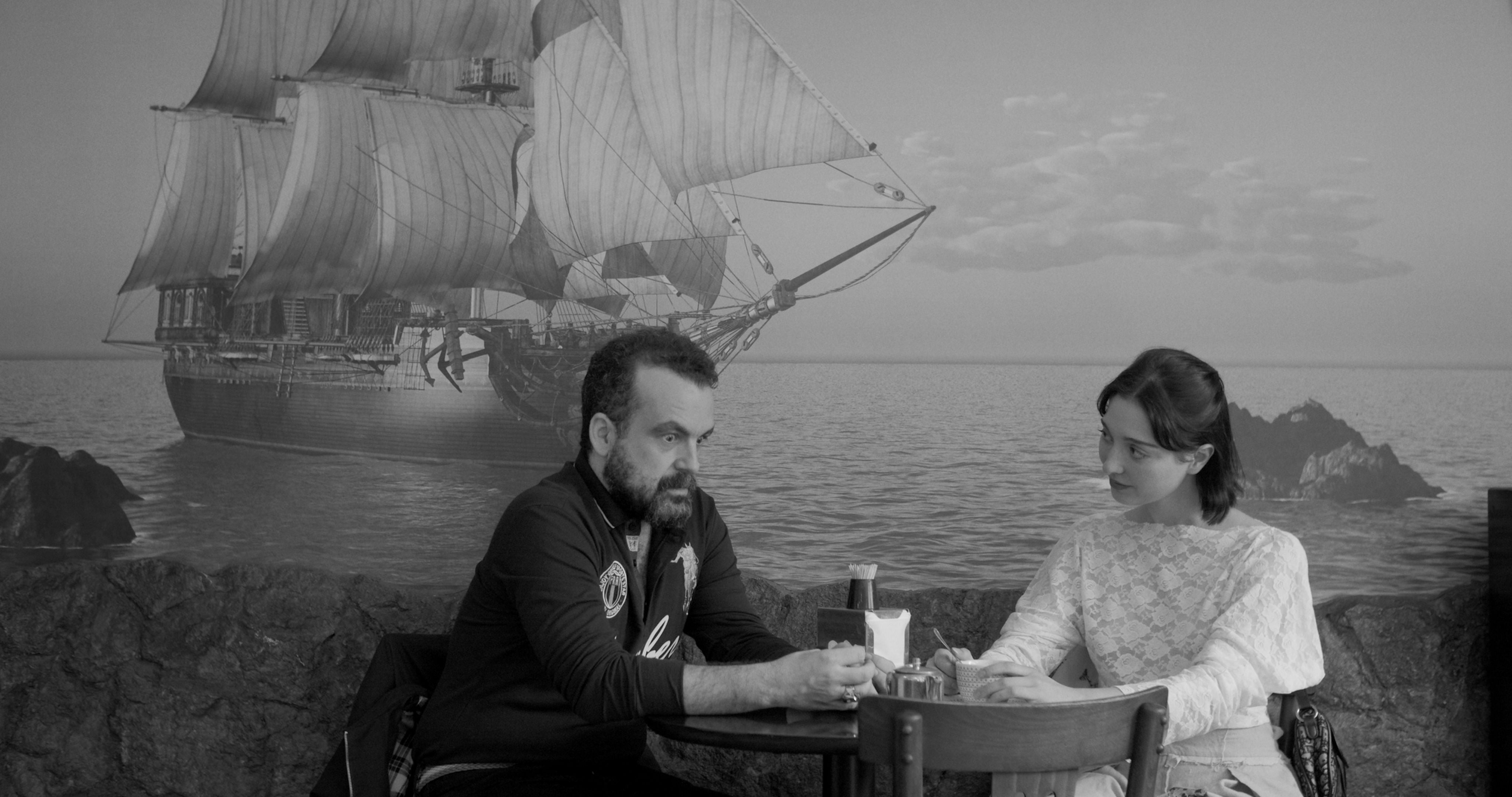
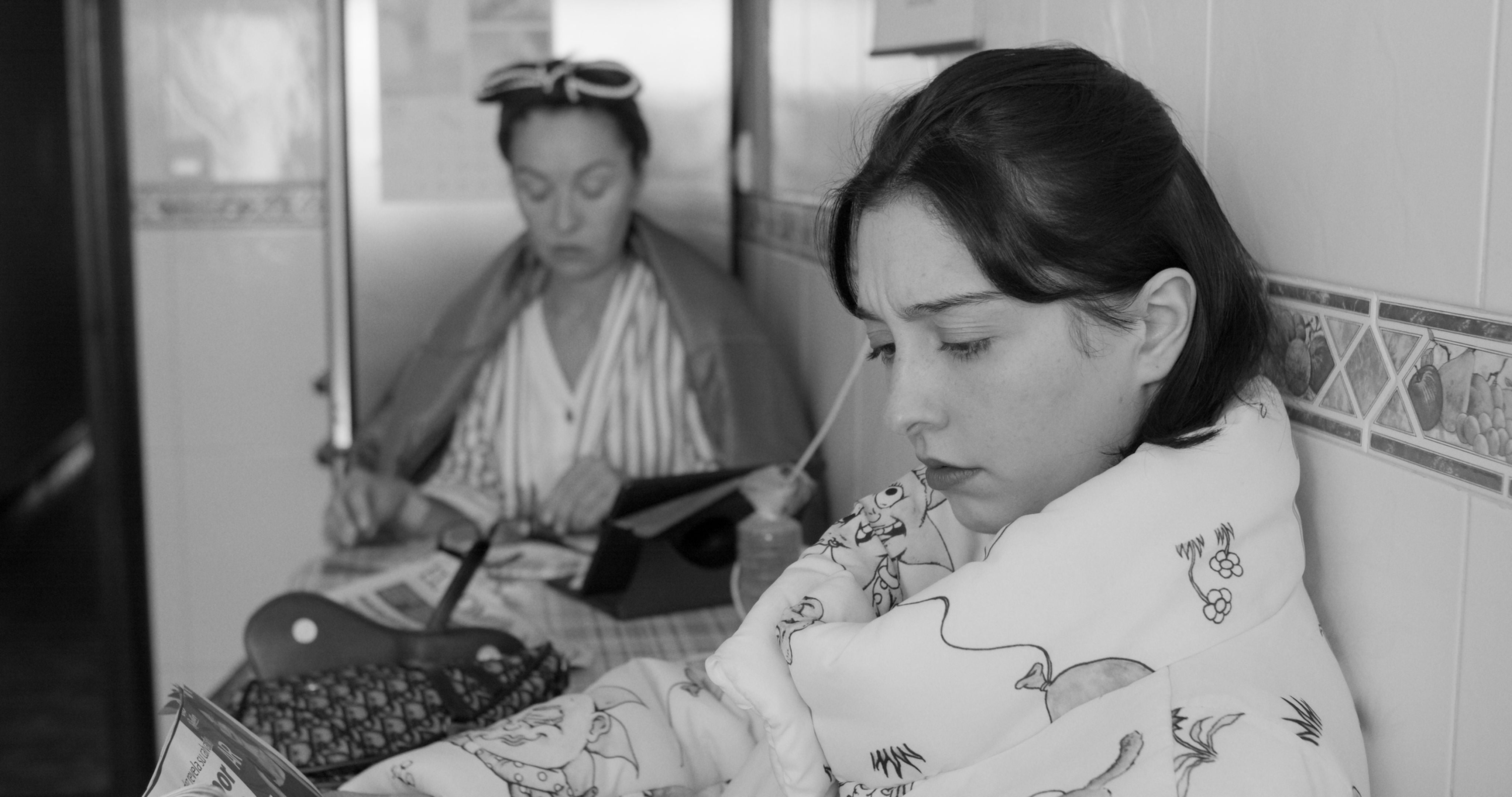
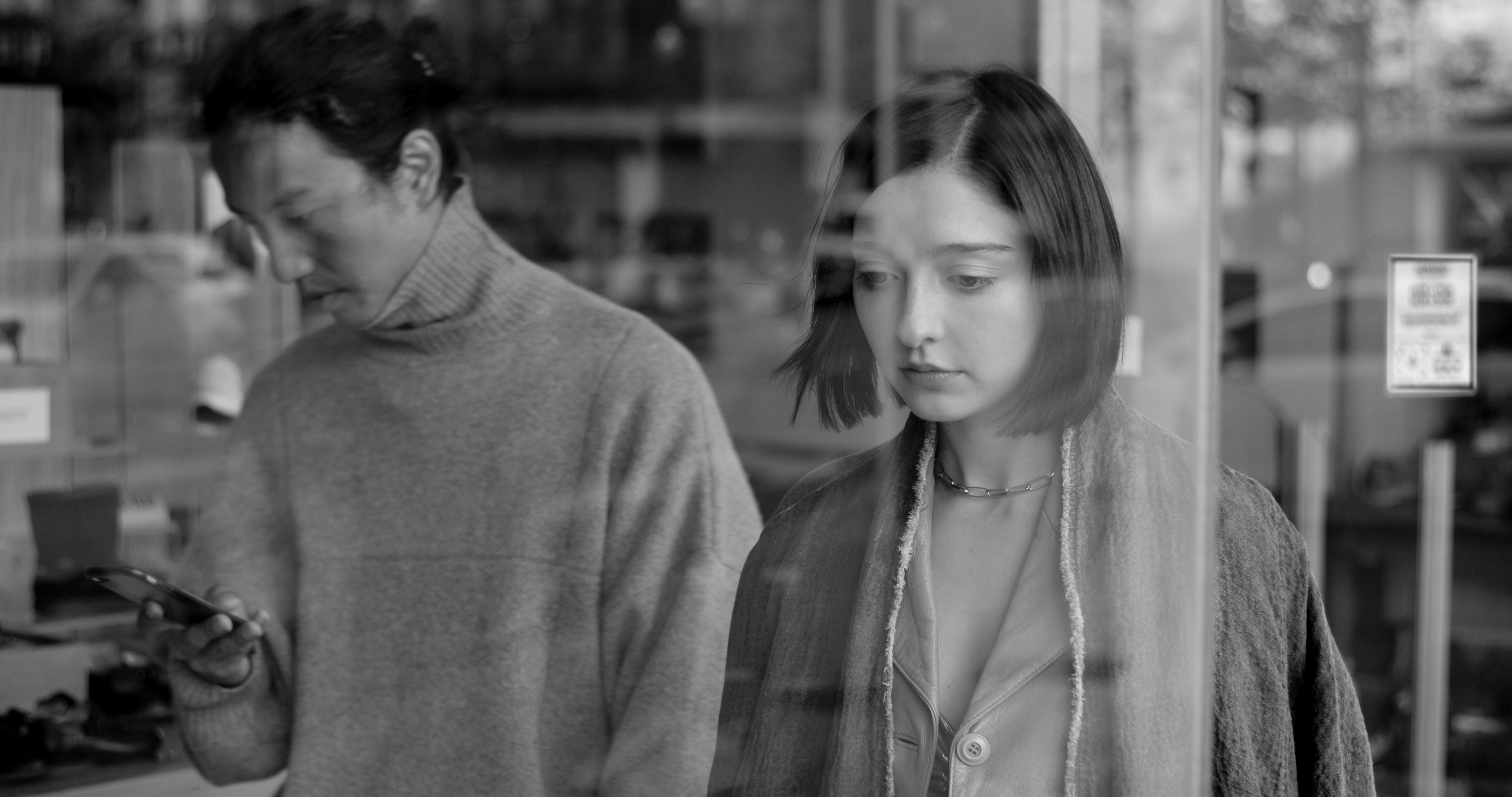
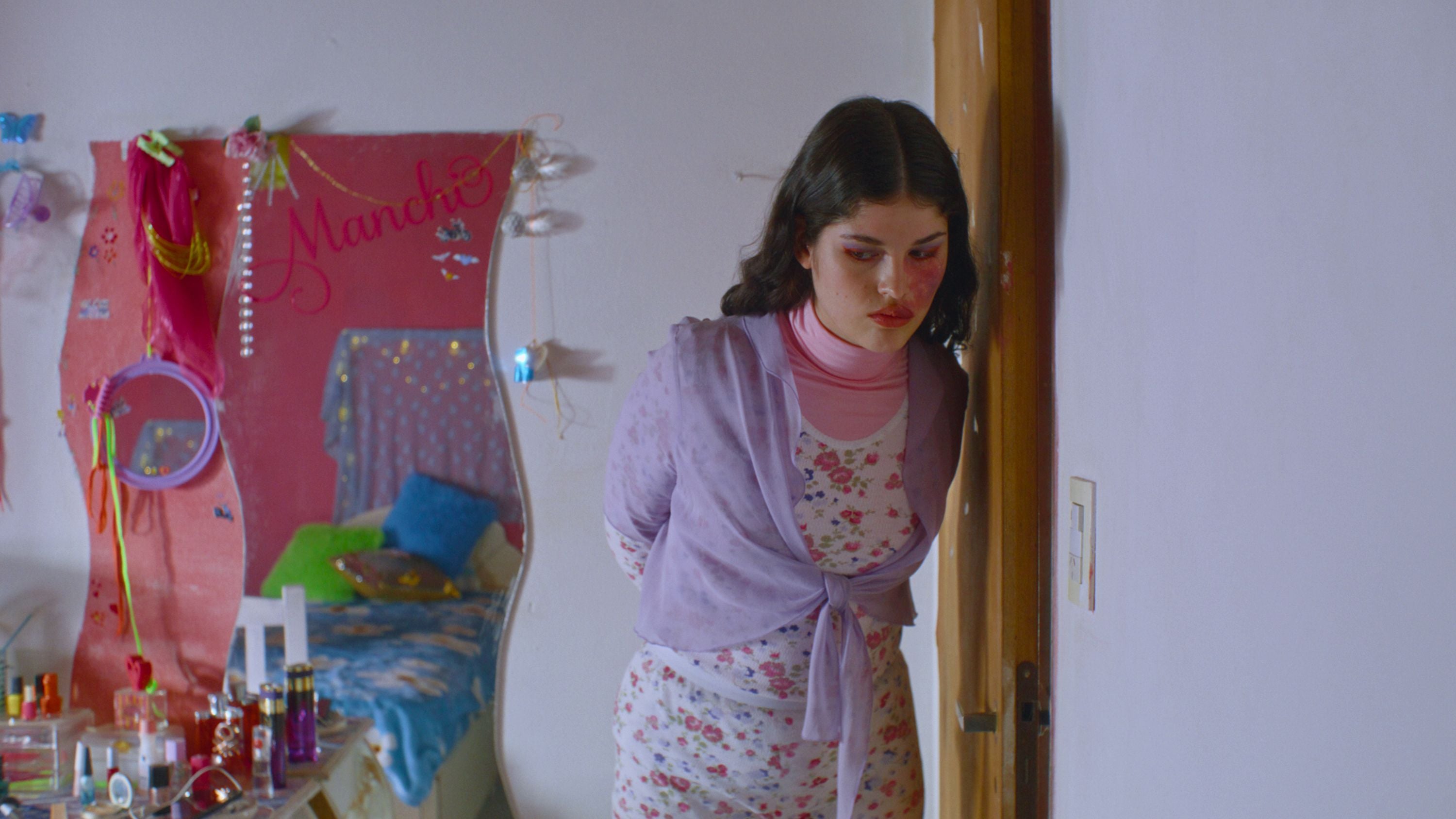
Ulman wrote and directed her first film, El Planeta (2021)—a comedy that stars her and her mother (Ale Ulman) as grifters in Spain—on the slimmest of shoestrings. “Basically, out of pocket, I could only manage to do production,” she said. “Because the cinematography was good, so we didn’t need much colour correction or anything for it to look decent, “she said. “Thanks [to that] I managed to get more money to finish it. But it was still nothing compared to a normal budget. And then the people at Sundance saw it and loved it.” This has afforded more opportunities: she made Magic Farm last year and is currently working on her third feature, The German Teacher, based on her own short story.
Ulman now has little patience for the art world. “People in cinema work hard because you cannot fake it. With a film, you have to sit through 90 minutes. If it’s bad, it’s bad,” she says. “Whereas you can make bad art and be good at partying and have an amazing career because nobody has to sit with that for 90 minutes, right? I feel like you can do whatever you want in the art world if you’re good at partying.” As to her own decision to focus more on film than art, she puts it simply: “I would put the blame on me. I’m not good at partying.”
Yet each one of the artists I spoke to also acknowledges that their time in the art world taught them to think more adventurously than is often expected in the film world. “It was to our benefit that we weren’t following a model of how things are done or really thinking strategically,” says Singh. “At the end of the day, the work is the work and hopefully it will find a place. I think artists work hard to present something to the world that they feel really is true to them.” —[O]
A respected voice in contemporary art discourse.
Focusing on ambitious storytelling and insightful art-world commentary. Ocula Magazine publishes in-depth interviews, critical essays and timely analysis on the artists, exhibitions and ideas driving the global art world.
Learn more about Ocula Magazine
Showcasing the best of the art world.
Ocula partners with galleries from around the world to highlight their artists, artworks and exhibitions. Gallery membership is by application and invitation, with each member vetted by an independent panel.
Learn more about Ocula Membership
Specialises in the sale of major artworks.
Led by a team with deep ties to the world’s leading auction houses, galleries and collectors. Ocula’s advisory team offers bespoke services to high-net-worth clients from around the world who are looking to acquire the best of contemporary and modern art.
Learn more about our team and services