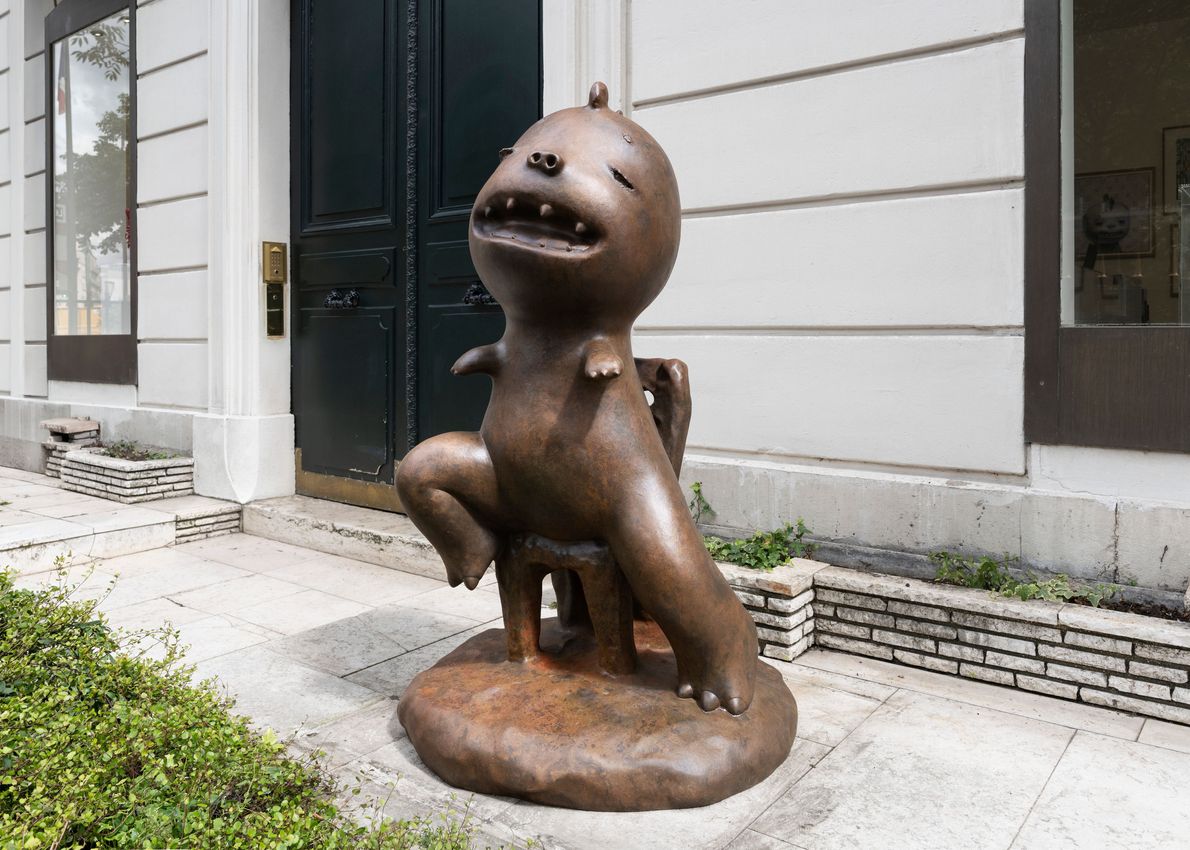
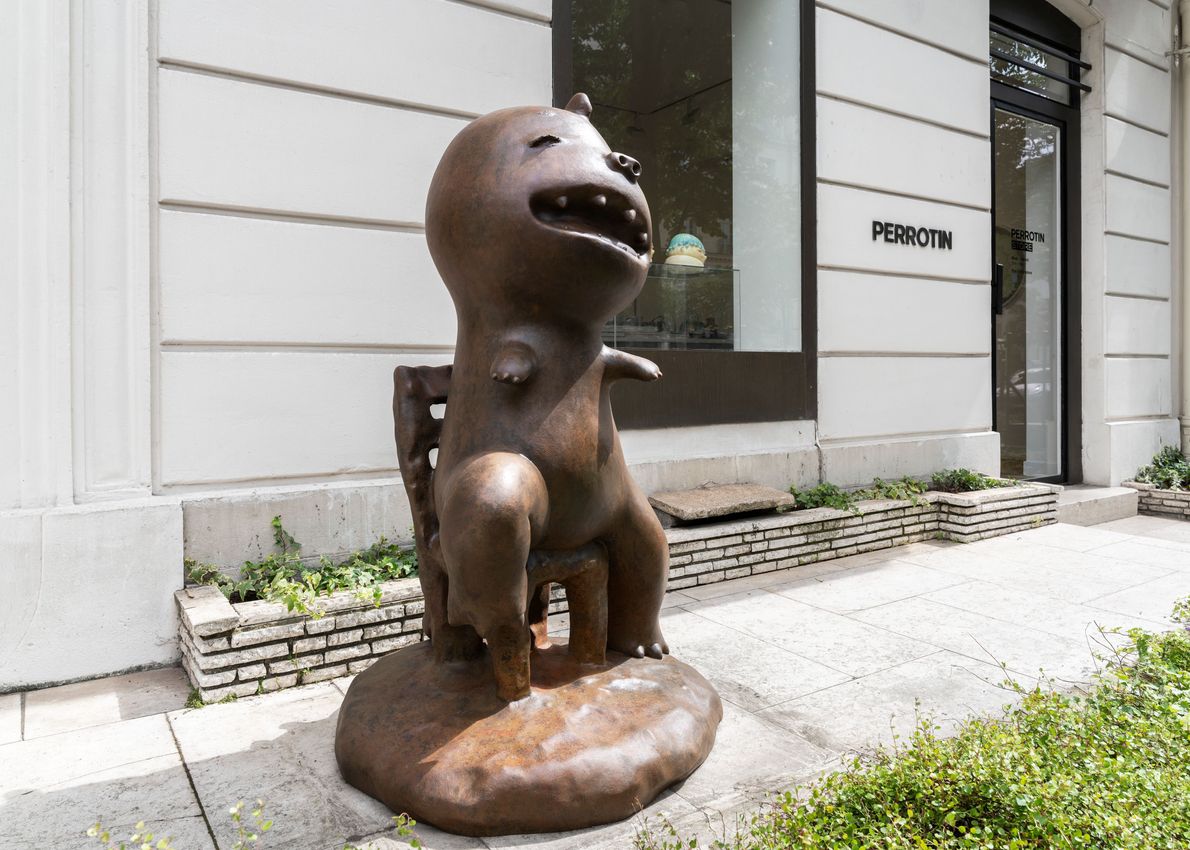
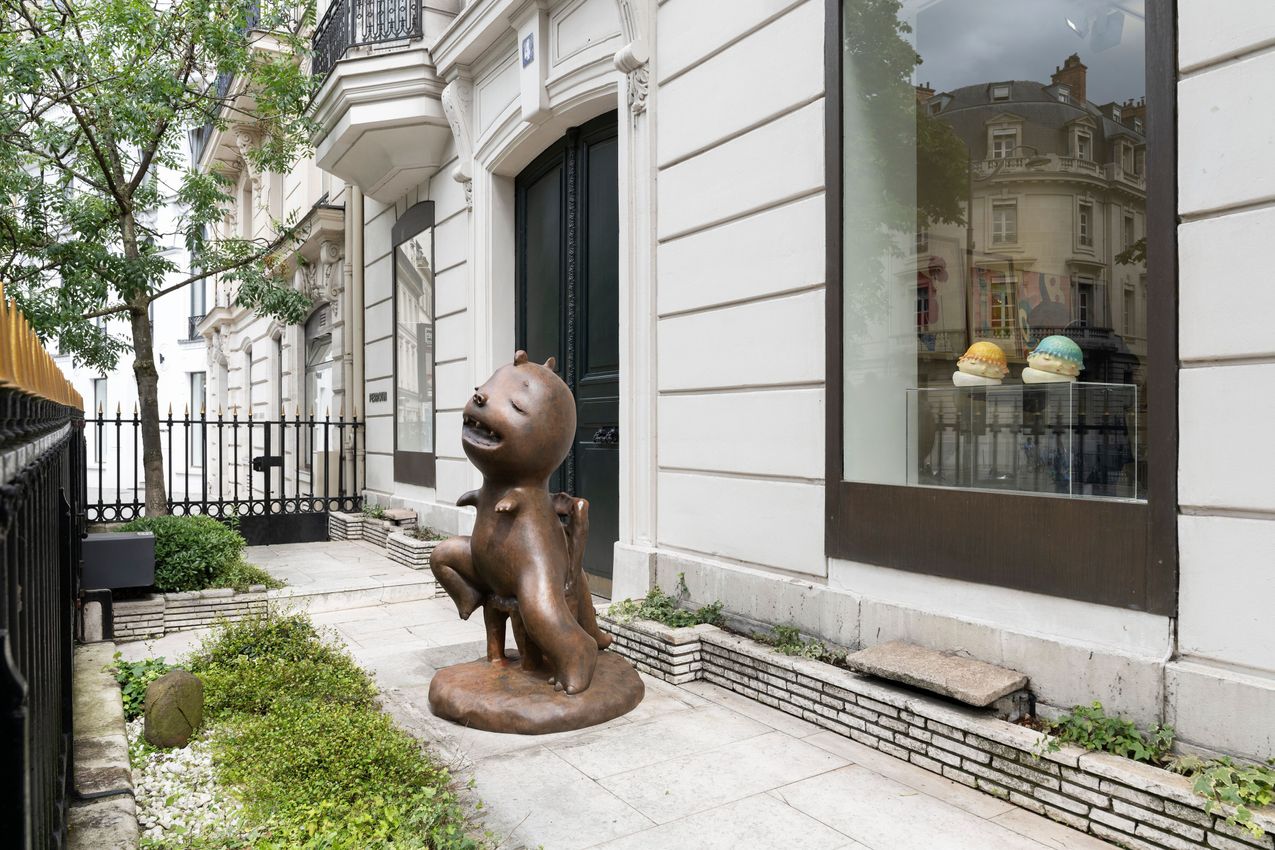
The shape of our butts hasn’t changed much since ancient times. I’m sure there’s something about the shape of our souls that has remained the same since time immemorial as well. That’s what I realized when I sat down on an old chair.
— Otani Workshop
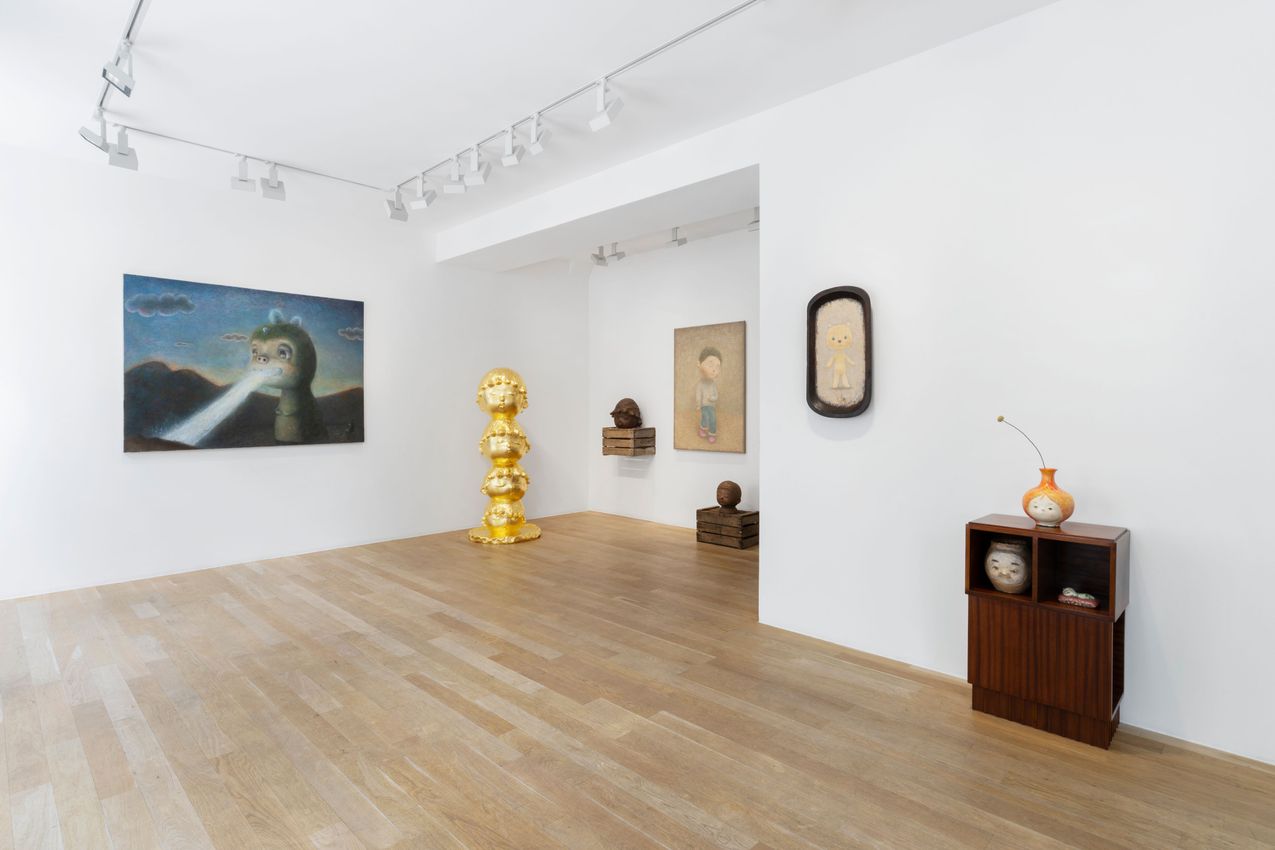
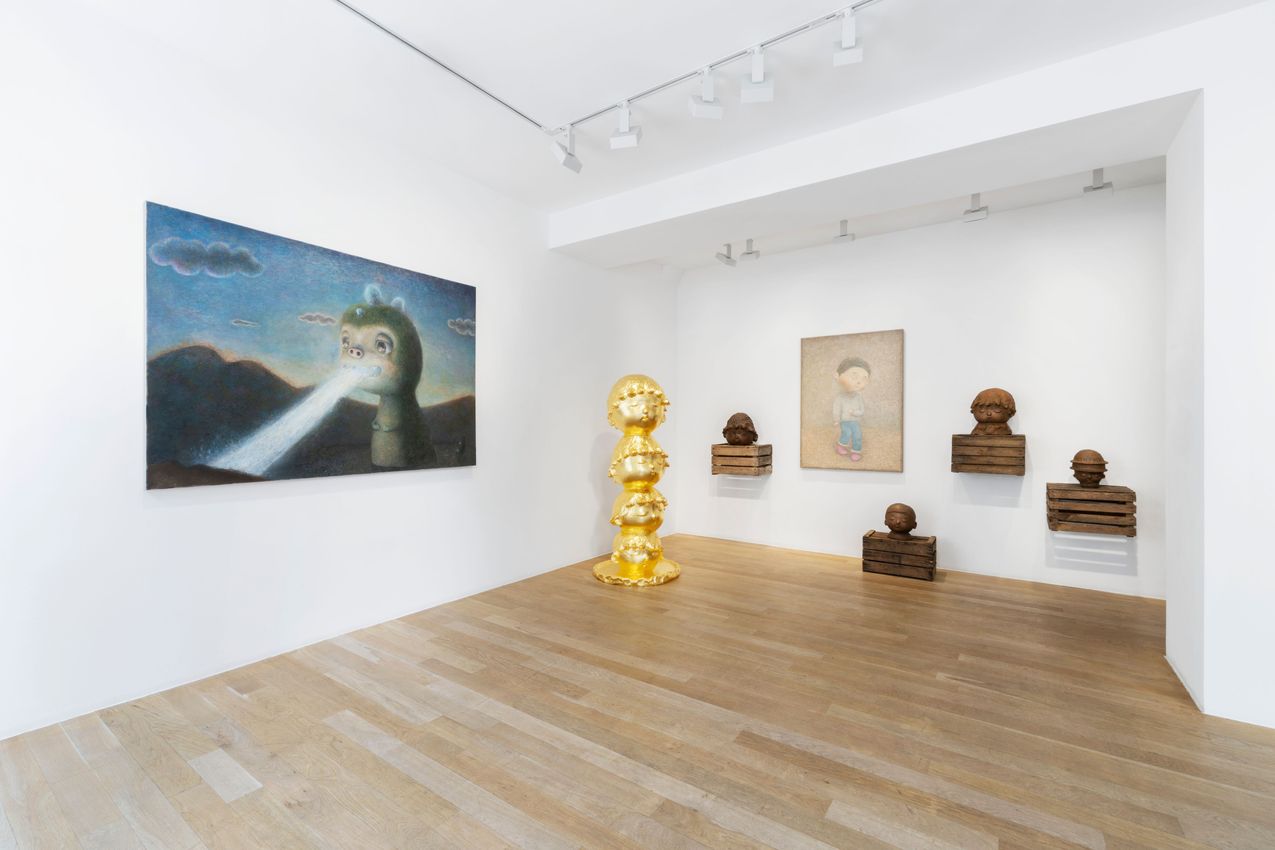
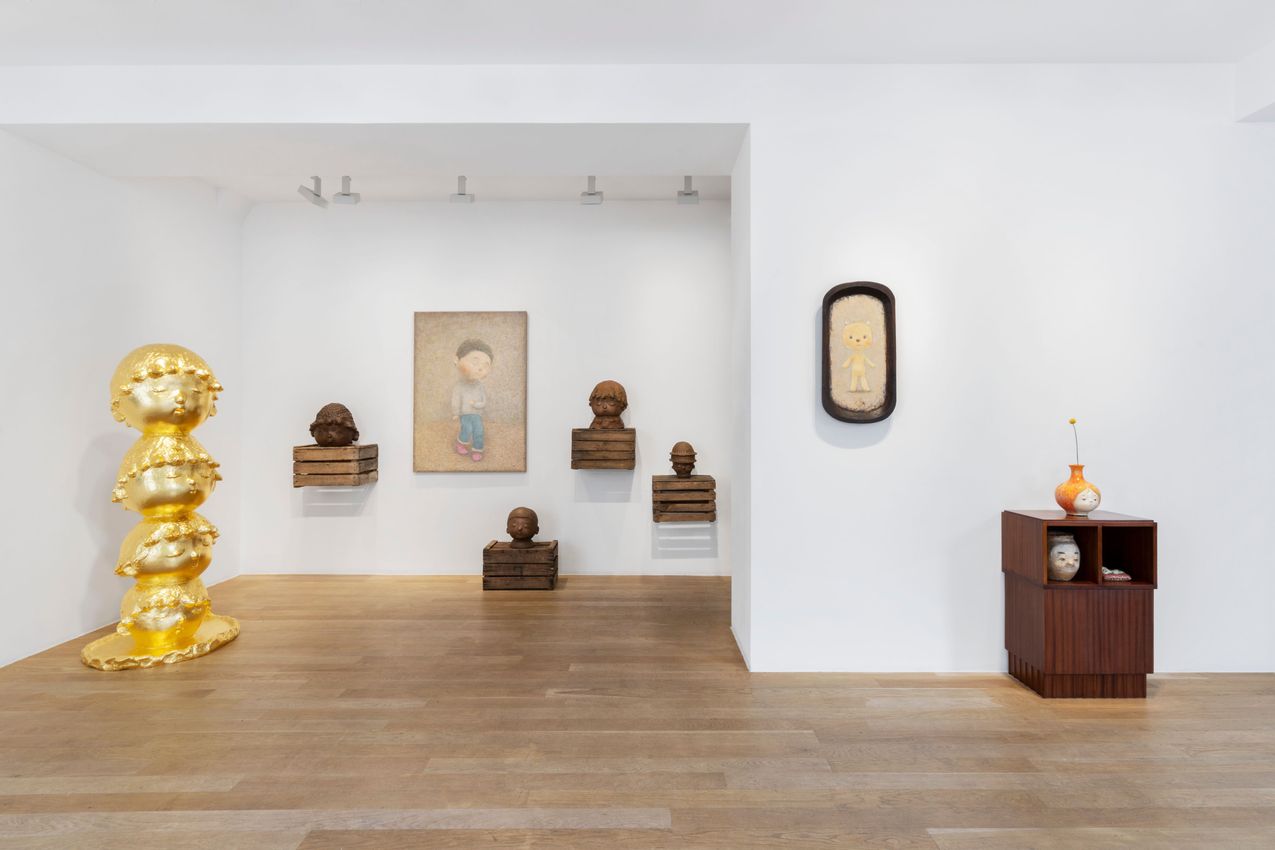
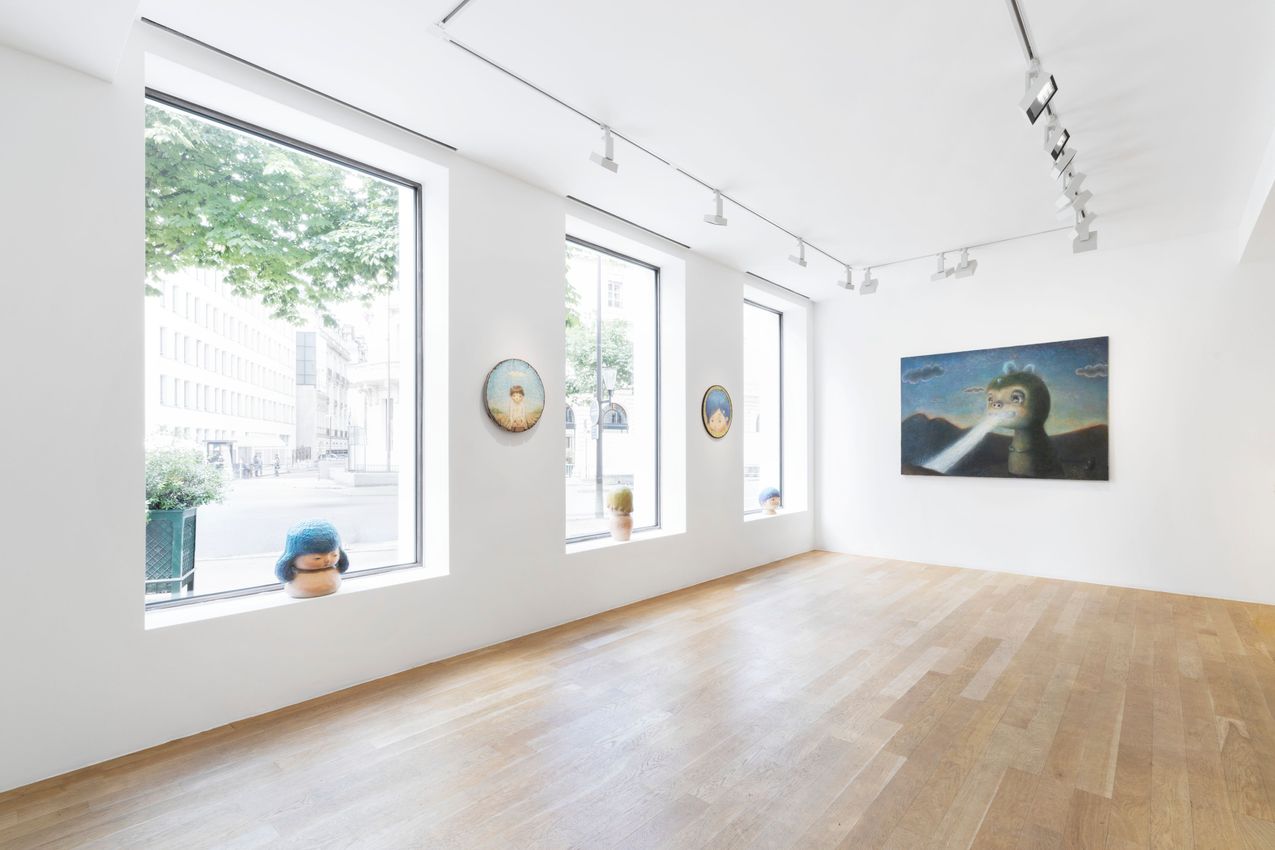
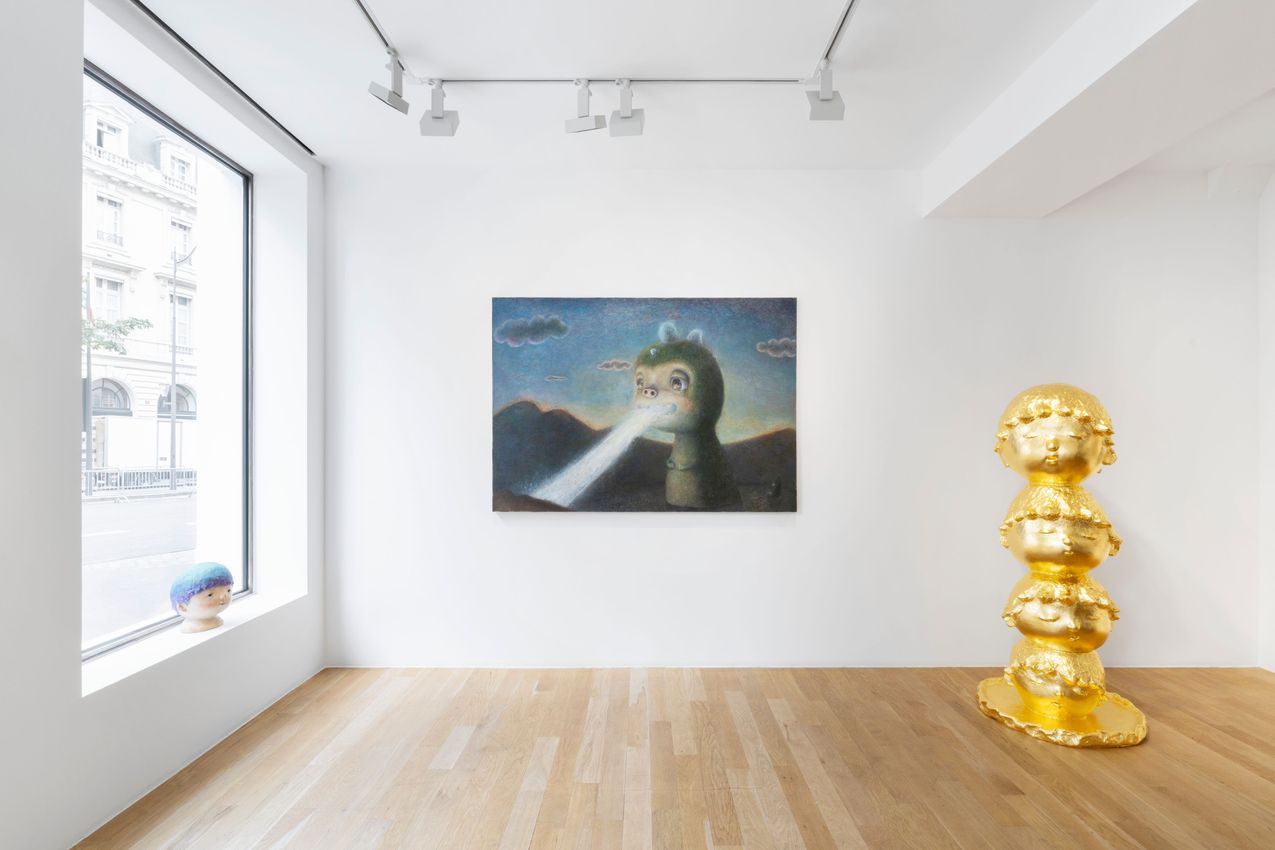
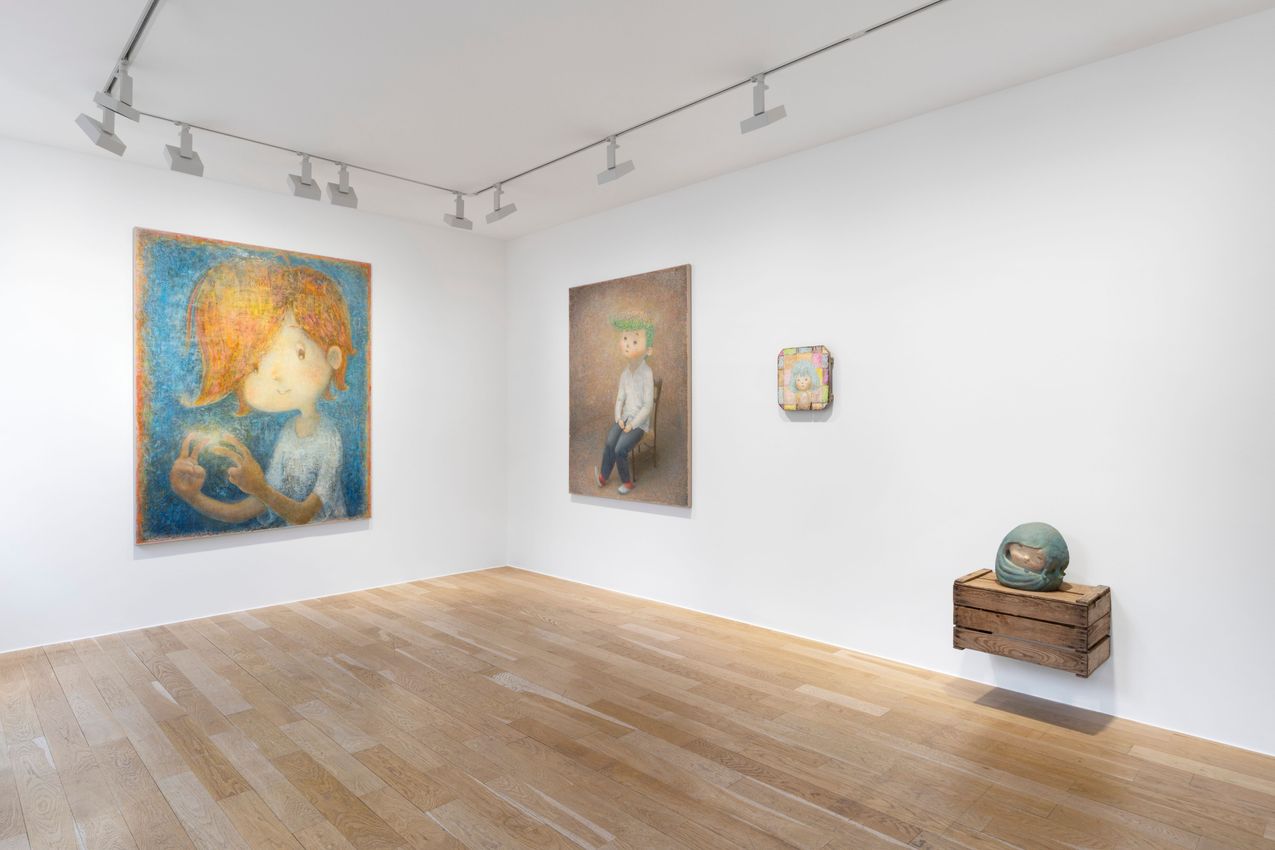
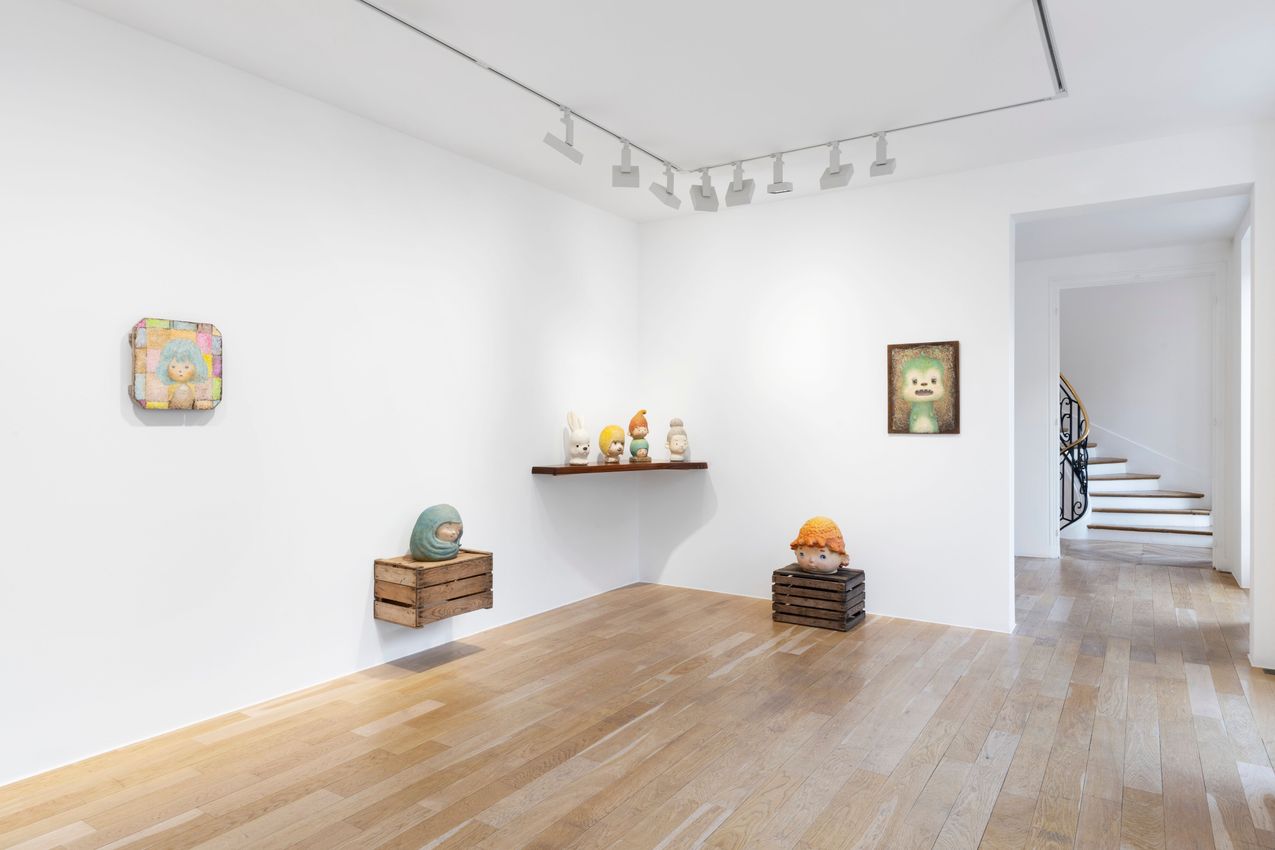
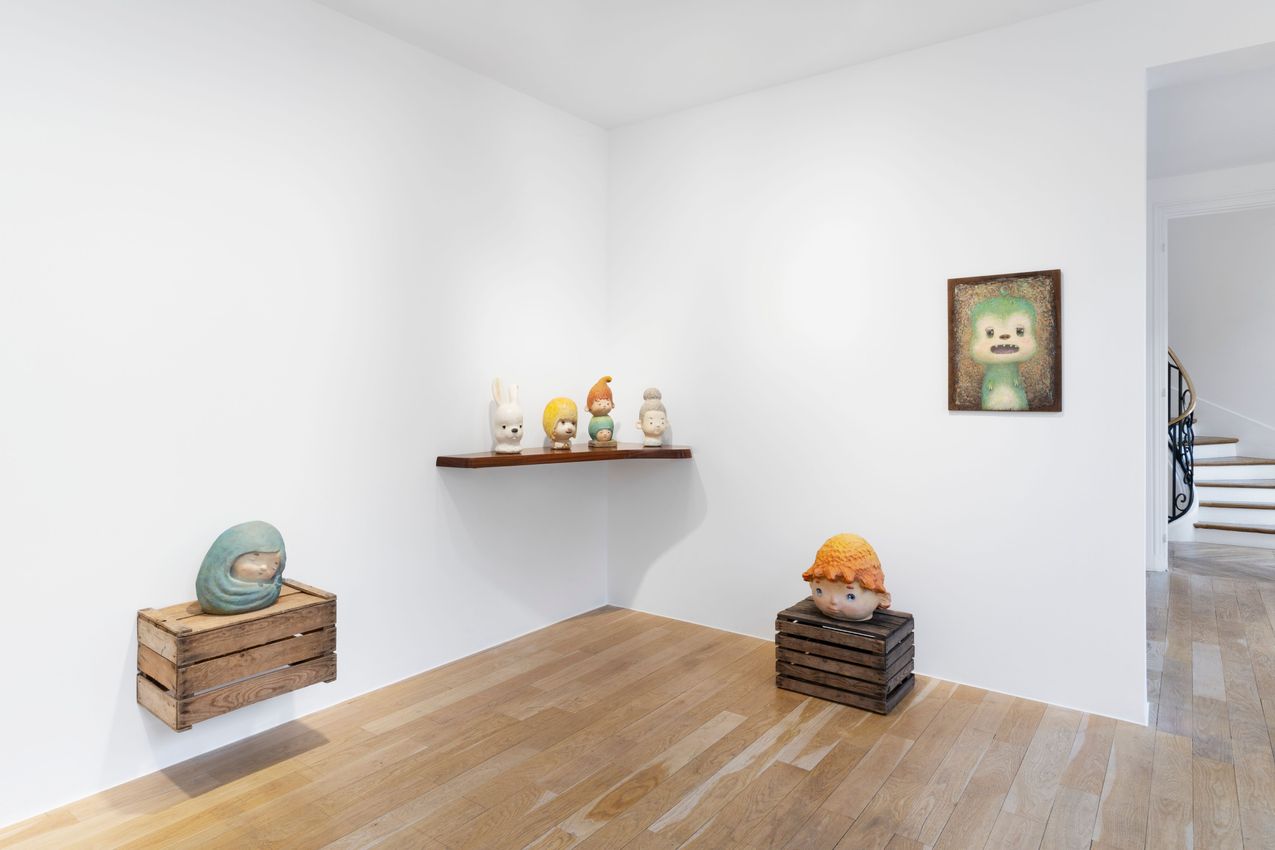
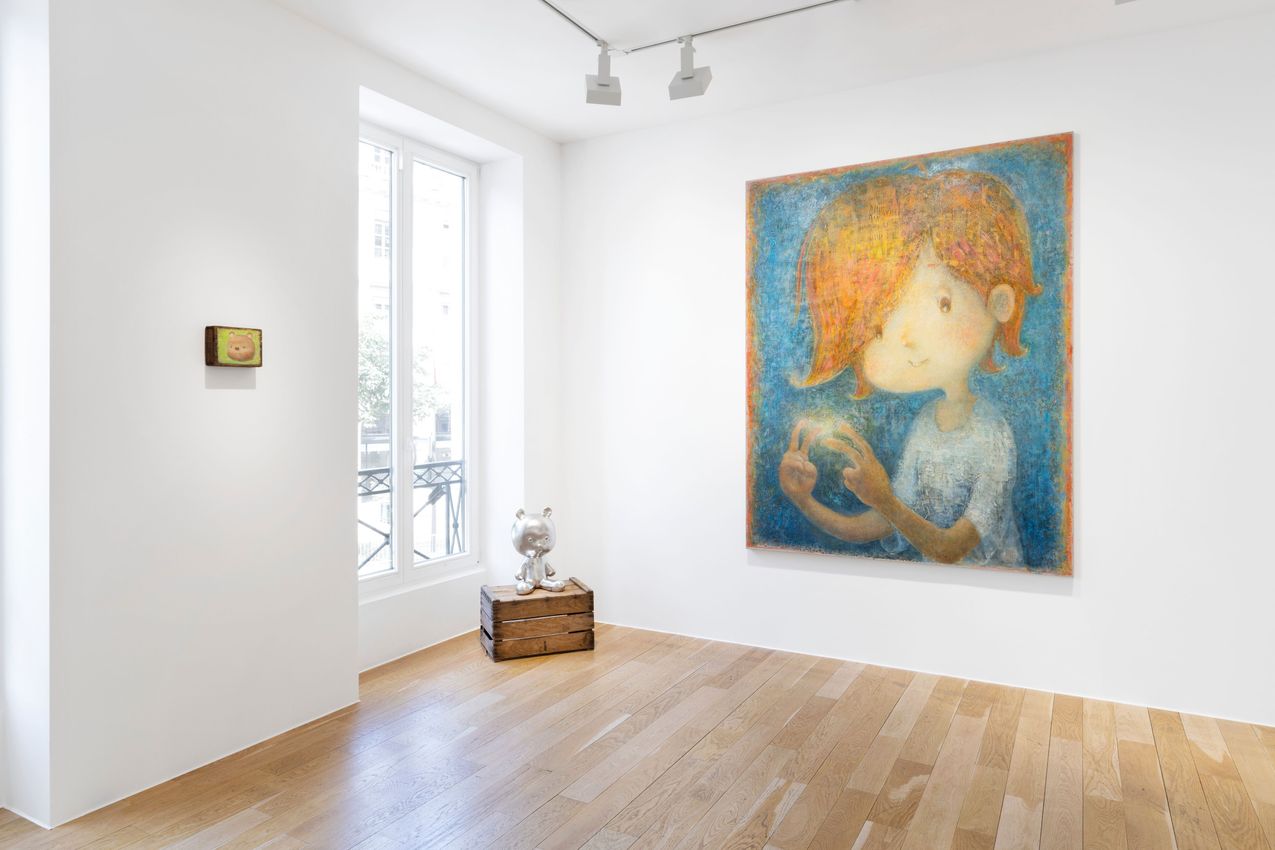
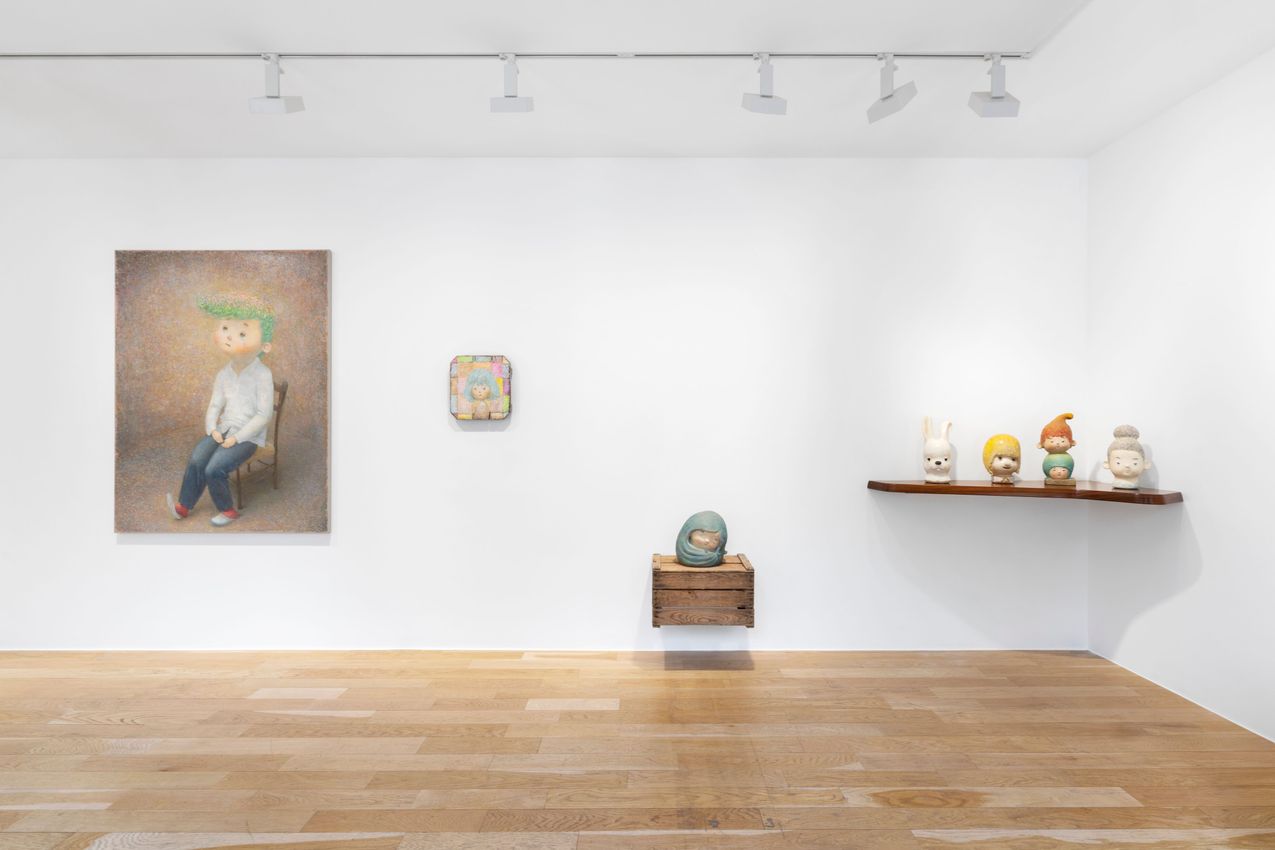
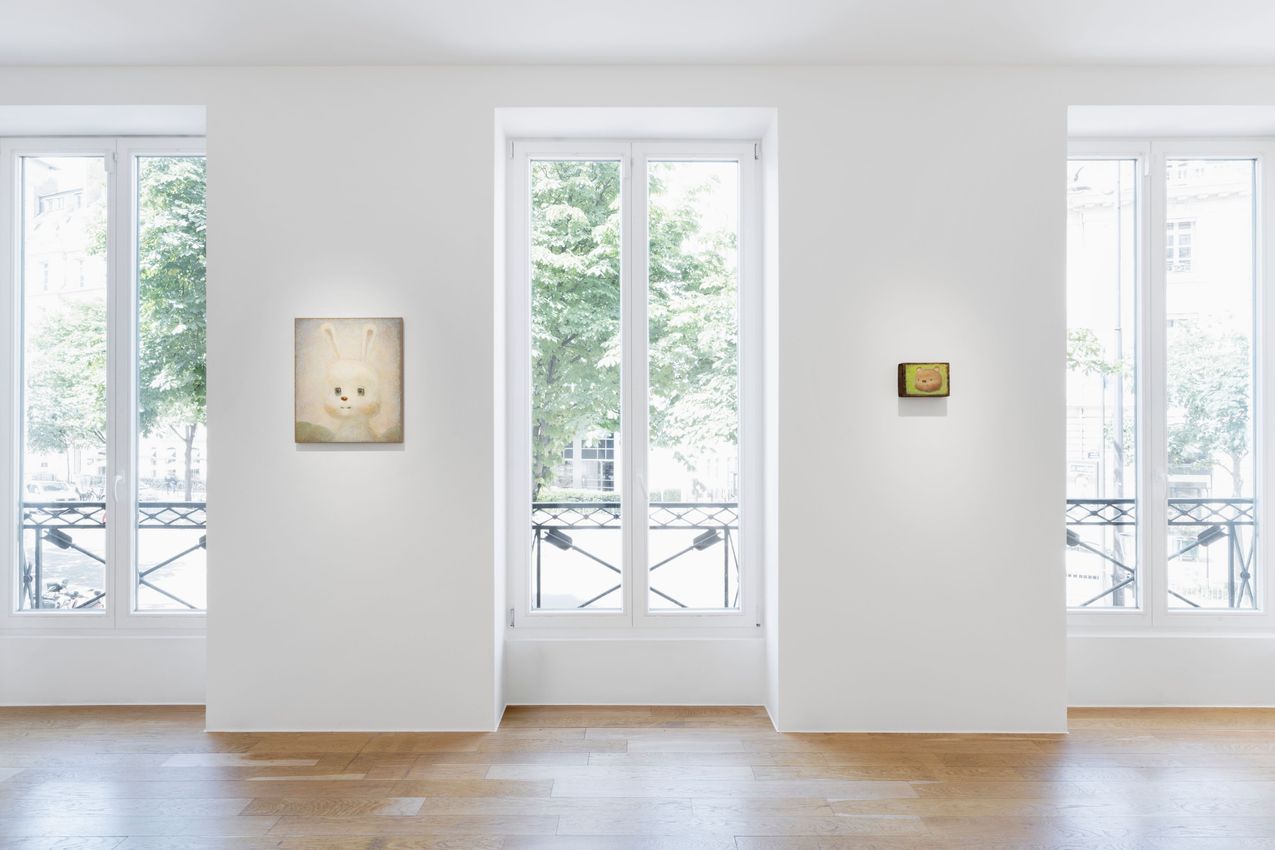
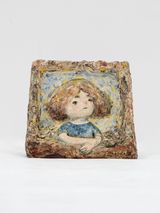
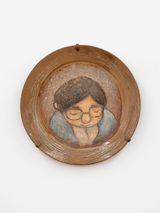
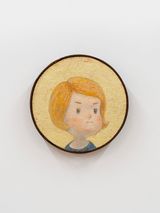
Perrotin is pleased to present Otani Workshop’s eighth solo exhibition with the gallery and the second in Paris. A major figure in Japanese ceramics, Otani Workshop uses painting and sculpture to create elemental forms that explore the mysterious world of childhood, evoking a sense of the uncanny.
The False Innocence of Unspoiled Faces
Since the dawn of time, humans have shaped the earth into figures. With nimble, sometimes rugged hands, they mold mud, clay, or earth into heads, bodies, and limbs. Then comes the firing and fusion: fire hardens and petrifies. It’s a world of metamorphoses. From Volterra to Delphi, from Prometheus to Vulcan, from Auguste Rodin to Lucio Fontana, this practice spans cultures and eras. At the age of seventeen, the young Shigeru Otani discovered Alberto Giacometti. One is not serious at seventeen, as Arthur Rimbaud said, for the wild heart roams free and the pure, almost fresh gaze is open to the infinite. At seventeen, you can see everything, understand everything. The Japanese artist understood that Giacometti had spent his life capturing the fleeting essence of the visible, grasping the irreducibility of beings and things, beyond which everything decays and falls into ruin. Visiting museums, temples, and shrines, and sleeping in an old van, Otani Workshop tirelessly explored these age-old, primordial gestures, realizing that there is nothing else to do but craft splendid, elemental figures, as old as the world itself, akin to the Cycladic idols or the Moai of Easter Island.
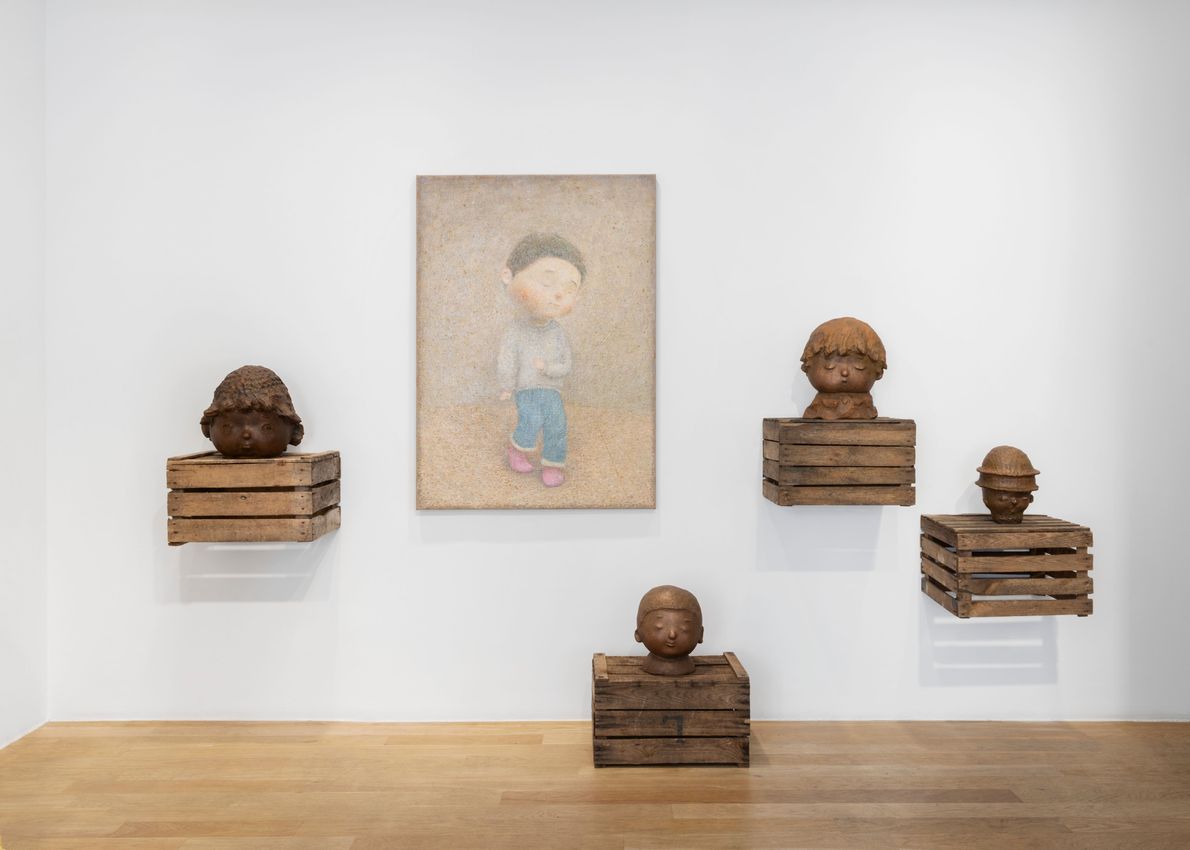
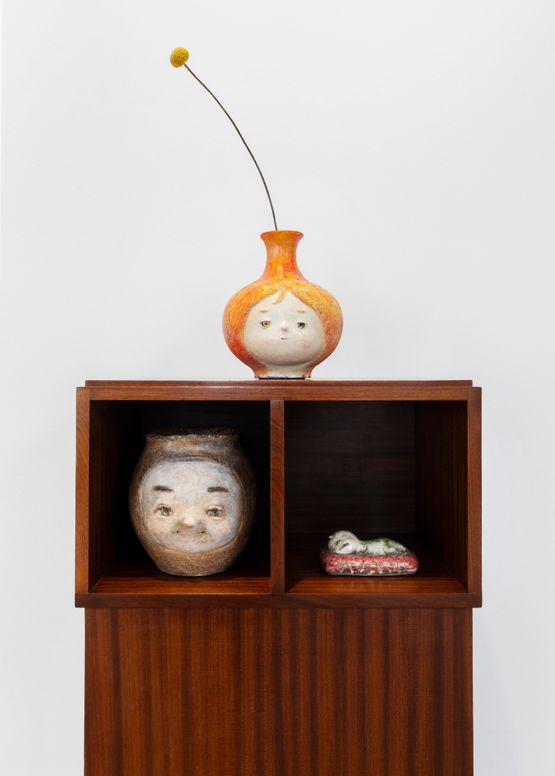
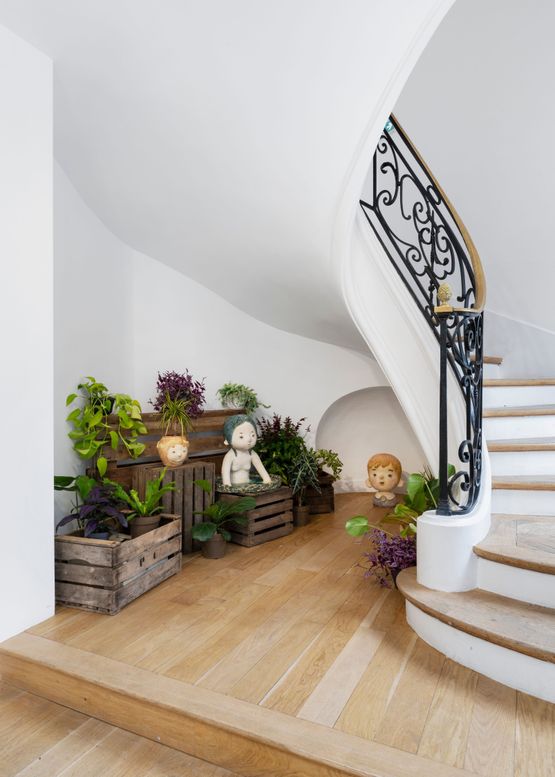
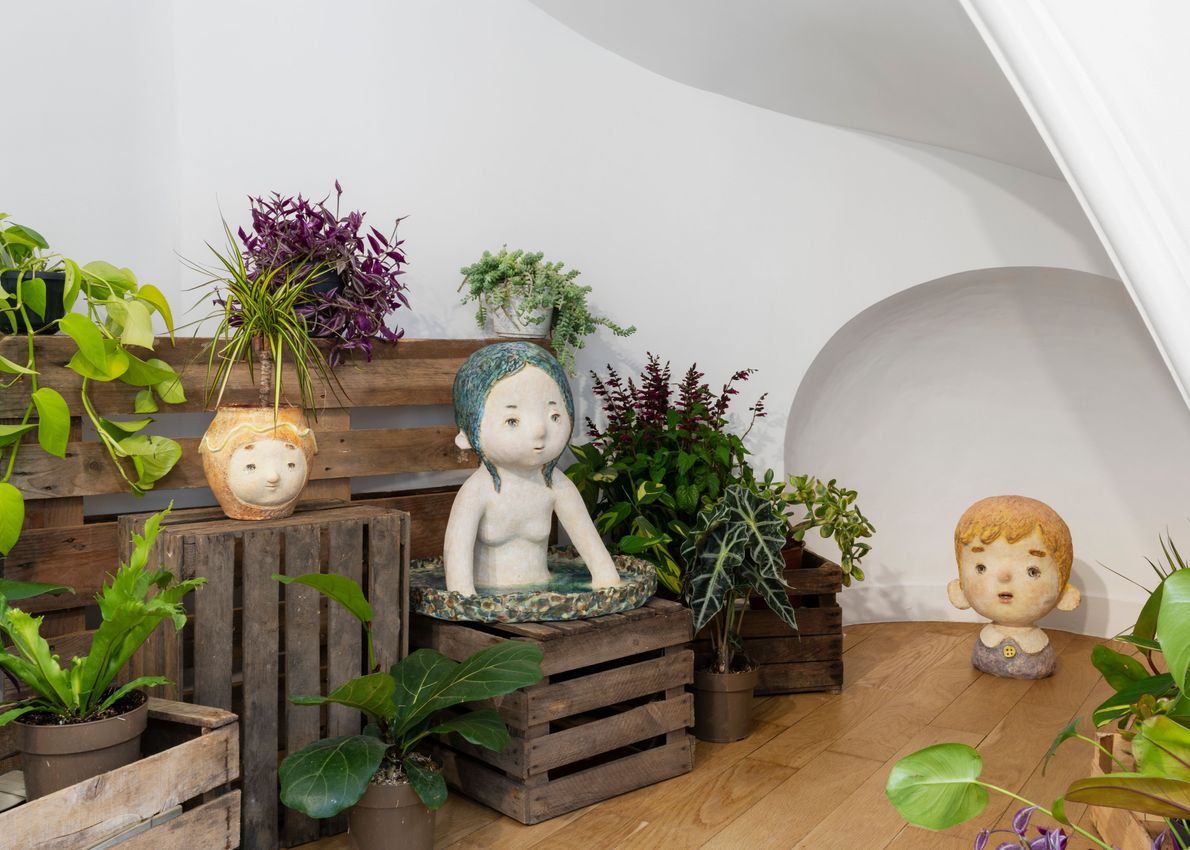
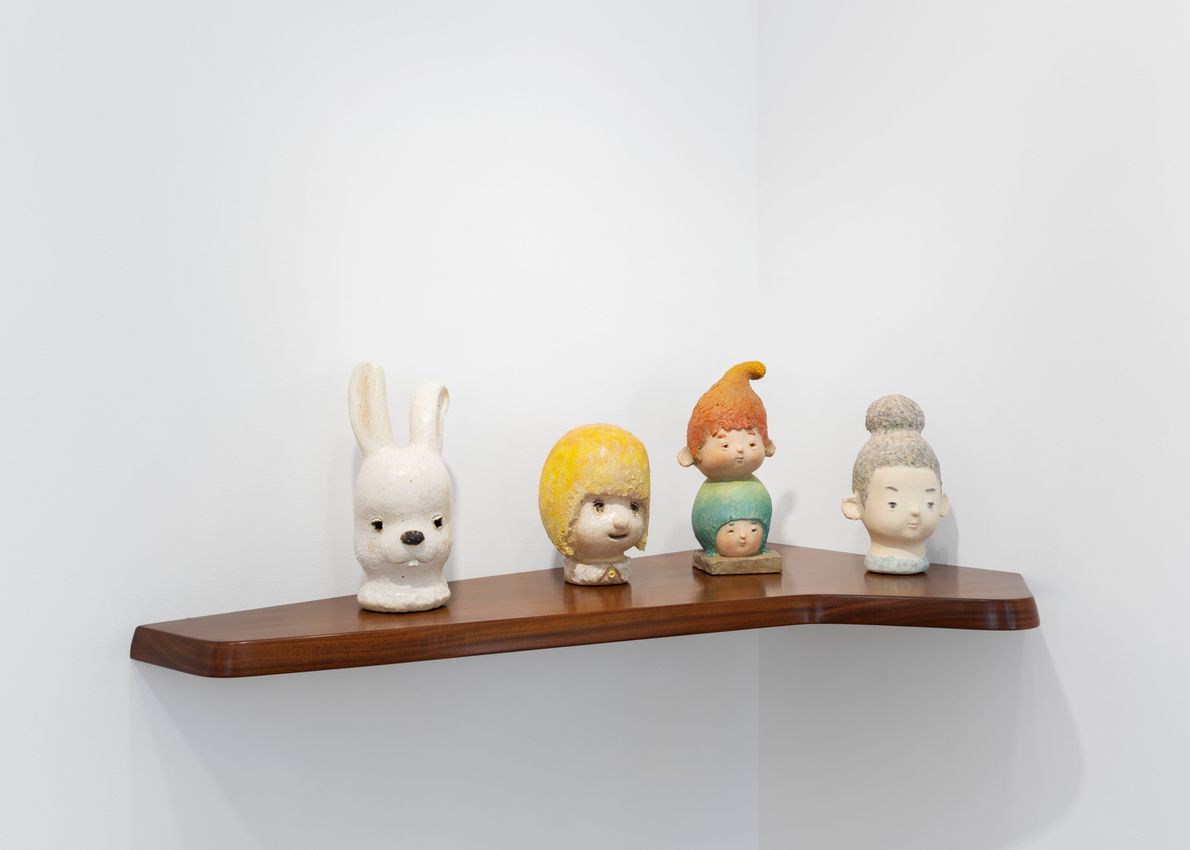
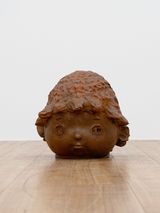
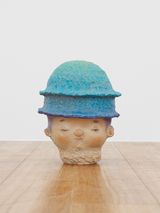
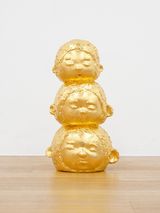
Otani Workshop’s round, silent, literally wide-eyed heads belong to the realm of childhood, but one that is anxious and threatened, characterized by tears, closed mouths, vacant eyes, stiff gestures, and subdued smiles. These silent partners have an uncanny air: familiar, yet frightening, enigmatic, yet deceptively innocent. They are reminiscent of porcelain dolls and manga, of Pinocchio and Hello Kitty, of a cuddly toy and a talisman. These poignant substitutes evoke the dead and summon the missing in an archipelago where, ever since those fateful nights over Hiroshima and Nagasaki, everyone knows that life can vanish in a flash, in a burst of light, in a huge cloud.
Using Shigaraki clay, a renowned material mined locally since the Middle Ages, Otani Workshop crafts votive figurines, explores rudimentary and multicolored forms, repeats expiatory gestures, and performs exorcisms, much like Takashi Murakami and Yayoi Kusama. Creating to ward off evil. Always.
While the bronzes showcase technical virtuosity, with their fine chiseling and delicate patina, Otani Workshop’s ceramics create a truly wondrous world, a wonder that is found in tales and fables, tugs at the heart, and haunts the darkest dreams. His paintings spring from the same desire and reverie, seeking to bring to the surface the same faces that appear in the terracotta and bronze sculptures. The colors are never garish; they are muted, almost subdued, like the sounds of a muffled piano. With chisel or brush and sovereign restraint, Otani Workshop contemplates the grace of these rudimentary heads, allowing us “to see something unknown emerge each day in the same face,” to borrow Giacometti’s programmatic words. What remains when the marks that crease the skin, wrinkle the eyes, and scar the cheeks fade, when the physical signs and facial changes dissolve? What remains is the bare childhood of an unblemished face. Before the great tragedy, the dark cloud, and the little death.
Text by Colin Lemoine.
Courtesy Perrotin.


Make no mistake: despite the name, Otani Workshop does not refer to a collective of artists, but to a singular, an eminently singular sculptor who has become the leading representative of Japanese ceramics. Silent and literally bulging heads, figures with their arms raised like praying figures, monumental middle fingers extended upwards, anthropomorphic vases, children, animals, soils, bronzes: Otani Workshop’s bestiary is a world in itself, a world in which dreams and tales converge as well as fantasies and daydreams, a world in which the queenly imagination and the kingly gesture triumph, in which forces and forms meet.


A respected voice in contemporary art discourse.
Focusing on ambitious storytelling and insightful art-world commentary. Ocula Magazine publishes in-depth interviews, critical essays and timely analysis on the artists, exhibitions and ideas driving the global art world.
Learn more about Ocula Magazine
Showcasing the best of the art world.
Ocula partners with galleries from around the world to highlight their artists, artworks and exhibitions. Gallery membership is by application and invitation, with each member vetted by an independent panel.
Learn more about Ocula Membership

Specialises in the sale of major artworks.
Led by a team with deep ties to the world’s leading auction houses, galleries and collectors. Ocula’s advisory team offers bespoke services to high-net-worth clients from around the world who are looking to acquire the best of contemporary and modern art.
Learn more about our team and services