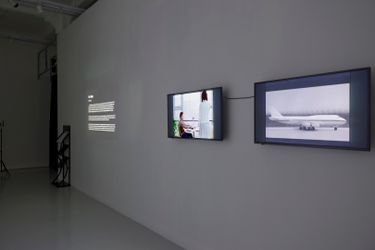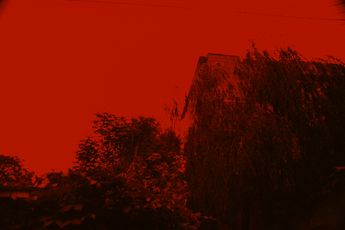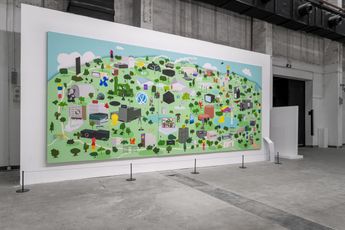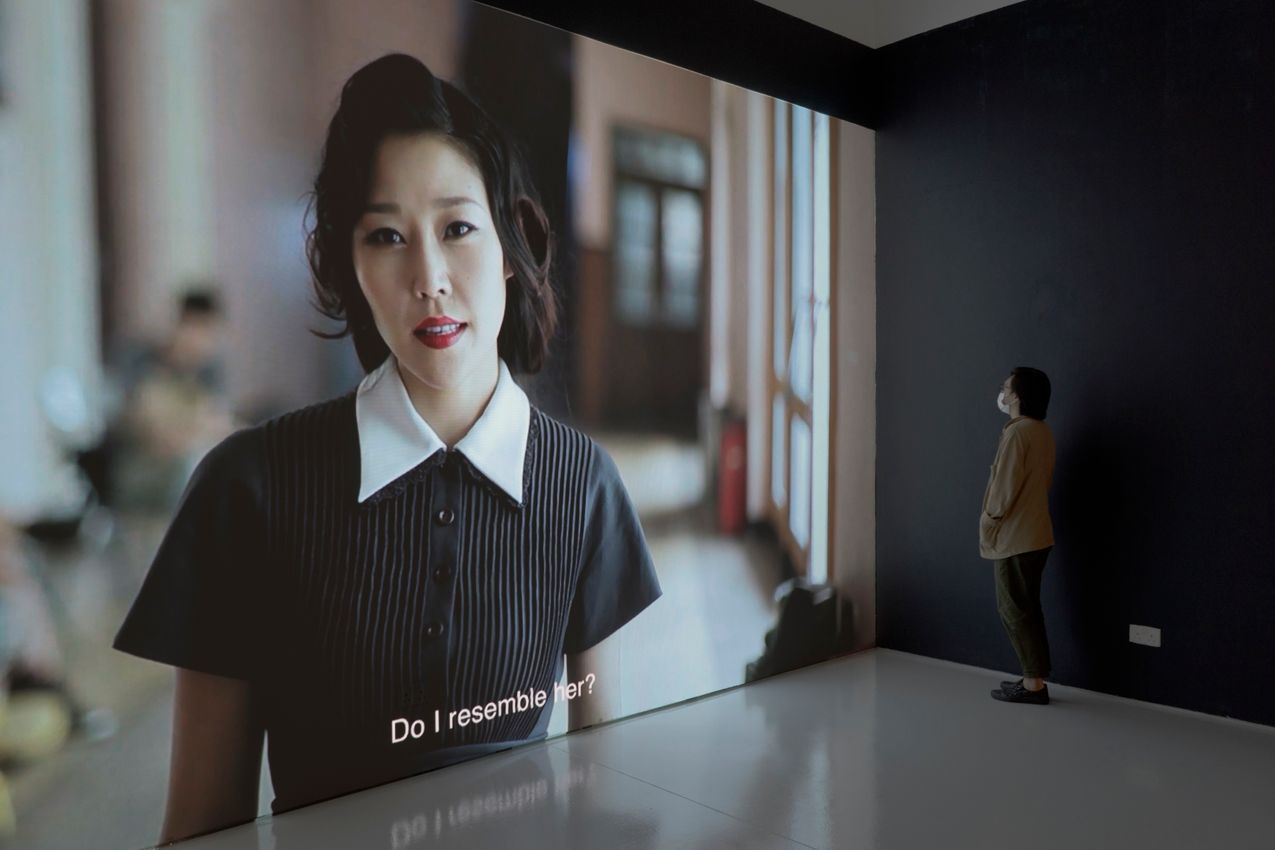
ShanghART Singapore is pleased to present Shifting Times, Moving Images, a series of screenings by artists Zhu Jia (b. 1963), Chen Xiaoyun (b.1971), Liang Yue (b.1979), and Lin Aojie (b.1986). A total of 28 carefully selected videos presents the artists’ respective investigations into the medium within their individual practice. This four-part series is an exploration into the distinct ways in which each artist utilises video, bringing together various narrative tones and perspectives. From low-resolution black and white recordings to digital videos shot on a smartphone, the artists engage in dialogue with the evolution of their tools and the new possibilities of expression in moving image.
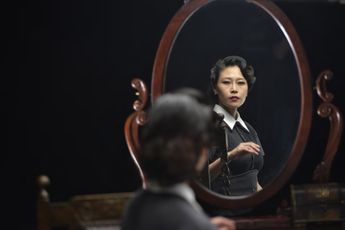
Zhu Jia’s cinematic film Zero (2012) alters and blends multiple visual narratives into an atmospheric, dreamlike sequence. Chen Xiaoyun overlays text on video, allowing fiction and image to run independently and resonate with each other in fleeting moments. Liang Yue’s tender attention to the beauty of insignificance carries through in her massive body of works that depict scenes intentionally free of context, climax, or suspense. Lin Aojie turns the camera inwards towards the inner psyche of art practitioners, documenting a conversation between himself and an interviewer (Why I Want To Be an Artist, 2019) and his experience of promoting himself to art galleries (I Believe I Can, 2019).
The selection spans across almost two decades and a vast majority of which has never been shown in Singapore.
The first instalment of the series will feature works by Zhu Jia, who has been widely recognised as one of the pioneers of video art in China and is central to the development of the medium in subsequent generations. His oeuvre roughly coincides with the height of globalisation in the nineties, and has been regarded as a ‘critical commentary in real-time of transformations in Chinese society.’
Complete with costumes, sets, and some crafted dialogue, Zhu’s films appropriate the tradition of studio productions. However, the illusion of the moment is always broken by the intrusion of the cinematic apparatus itself; stage lights caught in the frame, a mannequin is revealed, a mirror being pulled back, or the backdrop rolled away. Each time the narrative seems like it is about to begin, the scene comes undone. The characters, and the audience, become suspended in these precarious moments between acting and being, imagination and reality.


When ShanghArt Gallery opened its doors in Shanghai in 1996, it was one of the first contemporary art galleries in China. Today, the gallery operates from two spaces in the city (West Bund and Putuo District), with additional locations in Beijing and Singapore.
A respected voice in contemporary art discourse.
Focusing on ambitious storytelling and insightful art-world commentary. Ocula Magazine publishes in-depth interviews, critical essays and timely analysis on the artists, exhibitions and ideas driving the global art world.
Learn more about Ocula Magazine
Showcasing the best of the art world.
Ocula partners with galleries from around the world to highlight their artists, artworks and exhibitions. Gallery membership is by application and invitation, with each member vetted by an independent panel.
Learn more about Ocula Membership

Specialises in the sale of major artworks.
Led by a team with deep ties to the world’s leading auction houses, galleries and collectors. Ocula’s advisory team offers bespoke services to high-net-worth clients from around the world who are looking to acquire the best of contemporary and modern art.
Learn more about our team and services