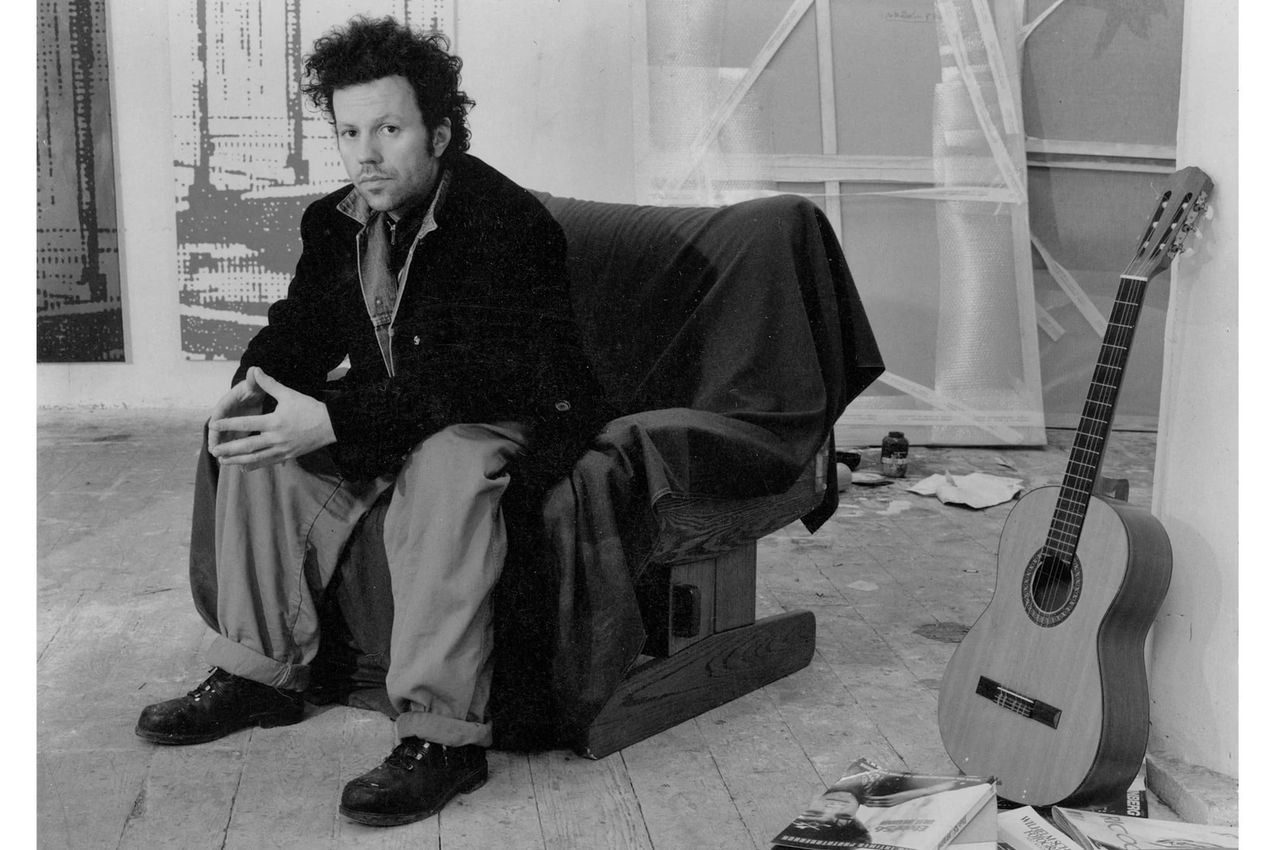




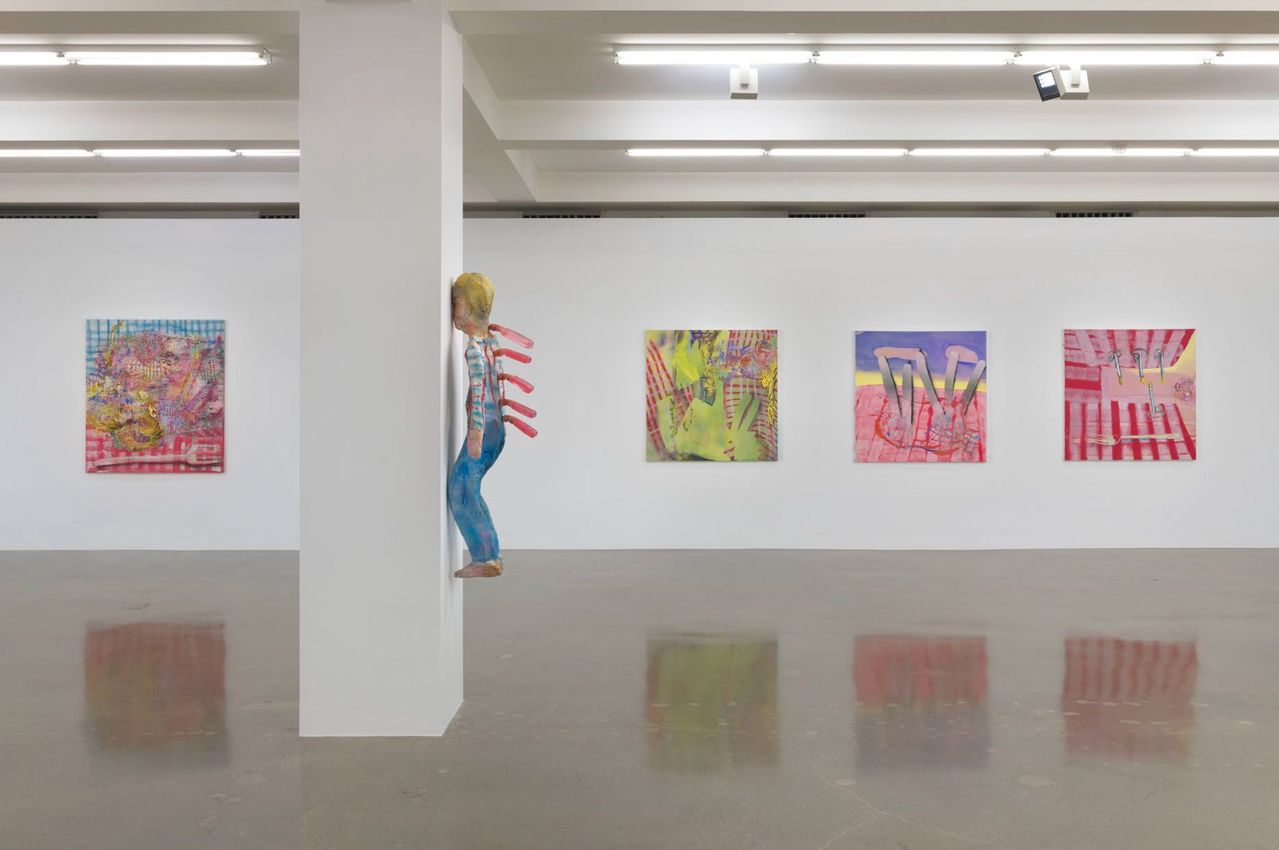
Over a prolific twenty-year period, Kaari Upson created a powerful body of work that mined the emotional linkages and traumas embedded within the objects and architectures that surround us every day. Working across sculpture, painting, drawing, installation, performance and video, the artist explored relationships between the self and others, between inner life and external reality, and the doublings and repetitions that continually resurface in our past and present. Monika Sprüth and Philomene Magers are honoured to present the first solo exhibition of Upson’s work in LosAngeles in over a decade, and the first in the United States since her death in 2021.Titled by the artist, the exhibition premieres several new series that demonstrate an artist at the height of her creative powers.
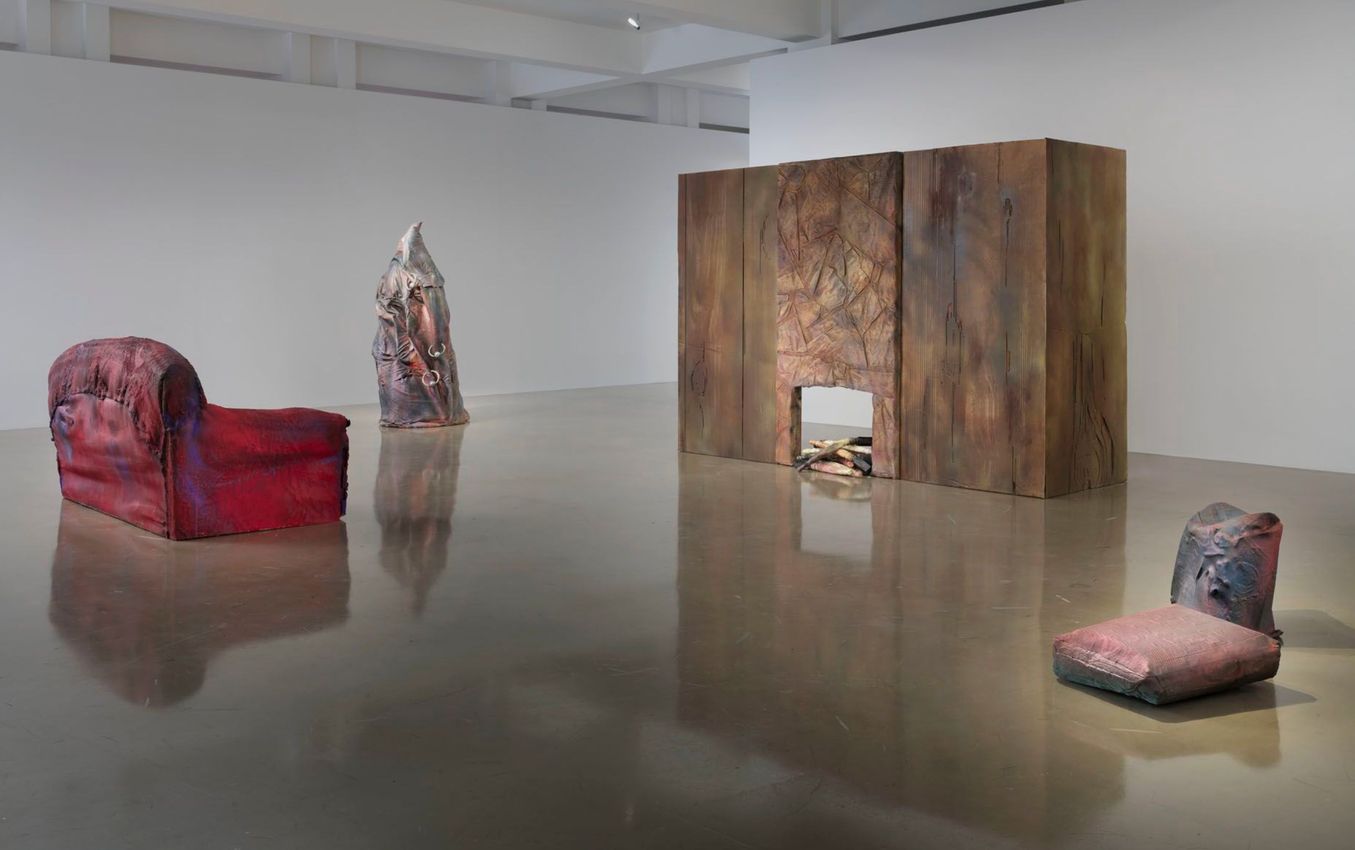
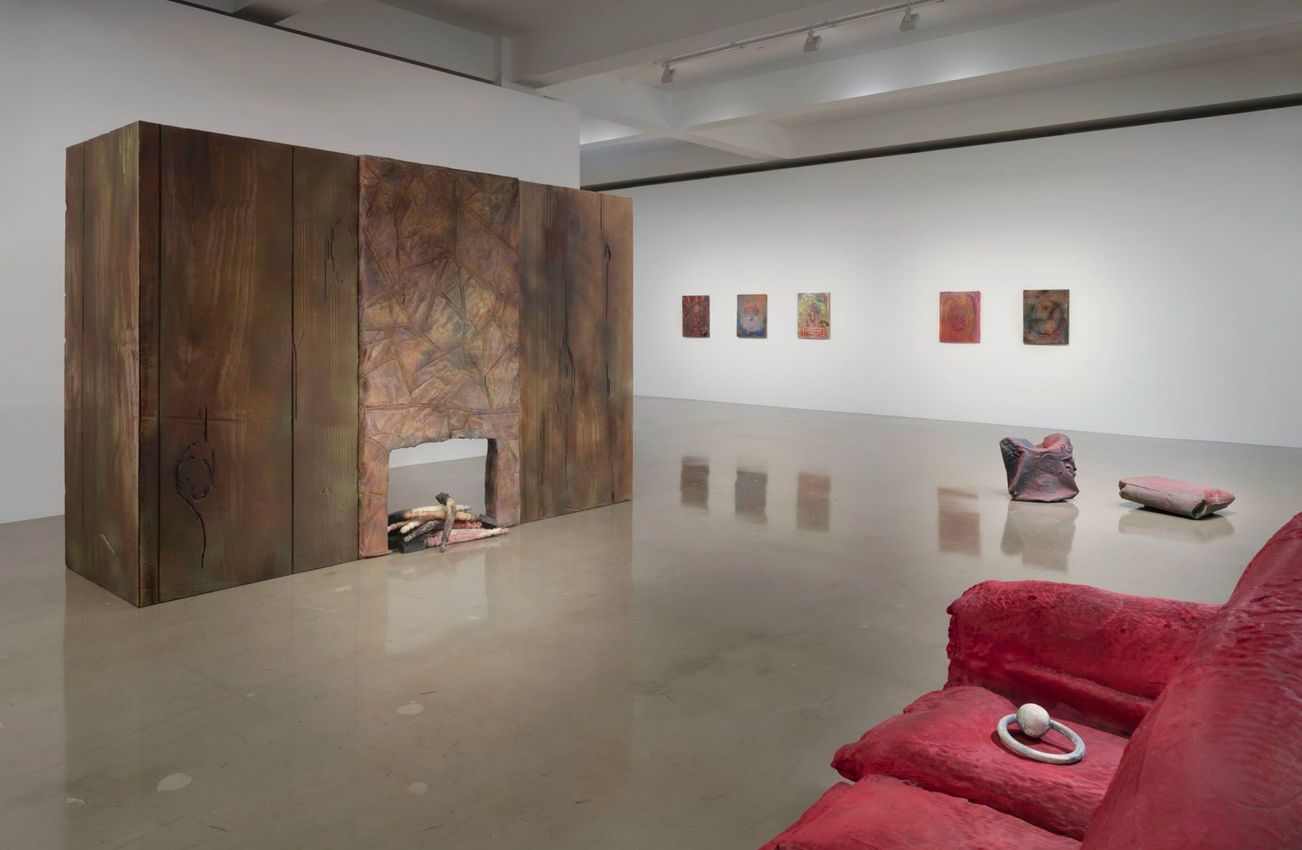
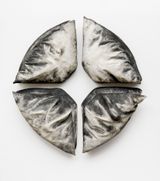
On view for the first time in the United States are two projects that debuted in the58th and 59th Venice Biennales respectively: Kris’s Dollhouse (2017–19) and Portrait (Vain German) (2020–21). Each illustrate Upson’s deft combination of painterly and sculptural modes, as well as her complex method of casting and enlarging objects to produce uncanny effects and environments. Through various processes of recording, including 3D-scanning, mould-making, digital milling and painting, a dollhouse belonging to Upson’s friend, along with its contents, were enlarged multiple times to bring them to human scale. To these dollhouse fragments, Upson added some of her friend’s personal items, which were enlarged to become oversized. Scale is thus rendered strange and unpredictable, in a work that considers how we find self-definition in conversation with those close to us.
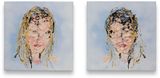
Upson’s Portrait (Vain German) panels, which feature ghostly, abstracted visages, begin from a similar principle: the artist first created a miniature painting, which was 3D-scanned, enlarged and cast using a silicone mould. Working with the mould on the floor, Upson painted one layer at a time, from front to back, making marks with pigment-tinted Aqua-Resin. As she built up the image, the marks she put down firstwere hidden by later ones, a process she dubbed ‘blind painting.’ The final image isthus a combination of deliberate actions, chance effects and forgotten gestures, while the series as a whole relates to the theme of ‘vanitas’ and its consequent notions of time, transience, death and beauty. In some panels the figure is clearly visible, while in others, traces of facial features are absorbed into Upson’s network of Technicolor painterly motions.
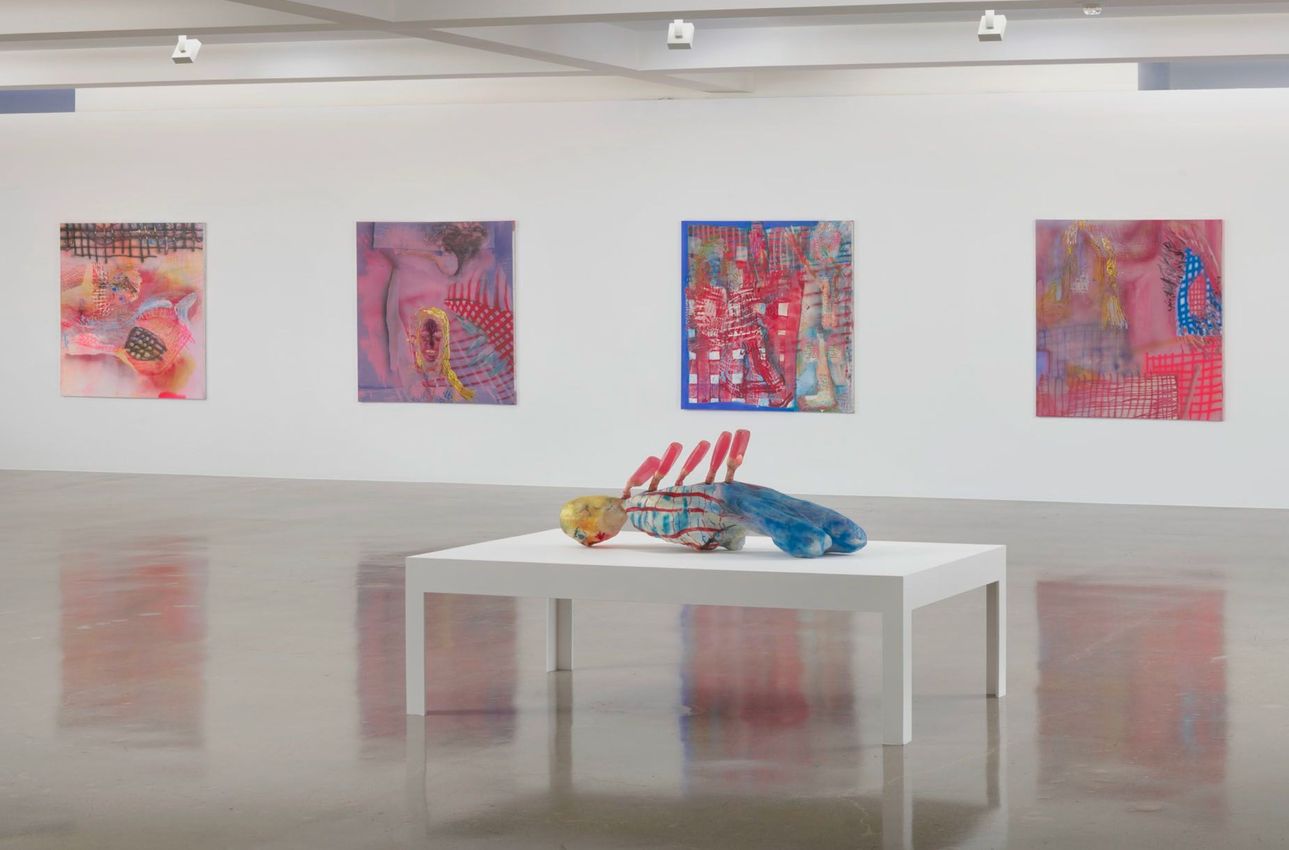
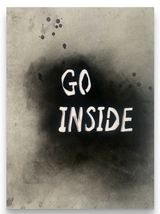
The exhibition also presents a major new suite of paintings on canvas that Upson embarked upon during the early months of the pandemic. Alone in her studio, shereturned to the medium of her early Kiss Paintings, reviving some of the sametechniques. Using myriad painterly marks within each work, from spraying and maskingto heavy impasto, the artist generated compositions in which symbols seen across herwork take shape in paint—the blonde, braided Fräulein, gingham-checkered fabrics,pairs of eyes, household objects. Crises and transgressions are hinted at, but neverrevealed. Like Philip Guston and others after him, Upson moves nimbly betweenabstraction and figuration, wrestling between the two in each richly layered andrevelatory canvas.
Gingham patterning reappears in a group of arresting figurative sculptures that began as miniature wooden whittled dolls—another example of Upson’s play with scale, aswell as her interest in materials, process and the complexity of familial ties. Thesculptures’ uniform of jeans and plaid shirt is a combo often worn by the artist’smother, and one in which Upson herself performed in videos taking on her mother’sguise. Yet the close-cropped hair and the cast vodka bottles that run along thesculpture’s spine, perhaps feeding the body or sucking it dry, reference her father.Their pinkish contents recall a mix of blood and water and emphasise the discomfitingbonds of family and the inescapable dilemmas of generational trauma.
As a background to these later developments in Upson’s work are recent examples of her large-scale drawings—a cornerstone of her practice. Created over many years,they display evocative fragments of text and image that offer a view into the artist’skaleidoscopic thought process. Faces and bodies intermingle with images of her pastsculptures, as well as lines of text that speak out from the page in a chorus of differentvoices, all incorporated at different scales and orientations to dizzying effect. Likemuch of Upson’s work, her drawings connote mixed feelings of repulsion andattraction, all the while luring the viewer into their experimental webs of information.
Throughout the exhibition, Upson’s recurring characters, symbolism and gestures materialise through an array of aesthetic approaches and mediums, always returningto the inner workings of the self. Merging personhood and objecthood in ways bothalluring and disturbing, the works demonstrate Upson’s unwavering urge to interpretthe psyches and psychoses of our complicated twenty-first century lives, with vigour,depth and beauty.
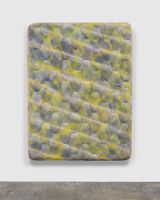
The majority of Kaari Upson’s career has been devoted to a single, multifarious series titled The Larry Project, 2007–onward. ‘Larry’ is the fictitious name Upson assigned to her parents’ neighbour, whose possessions she salvaged when his house burned down. Larry’s large trove of personal mementos—which included photographs, journals, and pornography—became the raw material or reference for Upson’s paintings, installations, performances, and films. She originally hoped to explore his psychological state of mind, but quickly realised, ‘I was using him as a mirror back on myself.’ Though she hasn’t figured out ‘an exit strategy’ for the project, Upson recently began a new monumental series: Sleep with the Key (2013), is comprised of silicon replicas of discarded mattresses Upson finds in L.A.—a reference the artist’s recent experience being bedridden with illness.
Sprüth Magers has expanded from its roots in Cologne (Germany) to become an international gallery dedicated to exhibiting the very best in groundbreaking modern and contemporary art. With galleries located in Berlin Mitte, London’s Mayfair and the Miracle Mile in Los Angeles–as well as an office in Cologne and an outpost in Hong Kong–Sprüth Magers retains close ties with the studios and communities of the German and American artists who form the core of its roster.

A respected voice in contemporary art discourse.
Focusing on ambitious storytelling and insightful art-world commentary. Ocula Magazine publishes in-depth interviews, critical essays and timely analysis on the artists, exhibitions and ideas driving the global art world.
Learn more about Ocula Magazine
Showcasing the best of the art world.
Ocula partners with galleries from around the world to highlight their artists, artworks and exhibitions. Gallery membership is by application and invitation, with each member vetted by an independent panel.
Learn more about Ocula Membership

Specialises in the sale of major artworks.
Led by a team with deep ties to the world’s leading auction houses, galleries and collectors. Ocula’s advisory team offers bespoke services to high-net-worth clients from around the world who are looking to acquire the best of contemporary and modern art.
Learn more about our team and services