Press Release

Monika Sprüth and Philomene Magers are pleased to announce David Ostrowski‘s first solo exhibition at the Berlin gallery. The artist’s most recent works show a further mining of painterly codes and non-motif, though they also mark Ostrowski’s first systematic approach to the colour grey.

In an echo of his earlier white as well as black works, Ostrowski pursues the idea of total reduction and a deliberate break with painterly traditions and precepts. Once again he strives for the ‘zero point’ of painting, fully cognizant of the fact that any attempt is bound to fail as every artwork is entrenched in the culture in which it emerges, and the visual vocabulary from which it draws. The seeming emptiness of the canvas becomes an expression of this artistic self-emptying. Moreover, the artist’s engagement with emptiness can also be understood as a grappling with the history of painting itself: What constitutes painting?

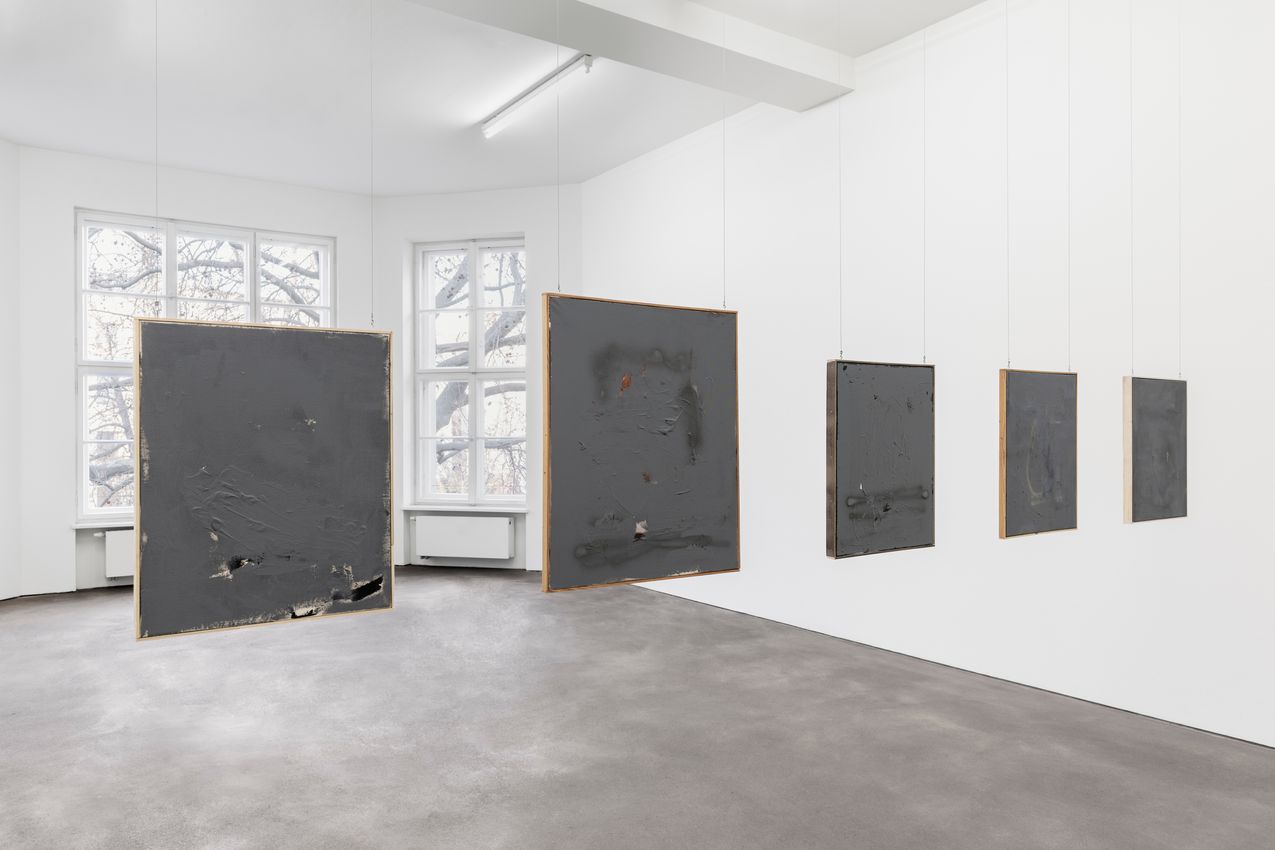
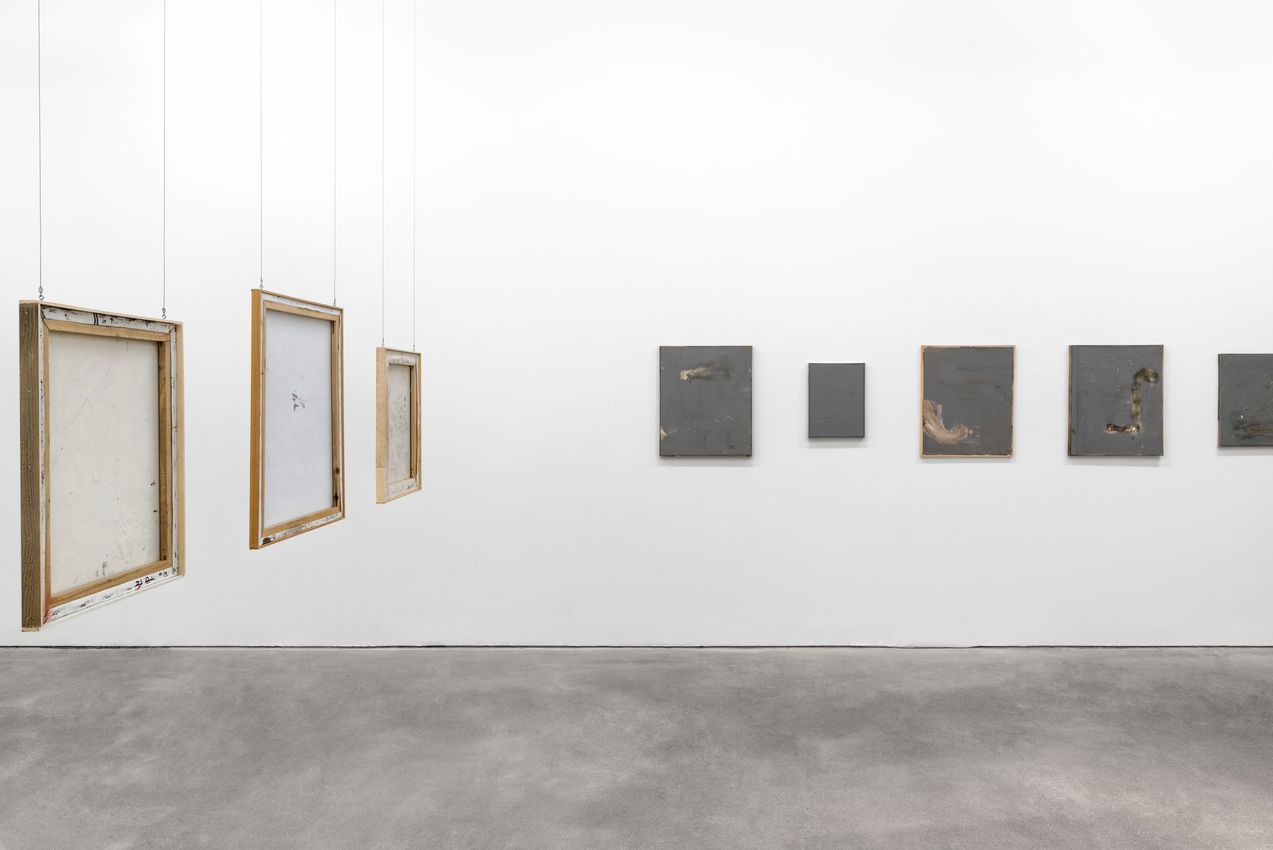
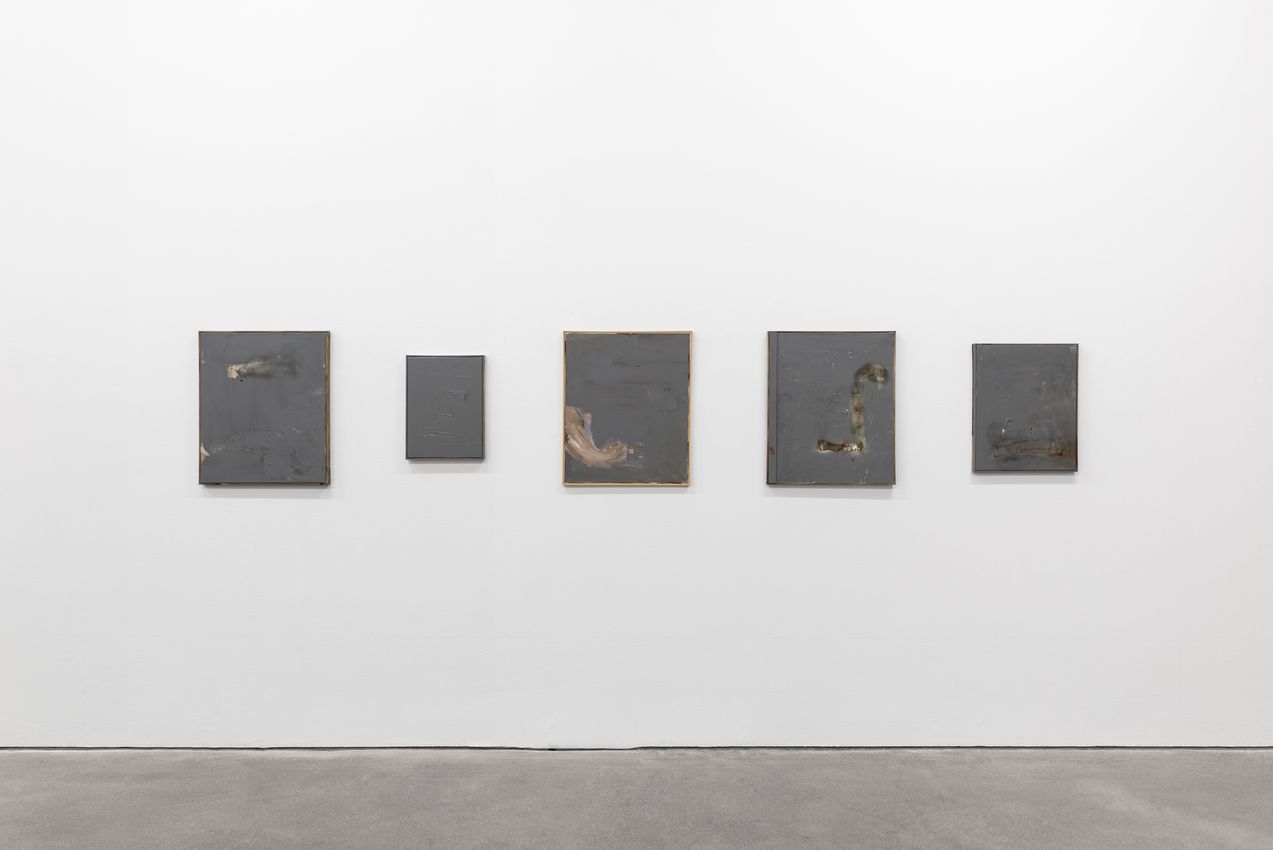
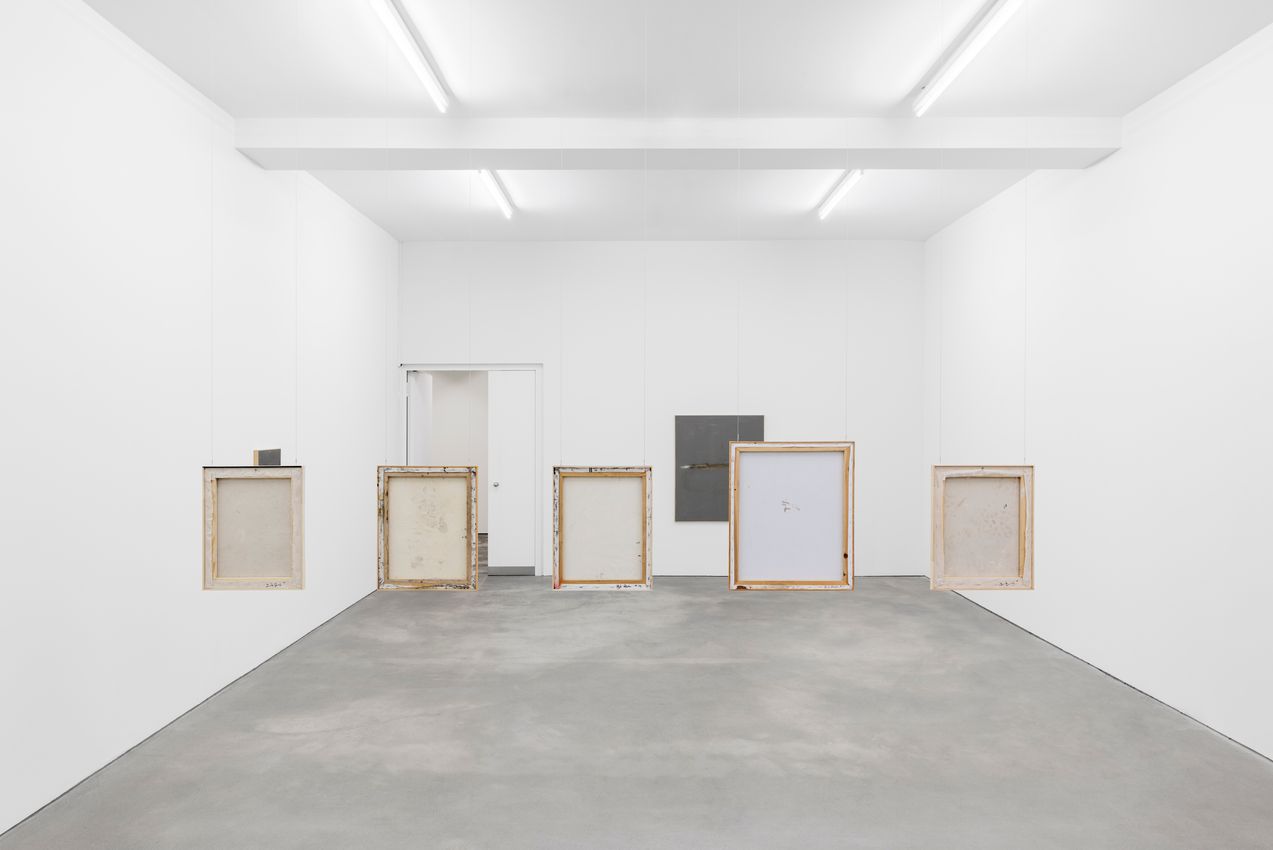
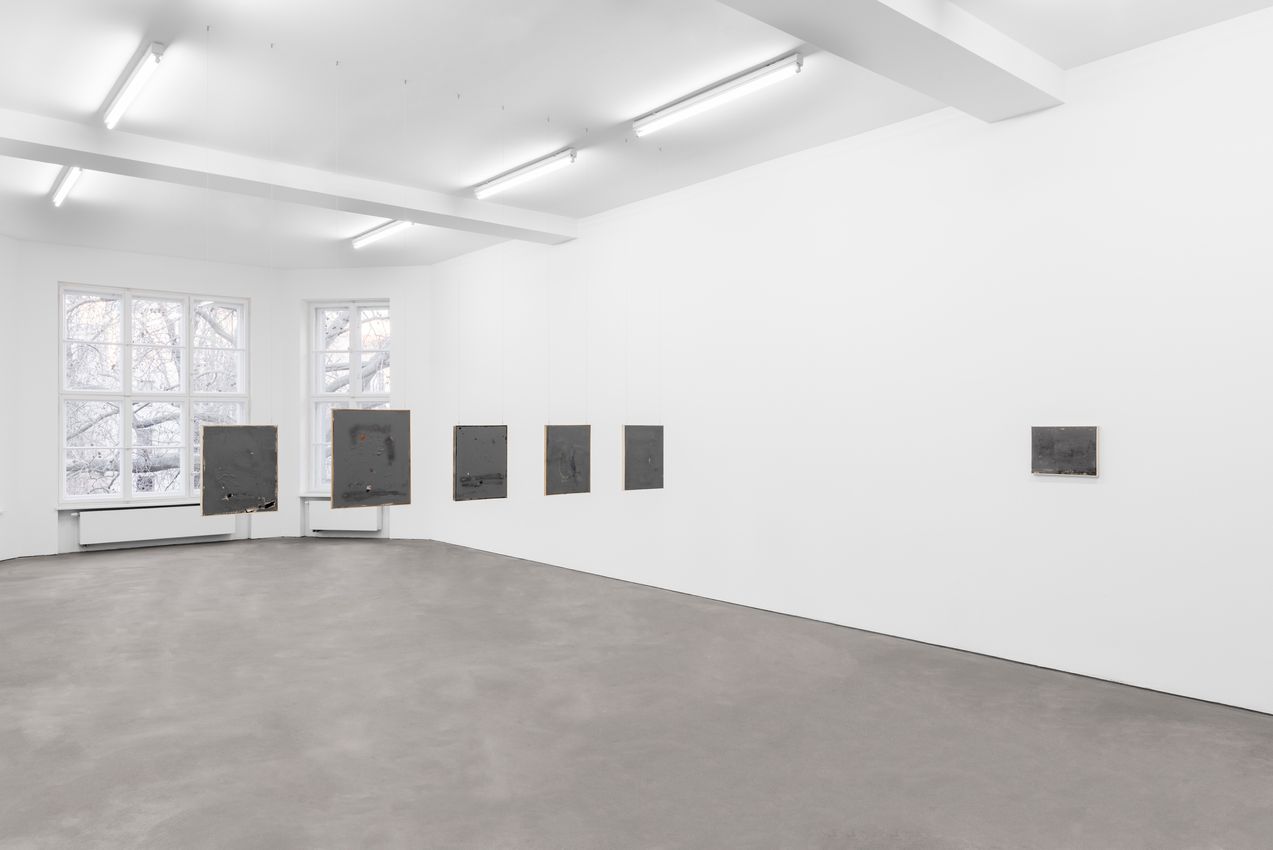
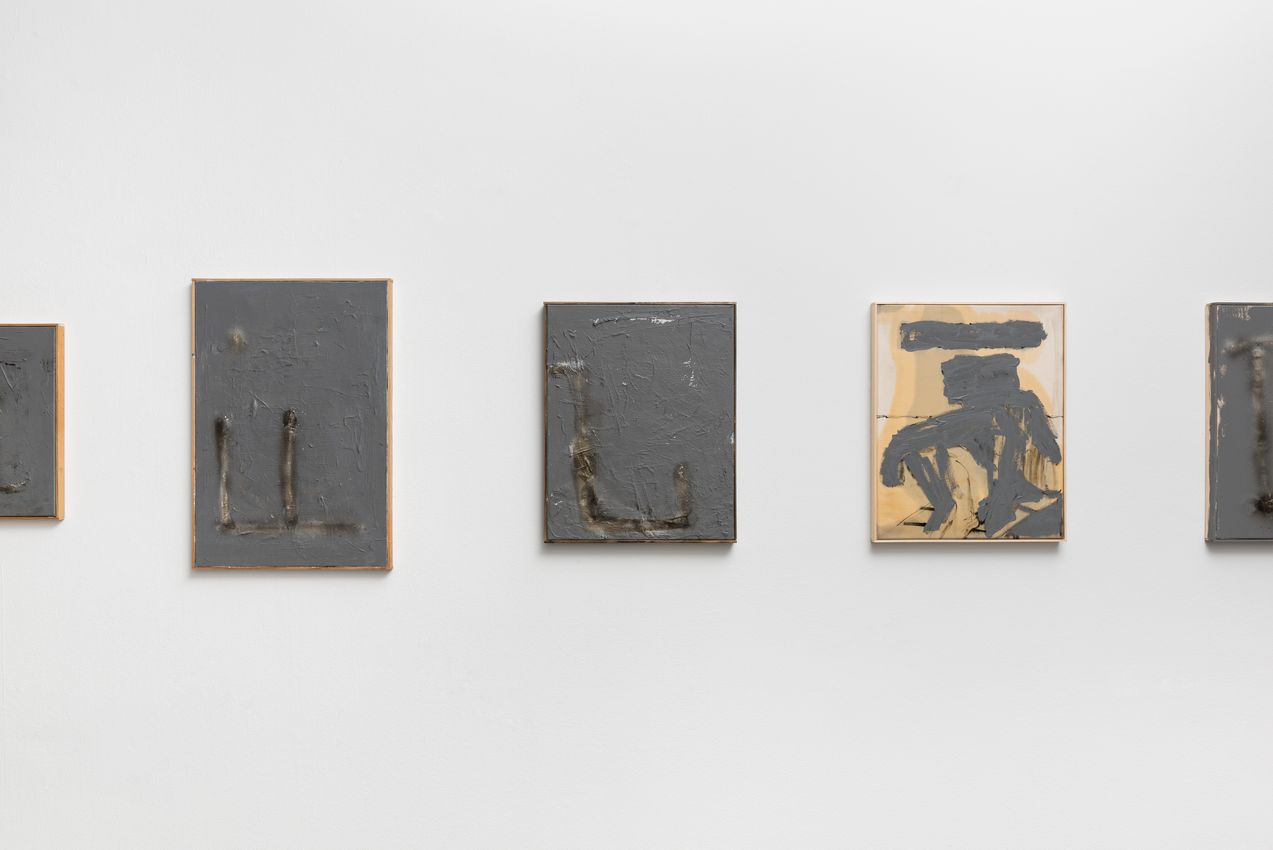
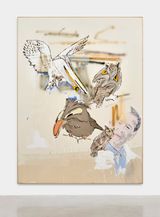
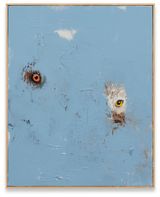
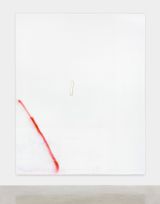
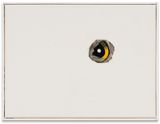
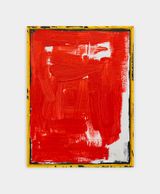
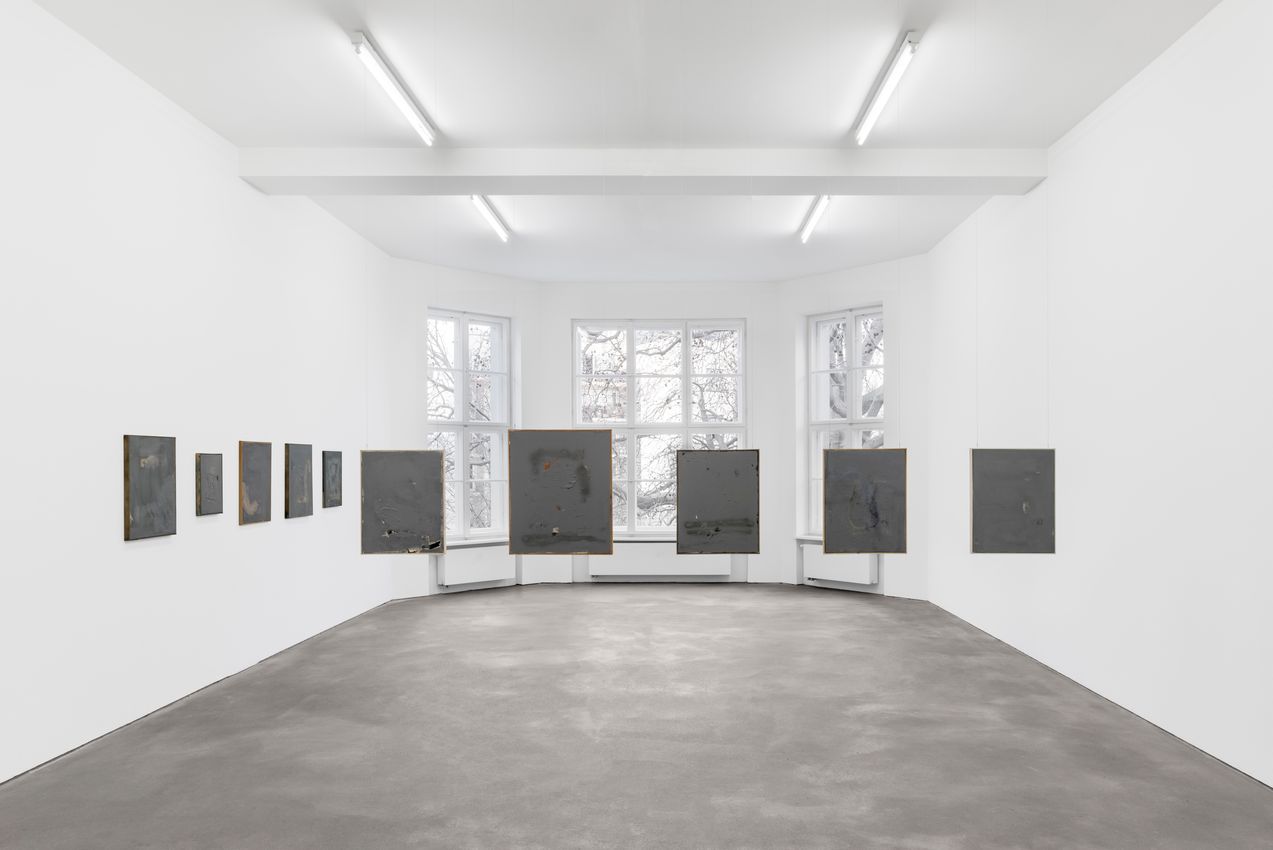
The materials and palette of the new works reflect the deliberate, radical reduction in Ostrowski’s art: Even the colour is a conventional, ‘neutral’ grey that can be purchased in any number of hardware stores, not a hue that Ostrowski mixed himself. Still, what might at first glance appear to be a monochrome surface is, upon closer inspection, multi-layered and complex. Copious layers of paint are applied to differently-sized canvases (some new, some reused); the artist often paints over his own work while leaving isolated shapes exposed and highlighting or adding to them. It is a process that is also reflected in the dating of his paintings, some of which indicate two different years of creation (e.g. 2008/2020 or 2005/2021). The revealed underpainting becomes something of a window that both enables a peek behind the grey façade and underscores a sense of depth. It lends the work a certain three-dimensionality, and also creates moments in which the surrounding space come to bear in the composition. Certain works find Ostrowski extending the overpainting all the way to the frame, so that it also becomes part of the painting’s overall surface. A closer look often reveals traces of dirt, bits of paper, and leftover tape residue. Ostrowski’s painting process is deliberately laid bare, giving his works a collage-like quality.

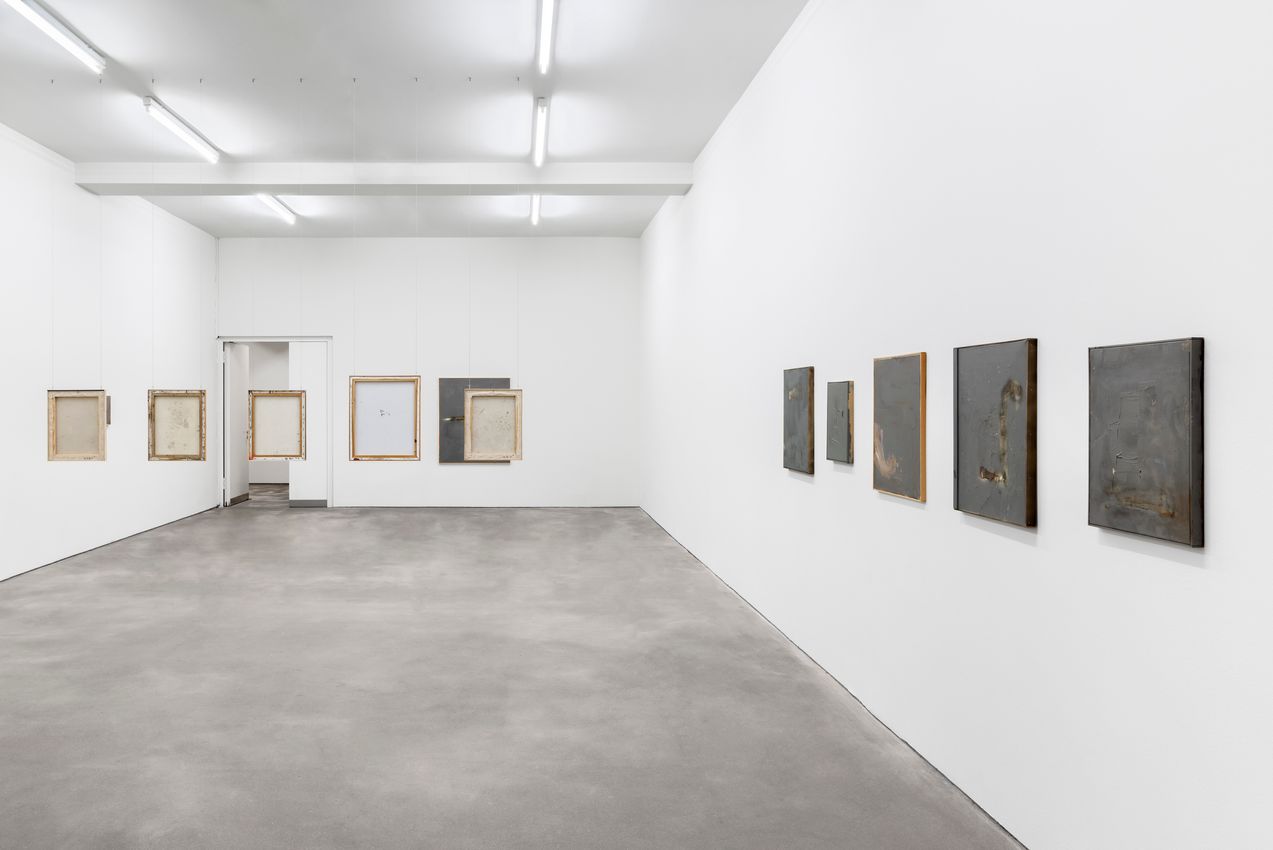
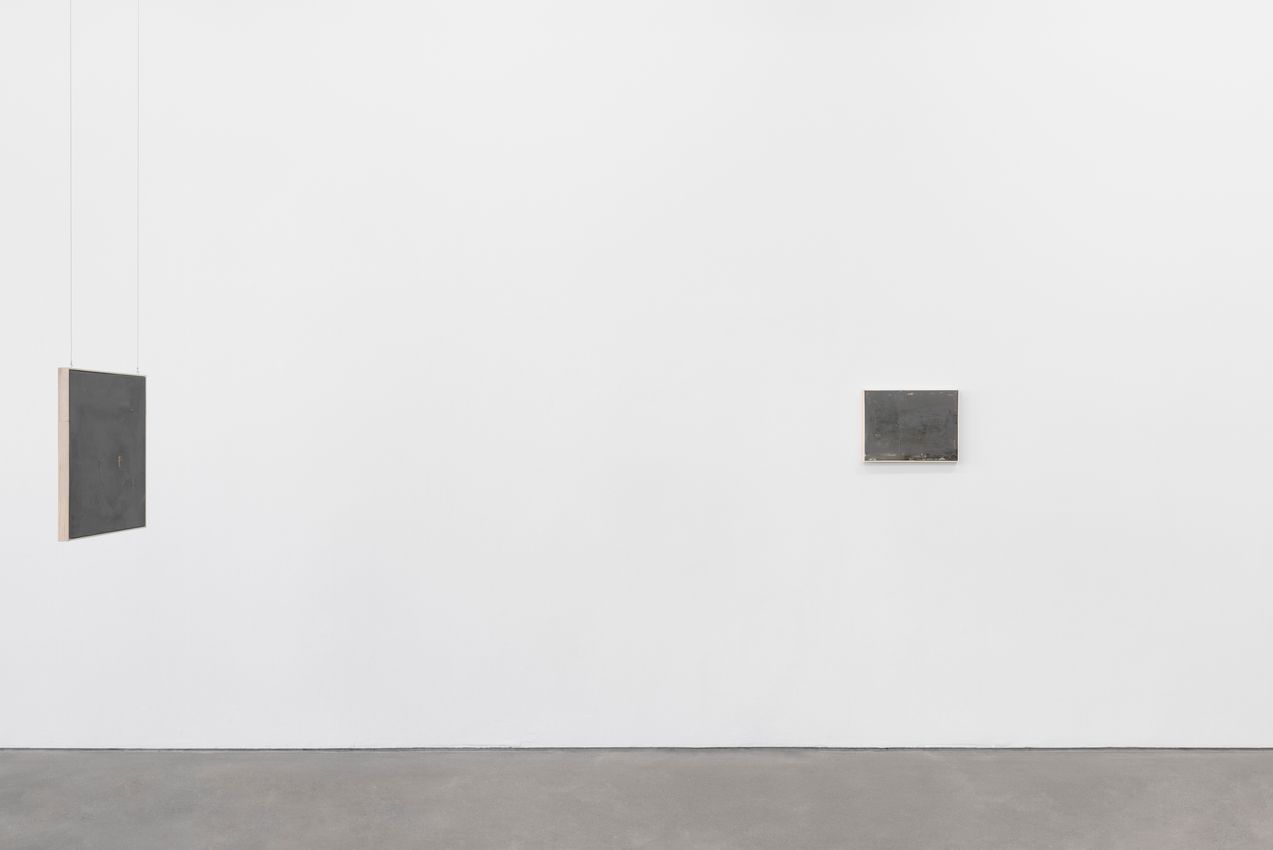
The three-dimensionality of the painted surface is translated into space via thespecific, focused installation of the works in the room. Five works are suspended from the ceiling in a centrally arranged row. Dividing the (pictorial) space, they function as a line that lends both the works and their presentation a drawing-like quality. This line is taken up and continued in the arrangement of other works: across a corner, on the walls, in and outside of the gallery space. The hanging supports the space-creating element inherent to Ostrowski’s works and ascribes to them an architectural dimension.

The titles of these new works combine Ostrowski’s typical F with the name of a well-known musician, i.e. F (Chris Isaak), F (Faith Hill), and F (Adriano Celentano). These titles, like the artist’s chosen materials and technique, work with what is already existing and available. They reference familiar, ‘mainstream’ singers, the creators of the eminently accessible music that surrounds us in everyday life (and also surrounds the artist, who listens to it on CD).

Created in 2020/21 in the context of the global pandemic, these new works conjure even more interpretations of a zero point: As a time in which everything goes back to the beginning, back to zero, in a return to life’s essentials. In the latter reading, the neutral colour grey picks up on the prevailing monotonous, drab mood while also providing a neutral ground for whatever the future may yet hold. ‘It can’t be that cold’, the ironic title of the exhibition, also evokes a light at the end of the tunnel. Like the exposed shapes in the paintings it functions as a kind of window, opening the mind and spirit to the possibility of better days ahead.

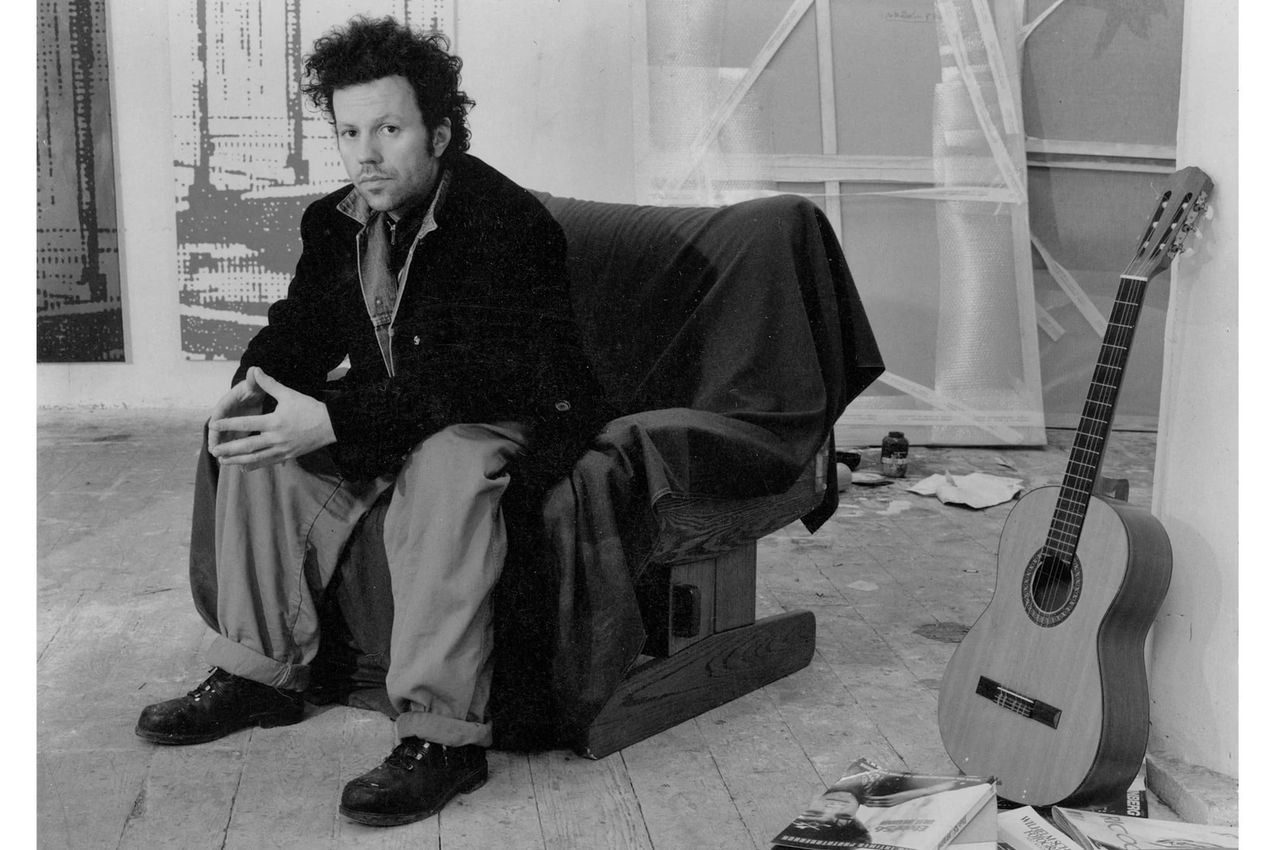
David Ostrowski (*1981, Cologne) lives in Cologne. Selected solo exhibitions include Spazio ORR, Brescia, and Sprüth Magers, Berlin (2021); Avant-Garde Institute, Warsaw (with Tobias Spichtig), Jir Sandel, Copenhagen, and Leeahn Gallery, Seoul (all 2020); Sundogs, Paris, and Piece Unique, Cologne (both 2019); Sprüth Magers, London (2018), Halle 9 Kirowwerk, Leipzig, and Blueproject Foundation, Barcelona (both 2017); Leopold-Hoesch-Museum, Dueren, with Michail Pirgelis (2016); ARKEN Museum of Modern Art, Copenhagen, and Kunstraum Innsbruck (both 2015); Rubell Family Collection, Miami, and Fondazione Sandretto Re Rebaudengo, Turin (both 2014). Selected group exhibitions include Akademie der Künste Berlin (2021), Triest, New York; Pio Pico, Los Angeles (both 2020); Galerie Bernhard, Zurich; DuMont Kunsthalle, Cologne, and Braunsfelder, Cologne (all 2019); Aishti Foundation, Beirut (2018); Museum of Modern Art, Gunma (2017); M Woods Museum, Beijing (2015); Halle für Kunst & Medien, Graz, and Institute of Contemporary Arts, London (both 2014).

Read More

Installation Views

About the Artist

David Ostrowski produces large abstract canvases in manic moments of artistic instinct. He believes that the medium of painting has a relentless life cycle, and by bringing painting into conversation with contemporary artistic practice, he challenges the powerful role that technology plays in current artistic trends. Ostrowski studied painting at the Kunstakademie in Düsseldorf under Albert Oehlen, who siginificantly influenced the young artist and prompted him to explore Abstract art in depth. A serious fire at Ostrowski’s studio in 2005 gave the artist a new perspective on how to approach his work, by revealing the power that chance plays in producing art. This ideology persists in his practice and allows him to explore the boundaries of painting in its production and perception. To achieve artworks that are formed as a result of chance, many of Ostrowski’s techniques involve speed of application, incorporating spray paint and fast-drying lacquers. The process builds up multiple layers on the canvas as the artist repeatedly paints over certain parts of each composition. Speed, immediacy and impulse are integral to the editing process as they drive him to make quick decisions. Paint is not the only mediun that Ostrowski incorporates into his large artworks: found objects from his studio such as newspaper, scraps of wood and bits of dirt are glued to the canvas, creating a sense of depth, texture and a sculptural element to the composition. The accumulation of layers exemplifies how each canvas is constantly subject to consideration and revision. The installation and presentation of artworks is an equally important factor in the production process for Ostrowski. He rejects conventional gallery-hangs – exhibiting works on the wall at eye level. Instead, Ostrowski hangs his canvases from the ceiling in the middle of the gallery space, sometimes hanging works back-to-back.

View Artist Profile

Also Exhibiting

About the Gallery

Sprüth Magers has expanded from its roots in Cologne (Germany) to become an international gallery dedicated to exhibiting the very best in groundbreaking modern and contemporary art. With galleries located in Berlin Mitte, London’s Mayfair and the Miracle Mile in Los Angeles–as well as an office in Cologne and an outpost in Hong Kong–Sprüth Magers retains close ties with the studios and communities of the German and American artists who form the core of its roster.

View Gallery Profile
Address
Oranienburger Straße 18
Berlin
Germany
Opening Hours
Tuesday - Saturday
11am - 6pm
(1)
Berlin Oranienburger Straße 18
Sprüth Magers
Oranienburger Straße 18, Berlin, Germany
+49 302 888 4030
http://www.spruethmagers.com

Opening hours
Tuesday - Saturday
11am - 6pm
The art world in focus