Press Release

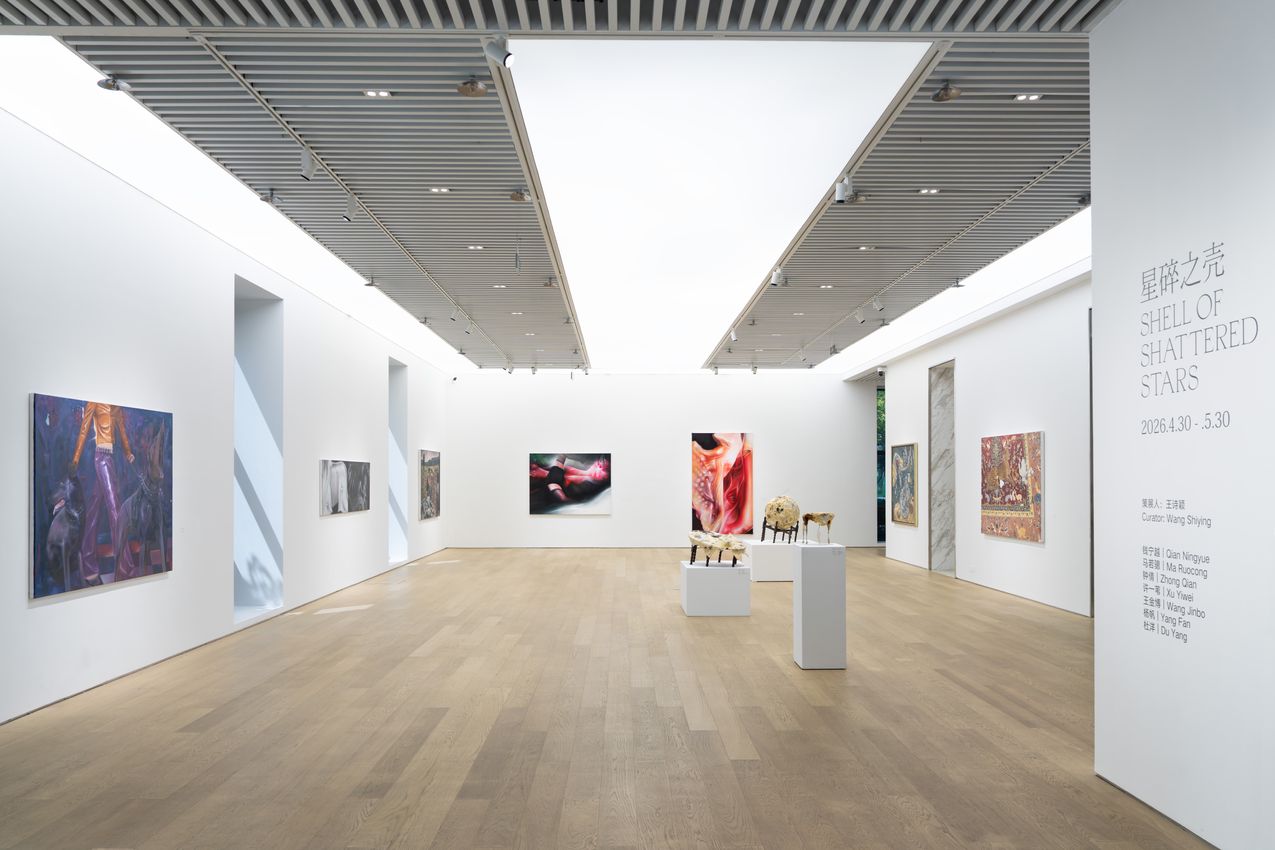
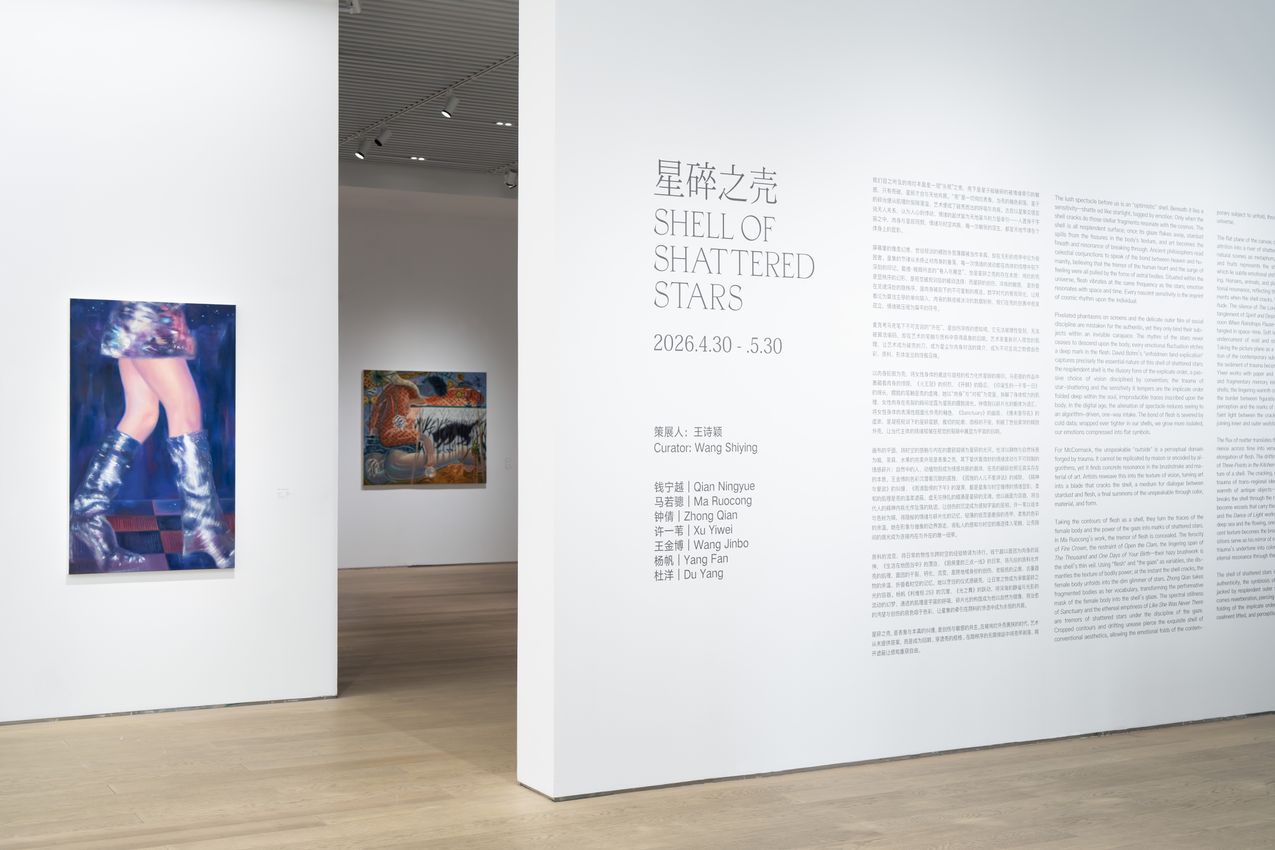
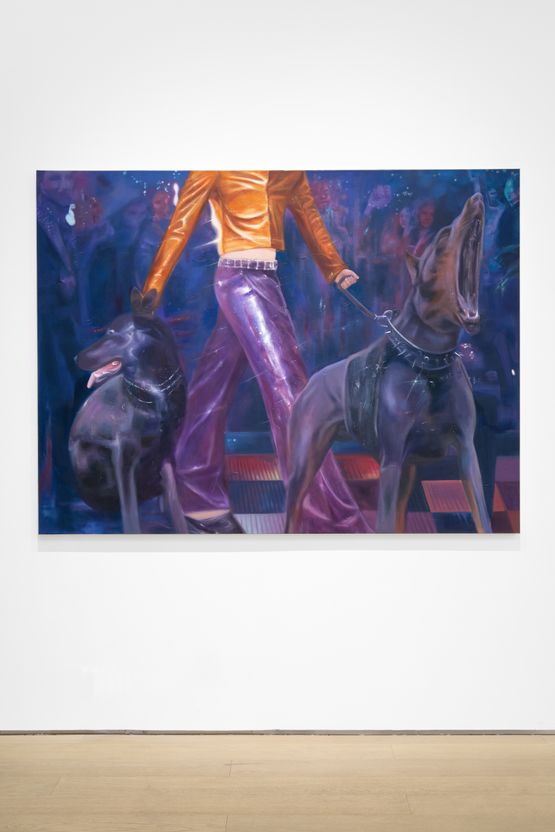
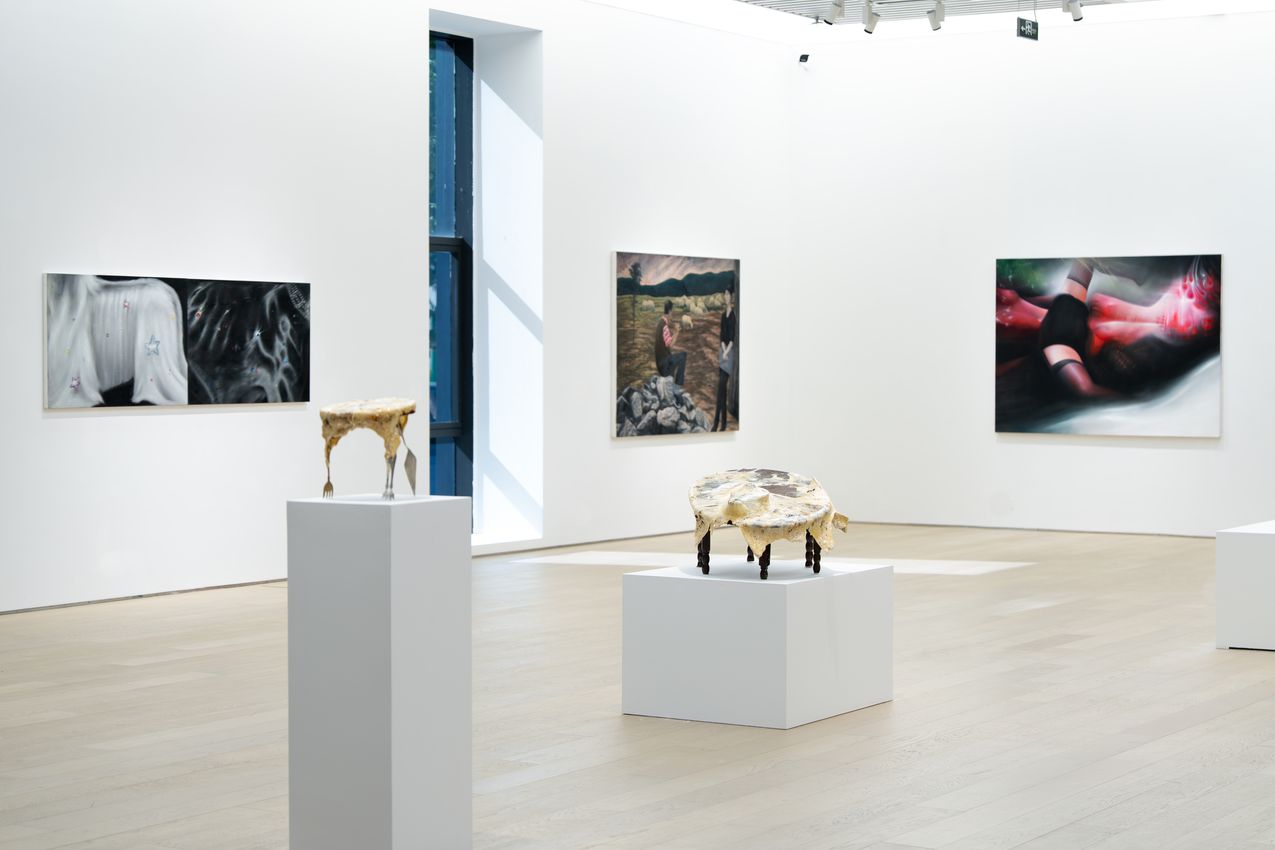
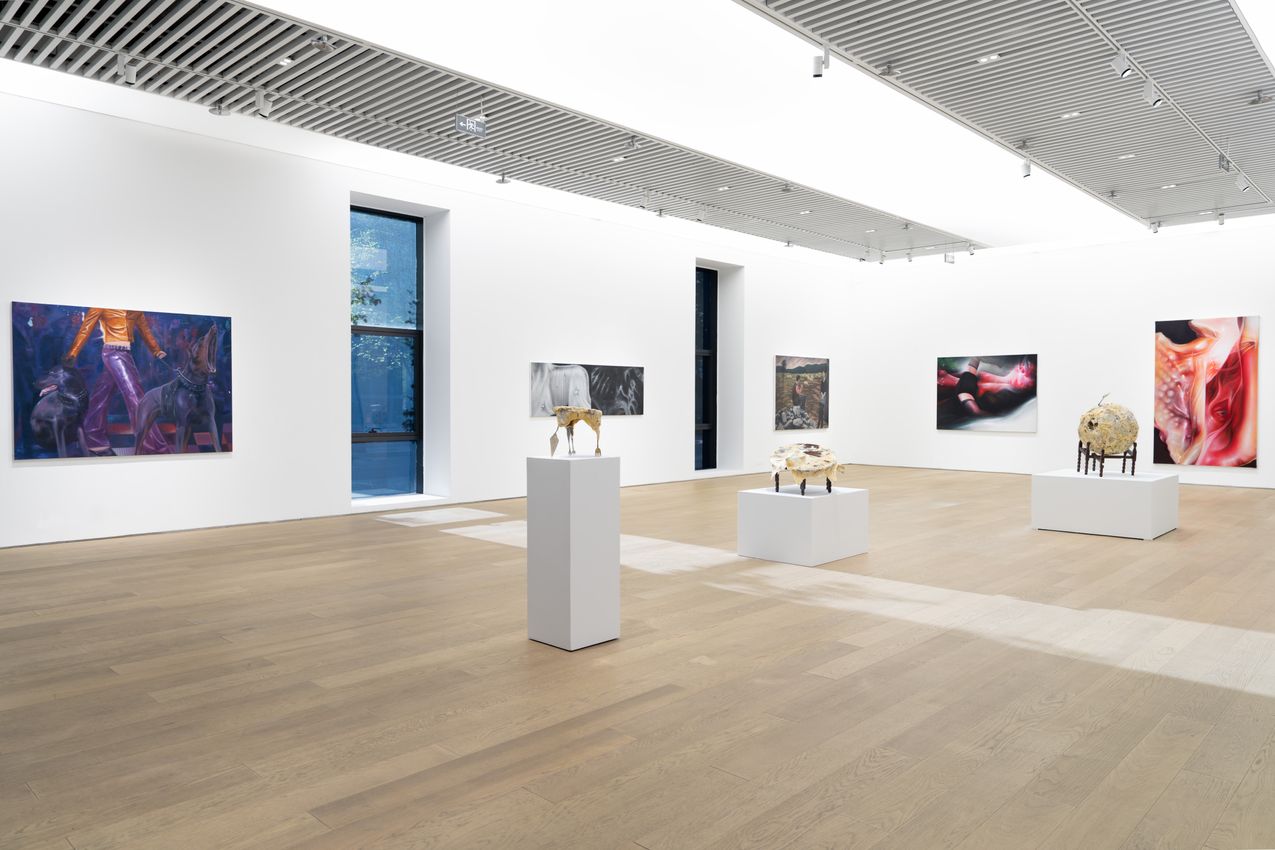
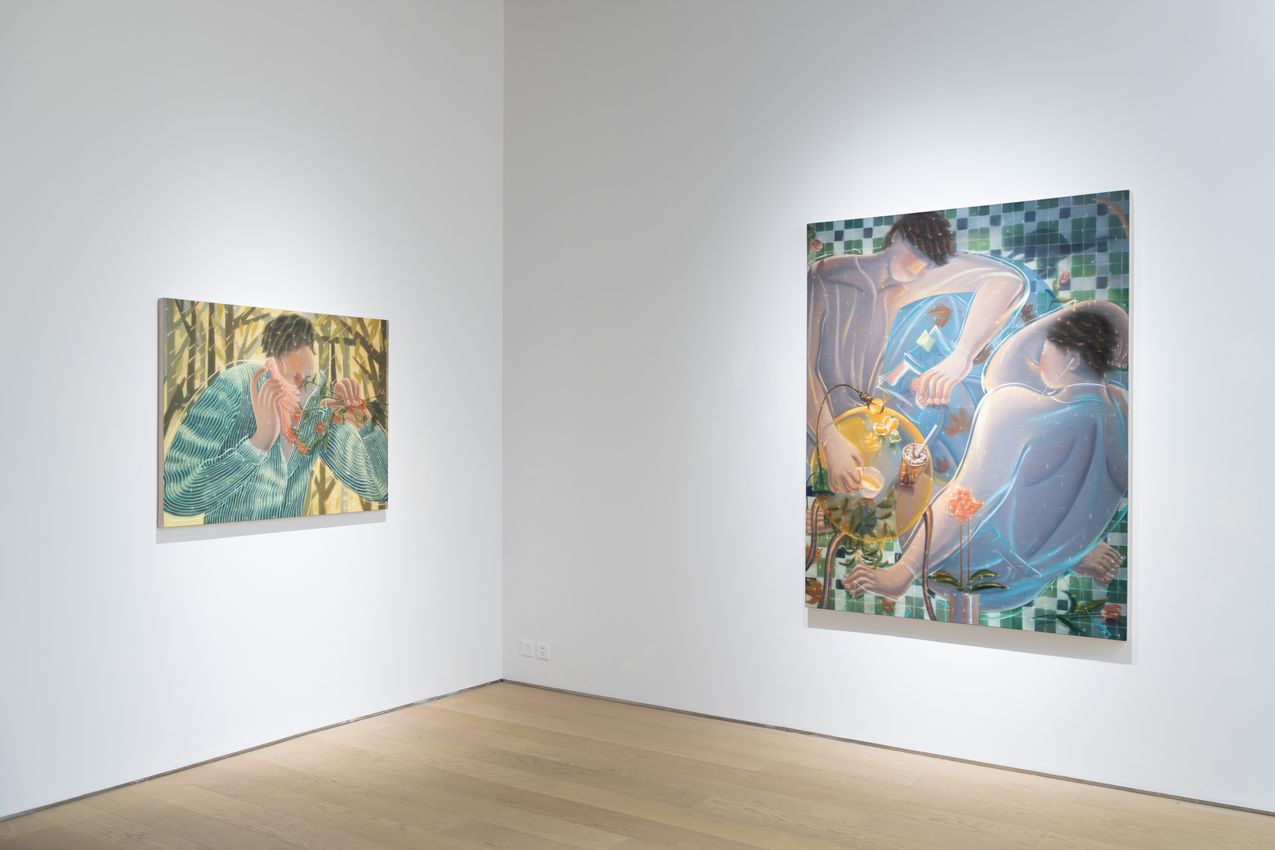
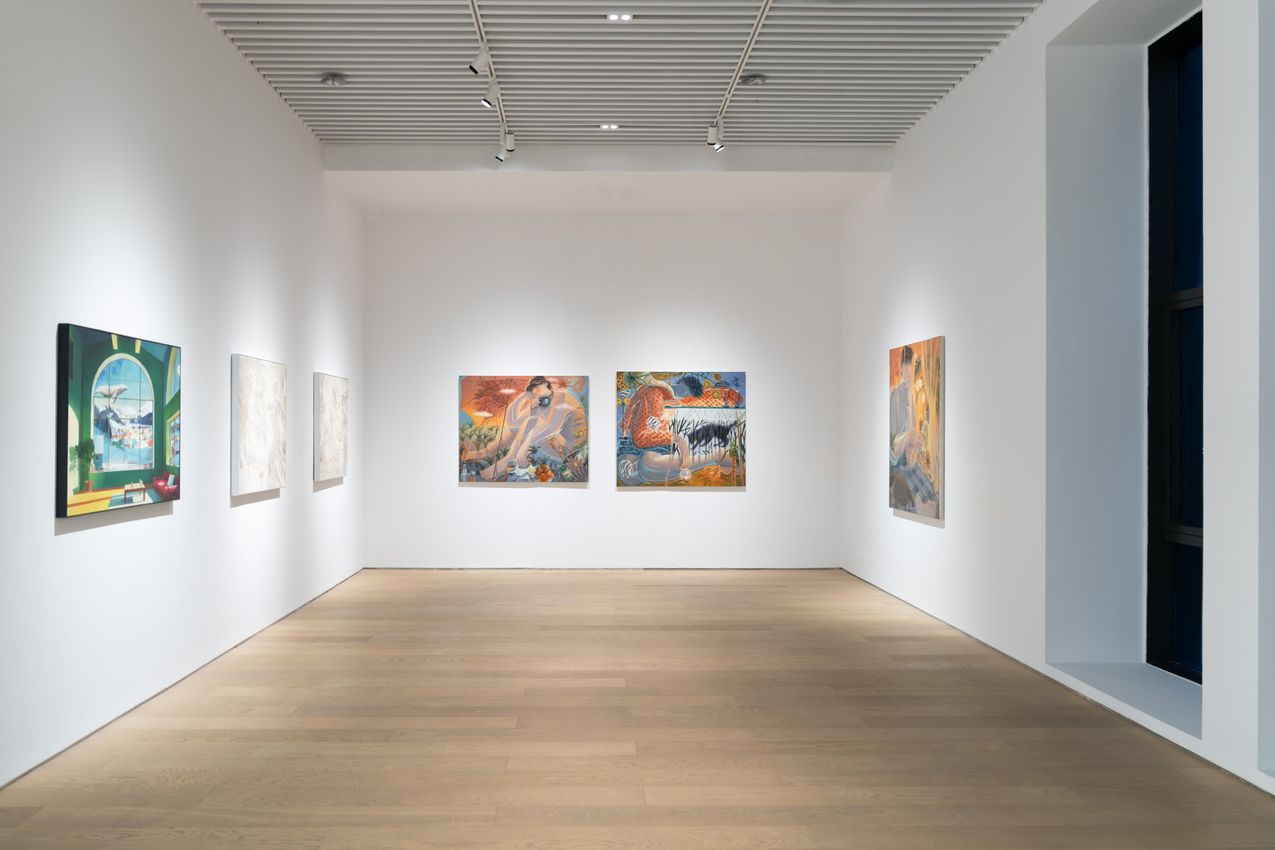
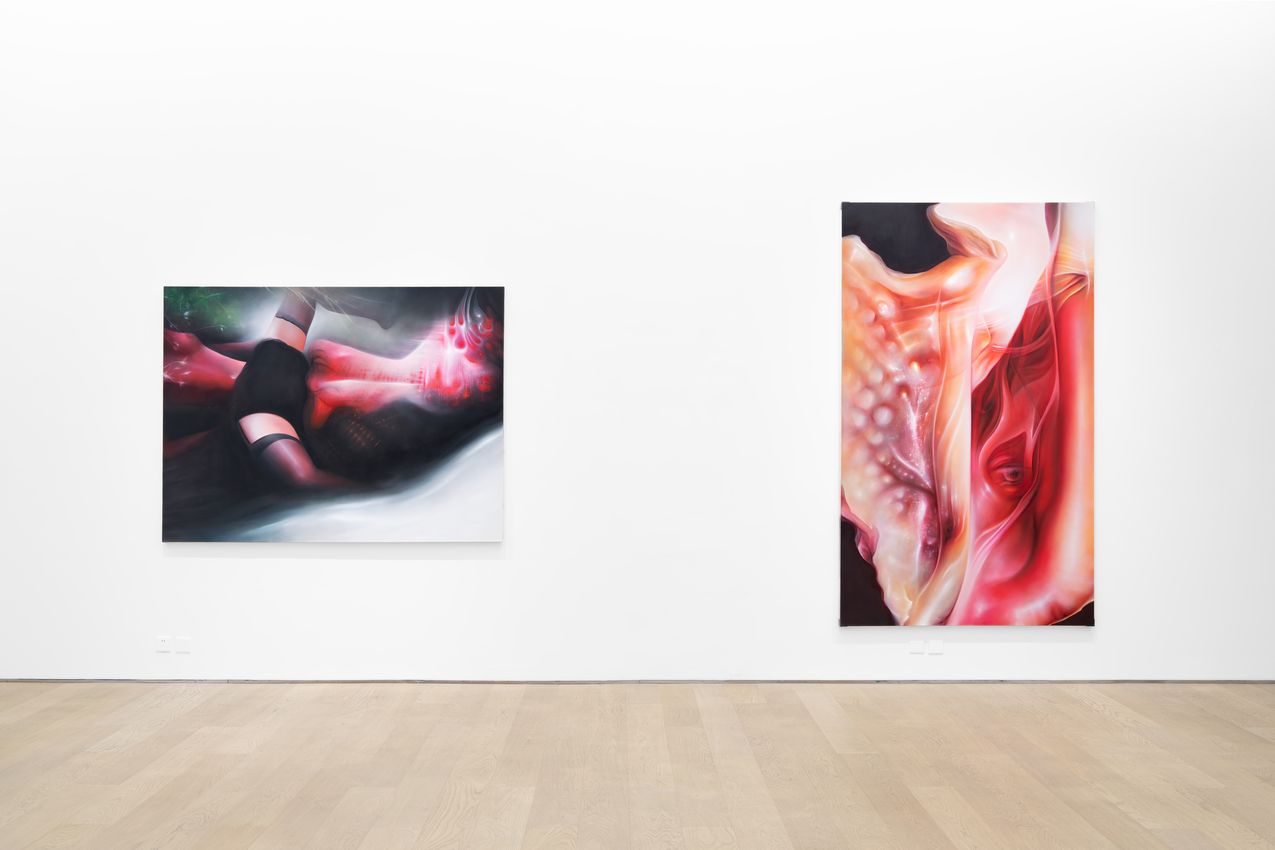
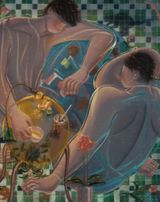
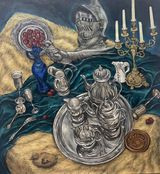
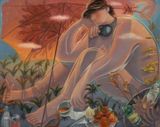
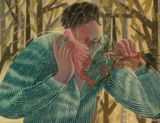
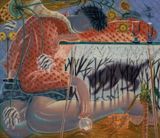
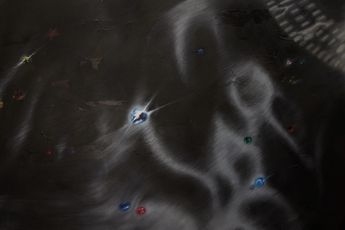
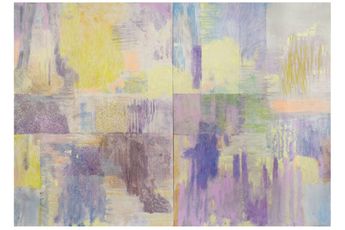
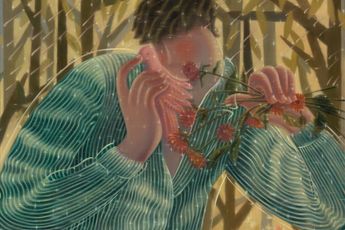
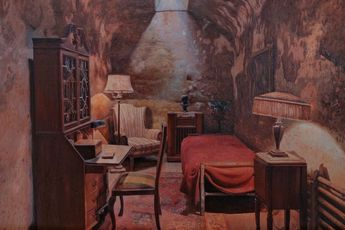
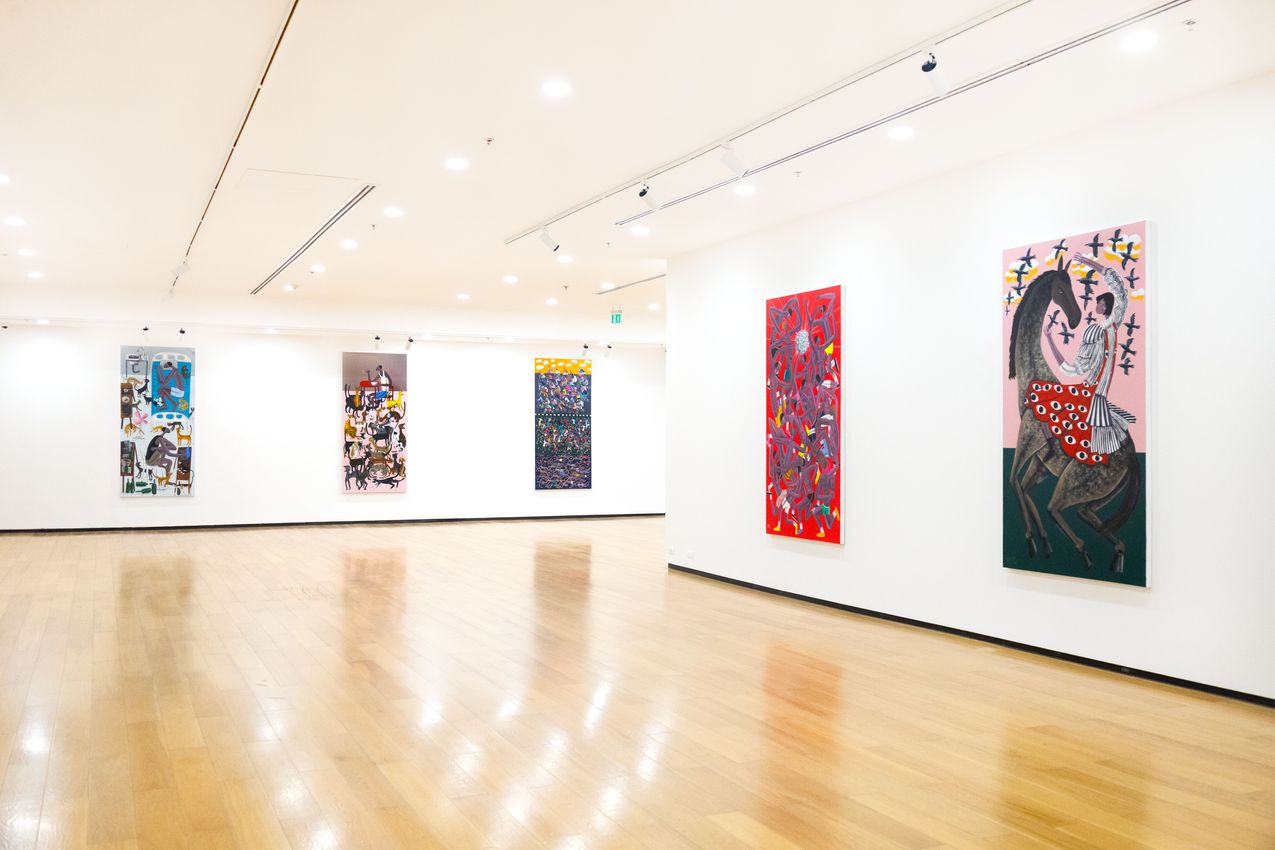
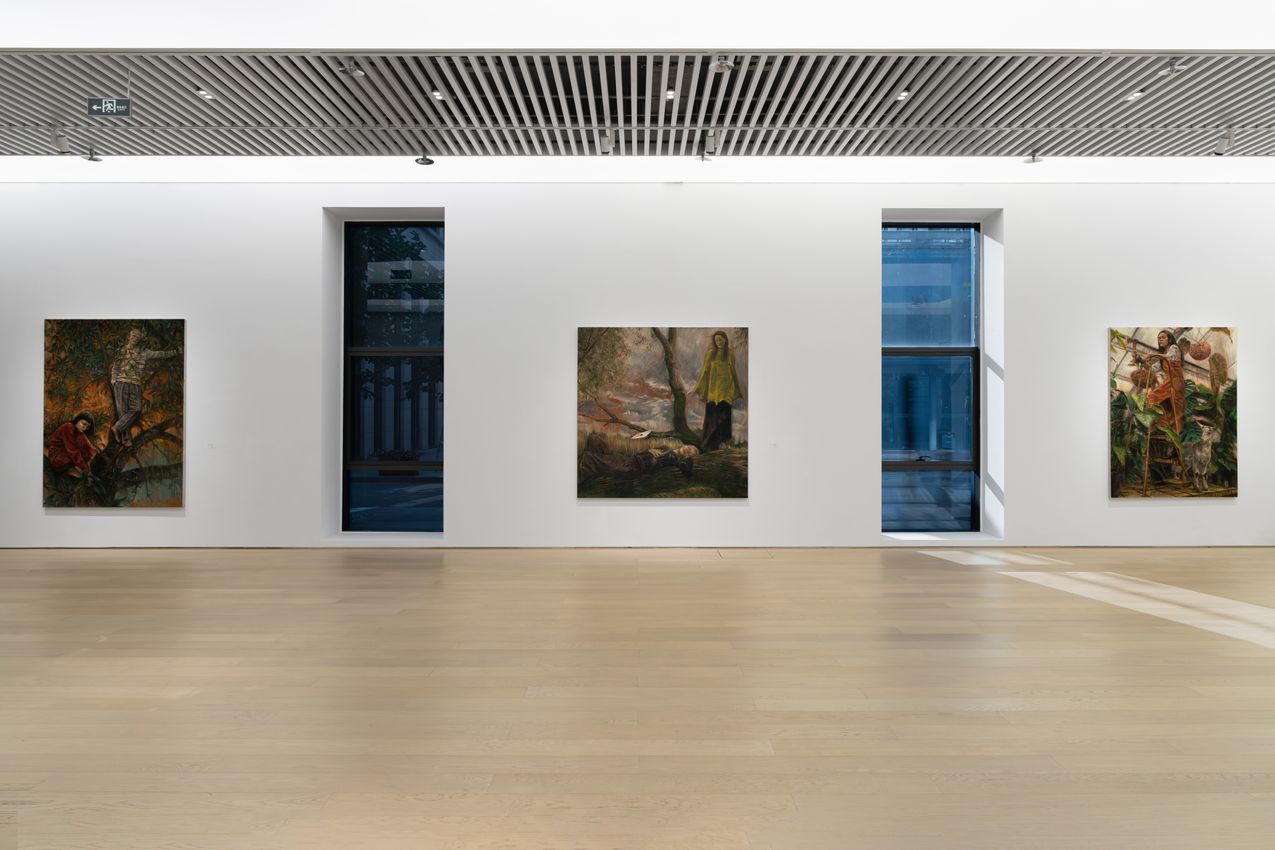
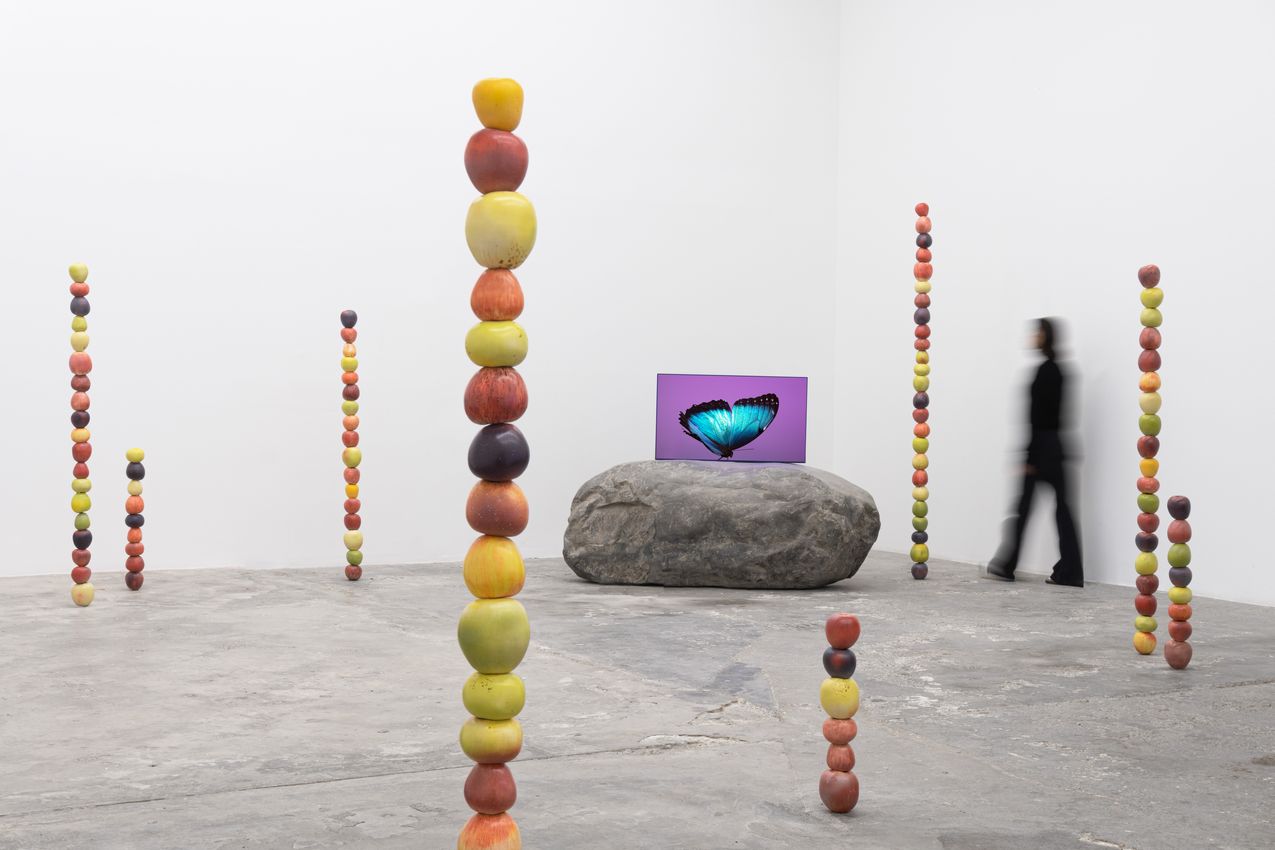
Tang Contemporary Art is pleased to present the group exhibition Shell of Shattered Stars on Thursday, 30 April at its Beijing Headquarters Space, featuring works by emerging artists Qian Ningyue, Ma Ruocong, Zhong Qian, Xu Yiwei, Wang Jinbo, Yang Fan, and Du Yang. Through keen individual perspectives, these young artists respond to the experiences of their time, exploring the boundaries between selfhood, memory, and reality through the dialectics of fragmentation and reconstruction.

The lush spectacle before us is an “optimistic” shell. Beneath it lies a sensitivity—shattered like starlight, tugged by emotion. Only when the shell cracks do those stellar fragments resonate with the cosmos. The shell is all resplendent surface; once its glaze flakes away, stardust spills from the fissures in the body’s texture, and art becomes the breath and resonance of breaking through. Ancient philosophers read celestial conjunctions to speak of the bond between heaven and humanity, believing that the tremor of the human heart and the surge of feeling were all pulled by the force of astral bodies. Situated within the universe, flesh vibrates at the same frequency as the stars; emotion resonates with space and time. Every nascent sensitivity is the imprint of cosmic rhythm upon the individual.

Pixelated phantasms on screens and the delicate outer film of social discipline are mistaken for the authentic, yet they only bind their subjects within an invisible carapace. The rhythm of the stars never ceases to descend upon the body; every emotional fluctuation etches a deep mark in the flesh. David Bohm’s “enfoldment and explication” captures precisely the essential nature of this shell of shattered stars: the resplendent shell is the illusory form of the explicate order, a passive choice of vision disciplined by convention; the trauma of star-shattering and the sensitivity it tempers are the implicate order folded deep within the soul, irreproducible traces inscribed upon the body. In the digital age, the alienation of spectacle reduces seeing to an algorithm-driven, one-way intake. The bond of flesh is severed by cold data; wrapped ever tighter in our shells, we grow more isolated, our emotions compressed into flat symbols.

For McCormack, the unspeakable “outside” is a perceptual domain forged by trauma. It cannot be replicated by reason or encoded by algorithms, yet it finds concrete resonance in the brushstroke and material of art. Artists reweave this into the texture of vision, turning art into a blade that cracks the shell, a medium for dialogue between stardust and flesh, a final summons of the unspeakable through color, material, and form.

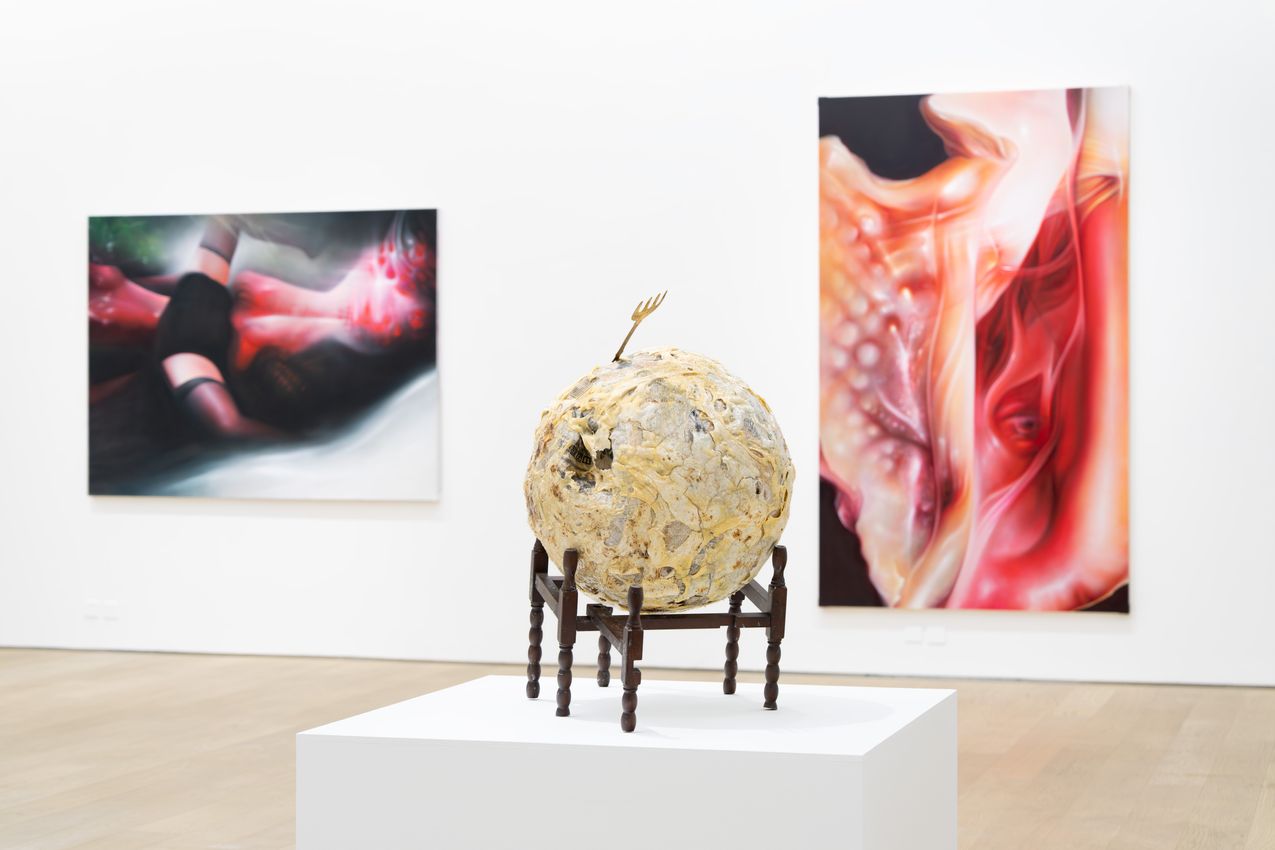
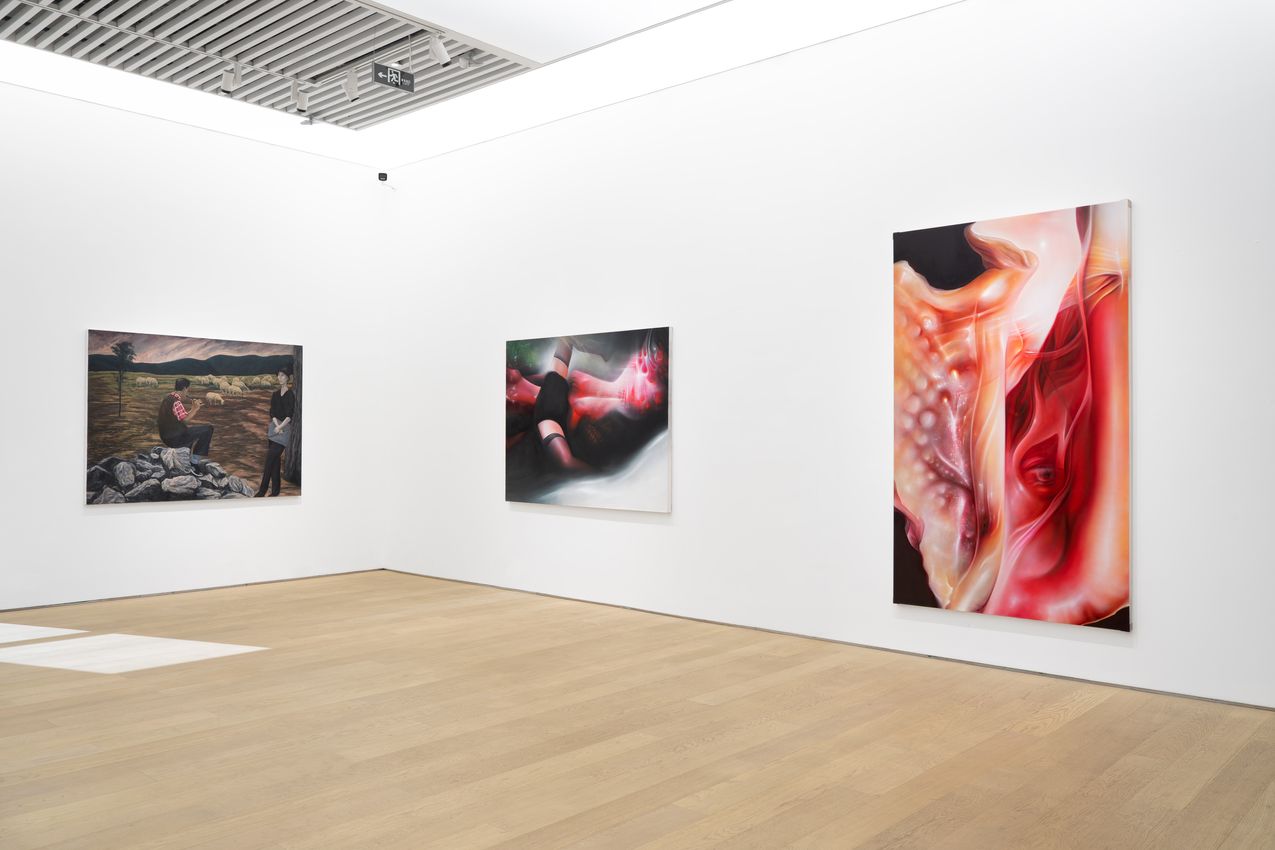
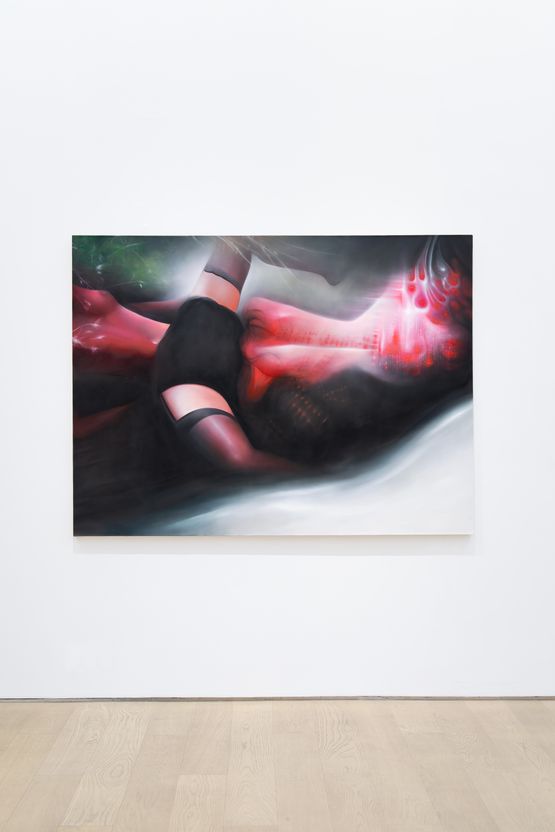
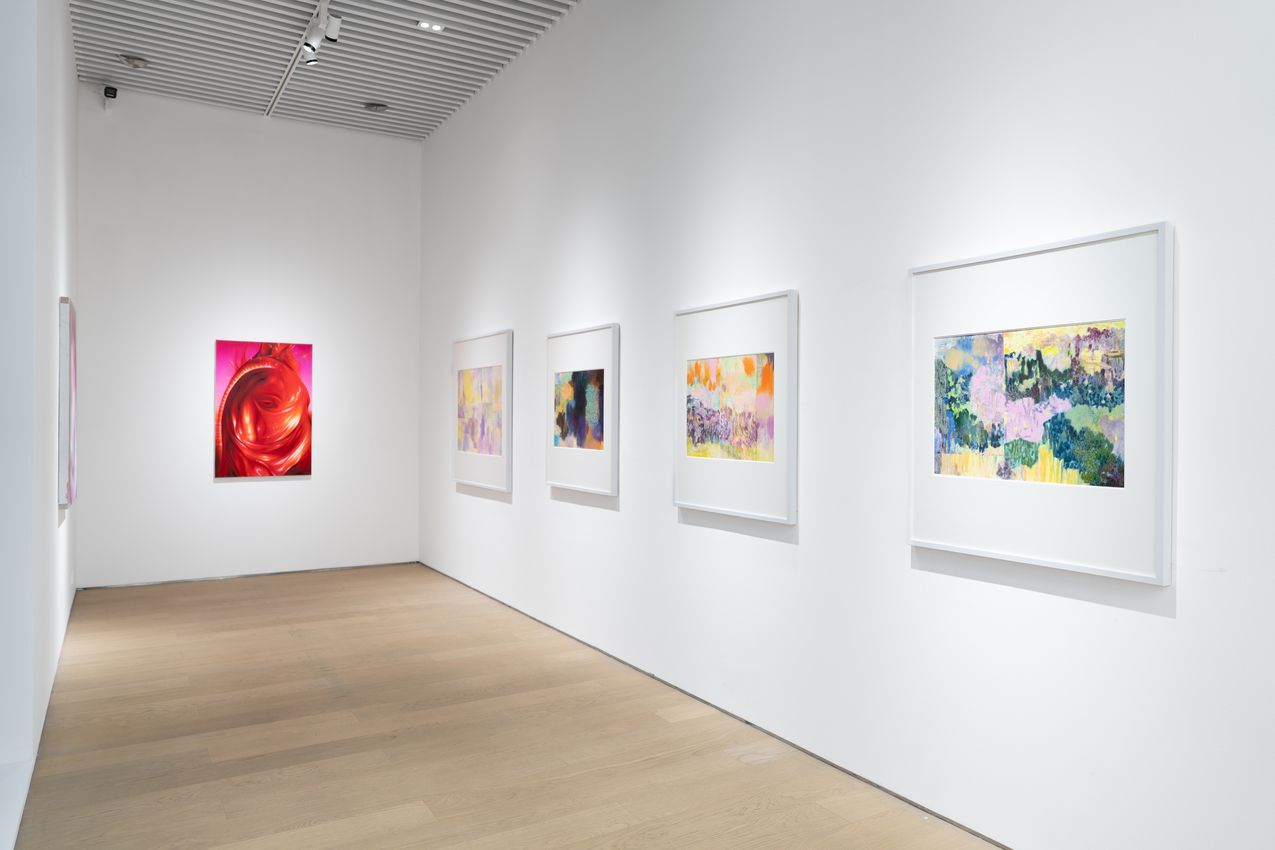
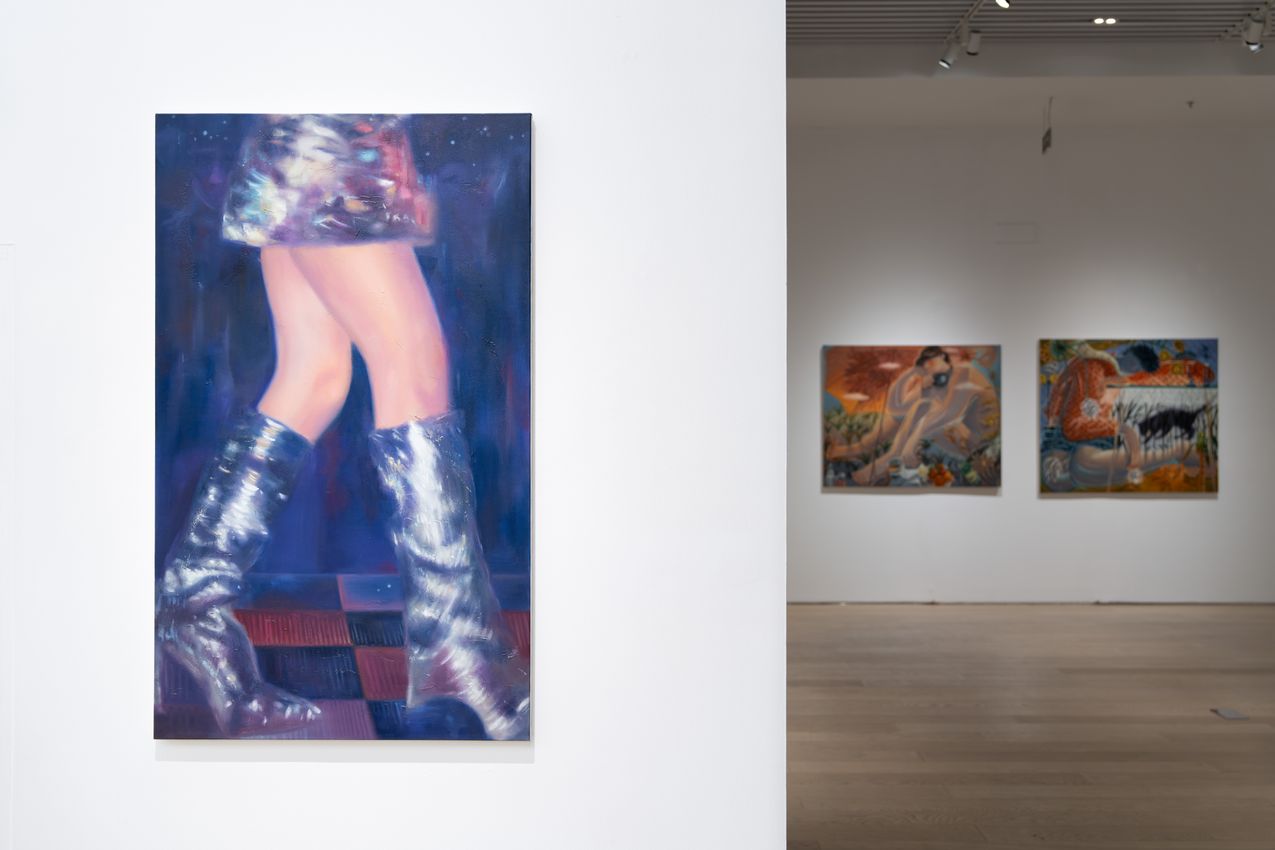
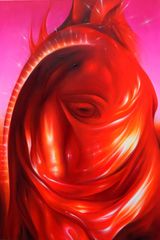
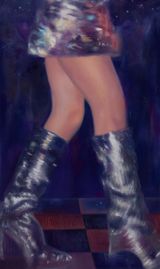
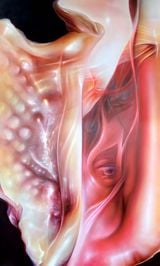
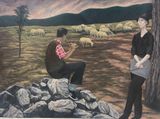
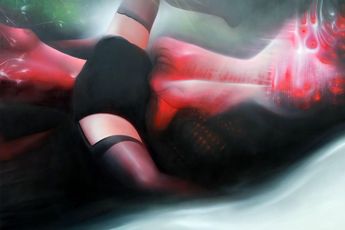
Taking the contours of flesh as a shell, they turn the traces of the female body and the power of the gaze into marks of shattered stars. In Ma Ruocong’s work, the tremor of flesh is concealed. The ferocity of Fire Crown, the restraint of Open the Clam, the lingering span of The Thousand and One Days of Your Birth—their hazy brushwork is the shell’s thin veil. Using “flesh” and “the gaze” as variables, she dismantles the texture of bodily power; at the instant the shell cracks, the female body unfolds into the dim glimmer of stars. Zhong Qian takes fragmented bodies as her vocabulary, transforming the performative mask of the female body into the shell’s glaze. The spectral stillness of Sanctuary and the ethereal emptiness of Like She Was Never There are tremors of shattered stars under the discipline of the gaze. Cropped contours and drifting unease pierce the exquisite shell of conventional aesthetics, allowing the emotional folds of the contemporary subject to unfold, through fissures in vision, as echoes of the universe.

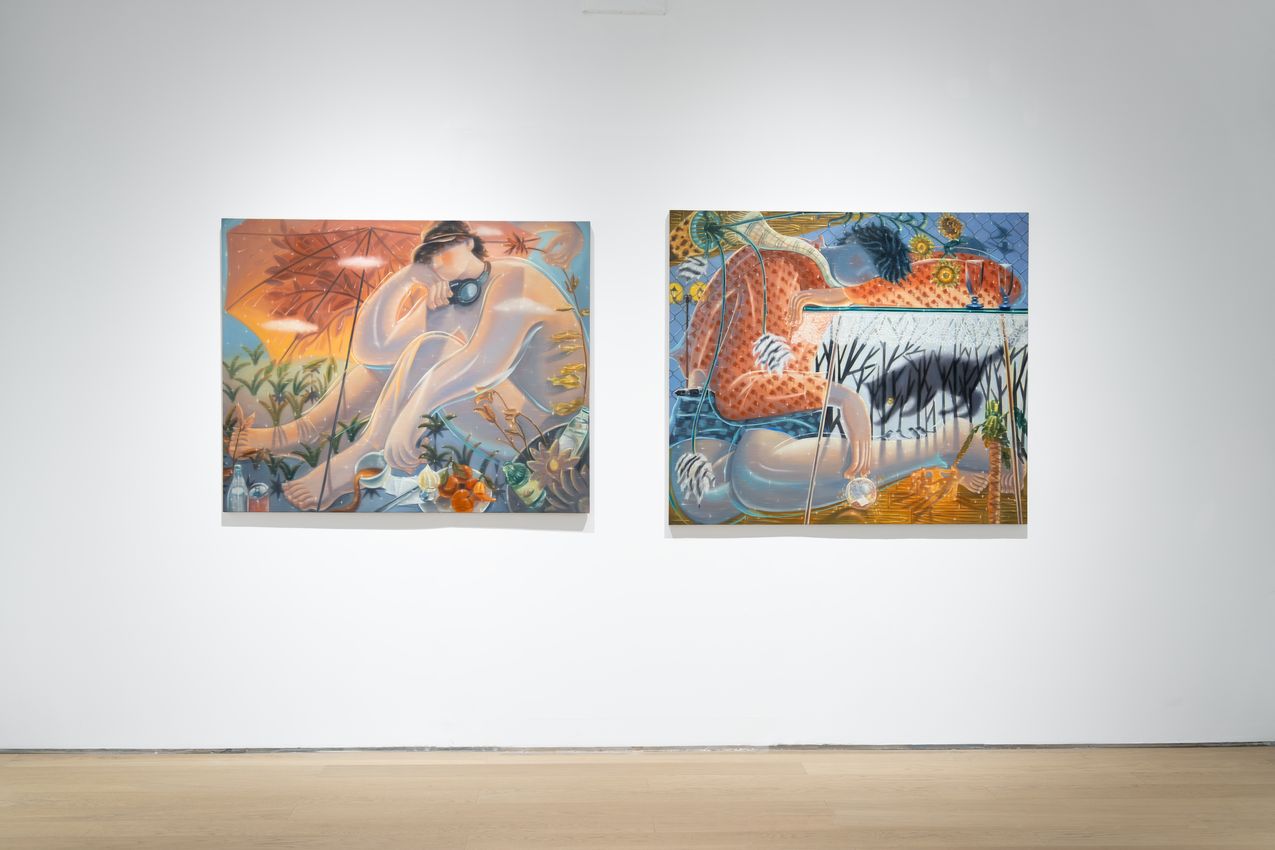
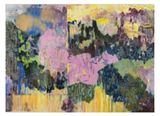
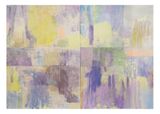
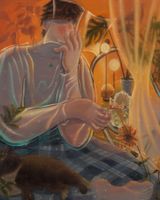
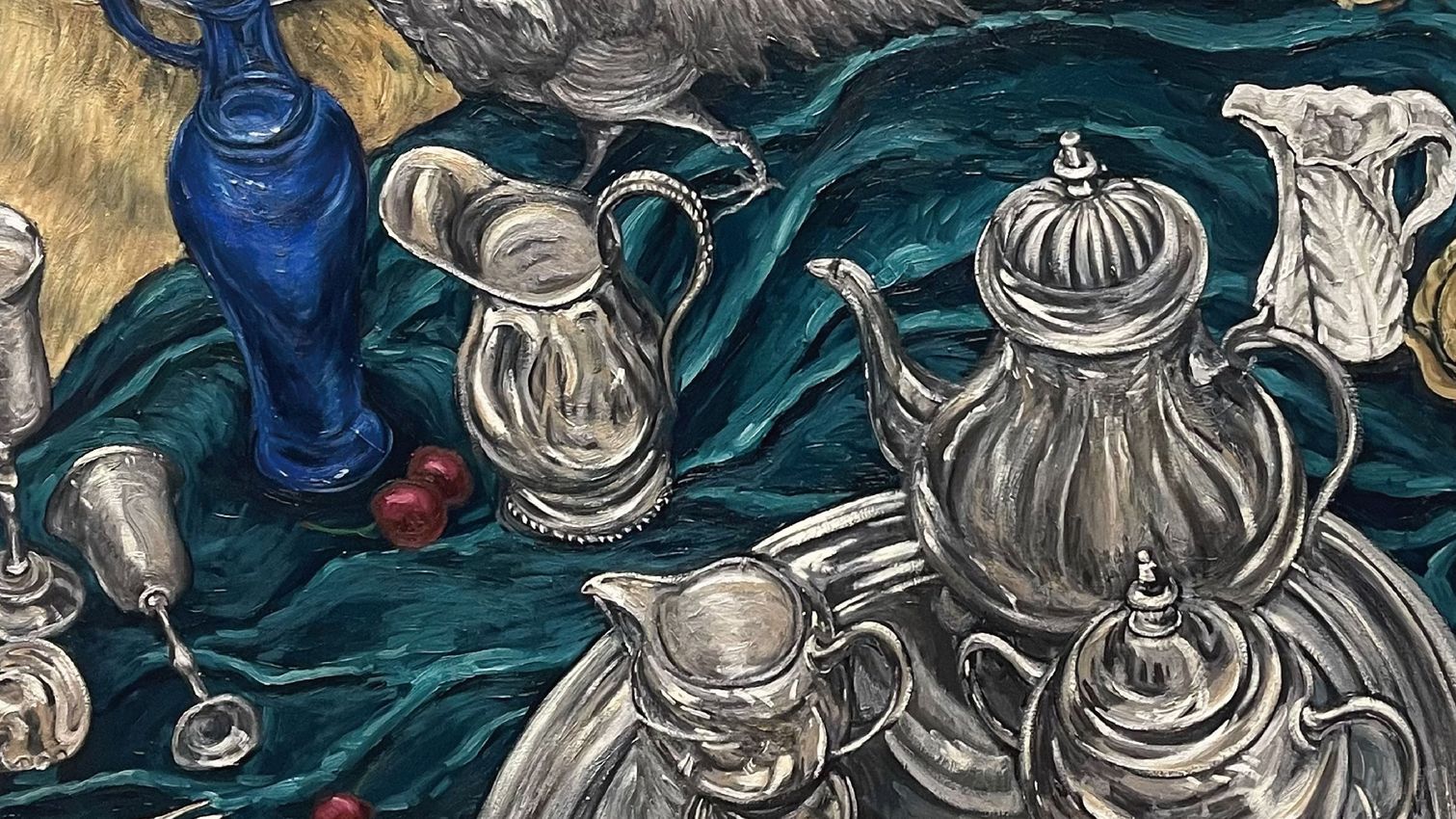
The flat plane of the canvas casts the touch of space-time and inner attrition into a river of shattered starlight. Du Yang uses still life and natural scenes as metaphors, where the perfect exterior of teapots and fruits represents the shell of outward appearances, beneath which lie subtle emotional shifts and uncontrollable fragments of feeling. Humans, animals, and plants in nature become vessels of emotional resonance, reflecting the essence of true existence in the moments when the shell cracks. Wang Jinbo’s colors harbor a mute solitude. The silence of The Lonely One Doesn’t Like to Speak, the entanglement of Spirit and Desire, the suspended stillness of The Afternoon When Raindrops Pause—all are emotional precipitates of stars tangled in space-time. Soft texture is the shell’s gentle covering; the undercurrent of void and struggle is the soul of shattered stars. Taking the picture plane as a vessel, he transforms the spiritual attrition of the contemporary subject into trajectories of descent, letting the sediment of trauma become the key to perceiving the cosmos. Xu Yiwei works with paper and soft pastel, translating hidden emotion and fragmentary memory into image. Thin paper pages are fragile shells; the lingering warmth of soft-focus color traces her drift along the border between figuration and abstraction. She kneads private perception and the marks of space-time into her strokes, letting the faint light between the cracks of the shell become the sole thread joining inner and outer worlds.

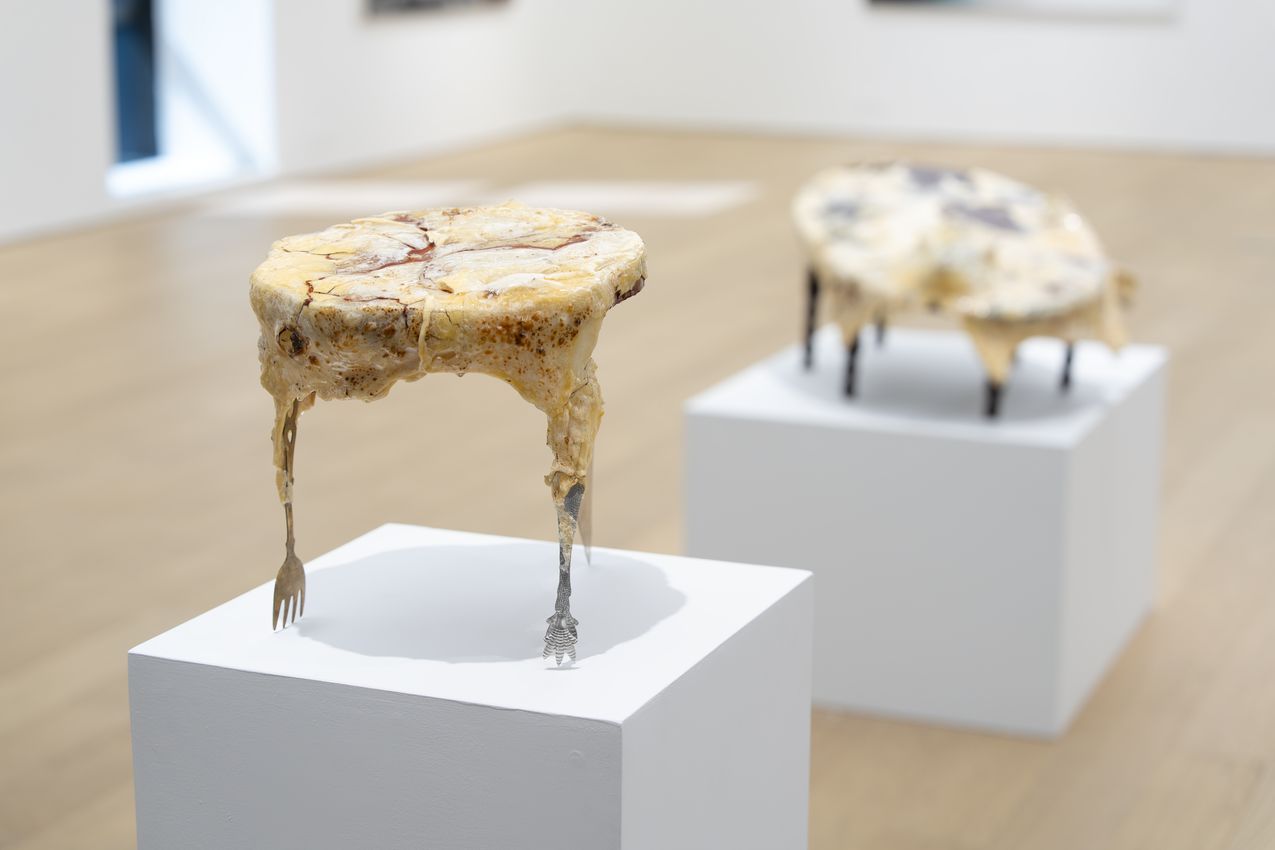
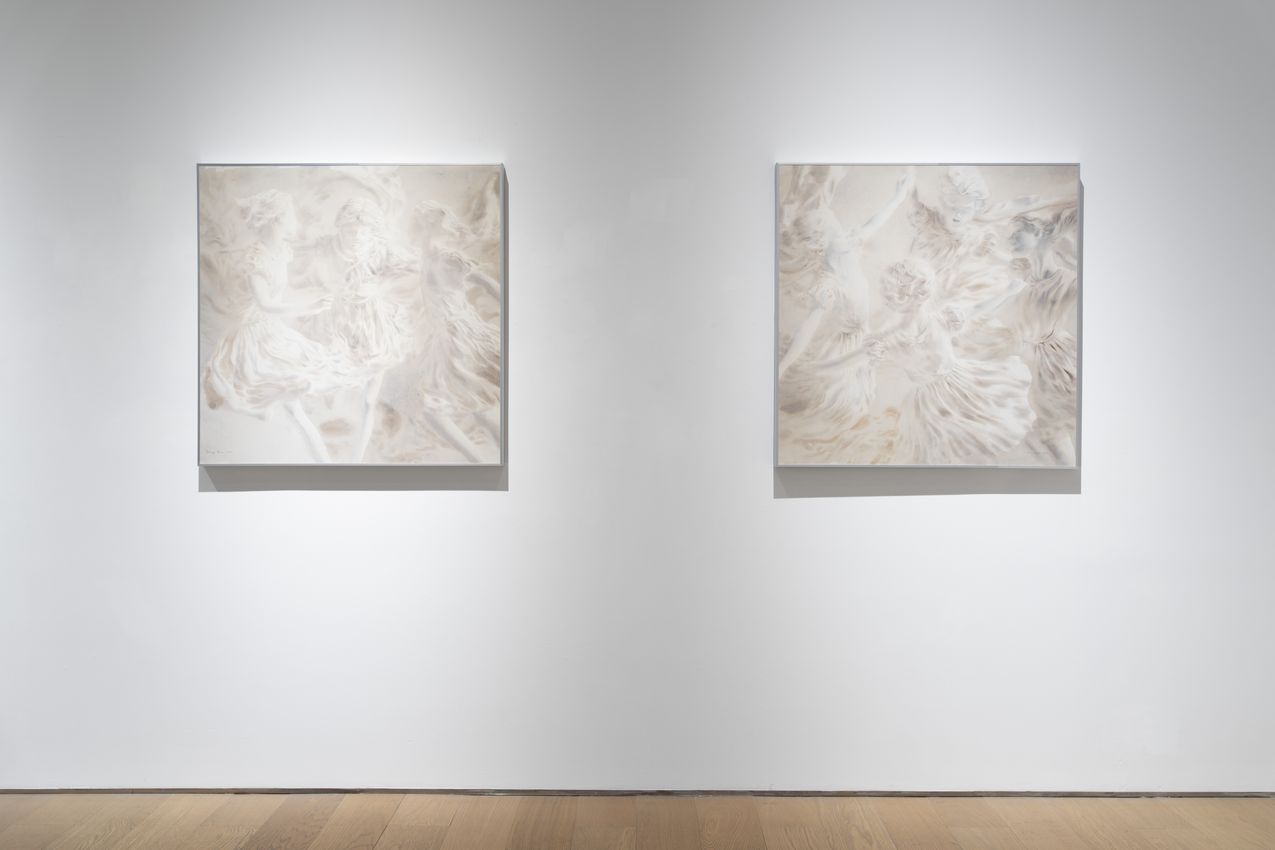
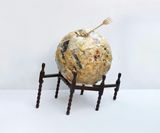
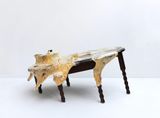
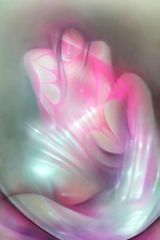
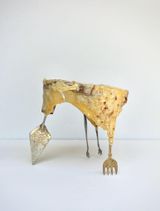
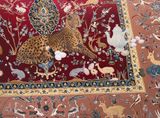
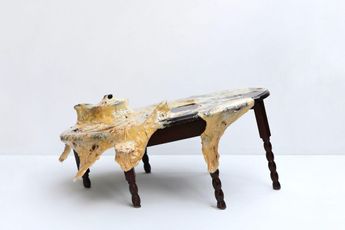
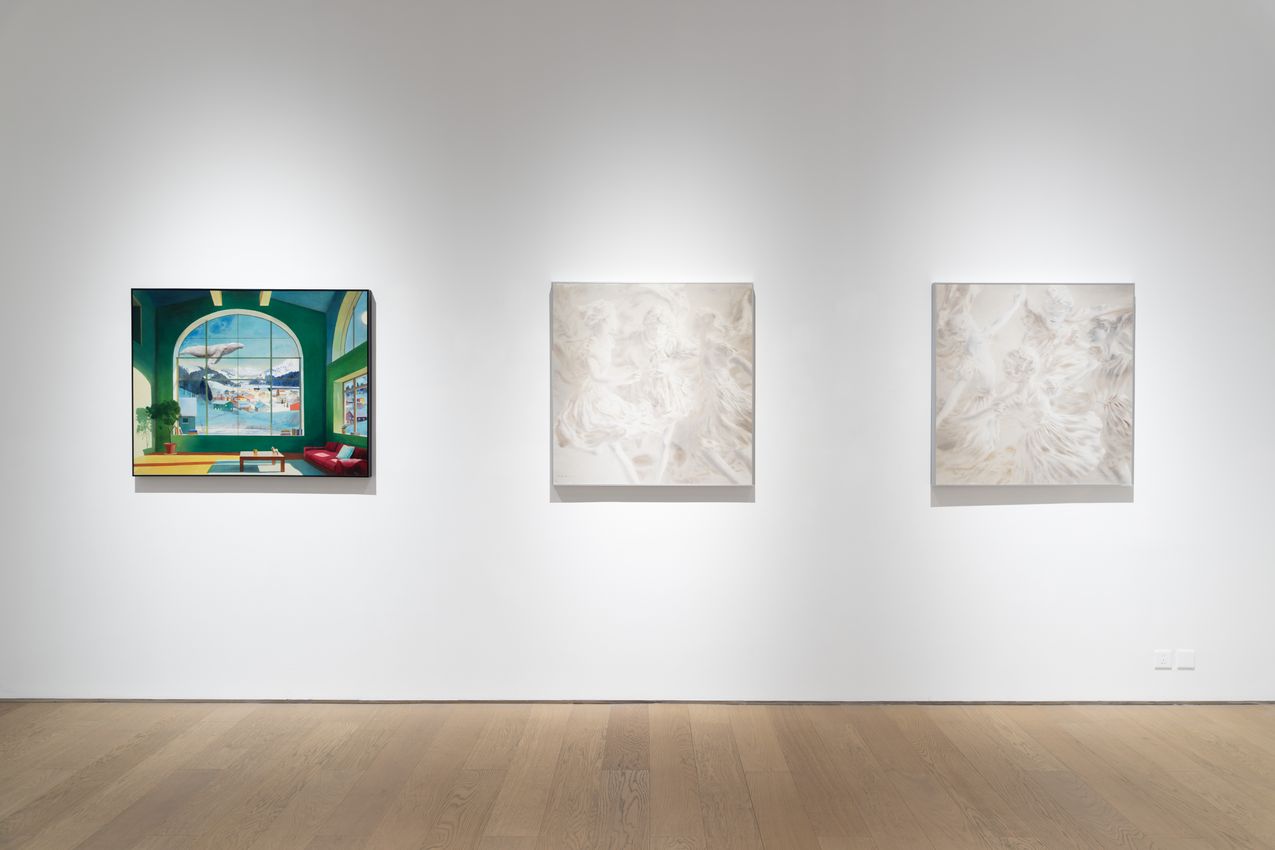
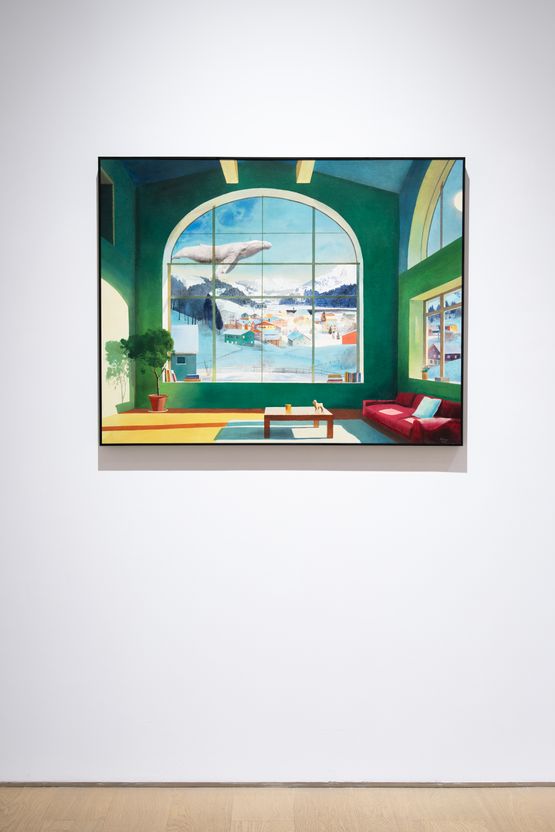
The flux of matter translates the physicality of the everyday and experience across time into verse. Qian Ningyue extends dough as an elongation of flesh. The drifting of Living in the Map and the dailiness of Three Points in the Kitchen transform humble material into the texture of a shell. The cracking, calcifying, and flowing of dough are the trauma of trans-regional identity; dust on old newspapers, residual warmth of antique objects—folded memories of space-time. She breaks the shell through the ritual of cooking, letting everyday things become vessels that carry the light of shattered stars. In Leviathan.25 and the Dance of Light works, Yang Fan renders the stillness of the deep sea and the flowing, oneiric quality of light and shadow; translucent texture becomes the breath of the cosmos. Fragmented compositions serve as his mirror of nature, melting the desire for healing and trauma’s undertone into color so that the pull of the stars becomes eternal resonance through the seepage of pigment.

The shell of shattered stars is the entanglement of appearance and authenticity, the symbiosis of trauma and sensitivity. In an age hijacked by resplendent outer shells, art never offers answers; it becomes reverberation, piercing the shell’s constraint. In the infinite unfolding of the implicate order, the carapace is stripped away, concealment lifted, and perception restored to freedom.

Read More

Installation Views

Selected Works

Loading...

Artists Exhibiting

Also Exhibiting at Tang Contemporary Art

About the Gallery

Tang Contemporary Art was established in 1997 in Bangkok, later establishing galleries in Beijing and most recently Hong Kong. Tang Contemporary Art is fully committed to producing critical projects and exhibitions to promote Contemporary Chinese art regionally and worldwide and encourage a dynamic exchange between Chinese artists and those abroad.
View Gallery Profile
Address
D06, 798 Art District
No.2 Jiuxianqiao Road
Chaoyang District
Beijing
China
Opening Hours
November – April
Tuesday – Sunday
11am – 5:30pm

May – October
Tuesday – Sunday
11am – 6:30pm
(1)
Beijing D06, 798 Art District, No.2 Jiuxianqiao Road
Tang Contemporary Art
D06, 798 Art District, No.2 Jiuxianqiao Road, Chaoyang District, Beijing, China

Opening hours
November – April
Tuesday – Sunday
11am – 5:30pm

May – October
Tuesday – Sunday
11am – 6:30pm
The art world in focus