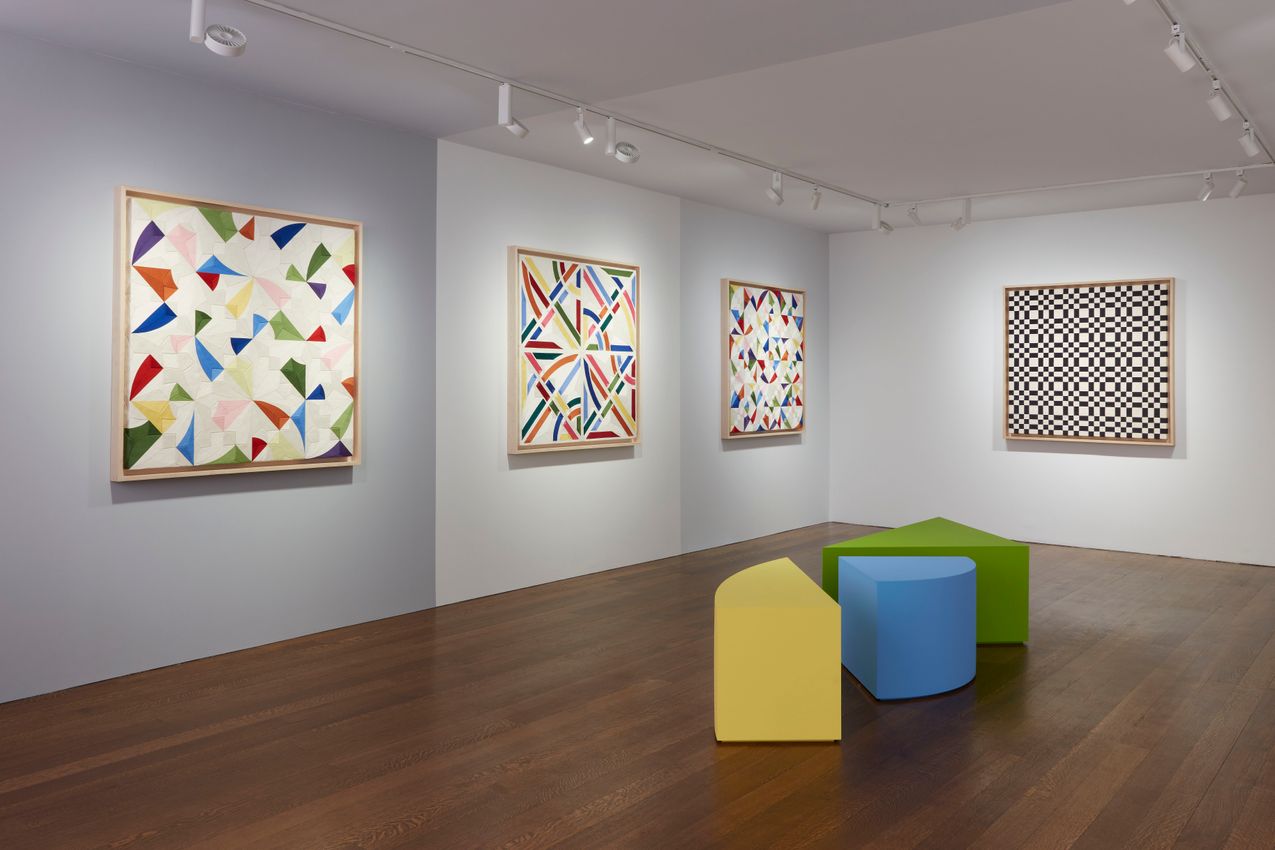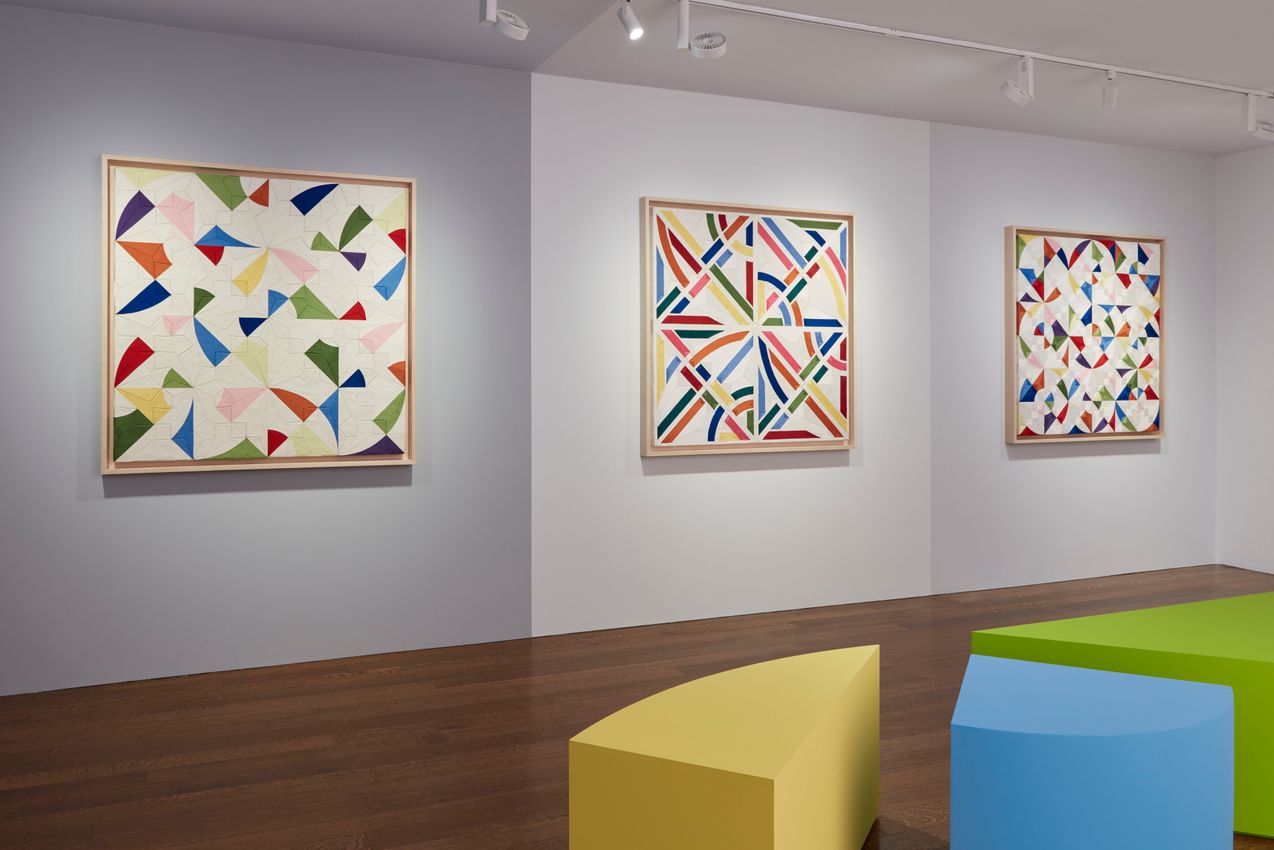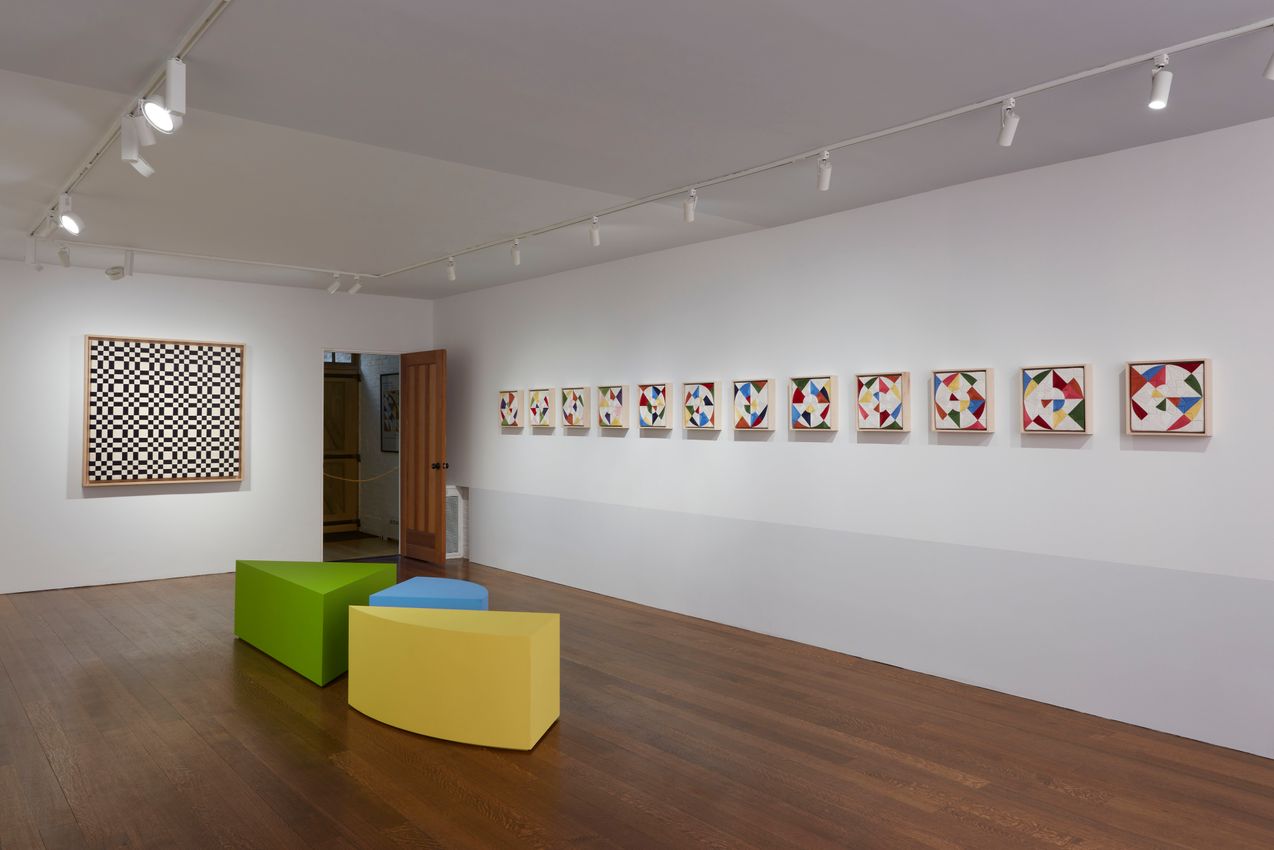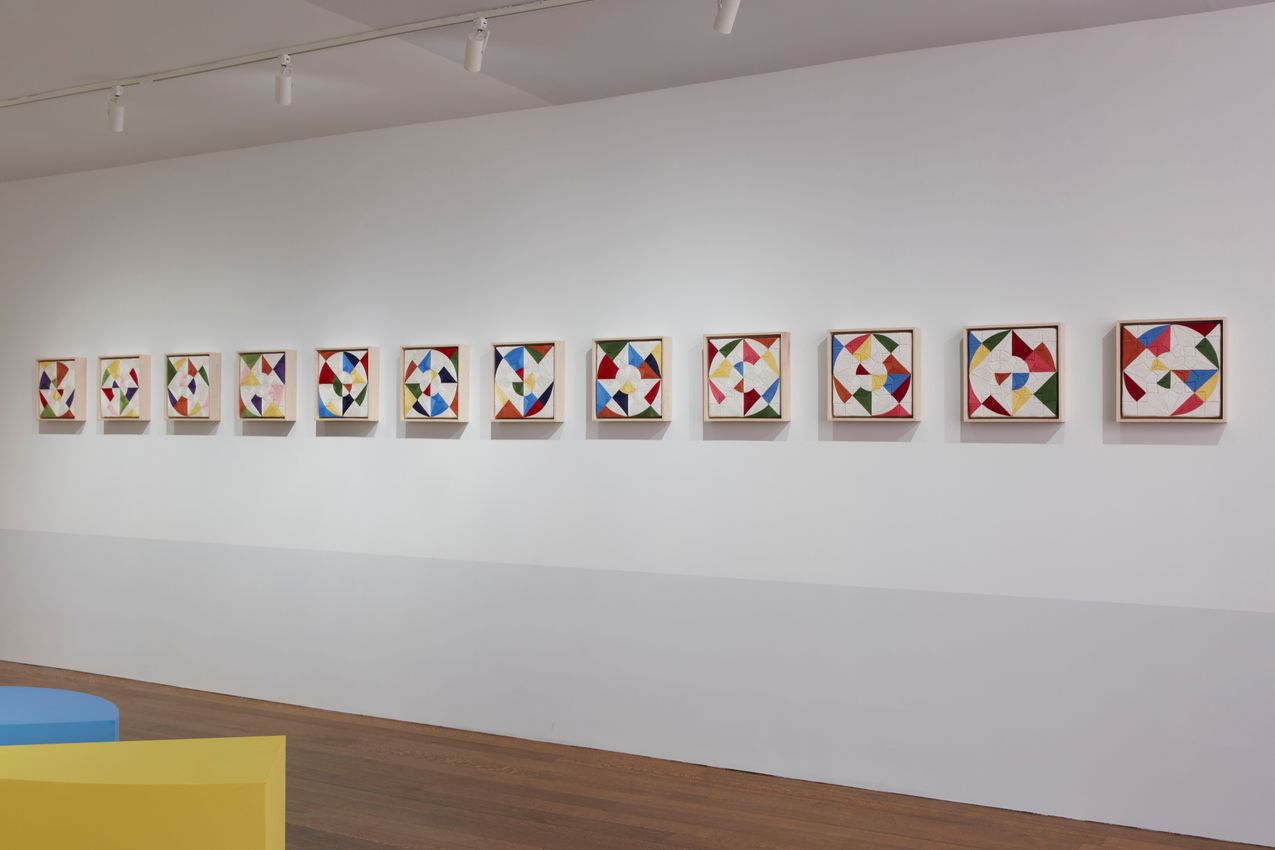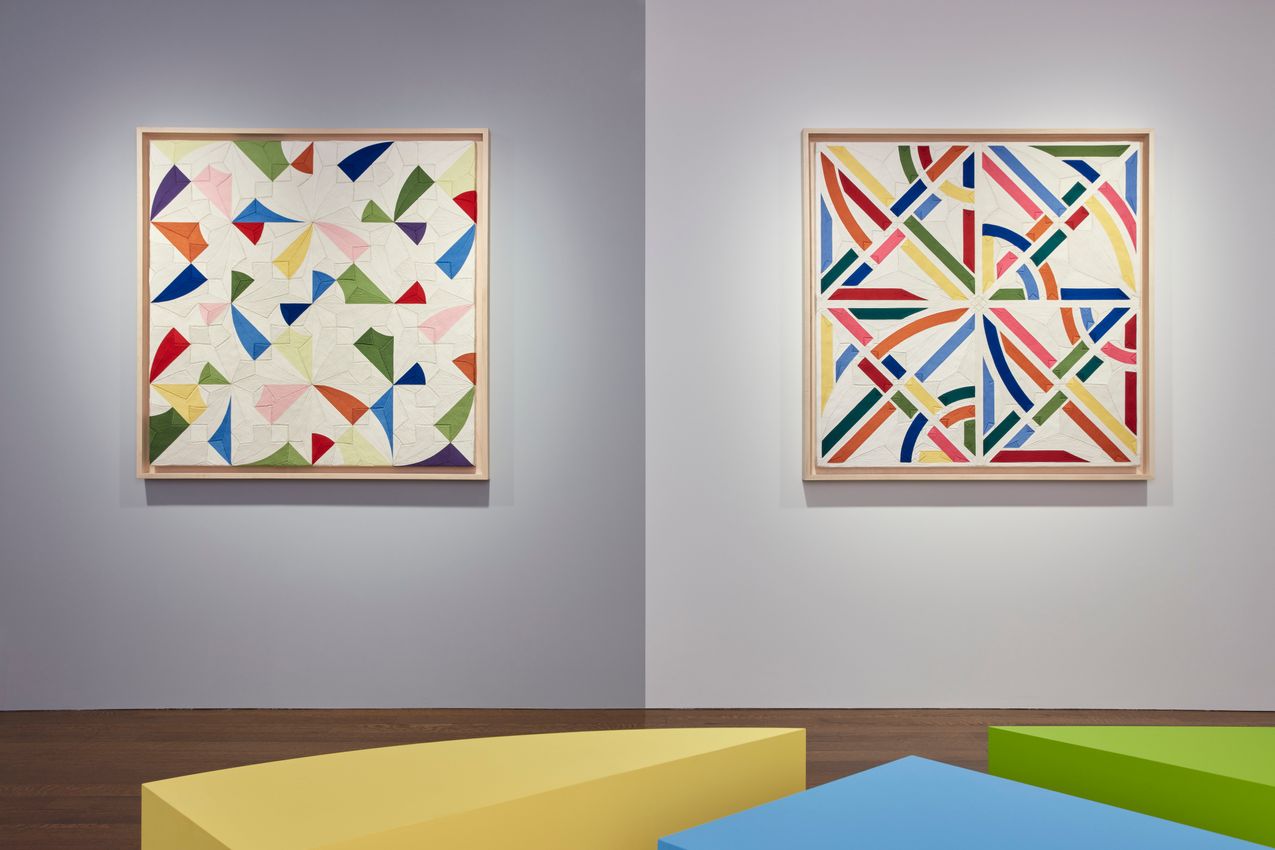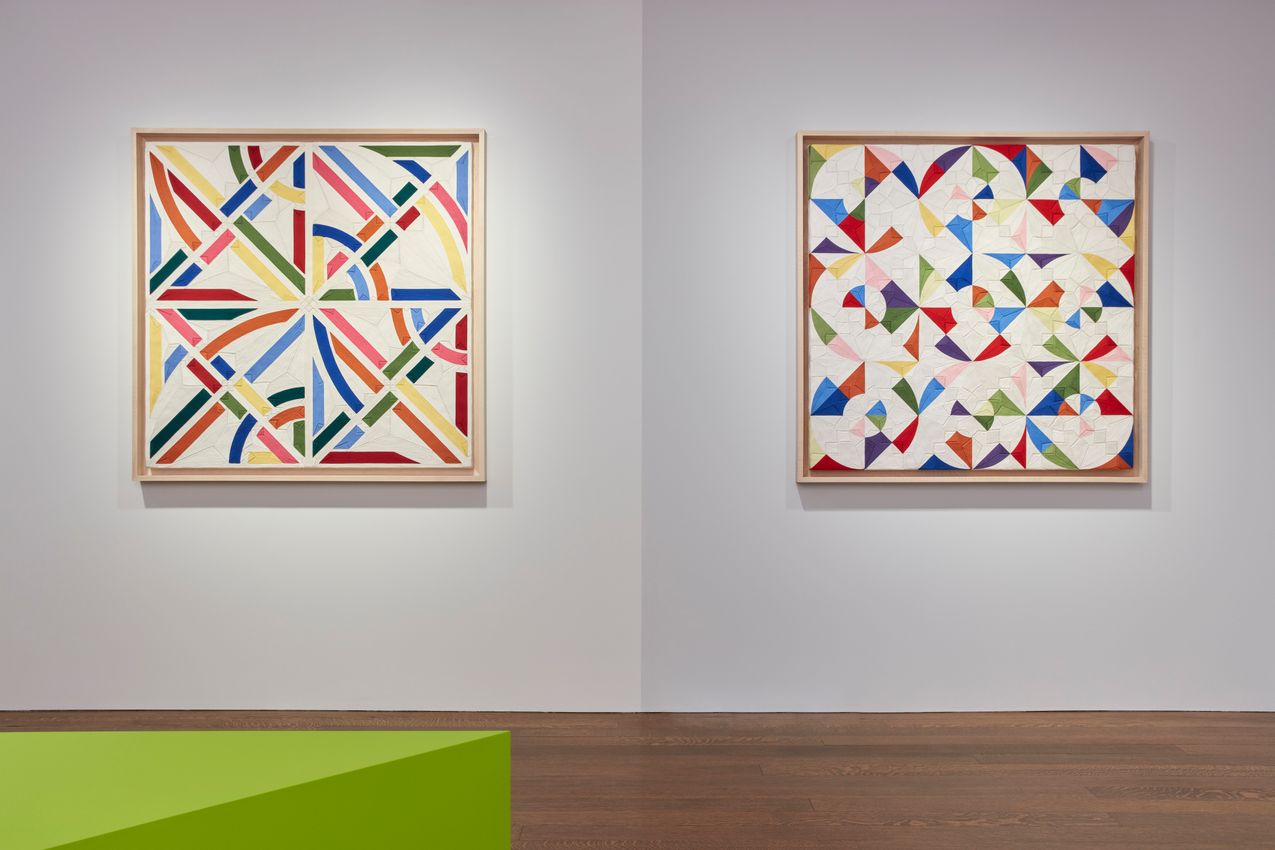
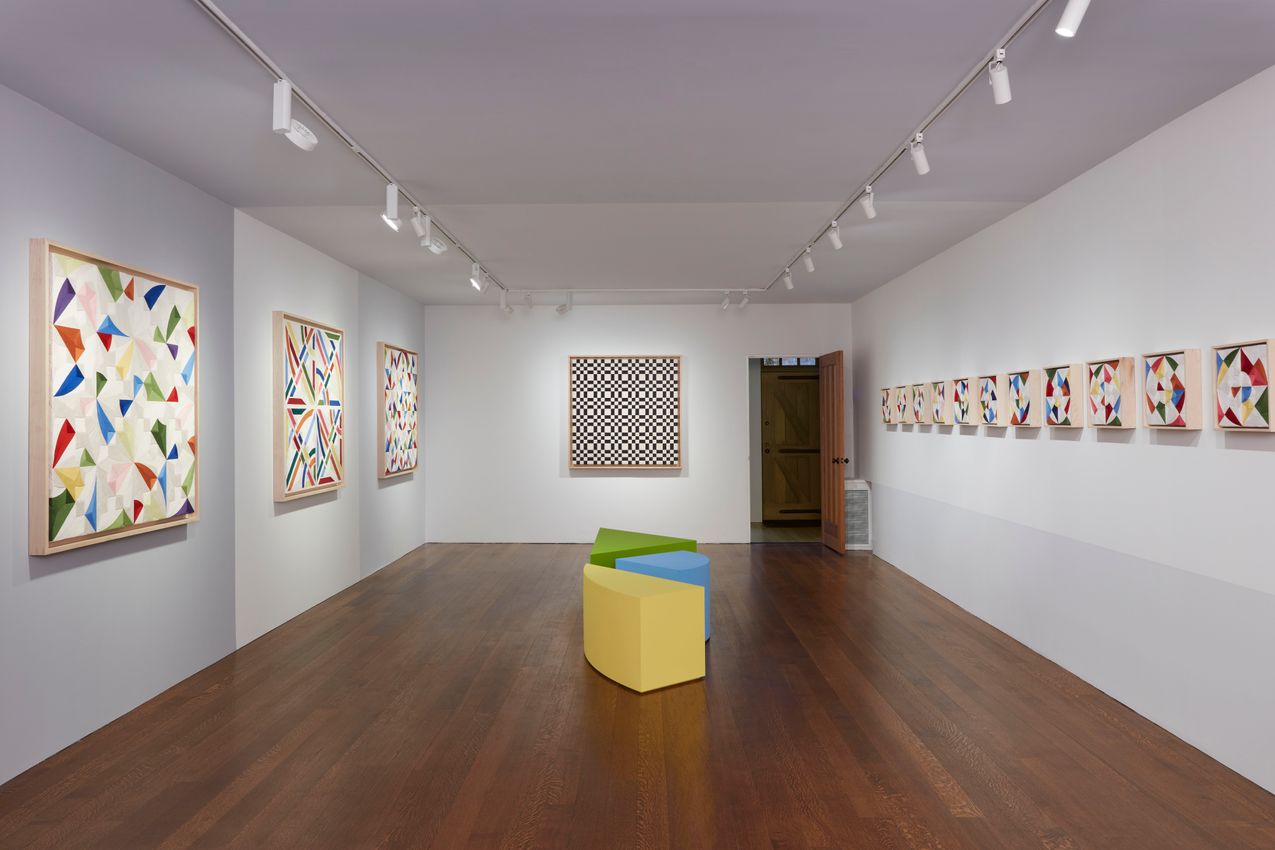
Timothy Taylor is pleased to announce Cosmos within a cosmos, an exhibition of new work by Eduardo Terrazas. This is the artist’s second solo exhibition with the gallery, and his first solo exhibition in New York since 1974.
Eduardo Terrazas is considered a founding member of the contemporary Mexican art scene, having worked across the disciplines of architecture, urban planning, design and museology. An ongoing interest throughout Terrazas’ career has been the generation of integrated environments; whether that be the expanded foor paintings and city-wide color scheme of the 1968 Olympics, or the infnity environment of the mirror and digital installation piece, Exponential Growth, from his solo exhibition at the Museo de Carillo Gil, Mexico City, in 2015.
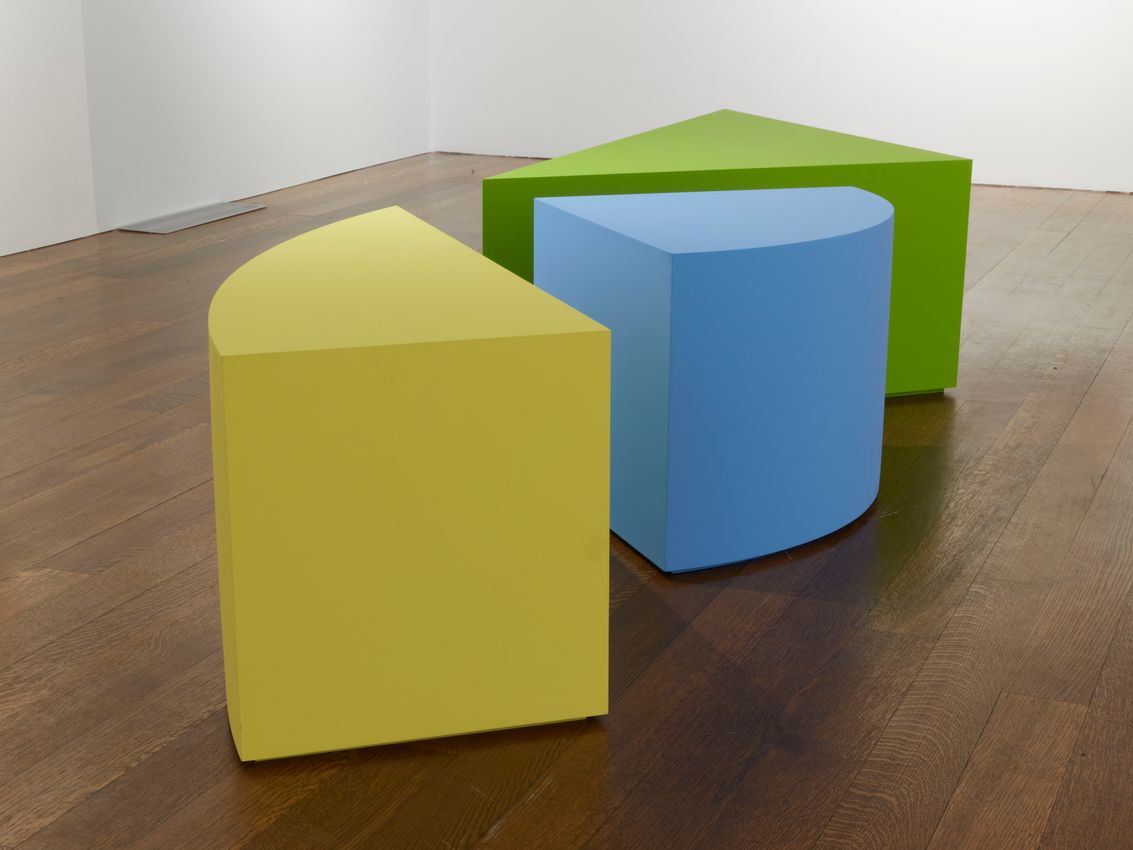
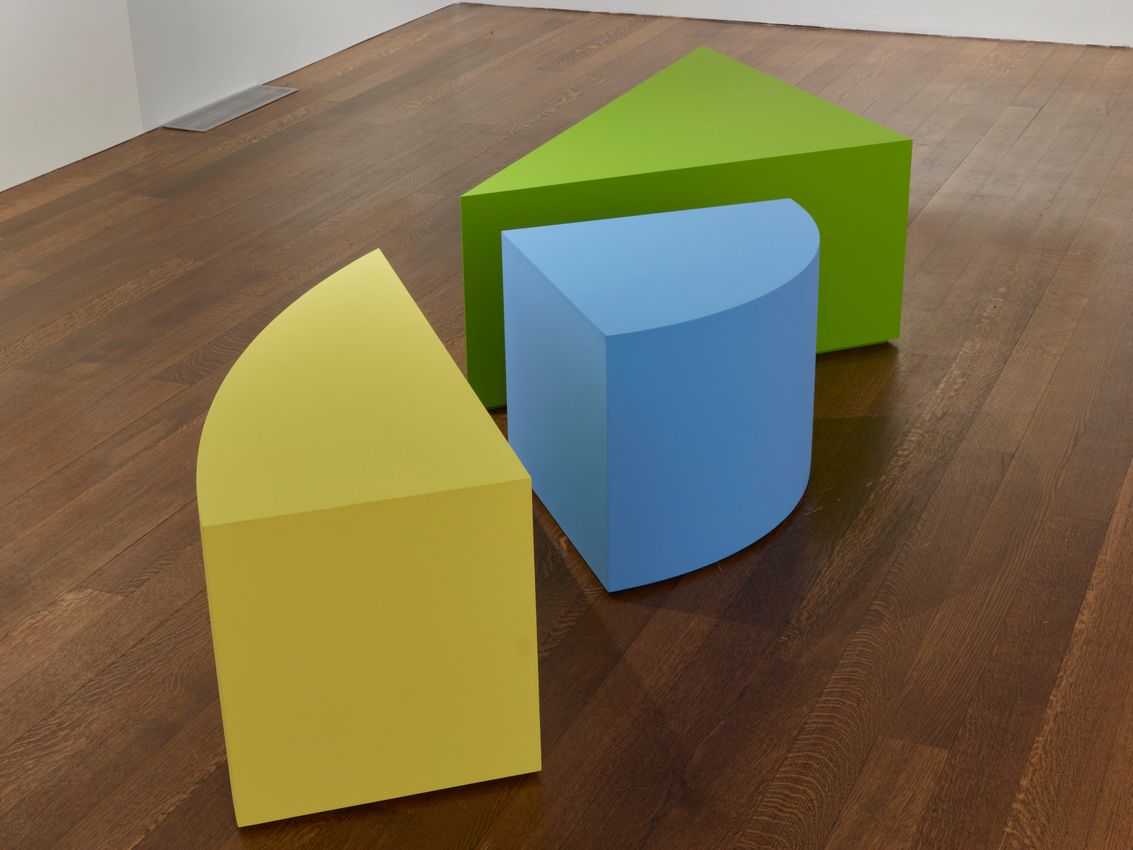
This latest exhibition for Timothy Taylor, New York is no exception. The geometry from the works has been expanded into modules across the gallery walls and ceiling, executed in various tones of gray. Colorful bespoke benching extends an interactive element of the structural scheme, and completes the holistic participation of the gallery space.
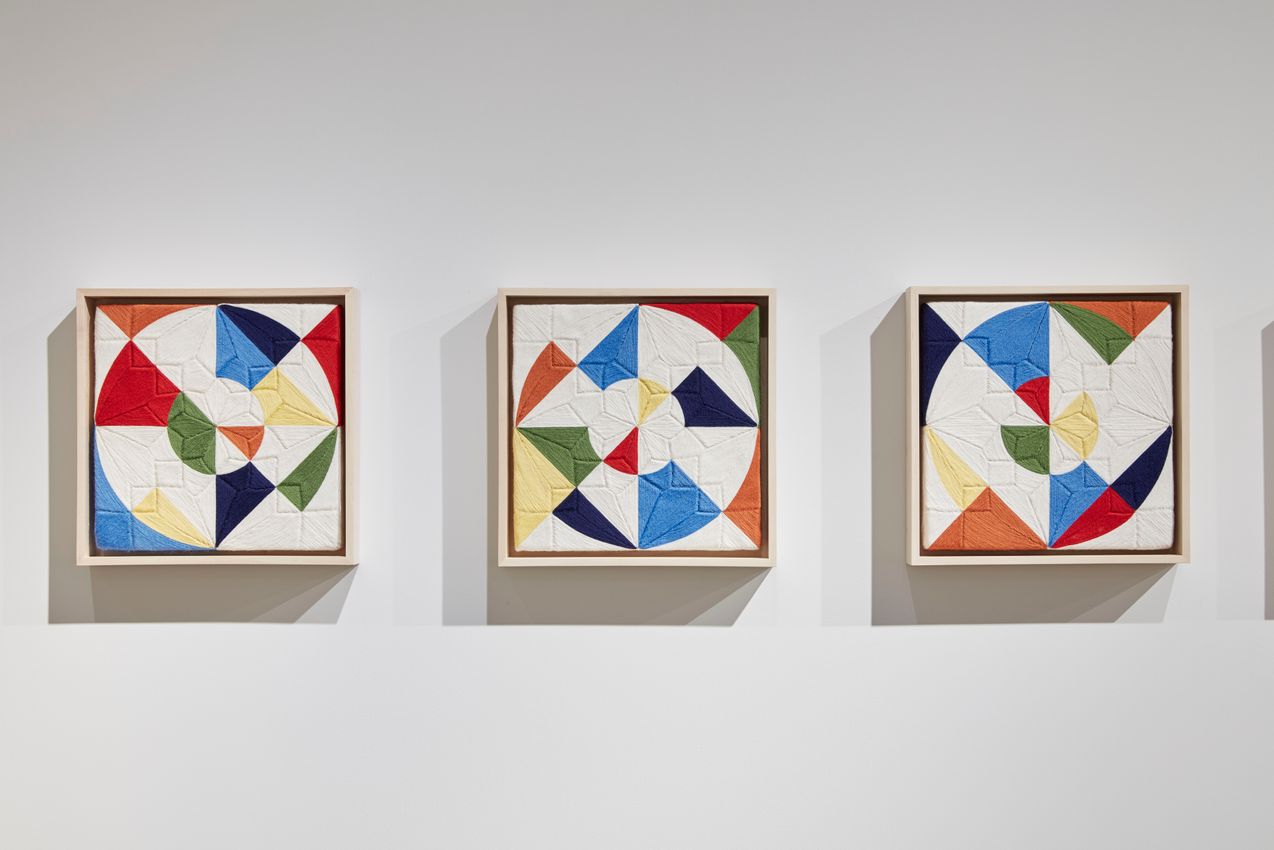
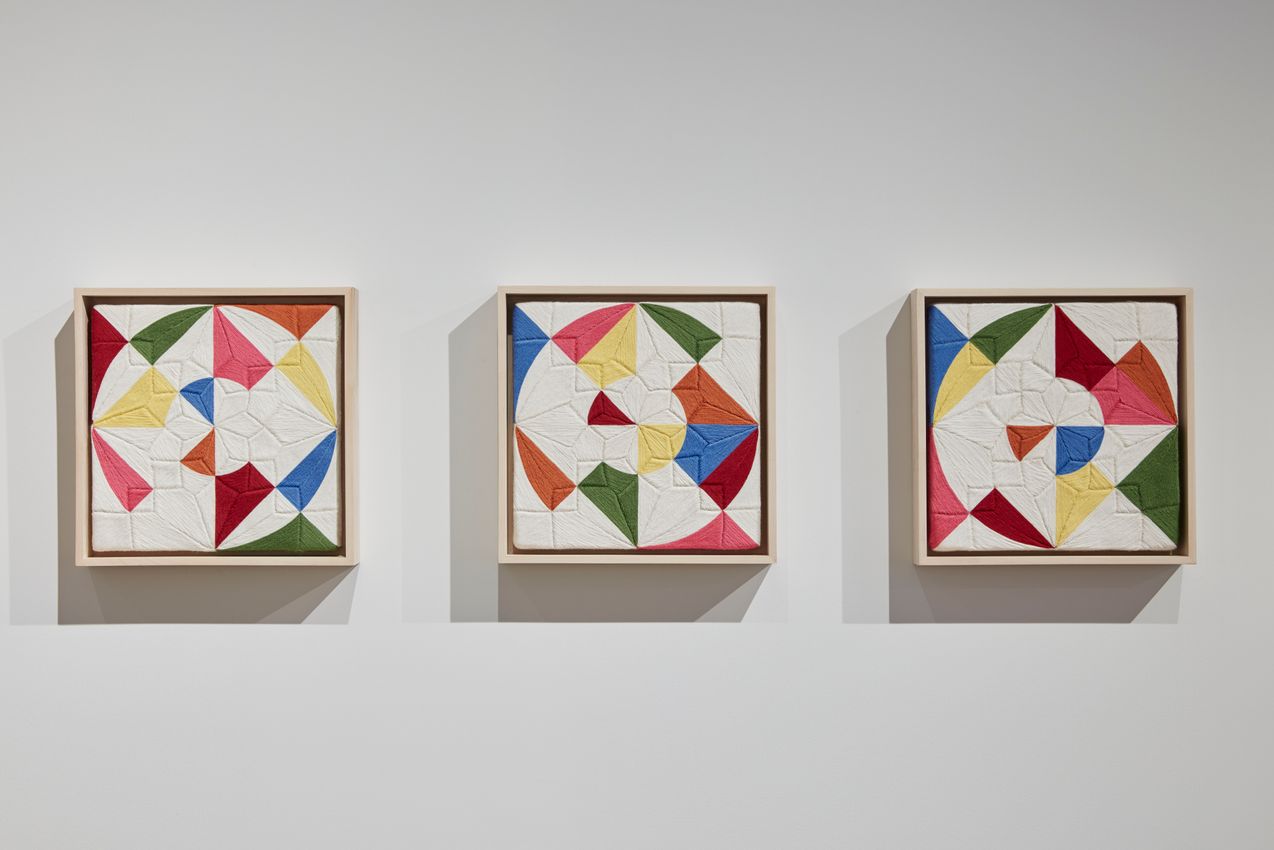
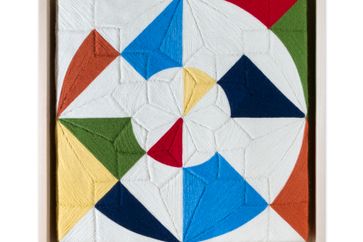
The 16 new works in the exhibition are generated from the Cosmos series; one component within the overarching enquiry Possibilities of a Structure, begun by Terrazas in the 1970s. This ongoing body of work employs a system of geometric permutations as a means of communicating broader, intangible themes. The mathematical processes applied to forms mimic the design process of nature, where patterns unfold with incessant variations.
Fitted within the square format of the Cosmos works, an outer circle represents the celestial sphere, and intersecting diagonals equate to the forces of the universe; such as gravity, atomic energy and electromagnetism. In the centre, a nuclear circle is the earth and in the gap between this and the rings of the armillary is a space occupied by further substructures - the forces of life on earth.
Terrazas’ signature language of measured geometric abstraction is balanced through the inherent warmth of the traditional Huichol* handcraft technique he employs. The works are executed in coloured yarn laid across a wooden panel, prepared with Campeche wax, which acts as the holding agent. The yarn is twisted and pressed into place as it changes direction to complete each area of color, giving the resulting work a series of architectural bevels, and a three-dimensional surface. For Terrazas, the physical connection with the material, and the mediative practice of application, offers an essential ontological progress which is particularly relevant in the 21st century.
About the artist
As a young architect, Terrazas came to prominence as the co-designer of the logo and prevalent design elements for the 1968 Olympic Games in Mexico City. The logo - traced in concentric circles–was inspired by Huichol techniques, and set a precedent for the geometric forms that have come to define the artist’s visual language.
Terrazas frst exhibited his work in 1972 at the Palacio de Bellas Artes, Mexico City. The following year was marked with exhibitions at the Museo Nacional de Bellas Artes, Santiago, Chile and at the Museo Nacional de Arte, La Paz, Bolivia. He was included in the Biennale de Paris at the Musée d’Art Moderne de la Ville de Paris in 1969 and in Graphics 1: New Dimensions at the Museum of Modern Art, New York in 1970. Most recently, his work has been included in Poule!, Fundación Jumex, Mexico City, 2012; Sharjah Biennial II (2013); and Welcome Too Late, Kunsthal Charlottenborg, Copenhagen, 2017. Since 2015, Terrazas has presented solo exhibitions of his work at the Museo de Arte Carrillo Gil, Mexico City; Timothy Taylor, London; Nils Staerk, Copenhagen and Proyectos Monclova, Mexico City.
Following a bachelor’s degree in architecture from the Universidad Nacional Autónoma de México in 1958, Terrazas was awarded a scholarship for a Masters in Architecture at Cornell University, New York, which he completed in 1960. In 1962 he gained his certifcation in Prefabricated Architecture from the Centre Scientifque et Technique du Bâtiment, Paris. Terrazas has held positions as a lecturer in Architectural Design at Columbia University, New York from 1964 to 1965; the University of California, Berkeley from 1969 to 1970; and Cidoc, Cuernavaca in 1971.
Eduardo Terrazas was born in 1936 in Guadalajara, Mexico.
*Folk art and handcrafts produced by the Huichol people, who live in the states of Jalisco, Durango and Nayarit in Mexico.
A founding member of the Mexican contemporary art scene, Eduardo Terrazas’s career is characterised by a dedication to his work within the fields of architecture, design, museology, urban planning, and art.

A respected voice in contemporary art discourse.
Focusing on ambitious storytelling and insightful art-world commentary. Ocula Magazine publishes in-depth interviews, critical essays and timely analysis on the artists, exhibitions and ideas driving the global art world.
Learn more about Ocula Magazine
Showcasing the best of the art world.
Ocula partners with galleries from around the world to highlight their artists, artworks and exhibitions. Gallery membership is by application and invitation, with each member vetted by an independent panel.
Learn more about Ocula Membership

Specialises in the sale of major artworks.
Led by a team with deep ties to the world’s leading auction houses, galleries and collectors. Ocula’s advisory team offers bespoke services to high-net-worth clients from around the world who are looking to acquire the best of contemporary and modern art.
Learn more about our team and services