





At This New London Art Space, Shared Tenancy Is a ‘Collective Lifeline'

Left to right: Soyeon Jung, founder of NORITO; Moses Tan, curator at s t a r ch; Gigi Surel, founder of Teaspoon Projects. Courtesy Flat
A new venue, home to a commercial gallery, a non-profit and an artist-run space, will open in central London this month. Flatmates 37, where three distinct entities will operate closely co-operative programmes, takes its name from the shared living arrangements that for many define life in London, and describes itself as reimagining “shared tenancy as a collective lifeline”.
In pooling their resources, NORITO, Teaspoon Projects and s t a r c h hope to mitigate the risks of being sole leaseholders. Located on Fitzrovia’s Foley Street, a stone’s throw from local galleries including Edel Assanti, Josh Lilley and Niru Ratnam, the initiative comes explicitly in response to the growing financial precarity that comes with operating a space—or renting a home—in the capital.
“With so many galleries closing, the situation in London is not super great,” Gigi Surel, whose non-profit curatorial initiative Teaspoon Projects has until now consisted of pop-ups in existing galleries, told Ocula. “Of course there are new spaces opening, but I think the future is collaboration; that’s the sustainable way to do it.”
‘A perfect triangle’
Flatmates 37’s opening group exhibition will be followed by a year of programming on a timeshare-like basis, with tenants taking over the space for a month at a time. “I thought it was a perfect triangle: three distinct programmes with something different to offer but a shared vision,” said Soyeon Jung, whose gallery NORITO opened in 2024 and will be moving from its previous space in nearby Soho.
Nurturing the artists she shows has previously exposed Jung to significant financial risks. The dealer, whose gallery focuses on emerging East and Southeast Asian artists, also described the impact of high London rents on programming decisions: “If your primary concern is paying rent, then it’s really difficult to show art that is worth showing.”
However, with Flatmates 37, she and her co-tenants are “trying to build an infrastructure where we’re also looked after, by having teammates and flatmates”, she explained.
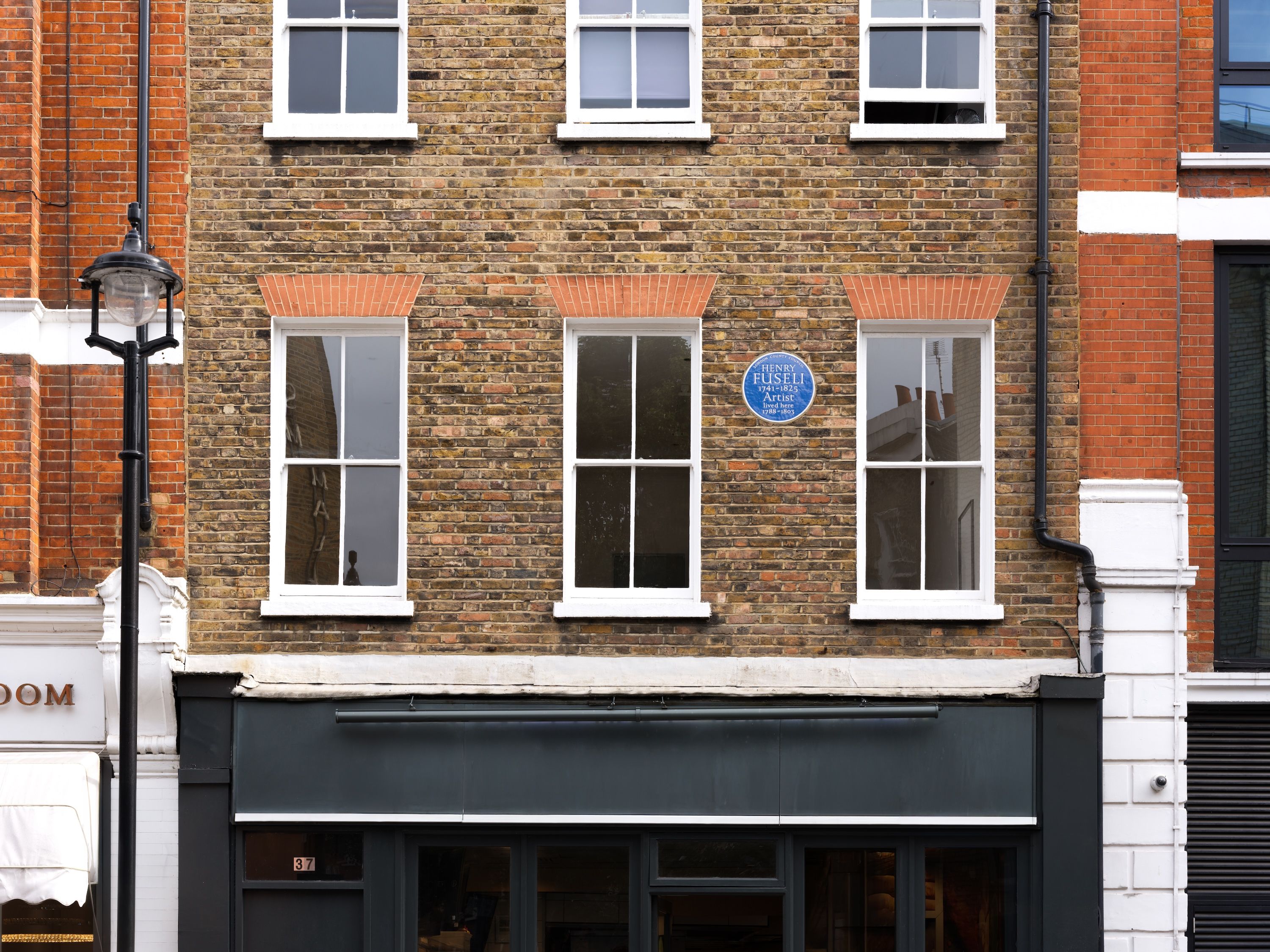
In practice, the collaborative set-up’s benefits could go beyond the financial. Moses Tan, whose formerly nomadic space s t a r c h began as an international platform for artists from his home of Singapore, has already found the collegiate arrangement helpful in a range of ways. “I’m learning from both [Surel and Jung] how things happen, who the key players are, how administrative things work,” he told Ocula.
Whether at bricks-and-mortar locations or in art fair booths, sharing space has long been a common way for galleries to save on costs, but rarely is it conceived in the collective spirit of Flatmates 37. When New York City galleries Max Levai and 47 Canal announced that they would be sharing a building in the city’s Chelsea district in April, the former’s founder was clear on the terms: “It’s not a collaboration, it’s more like co-existing,” he said.
Pavilion plan
In Bow, east London, dealers Darren Flook and Charlie Nia Dunnery McCracken have found a similarly novel way to de-risk their programmes, renting neighbouring wooden pavilions on the Hertford Union Canal from the Canal and River Trust. The small buildings are set to be demolished at some point, but until then their monthly rent is just £370 per unit.
The usually high costs of operating a space, Flook told Ocula, impact “not just the bottom line but also what people show and their sense of risk-taking and creativity”. “People become conservative before they’ve even done something,” he explained.







A respected voice in contemporary art discourse.
Focusing on ambitious storytelling and insightful art-world commentary. Ocula Magazine publishes in-depth interviews, critical essays and timely analysis on the artists, exhibitions and ideas driving the global art world.
Learn more about Ocula Magazine
Showcasing the best of the art world.
Ocula partners with galleries from around the world to highlight their artists, artworks and exhibitions. Gallery membership is by application and invitation, with each member vetted by an independent panel.
Learn more about Ocula Membership
Specialises in the sale of major artworks.
Led by a team with deep ties to the world’s leading auction houses, galleries and collectors. Ocula’s advisory team offers bespoke services to high-net-worth clients from around the world who are looking to acquire the best of contemporary and modern art.
Learn more about our team and services