Press Release

Die Wunde schliesst der speer nur, der sie schlug.

The wound can be healed only by the spear that smote it.

— Parsifal, Richard Wagner

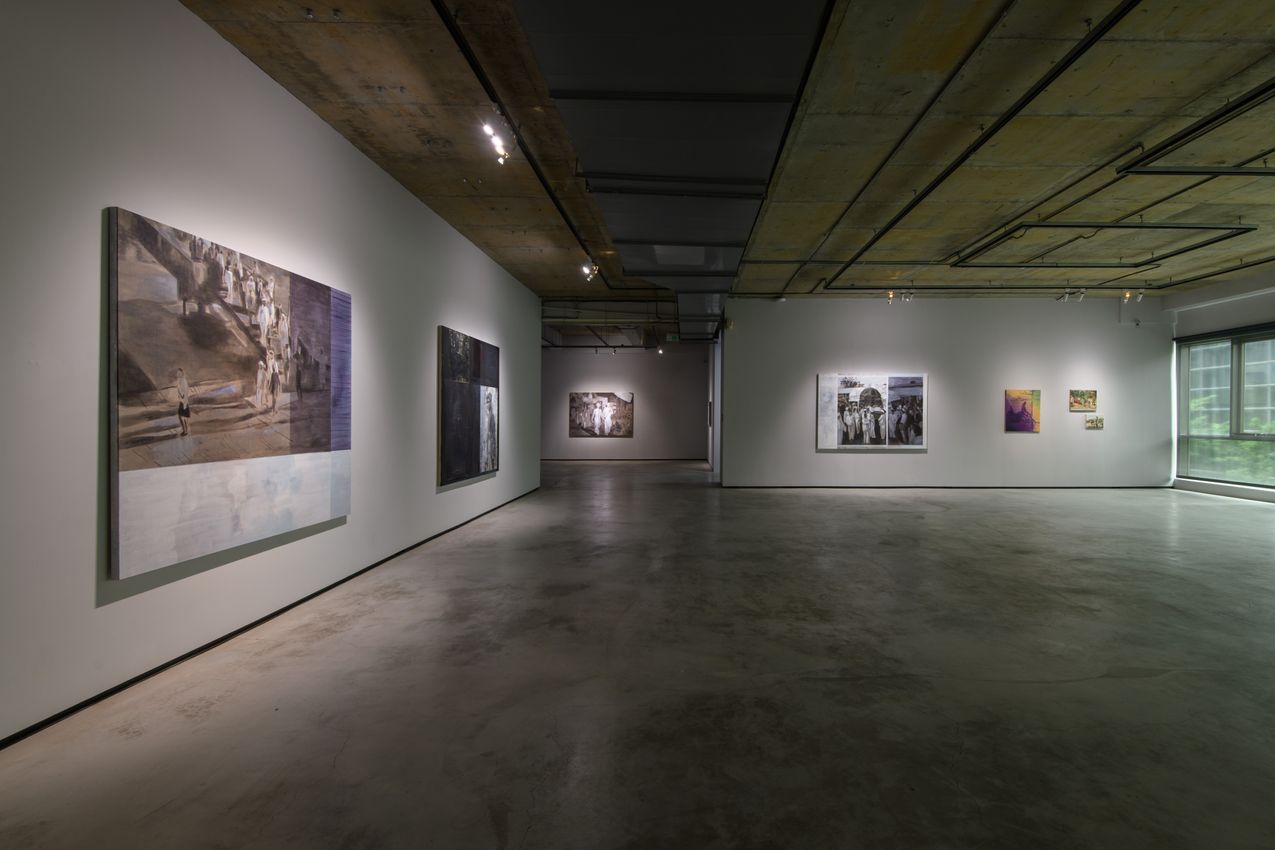
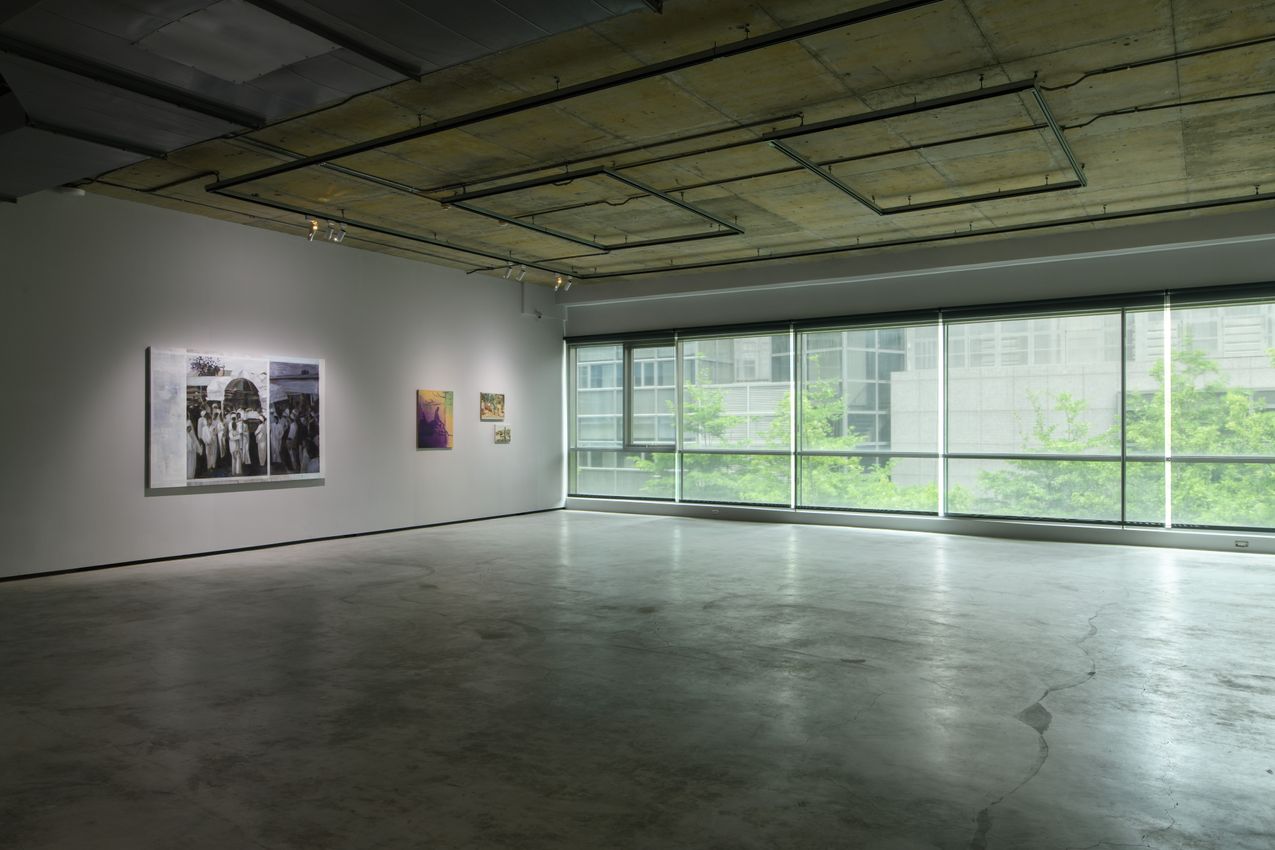
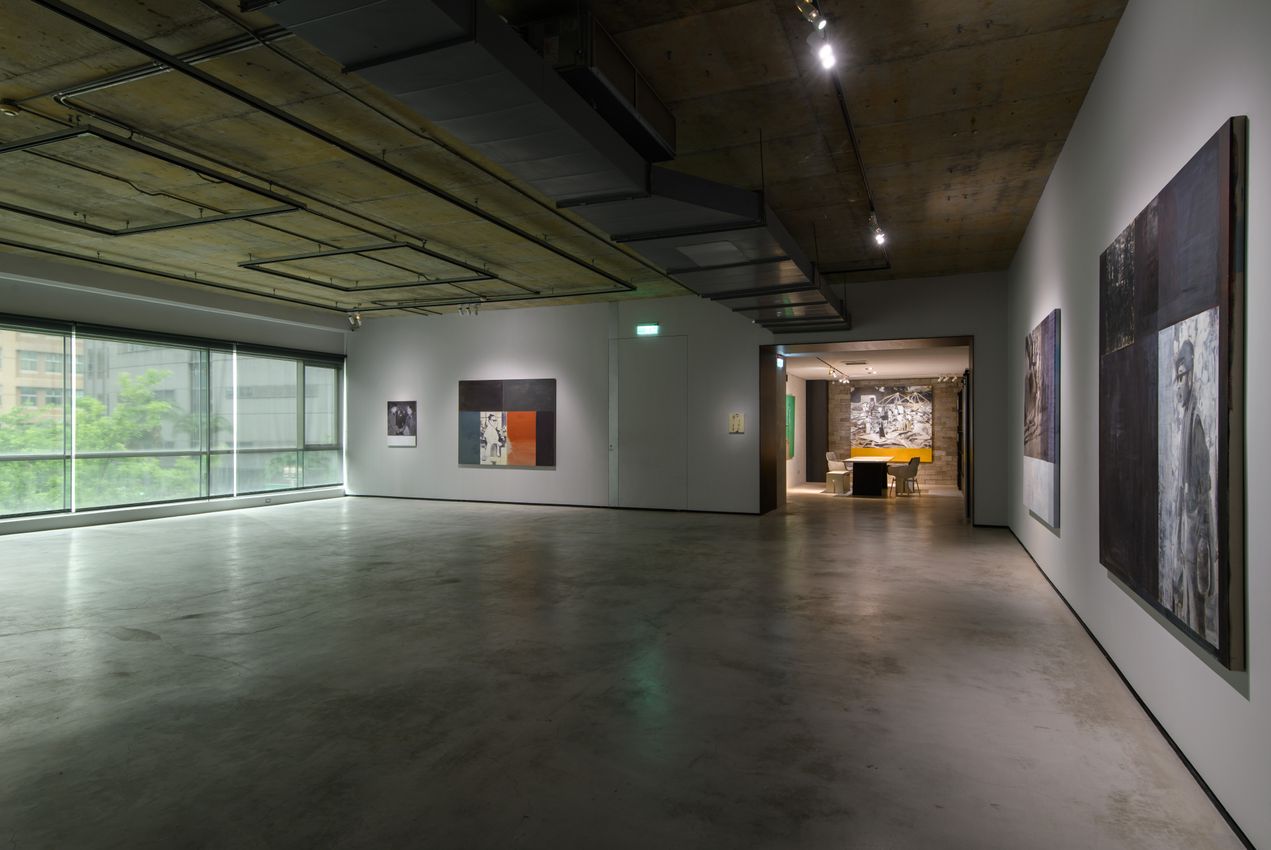
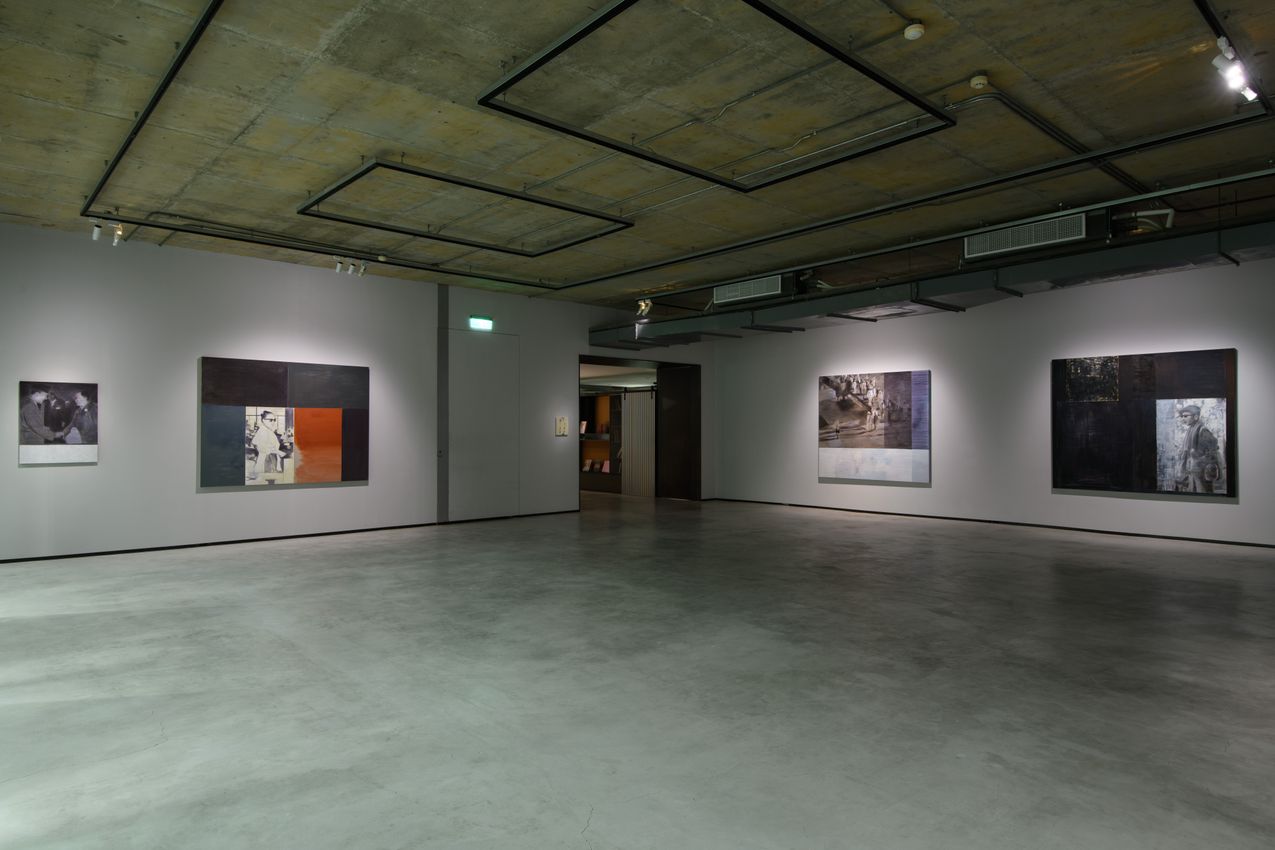
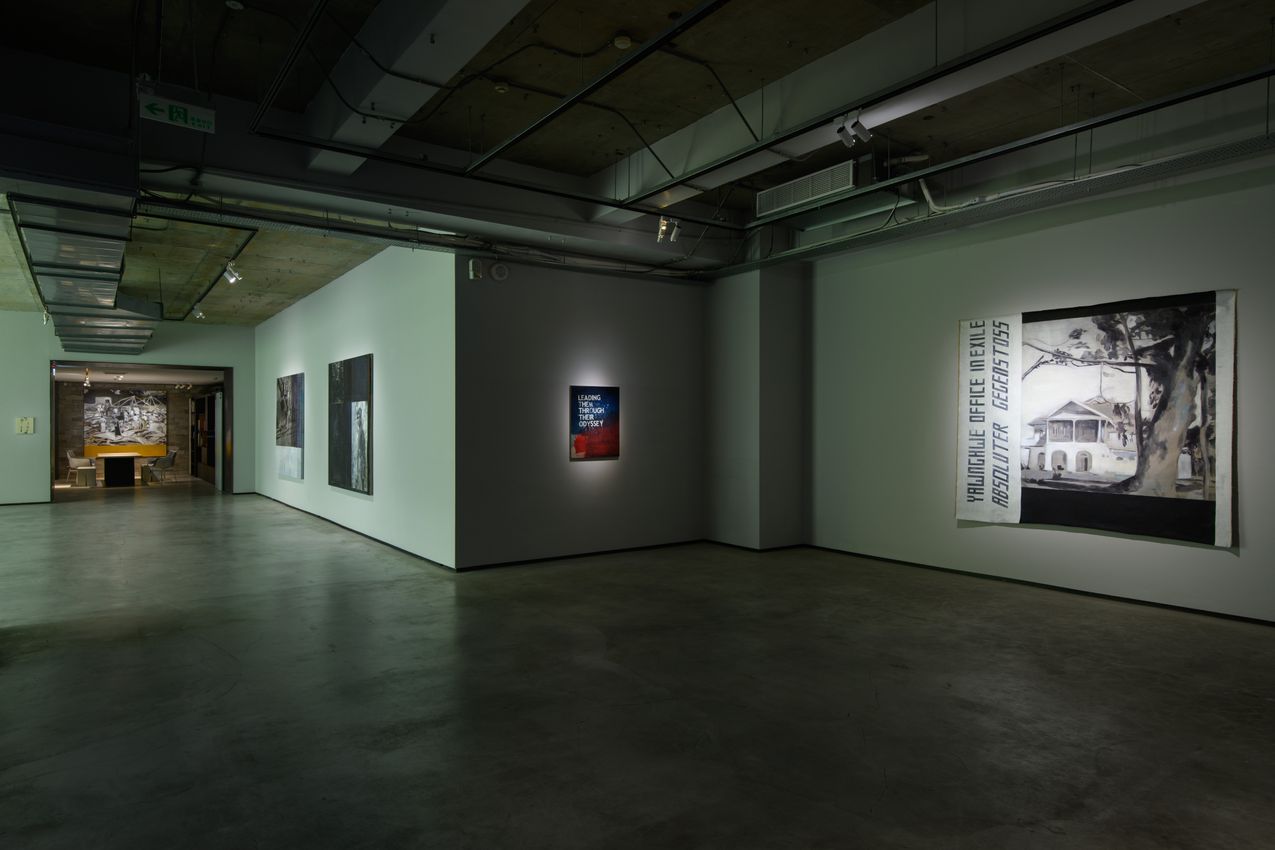
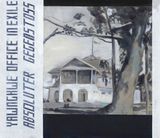
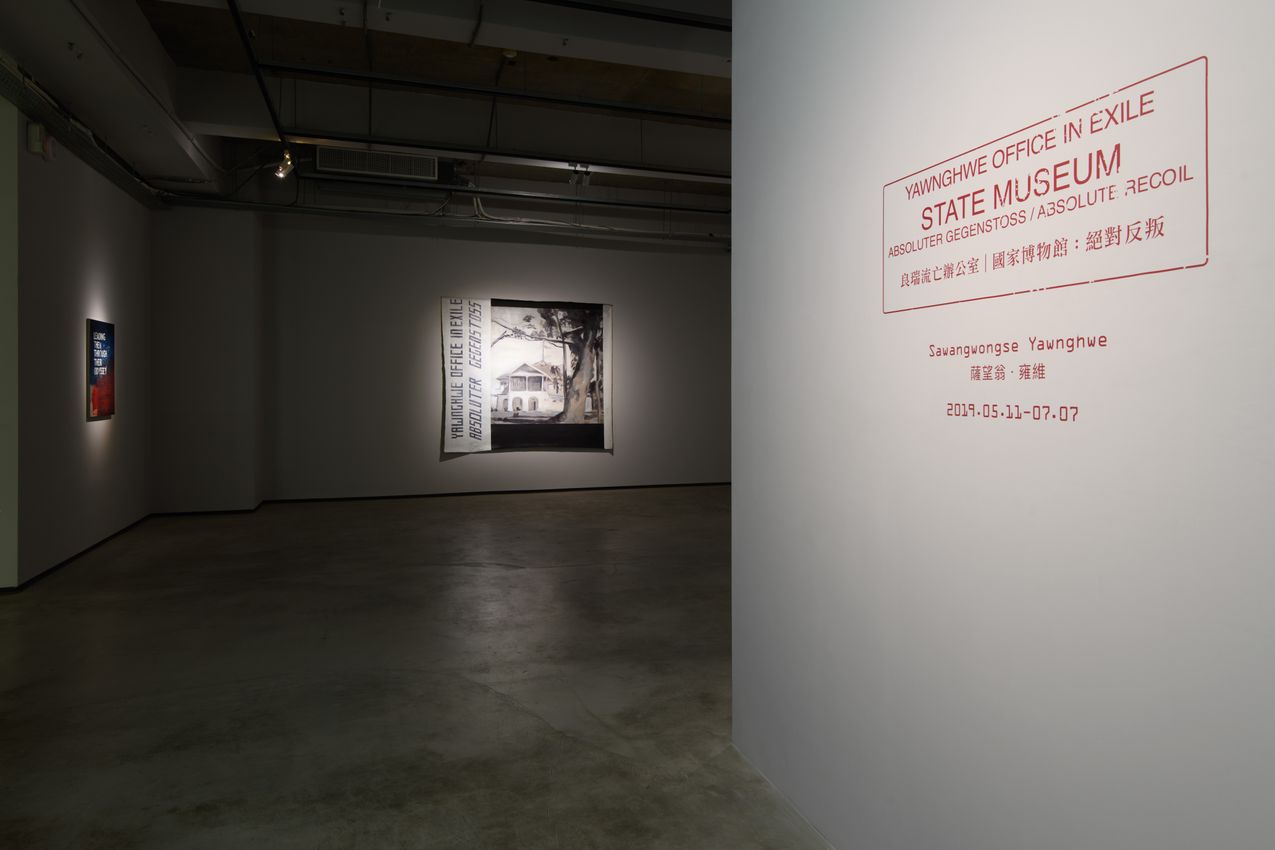
Yawnghwe Office in Exile is a fictional office created by Sawangwongse Yawnghwe in his practice. For his first solo exhibition at TKG+, he fabricates a _State Museum_to explore possible narratives for Shan1 exiles. This museum is impossible to exist even in today’s Burma. Democratized on the surface, Burma’s political structure is still heavily influenced by military intervention. It signifies the impossibility of such imagination existing as knowledge. The term ‘absoluter gegenstoss’ has been used by the German philosopher Hegel, and later elaborated by Slovenian philosopher Slavoj Zizek in his book Absolute Recoil (2014). Seemingly synonymous, these two terms do not necessarily translate into each other under the title ‘State Museum.’ While absoluter gegenstoss refers to counterattack, absolute recoil is a force of counteraction. They resonate with each other in that they both embody a counterthrust to the original force.

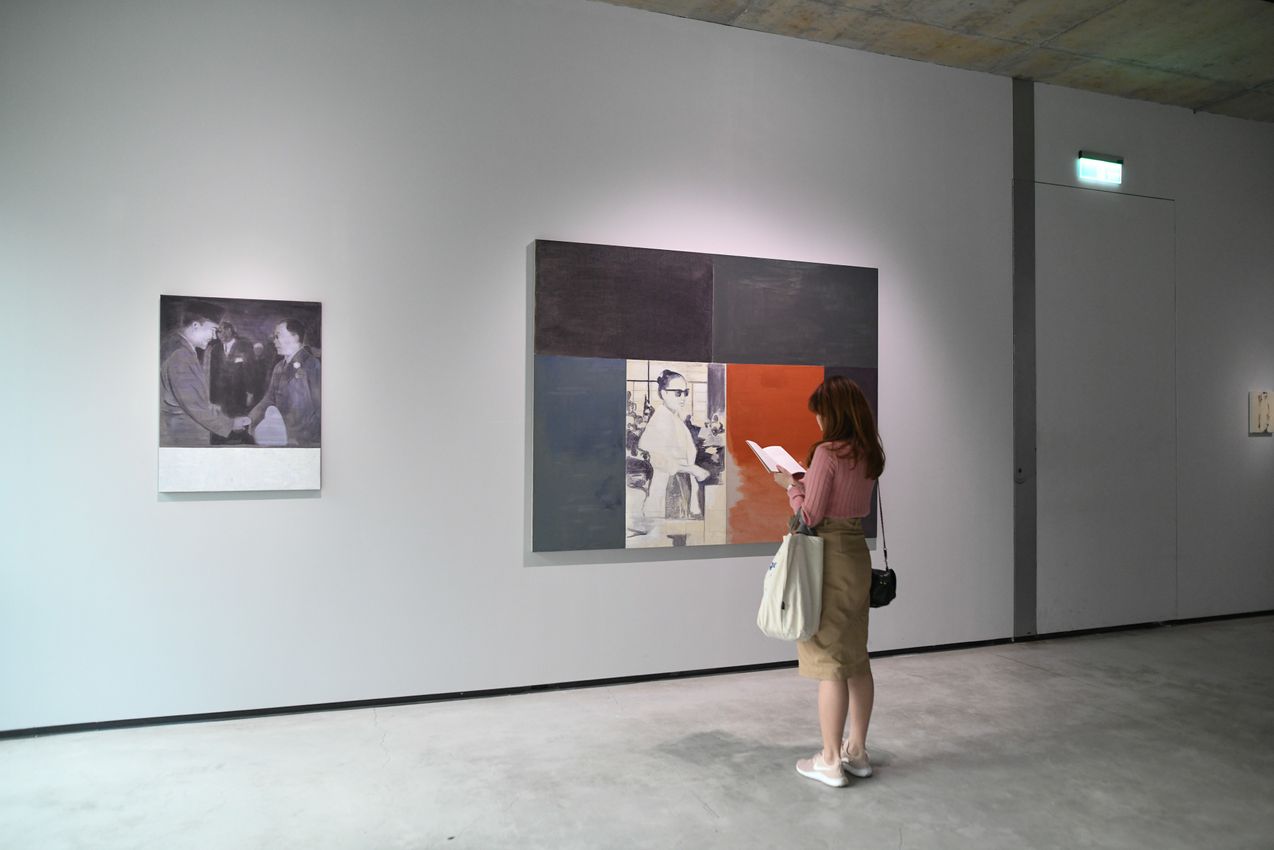
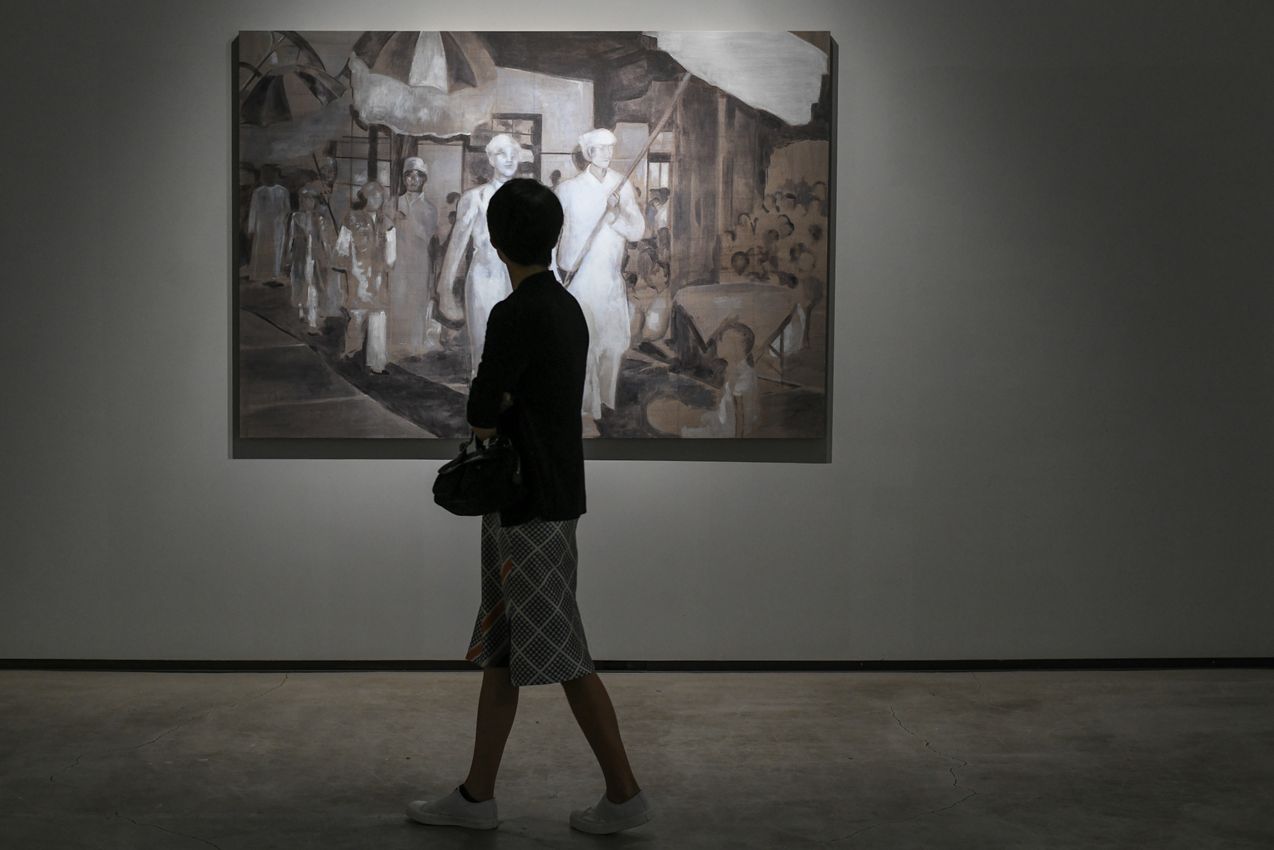
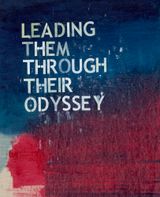
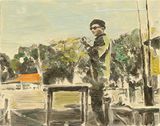
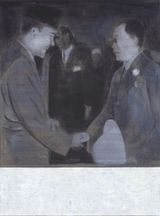
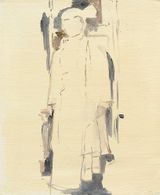
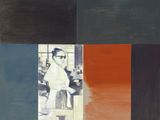
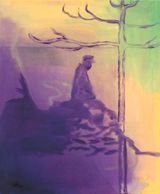
In Hegel’s discourse, abstraction is more realistic than imagery. Yawnghwe’s painting emerges out of its own loss through the figurative and the abstract, one effacing the other. As Zizek writes, ‘To designate the speculative coincidence of opposites in the movement by which a thing emerges out of its own loss.’ Yawnghwe reckons that the groundlessness of the symbolic order is a nightmare. As Shan’s history is suppressed by Burmese military forces, reality loses its transparency. His paintings attempt to present a reality that is elusive in photography, attesting ontological wounds that have become exquisitely harrowing. Yawnghwe Office in Exile has established a museum for a country in exile. The people in his paintings, from his grandparents to his father and uncle, their portraits taken when they were part of the military and political organizations in Burma’s recent history, Shan royalty, Union of Burma2, and Shan State Army3, together intertwine to form an indispensable part of his family history. Based on historical scenes, these works, reeking of warfare, reveal assimilation policies and ethnic cleansing enforced by military regimes on Shan and other minorities.

Contradiction is the nature of the world. Both sides of contradiction coexist in a dynamic state of difference, even conflict, until they aufheben into the next cycle. This concept is the core of Yawnghwe’s art practice. History shapes power and faith, but it also hijacks thoughts and transmogrifies into violence. Is there truth in history? Do the historical facts that are taken for granted equal to reality, even truth? History is a knowledge system. Even though those in power have the right to dictate history, people are no long indoctrinated in the state’s version of history. Through historical texts, we can understand different perspectives, and form our own stances without being radicalised. And that is a healthy knowledge mechanism.

1 The ethnicities in Burma are diverse and complicated. There are eight major ethnic groups classified according to their geographical distribution by the Burmese government: Kachin, Kayah, Karen, Chin, Bamar, Mon, Rakhine, and Shan. Bamar accounts for nearly 70% of the population. Yawnghwe belongs to Shan (Thai Yai) in the Shan group, which accounts for nearly 10% of the population.

2 Recent history in Burma is divided into several phases. ‘Union of Burma’ here refers to the first federal republic in Burma from 1948 to 1962 after the British rule ended, with U Nu as the first Prime Minister and Sao Shwe Thaik as the first President. The foundation of Union of Burma is Panglong Agreement.

3 Founded in 1964, Shan State Army (SSA) is combining the Shan State Independence Army (SSIA), the Shan National United Front(SNUF) and Jimmy Yang’s Kokang Revolutionary Force (KRF). Strongholds in central and Northern Shan State. A political wing, the Shan State Progress Party (SSPP), was set up in 1971.

Read More

Installation Views

Selected Works

Loading...
Sawangwongse Yawnghwe's Historical Minimalism Conversation Sawangwongse Yawnghwe's Historical Minimalism Sawangwongse Yawnghwe examines patterns of political abuse and military repression in Myanmar. Read the story
About the Artist

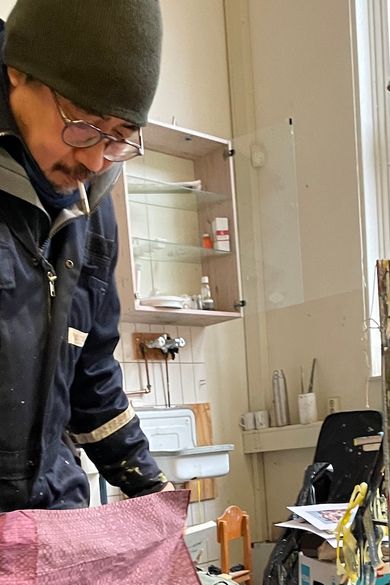
Sawangwongse Yawnghwe’s painting and installation practice engages politics with reference to his family history as well as current and historical events in his country. Family photographs also provide the basis for a pictorial language through which he explores events in the country, suggesting that existing and available archives cannot reveal a nation’s entire truth. In addition, Yawnghwe’s work of maps charts the conflicts between drugs such as heroin and amphetamines, revolutionary armies, minority ethnicities, mining and gas pipelines, the armament of generals, as well as state genocide against its minorities. He intends to bring discernible order to a complex political situation.

View Artist Profile

Also Exhibiting at TKG+

About the Gallery

A forerunner of Taiwanese modern art, the Tina Keng Gallery hinges upon the philosophy that art is a reflection of the times. The Tina Keng Gallery has its roots in the Lin & Keng Gallery (1992–2009) based in Taipei, Taiwan and Beijing, China. Delving into Western painting and Chinese art history, Lin & Keng tirelessly promoted the work of Asian classical masters, cultivating a critical thought on Greater Chinese modern art. The Tina Keng Gallery has continued this tradition by centering its focus on Asia, further excavating art history and rediscovering modern aesthetics. Upon this foundation, the Tina Keng Gallery is steadfast in nurturing Taiwanese modern and contemporary art, with hopes to capture the changing states of art through writings of history, in so doing highlighting the cultural underpinnings of its worldview. Art arises from culture, and culture mirrors the times. The Tina Keng Gallery endeavors not only to support Greater Chinese modern and contemporary art, but to shape a perspective that is elementally Asian.

View Gallery Profile
Address
TKG+ Projects
Opening Hours
Tuesday – Saturday
11am – 7pm
(1)
Taipei B1, No. 15, Ln. 548, Ruiguang Road
TKG+
B1, No. 15, Ln. 548, Ruiguang Road, Neihu District, Taipei, Taiwan
+886 226 590 798
http://www.tkgplus.com

Opening hours
Tuesday – Saturday
11am – 7pm
The art world in focus