Press Release

Artists can be often hoarders, gathering a vast array of objects as raw material intended to be transfigured in to art works. Over time however, this idiosyncratic, sometimes obsessive collecting can amass such a volume of objects that an artist may struggle to house or process them.

The photographic medium may offer a means of processing one’s own hoardings: collections of objects with no immediate potential use value, yet which, for one reason or another, one might find difficult to discard. Objects in need of reinvention. At one level, photography offers a system for processing such objects within Greta Anderson’s practice. Many of the objects reframed here may have been designed or destined to be discarded. These inexpensive, often disposable plastic objects which feature in No Hoarding speak to the tension between the innovations of the oil-based economies which have enabled their production and their corresponding impact on our precarious ecological systems.

As a design solution to everyday human needs, plastics are at once remarkable and dangerous. On one hand, they have enabled the rapid, inexpensive mass production of objects (and their packaging) in a seemingly infinite variety of forms. On the other, their chemical structure is toxic to the environment, with current estimates upwards of hundreds of years to biodegrade. This ecological impact is compounded by the processes of extracting and consuming their petrochemical source, a fossil fuel which threatens the earth’s biosphere through global warming. Within these photographs, the plastic objects’ sleek forms and vivid, saturated colours appear seductive, yet we are also aware they are the same material polluting the land and sea. Further, plastics are now entering the food chain: we are literally eating the remnants of this obsolescence. And yet, petrochemical plastics, once displacing numerous other modes of production, now find themselves displaced by innovations in biodegradable plant-based plastics and other emerging, disruptive technologies.

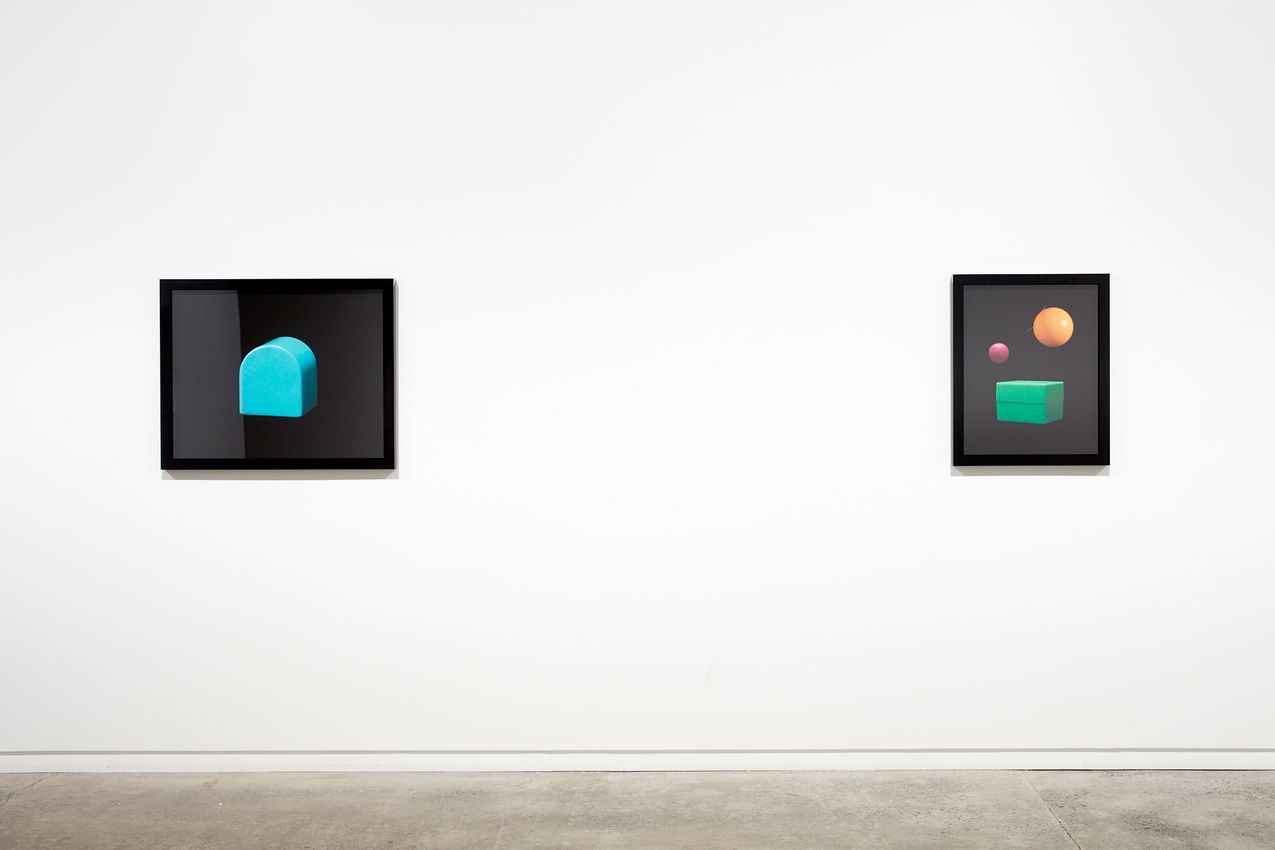
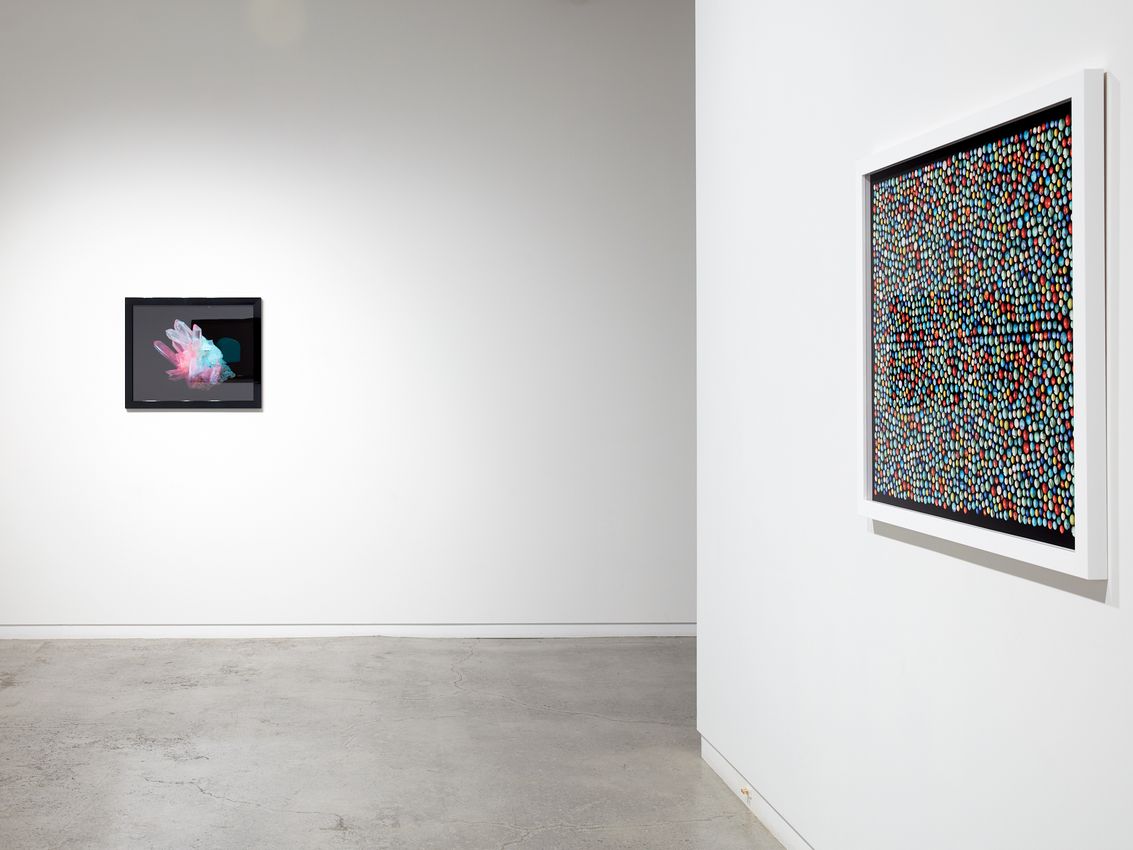
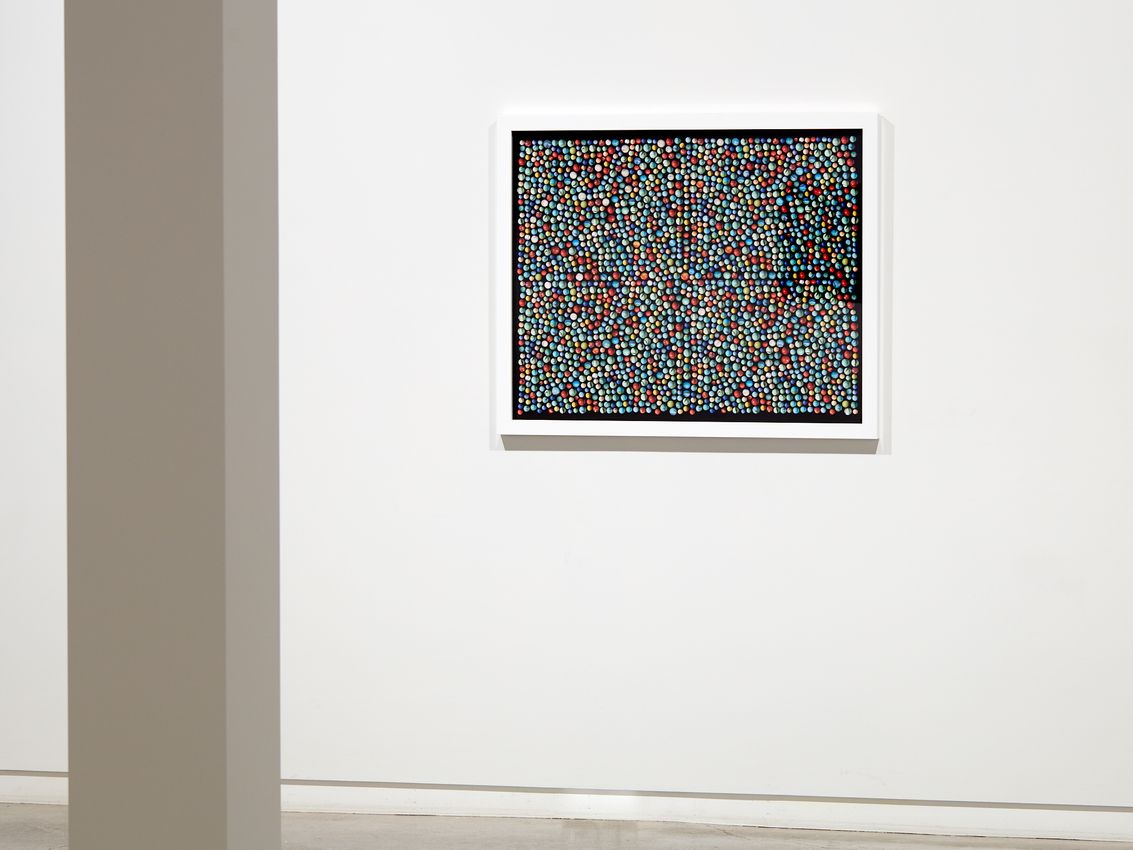
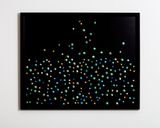
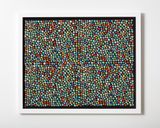
Fittingly, Anderson sees these petrochemical plastic objects as potential artefacts of the future, imagining a time when they are no longer such a dominant, high risk material. In their new imagined role, Anderson casts this curated selection of objects as ambivalent artefacts of the plastic age within a future museum: miniature monuments to human hubris. Here the photograph stands in for the object - which after it is captured can perhaps finally be let go - living on as an image. In tension with this pictorial afterlife, Anderson’s elegantly printed and framed photographs also represent collectibles, capable of entering one’s hoardings - of art or otherwise. In this suite of works, inexpensive utilitarian plastic objects cohabit the potential collections of the wealthy: a foal, and a grand piano covered in black fabric. This conflation forces us to question where and how we attribute value in our own personal collections - objects with which we identify and which can come to define us.The title for this exhibition was inspired by a comment Anderson saw written by her daughter’s teacher on a school whiteboard. The command “no hoarding” instructed the children not to covet the school’s collection of glass marbles so that all the students could share and enjoy them together. Anderson is fascinated by the collection of objects, both as an innocent past time and hoarding as an illness: to perhaps begin collecting marbles and end up collecting sneakers, gold, real estate, or junk. In this light, the title No Hoarding acts as both an imperative to the audience and a note to self. In one image, Anderson presents a colourful collection of marbles in a loose yet controlled configuration, structured by a barely discernible cross form bisecting the rectangular composition.

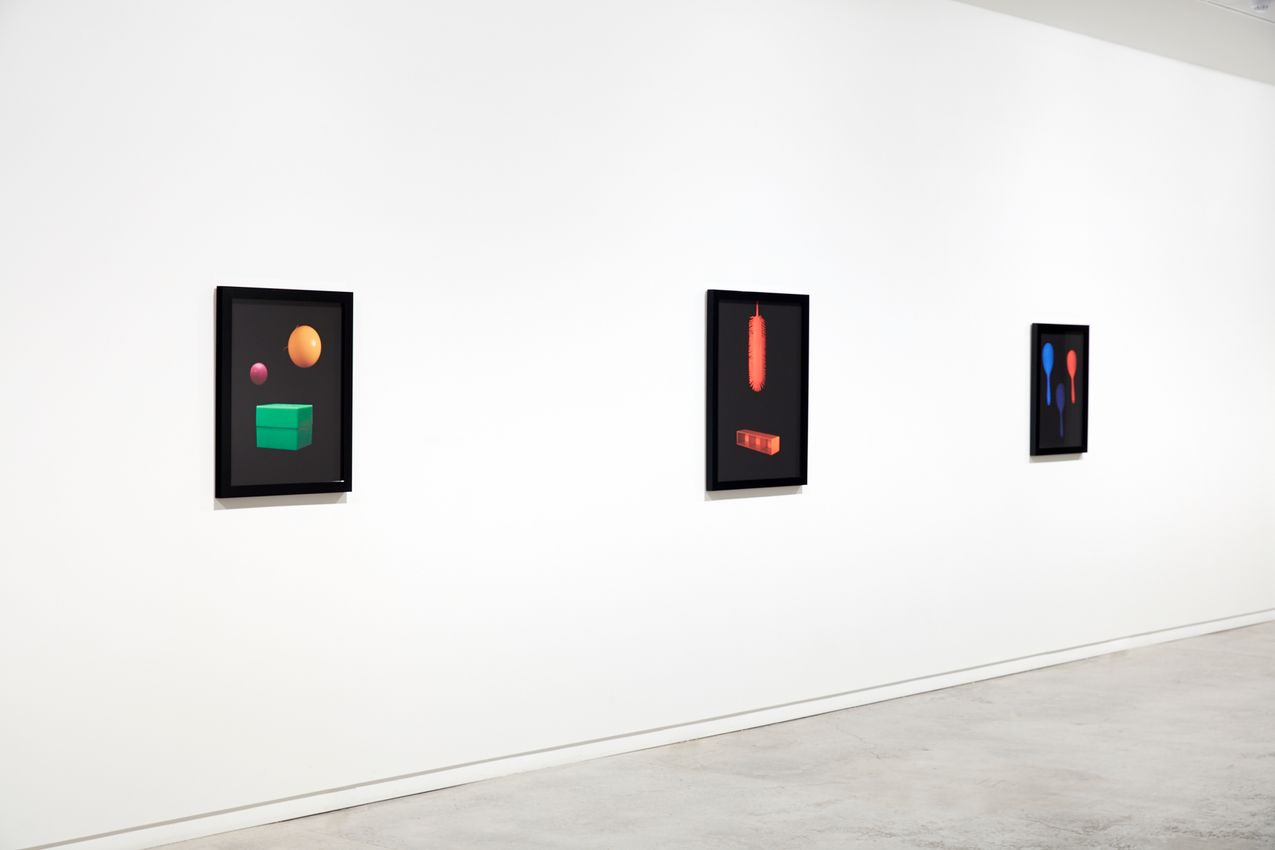
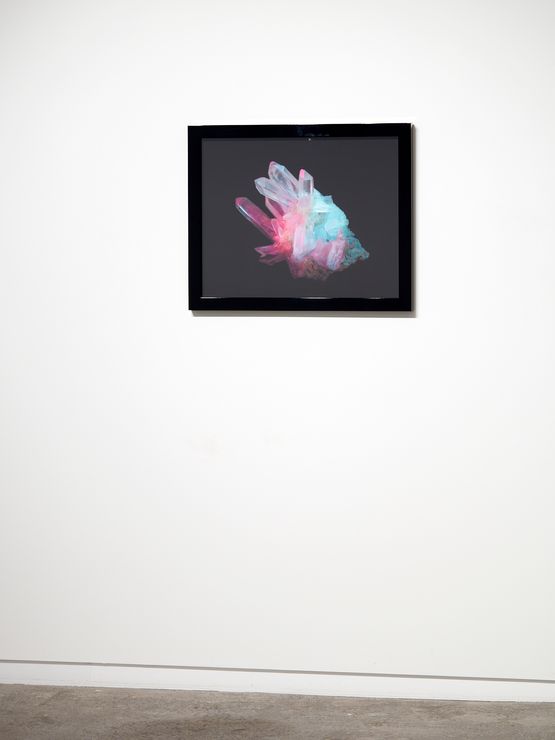
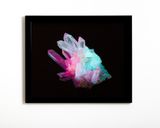
The artist is also interested in National Geographic magazine’s museological mode of photographing objects as artefacts, and references their techniques in her practice: against a black background and with introduced light in a controlled studio environment.1 In Anderson’s photographs, her subjects are made strange through tight framing and the isolation of their subjects on a pitch-dark background.

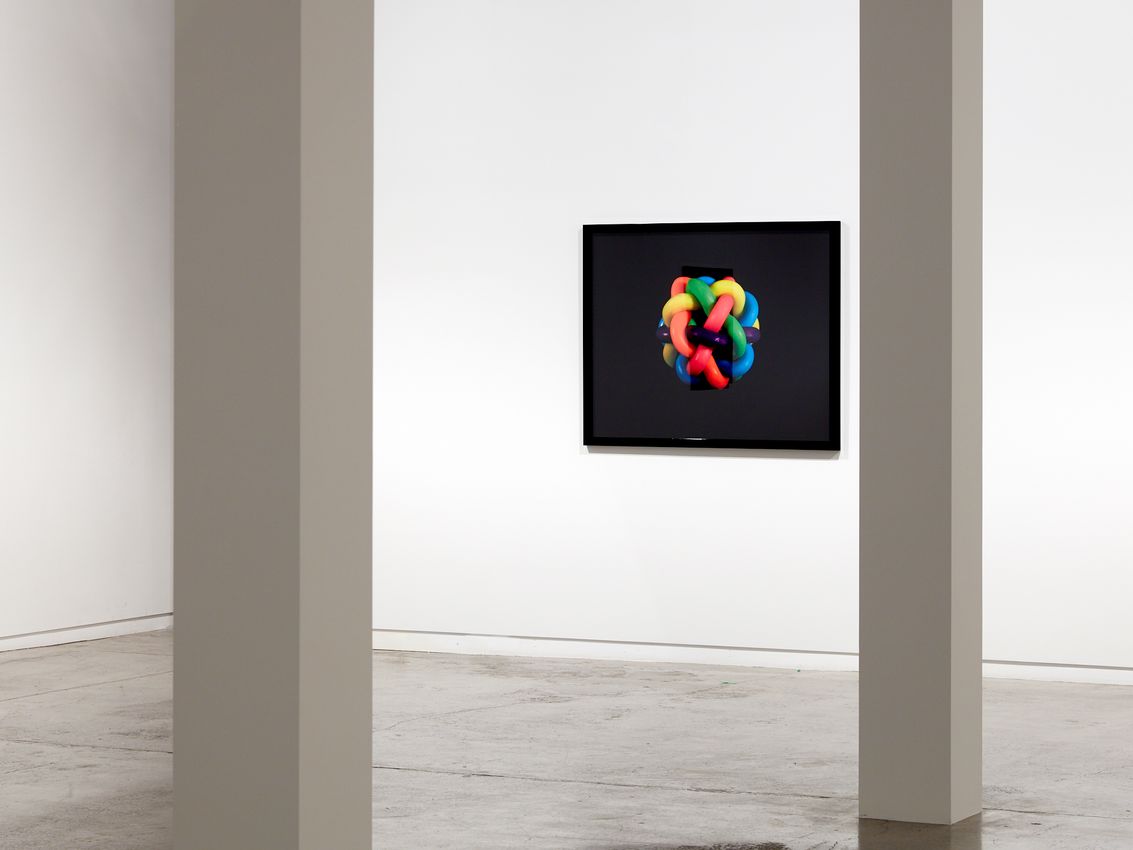
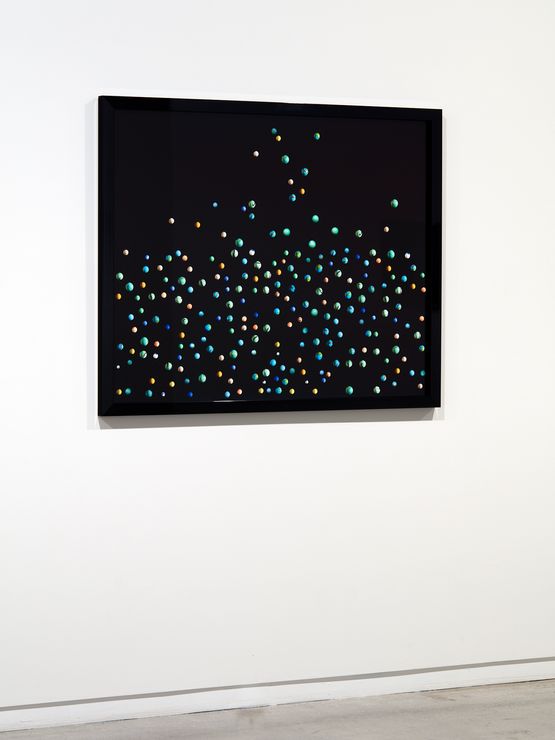
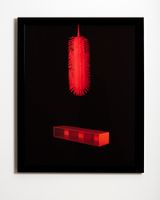
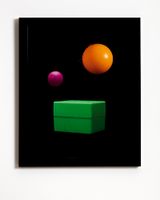
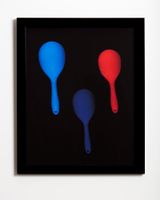
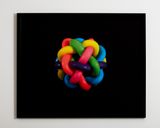
Anderson’s objects appear to float within inner and outer spaces, emerging from nothingness and in to the light. Their surrounding context removed, her still lives take on iconic, mystical or surrealist qualities. In this realm, hovering plastic balls become planets in orbit, a children’s toy of woven plastic tubing becomes a subatomic particle. Plastic shakers ascend toward the heavens. A bright red plastic brush hangs above an orange Agfa film box like the flower of a celestial plant. In another image, the orange Agfa box finds a companion in a lime green Fuji film container beneath the orbiting planets, evoking a monument or sarcophagus. Likewise, in another photograph, a rounded, teal coloured plastic box resembles a headstone, yet with an otherworldly presence.

Anderson’s interest in the operations of National Geographic magazine further connects the individual works within this suite, whether it is the magazine’s mode of photographing objects in a studio setting, or their depictions of people, places and things out in the field. No Hoarding is, in part, an extension of her previous solo show with Two Rooms, National Geographic, which exhibition featured subjects both animate and inanimate, united in their photographic treatment and cushioned in still, inky oblivion.

  1. To achieve this effect, Anderson utilises the ‘day for night’ technique, discovered while trying out daylight flash often used in National Geographic photographs. The technique is named after French filmmaker Francois Truffaut’s eponymous 1973 film. During Truffaut’s time, the limitations of film stock meant that night scenes had to be shot during the day in order to achieve the correct exposure. Anderson’s techniques also utilise the possibilities of studio lighting and digital post production.
Read More

Installation Views

About the Artist

Greta Anderson completed a Master of Visual Arts Degree at Sydney College of the Arts in New South Wales in 2006 after having graduated from the Elam School of Fine Arts at The University of Auckland in 1999. Since then, Anderson has received several grants and awards, been the subject of several solo shows, including a notable 2003 exhibition at Te Tuhi, The Stand Ins.

View Artist Profile Greta Anderson contemporary artist
About the Gallery

Two Rooms is a contemporary art exhibition venue located in a converted warehouse in Central Auckland, New Zealand. Opened in August 2006, Two Rooms presents a program of residencies and projects by leading International and New Zealand contemporary artists. The building houses two exhibition spaces, the Project Room and the Long Room.

View Gallery Profile
Address
16 Putiki Street
Newton
Auckland
New Zealand
Opening Hours
Tue - Fri, 11am - 6pm
Sat, 11am - 3pm
(1)
Auckland 16 Putiki Street, Newton
Two Rooms
16 Putiki Street, Newton, Auckland, New Zealand
+64 9 360 5900
http://www.tworooms.co.nz

Opening hours
Tue - Fri, 11am - 6pm
Sat, 11am - 3pm
The art world in focus