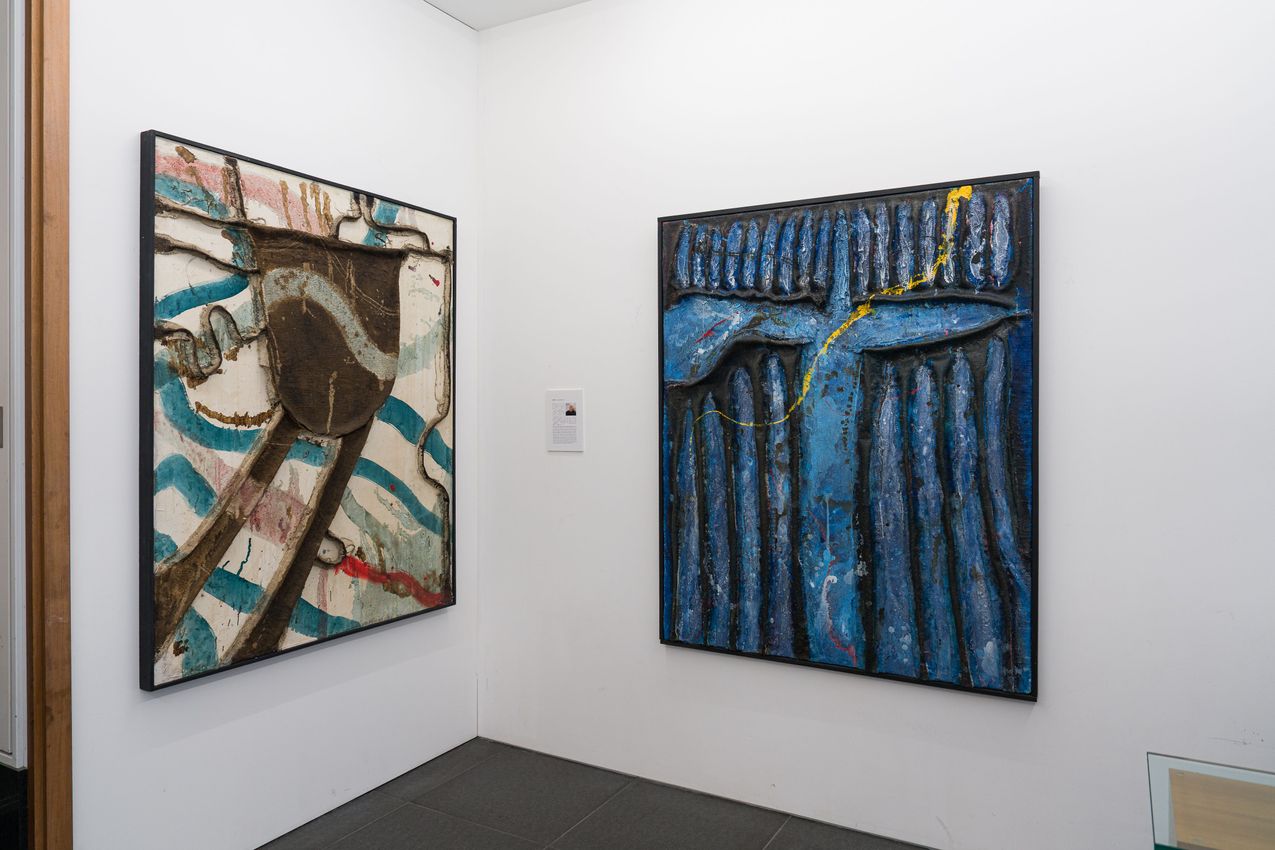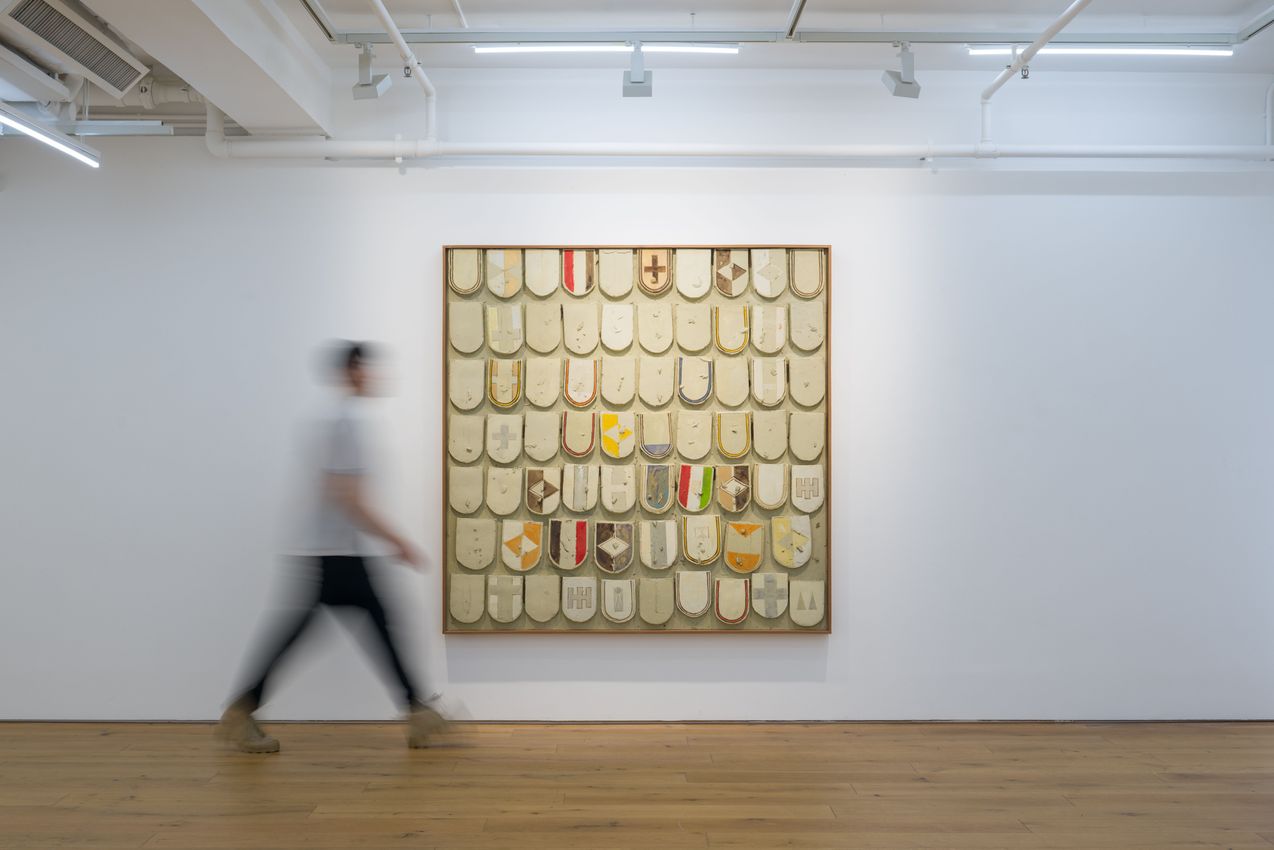




Every experience will eventually be perceived as a three-dimensional curved surface.
-MADARA MANJI
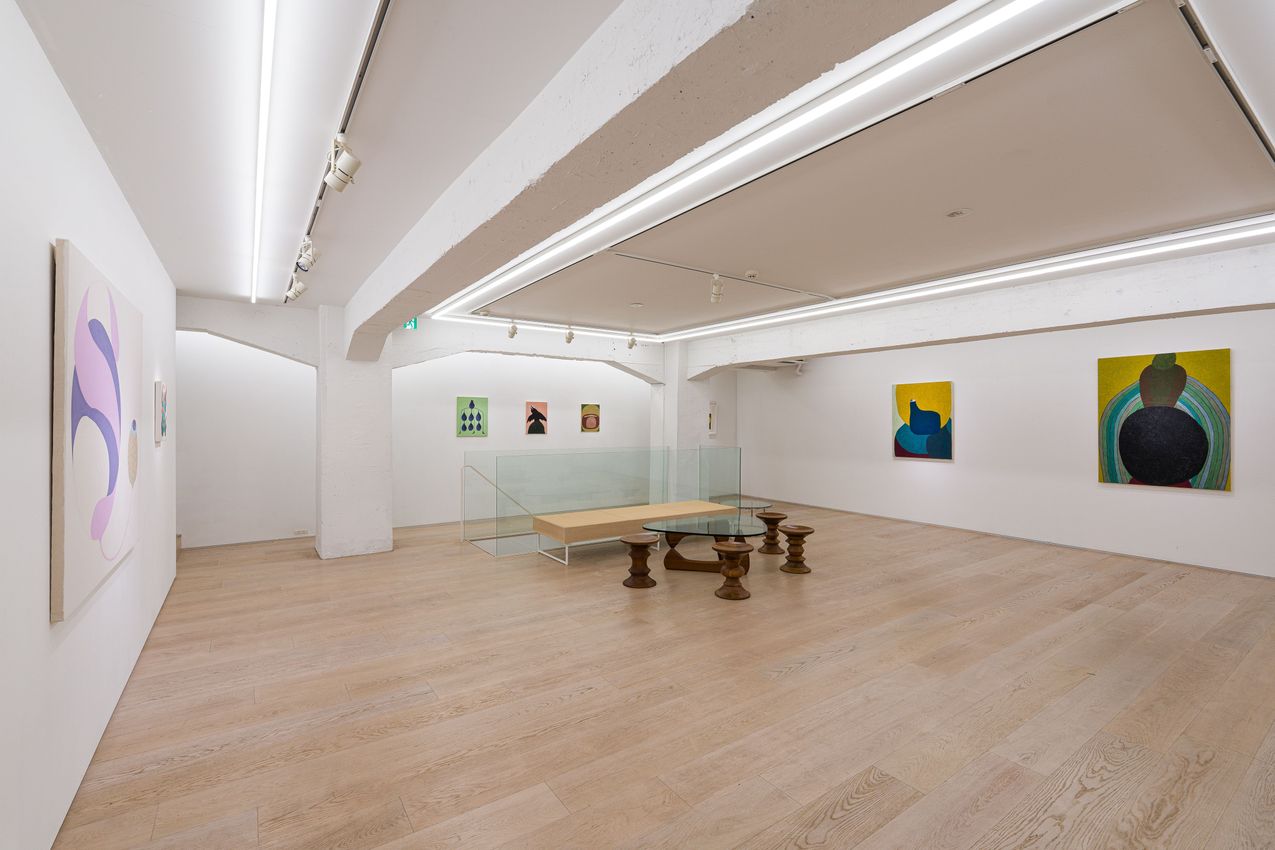
Whitestone Ginza New Gallery is pleased to present MADARA MANJI’s solo exhibition, PRESSURE.
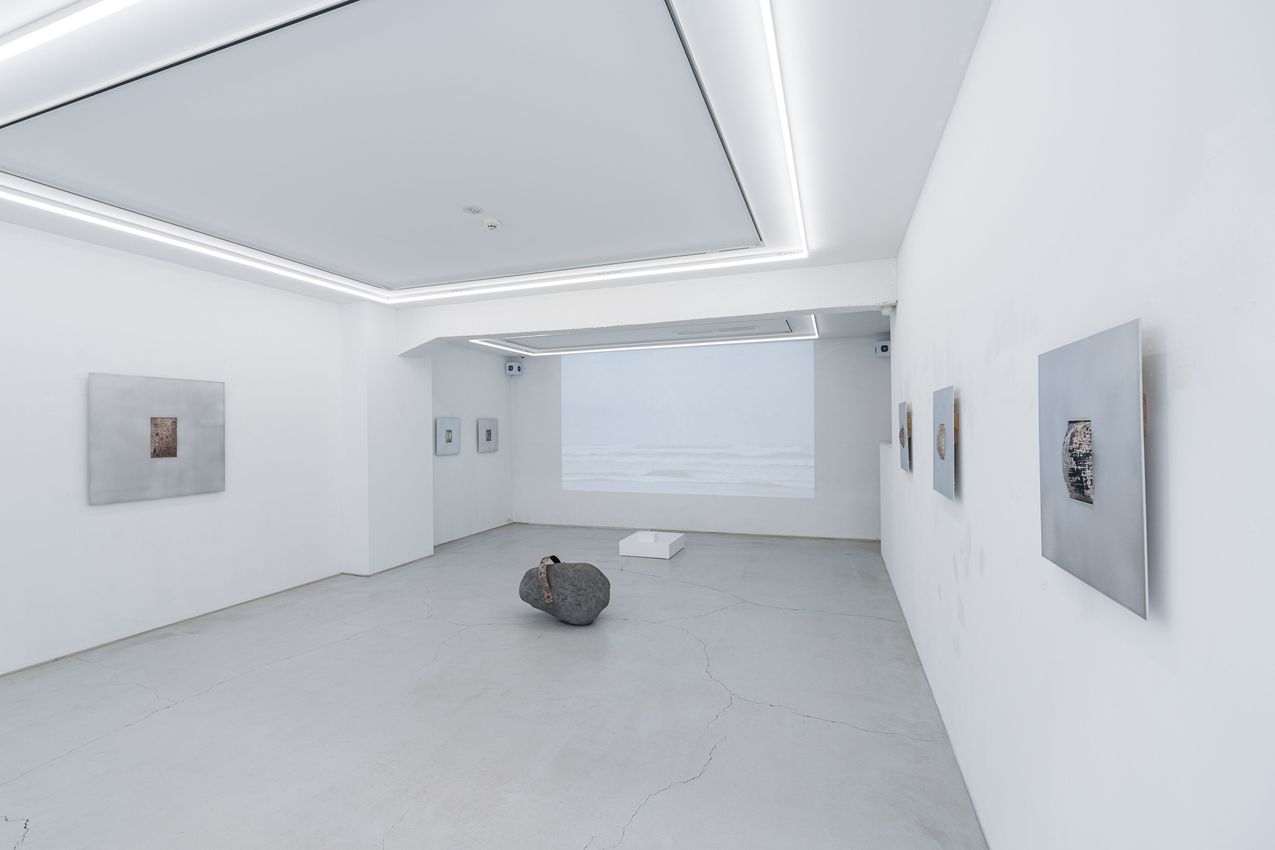
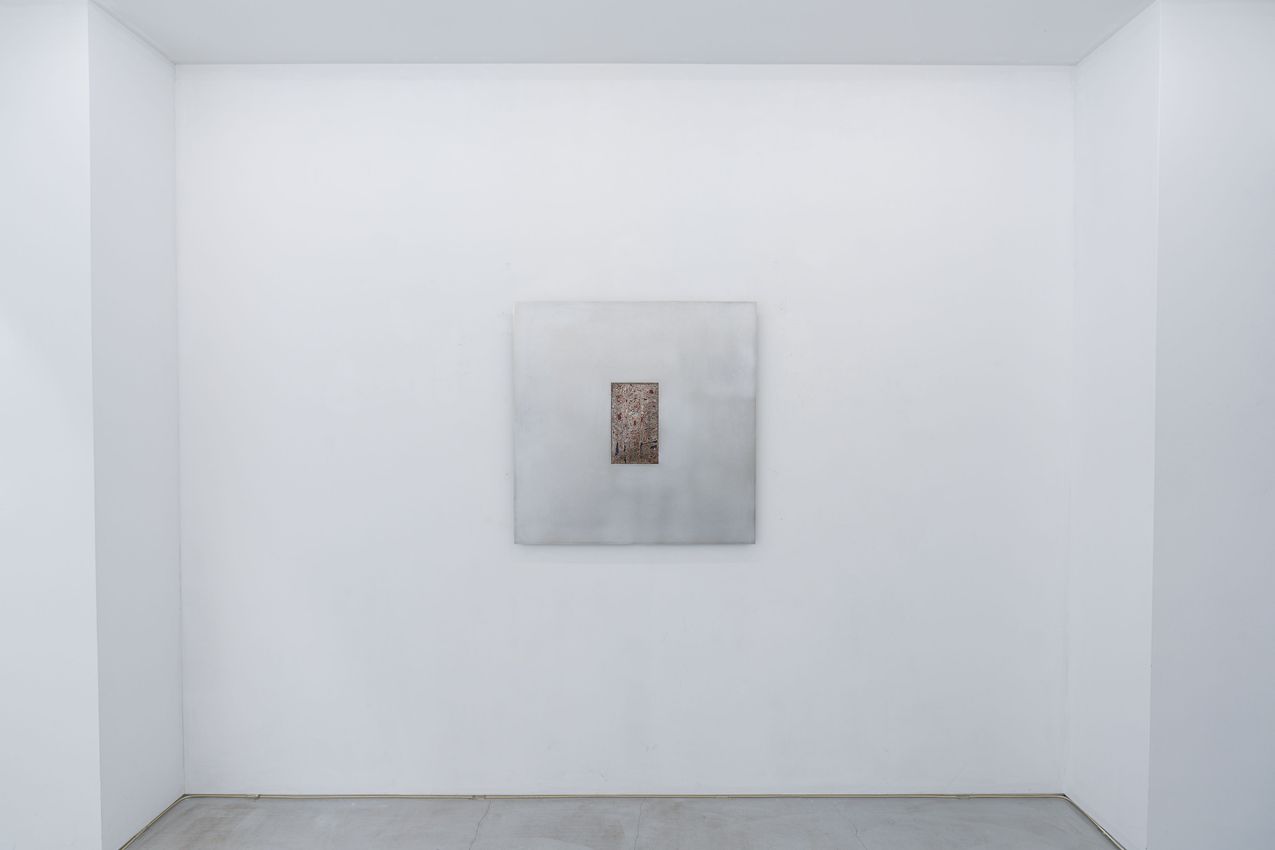
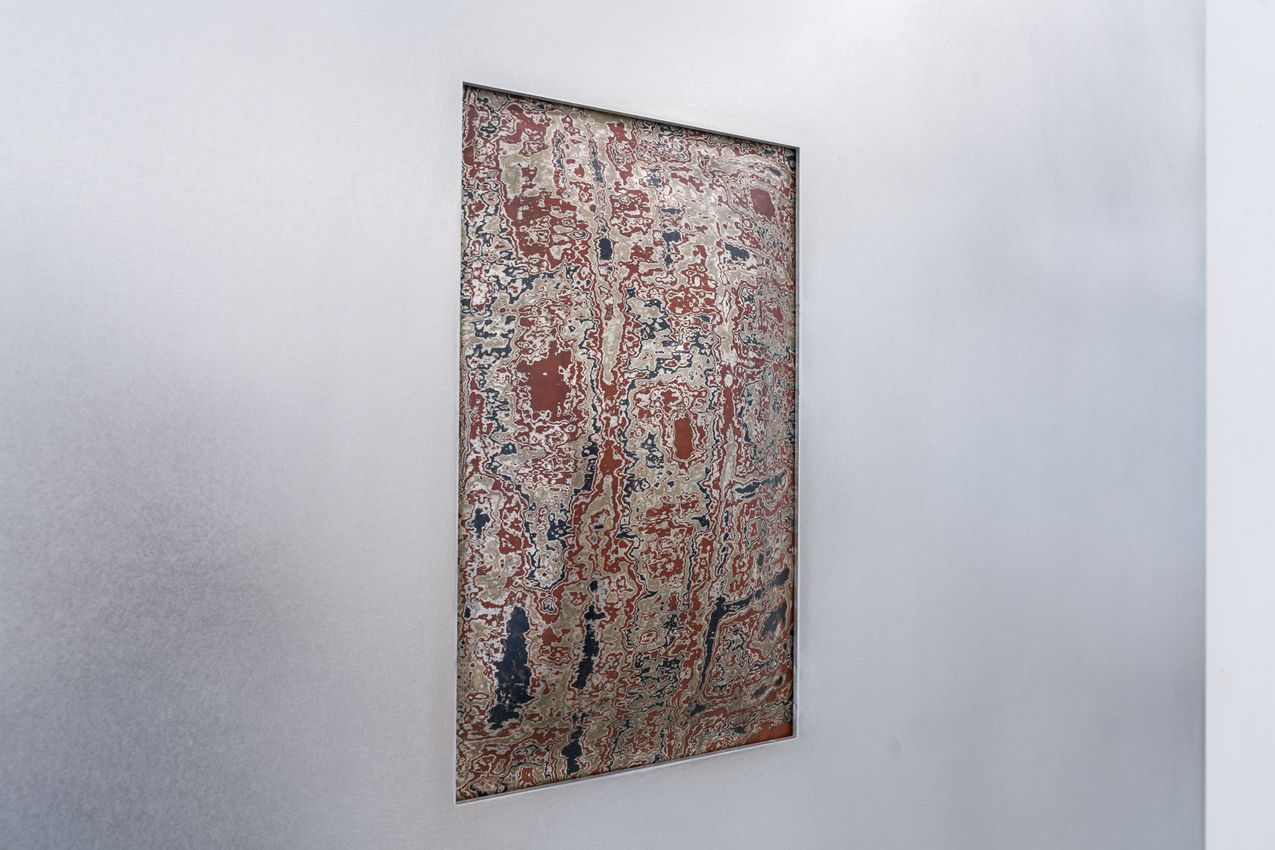
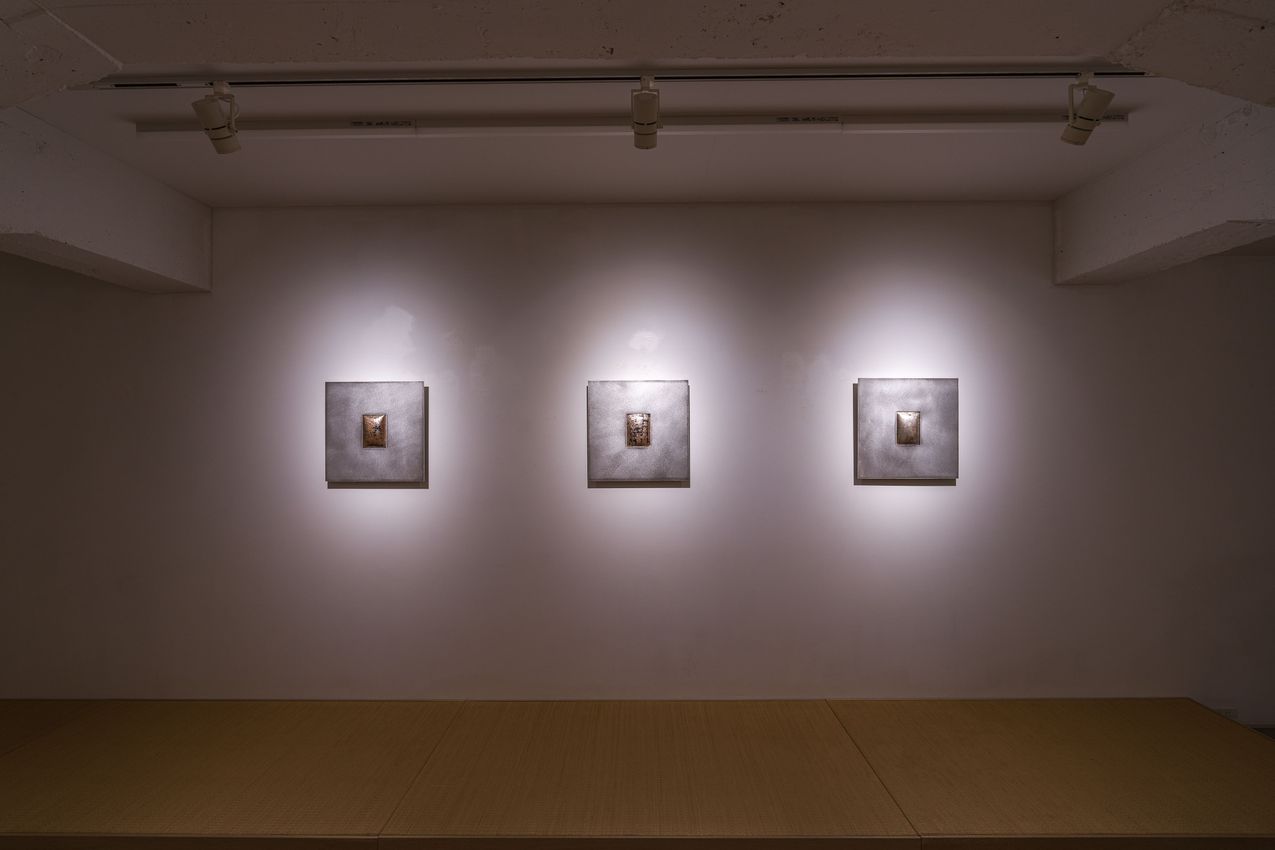
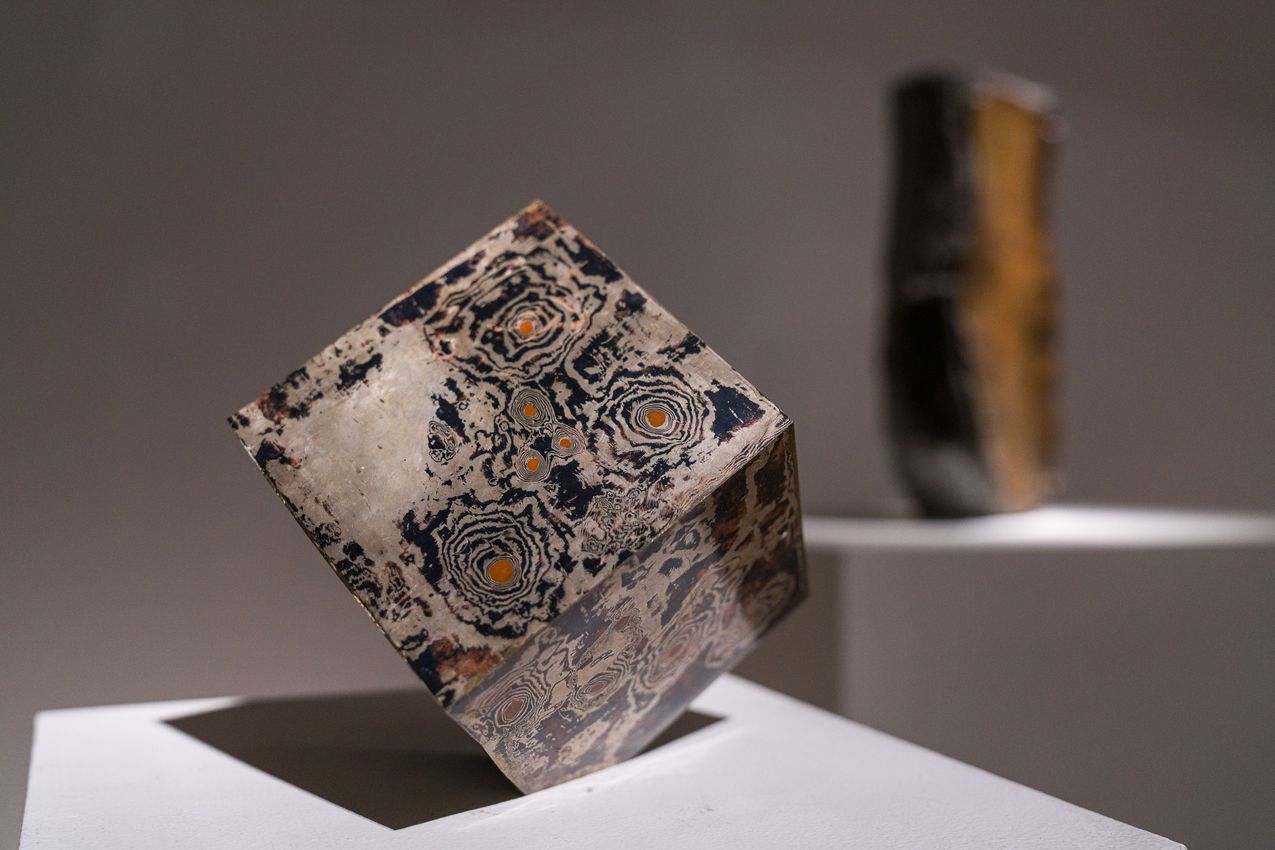
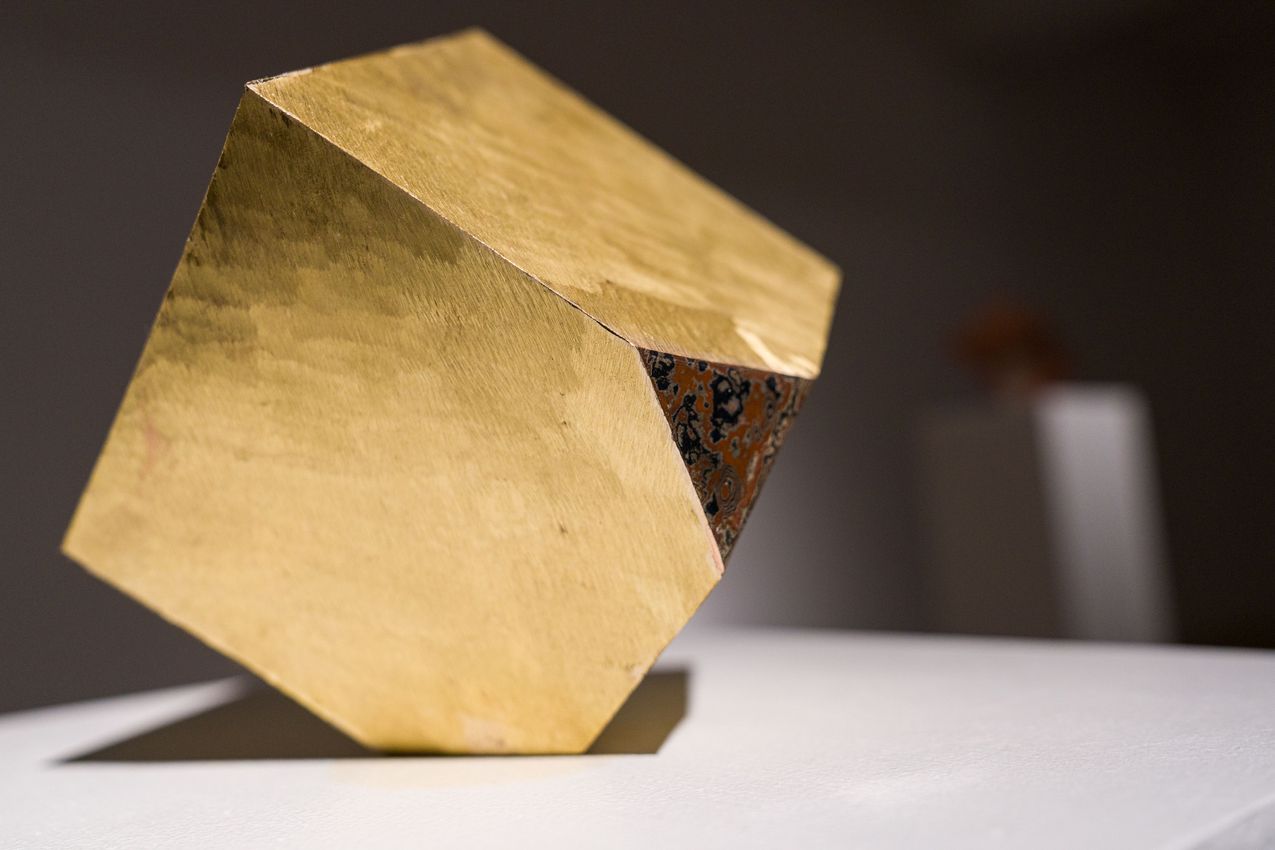
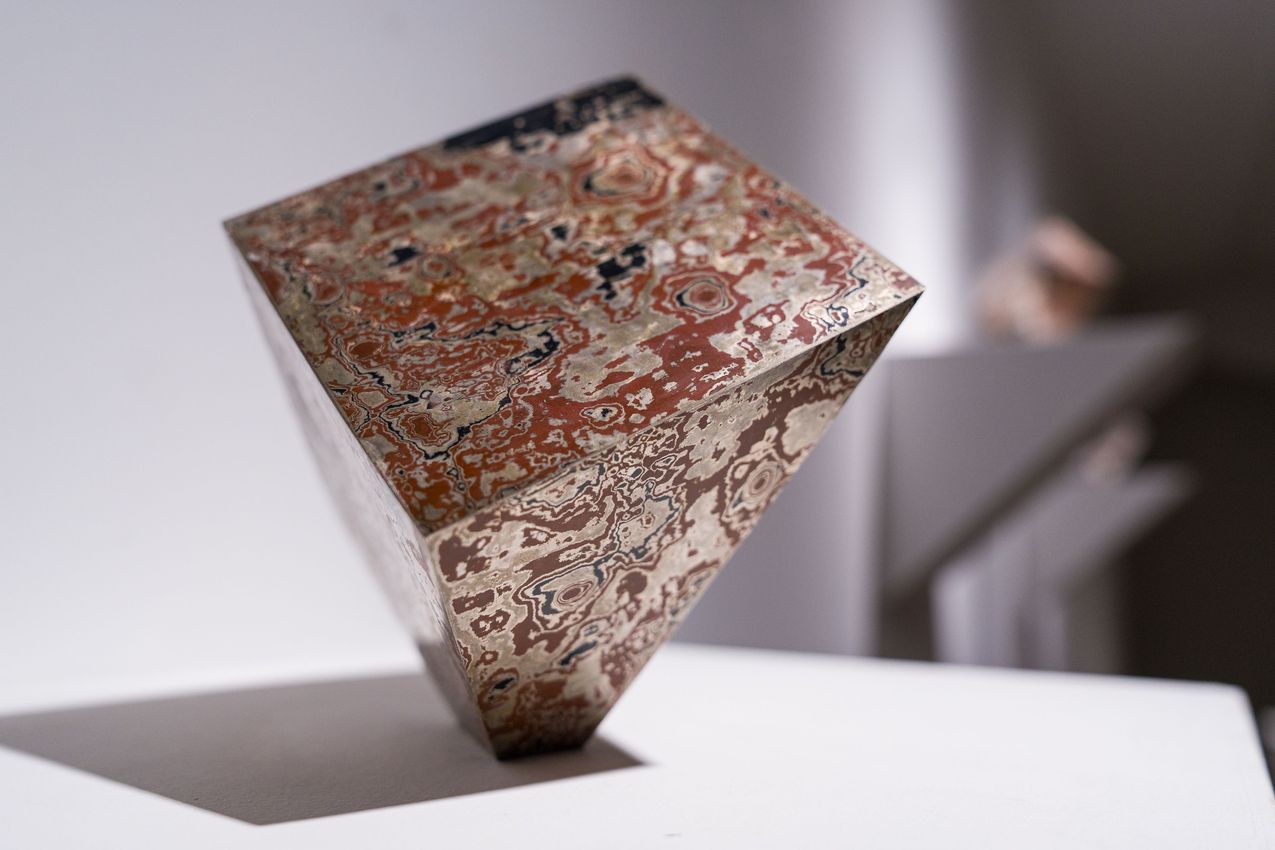
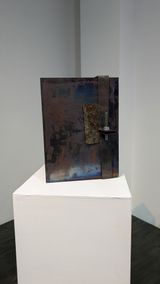
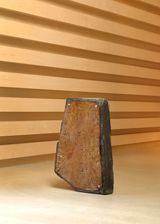
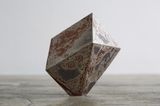
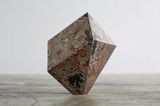
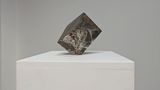
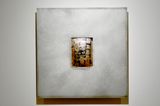
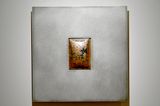
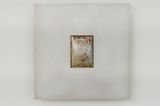
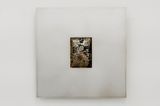
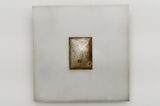
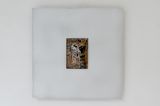
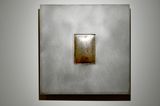
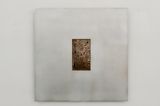
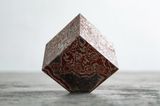
Madara Manji is often associated with solid, three-dimensional works created through the traditional Japanese ‘mokumegane’ technique. However, this exhibition introduces a new series, Touch, which challenges his sharp-edged image. Touch features a wall-mounted style, with the central ‘mokumegane’ pieces framed in aluminium alloys, expanding into a vast universe through curves and bulges that defy the rigidity of metal.
The origins of this series trace back to Alive, a solo exhibition held in 2024 at the Shiga Kogen Roman Museum in 2024. Designed by Kisho Kurokawa, this museum is known for its conical atrium structure, embodying harmony with nature. Madara Manji utilised this structure for an installation that recreated the imperceptible vibrations of “sound and light that arise during the creation process”—sensory elements that normally vanish beyond human perception. When reflecting on human vitality, one might realise it is something that often slips away unnoticed. For example, in the production of ‘mokume-gane’, heat leaves traces in colour, and the force of hammering remains in the form, but sound and light disappear. Though they undeniably existed, are they now beyond our reach?
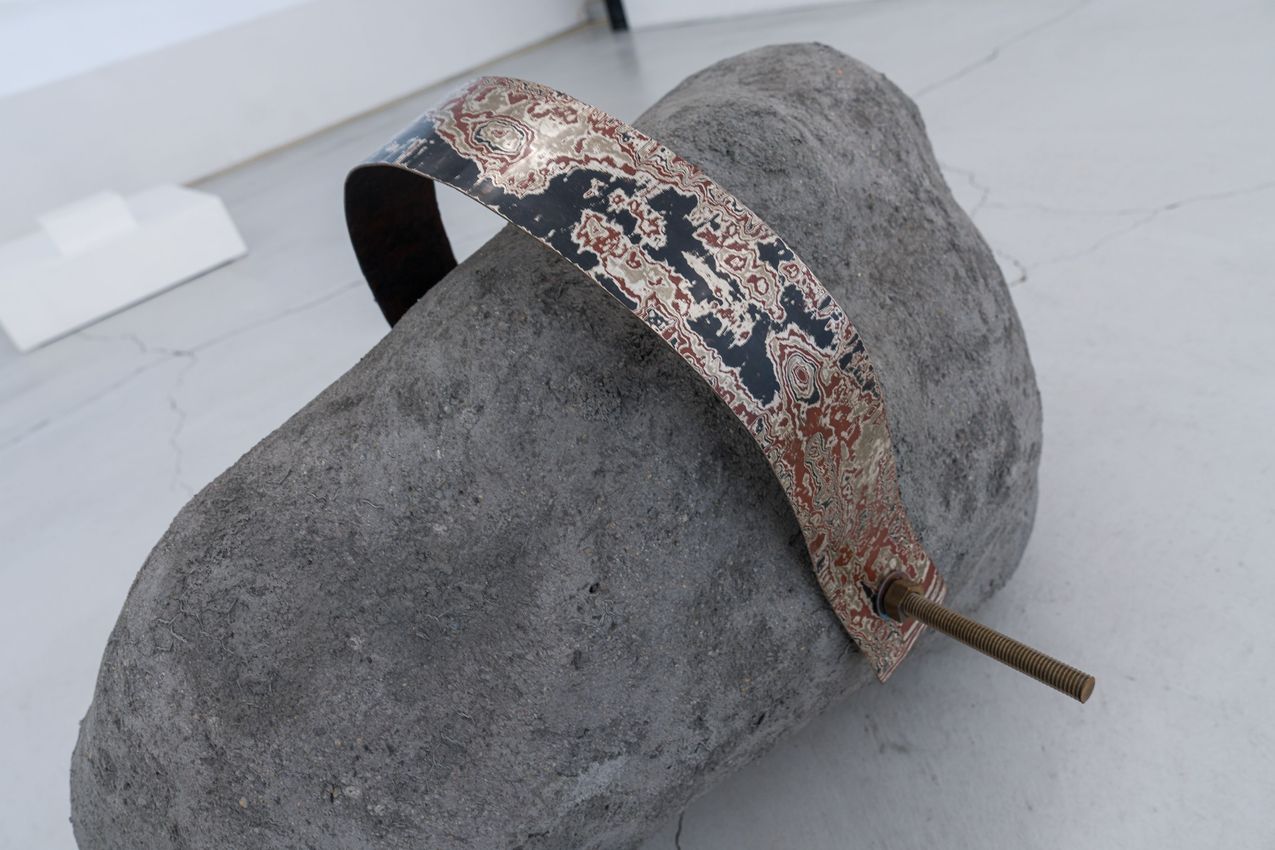
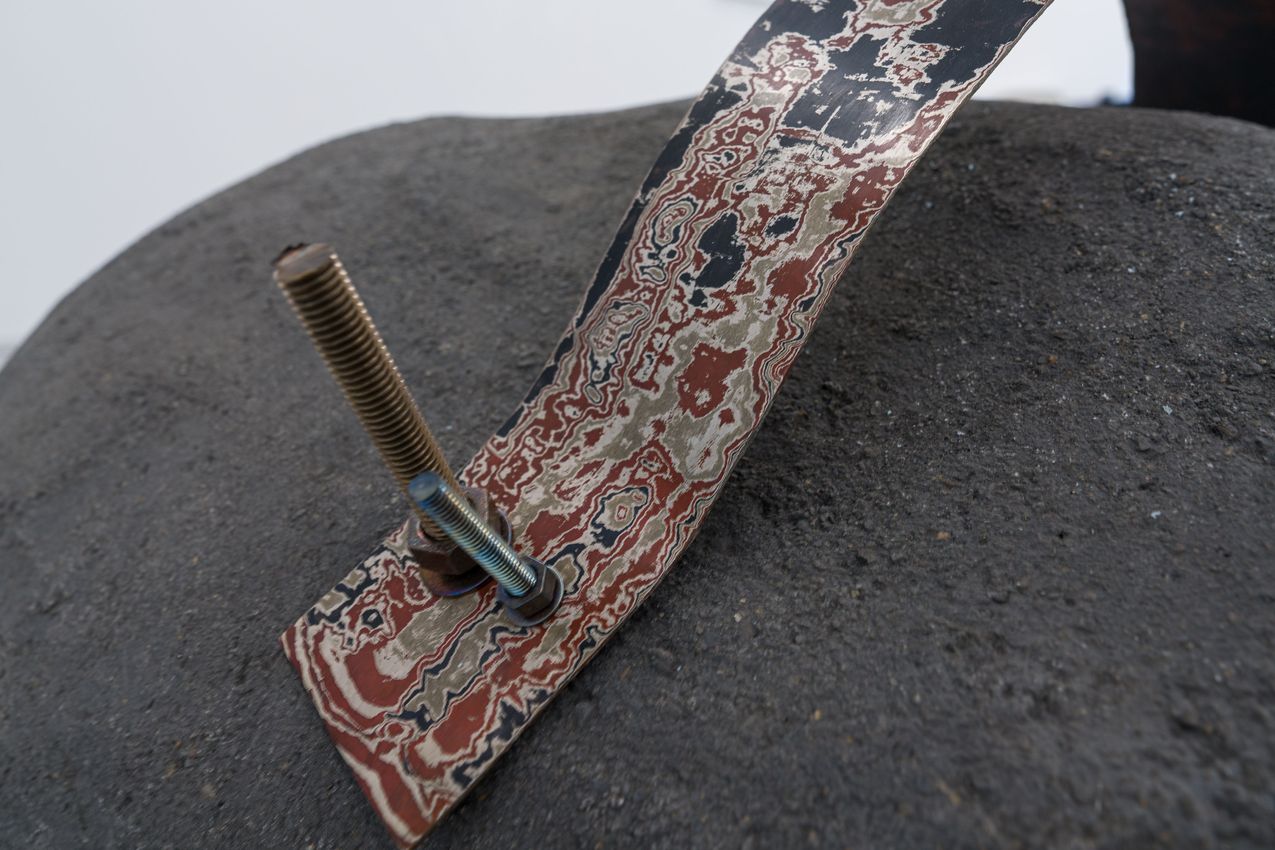
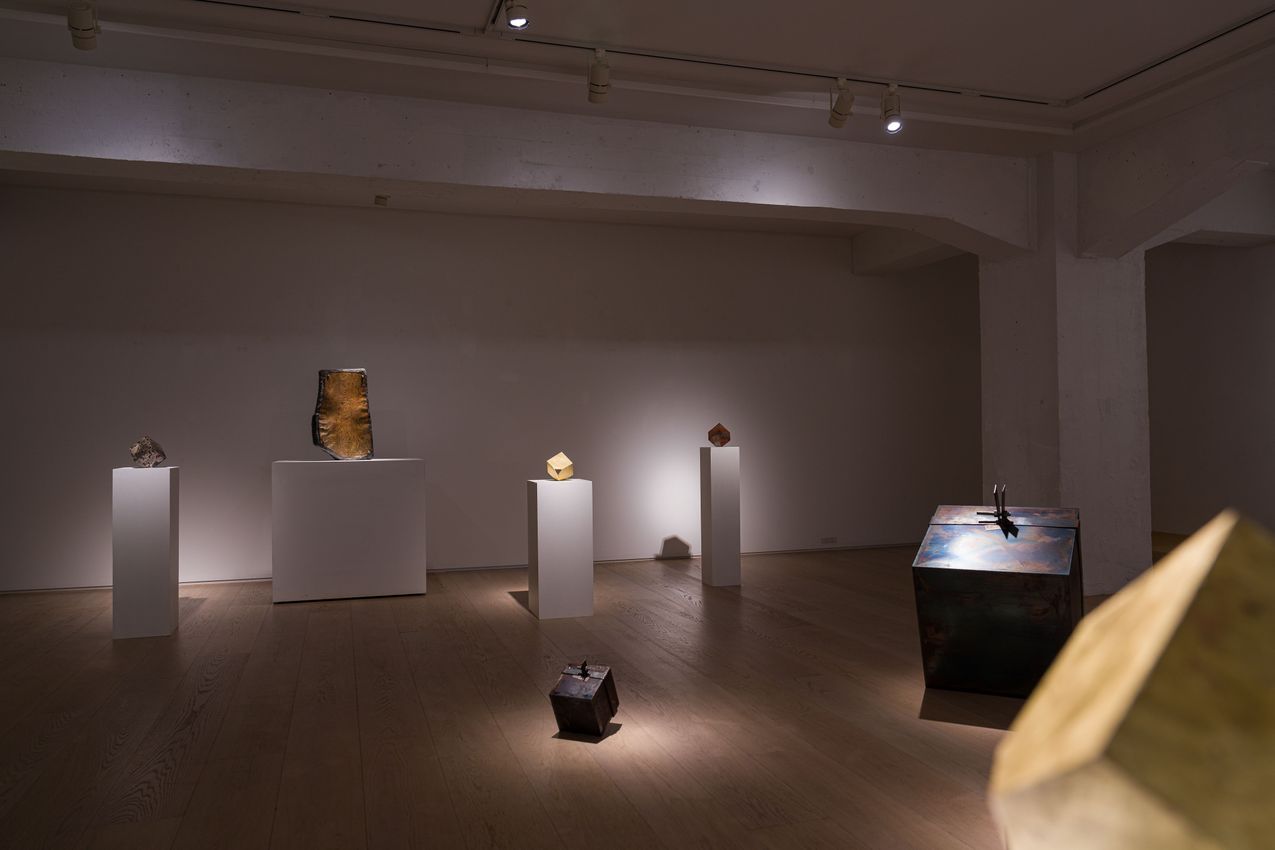
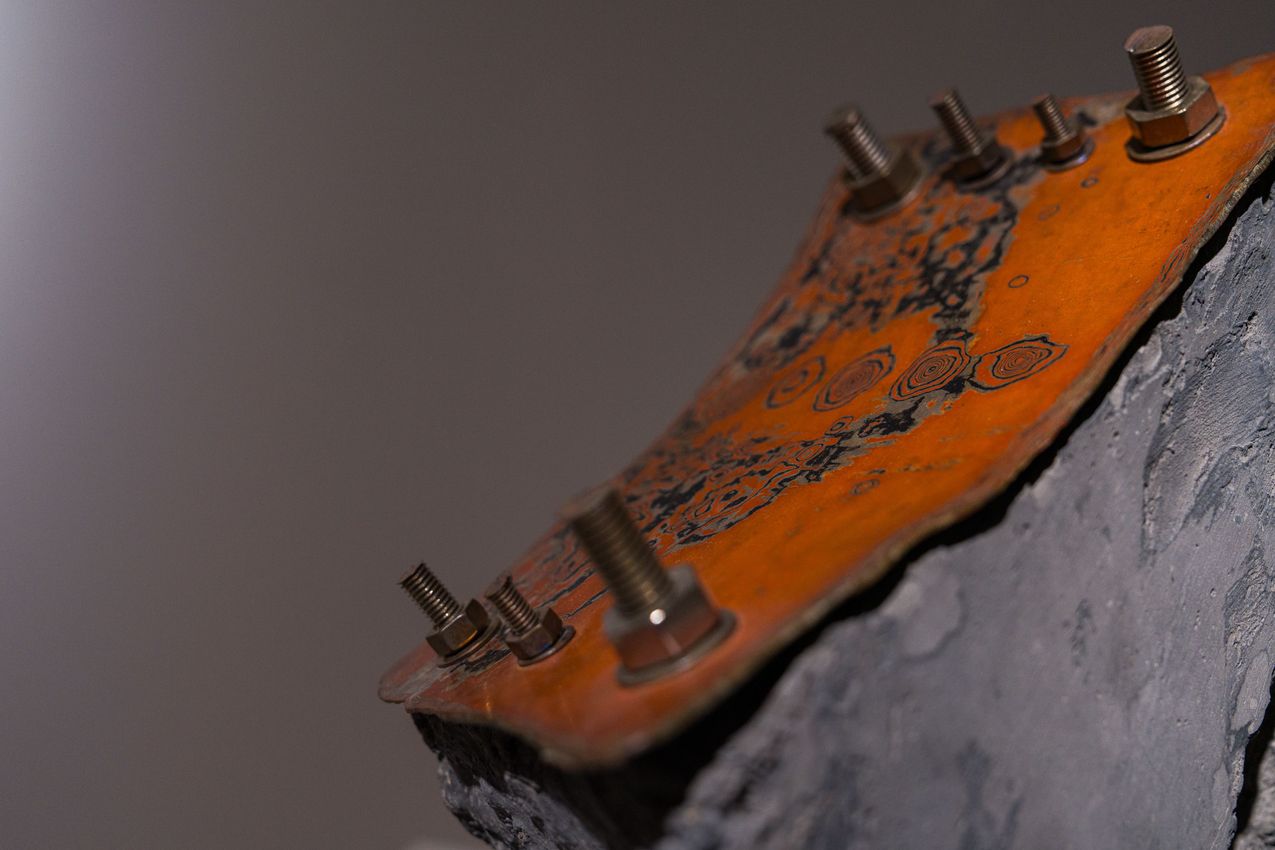
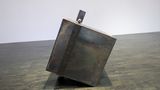
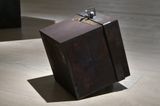
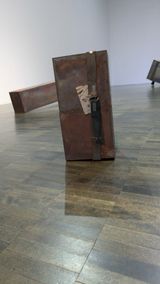
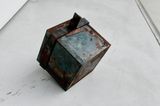
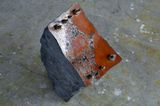
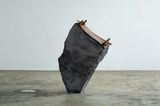
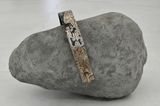
Touch explores the process by which human experience expands and transforms through “touch”—an attempt to bring light the mysterious timeline of life, which inevitably involves chains of negative energy, constraints, and internal conflict. Alongside the wall-mounted works, this exhibition features a version of Ambivalence—a series in which cement blocks and “mokume-gane” are bolted together—now transformed into an oval shape. Additionally, a video of the horizon, the ultimate symbol of boundary dissolution, is displayed in parallel, delving into the exhibition’s central theme of “three-dimensional curved surfaces.”
The exhibition title Pressure encapsulates the shifting emotions of life, the transitions we undergo, and the unexpected possibilities that lie beyond trials and hardships. Though metal is typically perceived as hard and unyielding, and the act of “striking” seems vertical and monotonous at first glance, in truth, it resonates with an unforeseen range of vibrations.
Furthermore, Madara Manji’s works have been added to the permanent collections in museums in Yamanouchi Town and Koumi Town, Nagano Prefecture (the latter designed by Tadao Ando). These acquisitions subtly affirm that museums are not mere repositories of past artifacts but points contributing to the formation of a vast, three-dimensional curved surface of life.
We cordially invite you to this exhibition, where human experiences intersect in diverse and unexpected ways.


A respected voice in contemporary art discourse.
Focusing on ambitious storytelling and insightful art-world commentary. Ocula Magazine publishes in-depth interviews, critical essays and timely analysis on the artists, exhibitions and ideas driving the global art world.
Learn more about Ocula Magazine
Showcasing the best of the art world.
Ocula partners with galleries from around the world to highlight their artists, artworks and exhibitions. Gallery membership is by application and invitation, with each member vetted by an independent panel.
Learn more about Ocula Membership

Specialises in the sale of major artworks.
Led by a team with deep ties to the world’s leading auction houses, galleries and collectors. Ocula’s advisory team offers bespoke services to high-net-worth clients from around the world who are looking to acquire the best of contemporary and modern art.
Learn more about our team and services