






DAVID LYNCH
1946-2025, United StatesDavid Lynch was an American filmmaker, painter, visual artist, musician, and writer whose dark, enigmatic work reshaped late 20th- and early 21st-century cinema and visual culture.
Biography and Early Life
David Lynch was born in Missoula, Montana, in 1946 to a research scientist father and an English language tutor mother. Interested in drawing and painting from an early age, he enrolled at the Pennsylvania Academy of the Fine Arts (PAFA) in Philadelphia, where he began experimenting with moving images. In 1967 he made his first short film, the 16mm work Six Men Getting Sick (Six Times), initially conceived as an animated painting for an experimental student competition at PAFA.
This looped projection, cast over sculpted heads, marked Lynch’s transition from painting into film and attracted the attention of the American Film Institute, whose support enabled him to continue developing his distinctive approach to cinema.
Early Works, Themes, and Influences
Lynch has often cited his years in Philadelphia as formative, noting the city’s poverty, decay, and atmosphere of menace as catalysts for the mood and imagery that dominate his films. His early feature The Elephant Man (1980), shot in black and white, tells the story of Joseph Merrick, a Victorian man with severe physical deformities whose life became a public spectacle. The film was a critical and commercial success, receiving eight Academy Award nominations and positioning Lynch as a major new voice in American cinema.
From the beginning, Lynch pursued a cinema of ambiguity and open-ended meaning, embracing the mysterious and unexpected rather than clear explanations. His transdisciplinary practice—spanning film, painting, sound, and design—draws on Dada and Surrealism; critic Pauline Kael famously referred to him as ‘the first popular surrealist’. Across mediums, his work tends to be nightmarish, uncanny, and darkly humorous, probing subconscious fears and desires that often remain hidden beneath everyday surfaces.
Blue Velvet and Twin Peaks
After The Elephant Man, Lynch directed Blue Velvet (1986), a landmark film that fused psychological horror with elements of film noir and suburban melodrama. Set in a seemingly wholesome American town that conceals brutal violence and deviant desires, Blue Velvet invited multiple interpretations and profoundly influenced later filmmakers including Quentin Tarantino and the Coen Brothers.
In 1990 Lynch co-created the television series Twin Peaks, which ran from 1990–1991 and returned as Twin Peaks: The Return in 2017. The show explores the double lives of eccentric residents in a small logging town, blending soap opera, murder mystery, dream logic, and offbeat humor in a way that became a definitive expression of Lynch’s style. Twin Peaks has since become a pop-cultural touchstone, widely credited with expanding what television storytelling could be.
Visual Art and Other Mediums
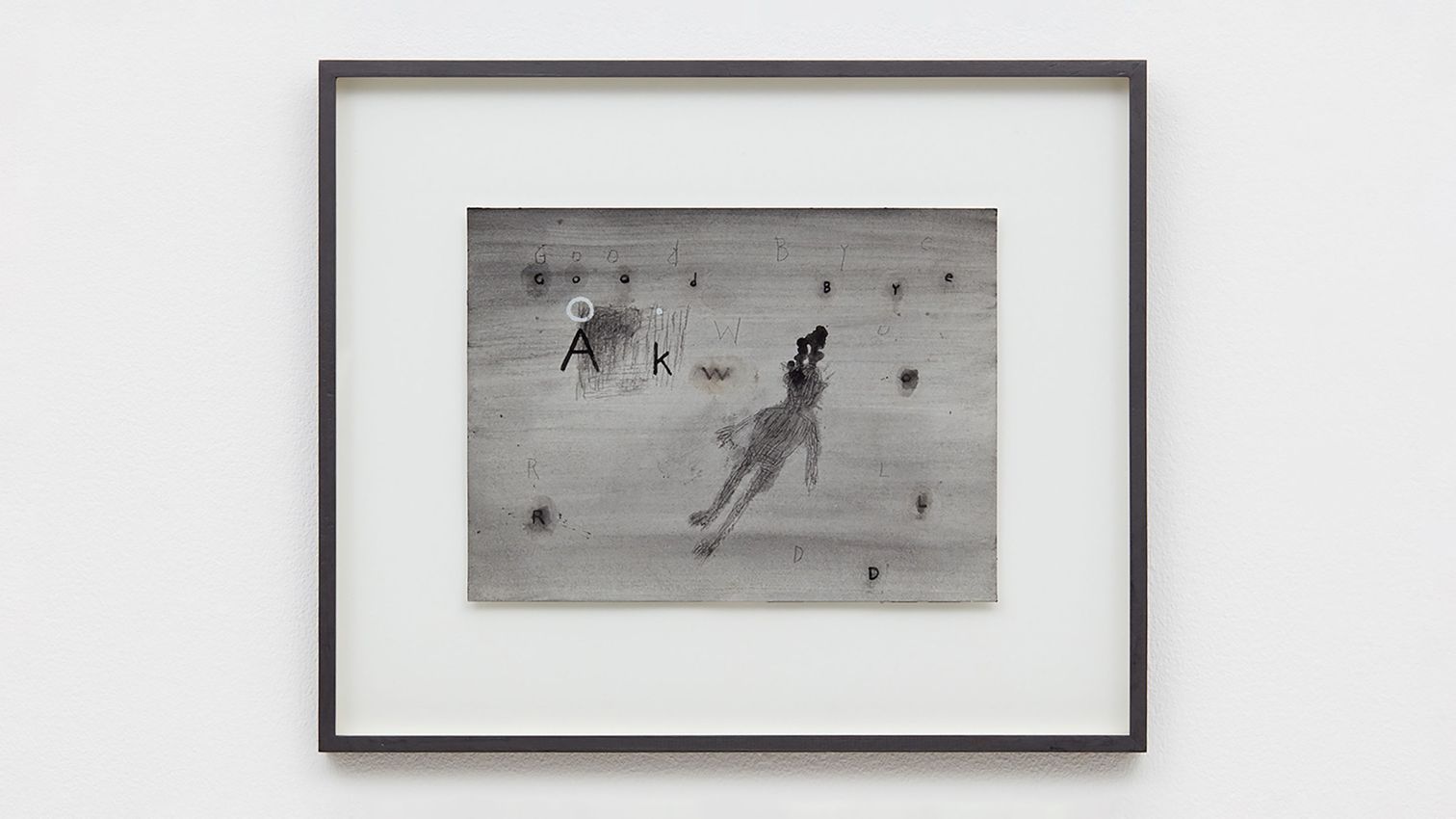
Lynch’s visual artworks are often characterised by dark palettes, rough textures, and unsettling subject matter that mirror the mood of his films. Influenced by artists such as Francis Bacon, William Eggleston, and Diane Arbus, he has described many of his works as ‘organic, violent comedies’, combining crude figuration, text, and sculptural elements. Often painted or constructed in a deliberately primitive way, these works invite viewers into an odd, macabre world that can also feel fragile, mystical, and unexpectedly beautiful.
In 2007, the Fondation Cartier pour l’art contemporain in Paris presented The Air Is on Fire, a major retrospective that brought together Lynch’s paintings, drawings, experimental films, sound works, photographs, and immersive installations. The exhibition included early works and site-specific environments that evoked his childhood memories, adolescent fantasies, and adult obsessions, offering a rare insight into the broader visual universe from which his films emerge.
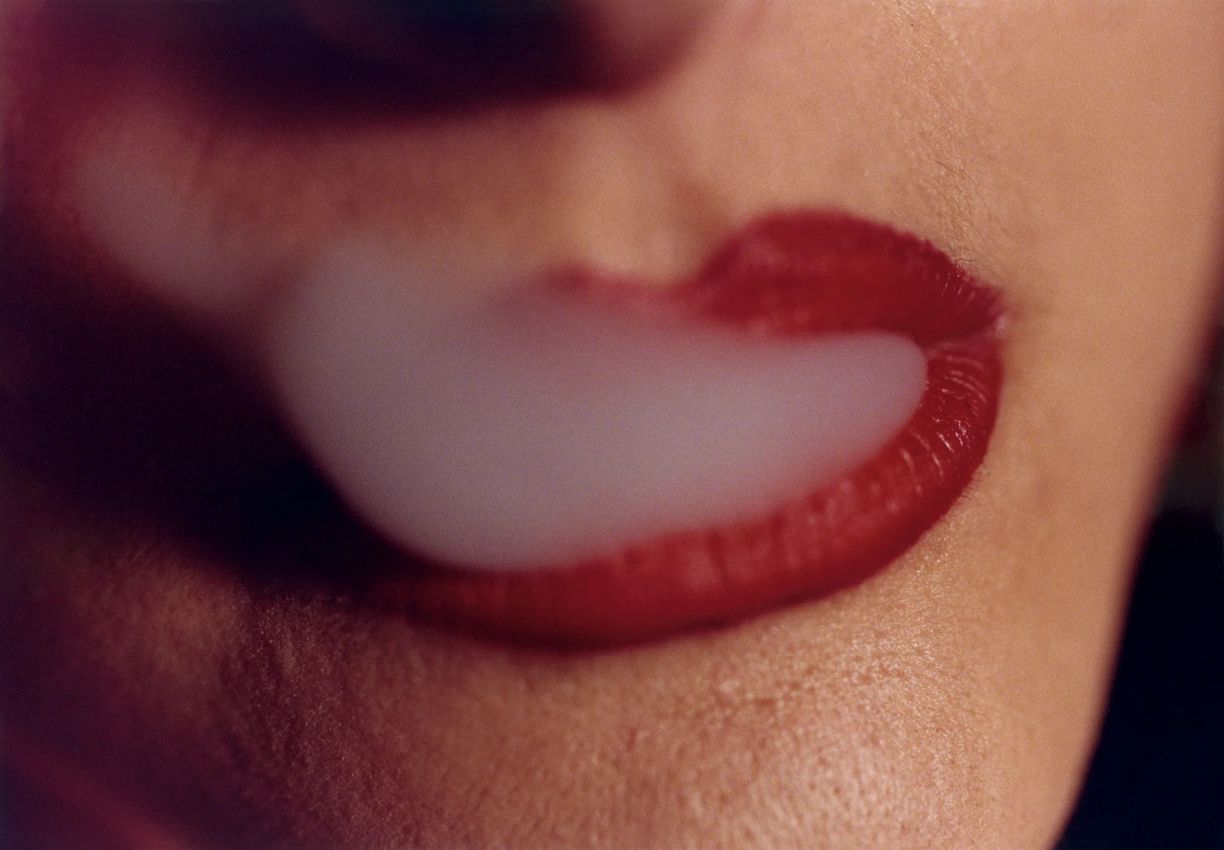
Using handwritten text, dark colours, and fragmented human forms, Lynch’s paintings explore primal fantasies and subconscious imagery. Works such as Boy Lights Fire (2011) push into three-dimensional relief, reflecting his ongoing interest in breaking down the boundaries between painting, sculpture, and installation. His photographic series The Factory Photographs (c. 1980–2000) presents deserted industrial spaces in moody, often ominous tones, shifting between sensuous and threatening atmospheres.
Lynch was also deeply involved in music and sound, releasing experimental albums and soundscapes that extend his interest in texture, drones, and mood. His design projects—ranging from furniture to lamps—likewise foreground tactile materials and an eerie, handmade quality.
Recent Exhibitions and Posthumous Projects
In the 21st century Lynch’s visual art has been increasingly recognised with dedicated exhibitions and major institutional shows. Recent solo exhibitions and presentations of his work include:
- David Lynch: Infinite Deep, Nikolaj Kunsthal, Copenhagen (2021).
- David Lynch: Infinite Deep, Helsinki Photo Festival, Finland (2022–2023).
- David Lynch: Big Bongo Night, Pace Gallery, New York (2022).
- Small Stories, Ratskeller, Cercle Cité, Luxembourg (2023).
In 2025–2026 the DOX Centre for Contemporary Art in Prague mounted the large-scale retrospective David Lynch: Up in Flames, developed in close collaboration with the artist before his death. The exhibition, running from 19 June 2025 to 8 February 2026, surveys decades of paintings, drawings, photographs, and moving-image works, accompanied by film screenings, talks, and experimental music and literature events.
In 2026, Pace Gallery announced a solo exhibition of never-before-seen Lynch works at its Berlin space. The show featured mixed-media paintings and watercolours dating from 1999 to 2022, many housed in frames designed by Lynch himself, and is conceived as a prelude to a larger survey planned for Los Angeles in late 2026.
Gallery Representation
Lynch’s gallery representation has evolved over time along with his growing profile as a contemporary artist. In Los Angeles, he long exhibited with Kayne Griffin (formerly Kayne Griffin Corcoran), which has shown his work in multiple solo exhibitions. In New York, he has been represented by Sperone Westwater, where he has held exhibitions such as David Lynch: Squeaky Flies in the Mud (2019).
In 2022, Pace Gallery announced that it had added Lynch to its roster, expanding his representation to one of the world’s leading contemporary art galleries. Pace now presents his work in New York, Los Angeles, and Berlin, including the forthcoming solo presentation in Berlin and the planned survey in Los Angeles.
Accolades
Lynch received extensive recognition for both his film and visual art. He was nominated three times for the Academy Award for Best Director and, in 2019, received an Academy Honorary Award for his contributions to cinema. His film Wild at Heart won the Palme d’Or at the Cannes Film Festival in 1990, further cementing his status as a key figure in international art cinema.
He was also honoured with the Golden Lion for lifetime achievement at the Venice Film Festival in 2006. Alongside these honours, Lynch received two César Awards for Best Foreign Film and numerous prizes from critics’ associations and international festivals.
David Lynch Foundation
In 2005, Lynch established the David Lynch Foundation to support the teaching of Transcendental Meditation in schools and other settings. The foundation has since broadened its mission to provide meditation-based programs for at-risk and underserved groups, including homeless people, prisoners, military veterans, and refugees. Its initiatives emphasise stress reduction, trauma relief, and improved mental health in communities facing high levels of adversity.
YouTube and Late-Career Online Presence
Lynch launched the David Lynch Theater YouTube channel, where he shared short films, occasional announcements, and a popular series of daily “weather reports.” Beginning in 2020, these weather videos featured him calmly describing the time, temperature, and atmospheric conditions outside his Los Angeles studio, becoming a small but influential piece of pandemic-era internet culture. He ended the weather reports in late 2022 after two years of daily posts, noting in interviews that he was ready to sleep later instead of getting up early to check the forecast. The David Lynch Theater channel remains an accessible entry point to his late-career experiments and public persona.
Select Solo Exhibitions
Solo exhibitions include:
- 2026: Solo exhibition (untitled), Pace Gallery, Berlin.
- 2025–2026: David Lynch: Up in Flames, DOX Centre for Contemporary Art, Prague.
- 2023: Small Stories, Ratskeller, Cercle Cité, Luxembourg.
- 2022–2023: David Lynch: Infinite Deep, Helsinki Photo Festival, Finland.
- 2022: David Lynch: Big Bongo Night, Pace Gallery, New York.
- 2021: David Lynch: Infinite Deep, Nikolaj Kunsthal, Copenhagen.
- 2019: David Lynch: Squeaky Flies in the Mud, Sperone Westwater, New York.
- 2015: David Lynch: Between Two Worlds, Queensland Art Gallery, Brisbane.
- 2014: David Lynch: The Factory Photographs, The Photographers’ Gallery, London.
- 2007: The Air Is on Fire, Fondation Cartier pour l’art contemporain, Paris.
David Lynch FAQs
Who is David Lynch?
David Lynch (1946–2025) was an American filmmaker, visual artist, musician, and writer known for surreal, dreamlike works such as Twin Peaks, and Mulholland Drive.
What is David Lynch known for in art and film?
David Lynch is known for blending noir, horror, and melodrama into enigmatic narratives that privilege mood and symbolism over clear explanation, and for dark, textural paintings and photographs influenced by Surrealism and Expressionism.
Where can I see David Lynch’s artwork now?
As of 2025–2026, David Lynch’s work can be seen in the retrospective Up in Flames at DOX Centre for Contemporary Art in Prague and in a solo show at Pace Gallery in Berlin, alongside works in group exhibitions at institutions such as Kunstmuseum Magdeburg and Sperone Westwater.
Which galleries represent David Lynch?
David Lynch has been represented by Sperone Westwater in New York and Kayne Griffin (Los Angeles), and in 2022 he joined the roster of Pace Gallery, which now shows his work internationally.
What is the David Lynch Foundation?
Founded in 2005, the David Lynch Foundation funds Transcendental Meditation programs for school students and at-risk populations including veterans, prisoners, and people experiencing homelessness or trauma.
Does David Lynch have an official YouTube channel?
Yes. The David Lynch Theater channel on YouTube hosts short films, announcements, and his widely followed series of daily ‘weather reports’, which ran from 2020 until late 2022.
Are David Lynch’s paintings related to his films?
David Lynch began as a painter, and the same ominous dream logic, rough textures, and fragmented figures that define his cinema also appear in his canvases, photographs, and mixed-media constructions.
Ocula | 2026






Explore and Follow Artists Shaping Contemporary Art
A respected voice in contemporary art discourse.
Focusing on ambitious storytelling and insightful art-world commentary. Ocula Magazine publishes in-depth interviews, critical essays and timely analysis on the artists, exhibitions and ideas driving the global art world.
Learn more about Ocula Magazine
Showcasing the best of the art world.
Ocula partners with galleries from around the world to highlight their artists, artworks and exhibitions. Gallery membership is by application and invitation, with each member vetted by an independent panel.
Learn more about Ocula Membership
Specialises in the sale of major artworks.
Led by a team with deep ties to the world’s leading auction houses, galleries and collectors. Ocula’s advisory team offers bespoke services to high-net-worth clients from around the world who are looking to acquire the best of contemporary and modern art.
Learn more about our team and services