





JAN VERCRUYSSE
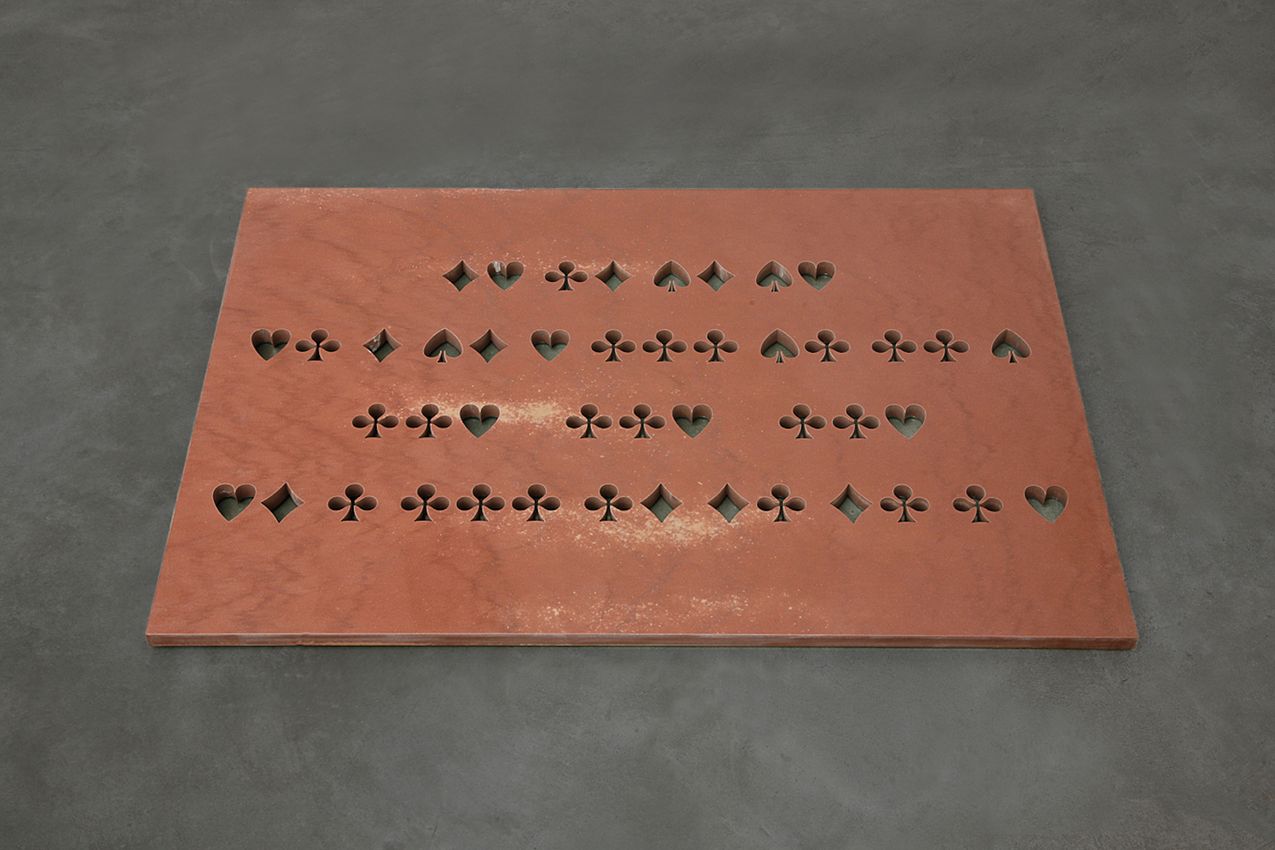
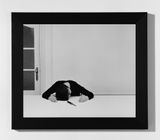
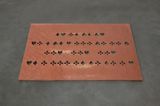
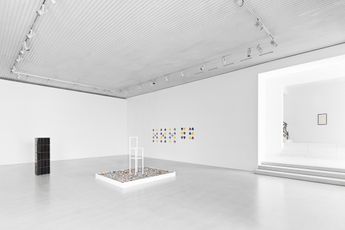
1948-2018, BelgiumThe art of Jan Vercruysse is based on the autonomy of the artwork and the sovereignty of the artist, and can be read as a reflection upon the ability of art to function in a contemporary context and according to its own conditions. It is an art that questions our interaction with it; an art that investigates the way we see and understand it in today’s visually overcrowded world; and an art that seeks to find, and to define, its own philosophical place within a rapidly evolving world. According to Jan Vercruysse, art no longer has a place in this world. As a result, he seeks, through his work, a new place for art and new conditions in which to work. His earliest photographic works recreated historical subjects, such as self-portraits, still lifes and mythological scenes. Gradually, he evolved a sculptural vocabulary of narrow rooms, empty frames and bases without objects. The sacred spaces created by Vercruysse in these works are known as Chambres or Tombeaux and represent the artist’s last-ditched attempts to create art that refers only to itself. His later works, such as plaster pianos, blue Murano glass musical instruments and bronze and ceramic turtles, achieve a perfect equilibrium between conceptual conviction and aesthetic concerns, and also reflect a real pleasure of making.
Jan Vercruysse is one of Belgium’s most influential artists. His work has garnered international praise and is part of many important American and European museum collections. He has presented solo exhibitions in, amongst others, the Museum of Modern Art in Paris, 1986, Kunsthalle in Bern, 1989, Van Abbemuseum in Eindhoven, 1990, 1997, the Belgian pavilion at the Venice Biennale, 1993 and at Mies van der Rohe’s Museum Haus Lange and Haus Esters in Krefeld, 1995. Recently, he was the subject of a major retrospective, Jan Vercruysse, Works 1975-2009, at Museum M in Leuven, Belgium, 2009. Public works include Labyrinth & Pleasure Garden #23, Knokke, Belgium, 2008 and Labyrinth & Pleasure Garden #10, Clarholz, Germany, 2006.
Jan Vercruysse was born in Ostend, Belgium in 1948. The artist lives and works in Brussels, Belgium.
Text courtesy Xavier Hufkens.








Explore and Follow Artists Shaping Contemporary Art
A respected voice in contemporary art discourse.
Focusing on ambitious storytelling and insightful art-world commentary. Ocula Magazine publishes in-depth interviews, critical essays and timely analysis on the artists, exhibitions and ideas driving the global art world.
Learn more about Ocula Magazine
Showcasing the best of the art world.
Ocula partners with galleries from around the world to highlight their artists, artworks and exhibitions. Gallery membership is by application and invitation, with each member vetted by an independent panel.
Learn more about Ocula Membership
Specialises in the sale of major artworks.
Led by a team with deep ties to the world’s leading auction houses, galleries and collectors. Ocula’s advisory team offers bespoke services to high-net-worth clients from around the world who are looking to acquire the best of contemporary and modern art.
Learn more about our team and services