





JANET LAURENCE
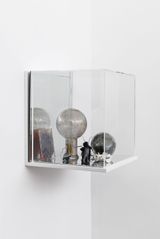
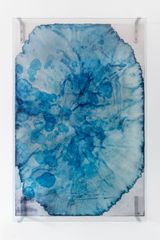
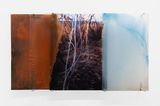
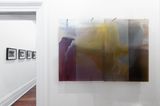
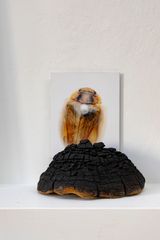
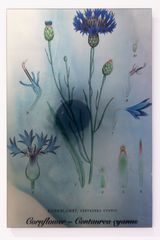
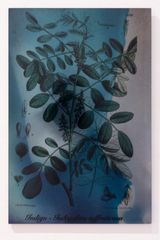
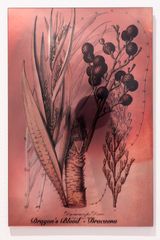
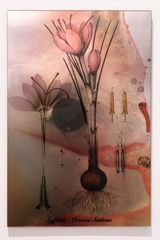
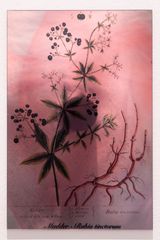
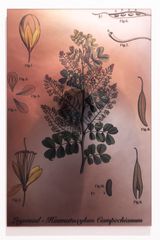
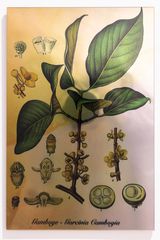
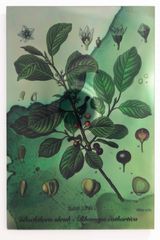
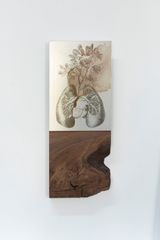
b. 1947, AustraliaJanet Laurence’s artistic dialogue with the environment is shaped within an ethical and judicial framework – words like ‘crimes’ and ‘forensic’ are used by Laurence in her titles to highlight the human fingerprint on the landscape and the contamination and destruction visible in the natural world. Plant matter, whether found in Janet Laurence’s photographic manifestations or in lab-like installations, are specimens for nurture and preservation, but simultaneously samplings for toxicology testing and evidence.
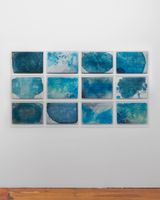
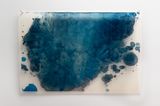
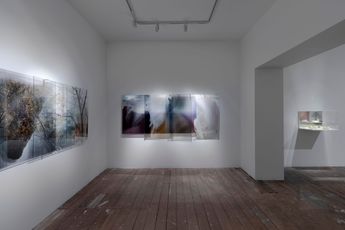
Favoured materials such as aluminium, mirror and glass on which Janet Laurence transfers her photographic hallucinatory imagery create reflections and shadows, playing with the effects of light and inadvertently human perception. Laurence’s layering and mix of shiny, opaque and translucent surfaces conjures up a moody, haunting sensation; the viewer is at once taken into the world of fern and forest, but Laurence simultaneously anchors the viewer through the reflections of the built space in which he stands in as surfaces rebound.

View Janet Laurence's Artworks
































Explore and Follow Artists Shaping Contemporary Art
A respected voice in contemporary art discourse.
Focusing on ambitious storytelling and insightful art-world commentary. Ocula Magazine publishes in-depth interviews, critical essays and timely analysis on the artists, exhibitions and ideas driving the global art world.
Learn more about Ocula Magazine
Showcasing the best of the art world.
Ocula partners with galleries from around the world to highlight their artists, artworks and exhibitions. Gallery membership is by application and invitation, with each member vetted by an independent panel.
Learn more about Ocula Membership
Specialises in the sale of major artworks.
Led by a team with deep ties to the world’s leading auction houses, galleries and collectors. Ocula’s advisory team offers bespoke services to high-net-worth clients from around the world who are looking to acquire the best of contemporary and modern art.
Learn more about our team and services