





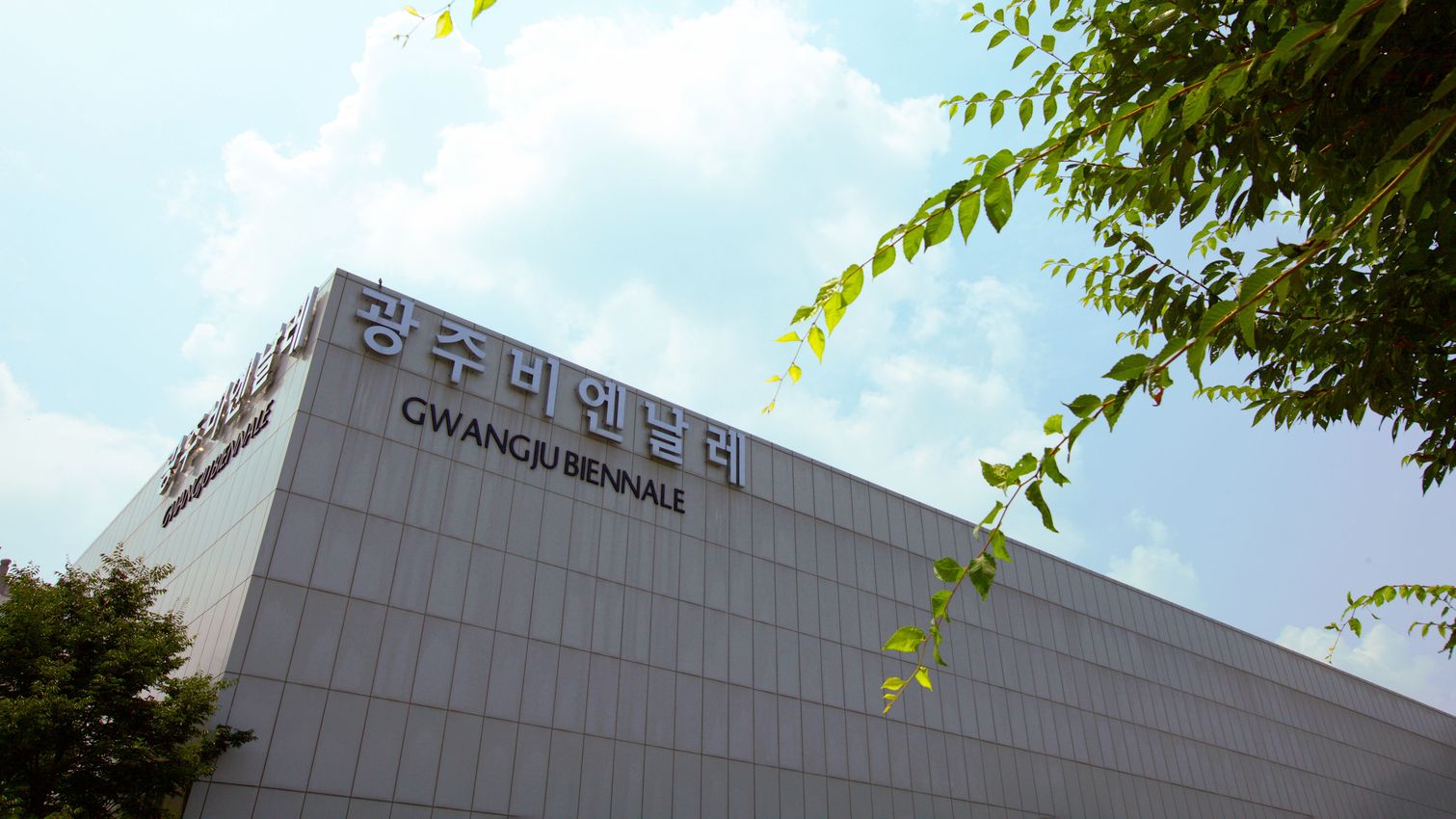
Gwangju Biennale
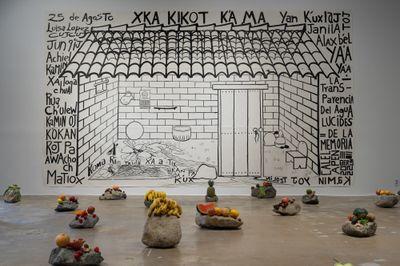
7 September–1 December 2024The oldest biennial of contemporary art in Asia, Gwangju Biennale was inaugurated in 1995 as part of the commemoration of the 1980 Gwangju Democratisation Movement. From the beginning, the Biennale was conceived as a platform for experimental contemporary art that engages with social, cultural, and political issues. Themes of particular importance to the Biennial, notably democracy, social justice, and human rights, reflect the historical context of Gwangju.
In addition to Gwangju Biennale Exhibition Hall, the Biennale unfolds over multiple venues throughout the city. Bringing works from artists of diverse cultural backgrounds to the city, the Biennial has had a profound influence on the development of contemporary Korean art and facilitated exchange of ideas and conversation between the region and the rest of the world.
111 Biennale-ro, Buk-gu, Gwangju, South Korea
61104
In Ocula Magazine






A respected voice in contemporary art discourse.
Focusing on ambitious storytelling and insightful art-world commentary. Ocula Magazine publishes in-depth interviews, critical essays and timely analysis on the artists, exhibitions and ideas driving the global art world.
Learn more about Ocula Magazine
Showcasing the best of the art world.
Ocula partners with galleries from around the world to highlight their artists, artworks and exhibitions. Gallery membership is by application and invitation, with each member vetted by an independent panel.
Learn more about Ocula Membership
Specialises in the sale of major artworks.
Led by a team with deep ties to the world’s leading auction houses, galleries and collectors. Ocula’s advisory team offers bespoke services to high-net-worth clients from around the world who are looking to acquire the best of contemporary and modern art.
Learn more about our team and services