





Breaking with Tradition, Gwangju Biennale Launches Artistic Director Open Call

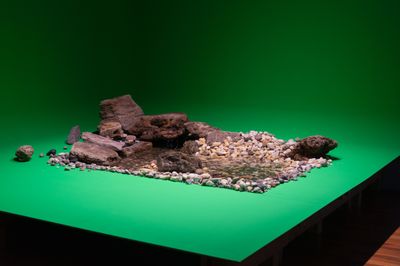
Pansori: A Soundscape of the 21st Century (2024). Courtesy The Gwangju Biennale Foundation.
The Gwangju Biennale Foundation has announced plans to introduce an open call for the artistic director of its 17th edition, marking a significant departure from the appointment system that has shaped the South Korean exhibition since its founding.
The move, which coincides with the biennale’s 30th anniversary in 2028, is intended to mark what the foundation described to local media as a “turning point that requires new changes”. The organisation said: “The transition is meant to uphold the spirit of Gwangju and the pride of its legacy while establishing a more democratic and transparent selection process. This change reflects a commitment to prioritizing curatorial vision, exhibition content, and professional capability over individual reputation.”
The decision marks a rare break from prevailing practice among major international events. From the Venice Biennale to Documenta, artistic directors are typically appointed through independent selection committees, board nominations or invitation-only procedures. By contrast, the Gwangju Biennale will open applications to both Korean and international candidates, including individuals and curatorial teams, regardless of gender, nationality or age.
Local media have characterised the shift as an effort to prioritise curatorial vision and innovative ideas over the prestige often associated with high-profile or “celebrity” curators. The decision carries particular resonance in Gwangju, where questions of participation, representation and public accountability are inseparable from the city’s political history.
Founded in 1995, the biennale was established to commemorate the 1980 Gwangju Uprising, in which citizens rose up against South Korea’s military dictatorship. Over the following three decades, the exhibition has developed an explicit connection to democracy, human rights and civic resistance.
Successive artistic directors, both from Korea and abroad, have grappled with how to interpret the “Gwangju Spirit” through changing political, social and cultural frameworks. Yet debates over who gets to define that legacy—and whether the institution itself embodies its founding values—have periodically surfaced alongside the exhibitions.
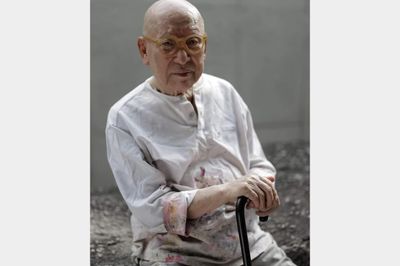
One of the most contentious episodes occurred in 2022, when the foundation established the Gwangju Biennale Park Seo-Bo Art Prize, a $100,000 USD award funded by and named after the late Dansaekhwa pioneer.
The initiative triggered opposition from local artists and activists, who argued that Park had remained silent during the 1980 uprising, and that the award therefore contradicted with the democratic ideals associated with Gwangju, and the spirit that the biennale was created to honour. Following protests, the prize was abolished shortly after its inaugural edition.

Curatorial frameworks themselves have also come under scrutiny. The biennial’s most recent edition, Pansori: A Soundscape of the 21st Century (2024), directed by Nicolas Bourriaud, drew on sonic concepts such as polyphony, harmony and noise to map contemporary forms of relation and coexistence. While the exhibition sought to extend the French curator’s longstanding interest in relational models, it received criticism for its “imprecise phrasing” and a “disconcerting vagueness” in its framework.
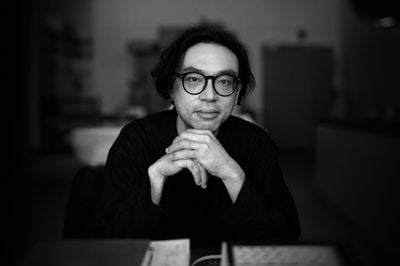
The announcement of the open call comes as preparations continue for the 16th Gwangju Biennale, which will open on 5 September under the artistic direction of Singaporean artist and filmmaker Ho Tzu Nyen.
Titled You Must Change Your Life, the edition takes its name from the closing line of Rainer Maria Rilke’s poem Archaic Torso of Apollo and proposes art as a transformative force amid a period of profound global uncertainty. The biennale will feature its smallest roster of participants to date, favouring what the curatorial team has described as “intensity over accumulation”.





A respected voice in contemporary art discourse.
Focusing on ambitious storytelling and insightful art-world commentary. Ocula Magazine publishes in-depth interviews, critical essays and timely analysis on the artists, exhibitions and ideas driving the global art world.
Learn more about Ocula Magazine
Showcasing the best of the art world.
Ocula partners with galleries from around the world to highlight their artists, artworks and exhibitions. Gallery membership is by application and invitation, with each member vetted by an independent panel.
Learn more about Ocula Membership
Specialises in the sale of major artworks.
Led by a team with deep ties to the world’s leading auction houses, galleries and collectors. Ocula’s advisory team offers bespoke services to high-net-worth clients from around the world who are looking to acquire the best of contemporary and modern art.
Learn more about our team and services