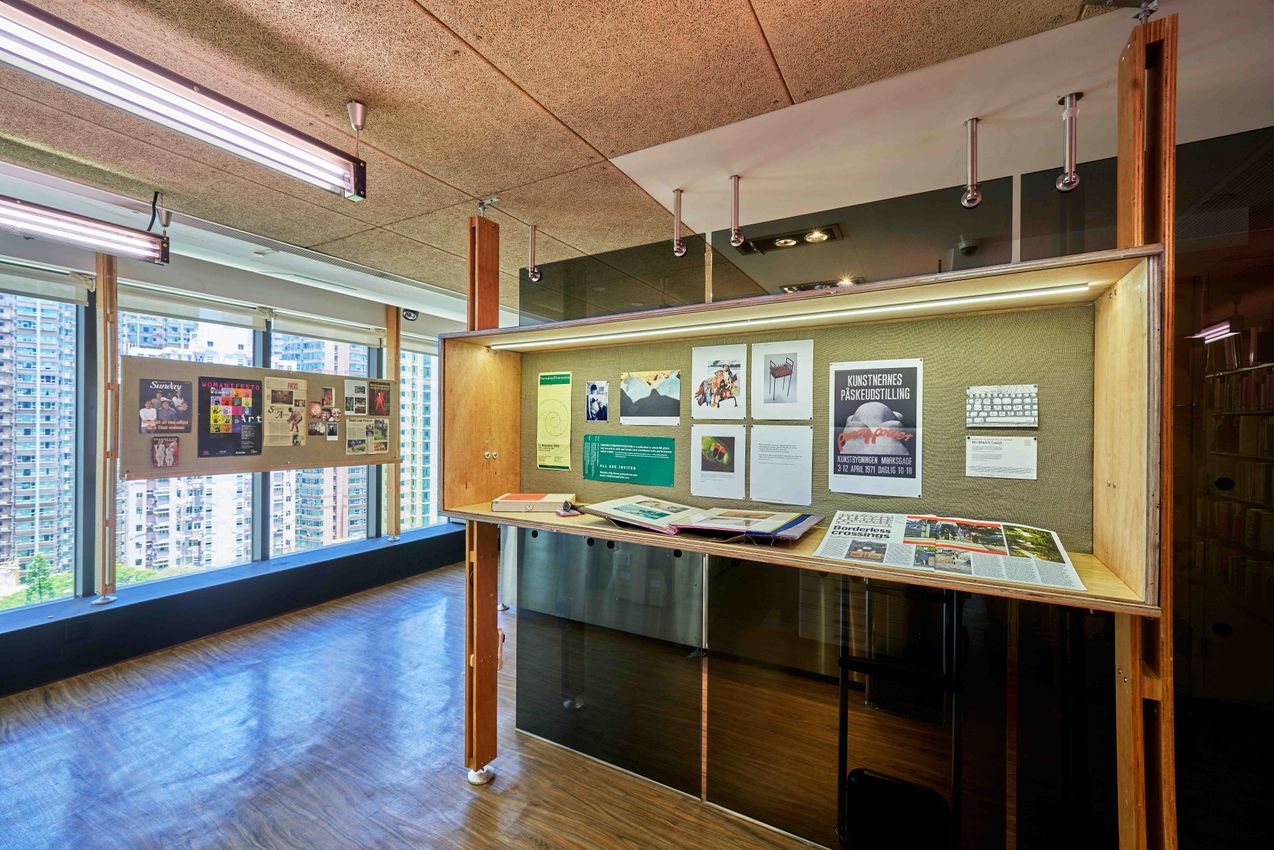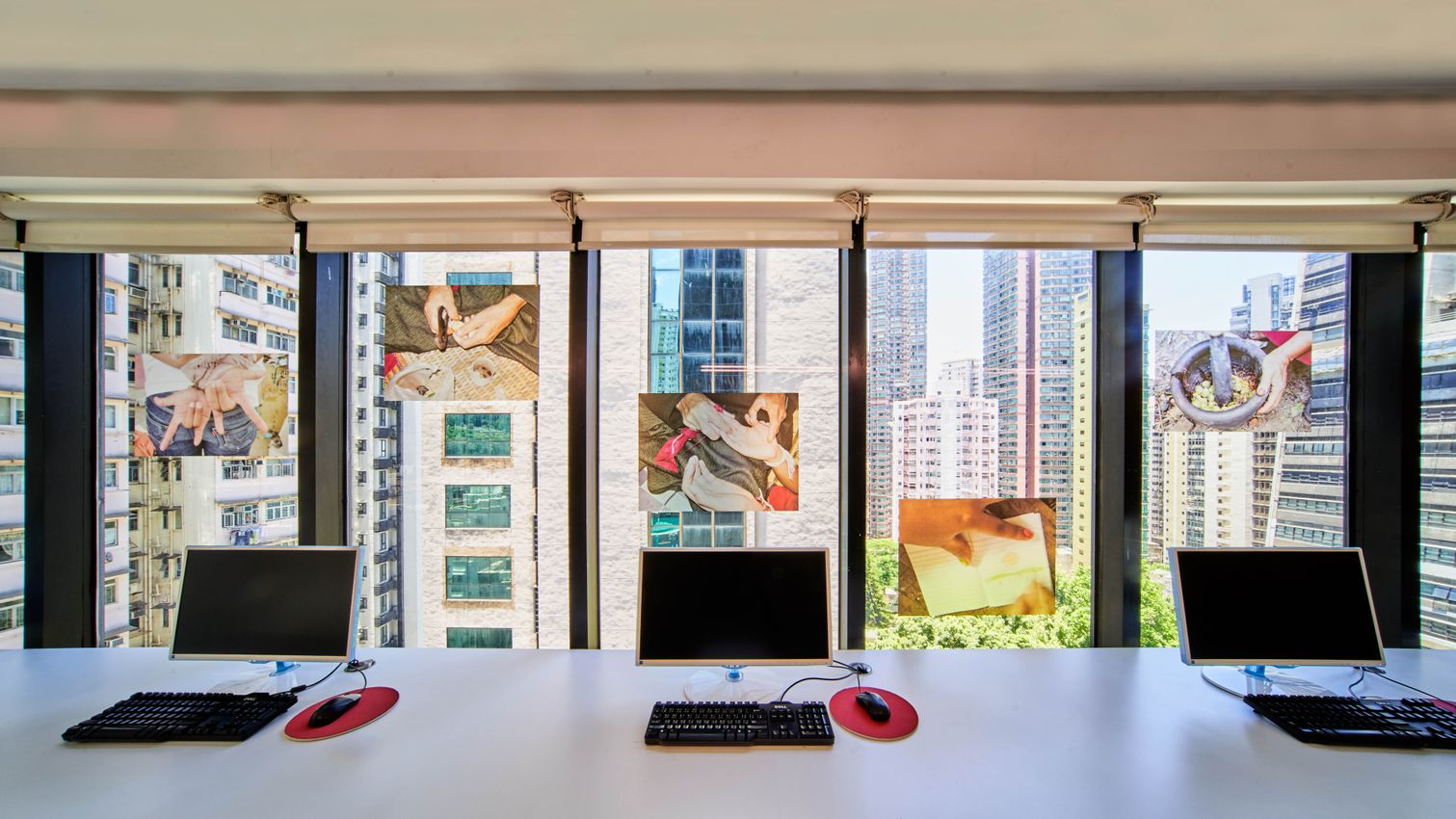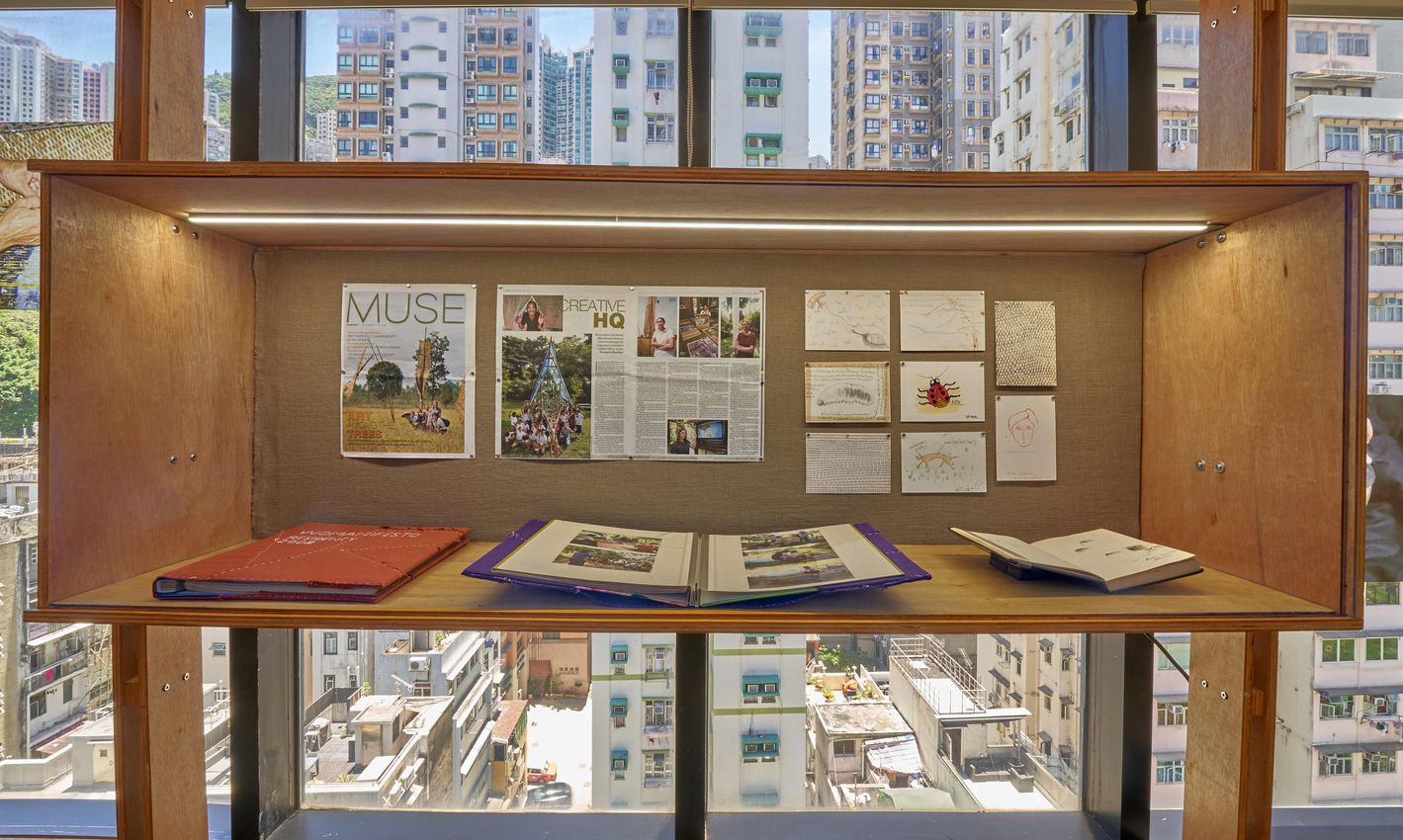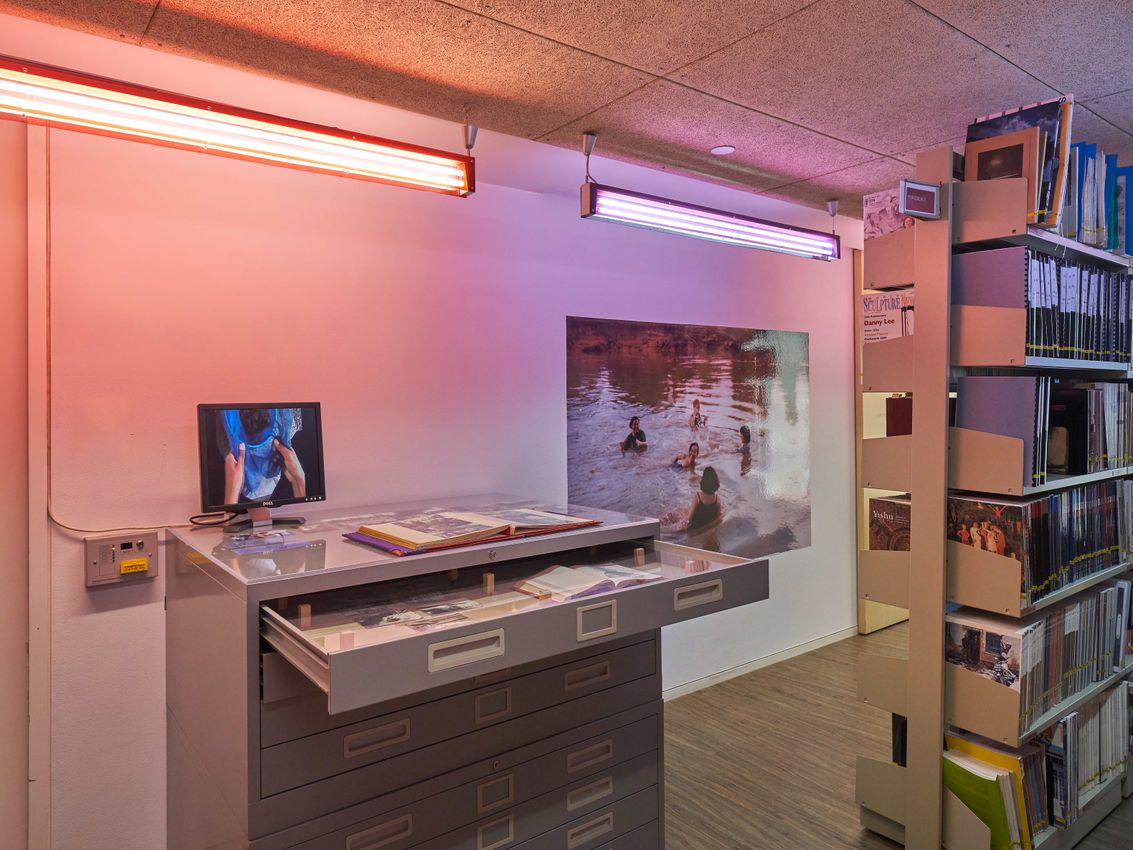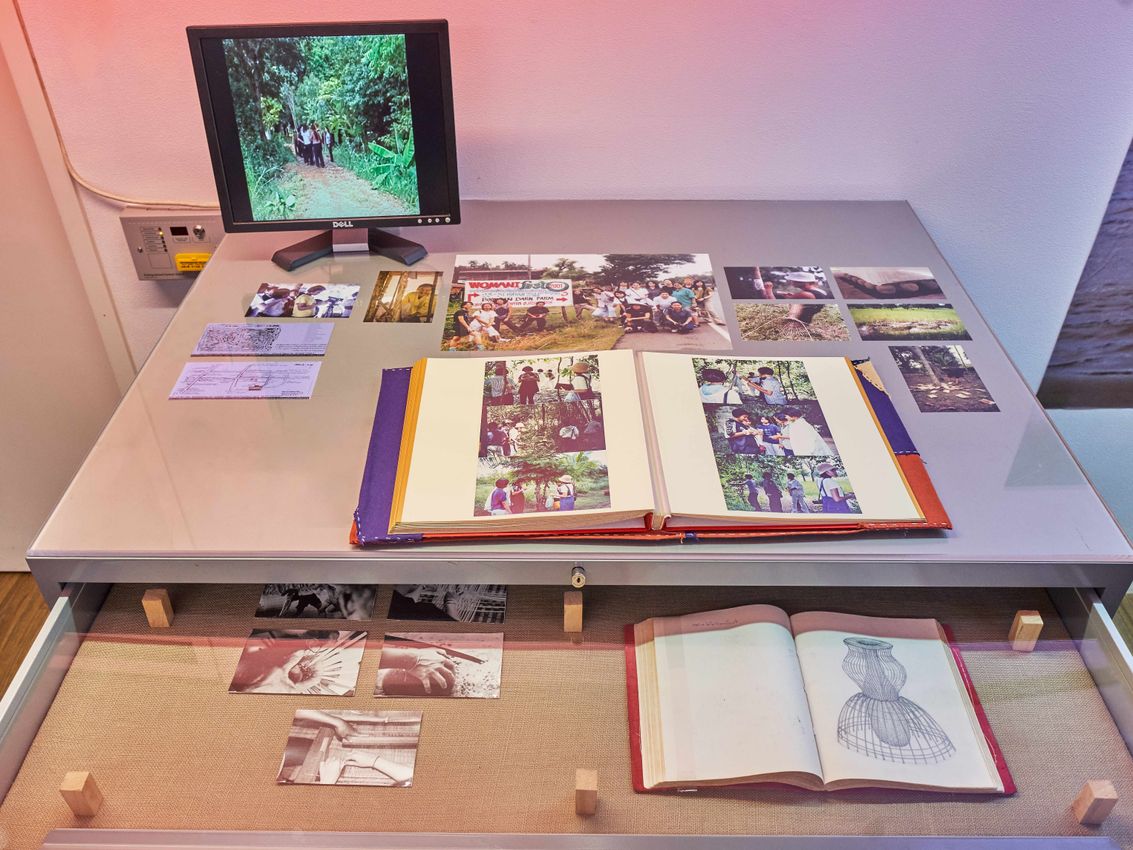
Crafting Communities considers the history of Womanifesto, a feminist biennial programme active in Thailand from 1997 to 2008, highlighting the central role played by pedagogy. Debuting as an exhibition that featured eighteen artists from ten countries—Nilofar Akmut, Amanda Heng, Arahmaiani, Pinaree Sanpitak, and Phaptawan Suwannakudt among them, together with organisers Nitaya Ueareeworakul and Varsha Nair— Womanifesto was celebrated for making space for women artists in a scene heavily dominated by men.
The second edition in 1999 realised installations and performances across Bangkok’s Saranrom Park, and expanded to over thirty participants, including Sanja Iveković, Mella Jaarsma, Sriwan Janehattakarnkit, and Jittima Pholsawek. In keeping with the project’s origins, later iterations continued to explore themes related to women’s lives and histories (2003’s Procreation/Postcreation, for instance) in the context of an international art exchange, with each event bringing together artists from Thailand and beyond, even as the format varied over time.
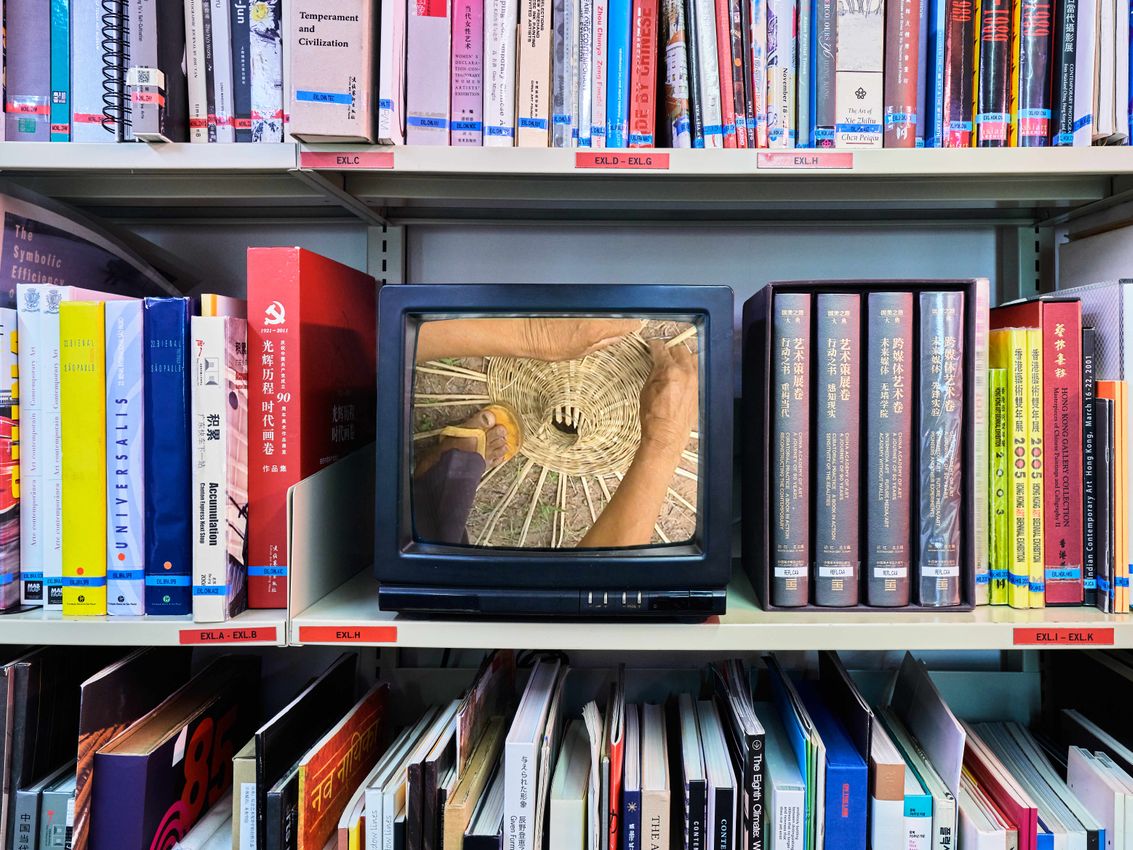
Two events, both organised at Boon Bandarn Farm in the Isaan region of northeast Thailand, bring out the programme’s educational dimension as well. In 2001, Womanifesto took place as a ten-day workshop, gathering a group of thirteen artists—including Lawan Jirasuradej, Yin Xiuzhen, Karla Sachse, and Hiroko Inoue—to simply take in the landscape or develop their own projects within a loose framework akin to today’s makerspaces. The participants learned basketry and weaving from local craftspeople, including programme host Pan Parahom. In turn, the artists organised their own workshops for students from nearby schools, and put together projects involving locals, as when Surojana Sethabutra built a kiln for firing ceramics made by the farm’s inhabitants. Womanifesto released the artists from the production pressures typical of international biennial events, giving them instead the time to breathe, and to share knowledge with each other and with local communities.
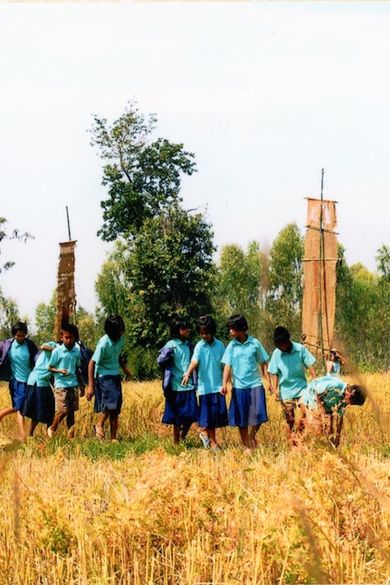
The most recent event, a residency organised in 2008, deepened their engagement with the Boon Bandarn Farm and nearby communities. A longer month-long stay allowed the artists to develop more sustained projects exploring local folklore and history, in many cases in collaboration with community members and students from local schools and universities. Naruemon Padsamran, herself from the region, worked with farmhands and artisans to create the site-specific installation Kor Kwaay Dong Khao Na...Kor Khon Dong Khueng Khang, repurposing gunny sacks used by farmers as flags that flew over the rice fields as a testament to the lives of farmers in the region. Meanwhile, Graciela Ovejero’s A Spirit House for Located Memory - Postcards from Tucumán and Isaan paid homage to Thai spirit houses, joining together images and memories contributed by local students with ones from Ovejero’s home in Tucumán, Argentina. In these programmes, Womanifesto articulated, within a rural setting, the possibility of a contemporary artistic practice that could learn from traditional regional crafts, while also serving local audiences.
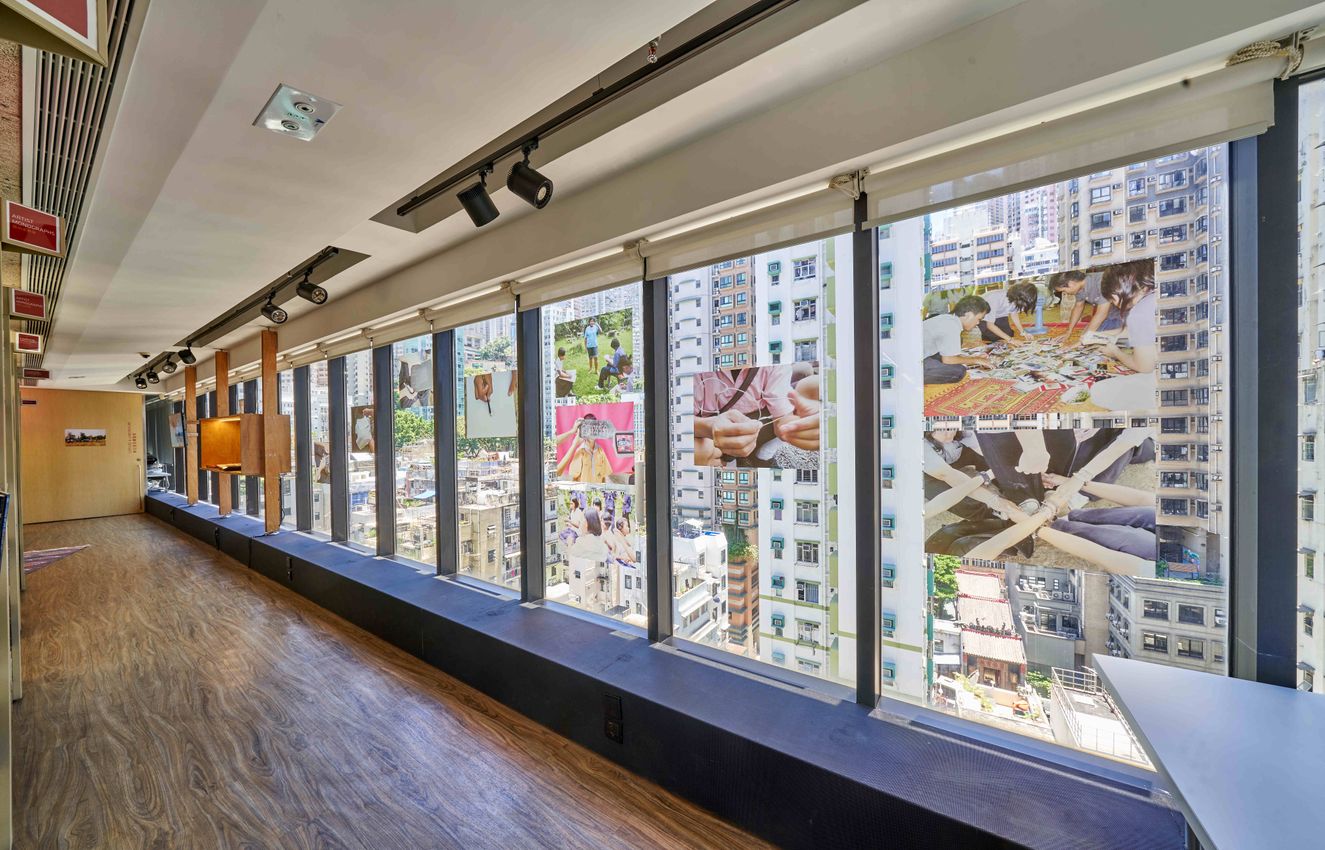
Crafting Communities is curated by John Tain, with the kind support of Özge Ersoy, Ali Wong, Garfield Chow, and intern Lora Fong. Timed to coincide with the launch of the Womanifesto Archive on Asia Art Archive’s website in the fall, the archive project and accompanying exhibition also continue lines of inquiry related to pedagogy that AAA is pursuing this coming year in its programmes, exhibitions, and collections.
Crafting Communities is made possible through support from the Women in Art History Fund: Jonathan Cheung, Geoffrey Chuang, Luke Fehon, Shirazeh Houshiary / Lisson Gallery, Margie Lau, Dee Poon, and Claudine Ying.

Asia Art Archive (AAA) is an independent non-profit organisation in Sheung Wan, Hong Kong, dedicated to documenting and sharing the recent histories of art from across Asia within a global context.
Founded in 2000 by Claire Hsu, Johnson Chang, and Ronald Arculli, AAA has grown into one of the most comprehensive publicly accessible collections of research materials on contemporary art in the region. Its library and archive, housed on Hollywood Road and freely open to the public, anchor a wider platform of digital resources that reach researchers, artists, and educators worldwide.

A respected voice in contemporary art discourse.
Focusing on ambitious storytelling and insightful art-world commentary. Ocula Magazine publishes in-depth interviews, critical essays and timely analysis on the artists, exhibitions and ideas driving the global art world.
Learn more about Ocula Magazine
Showcasing the best of the art world.
Ocula partners with galleries from around the world to highlight their artists, artworks and exhibitions. Gallery membership is by application and invitation, with each member vetted by an independent panel.
Learn more about Ocula Membership

Specialises in the sale of major artworks.
Led by a team with deep ties to the world’s leading auction houses, galleries and collectors. Ocula’s advisory team offers bespoke services to high-net-worth clients from around the world who are looking to acquire the best of contemporary and modern art.
Learn more about our team and services