For the first time in their history, the Stedelijk Museum Amsterdam and the Van Gogh Museum are joining forces to stage a major exhibition of one of the most important artists of our time: Anselm Kiefer.
This exhibition places Kiefer center stage, on a location strongly associated with his artistic development. From his childhood, Kiefer has had a special connection with the work of Vincent van Gogh. He also has a long, personal history with the Stedelijk. The museum bought and displayed his work from the beginning, which has been important in his career.
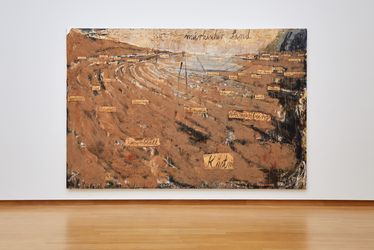
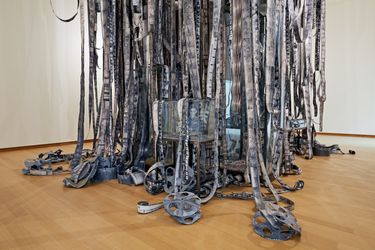
The exhibition includes many audience favorites: at the Van Gogh Museum, key works by Vincent van Gogh are combined with that of Kiefer. At the Stedelijk, all the Kiefers from the Stedelijk’s collection are on display together for the first time, including the beloved Innenraum. Both venues will feature new, never-before-shown works by the artist.
Anselm Kiefer — Sag mir wo die Blumen sind can be seen in two places: you will be able to visit two museums with one ticket.
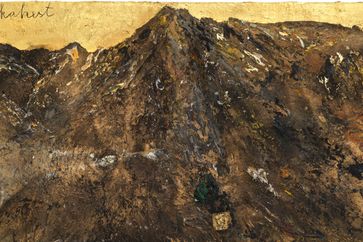
The title of the exhibition is taken from the song Where have all the flowers gone. This is a protest song from 1955 by American folk singer and activist Pete Seeger. It is the title of a new, large spatial work by Kiefer: a 24-meter-long painterly installation that will be on display around the Stedelijk’s historic staircase. The flowers are also a reference to the Sunflowers (1889) of Vincent van Gogh and to recently made landscapes by Kiefer, which make their debut in this exhibition.


Anselm Kiefer evokes ideas of cultural memory and identity through his highly textural installations, paintings and sculptures. Referencing historical and literary sources, his giant-sized works are often considered Neo-Expressionist.

The Stedelijk Museum is the place where everyone can discover and experience modern and contemporary visual art and design 365 days a year. The Stedelijk Museum was founded in 1874 by a group of private citizens in Amsterdam, led by C.P. van Eeghen, who donated funds and their art collections to establish a museum in the capital of the Netherlands that would be devoted to modern art. The collection, housed at first at the Rijksmuseum, was moved in 1895 into the Museum’s own building, designed by A.W. Weissman.
A respected voice in contemporary art discourse.
Focusing on ambitious storytelling and insightful art-world commentary. Ocula Magazine publishes in-depth interviews, critical essays and timely analysis on the artists, exhibitions and ideas driving the global art world.
Learn more about Ocula Magazine
Showcasing the best of the art world.
Ocula partners with galleries from around the world to highlight their artists, artworks and exhibitions. Gallery membership is by application and invitation, with each member vetted by an independent panel.
Learn more about Ocula Membership

Specialises in the sale of major artworks.
Led by a team with deep ties to the world’s leading auction houses, galleries and collectors. Ocula’s advisory team offers bespoke services to high-net-worth clients from around the world who are looking to acquire the best of contemporary and modern art.
Learn more about our team and services