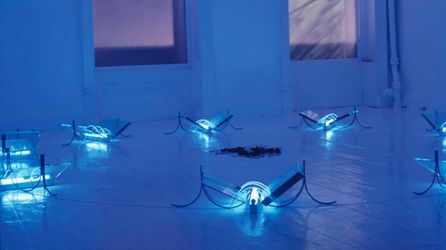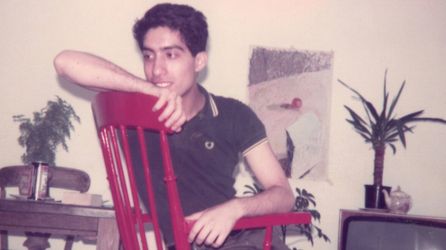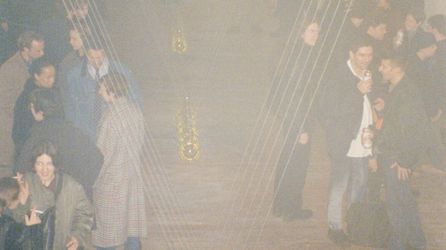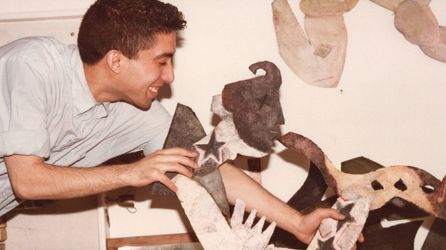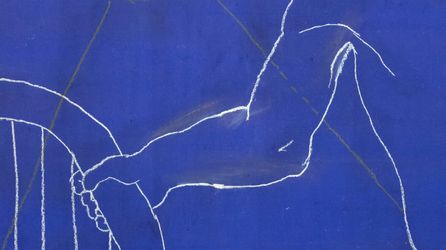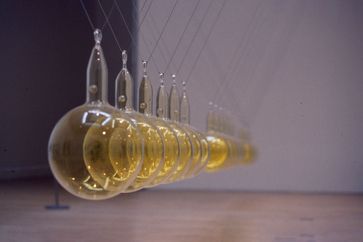
Hamad Butt: Apprehensions is the first major survey of Hamad Butt (b. 1962, Lahore, Pakistan; d. 1994, London, UK). One of the most innovative artists of his generation, Hamad Butt was a pioneer of intermedia art, bringing art into conversation with science, whilst also referencing his Queer and diasporic experiences. He offered a nuanced artistic response to the AIDS crisis in the UK, taking a conceptual rather than activist approach.
Butt’s conceptually and technically ambitious works seamlessly interweave popular culture, science, alchemy, science fiction, and social and cultural concerns, as forms that are simultaneously poetic and provocative. They imagine sex and desire in a time of ‘plague’ as seductive yet frightening, intimate yet isolating, compelling yet dangerous – literally, in some cases, threatening to kill or injure.
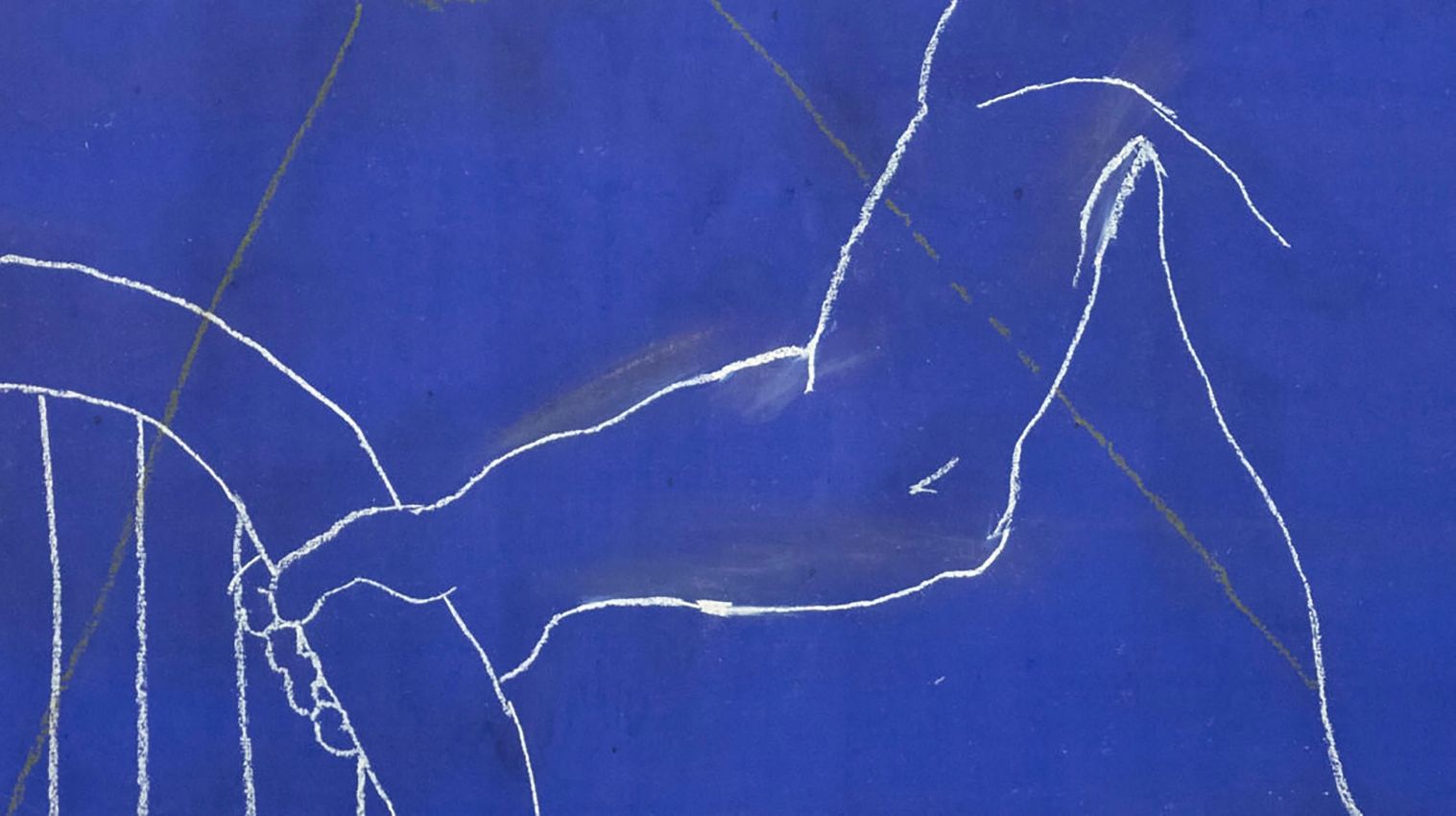
Born in Lahore, Pakistan, and raised in East London, Butt was British South Asian, Muslim by upbringing, and Queer. A contemporary of the Young British Artists, and their peer at Goldsmiths’ College, London, Butt was described by art critics as epitomising the new ‘hazardism’ in art of the 1990s, as his works often imply physical risk or endangerment. Before his untimely death in 1994, aged 32 of AIDS-related complications, Butt had completed and shown four major sculptural works; Transmission (1990) and the three-part installation, Familiars (1992), as well as leaving behind writings, drawings and plans for new installations. Butt’s work offered a potent and critical response to HIV/AIDS, while opening up new dialogues between art and science to explore themes of precarity, toxicity, the spread of viruses, homophobia and racism – issues that continue to resonate with frightening poignancy today.


Hamad Butt was a visionary British Pakistani artist whose radical installations and sculptures brought contemporary art into direct conversation with science, risk, and the lived realities of the AIDS crisis. His works, which fuse fragile glass with volatile chemicals, are celebrated for their beauty and danger—inviting viewers to confront both existential and physical peril. Butt’s legacy has been cemented by the first major retrospective of his art, Hamad Butt: Apprehensions, at the Irish Museum of Modern Art and Whitechapel Gallery, and by renewed critical acclaim positioning him as a key figure in late 20th-century British art.

Whitechapel Gallery is a public art gallery on Whitechapel High Street in East London, opened in 1901 as one of the city’s first publicly funded spaces for temporary exhibitions. Founded by social reformers Canon Samuel and Henrietta Barnett, the gallery was established to bring art and education to the working-class communities of the East End.

A respected voice in contemporary art discourse.
Focusing on ambitious storytelling and insightful art-world commentary. Ocula Magazine publishes in-depth interviews, critical essays and timely analysis on the artists, exhibitions and ideas driving the global art world.
Learn more about Ocula Magazine
Showcasing the best of the art world.
Ocula partners with galleries from around the world to highlight their artists, artworks and exhibitions. Gallery membership is by application and invitation, with each member vetted by an independent panel.
Learn more about Ocula Membership

Specialises in the sale of major artworks.
Led by a team with deep ties to the world’s leading auction houses, galleries and collectors. Ocula’s advisory team offers bespoke services to high-net-worth clients from around the world who are looking to acquire the best of contemporary and modern art.
Learn more about our team and services