





Who Are the Donors Behind the Met’s New $550m Wing?
Generous contributions came from Greek American philanthropist Mary Jaharis, American socialite Julia Koch, and more. Save to My Ocula

The Metropolitan Museum of Art (Met) in New York has unveiled the designs for its new modern and contemporary art wing—a controversial revamp project first announced in 2014 but postponed for seven years while the institution managed its debt.
Renovations were estimated to require 600 million (all figures in USD). Among the Met’s board of trustees—comprising members from New York’s inner circle, such as Anna Wintour, John Pritzker, and Annette de la Renta, whose combined net worth reportedly exceeds 500 billion—only Blackstone partners Tony James and Tom Hill each pledged 10 million each, leaving the museum 580 million short, according to Vanity Fair.
In May, the Met announced it had raised the required 550 million (after recalculating the funding needs) through private donations, including a record 125 million gift from retired financier Oscar L. Tang and his wife, archaeologist and art historian Agnes Hsu-Tang, after whom the wing is named.
In addition to the Tangs’ historic gift, significant donations to the Met’s new wing came from recently elected board members, including New York businessman Robert Denning; financier Yan Huo; and Jamie Singer Soros, founder and partner of Robert Soros, CEO of Soros Capital Management.
The Met’s 2024 fiscal year report lists further supporters including Greek American philanthropist Mary Jaharis, who donated 50 million; Julia Koch, who oversees the legacy of her late husband, industrialist David Koch; Merryl H. and James S. Tisch, CEO of Loews Corporation; the Laurie M. Tisch Illumination Fund, founded by Laurie Tisch, who inherited part of the family business; investment banker Kenneth Hao and Kathy Chiao; and the foundation of Donald and Barbara Zucker.
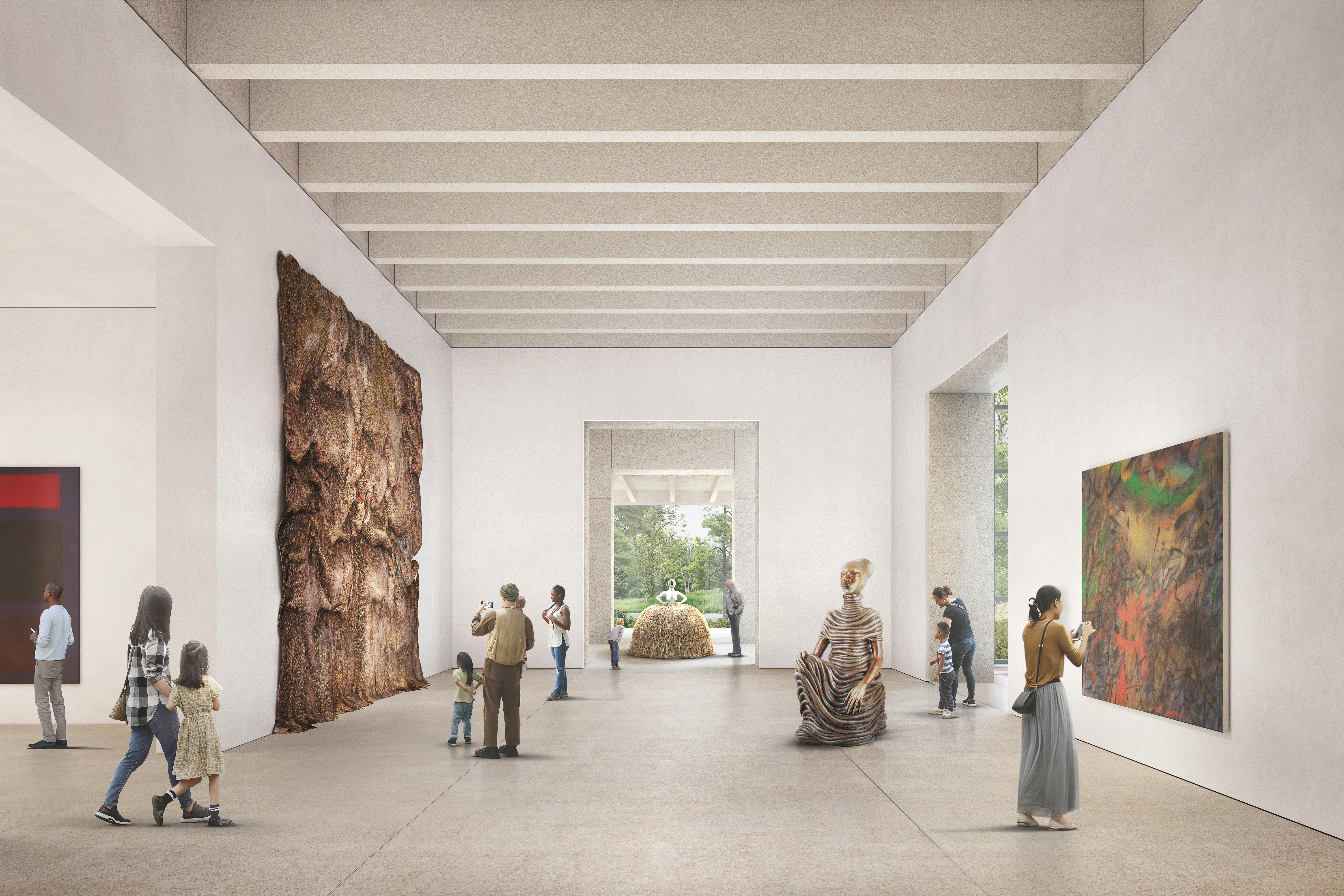
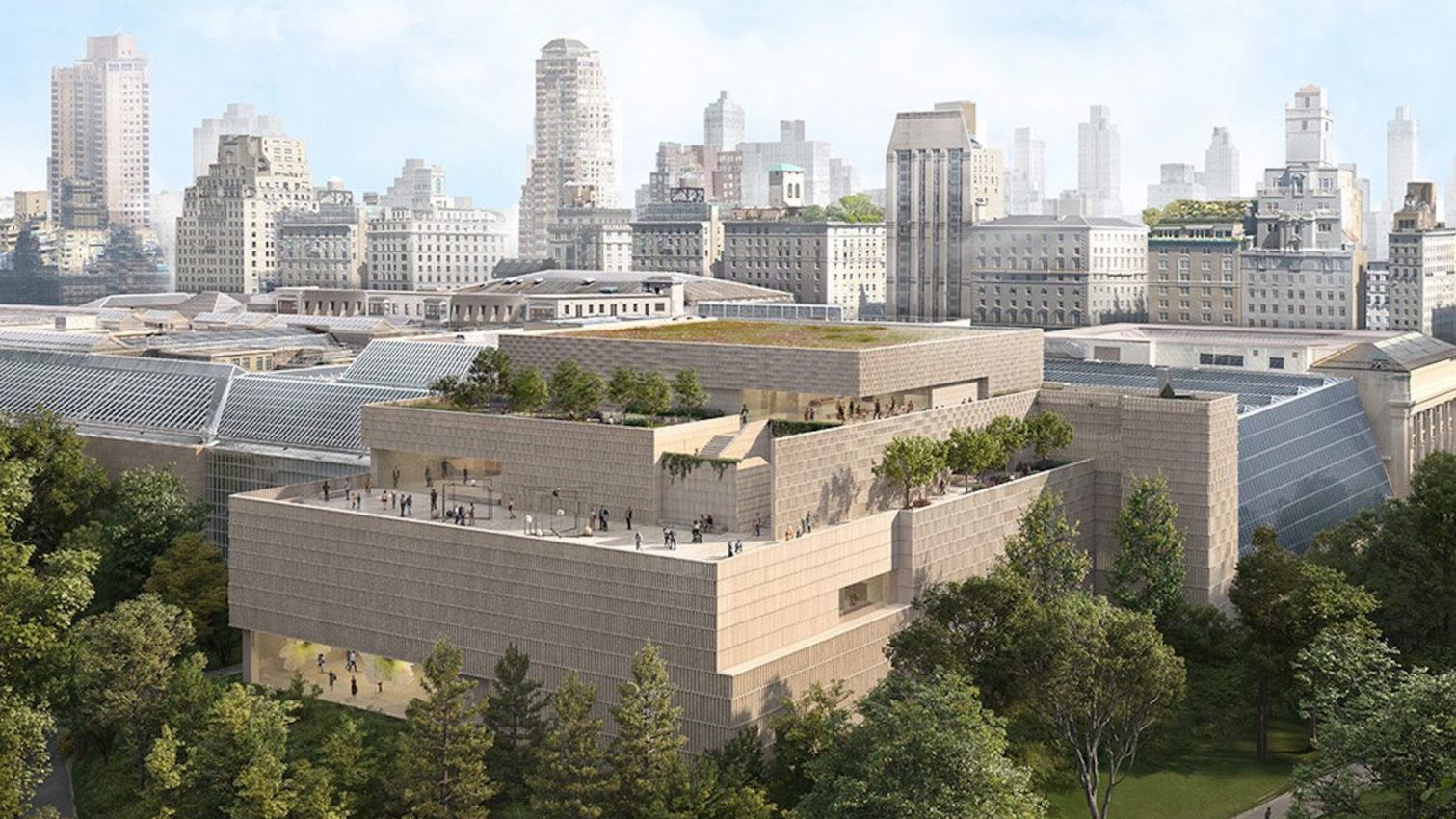
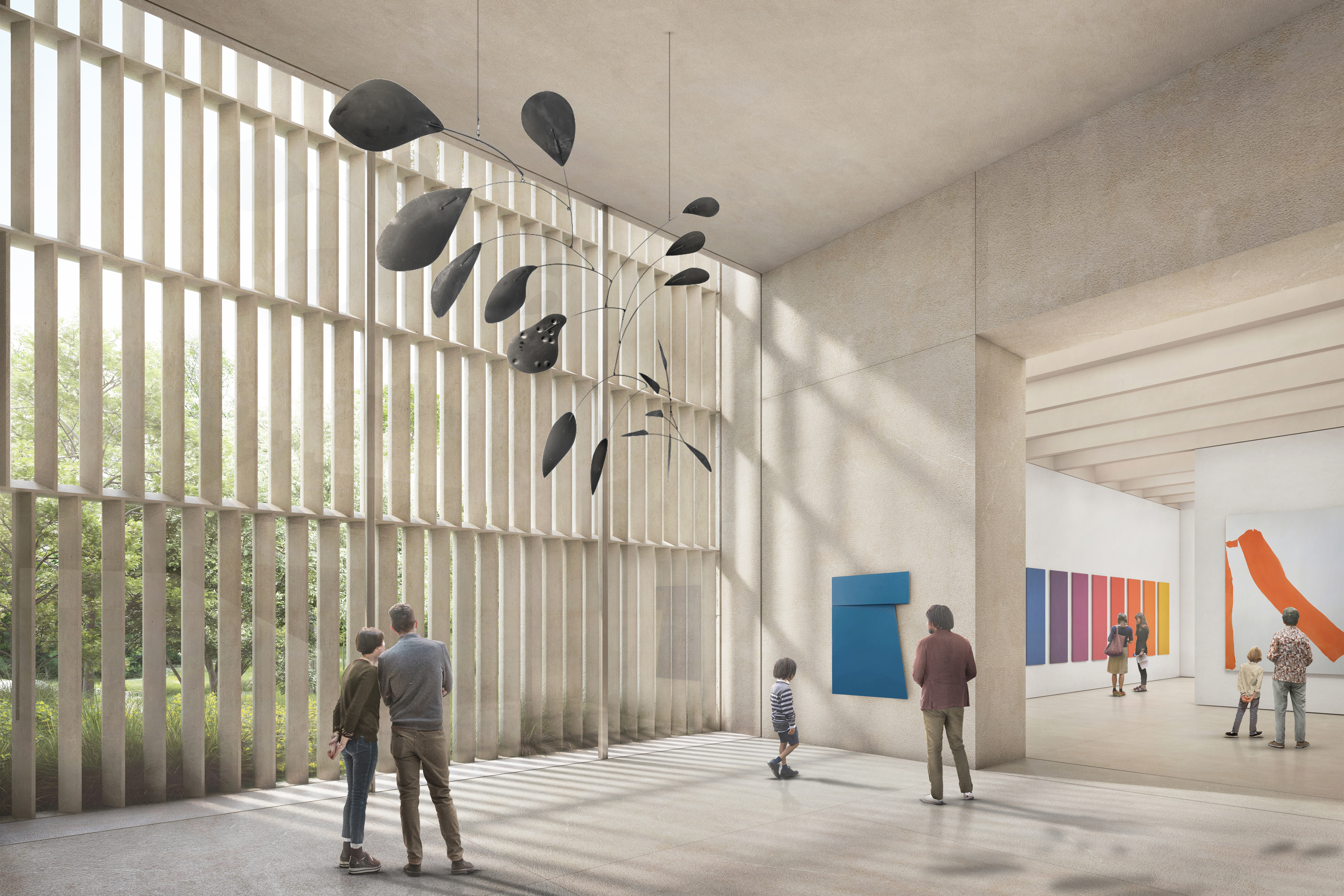
The funds will go toward transforming the Met’s 1870 wing, which displays its collection of 20th and 21st century art, to enable the installation of works that will broaden ‘global and trans-historical dialogue’, the museum said in a statement.
The building will be designed by Mexican architect Frida Escobedo, a lecturer at Yale School of Architecture, who earned the 2018 Serpentine Pavilion commission. Escobedo plans to improve accessibility across the five-storey wing and increase gallery space by half. A terrace with a view of Central Park will be among the new features, with renovations set to begin in 2026 and conclude in 2030.
Escobedo replaces architect David Chipperfield, who was selected in 2015 by then-director Thomas P. Cambell after being prompted by a significant donation from billionaire Leonard A. Lauder. In exchange for his substantial gift of 78 Cubist works, valued at over 1 billion, Lauder asked the Met to place greater emphasis on modern and contemporary art.
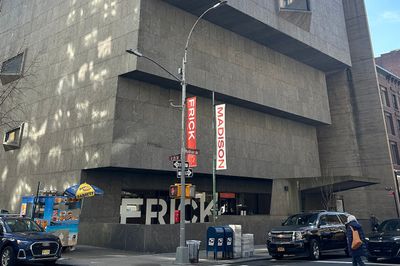
In response, the Met acquired the Breuer building, formerly home to the Whitney Museum of American Art, in 2015. It renovated the building for an estimated 13 million as a temporary home for the collection.
However, the Met had to postpone expansion plans in 2017 to curb a ten million deficit, exposed during their spring 2016 audit. Campbell, who incurred significant expenses while attempting to contemporise the 1870 institution, resigned in June 2017 after months of backlash and criticism.
The project was revived in 2018 after new director Max Hollein convinced the museum to cede Met Breuer—which the Met would have leased for another three years for an additional 51 million—to The Frick Collection, while the latter’s permanent home was under renovation.
According to Artnet, Met Breuer had exceeded its curatorial budget by 3.2 million, with attendance remaining relatively low despite hosting well-received shows by artists including Lygia Pape, Kerry James Marshall, among others.
Following the release of the building’s designs, New York City Mayor Eric Adams applauded the Met in a statement, calling it ‘an iconic cultural landmark representing New Yorkers to the rest of the world’.
The city of New York, which owns the museum’s land and building, did not contribute funds to the project. —[O]
Main image: Exterior rendering of The Metropolitan Museum of Art's Tang Wing (view from the north-west corner). Visualisation by © Filippo Bolognese. Courtesy Frida Escobedo Studio.








A respected voice in contemporary art discourse.
Focusing on ambitious storytelling and insightful art-world commentary. Ocula Magazine publishes in-depth interviews, critical essays and timely analysis on the artists, exhibitions and ideas driving the global art world.
Learn more about Ocula Magazine
Showcasing the best of the art world.
Ocula partners with galleries from around the world to highlight their artists, artworks and exhibitions. Gallery membership is by application and invitation, with each member vetted by an independent panel.
Learn more about Ocula Membership
Specialises in the sale of major artworks.
Led by a team with deep ties to the world’s leading auction houses, galleries and collectors. Ocula’s advisory team offers bespoke services to high-net-worth clients from around the world who are looking to acquire the best of contemporary and modern art.
Learn more about our team and services