





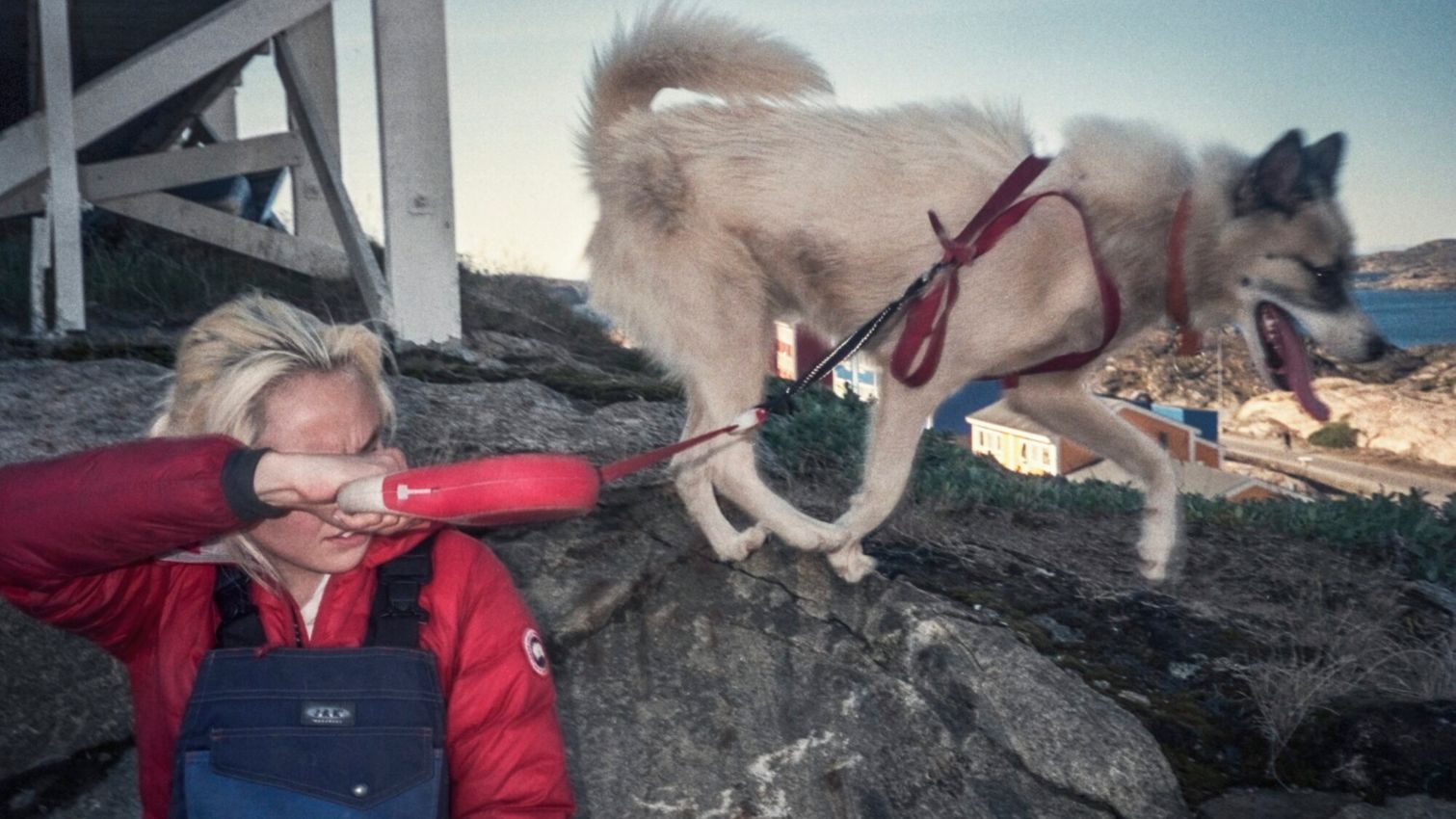
Community Collage: Inuuteq Storch Spotlights Society in Greenland
The photographer’s solo exhibition at MoMA PS1, Soon Summer Will Be Over, blends a skate punk aesthetic with his homeland’s distinctive geography and defiant political culture. Save to My Ocula
For many (particularly in the U.S.), the geographically large yet populationally small territory of Greenland only came into popular consciousness in 2019, when President Donald Trump began a crusade to ‘acquire’ it as a U.S. territory (recently promising ‘We will make you rich’). Already familiar with the interventionist strategies of other countries, Greenland was a Danish colony from 1721 to 1953. Still part of the Kingdom of Denmark, Greenland only gained “home rule” in 1979, and further autonomy in 2009. During its rule, Denmark suppressed the language and traditions of the Indigenous population, forced conversions to Christianity and enacted the destruction of existing communal domestic structures. The territory only received an apology from Denmark last month for the forced sterilisation of its female population.
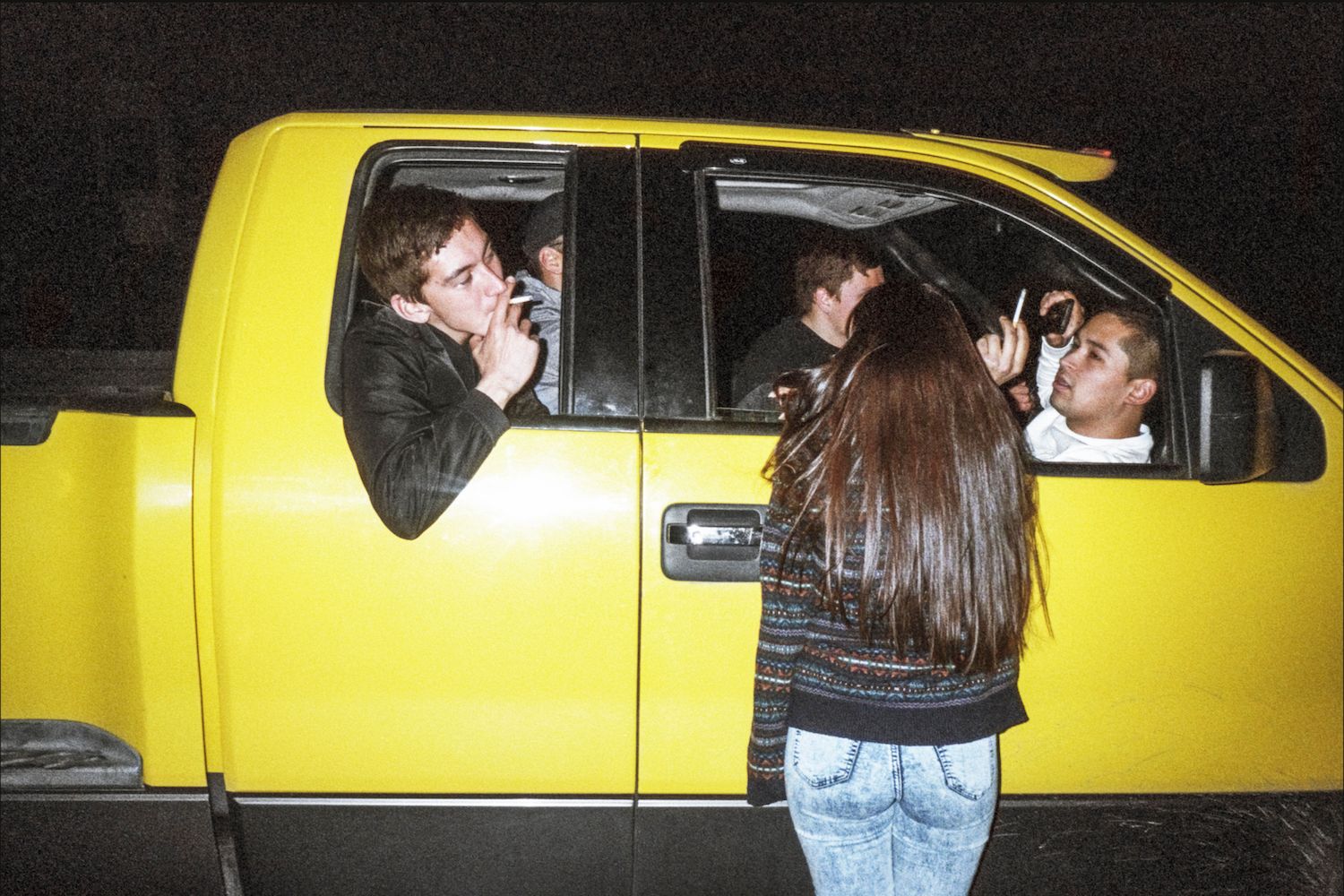
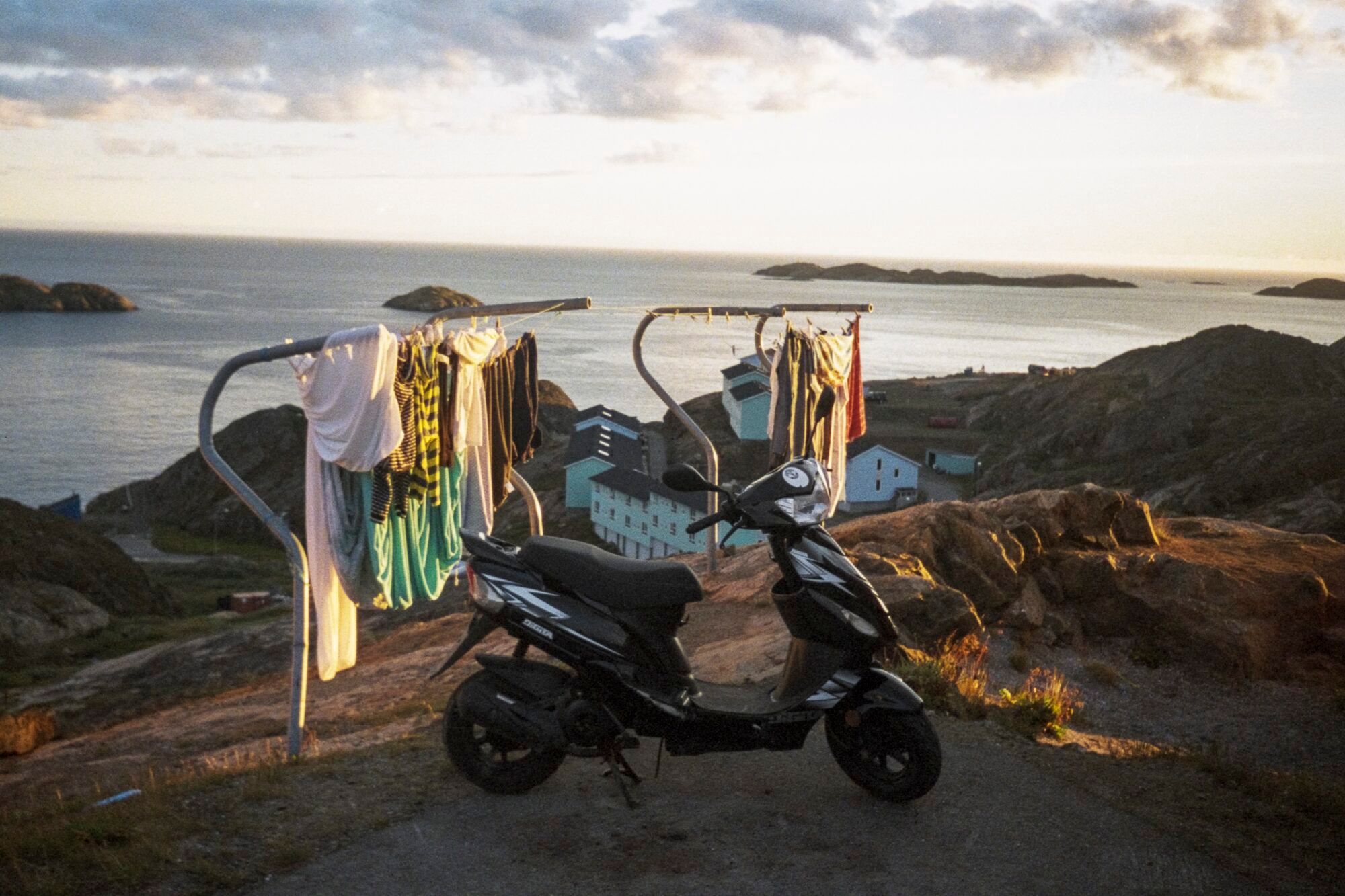
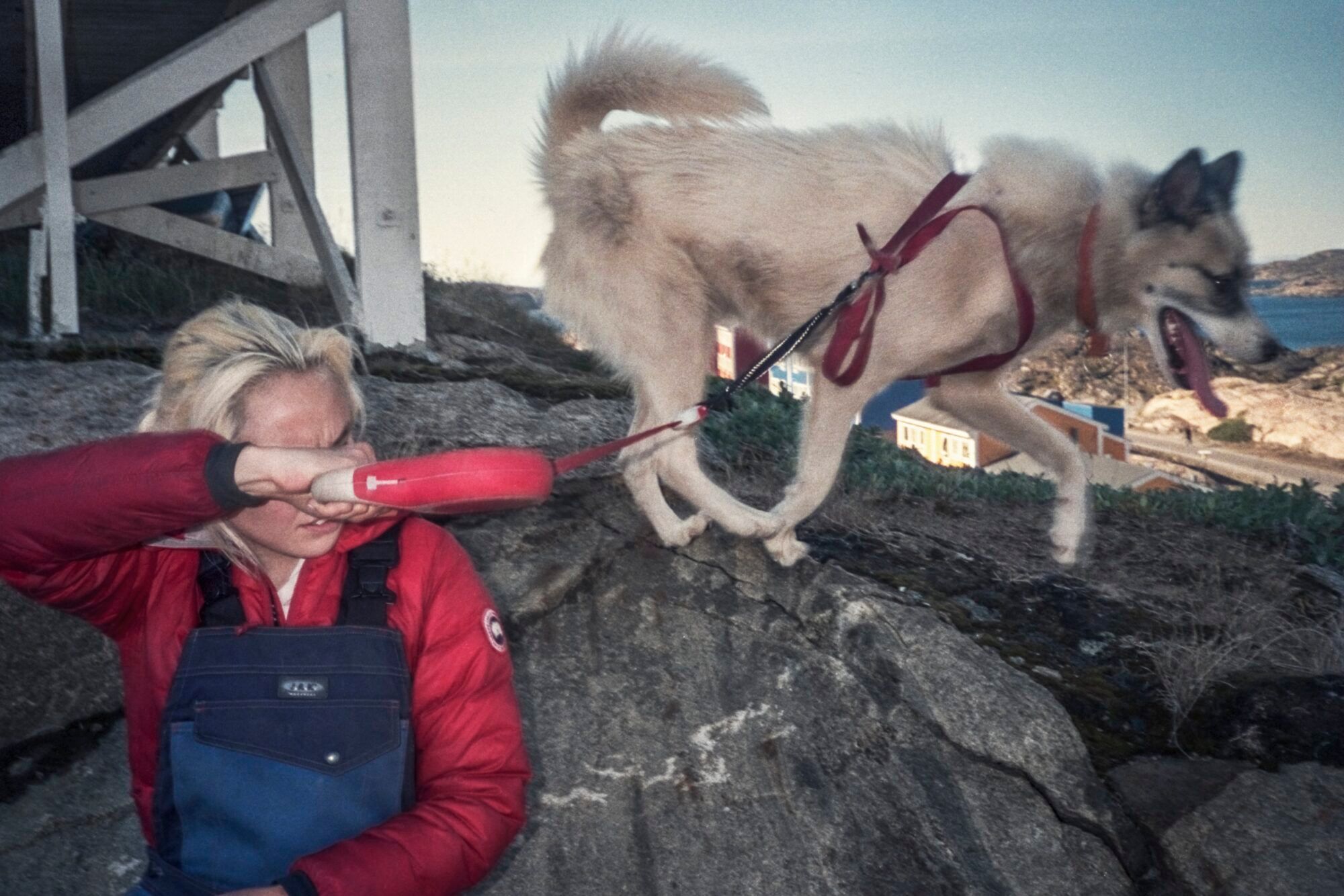
In the analogue photo series ‘Keepers of the Ocean’ (2019), presented for the first time in the United States as part of Soon Summer Will Be Over, a new solo exhibition at New York’s MoMA PS1 by Greenlandic photographer Inuuteq Storch, we find a people in no dire need of assimilating another country’s concept of richness. The series comprises a rapturous love letter to the tightknit community of Sisimiut, the island’s second-largest city. Over a period of four years, Storch documented the quieter details of his hometown’s vernacular rhythms, creating images populated with sled dogs, couples, and pretty young women. One nighttime standout features the shapely, acid-washed-jeans-clad posterior of a young woman standing in front of a yellow truck packed with guys smoking cigarettes. Others—such as a composition that positions a scooter in front of a sublimely-lit clothesline overlooking the ocean from a rocky hillside—place the work in direct conversation with Greenland’s unique geography.
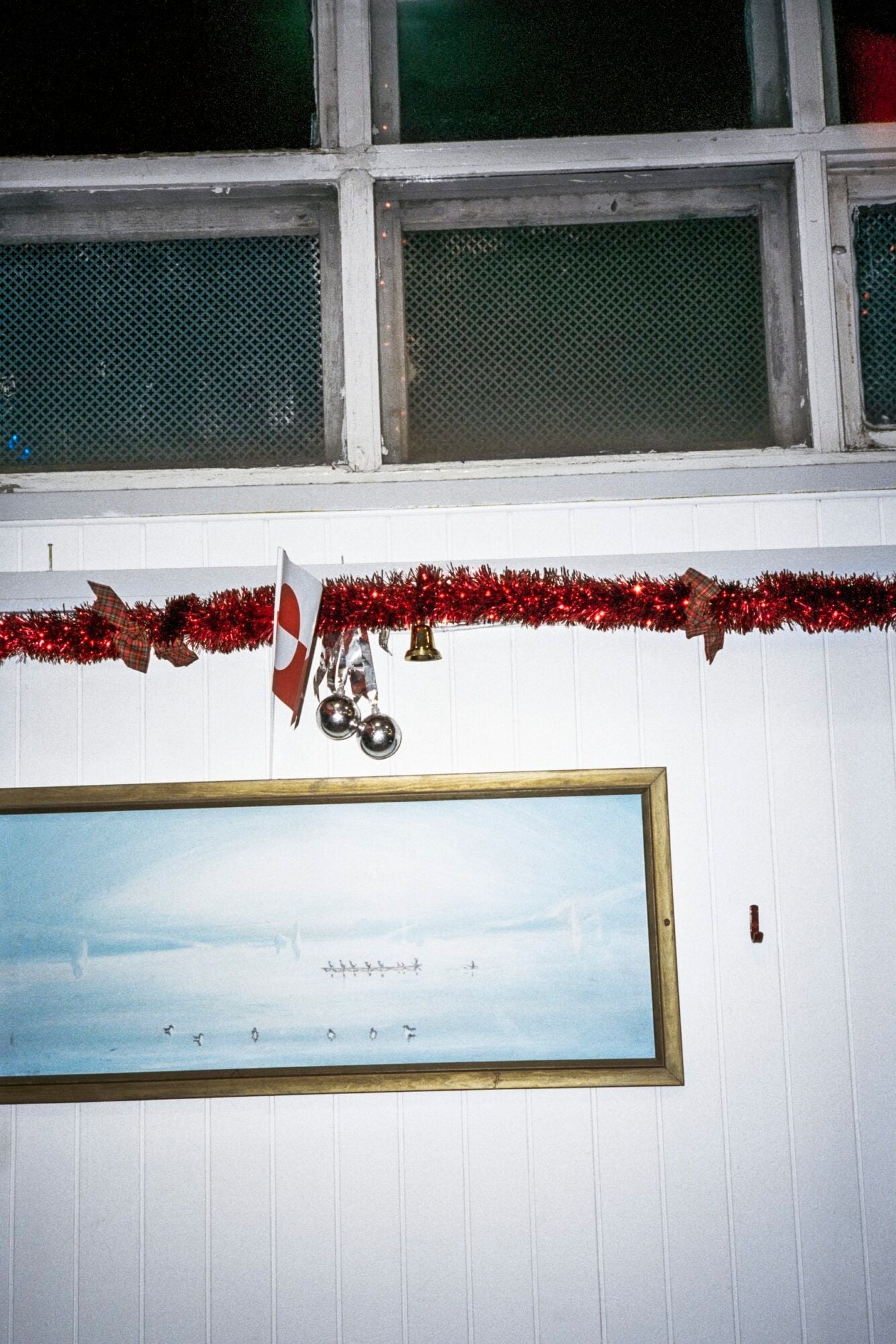
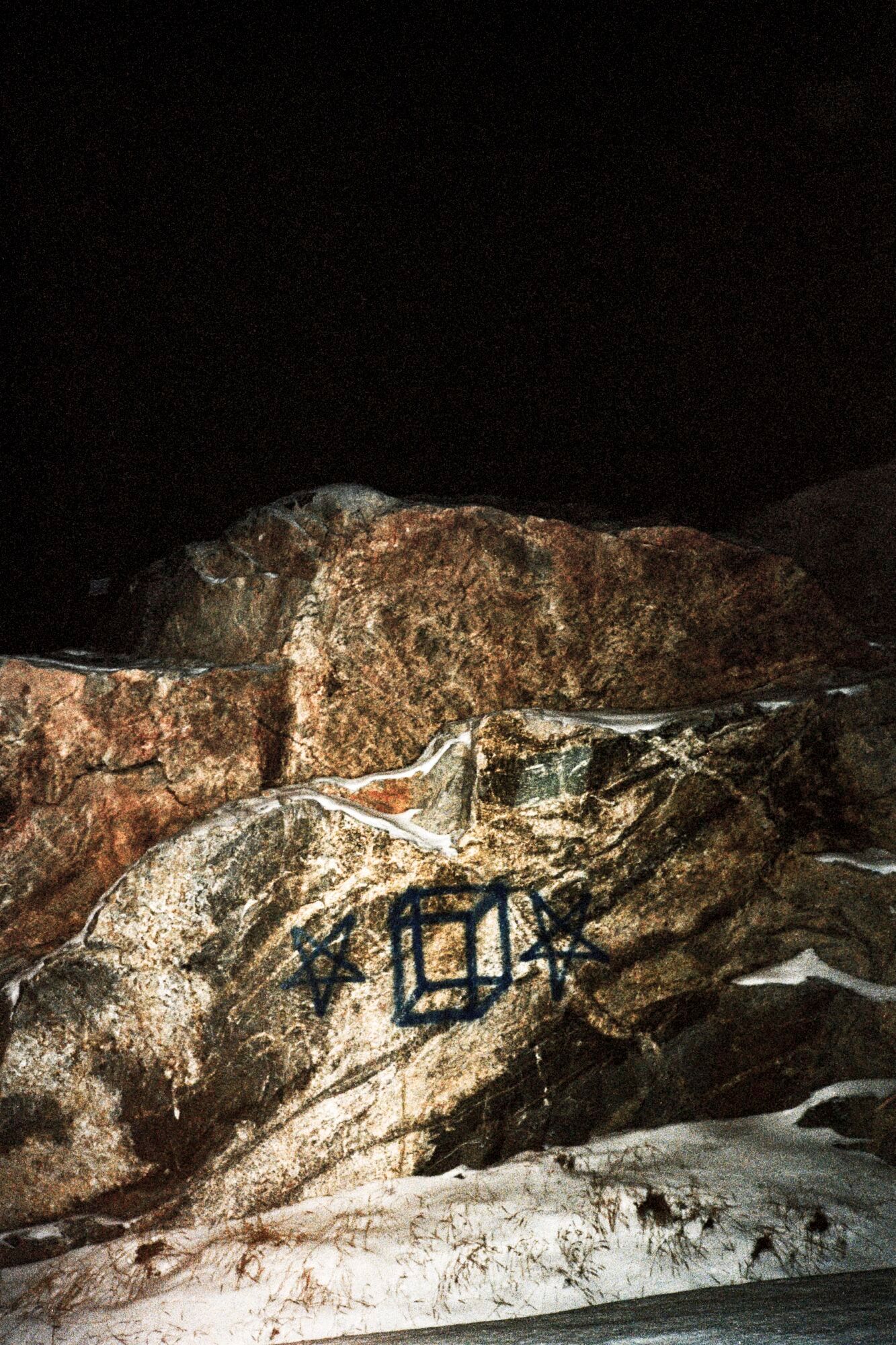
These supple compositions, with their evident analogue grain and soft, juicy tones (Storch shoots on 35mm and 120 positive film), also contain elements of the political culture that continues to shape Greenland. Storch, who is Kalaallit, is attuned to the legacy of colonialism and its effects on his Inuit community’s culture. In 2024, he became the first Greenlander (and the youngest artist) to represent the Kingdom of Denmark in the Venice Biennale. One photograph features a wall tagged with the band name Sumé—‘one of the two most legendary Greenlandic [bands] in my opinion,’ Storch states, as he presents a private walk-through of the presentation. Sumé, whose 1973 record Sumut features a cover illustration of an Inuk standing atop a Norseman he has shot through with arrows, is credited with inspiring Greenlanders to fight for cultural independence from Denmark. ‘Sumé is actually one of the reasons why we have self-government now.’
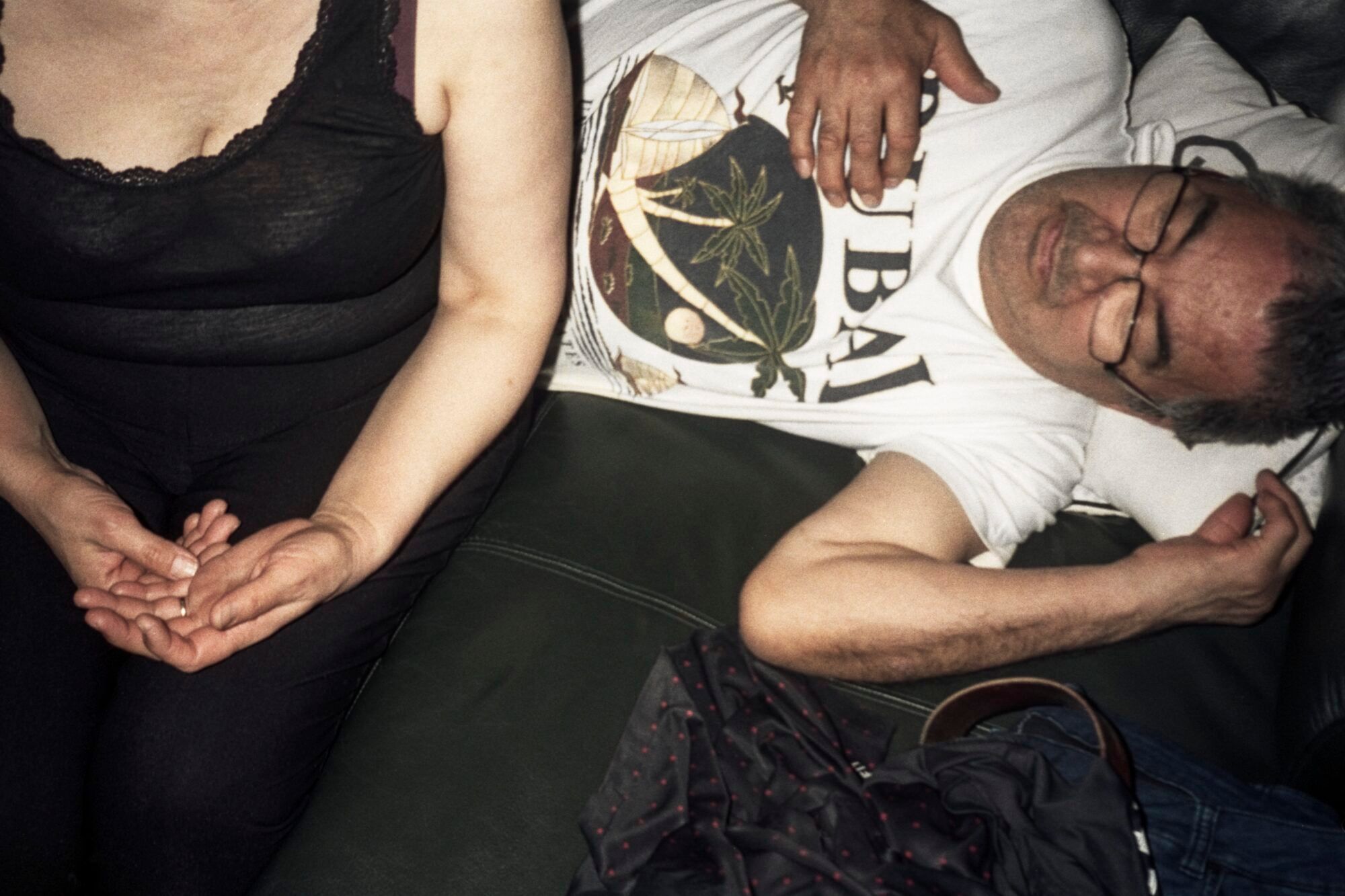
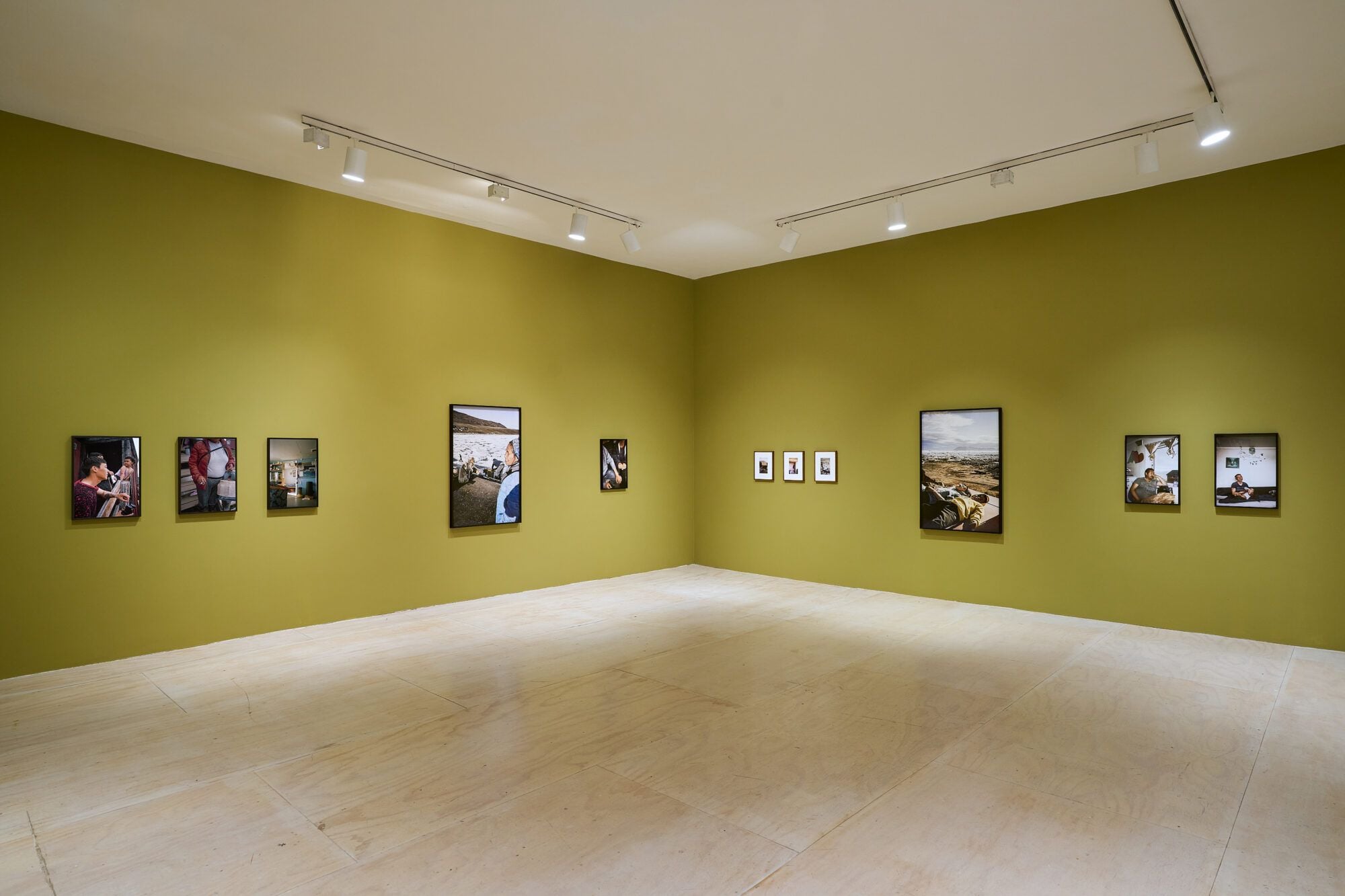
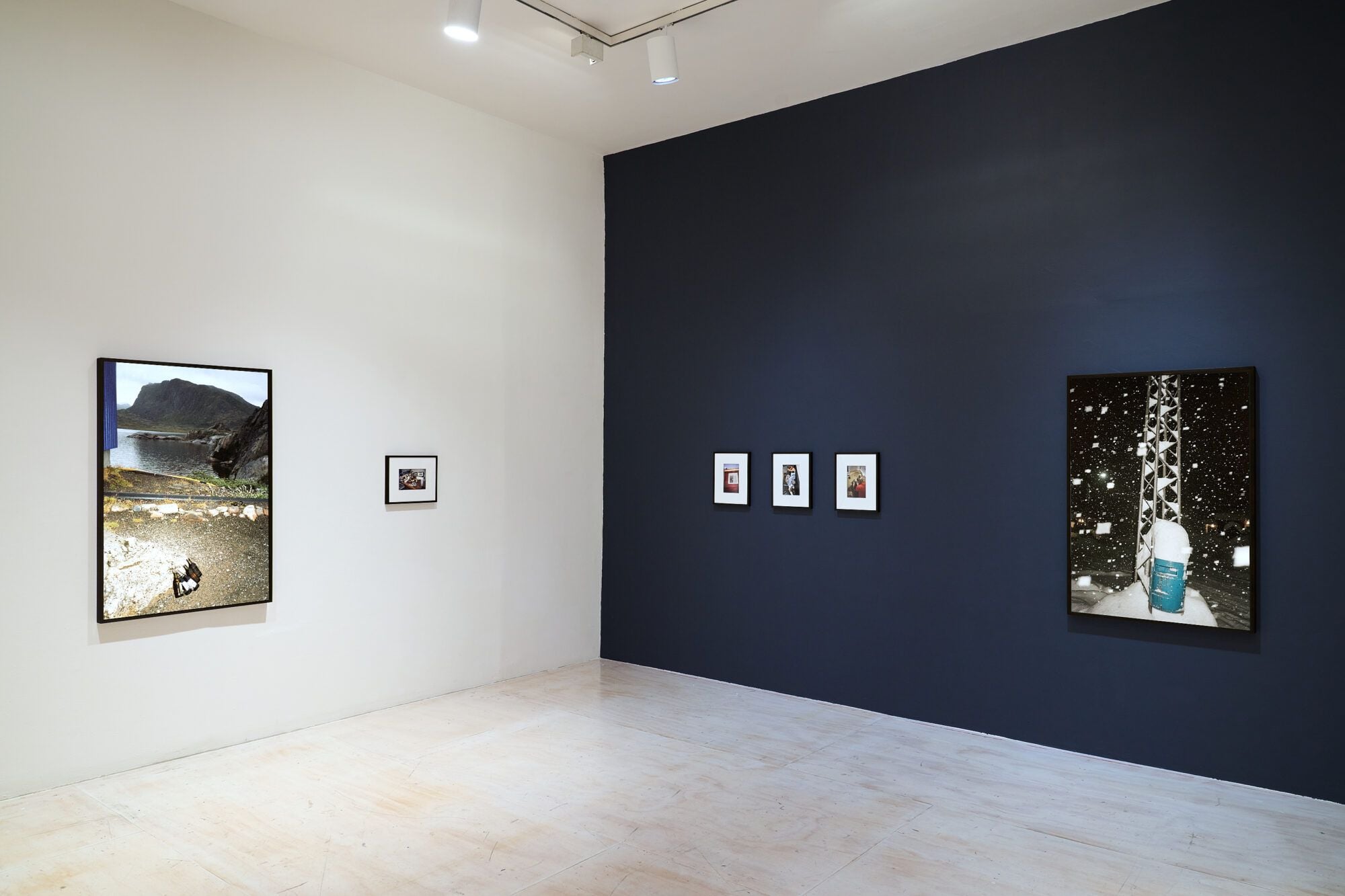
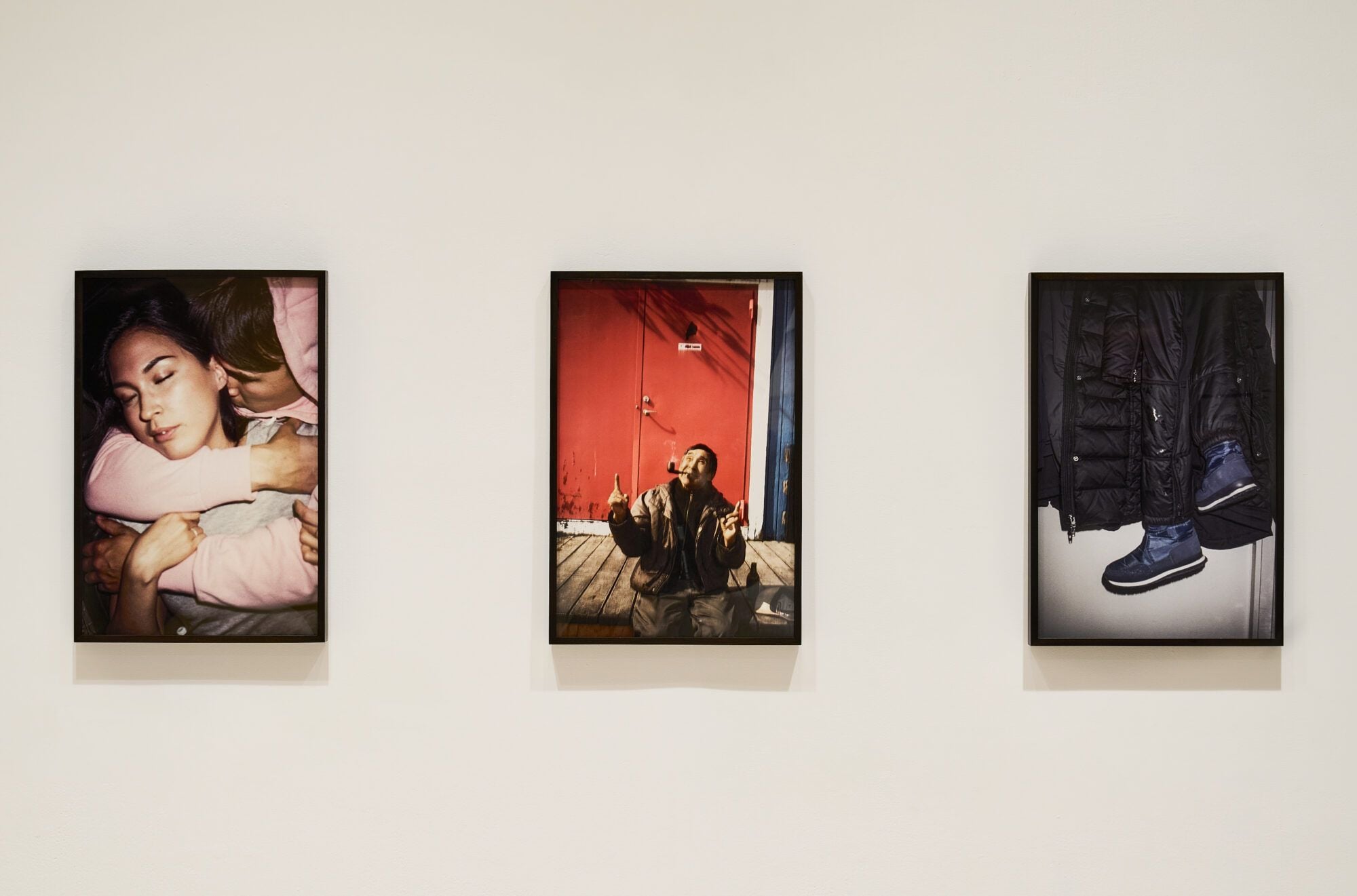
This mashup of the personal with the defiantly political, presided over by bands whose songs are as much cri de coeur as they are music, recalls the photographs of older American artists such as Ari Marcopoulos, Spike Jonze and Larry Clark. While the work of these artists is sometimes reduced to the self-evident trope of ‘tatted guys stunting and cool girls looking foxy’, there is perhaps no genre of image-making more hopelessly romantic about its subject matter and community than skate punk photography. Despite the distinctly non-Western context that infuses Storch’s images, one finds more than a breath of that same spirit (aesthetically as well as politically) in his work.
I first met Inuuteq Storch almost a decade ago. It was my first year teaching as an adjunct professor, and his first year living in New York, where he’d come to study at the International Center of Photography (he has since returned to his homeland). In a writing workshop, I couldn’t help but admire how he chose to situate his commas not in accordance with grammatical structure but by where he thought they looked the most visually striking. Having left New York as a photography student, he returns now as an artist. ‘New York was my everything,’ he tells me. ‘My identity was here. I love New York, and New York is where I grew as an artist. This is where I became the person I am today.’ I ask Storch why he has chosen to not show Flesh (2019), a body of work that was composed in the city. Isn’t the show at PS1 (his first solo exhibition in the United States) the perfect place to present his frenzied images of subway characters, psychic shops and bodega kitties? ‘Why would I show New York to New York?’ he replies.
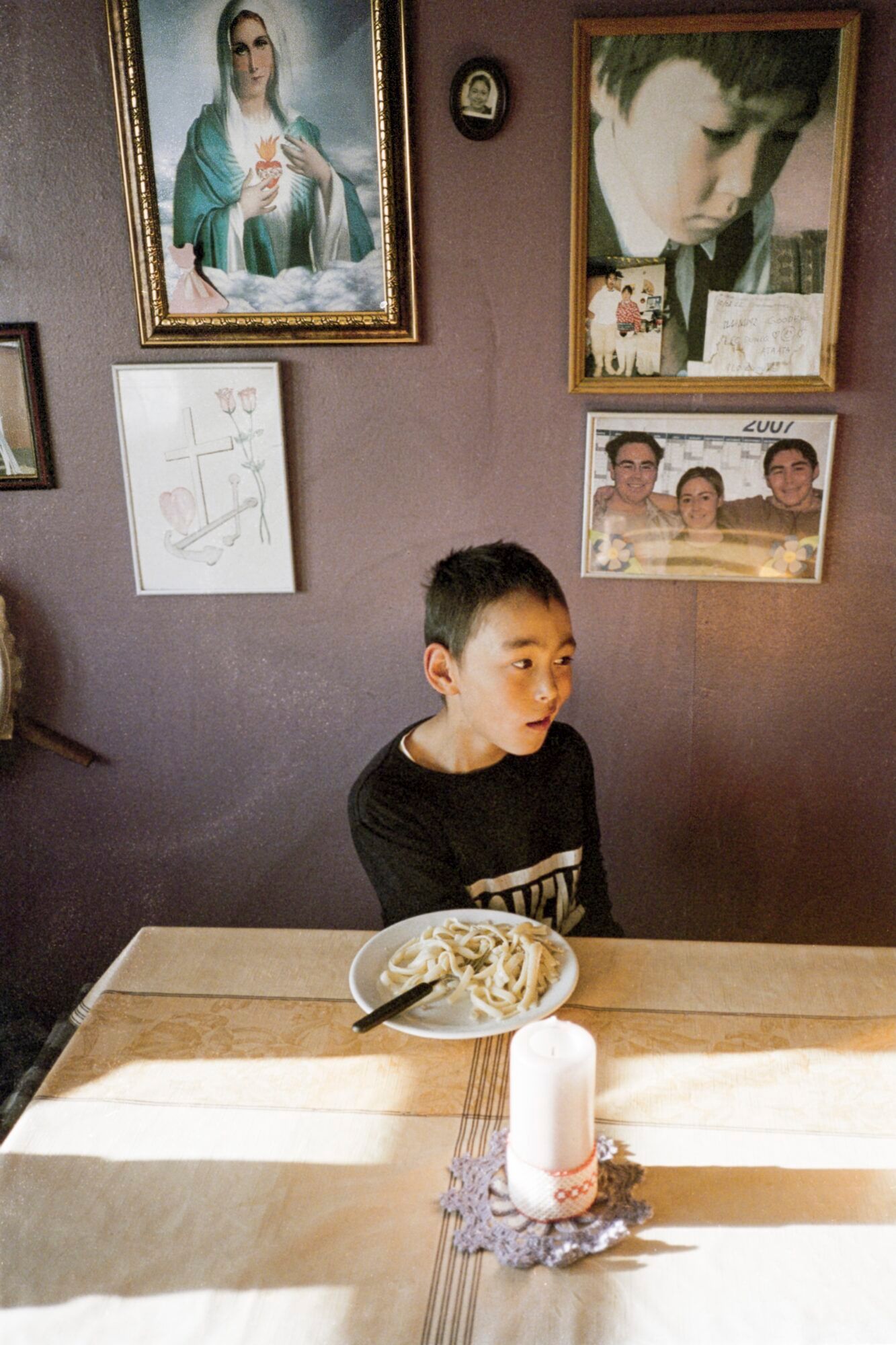
It’s clear that, despite the opportunities his talent has afforded him, it is Storch’s homeland that has permanently captured his attention. In the exhibition’s most compelling photograph, a young boy sits at his family’s dinner table with an image of Mother Mary hovering over him, part of the photographic series ‘Soon Summer Will Be Over’ (2023). It expands Storch’s vision beyond Sisimiut to Northern Greenland, where he depicts a community in Qaanaaq, one of the northernmost towns on our planet. Qaanaaq was one of the last territories in Greenland to be colonised, and because of this they ‘still live quite traditionally’, says Storch. ‘Yet the colonisation is very visible in the interiors, with Christianity being more respected there than even in the West.’ In the images, one sees homes decked out with crucifixes, sometimes directly alongside more contemporary Western effects such as ‘Live Laugh Love’ signs, clues to the town’s proximity to the American Pituffik Space Base (formally Thule Air Base), as he explains.
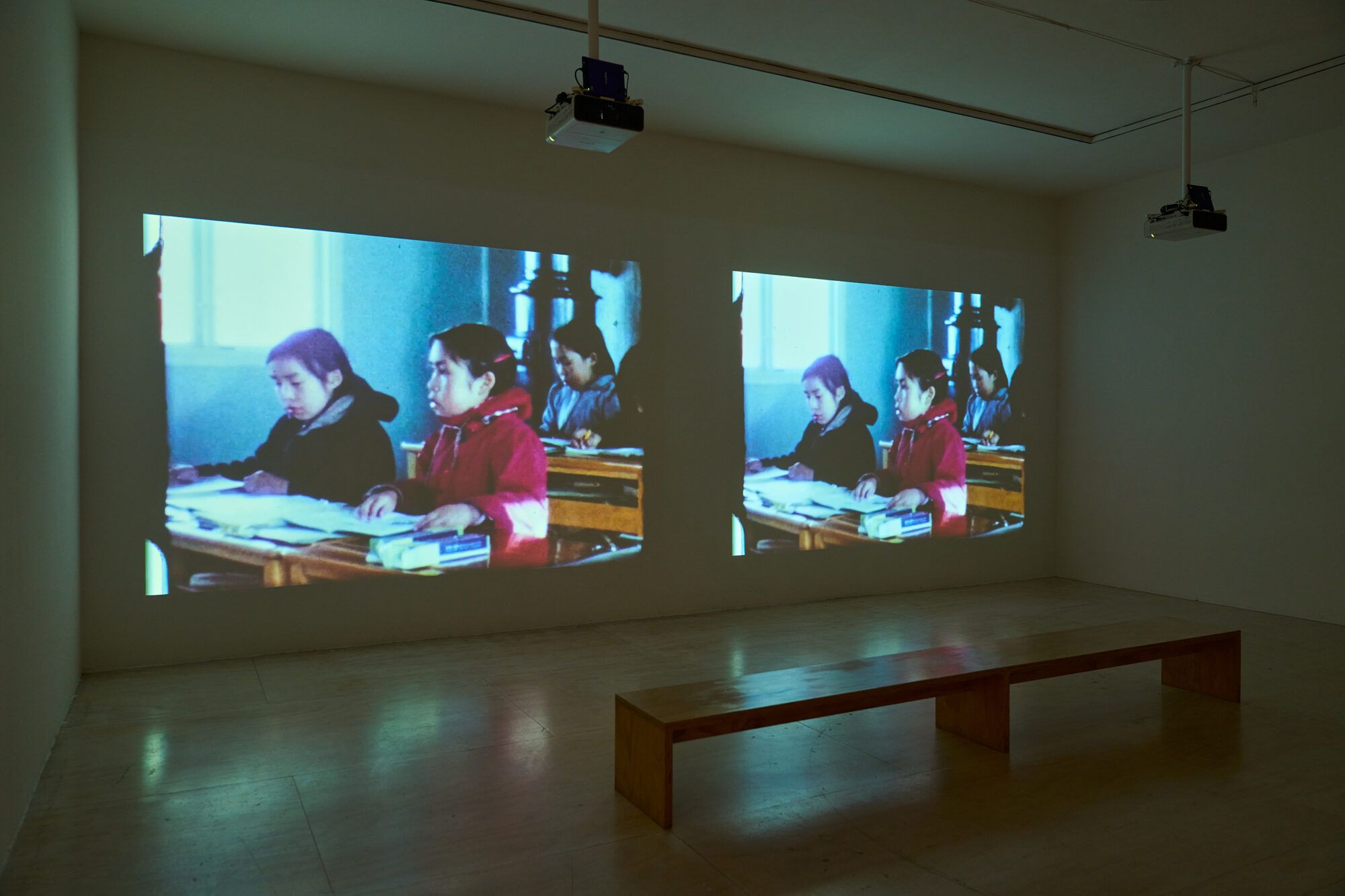
Alongside his own photography practice, Storch is invested in the otherwise private photographs that many Greenlanders have stashed away in their homes. Porcelain Souls (2018) is composed of a projected slide show of archival photographs and letters made by his parents. Storch maintains personal archives such as these represent an important Greenlandic image culture that, once collected, would help to tell a more complete story of the country’s people—particularly when set against the colonialist ethnographic photography that comprises the ‘look’ of Greenland, as well as its Inuit population, in the Western mind.
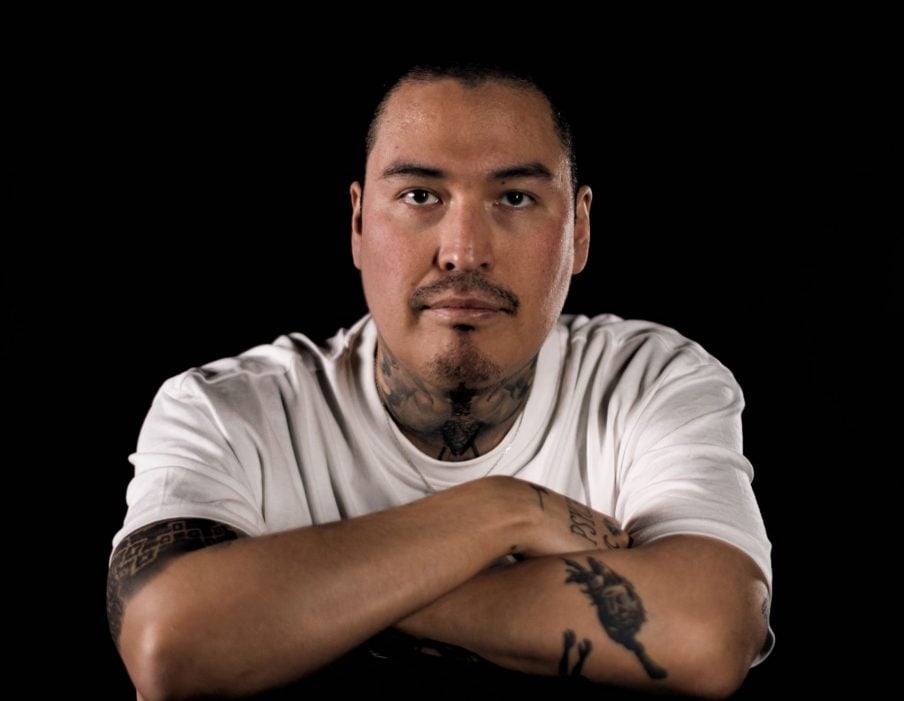
‘Greenlandic language is a Nostratic language—it’s a picture language,’ says Storch, explaining that the history of this population (largely recollected through oral tradition as opposed to written text) is ideally suited to be newly retold through images. ‘A lot of the photos made by Greenlandic families are very good photographs. Much better than mine. If we could collect all of these, we could get a lot of information about what kind of families were living in Greenland from the 1920s until now.’
This admission reveals what the driving arch of his work has ultimately become, and likely was all along: a compulsion to show the world Greenland by Greenlanders, and to allow us viewers to fall as deeply in love with it as he is. —[O]
Main image: Inuuteq Storch, from the series ‘Keepers of the Ocean’ (2019). Digital inkjet print. © Inuuteq Storch. Courtesy the artist and Wilson Saplana Gallery, Copenhagen.




A respected voice in contemporary art discourse.
Focusing on ambitious storytelling and insightful art-world commentary. Ocula Magazine publishes in-depth interviews, critical essays and timely analysis on the artists, exhibitions and ideas driving the global art world.
Learn more about Ocula Magazine
Showcasing the best of the art world.
Ocula partners with galleries from around the world to highlight their artists, artworks and exhibitions. Gallery membership is by application and invitation, with each member vetted by an independent panel.
Learn more about Ocula Membership
Specialises in the sale of major artworks.
Led by a team with deep ties to the world’s leading auction houses, galleries and collectors. Ocula’s advisory team offers bespoke services to high-net-worth clients from around the world who are looking to acquire the best of contemporary and modern art.
Learn more about our team and services