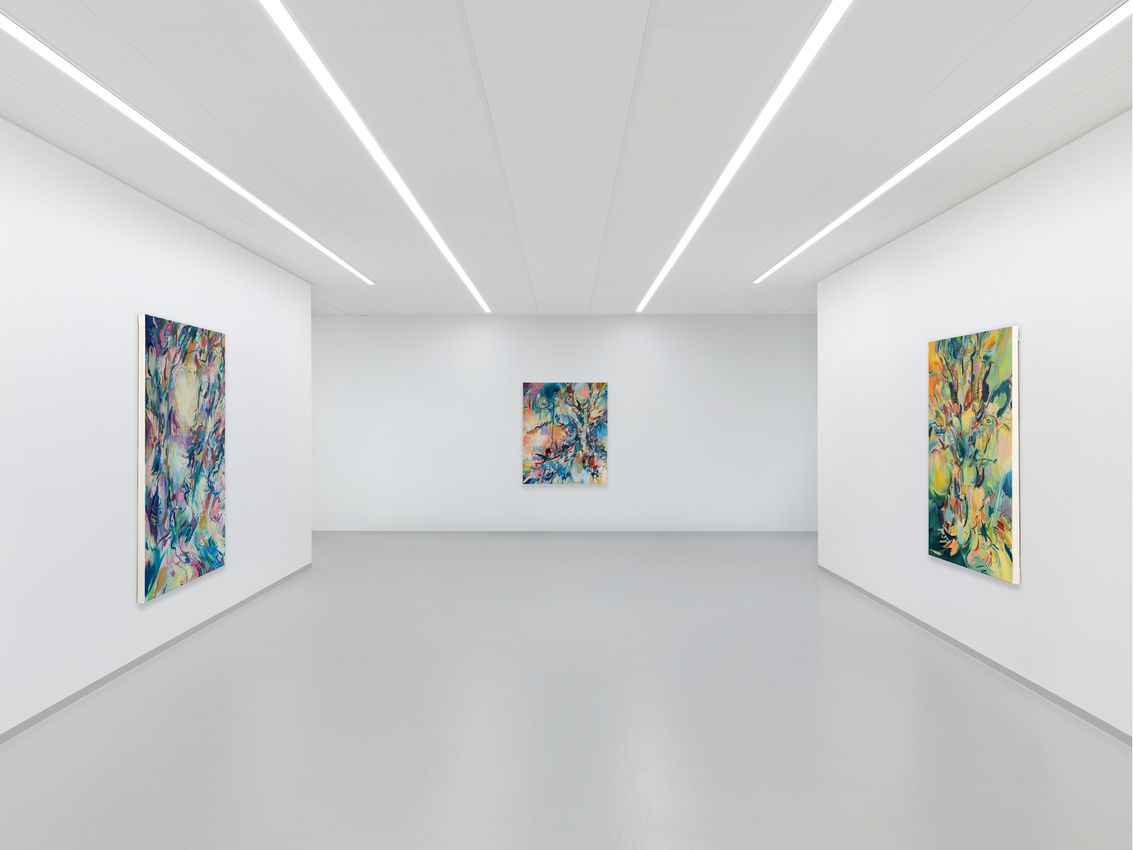
Kutlesa is pleased to announce What’s Lost in the Dance, an exhibition of new works by London‑based artist Rachel Barlow at the gallery’s Switzerland location, marking the artist’s first solo show with the gallery since she joined its roster, and her first show in Switzerland.
What marks the passing of one moment to the next? A minute shift in the orientation of the planet. The falling of a leaf from the branch of a tree. The turn of a body, its movement in space.
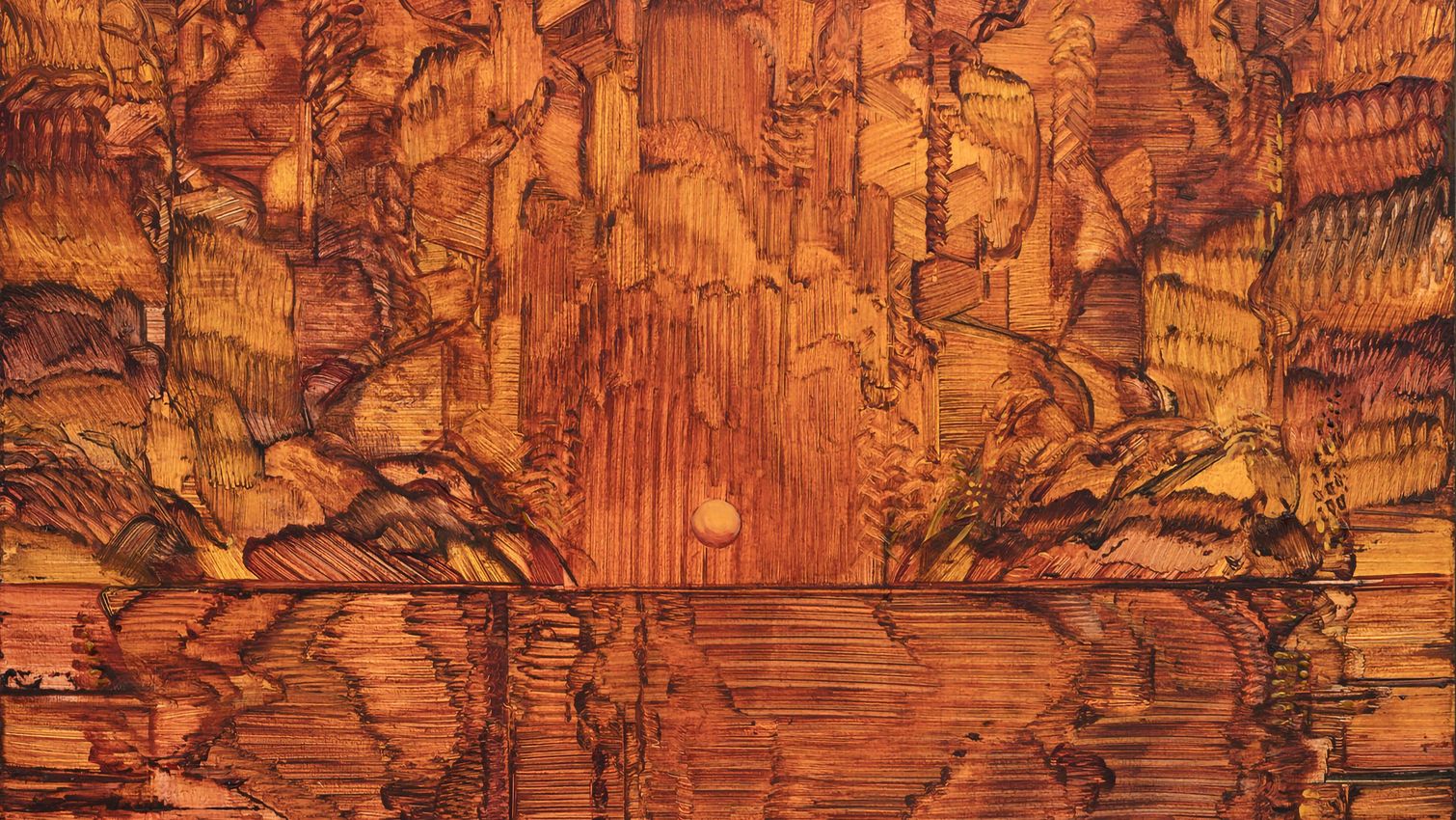
For Barlow, painting is a way to explore the passing of time through material, physical existence. Her paintbrush moves across the canvas with the rhythm of a dance, cycling through beats, repetitions, and interruptions. Dance provides an important point of departure, as gesture and movement become intertwined into the act of making.
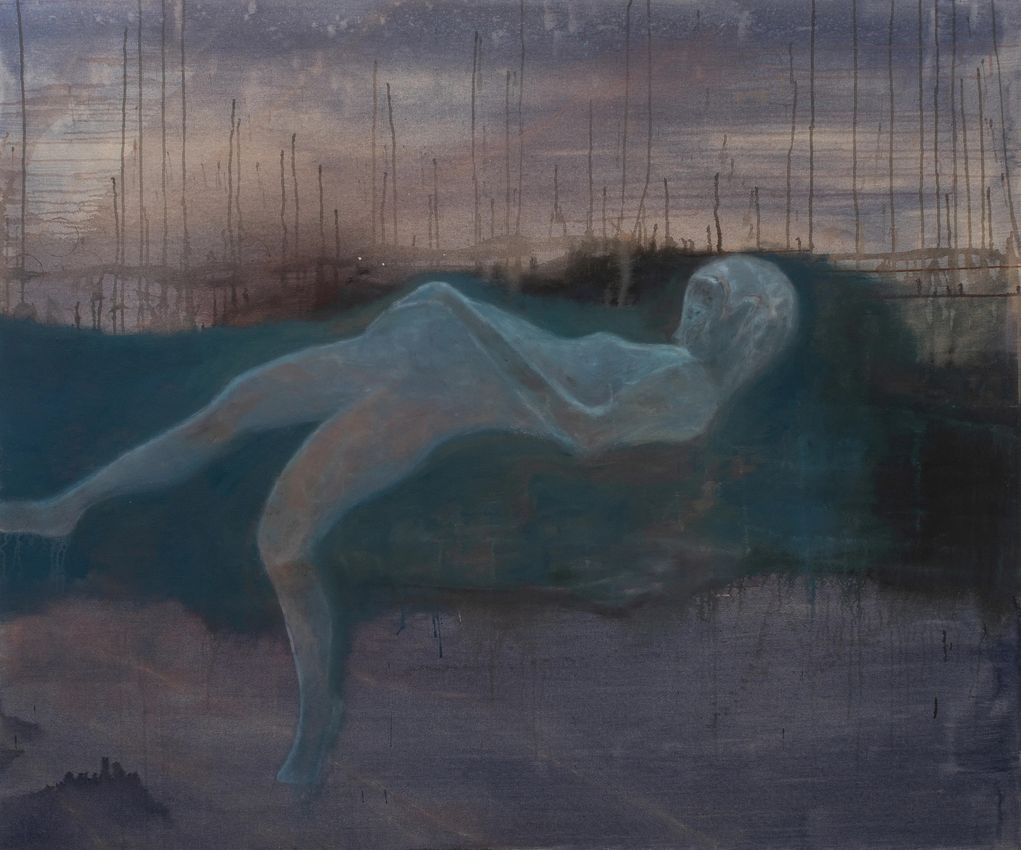
This physical vitality is accompanied by an awareness of the suffering of change. The painting process acts as a catharsis, conveying grief, joy, nostalgia, and memory through colour and composition. Rather than aiming to fixate a single moment onto the surface of the canvas, Barlow invites viewers to see her works as continuously changing, permanently suspended in the moment of becoming.
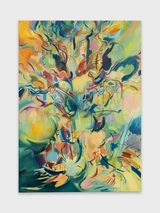
Trees form a recurring motif within this investigation. Rather than treating them as static representations of nature, Barlow considers their movement and relational structures: the way branches extend into, resist, and reshape the space around them. Taking inspiration from the philosophical enquiries of Deleuze and Guattari, the tree becomes both an expression of the individual and a model of interconnectedness. Its branches generate a rhizomatic structure across the canvas, challenging conventional hierarchies of composition and positing a non-linear approach to time and perception. Like the function of the grid, the rhizomatic tree structure forms a flat, secular surface on which to investigate feeling through the materiality of paint.
In The ympe-tre (2026), Barlow draws on her interest in literature and narrative form through the medieval romance Sir Orfeo. In this tale, a grafted tree, or ympe-tre, marks the threshold between the fae and human worlds. The painting explores the ympe-tre as a space of transition, between the real and unreal, and the possibility of a world unbounded by the ticking of the clock.
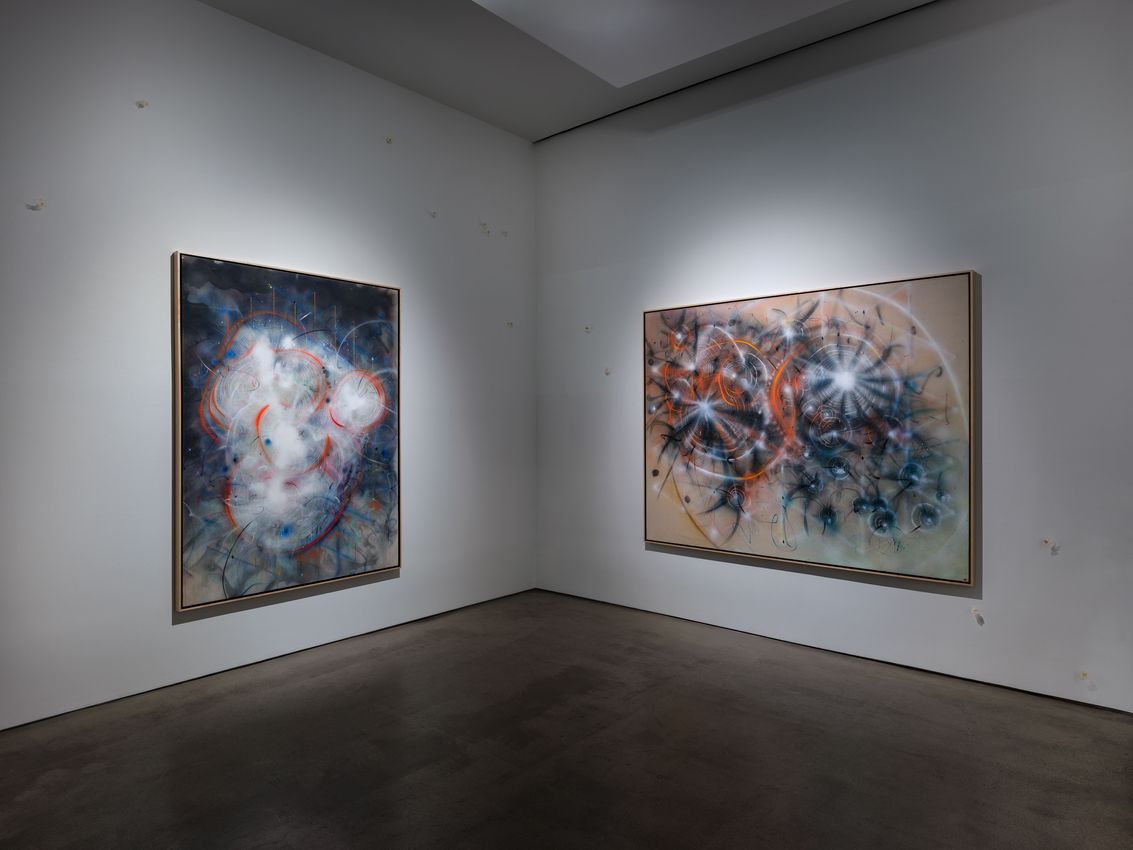
At the centre of this exhibition is a triptych of large-scale pieces that originated as a single multi-panel painting. Through the process of creation, these emerged into three real and distinct works that form an impossible repetition of Pleasure, Death, and Reality. Despite existing on separate philosophical planes, the physical intensity of their making and their formal compositional relationships remain visible.
The title that binds all of these pieces together, What’s Lost in the Dance, acts partly as a question, and partly as a statement: in expressing what has been created through the process of dance, of gesture, of living, we summon with it everything that has been lost.


A respected voice in contemporary art discourse.
Focusing on ambitious storytelling and insightful art-world commentary. Ocula Magazine publishes in-depth interviews, critical essays and timely analysis on the artists, exhibitions and ideas driving the global art world.
Learn more about Ocula Magazine
Showcasing the best of the art world.
Ocula partners with galleries from around the world to highlight their artists, artworks and exhibitions. Gallery membership is by application and invitation, with each member vetted by an independent panel.
Learn more about Ocula Membership

Specialises in the sale of major artworks.
Led by a team with deep ties to the world’s leading auction houses, galleries and collectors. Ocula’s advisory team offers bespoke services to high-net-worth clients from around the world who are looking to acquire the best of contemporary and modern art.
Learn more about our team and services