





Ma Qiusha’s Alternative History of Modern-Day China
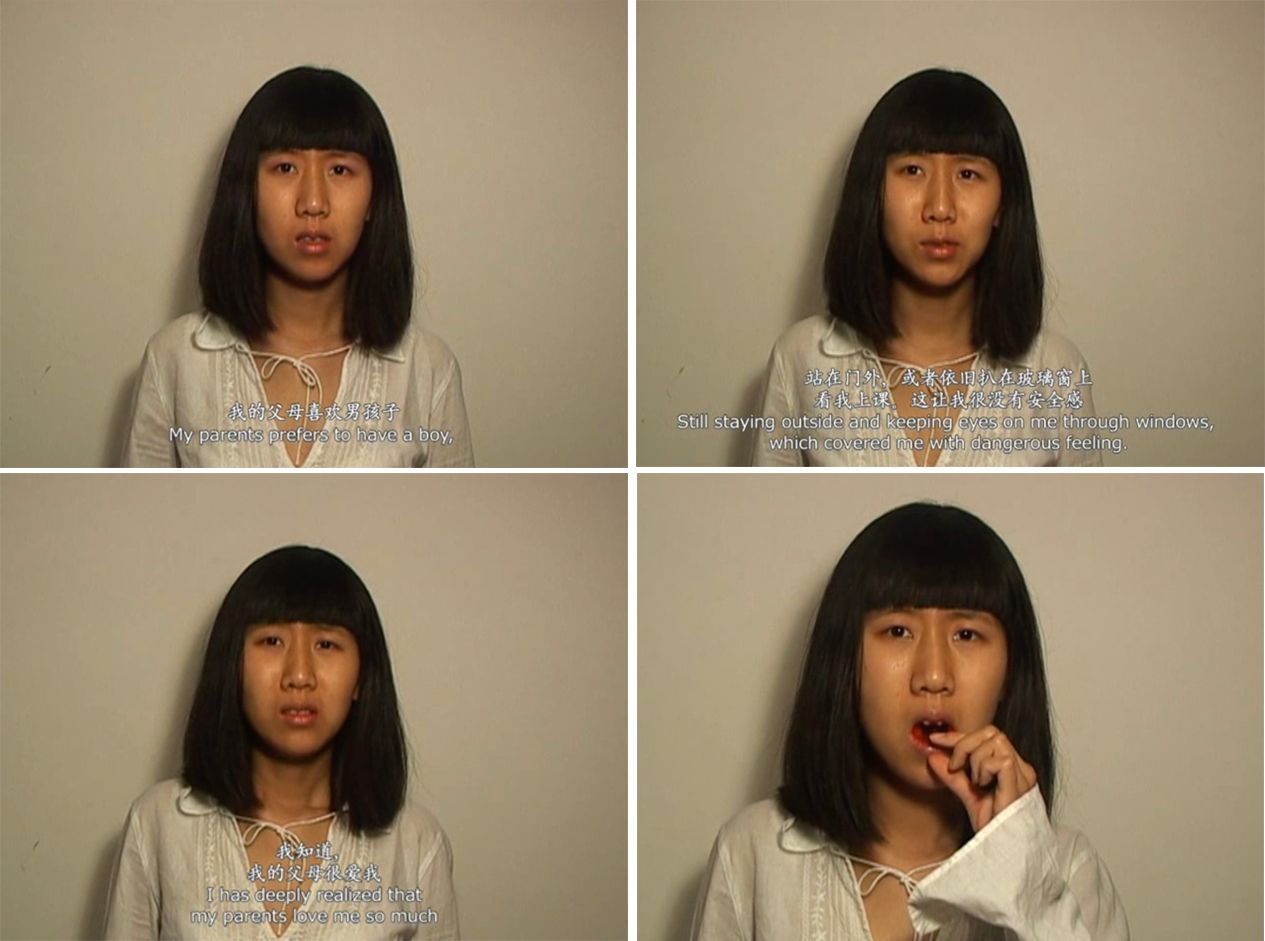
The artist talks to Shanyu Zhong about the legacy of the Chinese Cultural Revolution, the shift in her artistic practice away from autobiographical work and her memories of growing up in Beijing. Save to My OculaIn Ma Qiusha’s breakthrough video From No 4 Pingyuanli to No 4 Tianqiaobeili, released in 2007, Ma recounts her childhood and adolescence in Beijing, growing up under the one-child policy with a mother who pressured her to work harder and to be better. Her delivery is interrupted by pained looks and strangely strained pronunciation, which are only explained at the end when she removes a razor blade from her mouth, revealing the blood inside. The video brought the Beijing-born and based artist acclaim. Here was a visceral reflection on the painful conditions in which her generation grew up: Beijing’s rapid urban and economic transformation, restrictions on family size, gender and class predjudices in education. For years afterwards, Ma was seen as a representative of China’s “post-1980s” generation of women artists.
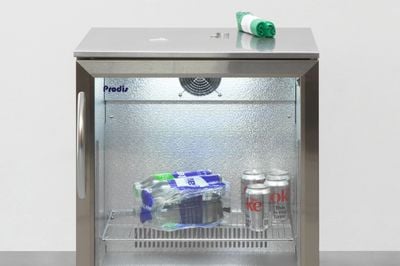
While the artist has ceased to use her own body in her work, the idea of the physical self as a means of exploring national history has remained central, even while her practice has expanded to include installation, painting, photography and sculpture. In the vast floor installation Wonderland (2016), for instance, cement slabs wrapped in worn nylon stockings (gathered from her mother and other women of her generation) were pieced into a jigsaw-like flat surface, with any tears sealed up using clear nail polish, a method used to prolong the life of stockings when consumer goods were scarce.
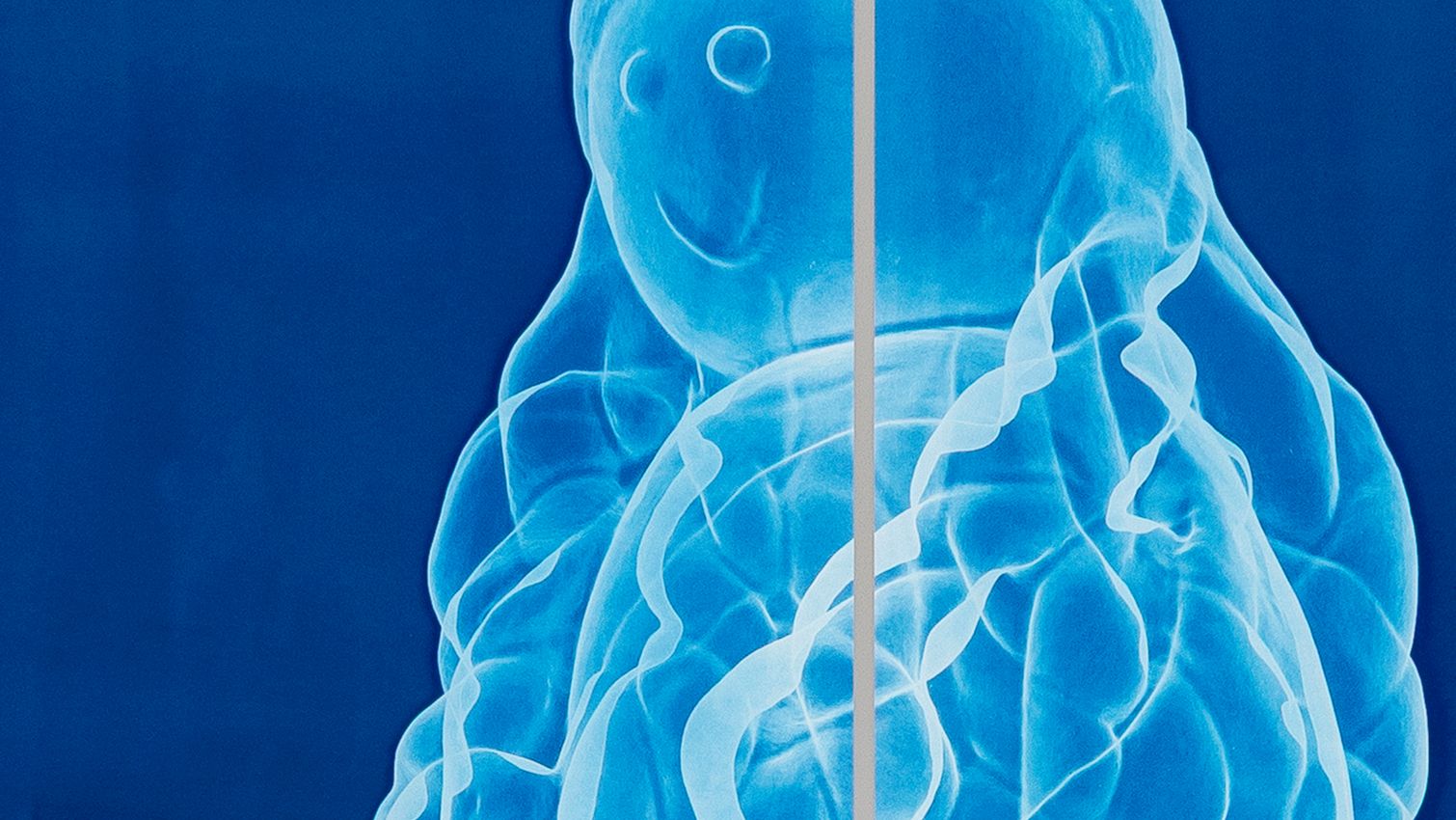
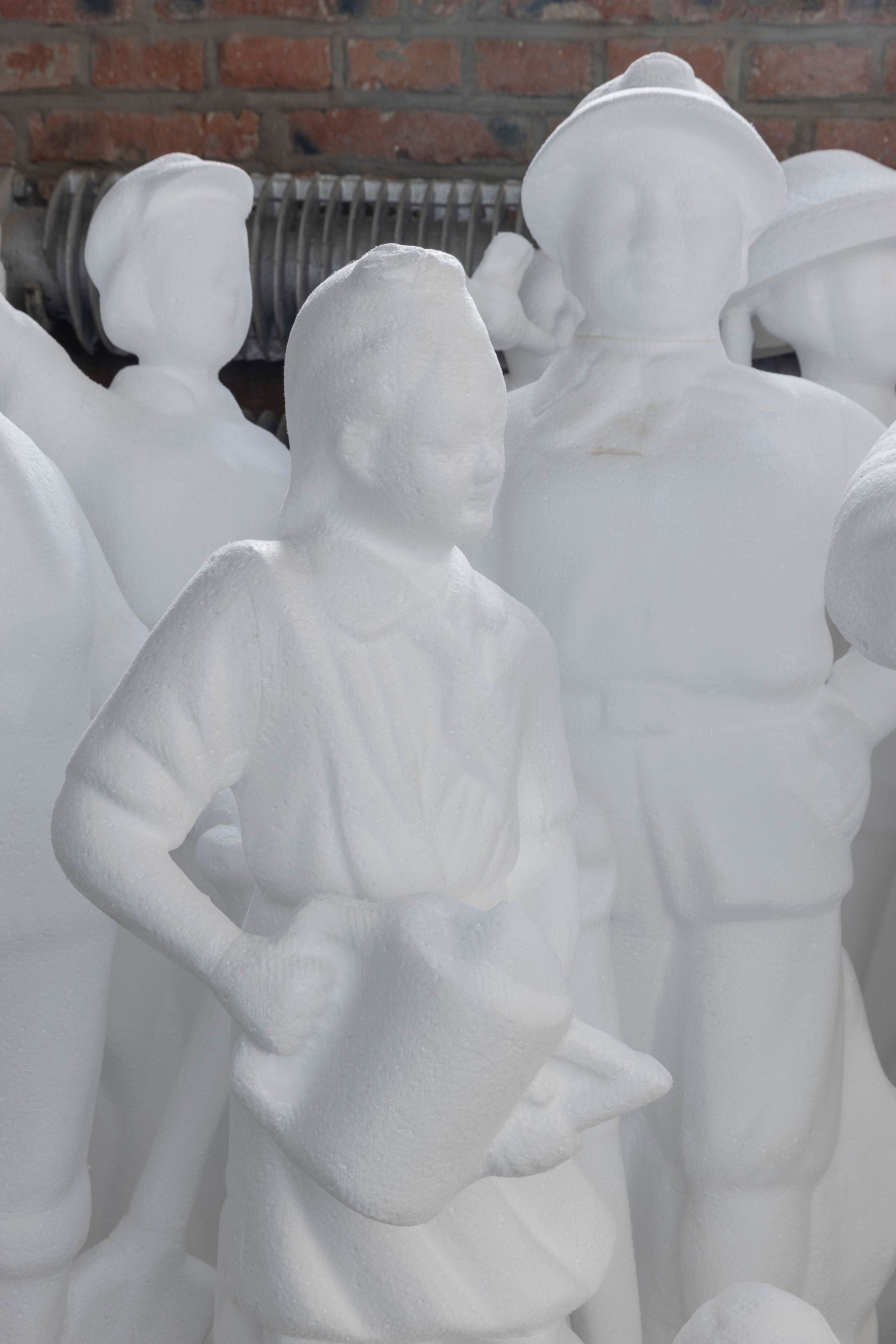
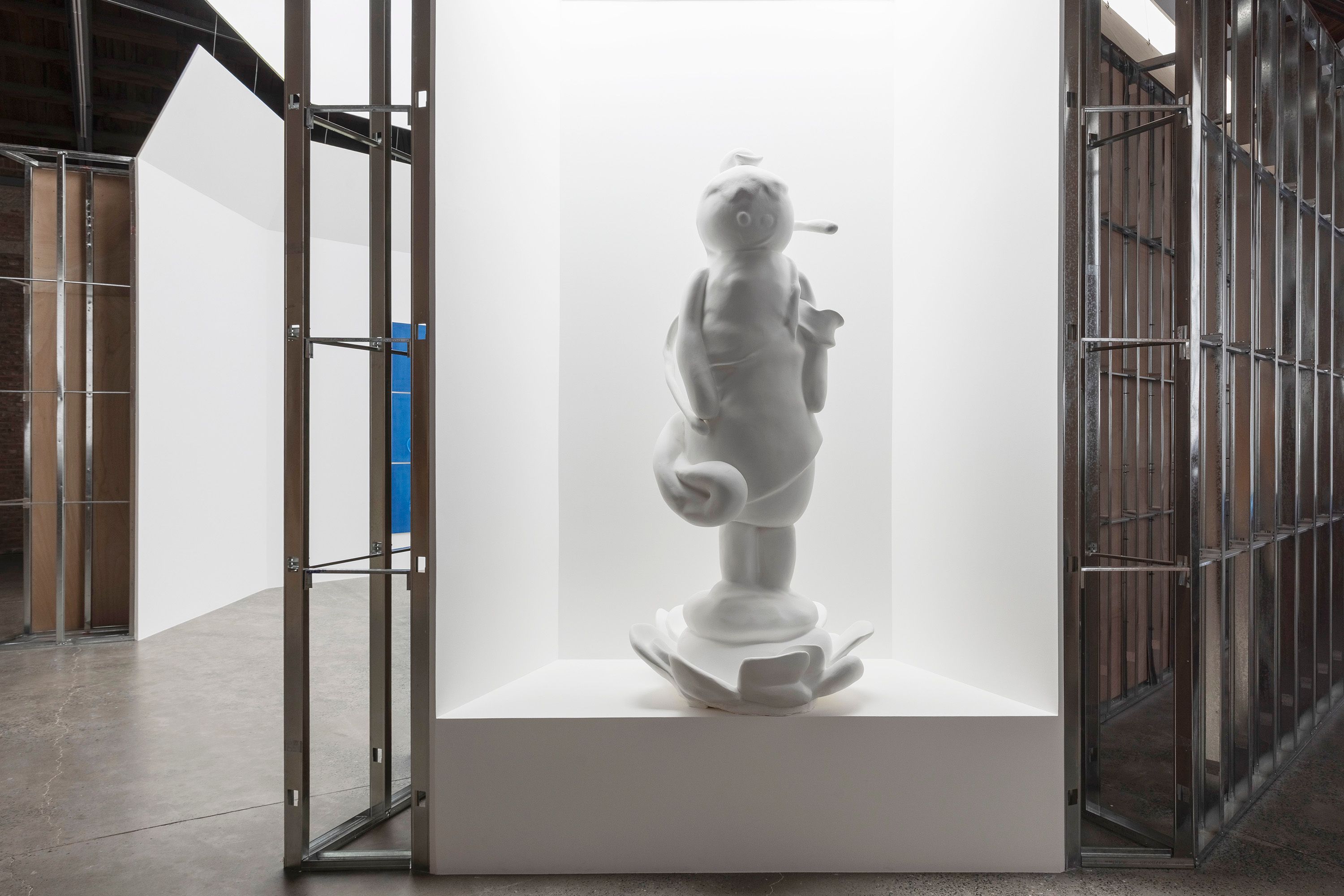
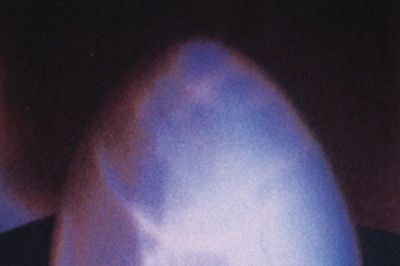
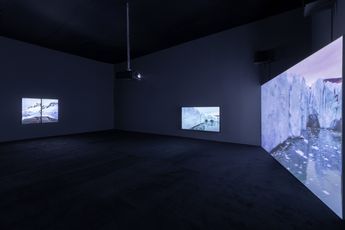
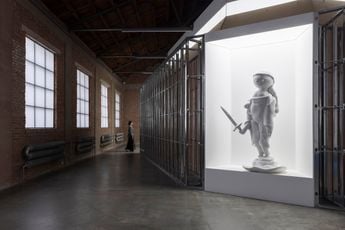
Ma’s latest exhibition, Myths in Wandering, on show at Beijing Commune, takes a particularly fraught moment in Chinese history as its focus. At its centre are figures of Greek deities based on clay models Ma’s daughter made when she was a child. Ma has enlarged them into cast-plaster sculptures recalling classical statuary, made cyanotypes and turned three-dimensional scans of the forms into a video whose imagery recalls an ultrasound, as though returning the figures to a womb. Elsewhere, child-sized foam figures are piled casually, like cheaply manufactured goods that have just been unloaded from a truck.
For these forms, Ma drew inspiration from the porcelain figurines depicting heroic characters that were used in operas during the Chinese Cultural Revolution in the 1960s and 1970s, a decade of violent political and social upheaval in which leader Mao Zedong sought to purge perceived bourgeois and traditional influences while reasserting his authority within the Chinese Communist Party. The model operas came to dominate stage and screen while much other cultural production was suppressed. . For many Chinese people who grew up around the figures, including Ma’s mother, they acquired a quasi-religious force.
The model characters “were drawn from workers and ordinary people, but as they were turned into heroes, their complexity and flaws were stripped away, until only the qualities required of them remained,” Ma says. “China’s official ideology was atheist and materialist, yet that period still produced its own mythology. I see an absurdity in both forms of god-making: on one side, the pantheon of Western culture; on the other, a short-lived group of Eastern gods.”
At her studio in a quiet village on Beijing’s outskirts, Ma spoke about what drove her away from the camera, how personal pain diminished, and what it means to make gods from images inherited across three generations.
Shanyu Zhong: One of the exhibition’s central groups of figures began as paper clay goddesses, made from an easy-to-use kind of clay mixed with paper, made by your daughter as a child. Could you talk about how they took shape?
Ma Qiusha: My daughter was a relatively late starter. After starting primary school, she suddenly asked for some paper clay. Within a year, she had created an entire pantheon of goddesses. To her, gods were no different from humans: they too experienced anger, jealousy, frustration and pain, only magnified many times over. She turned abstract stories into concrete forms, much as an artist does.
I wanted the exhibition to foreground god-making as an action. What mattered was not defining the appearance of these gods but showing how they were made. My daughter kept working from the same prototype, and I likewise placed this simple form in different materials and settings. Making, depicting and sculpting it over and over gradually established its existence, until it became a god.
After scanning the figures, I viewed them from different angles in modelling software. I would even enter their bodies, moving beneath their legs or through their heads and hands. I think this act of looking is itself a form of construction.
SZ: For a time, the self-exposure you used in works like From No 4 Pingyuanli to No 4 Tianqiaobeili seemed to recede from your practice. What prompted that shift?
MQ: My early works were immediate responses. Pressure and anxiety had to become an image at once, and I never fully planned a work in advance. I am timid in life but fearless when making work. Even now, I feel an energy in my body that I cannot contain.
People later began calling me an “autobiographical video artist”, and I rebelled against the label. I did not want to keep repeating the Ma Qiusha who had already been established.
Perhaps I also became less self-centred. Earlier, I may have stood too close to the pain. Once I raised my vantage point slightly, the pain remained an obstacle, but it no longer seemed so immense.
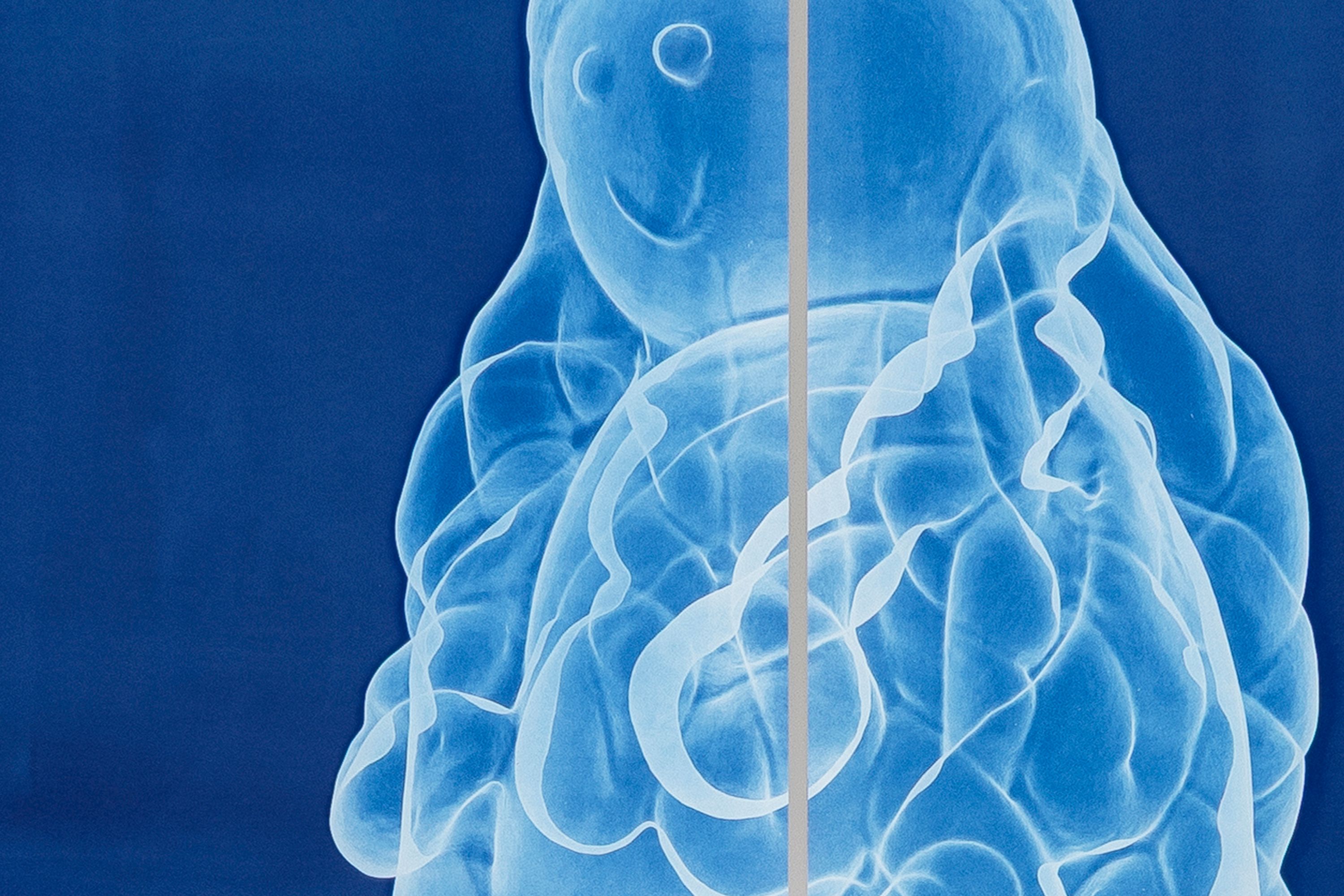
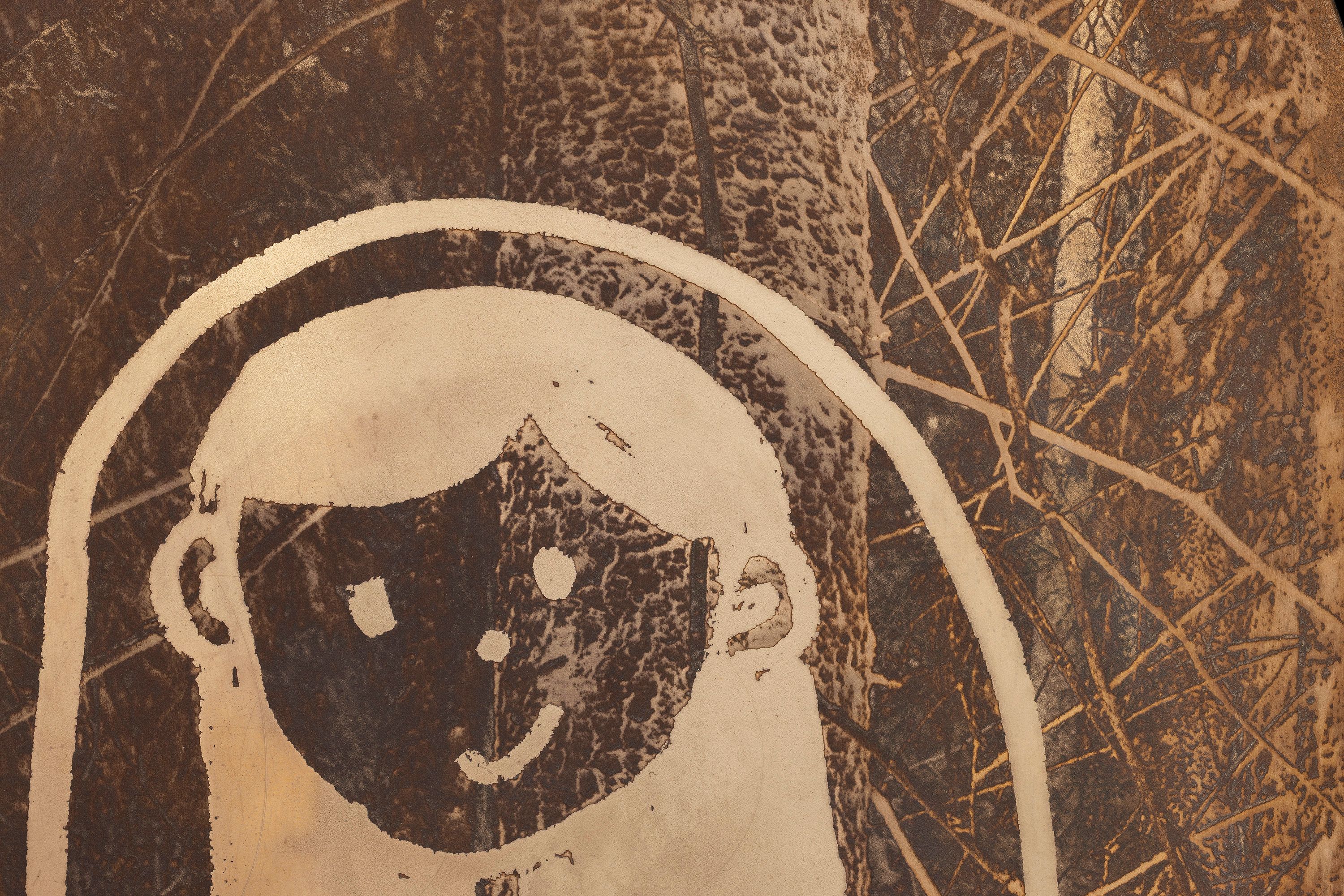
SZ: A lot of your work evokes entrapment: concrete wrapped in stockings, congealed bodily fluids compressed within thin membranes, and windows that seem narrow and restrictive. Is this an unconscious expression of your inner world?
MQ: That makes me think of the extra classes I attended in my early teens. Beijing winters were bitterly cold. Every window in the school building was the same size; behind them were rooms packed with people under white fluorescent lights. It felt oppressive.
After class, a vendor sold roasted sweet potatoes outside, and I hurried home on my bicycle. On the way, the windows in tower blocks would light up one by one warmly, like fireflies. Sometimes I stopped and peered into strangers’ homes. I could not really make out anything—only lights and faint silhouettes—yet they seemed safe and warm. When you mention window frames and entrapment, what first comes to mind is actually this longing.
“I feel an energy in my body that I cannot contain”
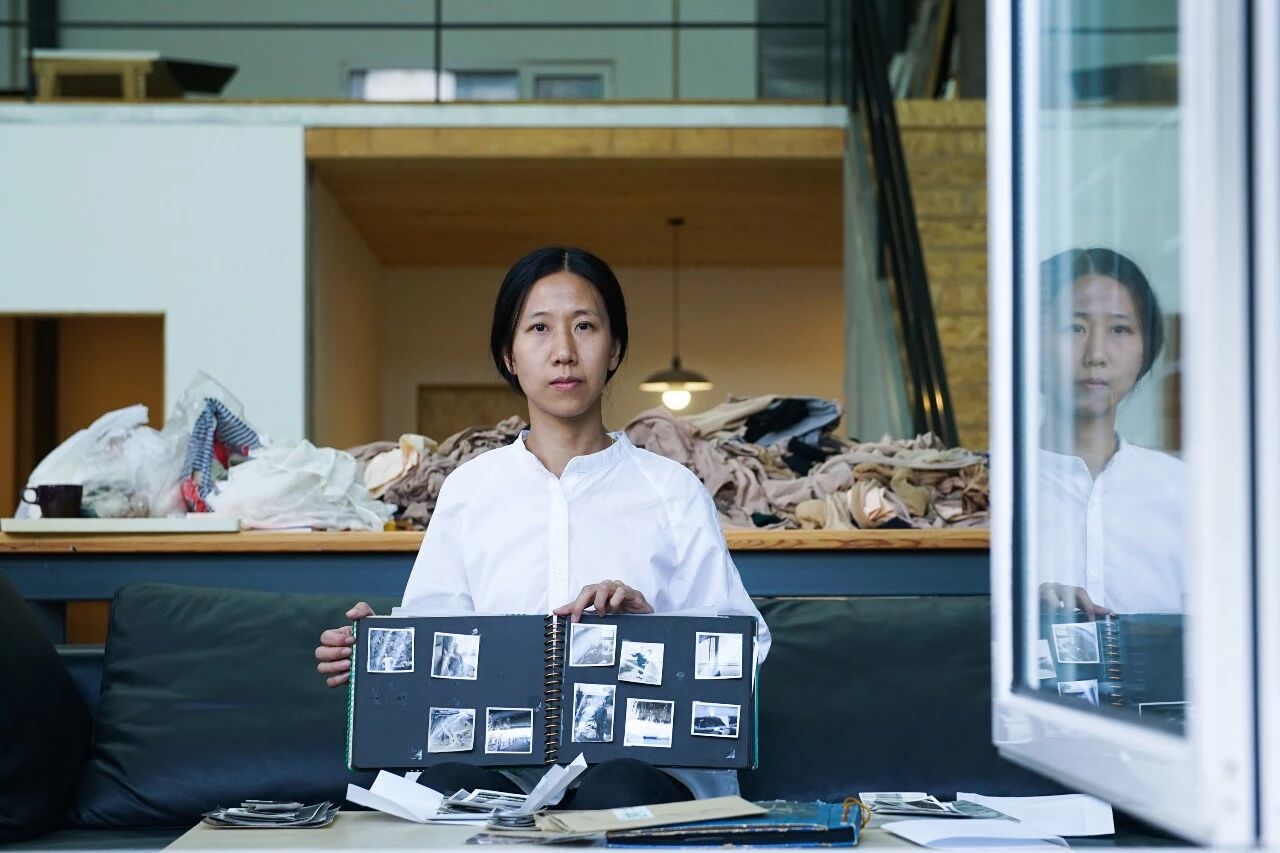
SZ: In recent projects, you approach personal history through other people, archives and objects. In No. 52 Liulichang East Street (2023), you reconstructed a shop from your childhood using family photographs and objects that had returned to China from overseas. How has your relationship to autobiographical material changed?
MQ: When my grandmother died at the end of 2022, I returned to Liulichang for the first time in almost 30 years. The street was grey and cold; only my favourite childhood shop glowed with warm light. Almost nothing inside had changed, yet it seemed tiny. I felt like a giant.
No. 52 Liulichang East Street uses a fictional address but is based on the real shop. To me, it is a self-portrait, like Pingyuanli: one is rooted in reality, while the other draws more heavily on imagination. Both establish who I am and how I relate to history.
SZ: Your work often looks back—at modern Chinese history, the Cultural Revolution and, most importantly, your own childhood. If you were to look back now, what is the first moment that comes to mind?
MQ: It may not be a specific event, but the feeling of having been loved: of being held as though inside a womb, surrounded by softness and warmth. It is a sense of safety that I think comes from my mother. She may be the only person to have supported my ideas and decisions unconditionally. Whenever I decide to do something, she says: “OK, go ahead.” —[O]
Ma Qiusha, Myths in Wandering (until 19 September) at Beijing Commune
Main image: Ma Quisha, Spectre Λητώ (2026) Courtesy of Beijing Commune.








A respected voice in contemporary art discourse.
Focusing on ambitious storytelling and insightful art-world commentary. Ocula Magazine publishes in-depth interviews, critical essays and timely analysis on the artists, exhibitions and ideas driving the global art world.
Learn more about Ocula Magazine
Showcasing the best of the art world.
Ocula partners with galleries from around the world to highlight their artists, artworks and exhibitions. Gallery membership is by application and invitation, with each member vetted by an independent panel.
Learn more about Ocula Membership
Specialises in the sale of major artworks.
Led by a team with deep ties to the world’s leading auction houses, galleries and collectors. Ocula’s advisory team offers bespoke services to high-net-worth clients from around the world who are looking to acquire the best of contemporary and modern art.
Learn more about our team and services