





Christine Sun Kim Exposes Hierarchies of Hearing at the Whitney Museum
Christine Sun Kim’s playful survey show, All Day All Night, integrates sound, video, and drawing to convey her experience of Deafness and advocate for Deaf inclusion, writes Matt Williams. Save to My Ocula

En route to Christine Sun Kim‘s survey exhibition, as I navigated the spatial and sonic matrix of Chelsea, I happened upon two solo shows by Mark Leckey, at Gladstone Gallery, and Steve McQueen, at Dia Chelsea. Both of these artists examine personal and collective actions, deploying voice—whether literal or conceptual—as a dramaturgical device to navigate and expose systemic inequalities.
Like Leckey and McQueen, Kim engages in the adaptation and echoing of speech, expanding and deconstructing conventional modes of communication to interrogate social difference and the hierarchies it produces. While all three artists’ signature aesthetics remain distinct, their works function similarly as mappings of socio-economic, racial, and physical disparities that have shaped—or continue to shape—audience perception, cultural production, and the structures that assign value.
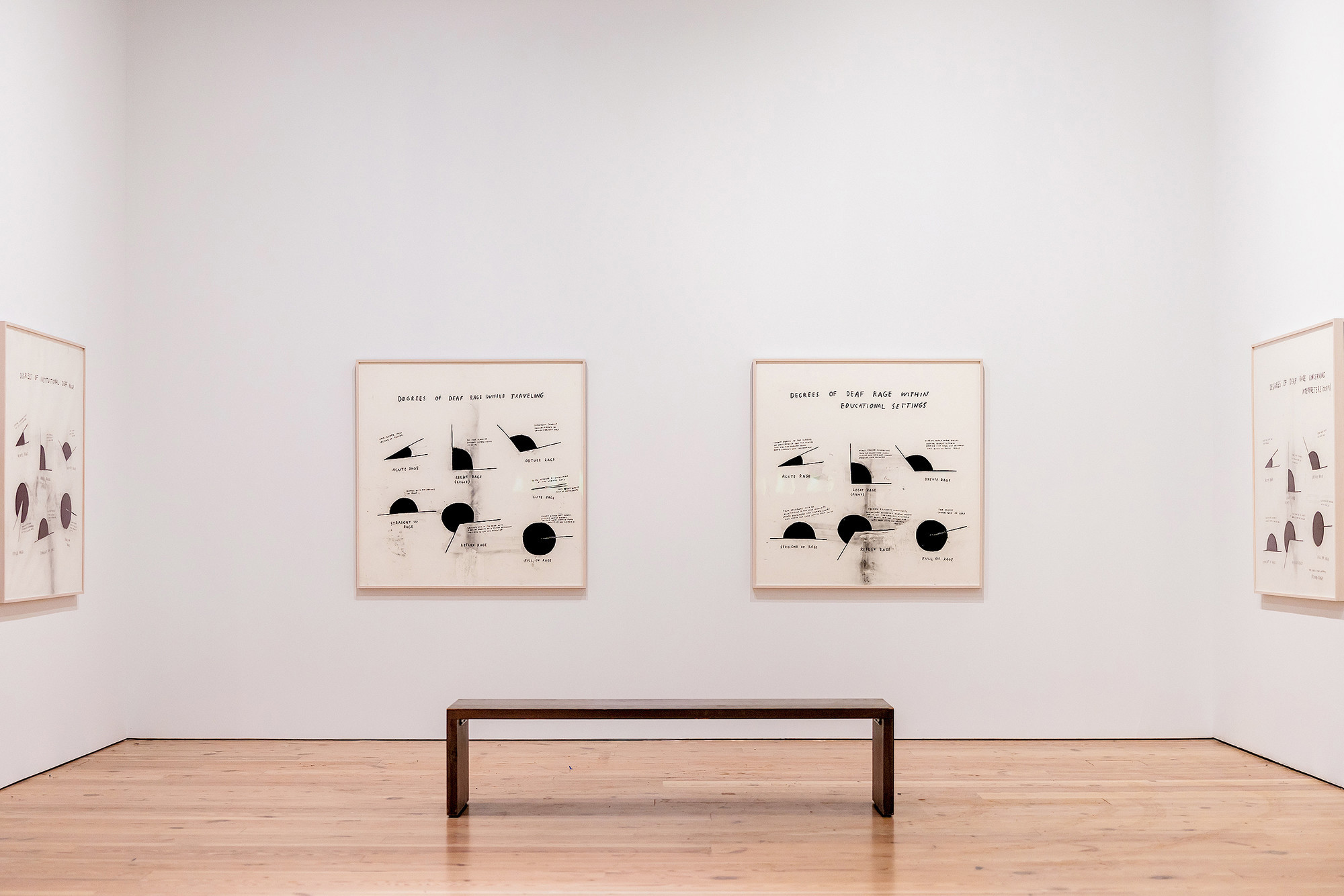
Kim’s work offers audiences a personal insight into Deaf culture and raises awareness of its ongoing societal peripheralisation; she also forges a distinctive dialectic. Kim articulates her experiences as a parent, partner, and artist, offering a much-needed perspective on the challenges and unconscious biases she encounters within the hearing world. These experiences are conveyed through a multidisciplinary practice that integrates sound, video, and a diagrammatic language of drawing, notation, and text; in so doing, her work aligns with strategies from conceptual art, sound art, and infographics.
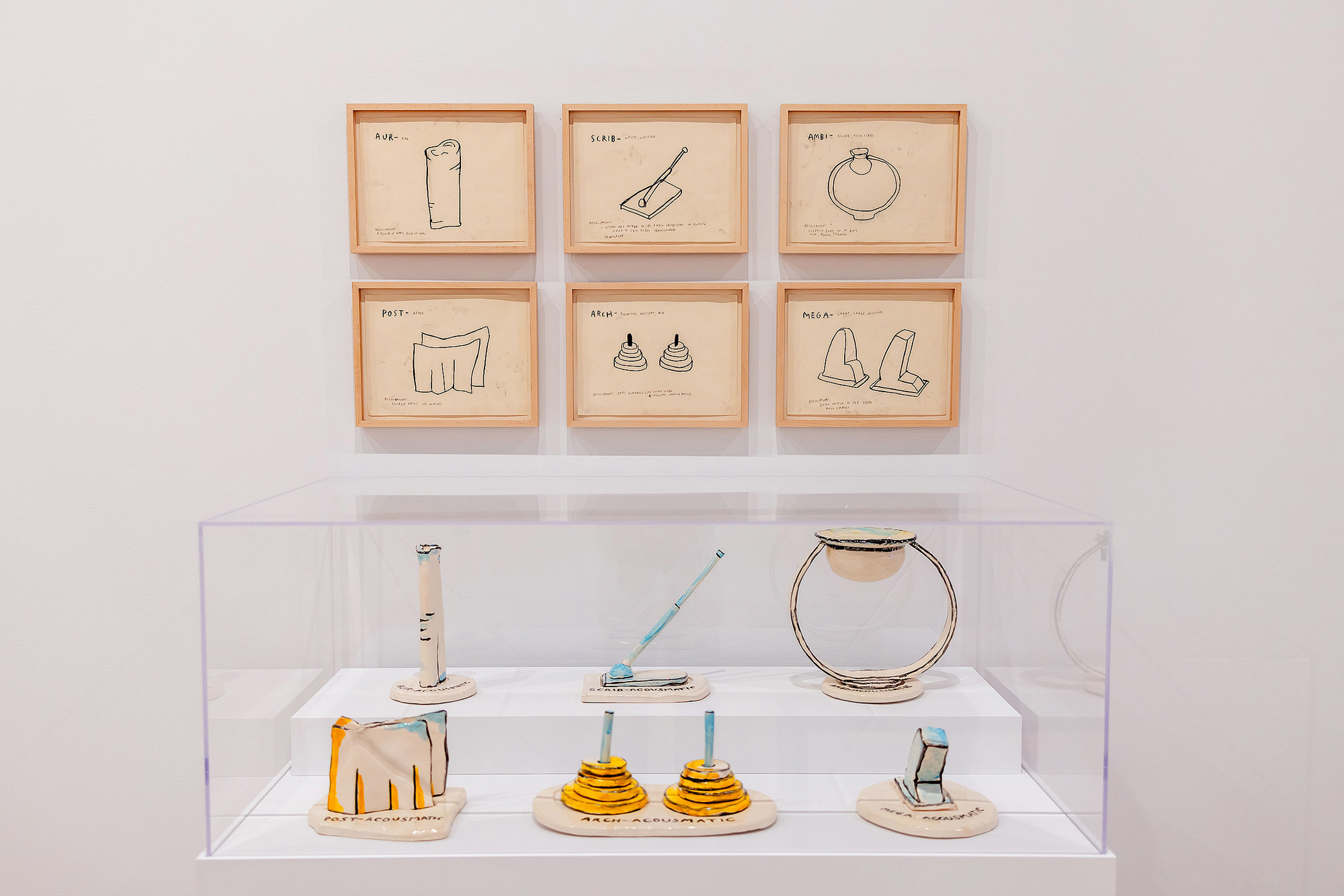
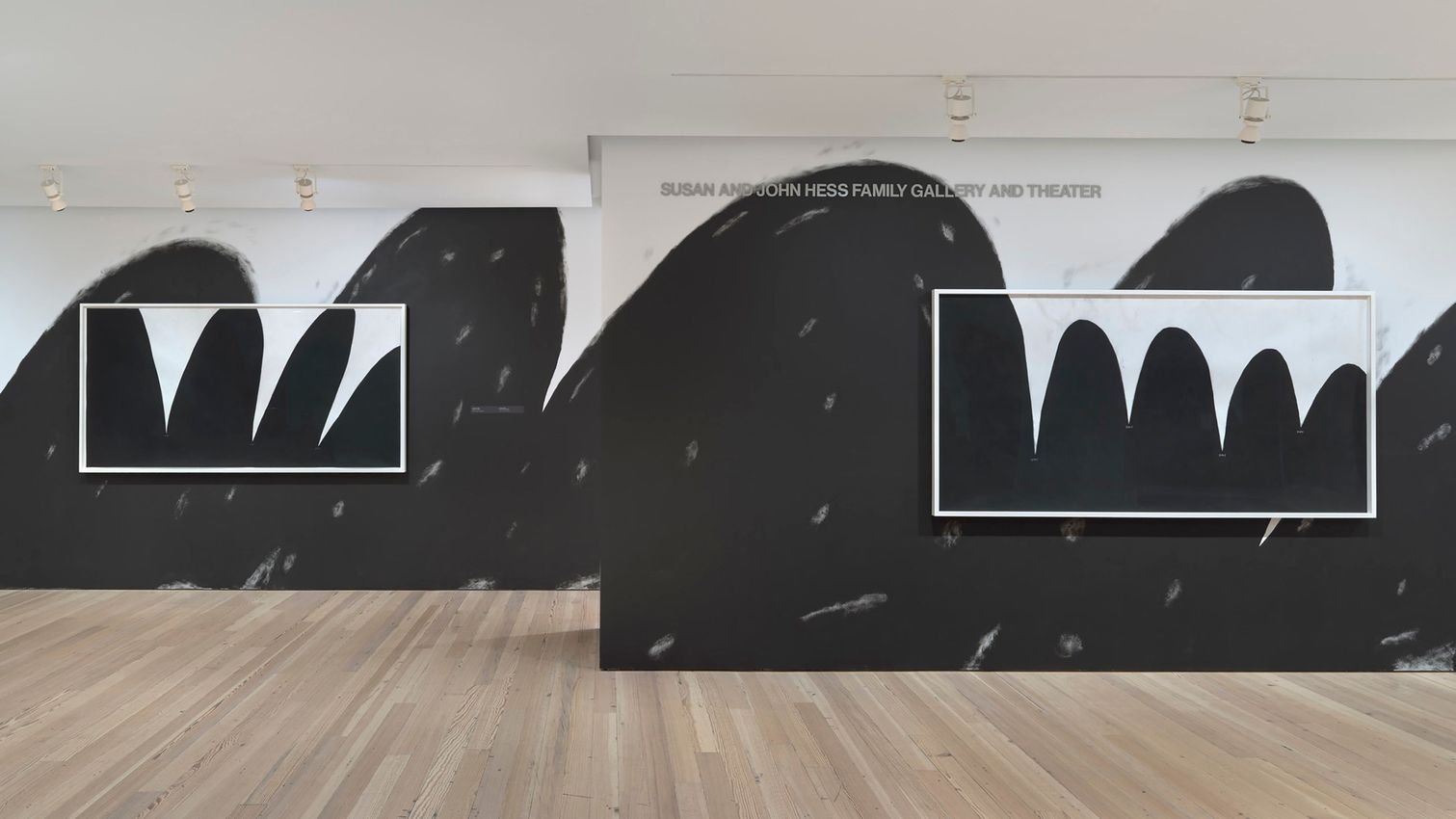
At the Whitney Museum in New York, Kim’s work is distributed across public spaces and galleries throughout the building, with audiences encouraged to begin their journey on the eighth floor and move down through the third and first floors via the stairwell. The upper gallery houses videos, sound works, and a site-responsive mural, alongside drawings that follow the tradition of conceptual sketches and diagrammatic plans—presented as autonomous works rather than preparatory studies.
Kim’s use of charcoal as her preferred medium highlights the presence of the human hand through erasure and revision, creating a palimpsestic effect that emphasises the physical act of thought and expression—the movement from head to hand—and the potential for human error or deliberation in communication. This tactile quality generates a sense of familiarity that establishes and sustains an unbroken dialogue with the viewer, reinforcing her resistance to the precision of digital graphics or commercial sign-writers in rendering texts and diagrams. When I Play the Deaf Card (2019) exemplifies this approach, pairing droll handwritten descriptions with a wonky pie chart that playfully mimics the evaluative processes and visual mappings commonly used by public arts and cultural organisations to assess audience demographics, community participation, accessibility initiatives, and educational outreach.
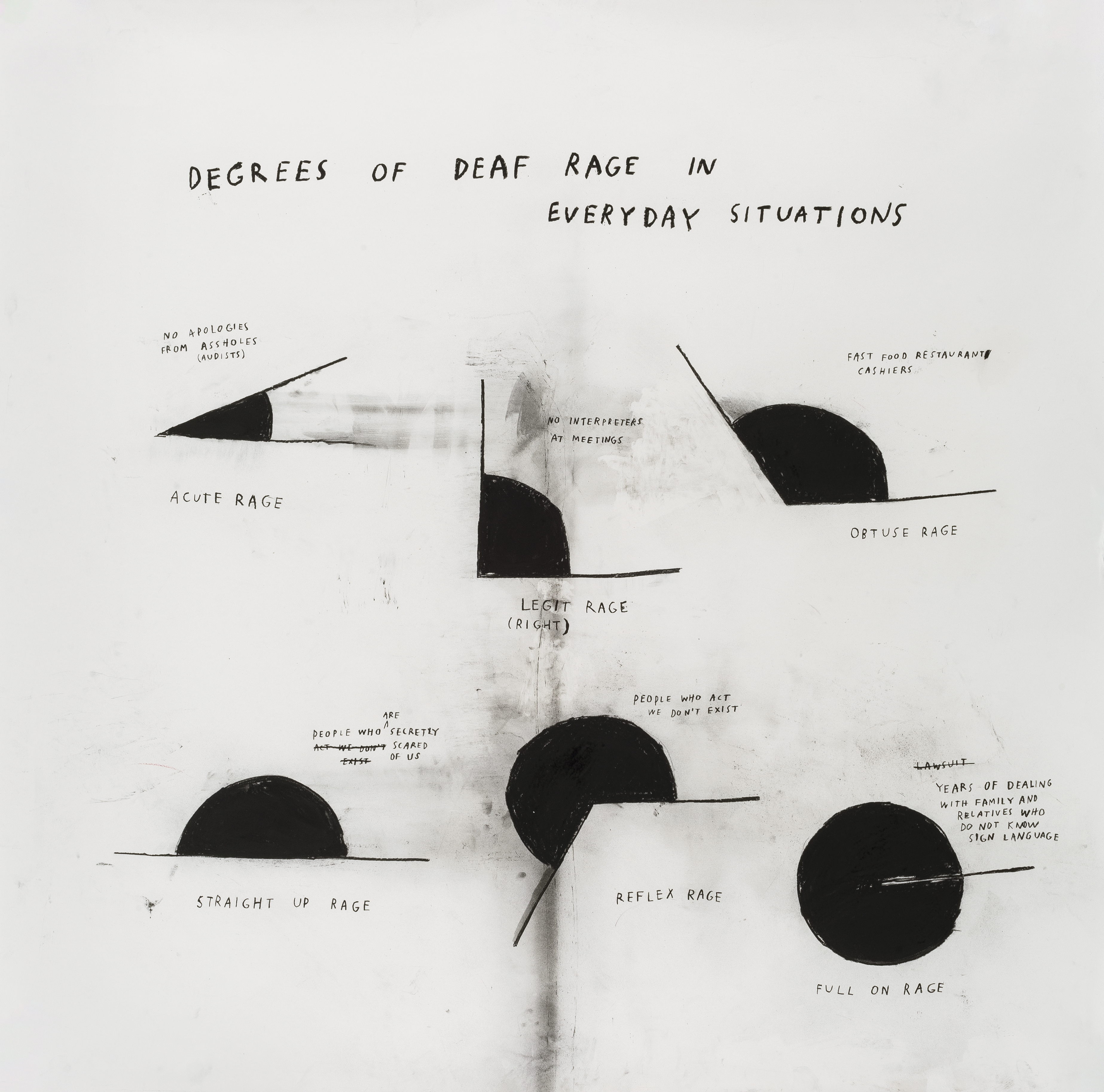
Other works, such as Shit Hearing People Say to Me (2019) and Degrees of My Deaf Rage in the Art World (2018), also quantify Kim’s lived experiences and her engagement with the arts, subtly critiquing institutional frameworks to expose a lack of awareness within these notionally progressive spaces—structures that define, legitimise, and interpret cultural production.
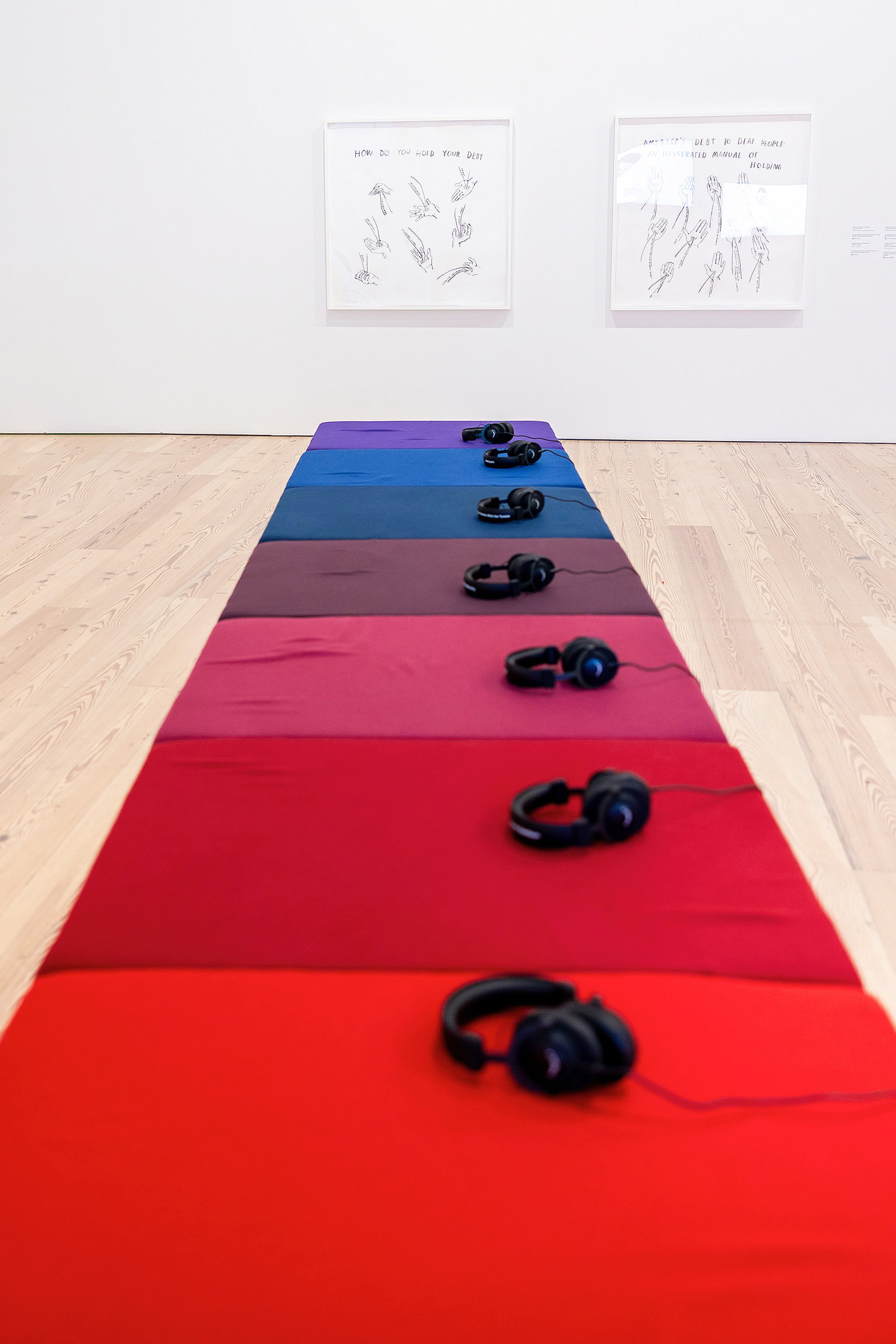
Before the birth of her first daughter, Kim developed Sound Diet (2018) in response to becoming a Deaf parent in a predominantly hearing household. Seeking to regulate her child’s sound exposure, she framed it as prescribing a ‘healthy’ balance between spoken word and sign language. The work interrogates sound’s role in daily life, addressing both human and environmental noise while exploring co-parenting and the negotiation of sound within the home. It led to One Week of Lullabies for Roux (2018), after Kim and her partner, German artist Thomas Mader, rejected the pre-programmed lullabies in baby monitors. Uncomfortable with playing unfamiliar songs—given her distinct relationship to music—Kim commissioned seven lullabies from different contributors, one for each day of the week. The compositions adhered to a set of parameters: no lyrics, low frequencies, suitable for continuous play, and accompanied by a written description of the audio for accessibility. Providing an alternative to conventional, language-based lullabies, the work reinforces Kim’s ongoing inquiry into the politics of sound, communication, and auditory hierarchy.
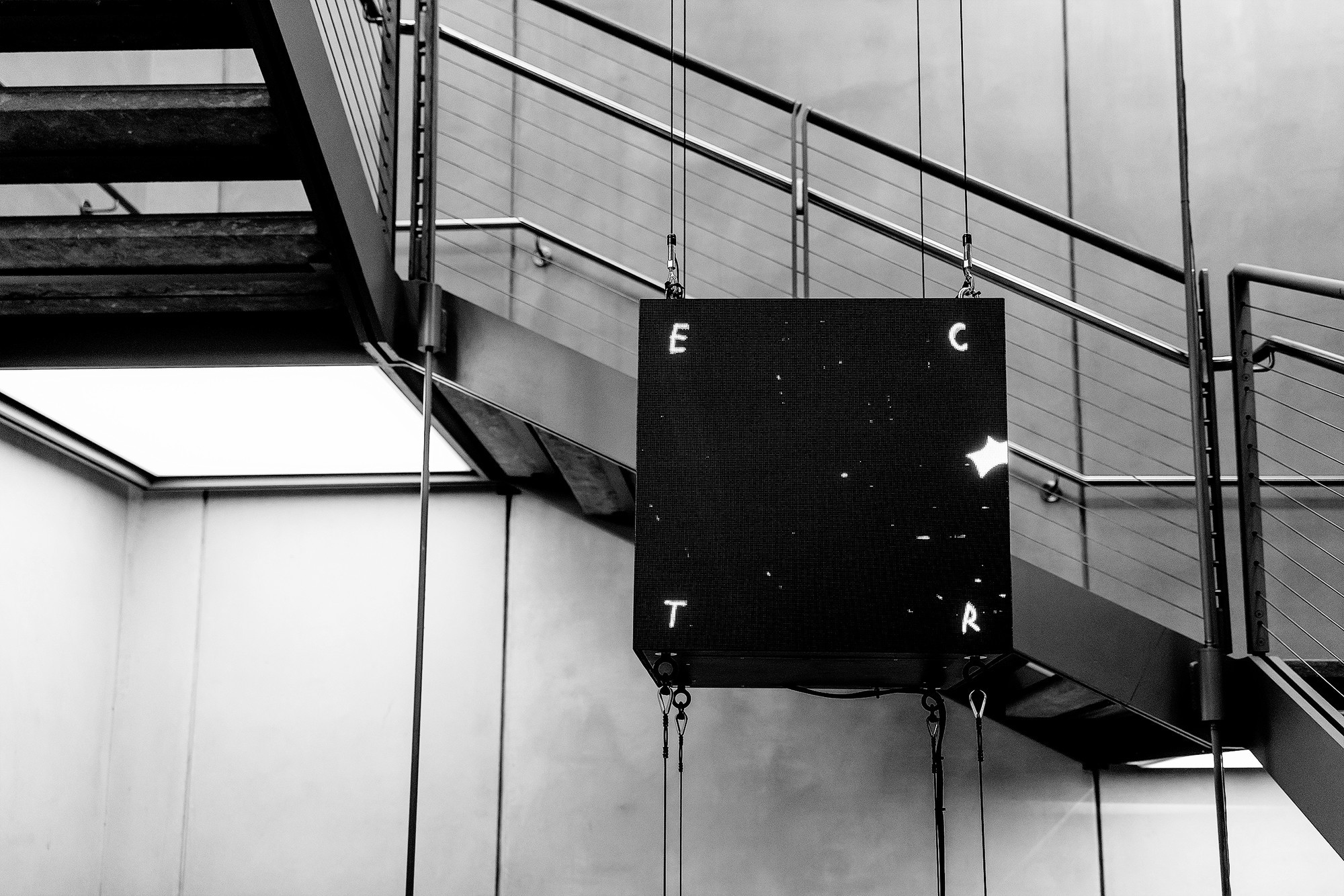
This exploration extends into A String of Echo Traps (2022), an installation spanning multiple levels of the museum’s stairwell. The work consists of animated digital panels applied to vertically suspended cubes, evoking the structures of infographics and comic books, where onomatopoeic words like ‘crash’, ‘bang’, and ‘wallop’ would typically punctuate illustrated space. Kim deconstructs these visual codes, stripping them of their nouns and sonic weight, destabilising conventional linguistic systems and effectively rendering them mute—bar the subtle electronic murmurs that periodically emanate from the cubes, subverting their expected sonic impact.
Through this process, Kim continues her critical engagement with the mechanics of language, exposing its inherent hierarchies, omissions, and limitations. This timely exhibition underscores the ongoing need for accessible and inclusive cultural spaces—an increasingly urgent reality amid the current U.S. administration’s retreat from egalitarian values. By centring the experiences of the Deaf community, Kim’s work highlights the necessity of environments—or spaces of appearance—where diverse communities can congregate and collectively challenge entrenched ideologies, creating new infrastructures that promote meaningful and lasting change. —[O]
Christine Sun Kim: All Day All Night is on view at the Whitney Museum of American Art, New York, from 8 February to 6 July 2025.
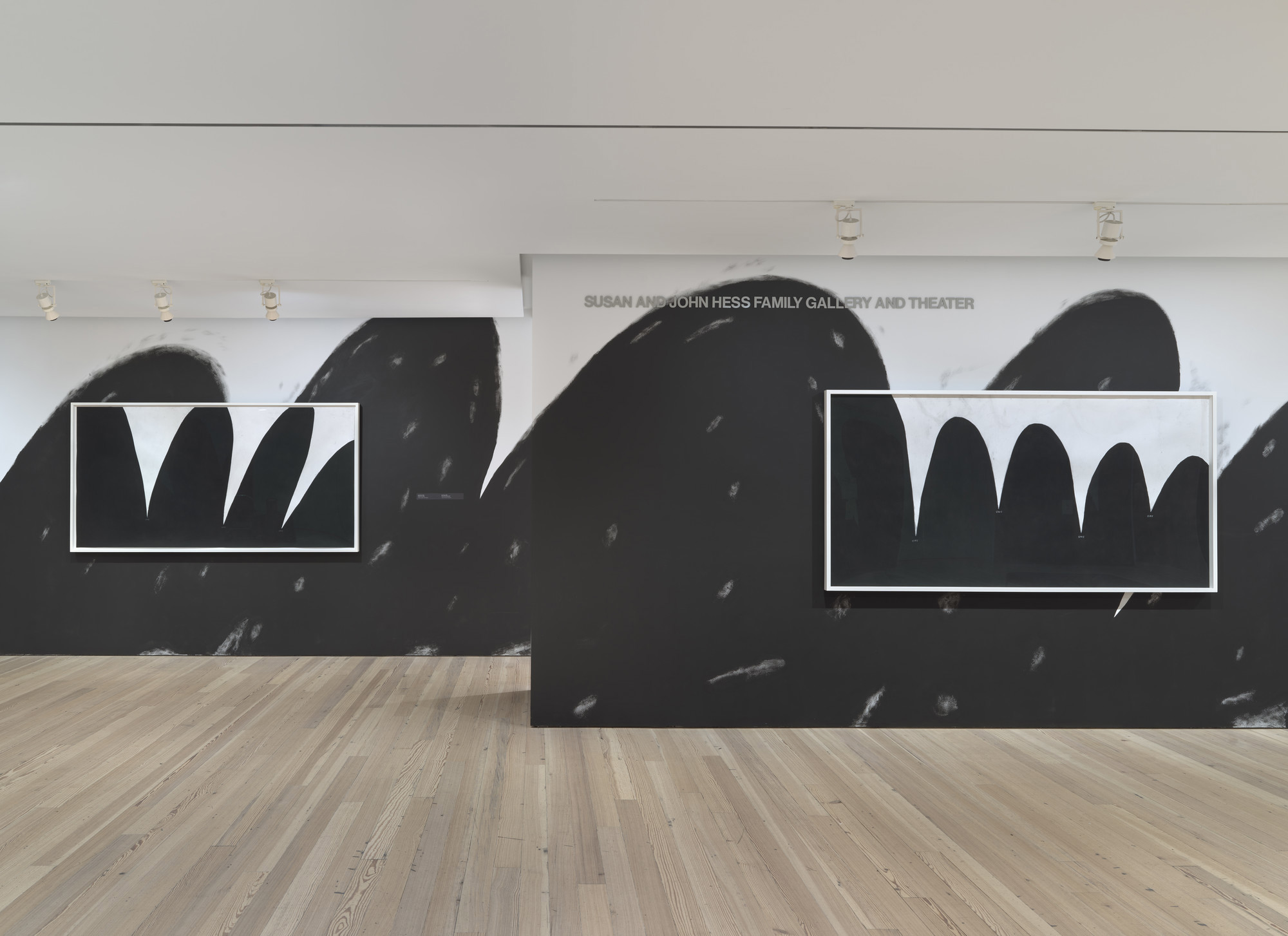
Main image: Left to right: Christine Sun Kim, Ghost(ed) Notes (2024); All Day All Night (2023). Exhibition view: All Day All Night, Whitney Museum of American Art, New York (8 February–6 July 2025). Photo: David Tufino.




A respected voice in contemporary art discourse.
Focusing on ambitious storytelling and insightful art-world commentary. Ocula Magazine publishes in-depth interviews, critical essays and timely analysis on the artists, exhibitions and ideas driving the global art world.
Learn more about Ocula Magazine
Showcasing the best of the art world.
Ocula partners with galleries from around the world to highlight their artists, artworks and exhibitions. Gallery membership is by application and invitation, with each member vetted by an independent panel.
Learn more about Ocula Membership
Specialises in the sale of major artworks.
Led by a team with deep ties to the world’s leading auction houses, galleries and collectors. Ocula’s advisory team offers bespoke services to high-net-worth clients from around the world who are looking to acquire the best of contemporary and modern art.
Learn more about our team and services