





The art world in focus
Subscribe to our newsletter for news and insights on artists, galleries and exhibitions.

Berlin remains a haunt for bohemians, creatives, and queer folk despite three decades of gentrification. So a sign spelling out ‘Freak City’ in lights hanging high on a gallery wall could have been made yesterday. In fact, the eponymous work dates from 1980–81, and was originally a film prop in Freak Orlando (1981) by legendary artist and filmmaker Ulrike Ottinger.
The film stars the iconic Magdalena Montezuma (1942–1984) in an astonishing non-normative spectacle billed as ‘a history of the world’ exploring ‘the errors, the incompetence, the thirst for power, the fear, the madness, the cruelty, and the commonplace’.1 As Ottinger once explained, on Orlando’s pilgrimage, ‘everything is permitted and is even exhibited, things that don’t seem to exist or are suppressed in life’. Her sympathies have always been with the glittering outcasts, the Other—however defined, formed, or performed.2
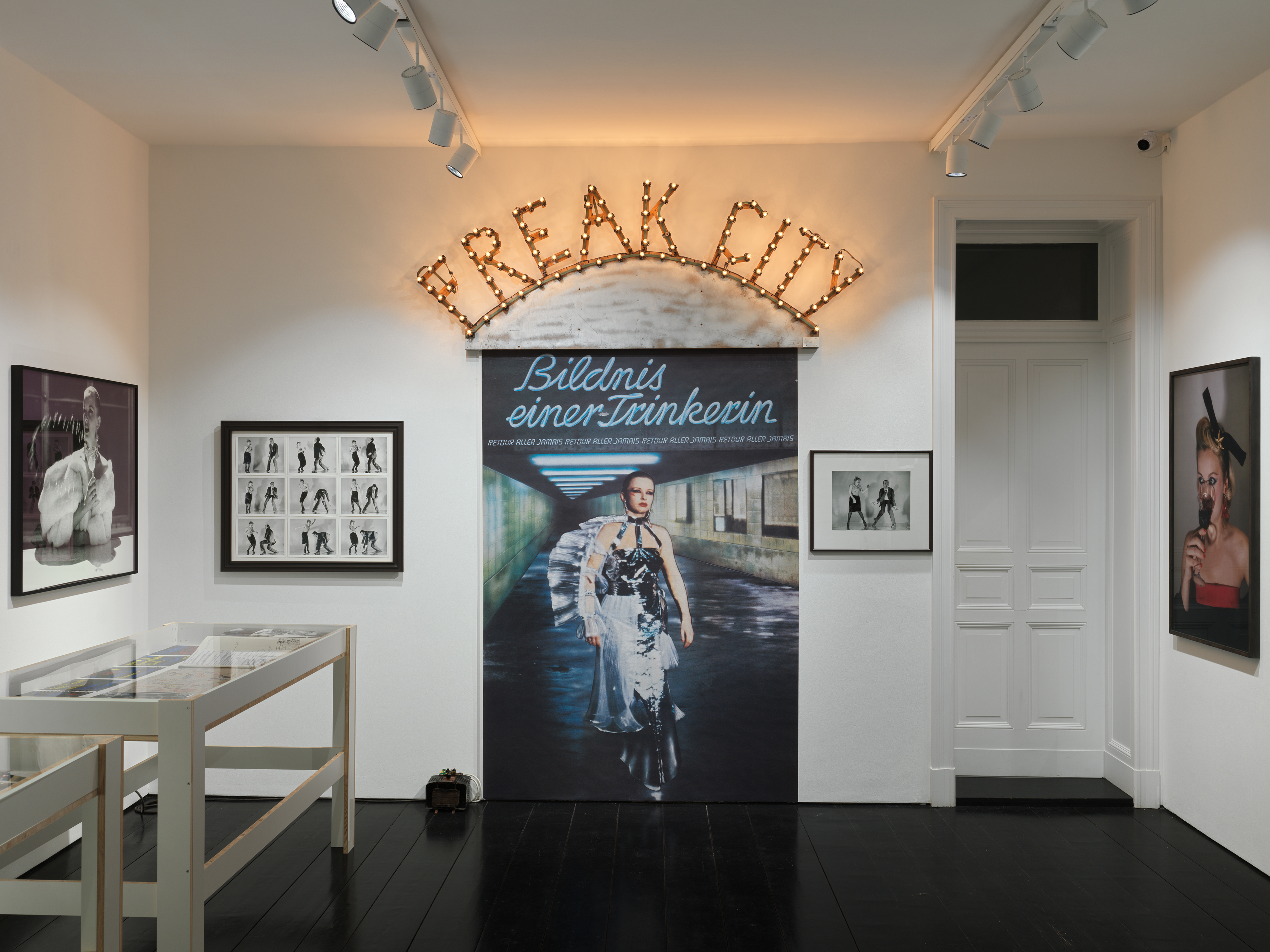
The film is the second in Ottinger’s ‘Berlin Trilogy’, which also includes the no-less-mesmerising Bildnis einer Trinkerin (Ticket of No Return, 1979) and Dorian Gray in the Mirror of the Yellow Press (1984). The latter stars androgynous model Countess Veruschka von Lehndorff in a trouser role-playing a Gray whose personal life is manipulated by a gutter press cabal out for a dollar.
The premise is rather prescient of contemporary social media’s business model. Evidenced by an oeuvre of 25 films to date, Ottinger’s work is an untamed, glorious celebration of radical difference.
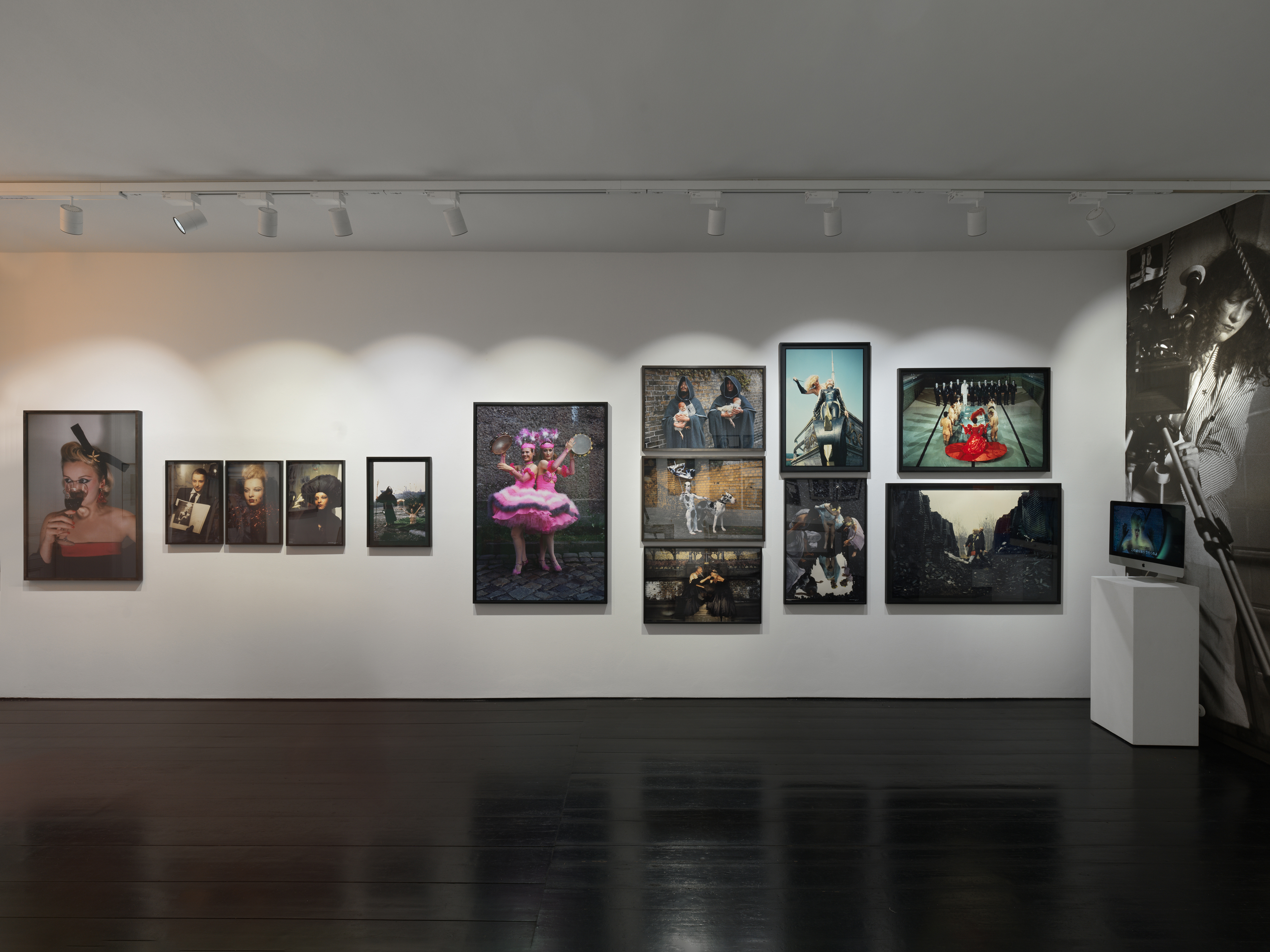
Institutional in character, occupying a ground-floor gallery and an upstairs screening room, this exhibition gives a rich and tantalising introduction to Ottinger’s extensive archive and working process geared to captivating new audiences. Multiple vitrines contain scrapbook-like collaged scripts and documentation.
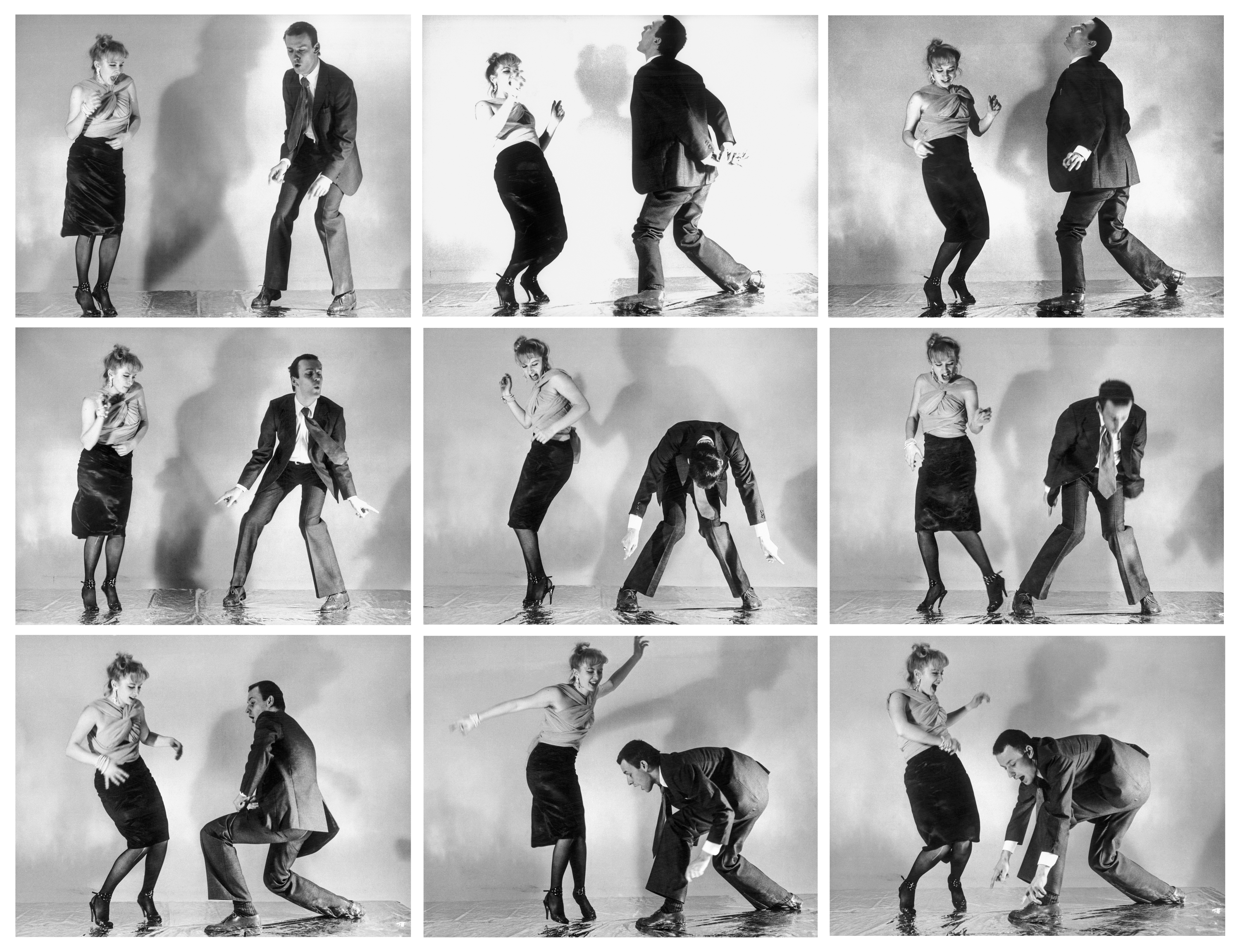
A medley of photographs—artworks in their own right—showcase trash divas and mysterious theatrical rituals, as in Narzisstischer Hermaphrodit in Begleitung eines Zwerges und einer Bartfrau (Narcissistic Hermaphrodite accompanied by a Dwarf and a Bearded Woman, 1981). A mental map, Freak Orlando – Bilderpartitur (1979–1981), composed of an array of black and white photographs mounted on cardboard, includes jarring pictures of torture and physical deformities. Ottinger is never easy-going: her queerness is resolutely challenging.
While Ottinger started out in the 1960s as a Paris-based printmaker and painter, it is her avant-garde filmmaking in Berlin from the 1970s onwards that put her in the same distinguished league as Rainer Werner Fassbinder, Derek Jarman, and Jack Smith. Now 82 years of age, the iconic maverick and polymath is currently shooting a new film.
Ottinger’s visions are propelled by deep empathy even when depicting the disempowered, the tragic, or the abject. Take, for example, the glamorous-yet-doomed star of Bildnis einer Trinkerin, played by Tabea Blumenschein (1952–2020), who embarks on a fatal alcoholic bender in West Berlin. One of Ottinger’s romantic partners and collaborators, Blumenschein, also designed this riotous escapade’s remarkable, high-keyed New Wave costumes.
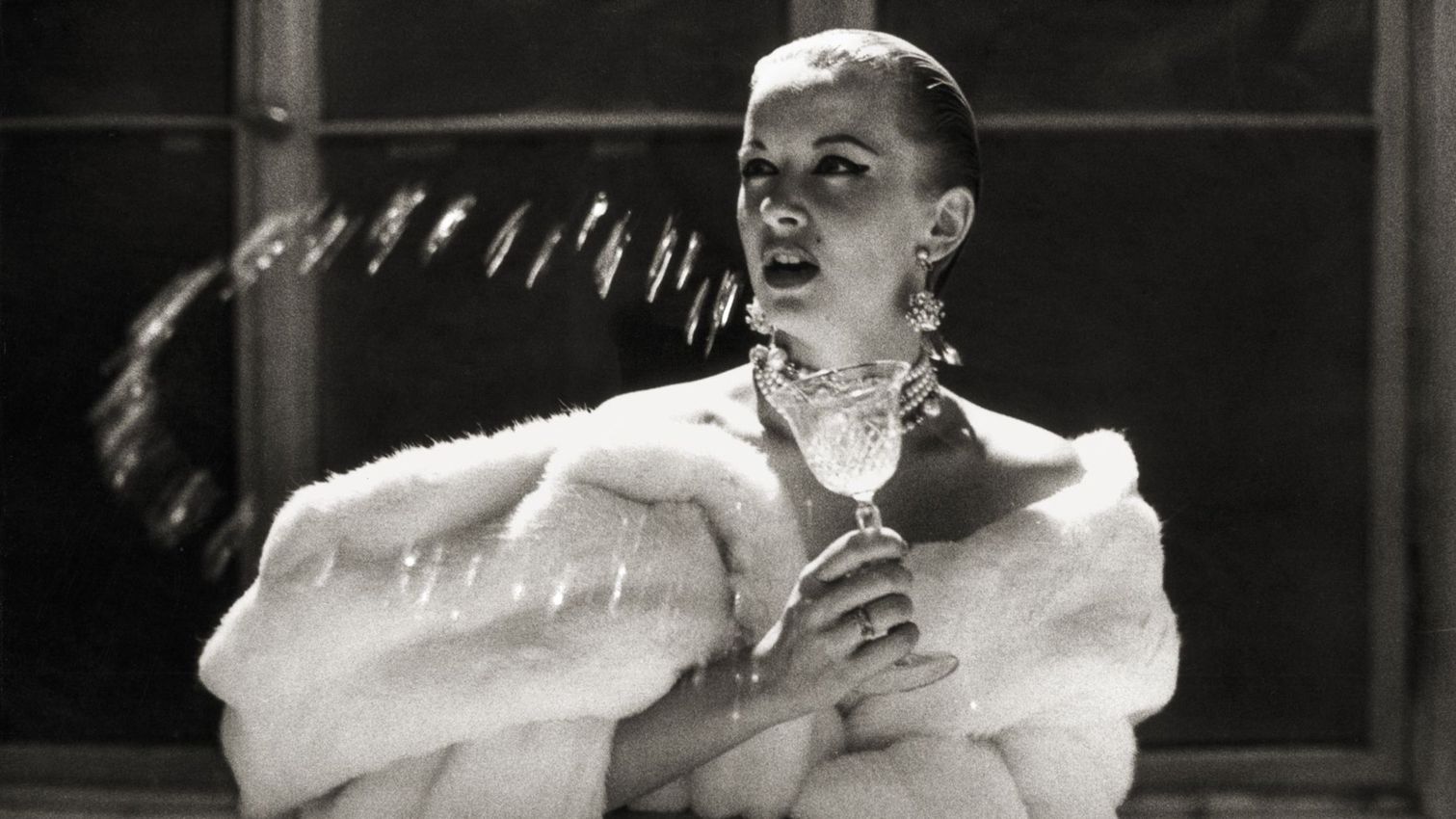
Skilfully marrying the art of disguise with the ability to draw attention to herself, the wealthy, pouting, ethanol-crazed, overdressed runaway (so Berlin!) is shown tossing drinks at her distorted reflection in scenes that rank amongst independent cinema’s finest portraits. —[O]
A respected voice in contemporary art discourse.
Focusing on ambitious storytelling and insightful art-world commentary. Ocula Magazine publishes in-depth interviews, critical essays and timely analysis on the artists, exhibitions and ideas driving the global art world.
Learn more about Ocula Magazine
Showcasing the best of the art world.
Ocula partners with galleries from around the world to highlight their artists, artworks and exhibitions. Gallery membership is by application and invitation, with each member vetted by an independent panel.
Learn more about Ocula Membership
Specialises in the sale of major artworks.
Led by a team with deep ties to the world’s leading auction houses, galleries and collectors. Ocula’s advisory team offers bespoke services to high-net-worth clients from around the world who are looking to acquire the best of contemporary and modern art.
Learn more about our team and services
