





From the Fringes to the Frontline: Perspectives on Collecting in 2025
As the speculative frenzy of the 2010s fades, today’s collectors are searching for new ways to own their art—writer Aimee Walleston explores how the future of collecting is being rewritten in real time. Save to My OculaIt’s mid-2025, and you can’t swing a dead cat without hitting a thinky little article about the state of the art market.
After the art market exploded into a casino-slash-fantasy football league in the 2010s, many thought we would be forever gifted with an endless stream of artists in their mid-20s producing works demanding upwards of five figures on first sale, only to be flipped for six figures months later. But now, in the midst of slowing down, the question is: ‘what to collect now?’
That prompt is just the tip of the iceberg—it’s not just about ‘what’, but also why, how, where, and from whom do we collect? To find out, I spoke to four professionals in New York from the worlds of art and technology about the present and future of art collecting.

The Real Context Collapse
Tim Schneider thinks we are in a ‘generational shift,’ which circles back to the idea of the old problems of the art world no longer being relevant.
The author of The Great Reframing: How Technology Will—and Won’t—Change the Gallery System Forever (2017) and founder of popular Substack newsletter The Gray Market calls it a ‘real context collapse’, pointing to the difference between how culture was circulated a decade or two ago as opposed to now.
He describes the shift as no longer being just a bunch of people fighting over which types of art deserve museum shows—but art competing with everything that is being fed to us through the same channels as we consume everything else in our lives: ‘which is to say, our devices’. ‘It’s also competing with memes. It’s competing with sports. It’s competing with politics … it’s this larger fight for what deserves sustained attention, at a time when attention as an asset is becoming more and more scarce.’
To Schneider, the question isn’t what art deserves to be shown and collected—it’s about how to value art in a way that cuts through the noise of everything else.
And for the market, that means the industry is asking itself who the audience is—‘and especially who their paying audience is going to be’.
The Atomic Unit of Culture
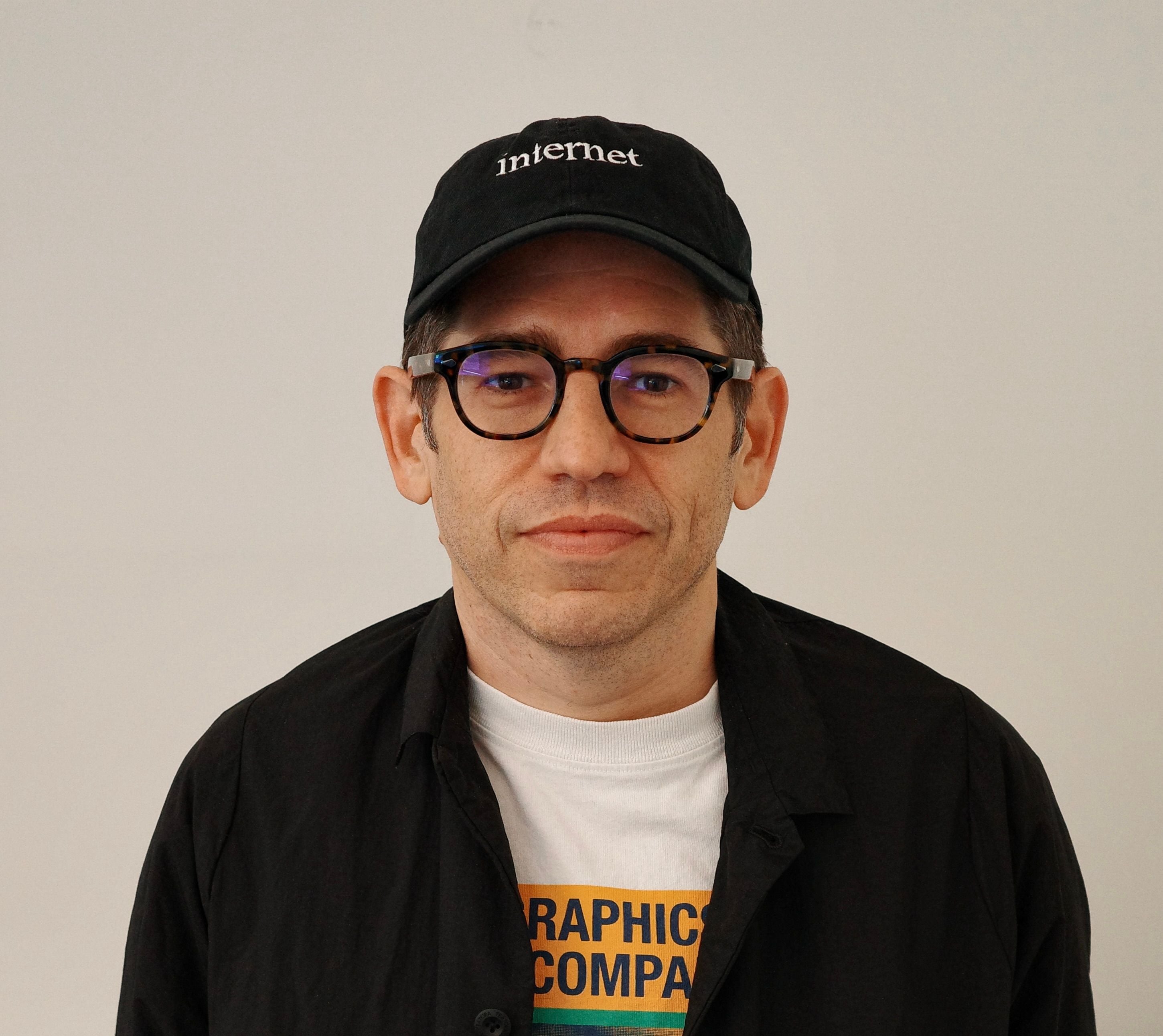
Our next player is not an art world insider per se, but a platform developer intent on disrupting funding models for artists that depend on ‘the way things have always been.’ Yancey Strickler is well-known as one of the founders (and now board member) of global crowdfunding platform Kickstarter.
Now, he’s returned to the platform space with Metalabel, the TL;DR of which is ‘collective creative ownership’.
In Strickler’s words, ‘all online tools currently are really built for individuals. Creative people don’t have [group] tools’. So the idea is that on Metalabel, a group can collectively become what Strickler calls an Artist Corporation, or A Corp.
A Corp status—which Strickler has spoken about recently in a popular TED talk—gives each artist, individually or within a collective, the power to own their intellectual property, so the profit they make from their work ‘divides and flows to each member of the collective’.
If Rene Ricard famously stated (in his 1981 Artforum essay, ‘The Radiant Child’) that ‘we are no longer collecting art we are buying individuals’, Strickler’s rejoinder might be ‘we are no longer buying individuals, we are collecting collectives’.
He is bullish on the idea that the work produced by artist collectives will be upending singular artists, and the idea that groups rather than individuals are the ‘atomic unit of culture’.
For me, what separates this platform from dozens of other startups with similar potential is the sway it has over people in the contemporary art world—especially those on the frontiers of new media.
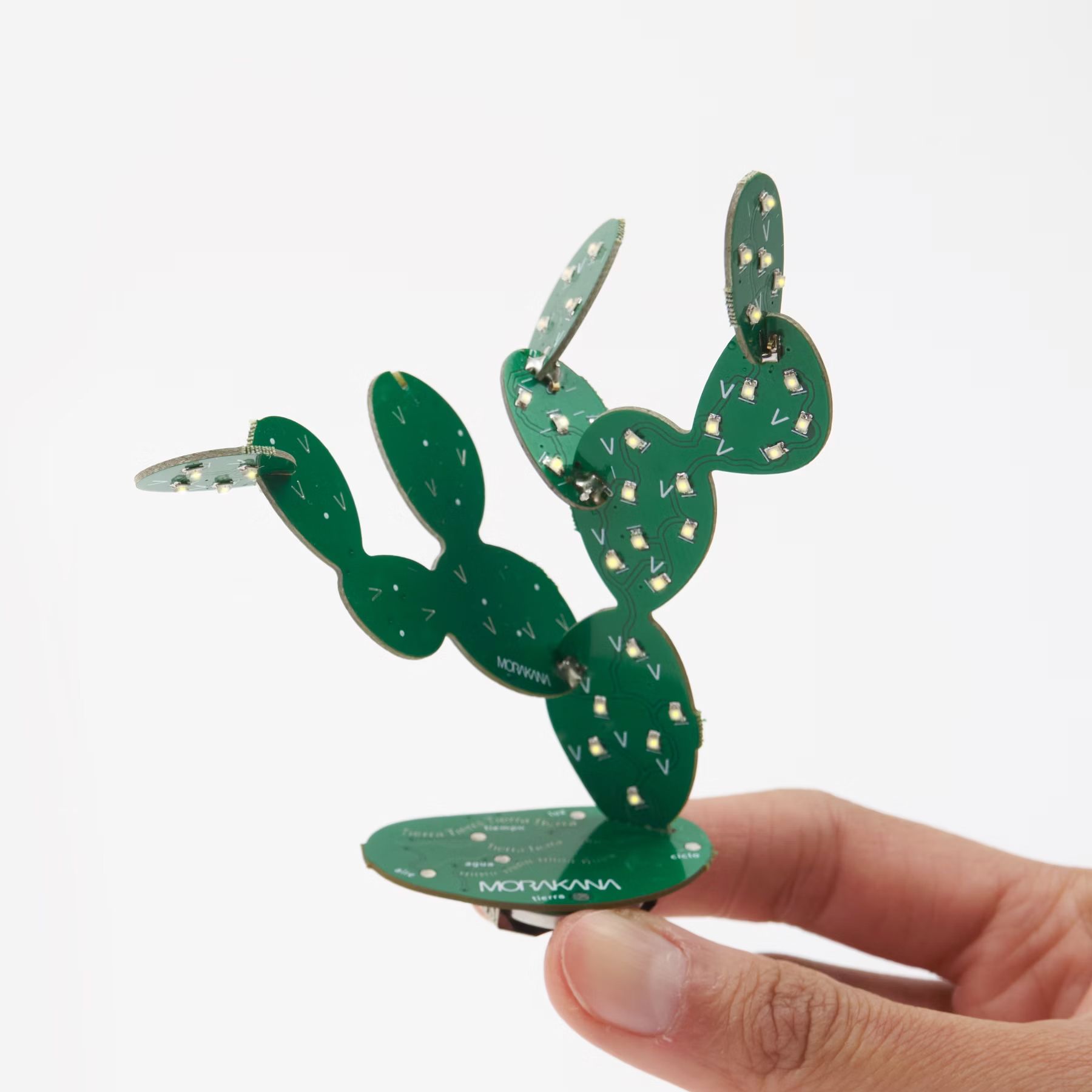

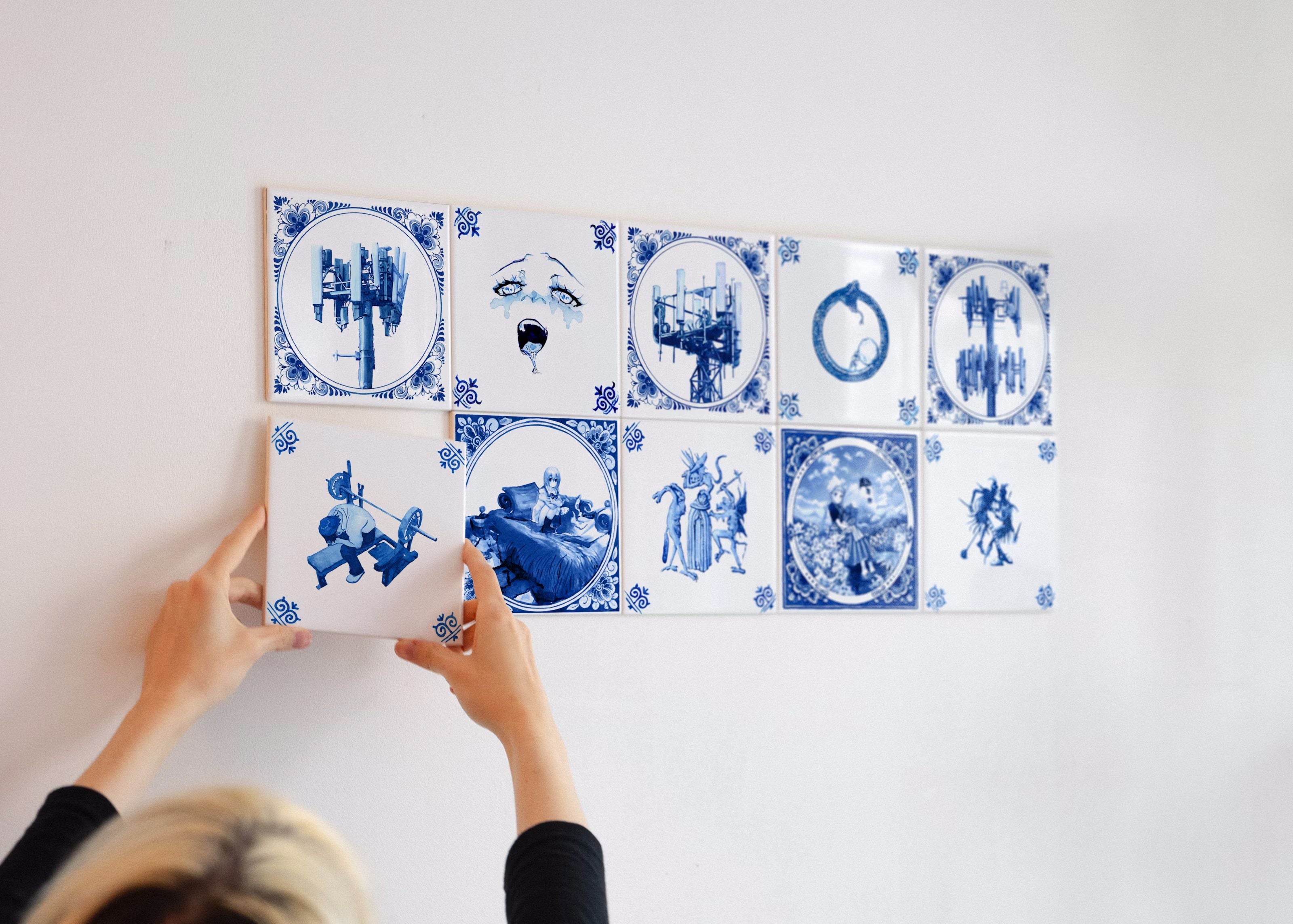

Strickler gets namechecked in Spike magazine, while New Inc., which the New Museum started in 2014 as a cultural incubator for ‘new art and ideas’, has recently announced a release partnership with Metalabel, following artist Joshua Citarella and his Do Not Research initiative also making the choice to release work on the platform.
I asked Strickler why he thought Metalabel, which arguably only began to pick up real traction roughly a year or two ago, was appealing specifically to the contemporary art world, and even more specifically to new media and post-internet artists within that world.
‘A lot of the people who are releasing with us are artists that are equally comfortable on the internet as they are off it, or even more comfortable on the internet,’ he said.
And while Metalabel comes at a time when the art market has a little bit of a frowny face, when art collecting is up in volume but down in value, there appears to be a growing appetite for something that extends beyond the traditional model.
Strickler was originally a music critic, and that’s where his heart still lies. ‘That’s always just been what I’ve cared about. This project came from initially me feeling isolated and alone. … I thought of Metalabel as a kind of psychic infrastructure that could maybe hold something together,’ he said. ‘Ultimately, I see Artist Corporations as a way that groups … could become something even bigger.’
A Turn to the Tangible
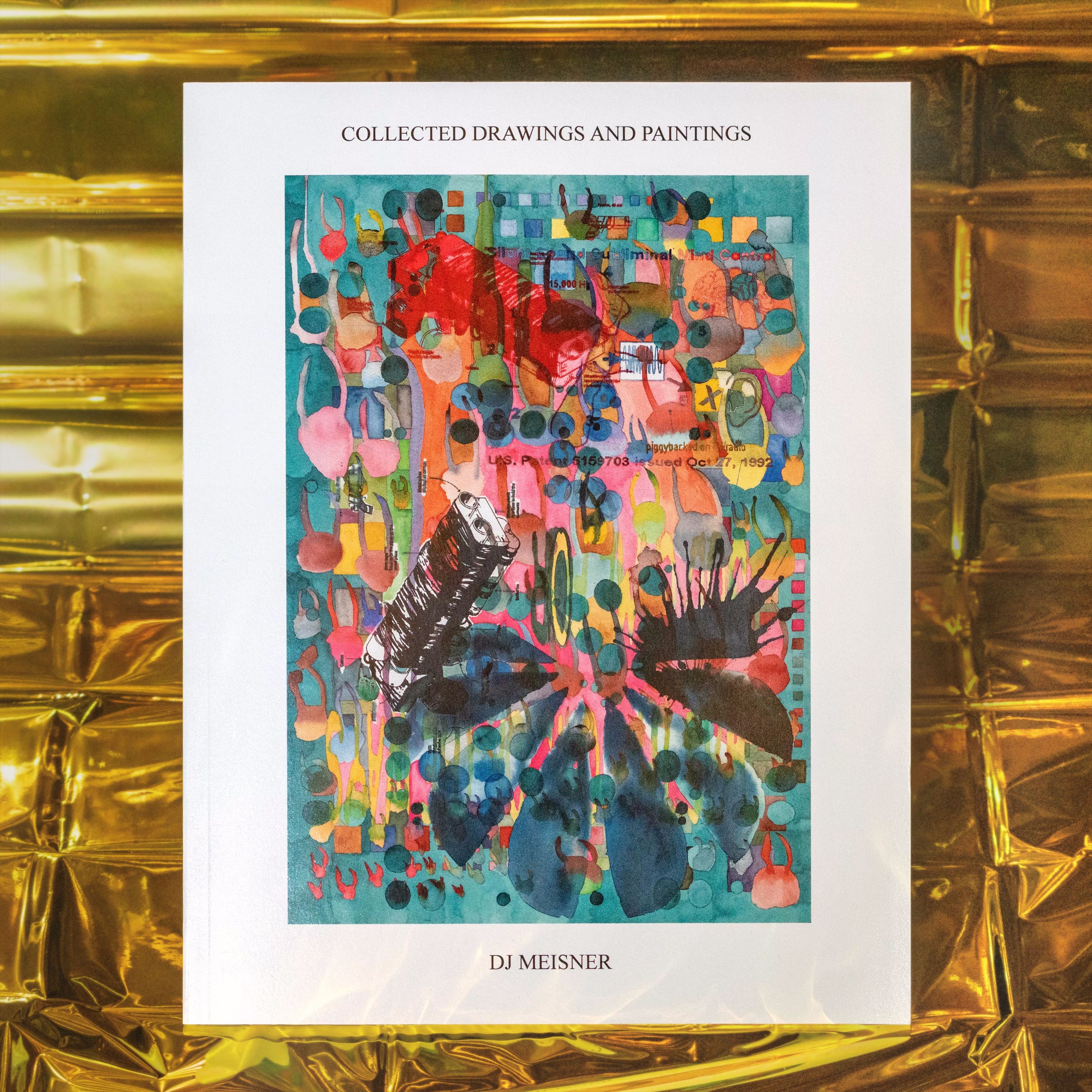
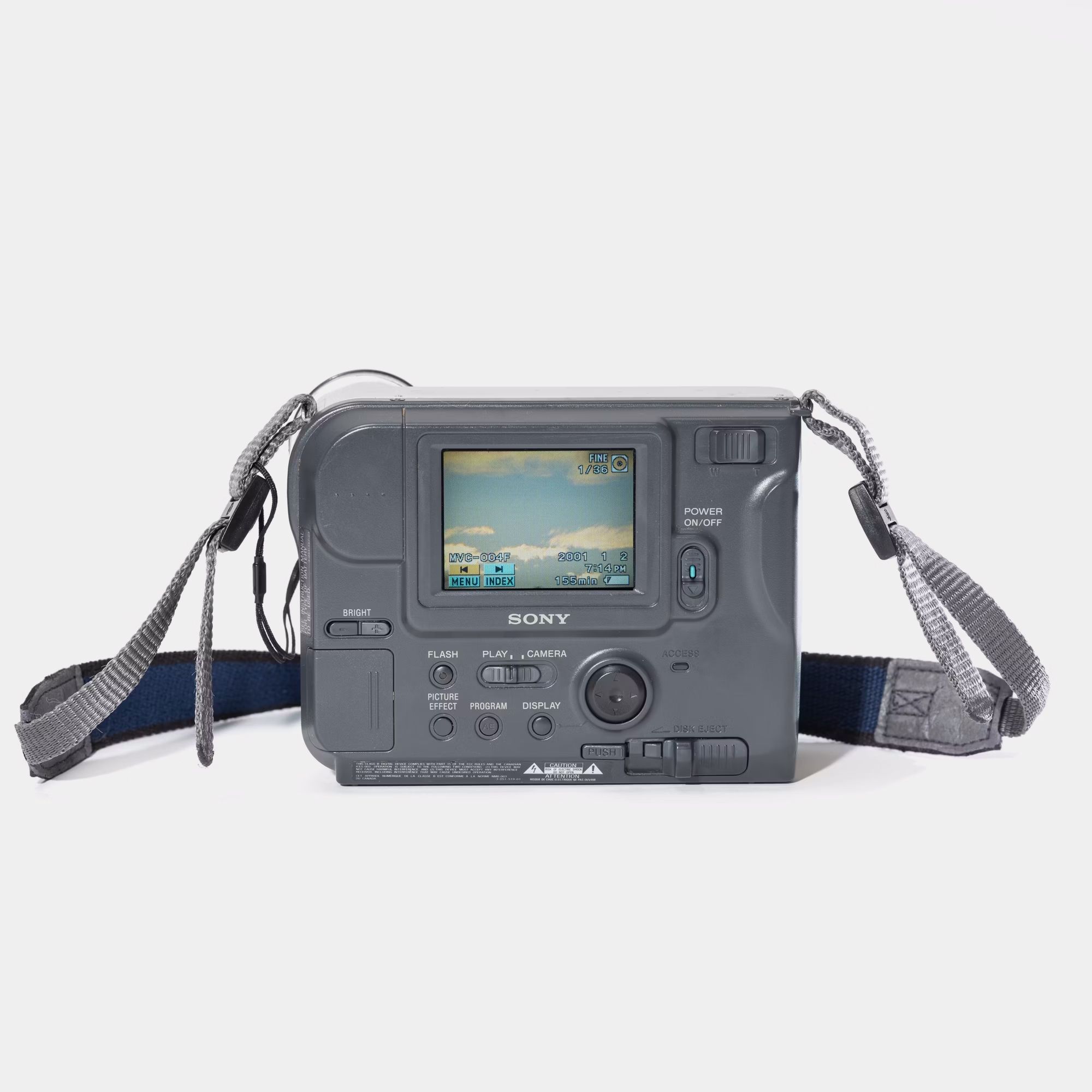
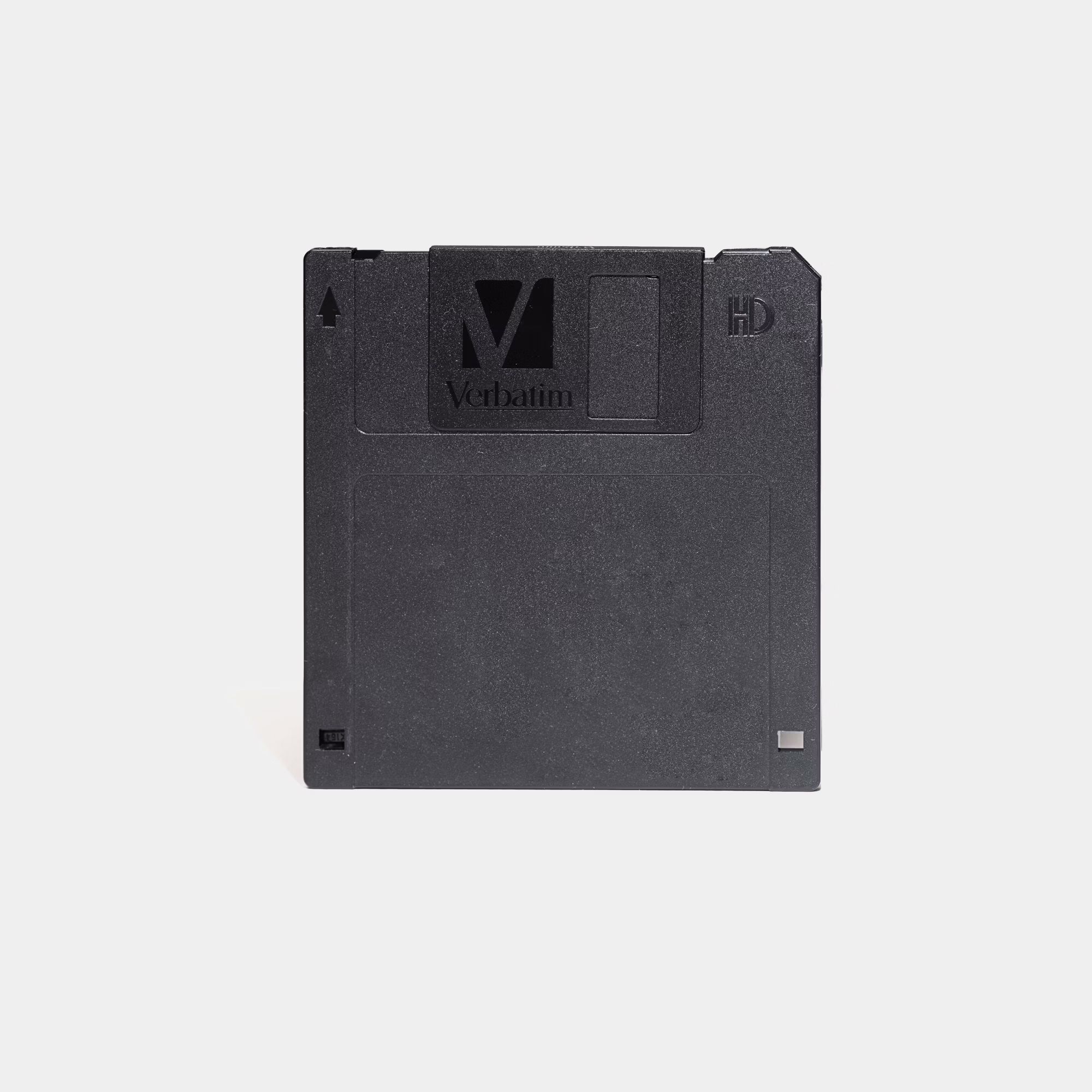
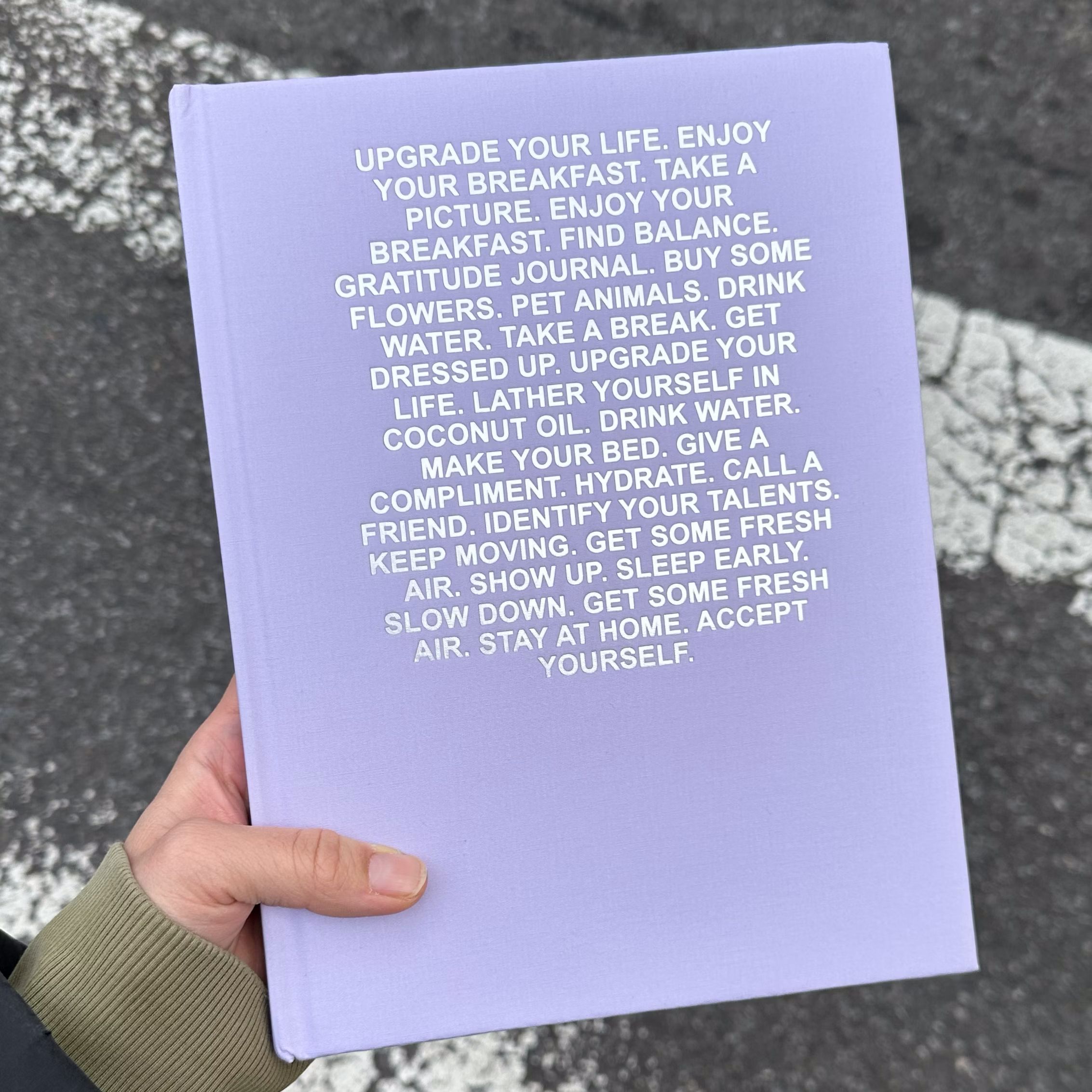
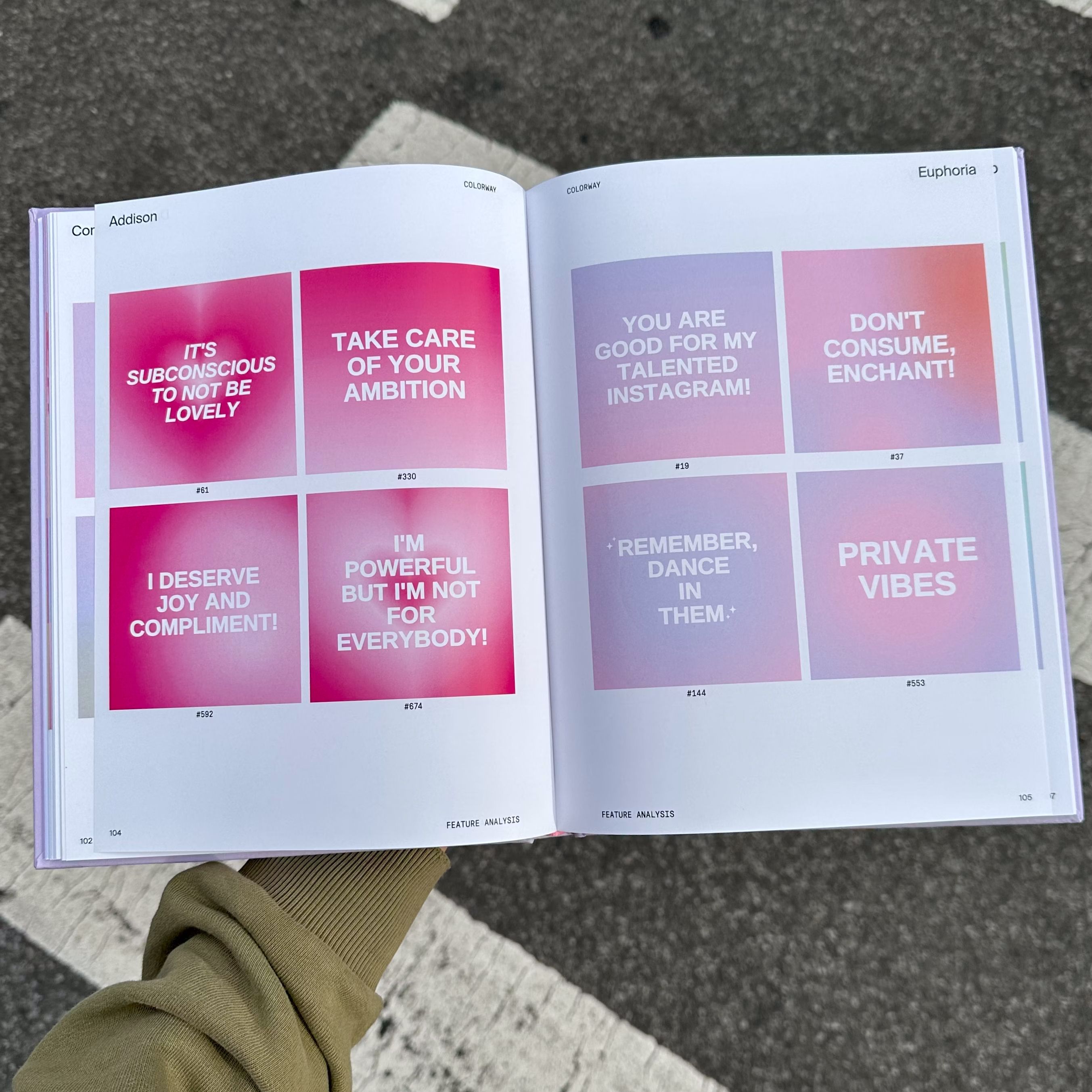
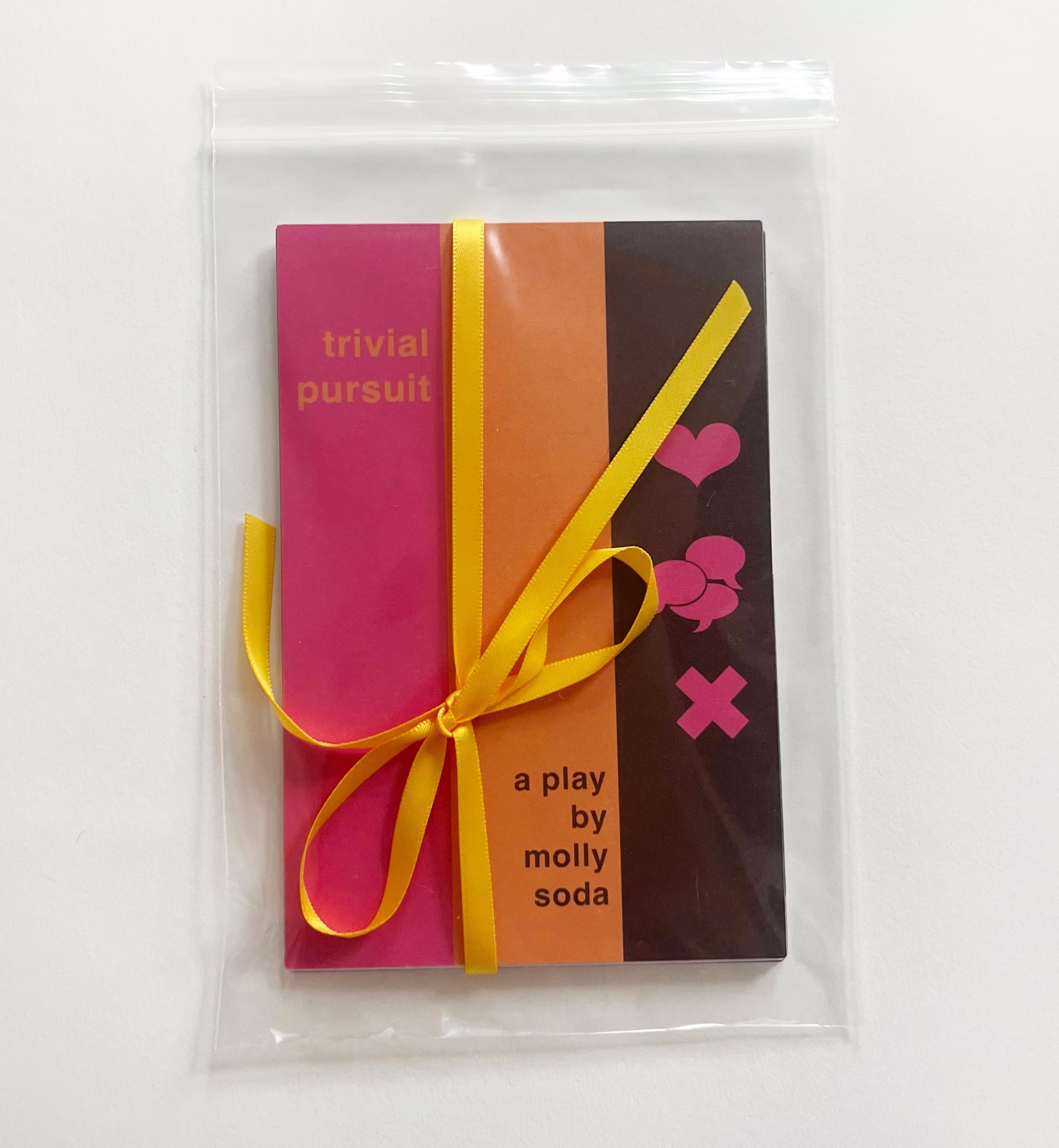
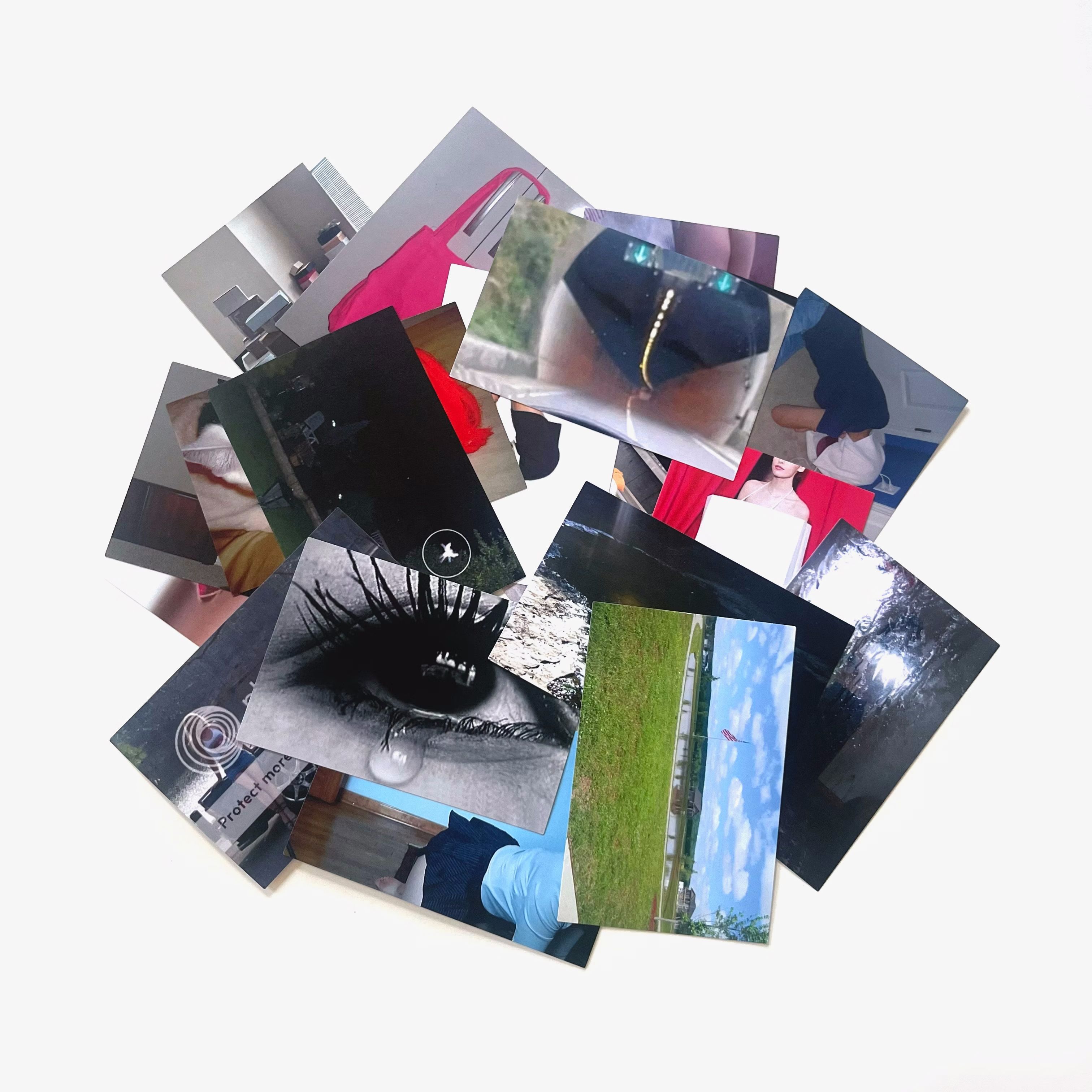
For a web-native platform that attracts digital artists from the NYC new media scene like Cory Arcangel, Molly Soda, and Maya Man, there does seem to be a high number of physical art products for sale. ‘Because of the noise of the web, there is a desire to make yourself feel real, and produce limited-run objects,’ Strickler said. In surveys conducted by Metalabel over the last year, many responses said that aspiring collectors couldn’t afford what they wanted to buy. Instead, ‘everybody saw buying a zine or a small, homemade something for $30, $50 as their version of art collecting’.
‘That was collecting that would fit in their apartment, they could afford it, and it had [both] utility and meaning to them. The artist is someone they followed on Instagram, or someone from the neighbourhood.’
He said the tangibility of such items is the draw: ‘They feel real in a world where not a lot feels real … A “like” or a comment isn’t getting anywhere close to that.’
A recent webinar hosted by DotART, titled ‘Art Market Now: The New Era of Collecting’, featured Denis Belkevich of Fuelarts. Belkevich called this of-the-moment interest in physical experience ‘the tangible turn’, something he said could define collecting in the coming years.
In our conversation, Strickler used the example of physical popups being an extra expense companies are often willing to eat in the name of developing a loyal consumer base through real-life experiences, and Belkevich has seen the same in the art world, where a younger generation appears to want to move from the online to the offline.
‘That’s a signal to pay attention to because tactility, the feeling of something that you can touch, becomes a symbol of trust. … If users are reaching for that sense of reality, we should give it to them.’ Belkevich further speculates that it’s art fairs that may play a central role in this.

An Art Fair Built on Slow Seduction
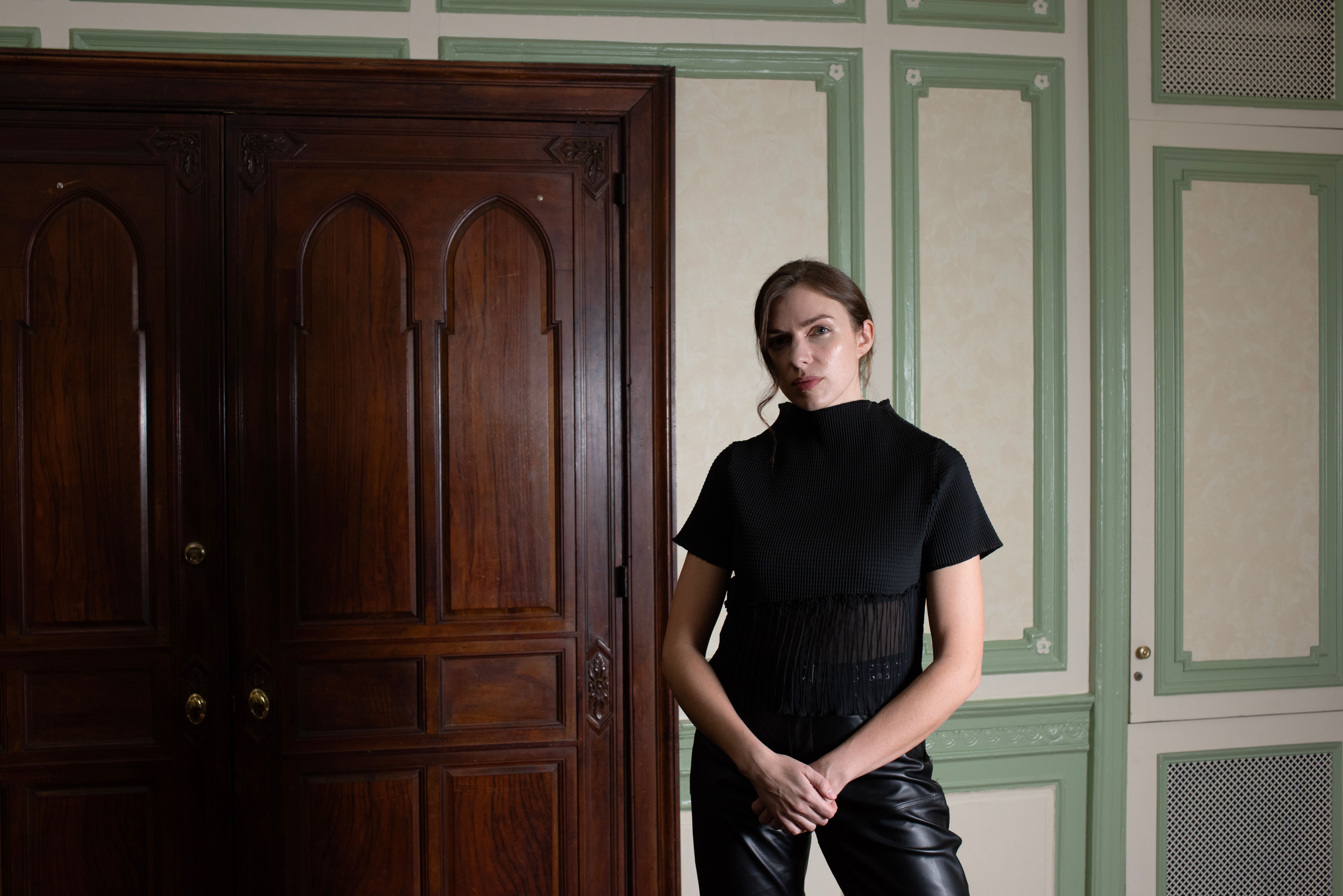
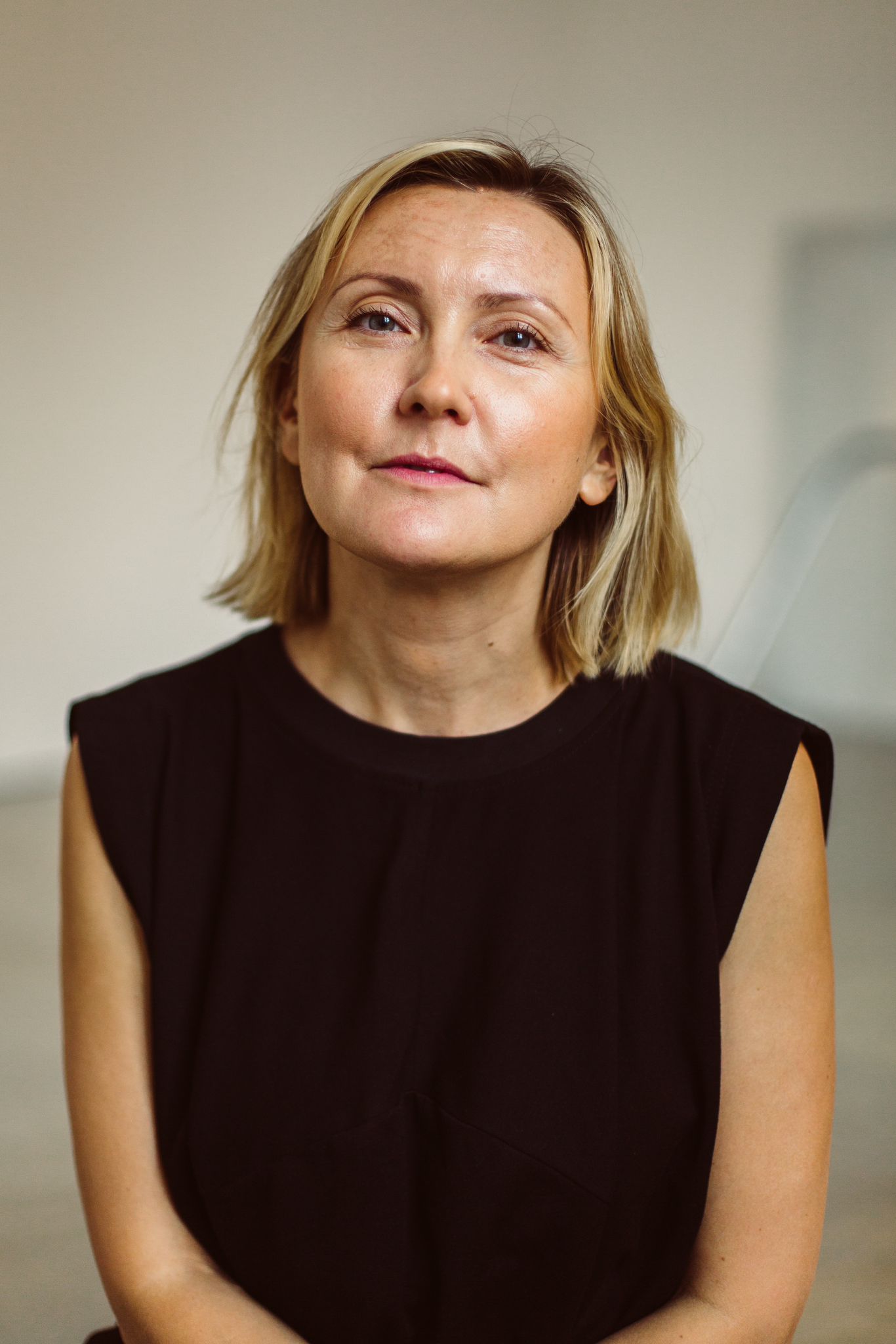
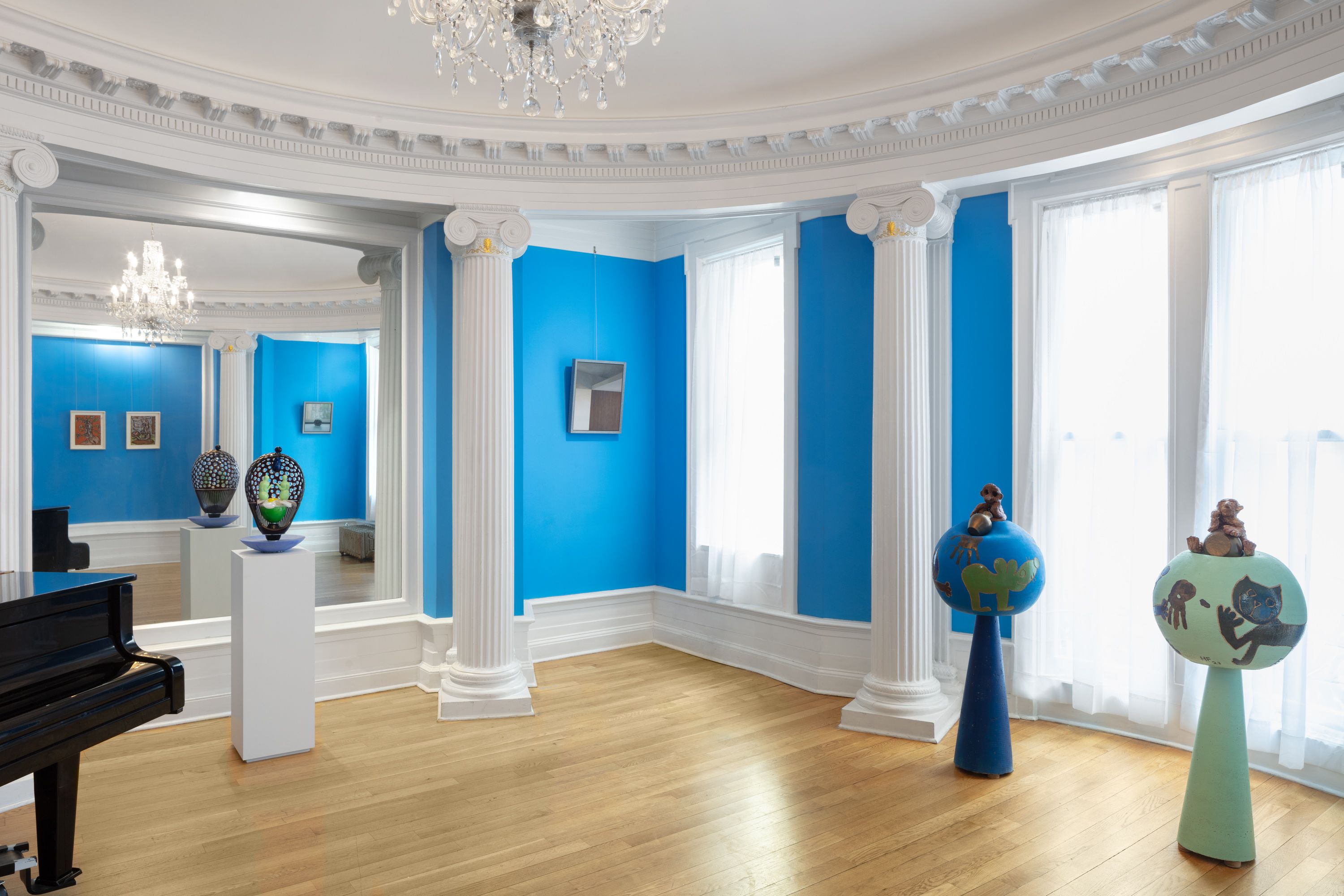
Enter the Esther Fair. Gallerists Margot Samel and Olga Temnikova are giving the art fair concept the experiential makeover it needs in a time when viewing piles of art in an overly air-conditioned convention centre feels less and less enticing.
There’s something unusually feminine and charming about the ethos of Esther, which was launched as a joint initiative at the Estonian House in New York during Frieze week in 2024 and brought back in 2025 (with plans for a third iteration in 2026).
It starts with the name itself. ‘We wanted the name to have more of a female sound, and we wanted it to feel more human versus corporate,’ explained Samel. ‘It also kind of refers to “East”, and E-S-T is short for Estonia. And then “HER”.’ The gallerists grew up in the same grim neighborhood in Estonia (‘“humble” is a gentle way to describe where we grew up’, laughs Temnikova) but only met years later at—where else?—an art fair (Liste).
Counterintuitive to the whirlwind transactional art hookups of the traditional art fair, Esther creates a mood that encourages lingering, for collectors and gallerists alike.
‘We wanted it to look like a domestic space, to be more like a living room rather than a convention centre, just softening these transactional dynamics’, said Samel.
It wasn’t expected, but the boothless, site-specific layout of the event seemed to encourage non-linear viewing, slow looking, and conversation.
‘People stayed for a long time. And the gallerists who did stick around for the full week—I felt like they got the most out of it.’
Like Metalabel, Esther is a low-stakes endeavour that encourages both community and experimentation. ‘The first year we charged the galleries $1,500 each … not a lot of money as far as art fairs go, even emerging or alternative art fairs,’ explained Samel. ‘But it’s still money. There’s a transaction there.’
If this were the new normal—smaller and less risky collaborative projects dripping in character—would galleries be given the potential to reach new collectors without risking bankruptcy in the process?
‘Esther is a very realistic format for what’s going on in the market right now,’ said Temnikova. ‘Lowering the risks, slowing down, really connecting. It’s a gateway for younger collectors to come in while also being, like, the ideal dream fair for a very old-school collector.’
The idea of what could be termed ‘small collecting’ positions itself directly against the notion of art being an asset to hold in storage for the sake of growing financial value, and divest when it appears that value might wane.
Art as Asset
Strickler’s ‘art world outsider’ take is that the traditional art market only makes sense to those who benefit from it.
‘From the outside, it looks insane,’ he laughed. ‘It’s a business whose prices are built around a very small number of customers who are viewing these things as assets, and that really puts working artists in a challenging position. How much work are they allowed to make? Can the work be allowed to be sold? Who is the work even for? And maybe you find yourself making work not for your peers, but for some imagined figure that’s probably one of, like, a handful of people.’
Schneider takes a fairly bold stance when it comes to what art should ‘mean’ to collectors in 2025.
‘The big problem is that any time you have an asset like that, where we’re just sort of deciding among ourselves how valuable something is or isn’t, people just get over their skis about how much it’s worth, how much they need to have it, how much they might be able to flip it for, and if they can get their hands on it quickly enough.’
Schneider suggested if you want to come in and simply speculate on something financially, there are easier outlets than the art world: ‘Go into crypto, go into meme coins, go into sports betting’.
What to Collect
So what should people collect? Schneider noted that editions and multiples have proven to be one of the few growth areas in this period of downturn (a sentiment that Strickler is clearly banking on with Metalabel).
‘That trend squares with the notion that, on average, younger people may not be as concerned with uniqueness or rarity as older ones, and also that the economic circumstances around them may limit their appetite and ability to buy more expensive work,’ Schneider said.
Schneider also praised Transfer gallery (which paused its physical gallery program in 2023 to establish Transfer Trust, a decentralised, artist-owned archive which holds artworks from Transfer’s 85-plus international exhibitions), United States Artists (which has, for the past 19 years, supported living artists with unrestricted grants and services), and Pérez Art Museum Miami (via its digital engagement programme) for having fingers on the pulse.1 And as far as individual artists who are operating within this ecosystem differently, Schneider mentions the entrepreneurial aspects of Titus Kaphar’s NXTHVN (a year-long New Haven, Connecticut-based fellowship programme founded by the artist to accelerate the careers of emerging artists) and the aforementioned Do Not Research non-profit arts organisation and online platform from the oft-cited Joshua Citarella.
For Temnikova and Samel, collecting now might be about exploring the work of artists from regions that the market hasn’t been overly focused on in the past ten years.
‘There is a general interest towards the East, meaning Georgia, Hungary or Romania. Albania has quite a few talents,’ said Temnikova. ‘This is keeping in mind that the market now appears to be more open for quality at maybe not that high of a price. People still want to discover and treat themselves to new names and new acquisitions.’
Meanwhile Samel mentioned the different response her fall preview email of shows and fairs received this year.
‘Usually when I send out an email like that, it’s friends and collectors responding: “Can I see a price list for this and that?” And there were a few responses like that. But what I was more excited and impressed by were the amount of emails I received from collectors and advisors about wanting to do research,’ she said.
‘They’re like, “I don’t know this artist, but can you send me more information so I can do research?” And I do feel like there is this sort of quiet craving for depth and for tactility and slowness. And there’s space for that because our market has slowed down, right?’
Perhaps, rather than a time of retreat from collecting, those who love art could see it as a moment to deepen and sink in, and to develop real relationships with the artists and works they are intrigued by. Whether one collects from an online platform or at a gallery or fair, you aren’t just purchasing an investment piece or a status symbol, but something made by another human being. That access to humanity might be the most important asset to be collected yet. —[O]
1 Pérez Art Museum Miami’s digital engagement programme was eliminated in June 2025.
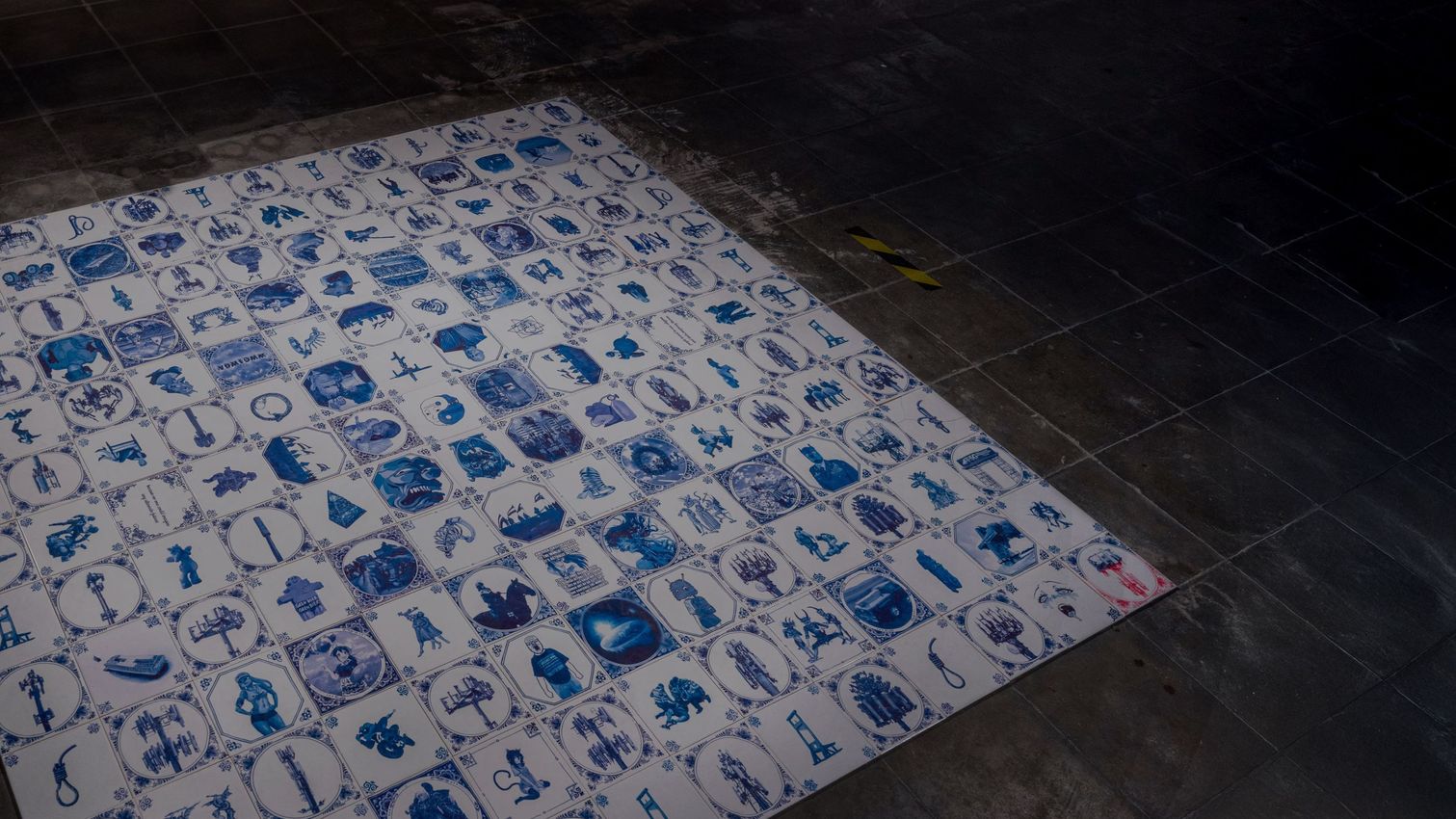
Main image: Tibor Dieters, Extremely Online Delft Pol/der Tiles. Series of over 120 tiles. Do Not Research on Metalabel.





A respected voice in contemporary art discourse.
Focusing on ambitious storytelling and insightful art-world commentary. Ocula Magazine publishes in-depth interviews, critical essays and timely analysis on the artists, exhibitions and ideas driving the global art world.
Learn more about Ocula Magazine
Showcasing the best of the art world.
Ocula partners with galleries from around the world to highlight their artists, artworks and exhibitions. Gallery membership is by application and invitation, with each member vetted by an independent panel.
Learn more about Ocula Membership
Specialises in the sale of major artworks.
Led by a team with deep ties to the world’s leading auction houses, galleries and collectors. Ocula’s advisory team offers bespoke services to high-net-worth clients from around the world who are looking to acquire the best of contemporary and modern art.
Learn more about our team and services