





Taipei Dangdai’s Robin Peckham on the Politics of Collecting

Robin Peckham, Co-Director ofTaipei Dangdai Art & Ideas. Courtesy Taipei Dangdai Art & Ideas.

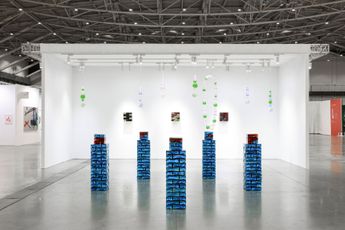
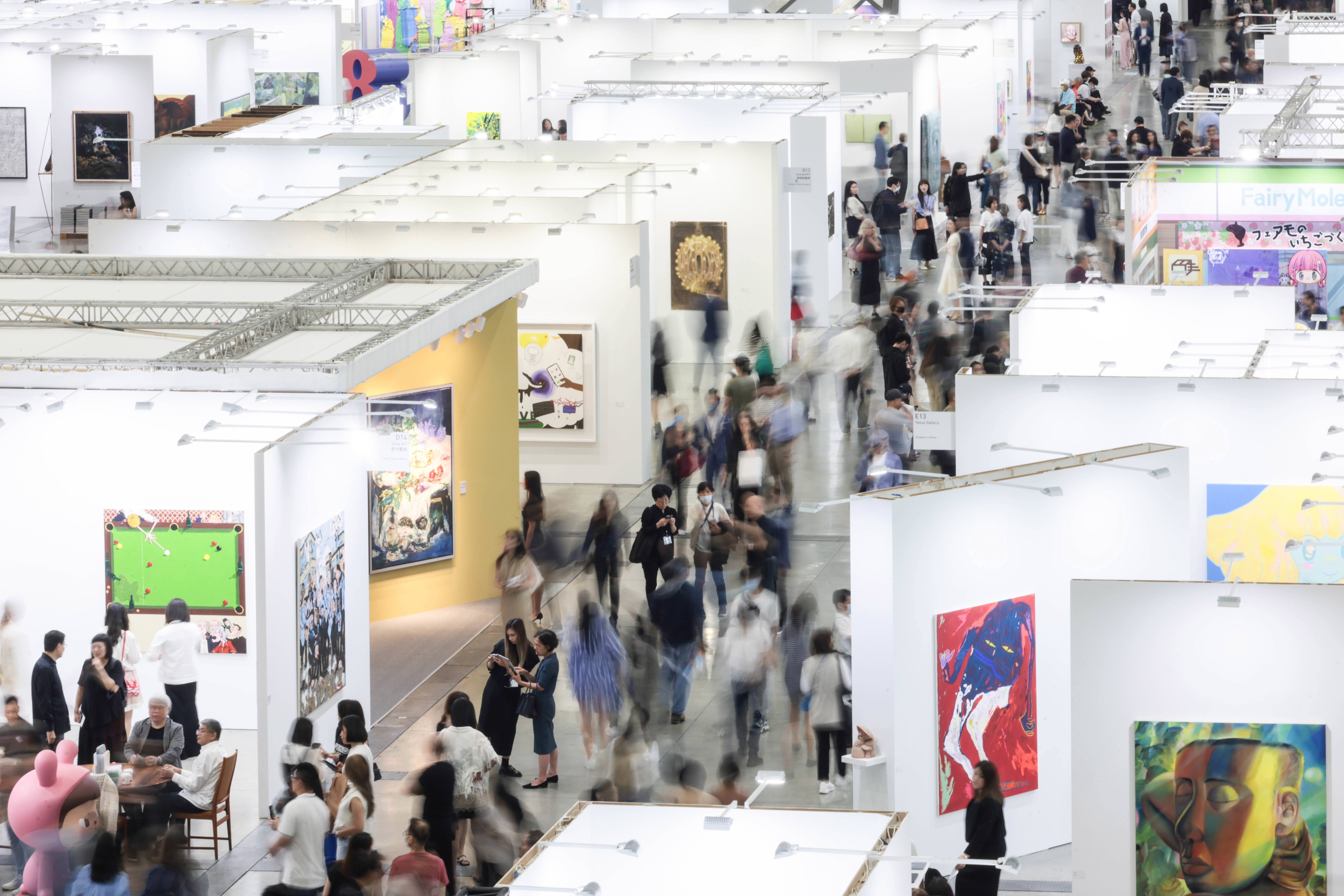
Taipei Dangdai Art & Ideas returns to the Taipei Nangang Exhibition Centre for its fifth edition from 10 to 12 May, with a VIP opening on Thursday 9 May.
Ocula met with co-director Robin Peckham ahead of the fair to discuss hot young galleries from the region and how Taiwan’s complex political history and uncertain future influence what gets collected.
What’s new and exciting about this year’s fair?
We’ve dropped the booth size for our Edge sector for newer galleries to 25 square metres and lowered the price to bring in more experimental programmes. Participating galleries are representative of the region—Korean, Japanese, Taiwanese, Chinese, Southeast Asian—and they’re mostly young, not yet at the point where they’re doing bigger fairs. That’s a point of pride for me. I think our fair is able to distinguish between galleries that are up-and-coming and those that are just small.
Which emerging galleries at this year’s Taipei Dangdai are you excited about?
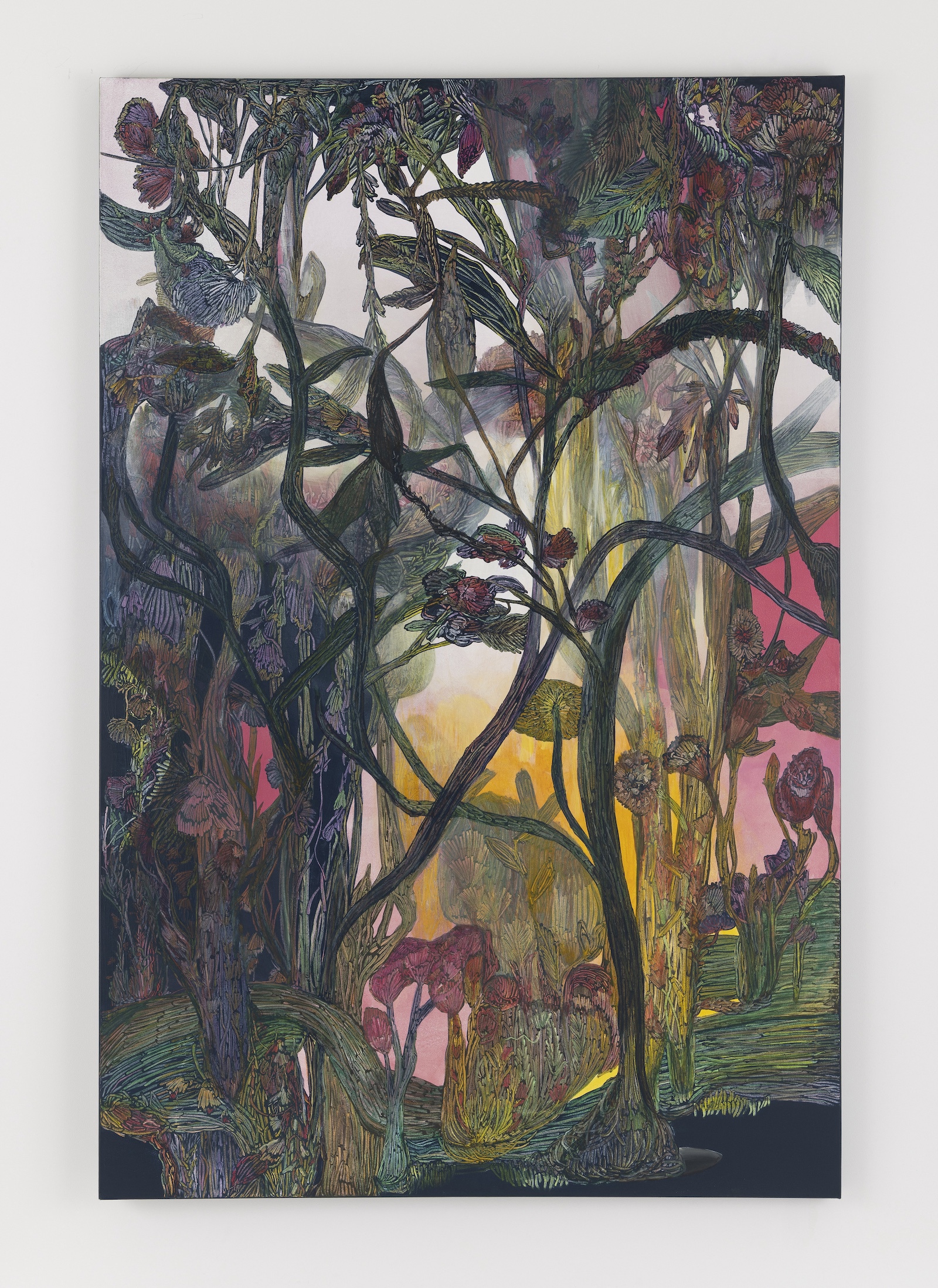
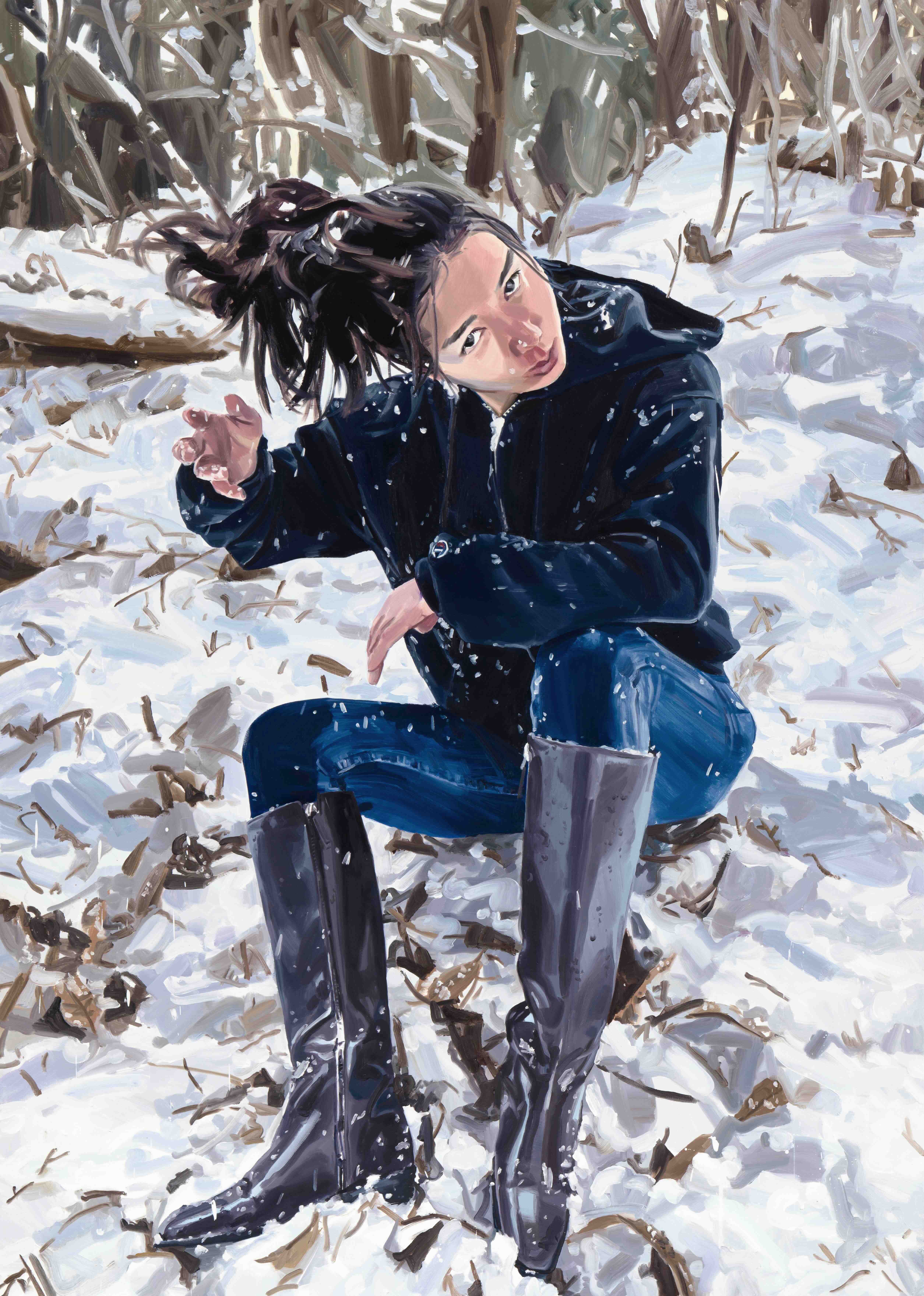
There’s COMA from Sydney, who are presenting a Justin Williams solo. He’s an Australian artist who recently relocated to L.A. Tokyo’s Gallery Common has an exciting presentation by April Street and Koji Yamaguchi, and among the Korean galleries, Seojung are showing Jungwon Phee and Foundry Seoul are showing Miryu Yoon.
During your time working on the fair, have you noticed any changes in what Taiwanese collectors are buying?
The perceived change since Dangdai began is that they’re buying more contemporary art and it’s more global, and we’ve helped make that a little bit more visible. In our ideas forum, we’re using collecting as the topic for the first time, and it should be quite an intellectual approach.
Collectors aren’t always great speakers. How will you make those talks engaging?
Collecting tells a story about the complex political realities that are very present in Taiwan. A family that came over in the ‘40s and ‘50s might see collecting Chinese antiquities as a way of asserting a Chinese identity and connecting to an imperial past, while a family that has been in Taiwan for 400 years might collect Taiwanese artists trained under the Japanese system in the early 1900s to assert a different identity.
They might have Korean moon jars, Song dynasty porcelain, and a KAWS on the wall. There’s a story there about power and politics, why the American economy is interesting and why the American art market is more or less reliable than the Chinese art market, depending on whom you ask. These are the kinds of debates we really want to have.
Would someone really be willing to sit on a panel and take sides like that?
What you hear from people is that our market requires an economy on a larger scale. And so an artist who’s coming up in New York might have more collectors behind them than someone who’s coming from a place like Taiwan. And I think that’s many more market-minded collectors’ position on local art scenes. Many people weren’t aware how great Hong Kong art was until William Lim came along and built his awesome collection.
Speaking of politics, the notion that the People’s Republic of China might annex Taiwan has been getting more play recently, prompted in part by the recent election and competition for microchips.
I don’t believe this is true. Sitting in Taipei, it’s more developed, wealthier, more stable, and has better relations with China now than at any point in the last 60 years, other than maybe the Sunflower protests in 2014, when students didn’t want to see economic ties strengthened any further.
There are four new skyscrapers that have either topped out since the pandemic or are topping out this year. The Four Seasons, Park Hyatt, Andaz, and Capella hotels are all opening in the next two years. The big families, whether they’re closer to the Kuomintang (KMT) or the Democratic Progressive Party (DPP), they’re clearly betting big on the future of Taipei as a financial centre and a business hub.
How important are mainland Chinese collectors to the fair?
They are still important to us, but at the moment we get so few because of the travel restrictions.
Taiwanese collectors seem to punch above their weight. Why do you think that is?
It’s two things. Firstly, you have this tradition of collecting, inherited from before the People’s Republic of China, and secondly, so much of the Taiwanese economy is built on small- and medium-sized enterprises. Take bicycles for example. It might be a different family that creates every little gear that goes into this thing. And so instead of having a Samsung family that’s worth around U.S. $18 billion, you have 500 families that each have $10 million.
What else can visitors to the fair look forward to?
We’re working really hard to ensure good international attendance from key markets like Japan and Korea. We’ve built four different VIP day trips so people can come and not only see the fair, but also Taiwan. Each involves some nature, some private visits to museums or studios, and then some Michelin star dining, things like that.
Also, this is probably the first year we’ve had really world-class exhibitions opening during the fair, such as the Auguste Rodin exhibition at the new Fubon Art Museum, which was designed by Renzo Piano, and a William Kentridge show at Taipei Fine Arts Museum (TFAM) organised by the Royal Academy of the Arts. —[O]
Main image: Robin Peckham, Co-Director ofTaipei Dangdai Art & Ideas. Courtesy Taipei Dangdai Art & Ideas.

A respected voice in contemporary art discourse.
Focusing on ambitious storytelling and insightful art-world commentary. Ocula Magazine publishes in-depth interviews, critical essays and timely analysis on the artists, exhibitions and ideas driving the global art world.
Learn more about Ocula Magazine
Showcasing the best of the art world.
Ocula partners with galleries from around the world to highlight their artists, artworks and exhibitions. Gallery membership is by application and invitation, with each member vetted by an independent panel.
Learn more about Ocula Membership
Specialises in the sale of major artworks.
Led by a team with deep ties to the world’s leading auction houses, galleries and collectors. Ocula’s advisory team offers bespoke services to high-net-worth clients from around the world who are looking to acquire the best of contemporary and modern art.
Learn more about our team and services