





Kiln Me Softly: The Storied Earth at China’s UCCA Clay
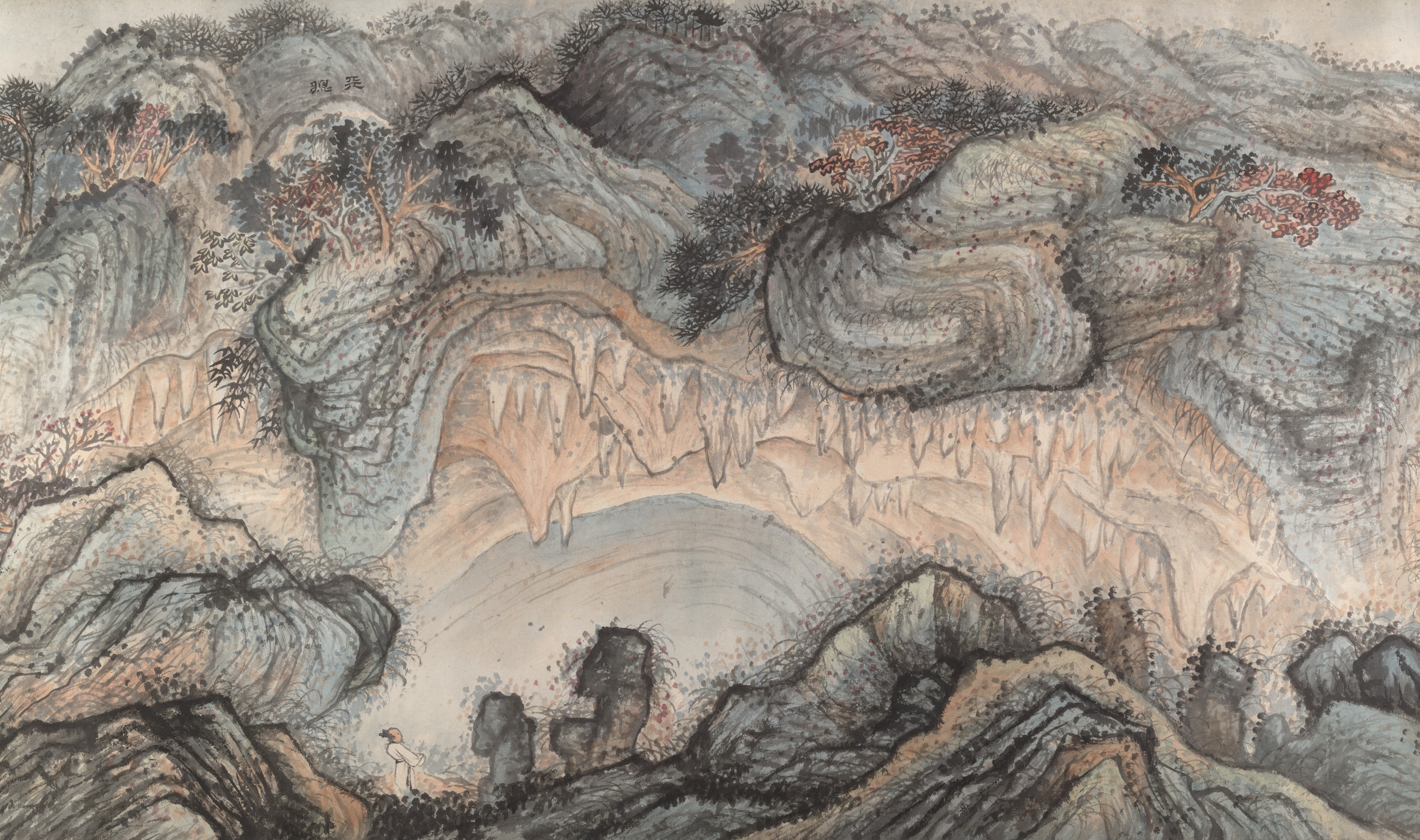
Ocula takes a road trip some 200 kilometres west of Shanghai with artists Shuyi Cao and Candice Lin to the historic pottery town of Yixing: site of the fabled meditation grottos and the artists’ latest show at UCCA Clay. Save to My OculaWhat first put the historic pottery town of Yixing on my radar wasn’t its museum—the striking UCCA Clay—or even its teapots; it was a scroll painting known as Outing to Zhang Gong’s Grotto, made around 1700 by the artist and monk Shitao, which I saw at the Grand Palais in Paris in 2010.
Shitao once travelled to Jiangsu Province and visited the titular site, a renowned Daoist meditation grotto located a short distance from Yixing, depicting its stalactite-covered interior in his painting. In a poem at the end of the scroll, Shitao acknowledges the mystical Daoist attributes of the cave and playfully suggests that he has captured both the cave and its creative force: ‘The spring breeze from within emits the forces of creation myth. Such marvels are seldom spoken of.’
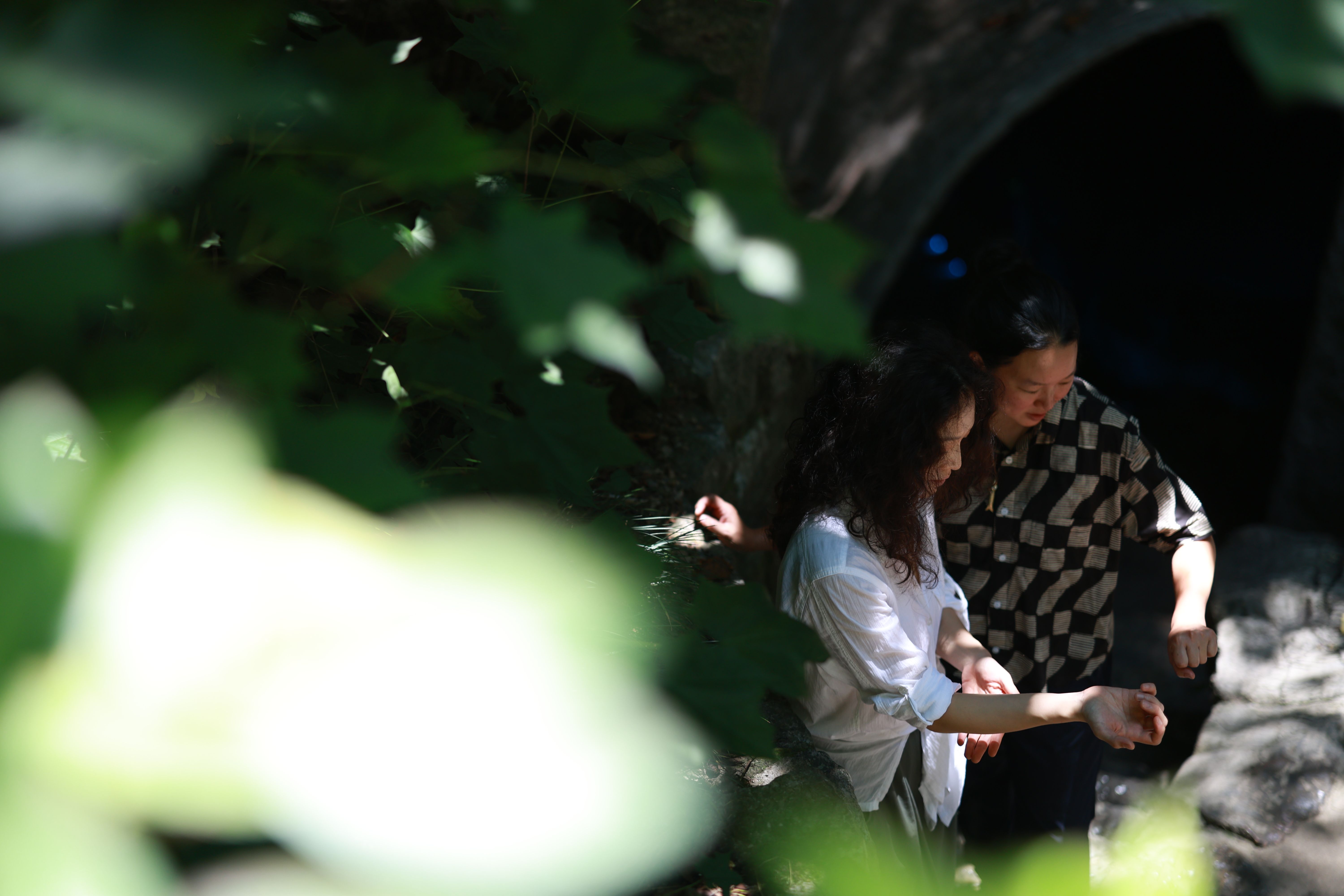
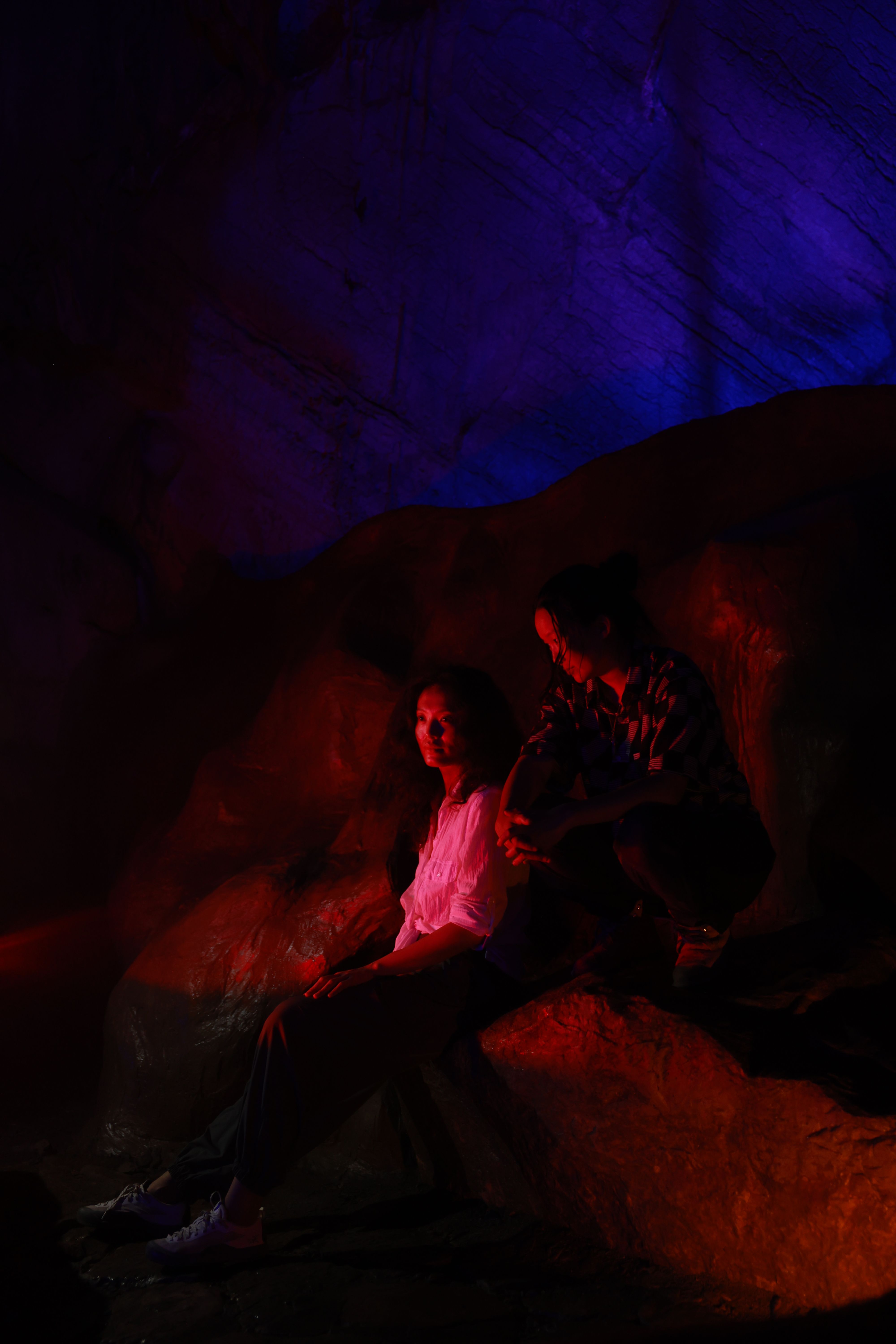
Amid a scorching heatwave, artists Shuyi Cao and Candice Lin paused the installation of their exhibition at UCCA Clay to explore the grotto with photographer Wu Songhao and I. We met at the cave entrance, and upon entering, a breeze—as promised by Shitao’s scroll—hit us like the blast of a Las Vegas casino’s air curtain.
Inside, the grotto is all lurid tones and misty effects—part of the site’s tourist decor that Wu, who grew up among the grottoes of Guizhou, describes as a ‘throwback to the 2000s’. Further back in time, Shitao’s inscription near the end of his scroll reads: ‘Subtle pulses in the cave’s darkness, shimmering red and violet.’ Through Wu’s lens, Cao and Lin—awash in these very hues—appear almost otherworldly, like Daoist immortals adrift in Shitao’s vision.
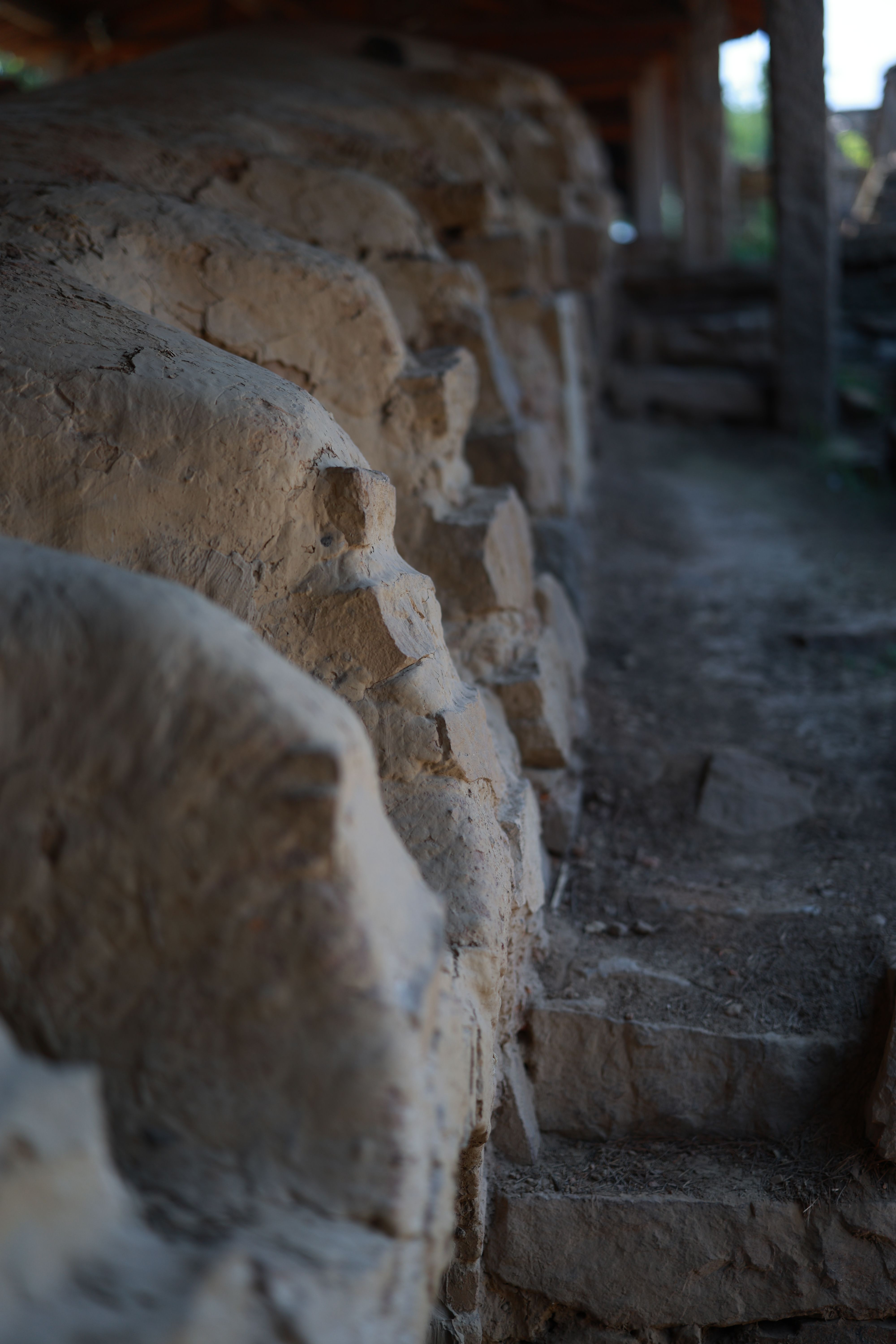
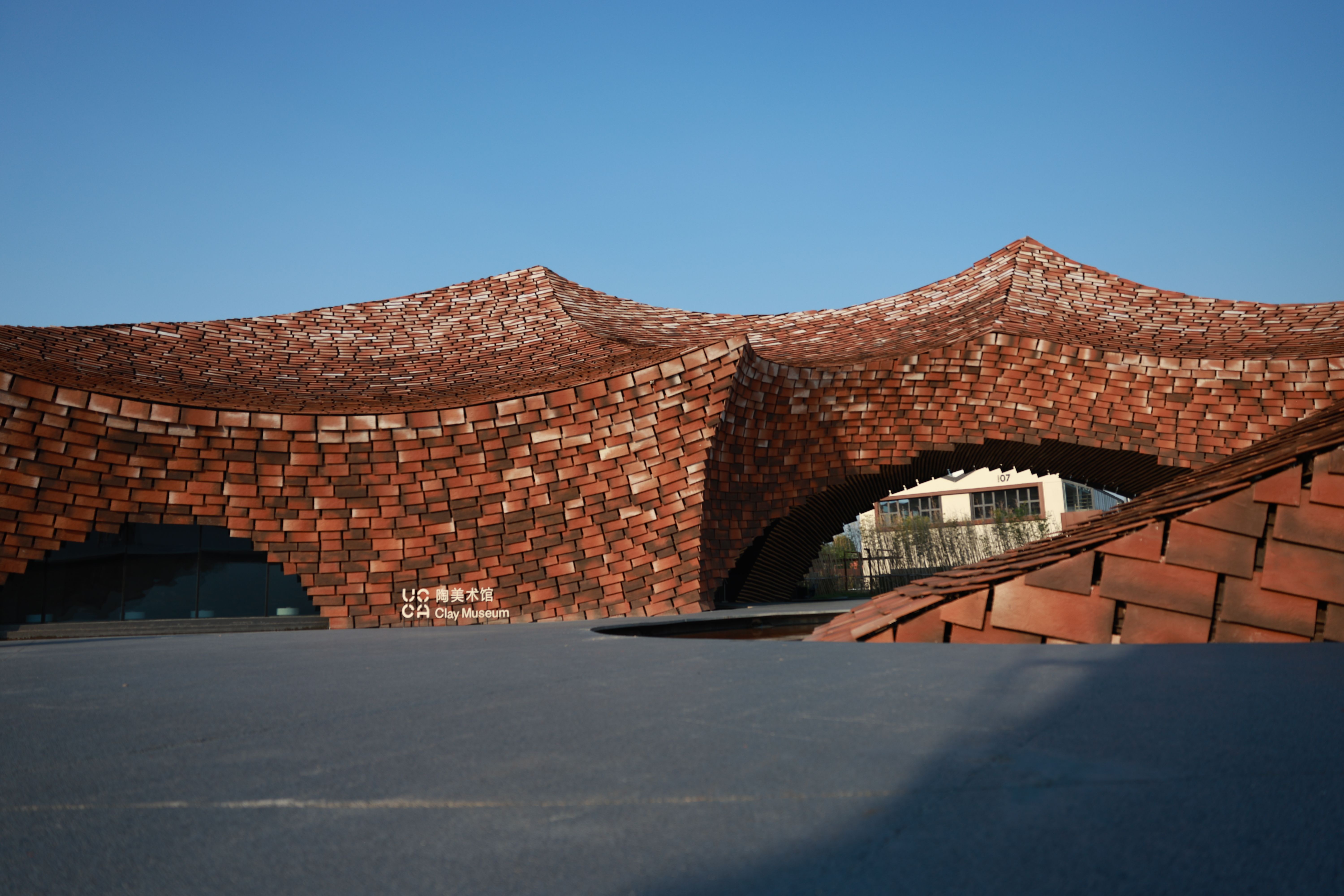
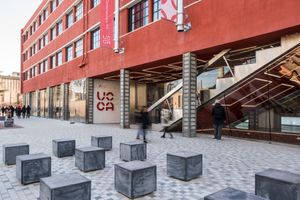
Back in Yixing town, housed in a socialist-era ceramics compound, is the Kengo Kuma-designed UCCA Clay. It’s the first medium-specific branch of China’s UCCA Center for Contemporary Art museum franchise, and is currently host to Cao and Lin’s duo exhibition, Underwater, on Fire, curated by Luan Shixuan. Featuring site-specific works, the exhibition reimagines clay as not merely a passive material or craft, but as a living medium shaped by elemental forces and posing broader worldmaking questions. Water, fire, and earth emerge as active agents, imbued with myth, memory, and politics.
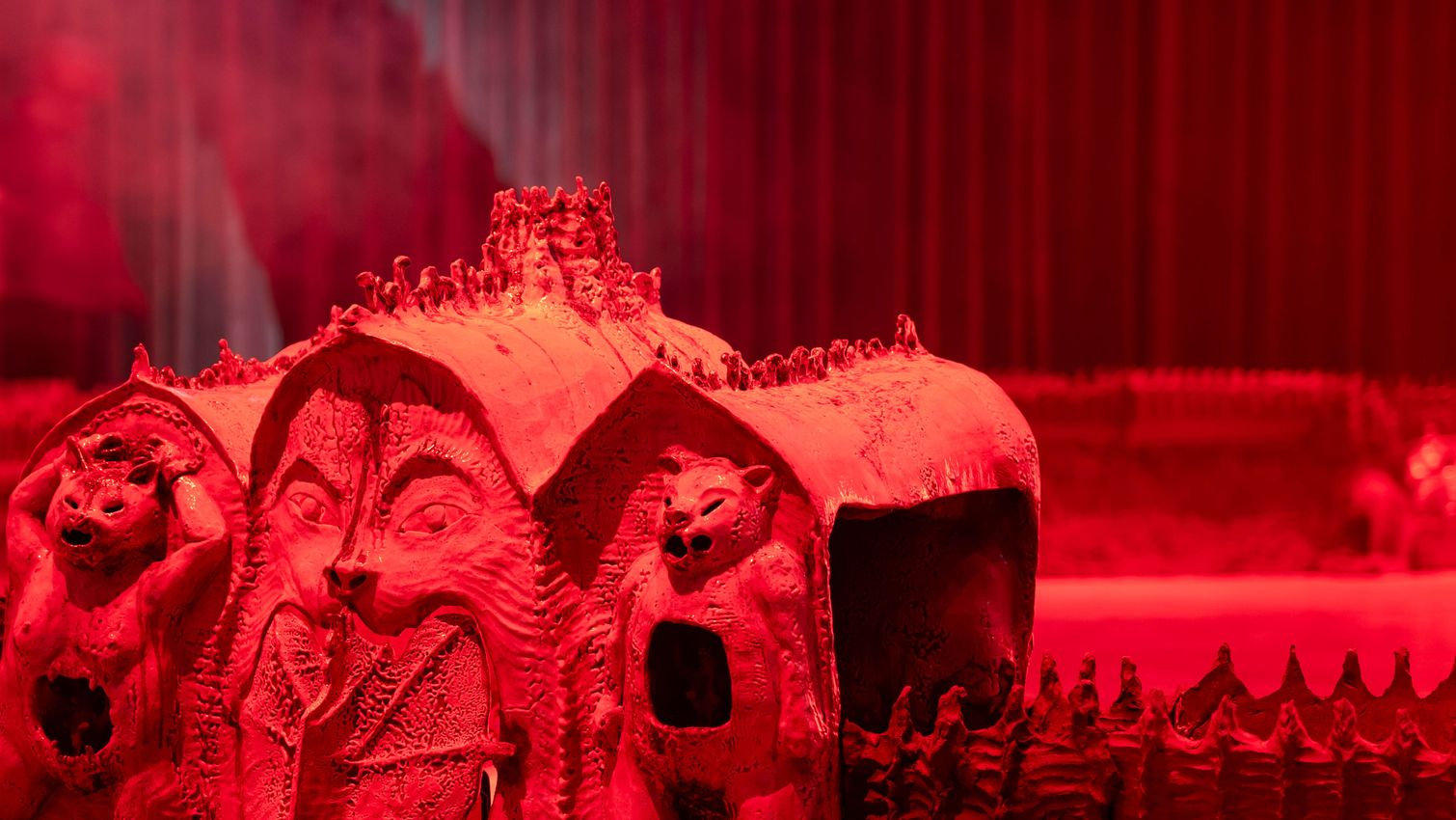
On the first floor, Lin’s 70-foot-long sculpture Soul of the World (Iron Ouroboros) (2025) is coiled like the famed dragon kiln, evoking a sense of smouldering transformation. Dragon breath rises from the fog machine along its spine, while phone screens play looped animations of iron being mined, interspersed with newsreel fragments of student activism and, at times, cat memes—an effect echoing what Lin describes as the fractured experience of witnessing global conflicts through the same devices that stream the banalities of daily life.
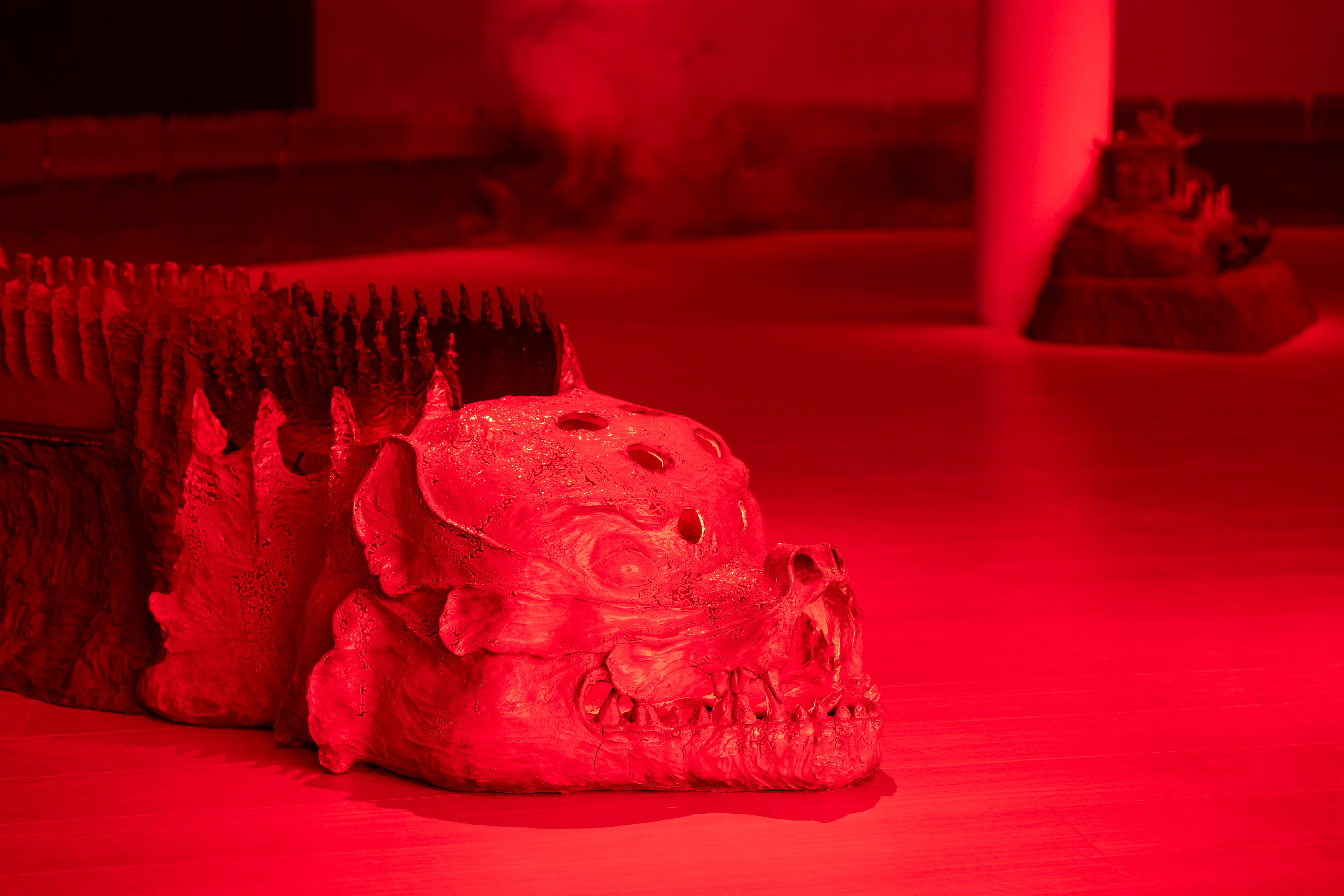
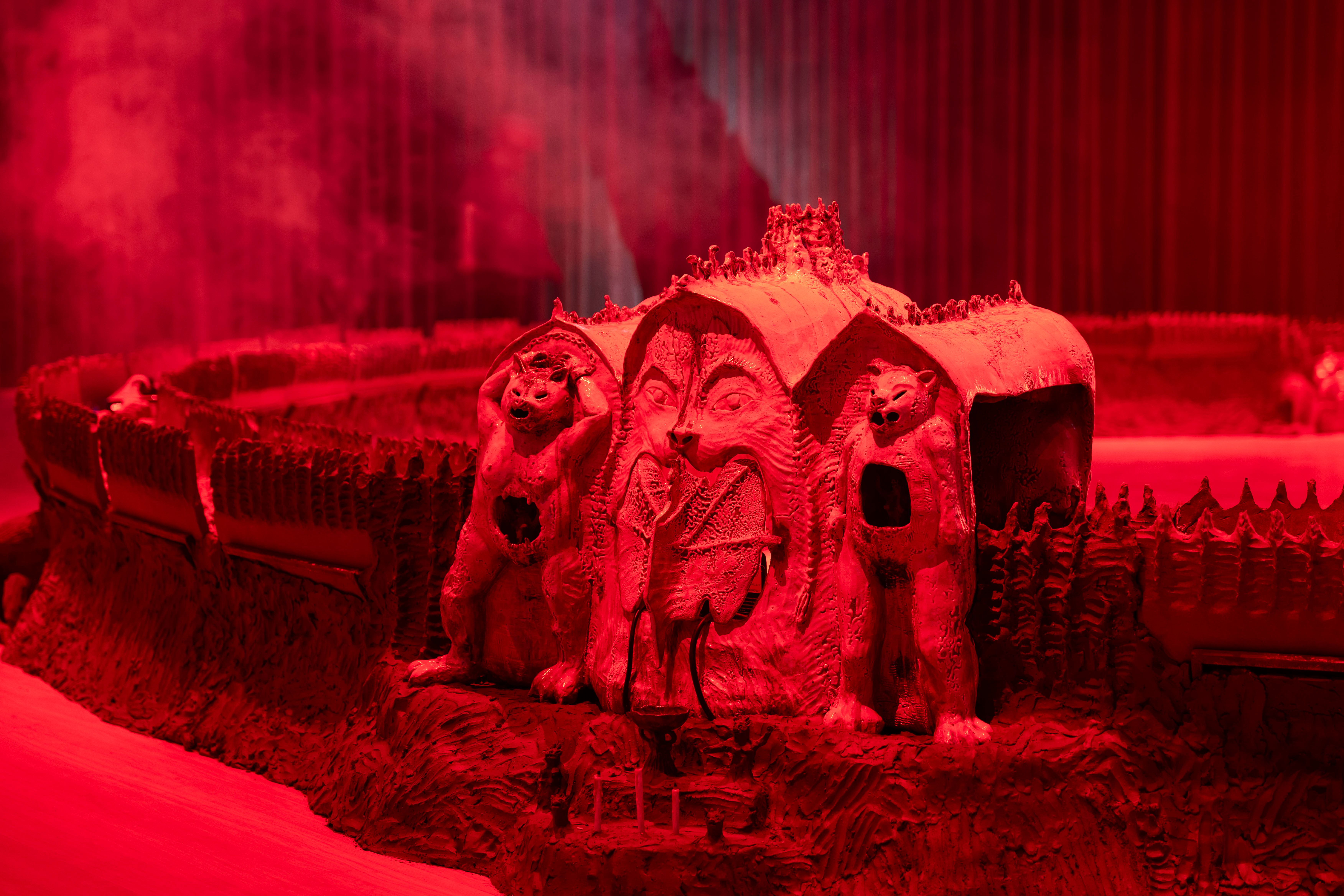
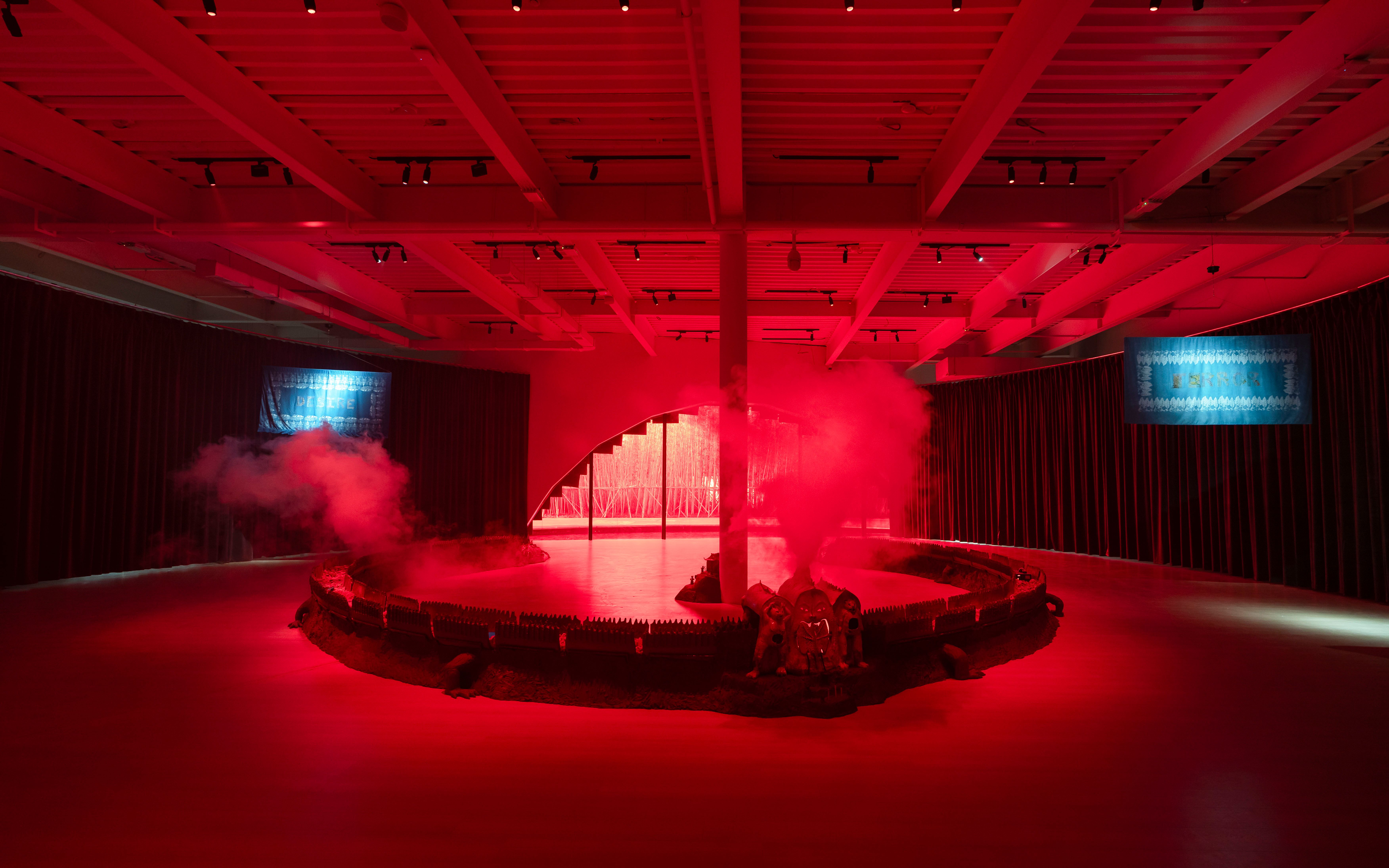
Like the ouroboros—an ancient symbol entwining destruction and renewal—Lin’s dragon takes form as a hybrid embodiment of dual identities. Jarring to local audiences for its departure from traditional depictions, it evokes both the fabricated European dragon imagined by George Psalmanazar, the notorious Formosa imposter who has long fascinated Lin, and the traditional Chinese dragon, a source of strength and connection that signifies not otherness or fear, but the empowerment accessible to all beings.
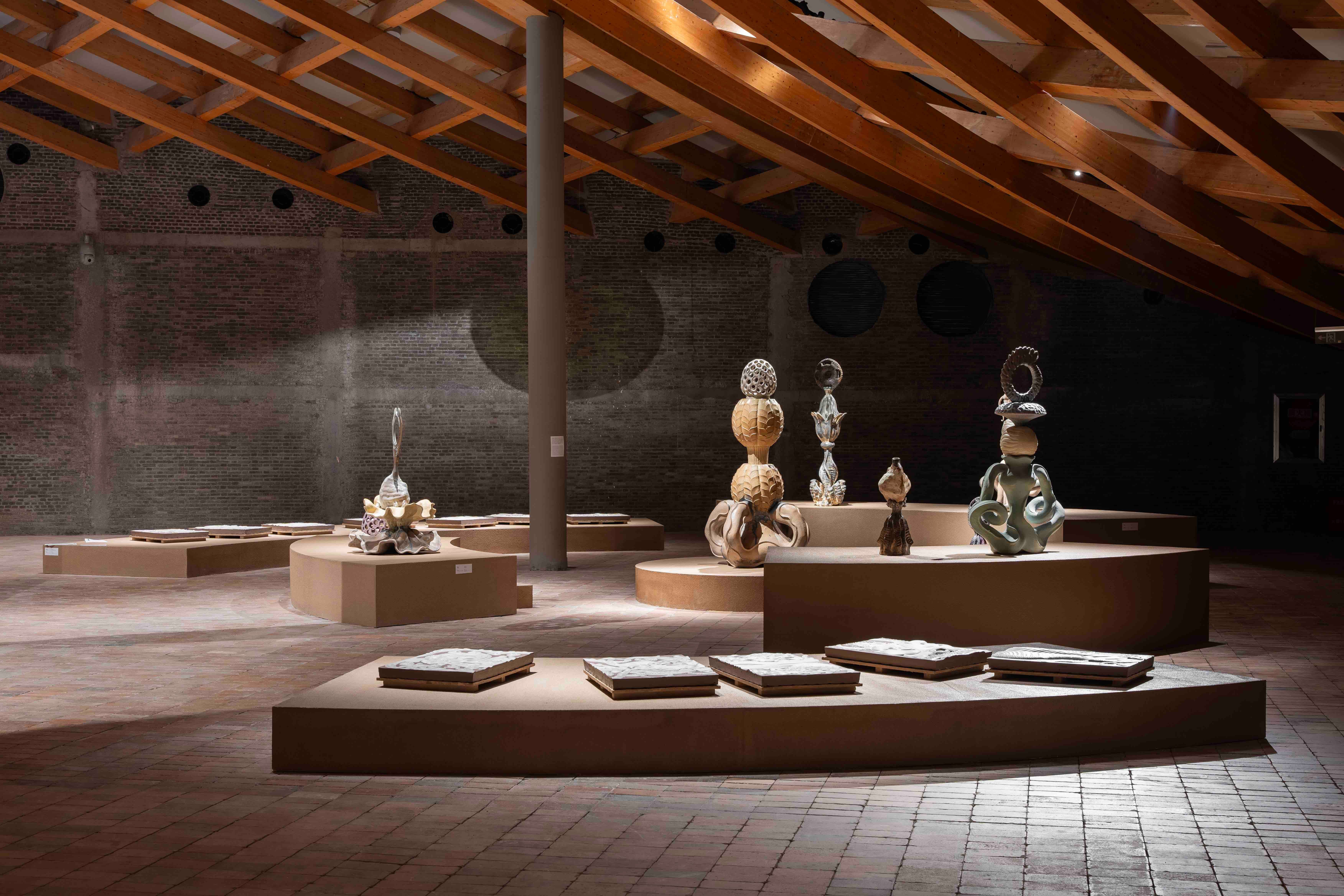
Alongside Lin’s ouroboros, Cao presents a body of work that envisions aquatic myths and water-scarce futures through imagery such as green algae and horseshoe crabs. Several of her multispecies monuments, made of ceramic and stained glass, rise from circular, altar-like plinths that anchor the exhibition. Surrounding the central works is Land of Discontinuity (2025), a ring of 12 clay tablets made in collaboration with local artisans using a thumb-pressed relief technique. Traditionally reserved for depicting auspicious creatures like dragons and phoenixes, this technique has been adapted by the artist to portray deep-sea life imagined as new kinds of beasts, seen through a microscope.
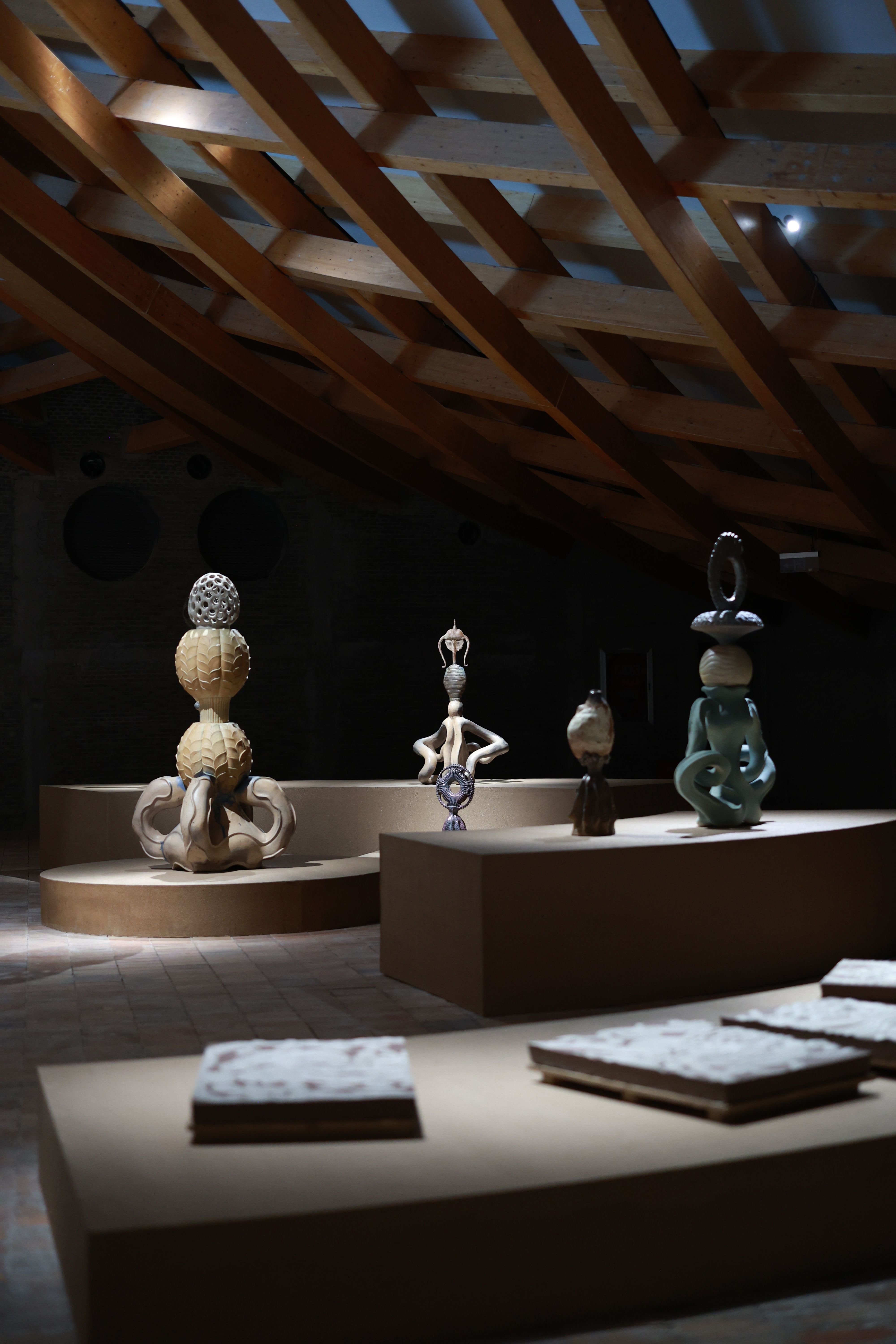
Particularly affecting is the way in which Cao’s work addresses water through its absence. In her 2025 video She From the Sky, the drying of the Aral Sea—driven by Soviet scientific modernity—is framed as a collapse haunted by the lack of modern myths to explain it. This aquatic hauntology quietly echoes in Yixing today, where clay resources are dwindling. Efforts to revive ancient sites of cosmological significance—such as the Fire God Temple, a centuries-old ceramic ritual site—or the large-scale redevelopment of Zhang Gong’s grotto into a kitschy tourist destination, feel like a muted counterpoint to Cao’s mythmaking. While cosmological expression persists in the contemporary urban context, it now takes on a more pragmatic form, embodying hopes of turning heritage into a much-needed tourism economy, however unlikely the success of this endeavour may be.
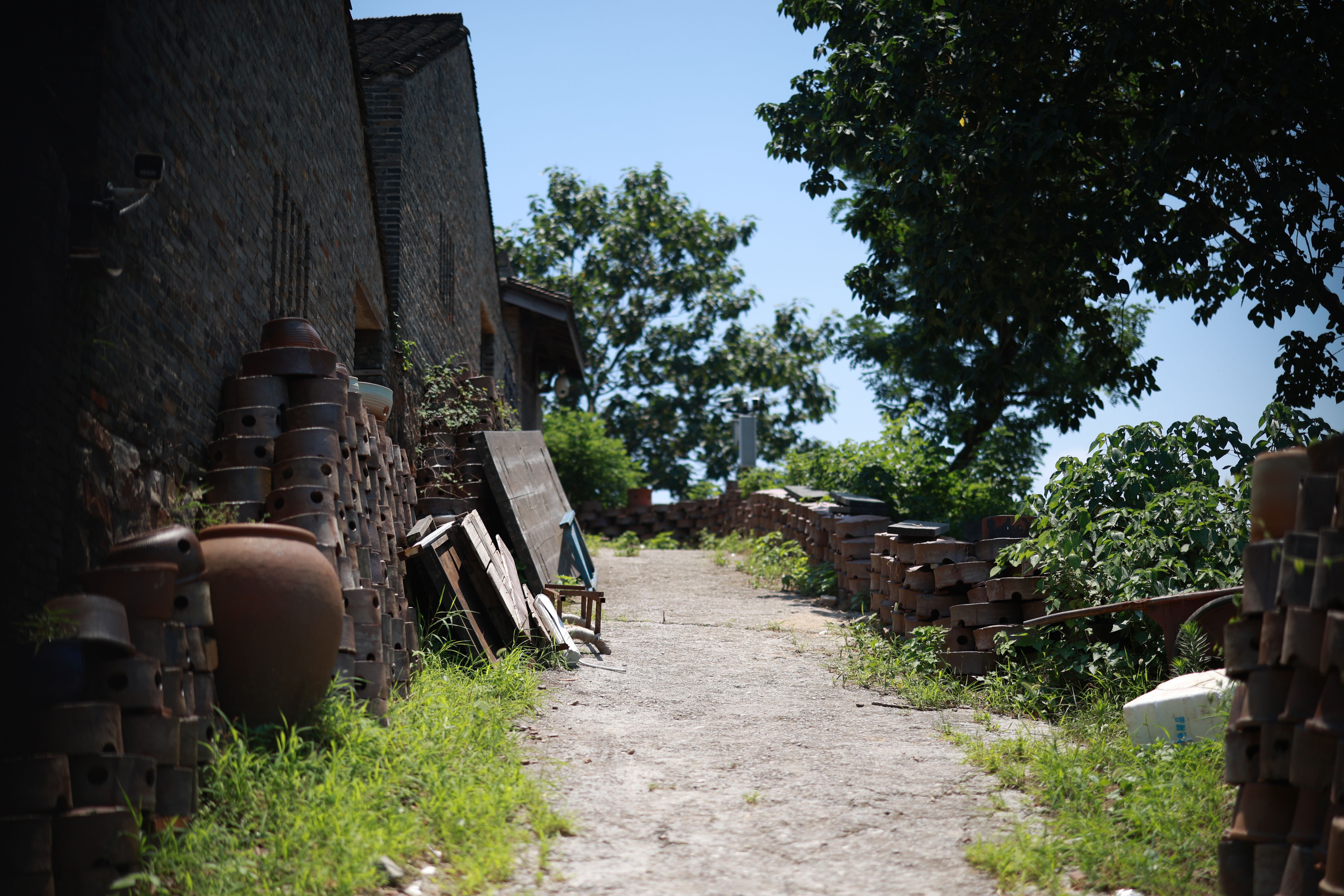
As we stepped out of the exhibition hall and back into the harsh sunlight and heat, Cao remarked that it was precisely this humidity and warmth that kept the clay malleable enough to shape, providing just enough time before it dried out. This microclimate, tied so intimately to artistic technique, pulled me back to our journey tracing Shitao’s scroll and the meditative atmosphere of Zhang Gong’s grotto—just as Cao and Lin now lead us down their rabbit warrens, revealing the hidden myths of Yixing that persist in the present. —[O]
Shuyi Cao and Candice Lin: Underwater, on Fire is on view at UCCA Clay, Yixing, from 5 July to 12 October 2025.
Main image: Candice Lin, Soul of the World (Iron Ouroboros) (2025) (detail). Exhibition view: Underwater, on Fire, UCCA Clay, Yixing (5 July–12 October 2025). Courtesy the artists and UCCA Clay.








A respected voice in contemporary art discourse.
Focusing on ambitious storytelling and insightful art-world commentary. Ocula Magazine publishes in-depth interviews, critical essays and timely analysis on the artists, exhibitions and ideas driving the global art world.
Learn more about Ocula Magazine
Showcasing the best of the art world.
Ocula partners with galleries from around the world to highlight their artists, artworks and exhibitions. Gallery membership is by application and invitation, with each member vetted by an independent panel.
Learn more about Ocula Membership
Specialises in the sale of major artworks.
Led by a team with deep ties to the world’s leading auction houses, galleries and collectors. Ocula’s advisory team offers bespoke services to high-net-worth clients from around the world who are looking to acquire the best of contemporary and modern art.
Learn more about our team and services