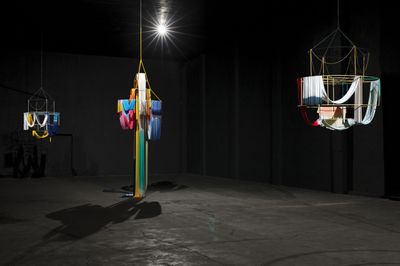
The art world in focus
Subscribe to our newsletter for news and insights on artists, galleries and exhibitions.

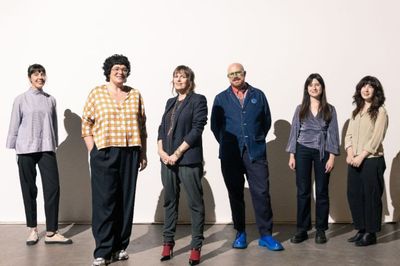
Marie-Anne McQuay likens her role as curator of the 2025 Liverpool Biennial to that of a footballer on loan: ‘I’m there for a Biennial season—not strictly a FIFA season, but close enough!’
But unlike most others who have assumed the title since the event’s inception in 1998, McQuay has something of a home turf advantage. Since moving to Liverpool in 1999, she has worked in the city on and off over the past two and a half decades. While at Spike Island in Bristol, and then at FACT and Bluecoat in Liverpool, she presented the work of Elizabeth Price, Cevdet Erek, Kara Chin, Leasho Johnson, and Liverpool local Amber Akaunu, all of whom are included in this year’s Biennial.
So it’s with a particular connection to the ground beneath the city that McQuay describes this year’s title, BEDROCK, as a reflection on ‘foundations and what grounds us in fragmented times’.
It’s a theme with a sense of place inspired by Liverpool’s red sandstone, but also the histories of the British empire, migration, kinship, and resilience that undergird life in the port city. McQuay brings to light new preoccupations—among them materials such as textile, clay, mosaic, and how their users pass down knowledge—alongside existing interests in shared authorship and developing artistic practices.
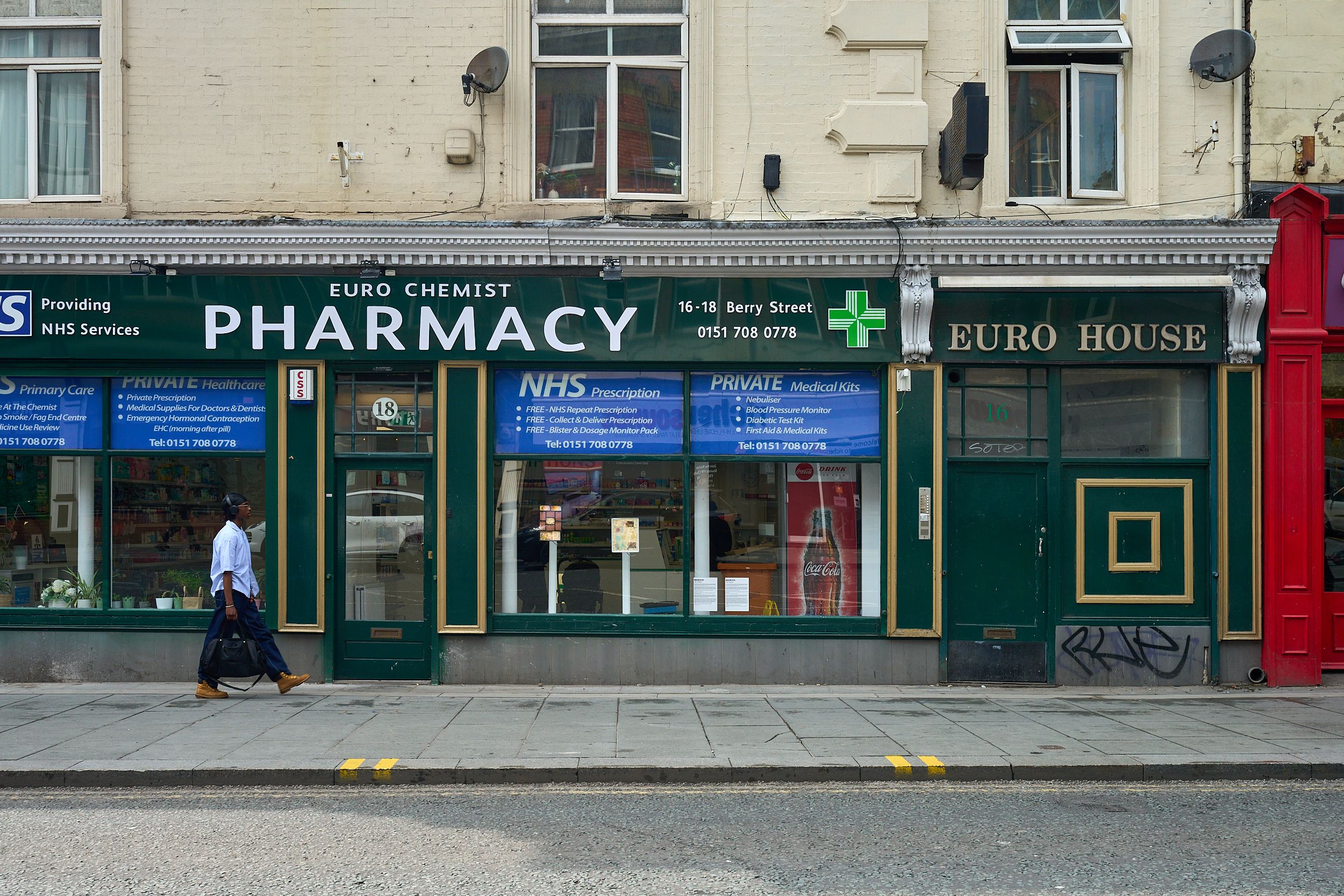
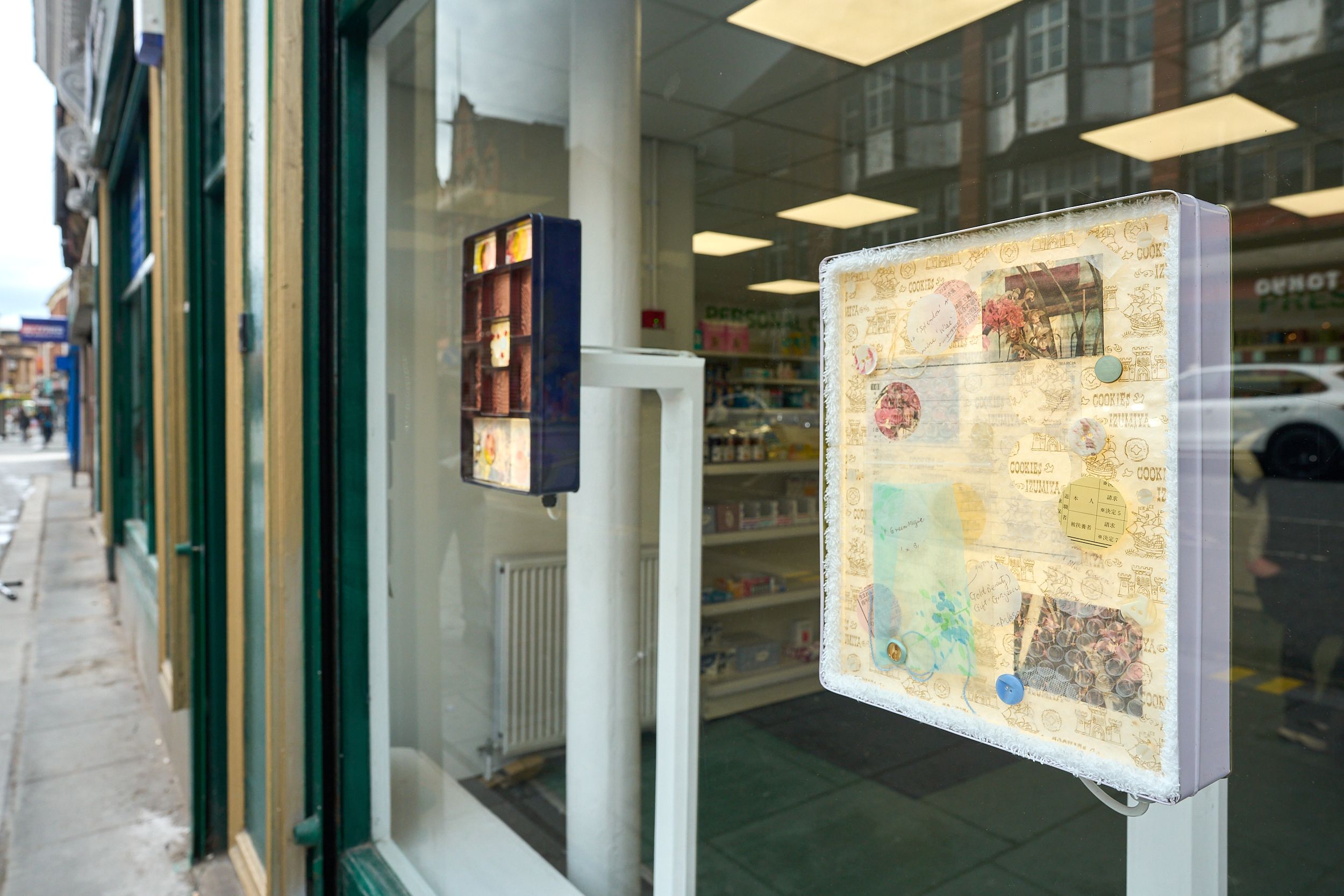
Throughout the programme, foundations of the literal and symbolic variety surface in portraits of family by Alice Rekab and Odur Ronald and in the exploration of colonial displacement by Nour Bishouty and Dawit L. Petros. LB2025 hopes to deepen connections between artists and local communities, using a range of venues from galleries to civic spaces. One installation by Anna Gonzalez Noguchi appears at Eurochemist, which McQuay called ‘the most compassionate pharmacy in the city’.
Ultimately, it’s the insider’s sensitivity to the local scene McQuay brings to this year’s event, while introducing new ideas and practitioners from further afield.
‘Liverpool thrives on new reference points,’ she says. ‘But it’s local knowledge that grounds the work.’
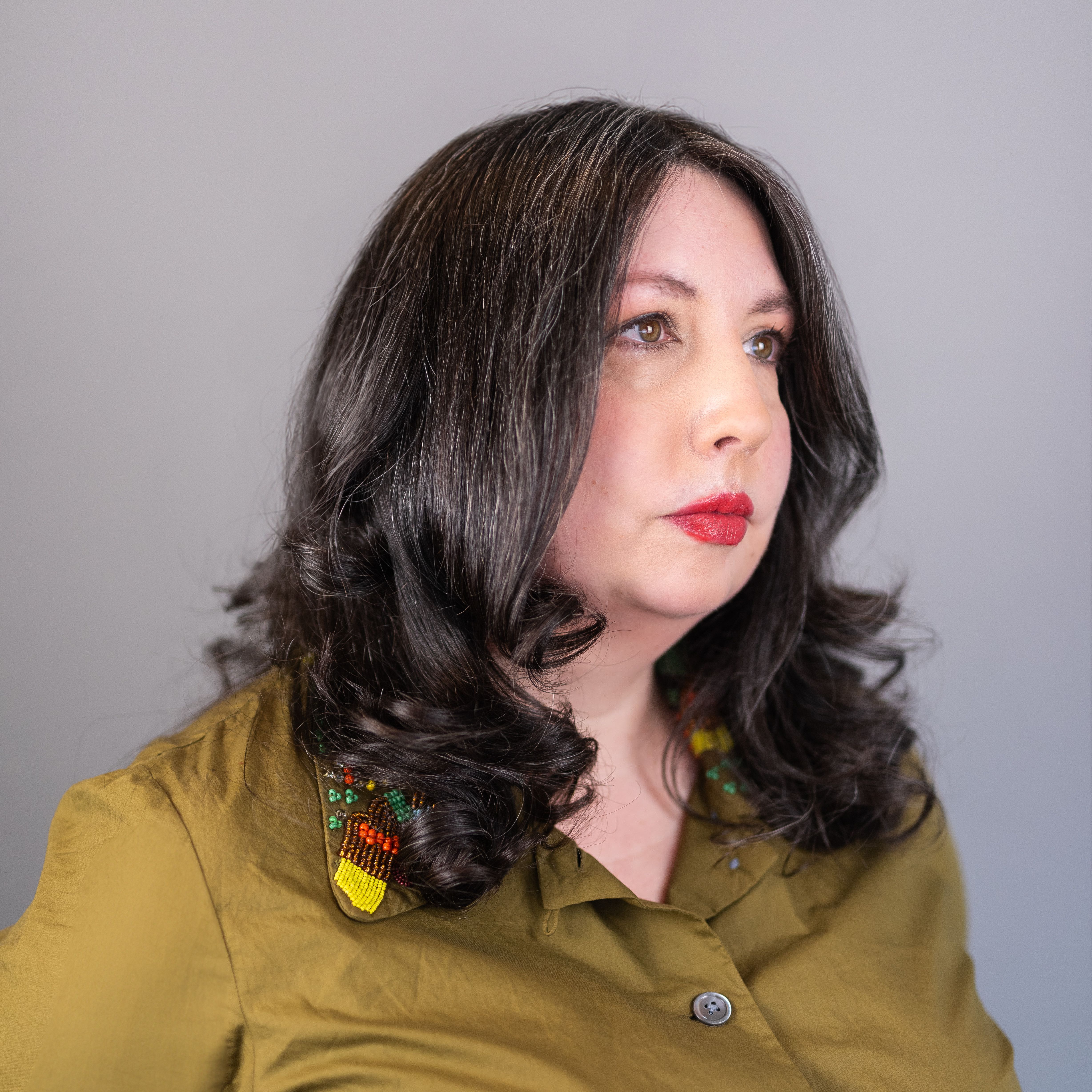
MAM: The title originated from walking the city and observing the sandstone which is Liverpool’s literal bedrock, visible in pavements, walls, tunnels, and the base of the Old Dock, where geological time and empire meet.
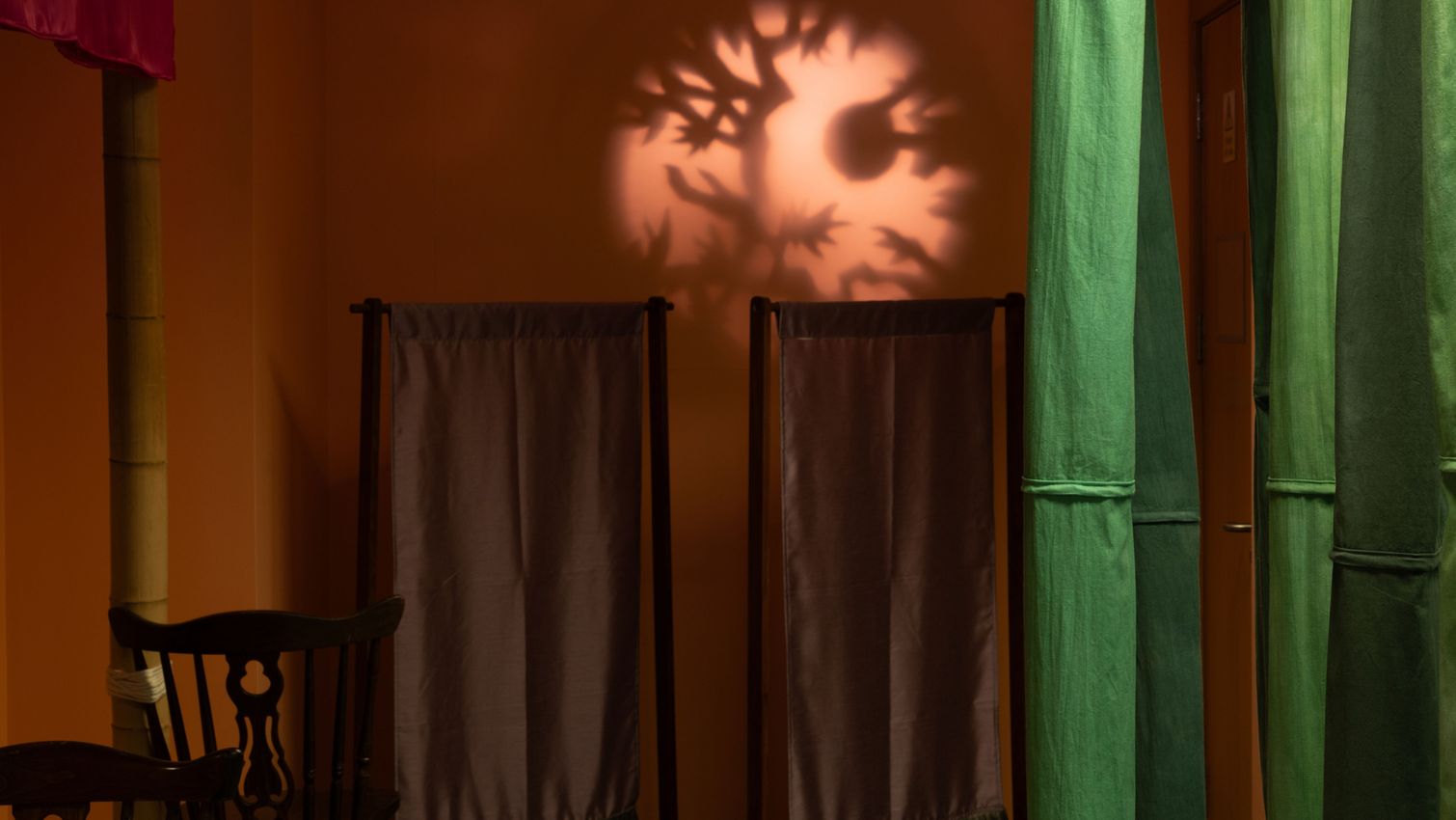
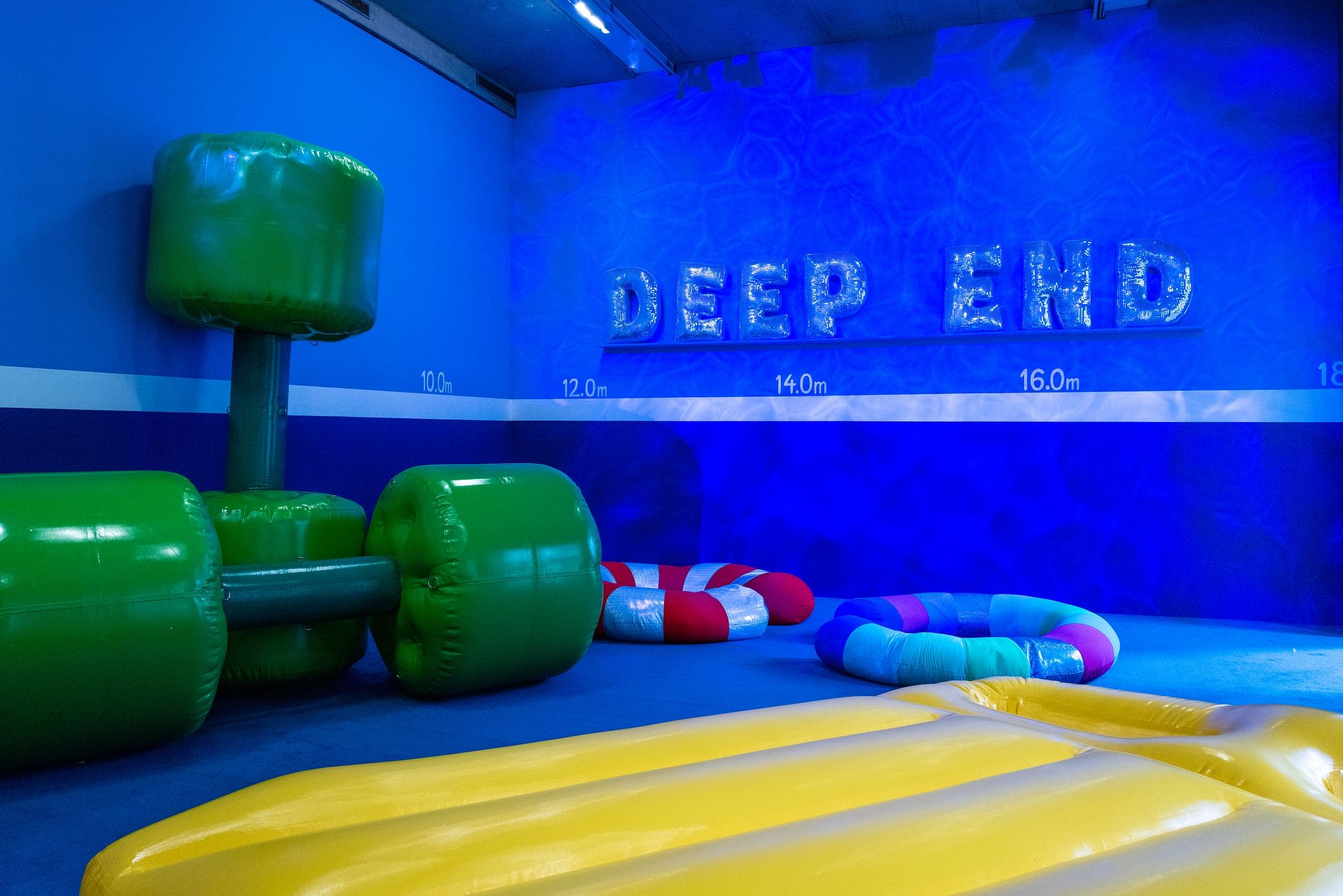
I extended the idea to metaphorical foundations: the empire that shaped Liverpool, but also the civic resilience and strength the city holds now. The artists explore their own ‘bedrocks’: family (chosen and otherwise), culture, heritage—often tinged with loss but also joy. Some works you might sit with quietly, others are more playful. At the Bluecoat, there is an incredible indoor swimming pool by Amy Claire Mills, inspired by hydrotherapy and Disability solidarity, and nearby are portraits by Odur Ronald and Alice Rekab that ask what it means to be cherished.
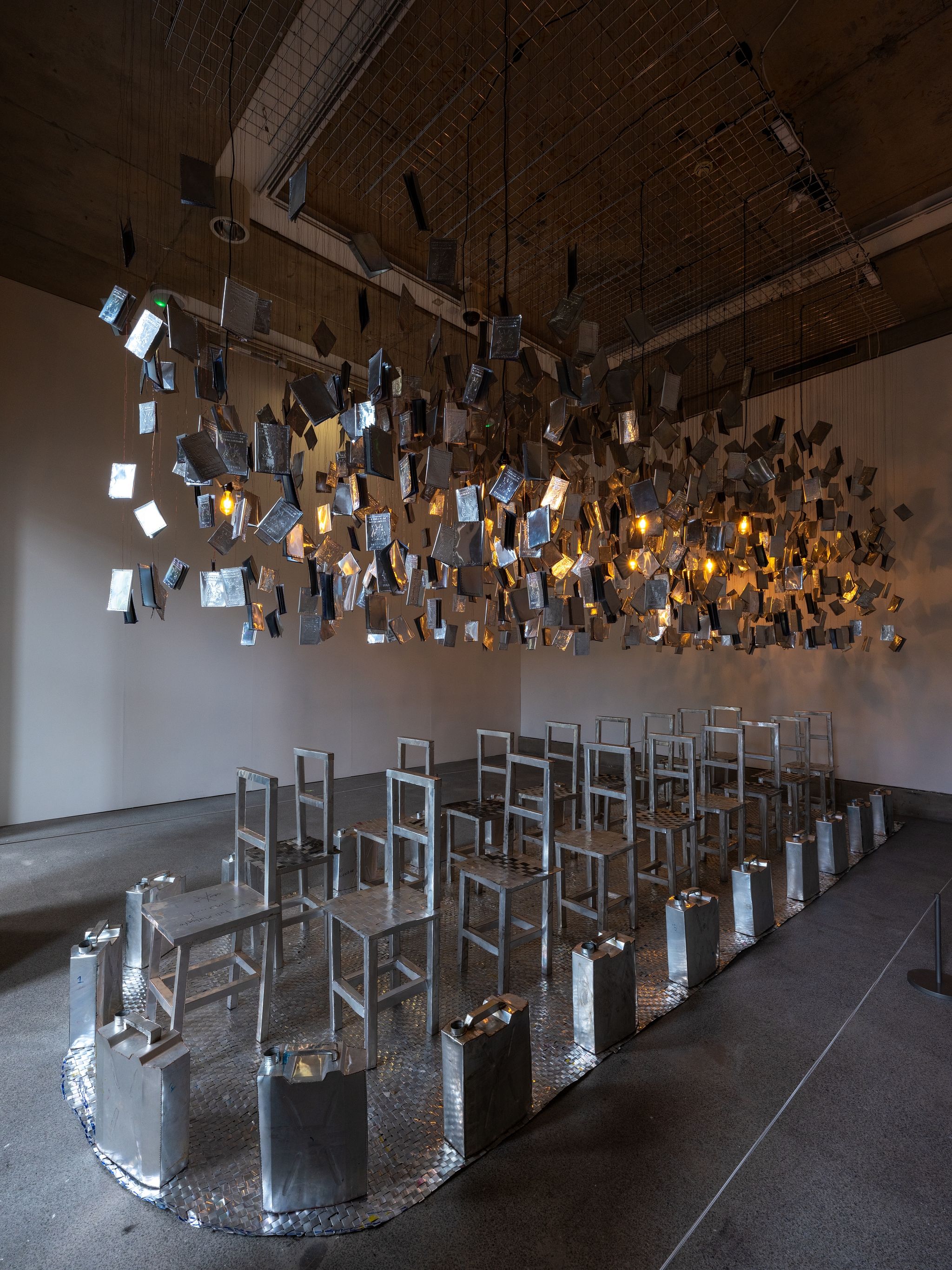
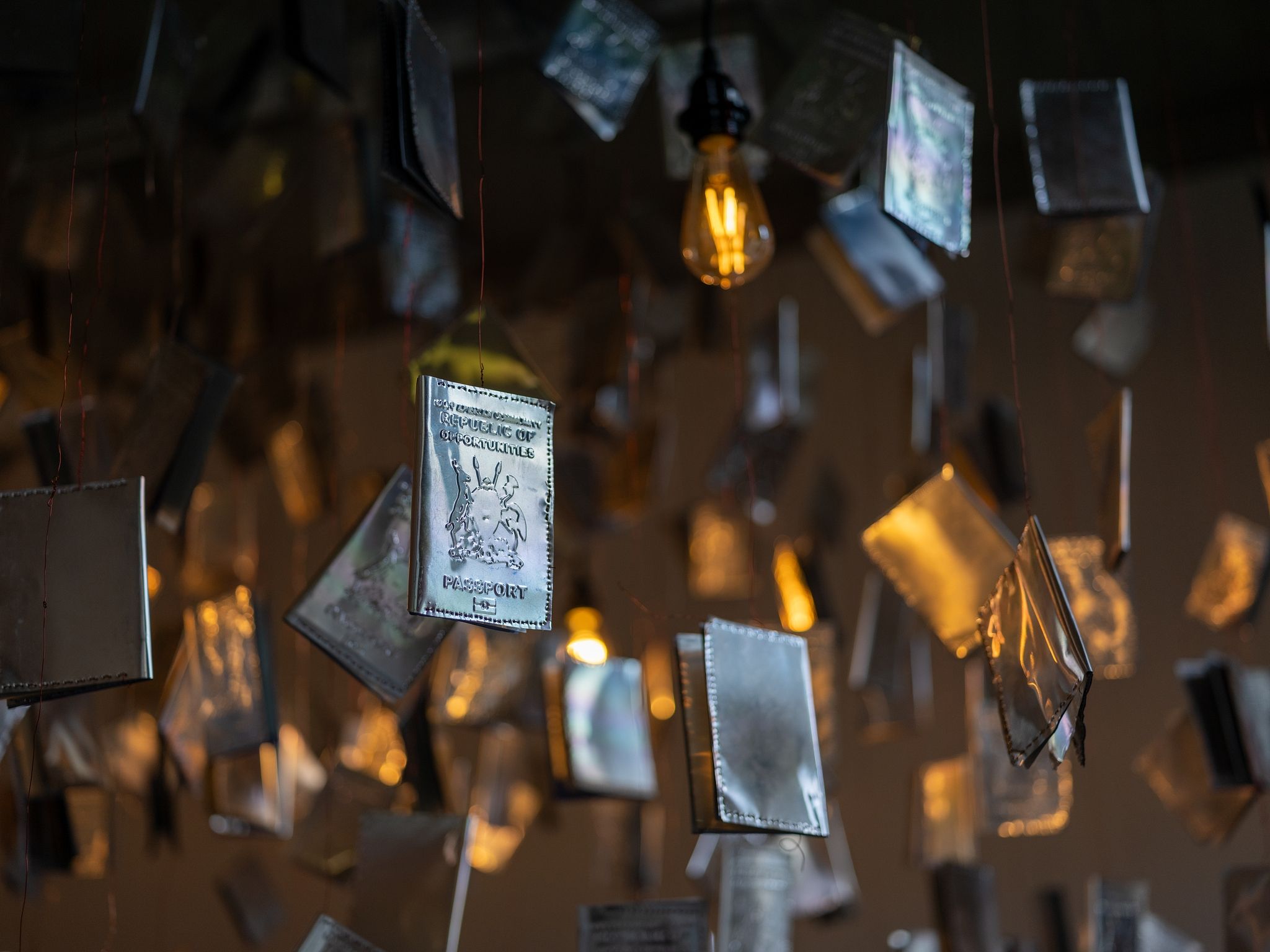
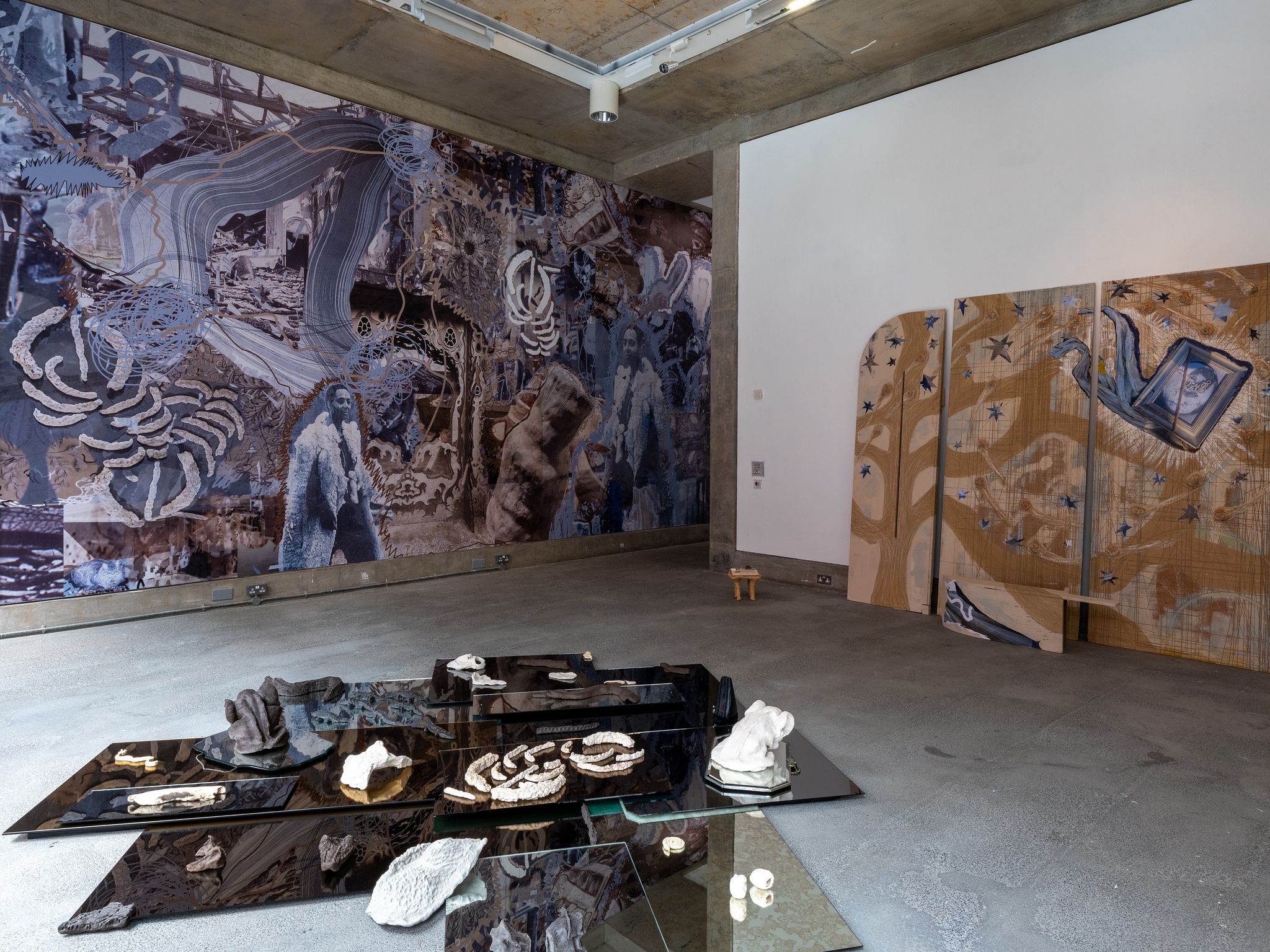
MAM: I brought in a few artists I’d worked with previously, including Elizabeth Price, Cevdet Erek, Amber Akaunu, Kara Chin, and Leasho Johnson, but most were new. I did in-person visits, travelled, researched online, and leaned on my networks. Liverpool Biennial’s connections were incredibly useful too.
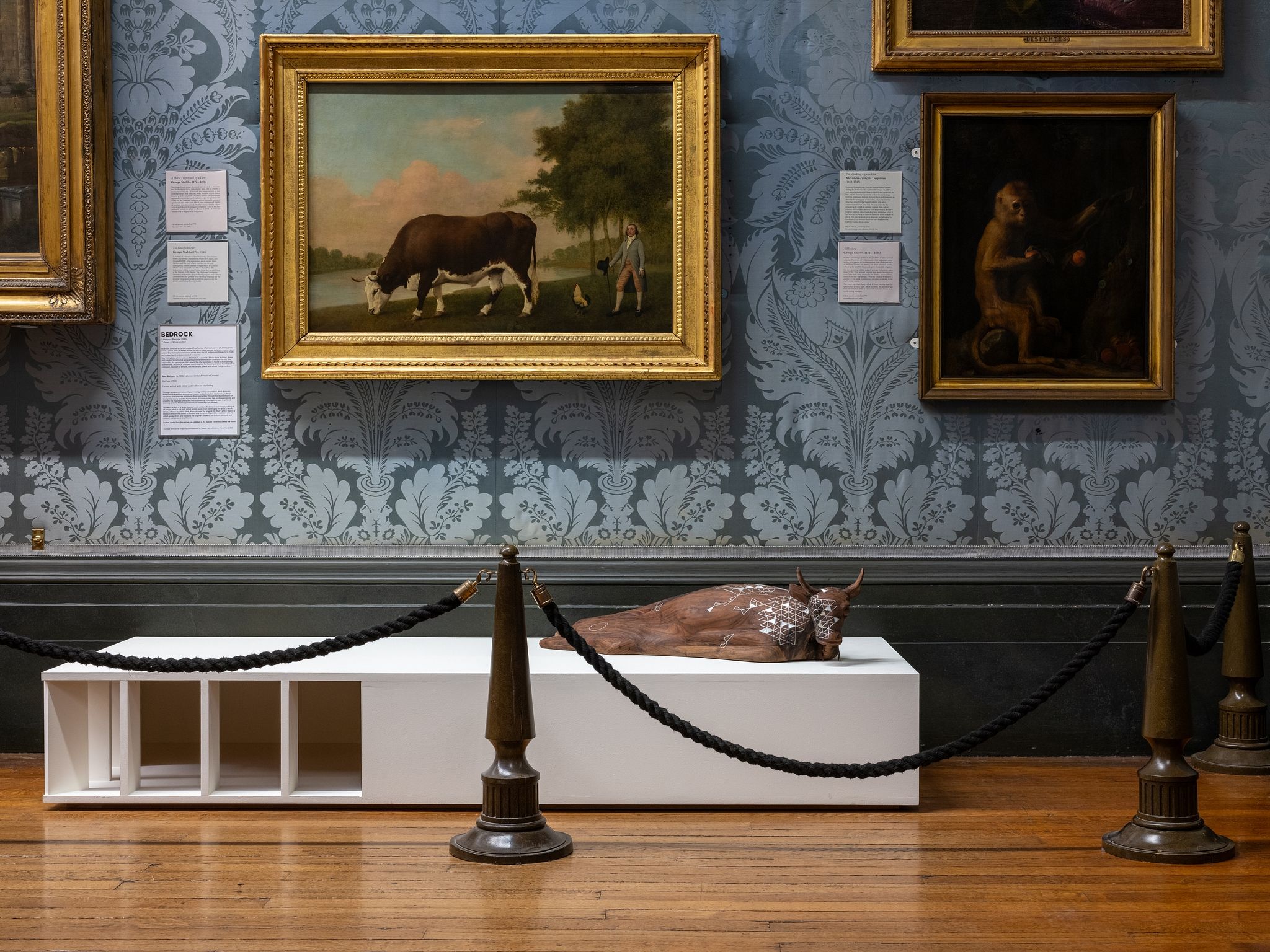
At the Quebec Biennial, I met Nour Bishouty and Dawit L. Petros, whose work on colonial displacement—Palestine and Lebanon for Bishouty, Eritrea for Petros—spoke to both Liverpool’s history and the global present. I wanted artists to feel a real connection to the theme of foundations. It was also important to bring new voices into Liverpool and the U.K.
MAM: There’s the Biennial’s ongoing learning—2027 and 2029 are already being planned and outlined—and then there’s my role as guest curator, which is more like being a footballer on loan for a season—not strictly a FIFA Season, but close enough! While evaluation is shared with the incoming curator, I’m aware that it would be hubristic of me to think I’ll get everything right. I’m hugely appreciative of the work of past curators like Kitty Scott [2018], Manuela Moscoso [2021], and Khanyisile Mbongwa [2023].
I’d like my legacy for the Biennial to be enduring relationships. The catalogue for this edition reflects this: Liverpool-based writers like the author Jeff Young, poet Jennifer Lee Tsai, and curator Miles Greenwood contribute their perspectives via vital and embedded life writing, poetry, and essays alongside external voices like earth scientist Dr Anjana Khatwa and curator Yaa Addae, who has contributed a tender autobiographical text. If the Biennial feels closer to the city afterward, that’s a real achievement.
MAM: Documenta 11 in 2002 left a world-changing impression on me, in terms of my understanding of postcolonialism through artist practice and curating. It was an incredible exhibition and a key moment in decentring the North Atlantic art world. I’m also currently reading ‘Unsettled Ghosts in Ex-Africa’ [2024] by Jason Waite via e-flux’s After Okwui Enwezor, as Enwezor’s is a method of curating needs to be truly understood within its time and context, rather than mimicked. Closer to home, EVA International in Ireland has connected with civic spaces—a school, a bar, a long-running vegetarian café. The intersection of Biennials with every day or civic life is of interest to me.
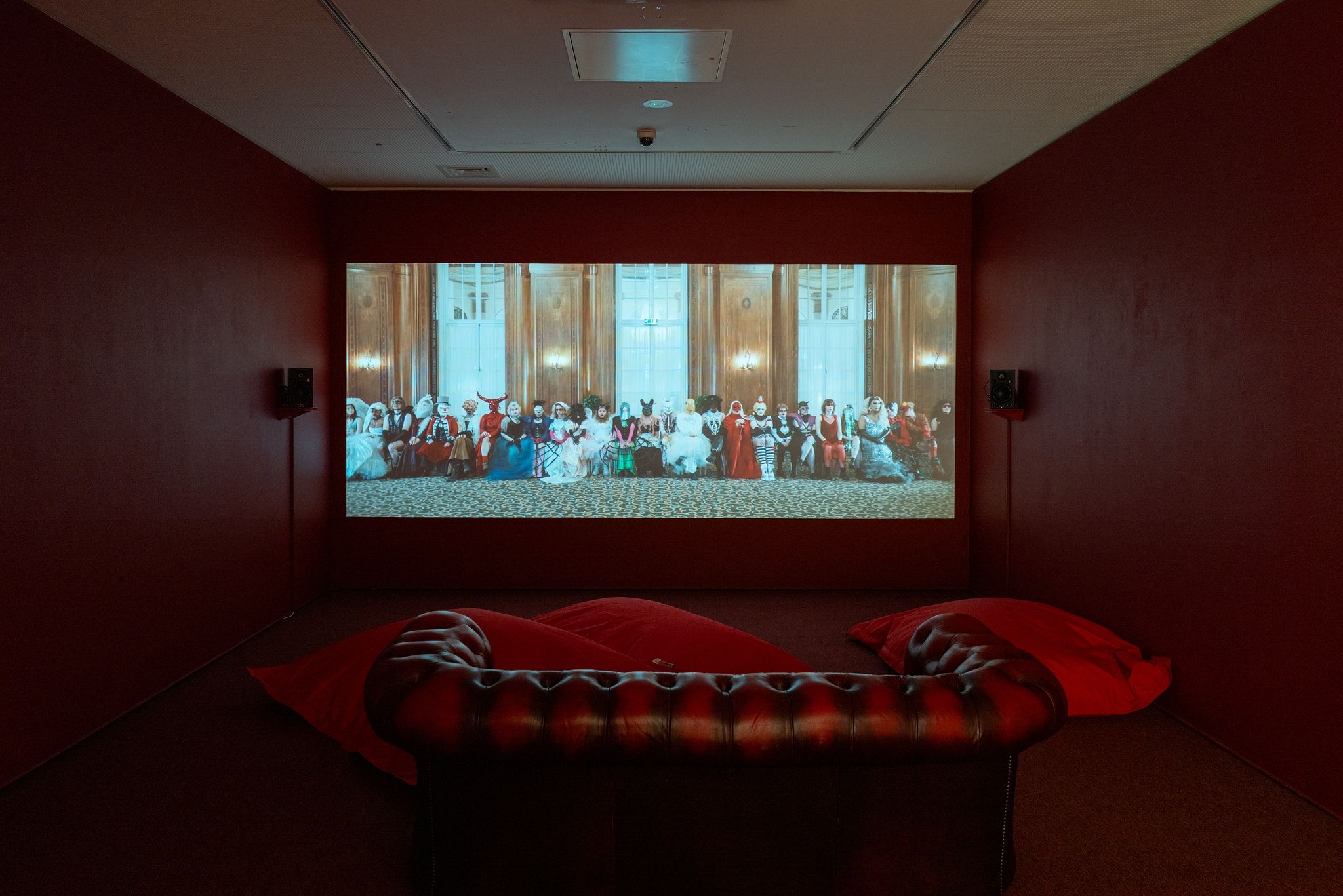
MAM: Both were legacy partners from LB2023, and I’ve expanded our collaboration. First Take’s ‘REEL: Queer’ project brings together intergenerational Queer creatives with established practices to learn filmmaking. They worked with Katarzyna Perlak in the once-decadent Adelphi Hotel; the film is installed at Open Eye Gallery. It’s a joyful, wild project which feels poignant with the recent rollback on trans rights in the U.K.
At the Library runs an ambitious artist-led programme in Sefton Libraries. They paired DARCH (Umulkhayr Mohamed and Radha Patel) with their ‘Colour of Pomegranates’ group, an informal space for sanctuary-seeking women to connect with other local women. The resulting project on rituals of death, which is presented at FACT, Crosby Library, and online, is both uplifting and touching.
MAM: Dr Vid Simoniti has curated a podcast as part of Art Against the World, featuring artists and local voices like researcher Emily Beswick, who’s investigated Liverpool’s Chinatown re-designations, and Dr Anjana Khatwa on geology and time.
There’s also a reading list on display at the Walker Art Gallery, covering geology, extraction, and colonialism (Kathryn Yusoff, Amitav Ghosh), alongside Liverpool voices (Jeff Young, Jennifer Lee Tsai, Malik Al Nasir). We’ll have special events during the middle (25–27 July) and closing (12–14 September) weekends, plus free family workshops at Liverpool Central Library.
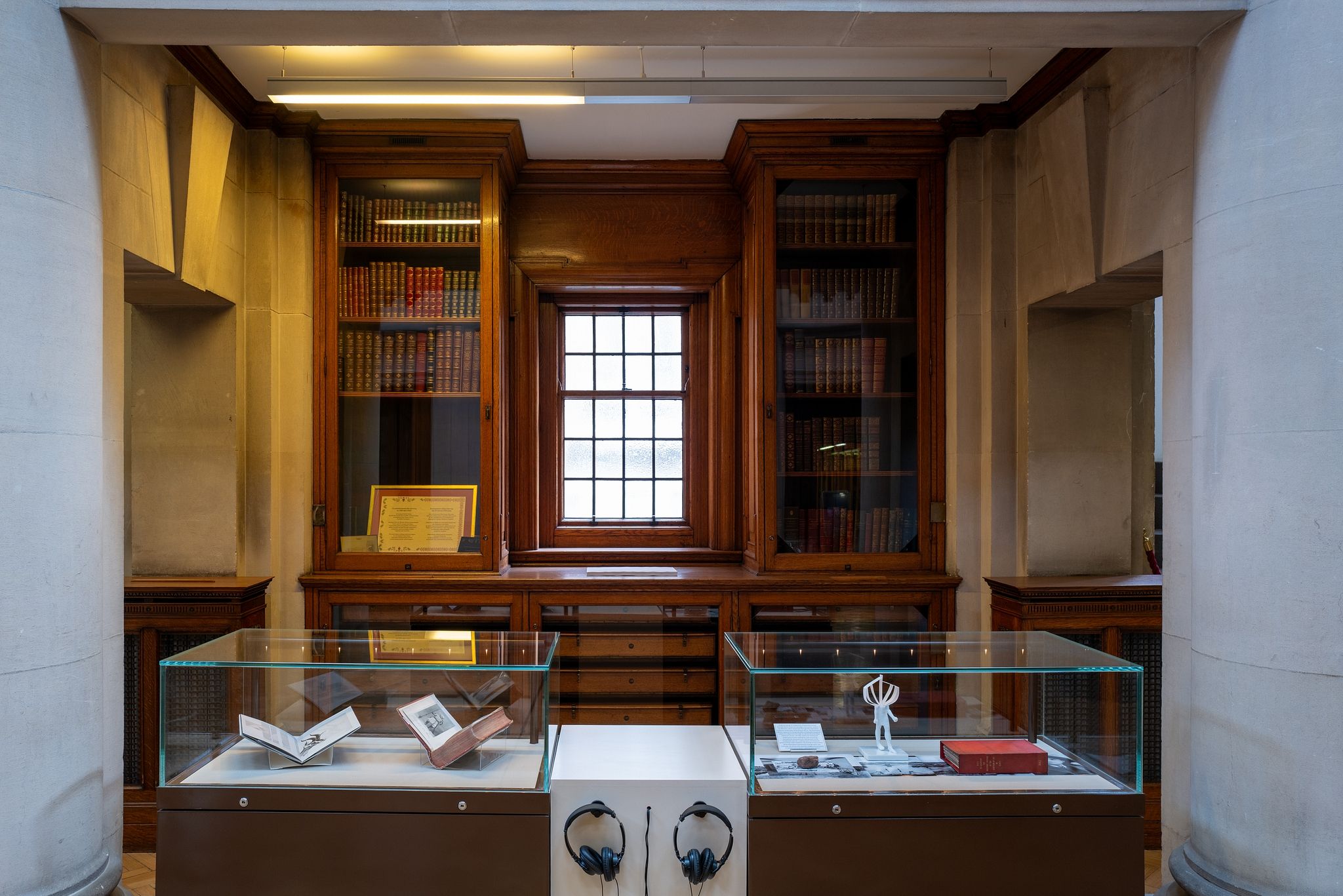
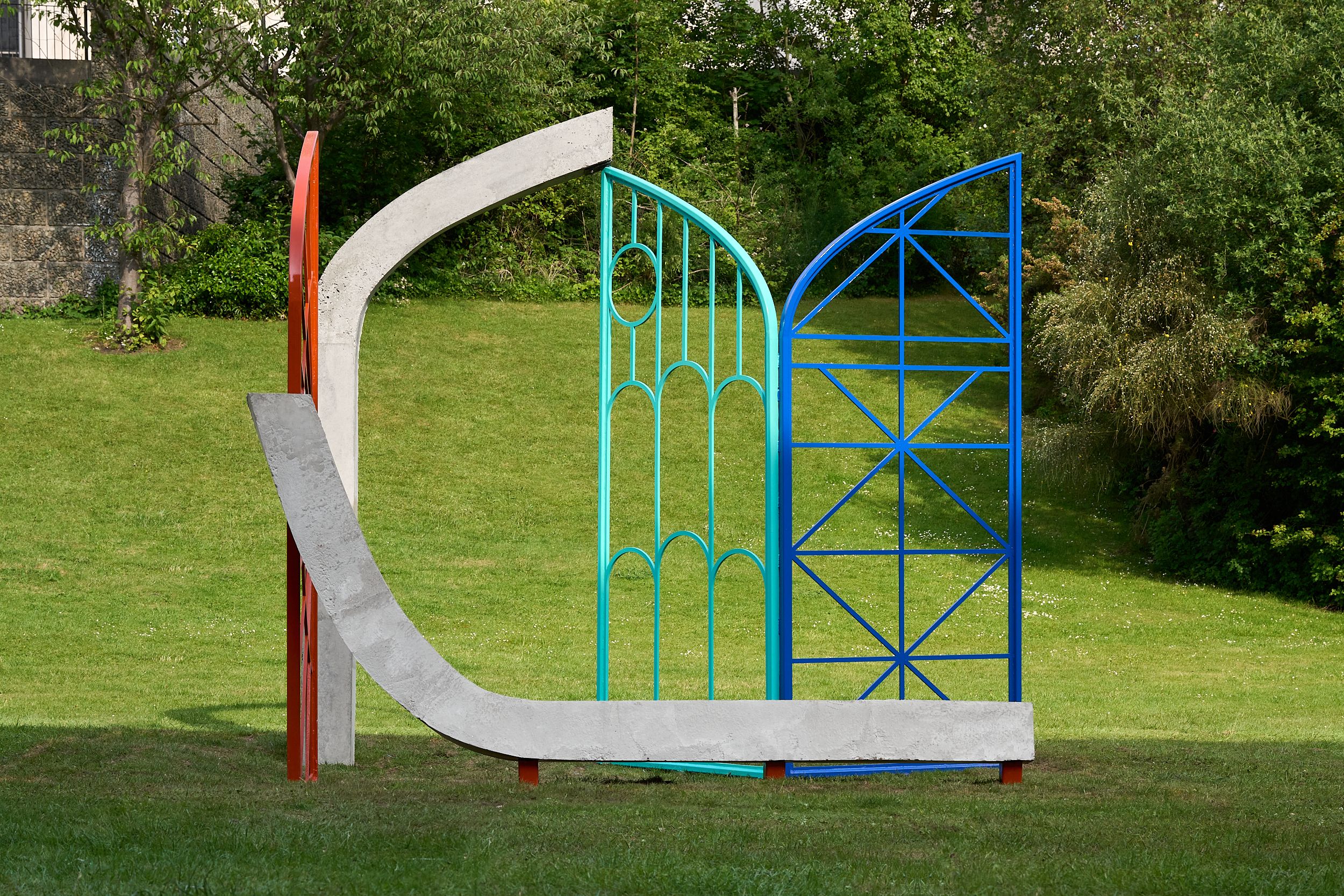
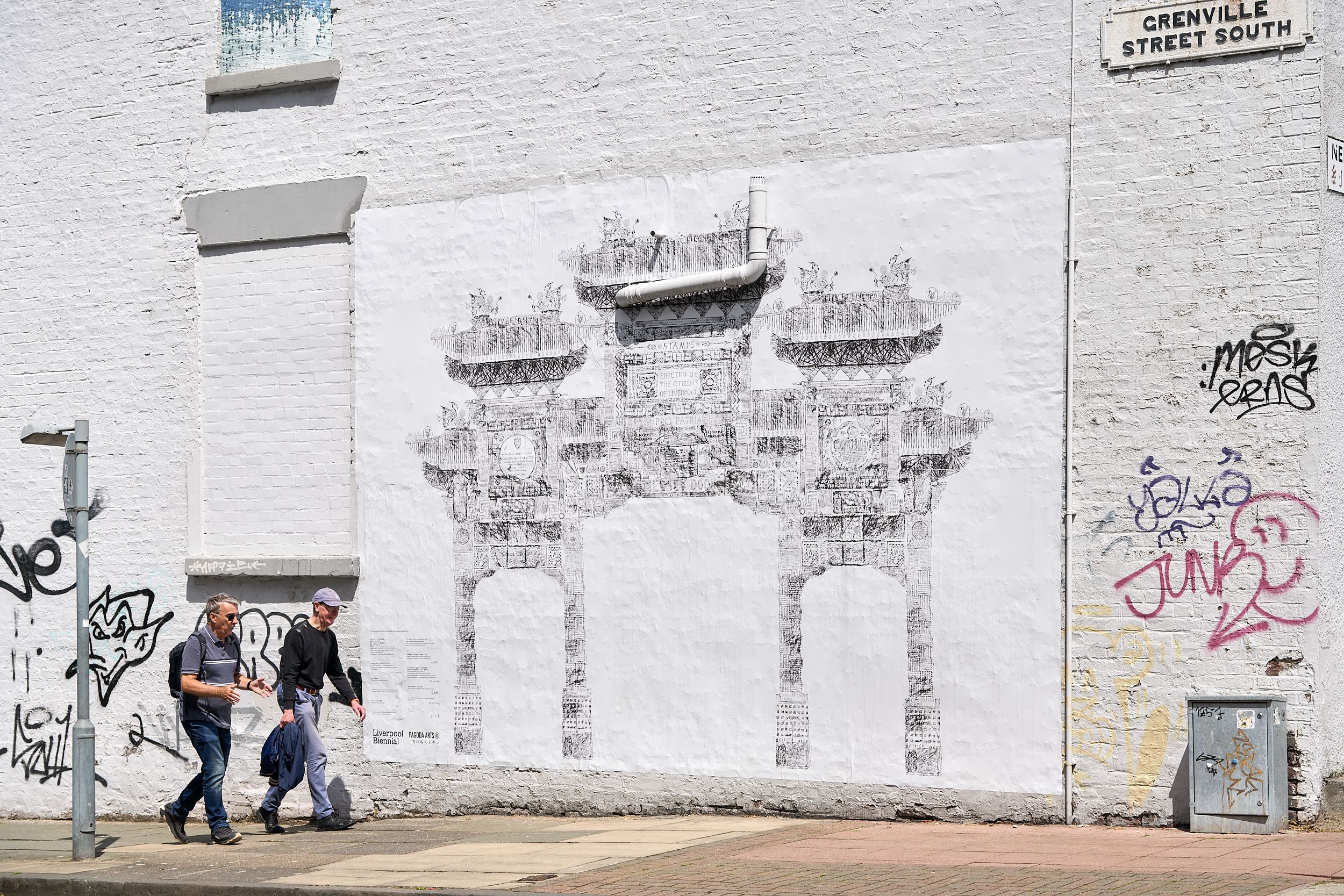
MAM: Liverpool’s city centre is very walkable. Start at Walker Art Gallery and Central Library (Dawit L. Petros), then head to the Metropolitan Cathedral to see Isabel Nolan’s sculpture. Walk down to the Anglican Cathedral for installations there, then through Chinatown for Karen Tam and ChihChung Chang. Afterward, you could go to the docks for Open Eye, Tate Liverpool + RIBA North, or to FACT and Bluecoat. There’s a guide with a map to help you pick a route.
MAM: One curator can’t define in a single edition the full scope of what Liverpool Biennial can encapsulate, but the team works all year round and on ‘non-festival’ projects to stay connected and embedded. I’ve lived through the ‘frequent flyer curator’ era; I think if anything is meaningful, it’s having a deeper connection to place.
When I worked on Wales in Venice 2019 with Sean Edwards, the voice of his mother, Lily Edwards, became a liturgy on class and a life lived, in the artist’s words, ‘not expecting much’ yet with dignity. This edition of the Biennial contains similarly intimate moments; it can remind us of our social bonds as well as a wider cause. The latter includes the city’s pushback against last century’s managed decline and celebrating international relationships, something we can’t take for granted at the moment across the U.K.
Local relationships are integral too, and I’m really delighted the Independents Biennial—an artist-led festival that runs concurrently with Liverpool Biennial—is back; it’s as old as the Liverpool Biennial and extends across the city region. Working together to help bring this back has been one way to make things feel more layered and connected. —[O]
A respected voice in contemporary art discourse.
Focusing on ambitious storytelling and insightful art-world commentary. Ocula Magazine publishes in-depth interviews, critical essays and timely analysis on the artists, exhibitions and ideas driving the global art world.
Learn more about Ocula Magazine
Showcasing the best of the art world.
Ocula partners with galleries from around the world to highlight their artists, artworks and exhibitions. Gallery membership is by application and invitation, with each member vetted by an independent panel.
Learn more about Ocula Membership
Specialises in the sale of major artworks.
Led by a team with deep ties to the world’s leading auction houses, galleries and collectors. Ocula’s advisory team offers bespoke services to high-net-worth clients from around the world who are looking to acquire the best of contemporary and modern art.
Learn more about our team and services