Press Release

Alisan Fine Arts is proud to present Hong Kong Landscapes, its sixth solo exhibition for ink master Lui Shou-kwan. With a focus on Lui’s modern landscape paintings from the 1950’s and 60’s, the works on display literally follow Lui’s footsteps while he visits the various sites around Hong Kong Island. They include iconic landmarks such as Victoria Harbour, Victoria Peak, Lion Rock, Happy Valley, and the beautiful beaches of Repulse Bay and Shek O, as well as the various hills and valleys in the country parks. Through these works one can trace the extra-ordinary techniques that Lui developed to meticulously depict the changing seasons, weather, and the various times of day while maintaining the literati spirit of traditional ink painting. This exhibition is the third in a series of important shows the gallery has planned for its 40th Anniversary celebration this year.

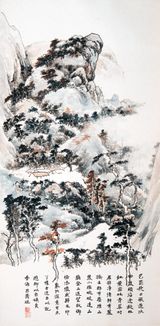
Lui Shou-kwan (1919-1975) is recognized as Hong Kong’s pioneer in the New Ink Movement. He advocated the innovation of traditional ink painting, but never abandoned the ink tradition. During his artistic life he continuously and simultaneously focused on three different areas: traditional painting, landscapes, and abstract ink art. Inspired by Western artists such as Turner, he combined Chinese traditional ink techniques with that of the West. This unique artistic approach of harking back to tradition and looking towards the future had a profound influence on the development of Contemporary Chinese Art. Born in Guangzhou, Lui’s interest in painting was inherited from his father Lui Canming (1892-1963) from early on. His father was a scholar-painter and owner of an antique shop. Lui studied Chinese painting by copying classical works by past masters, such as Bada Shanren (1626-1705, Ming Dynasty), Shitao (1642-1707, Qing Dynasty) and Huang Binhong (1865-1955, under whom he studied for a short period). In this exhibition, we can see in After Hiking Lin Fa Shan (1961) that Lui was influenced by Huang Binhong’s dark and bold style in his later years. The black mountains with a gleam of light breaking through, remind viewers of Lui’s internationally renowned Zen Painting series.

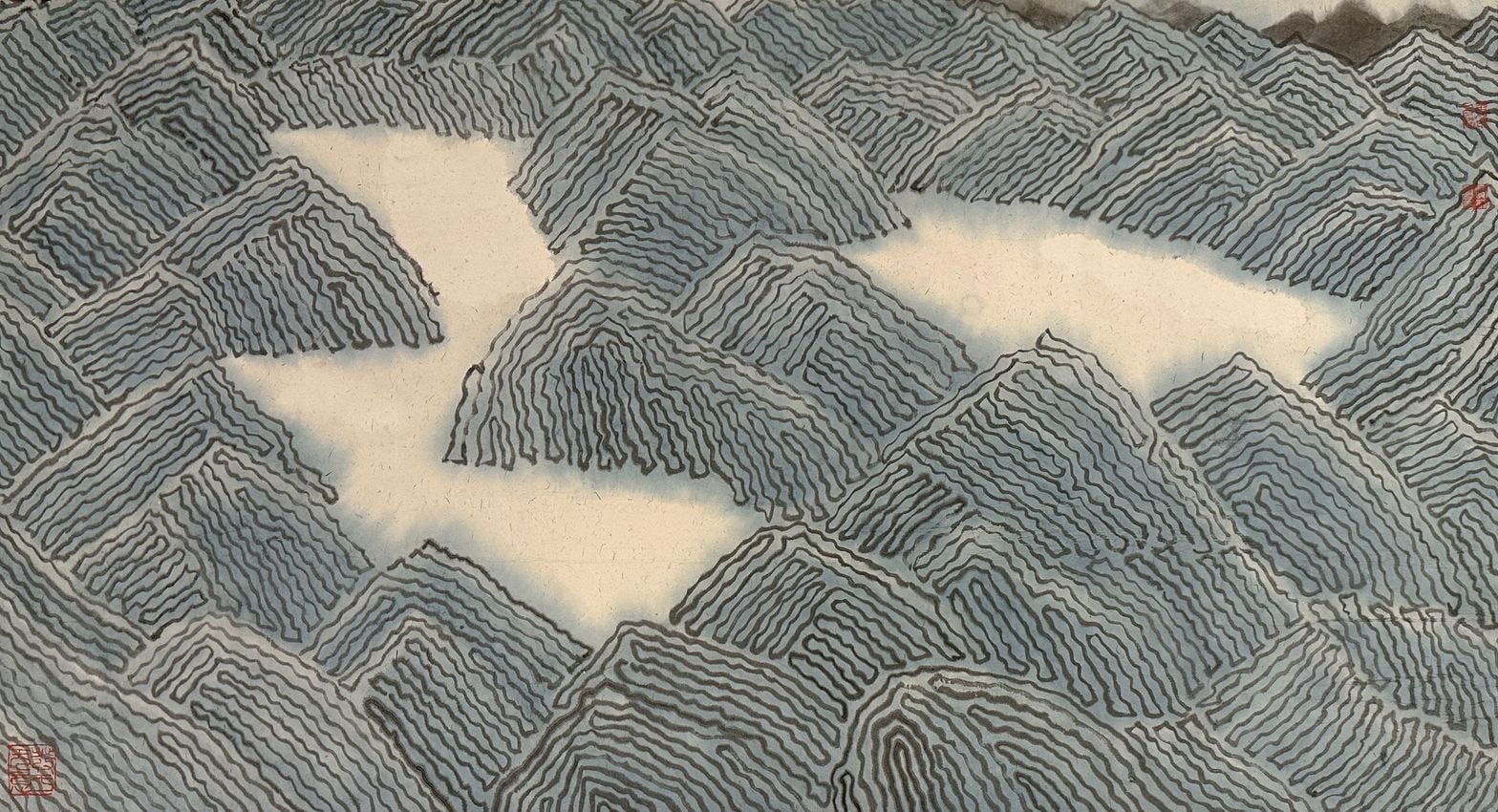
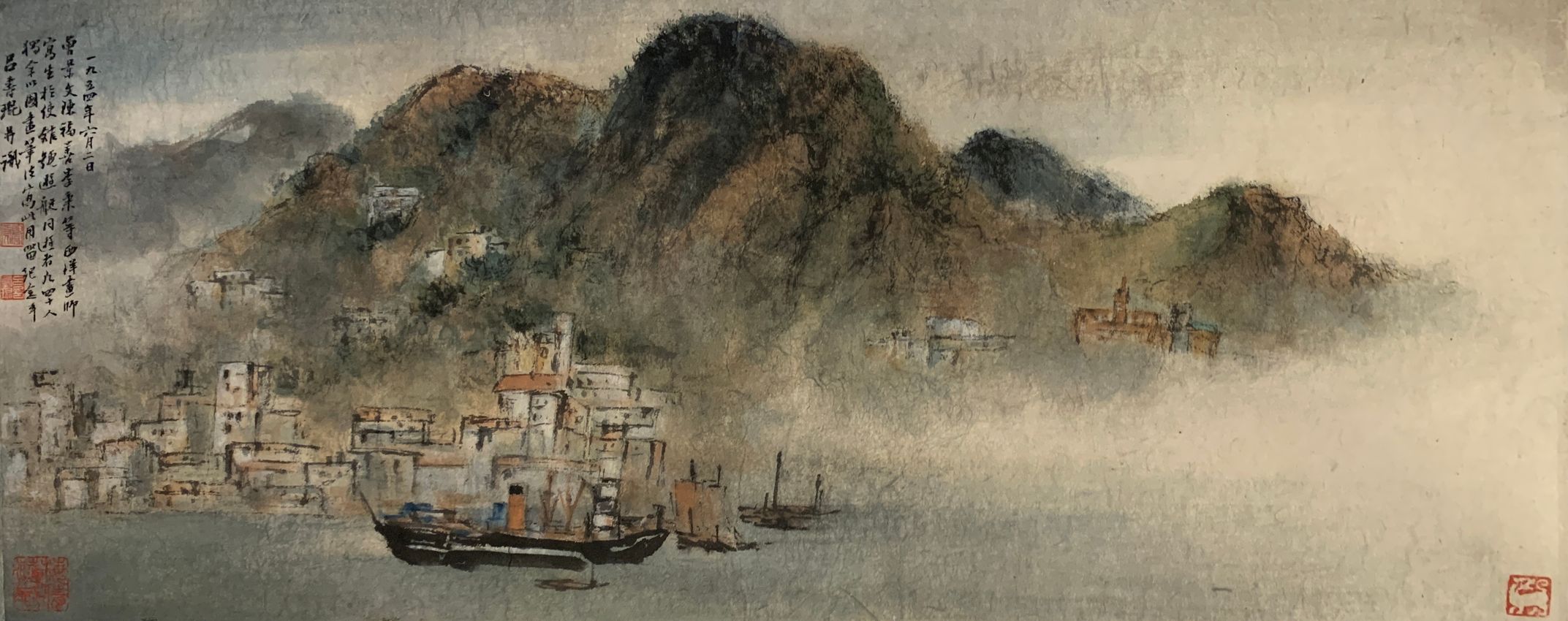
Lui Shou-kwan moved to Hong Kong in 1948 and began working for the Hong Kong and Yaumatei Ferry Company as an inspector in 1949. While working on the pier, he was able to observe Hong Kong’s mountains and harbour scenes and painted on-site after work. For example, Hong Kong Landscape (1954) was painted on-site during an outing with several other Hong Kong artists Dong Kingman, Luis Chan, Lee Byng on a boat. Also, in Junks and Repulse Bay (both 1967), Lui used different traditional ink painting techniques such as Hemp Strokes, Amass Ink, and Break Ink, the expressive brushwork represents diverse characteristics of landscapes.

As Lui Shou-kwan said, ‘What differentiates the Guohua’s xiesheng and Western en plein air is that the Chinese focus on breaking the boundaries of time and space. At the same time, the objects depicted should accommodate the viewer’s changing mood and behaviours....The composition obviously derives from nature, but it should also transcend it, so that it becomes the artist’s expression.’ (Quote from The Search of Zen: The Art of Lui Shou-kwan, National Art Museum of China, Beijing, 2018, P. 23)

Read More
About the Artist

Lui Shou-kwan (1919-1975), recognized as Hong Kong’s pioneer in the New Ink Movement has had a far-reaching influence on contemporary Chinese art. Born in Guangzhou, Lui’s interest in painting was inherited from his father Lui Canming (1892-1963) from early on. His father was a scholar-painter and owner of an antique shop. Lui studied Chinese painting by copying classical works by past masters, such as Bada Shanren (1626-1705, Ming Dynasty), Shitao (1642-1707, Qing Dynasty) and Huang Binhong (1865-1955, who he studied under for a short period). Lui graduated from the University of Guangzhou with a degree in Economics in1946. He moved to Hong Kong in 1948 and began working for the Hong Kong and Yaumatei Ferry Company as an inspector in 1949. While working on the pier, he was able to observe Hong Kong’s mountains and harbour scenes. These scenes often appear in his semi-abstract landscape works. Afterwards, he experimented with abstraction and symbolism which ultimately lead to the creation of his unique Zen Painting.

View Artist Profile

Also Exhibiting

About the Gallery

Co-founded in the 1980s by Alice King, Alisan Fine Arts is Hong Kong’s longest-standing contemporary gallery, celebrated for its trailblazing promotion of Chinese contemporary art and New Ink art. The gallery has consistently championed artists from the Greater China region and Chinese diaspora, making an impact on cross-cultural dialogues and global appreciation of diverse artistic expressions.

View Gallery Profile
Address
21/F Lyndhurst Tower
1 Lyndhurst Terrace
Central
Hong Kong
Hong Kong
Opening Hours
Monday – Saturday
10am – 6pm
(1)
Hong Kong 21/F Lyndhurst Tower, 1 Lyndhurst Terrace
Alisan Fine Arts
21/F Lyndhurst Tower, 1 Lyndhurst Terrace, Central, Hong Kong, Hong Kong
+852 2526 1091
http://www.alisan.com.hk

Opening hours
Monday – Saturday
10am – 6pm
The art world in focus