Press Release

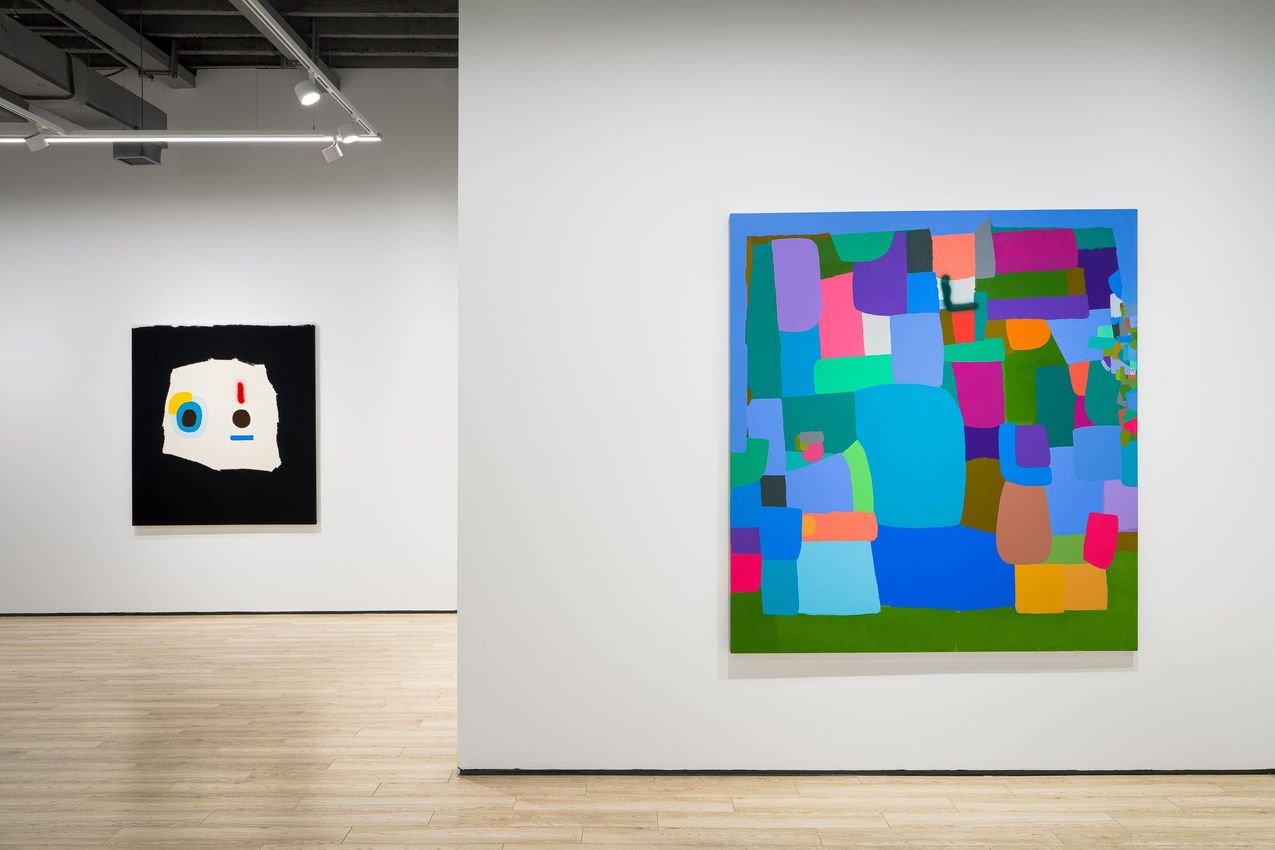
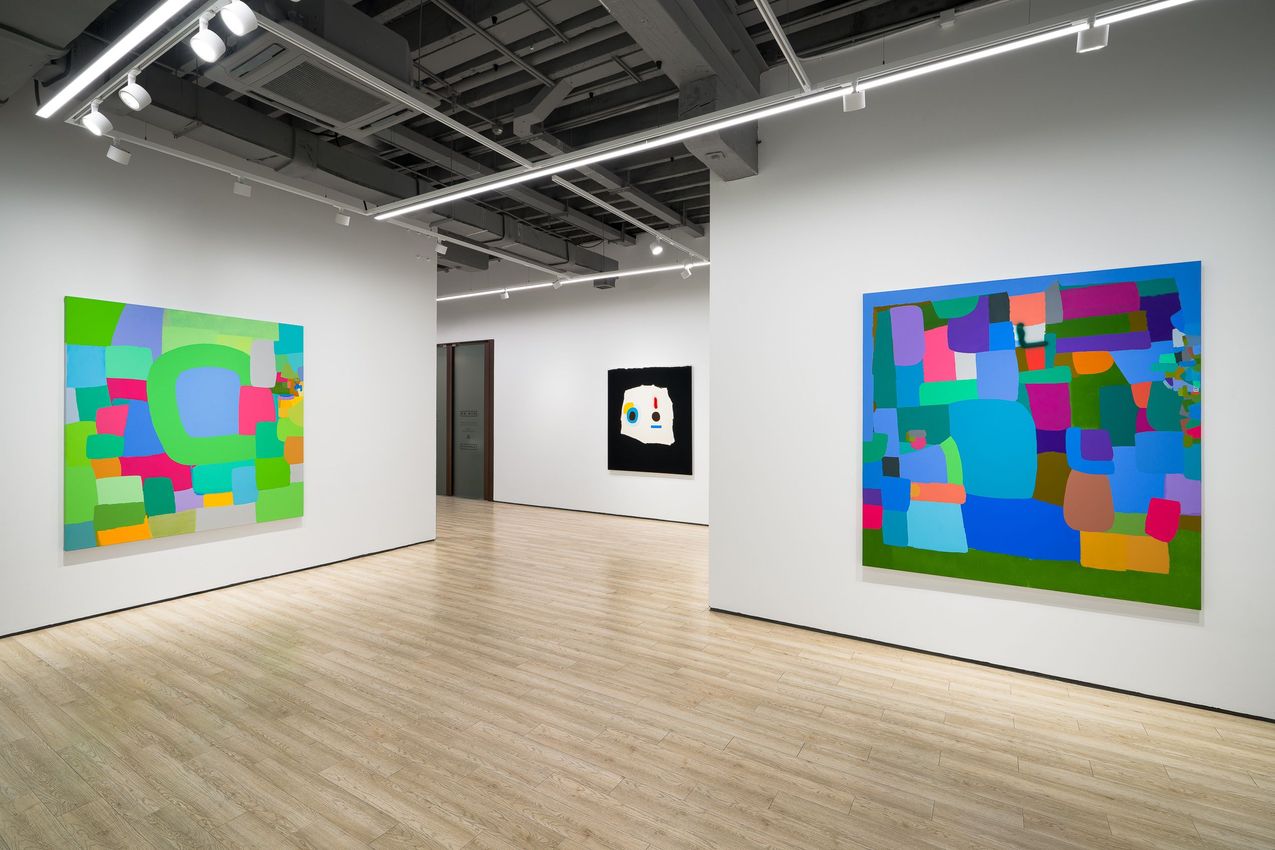
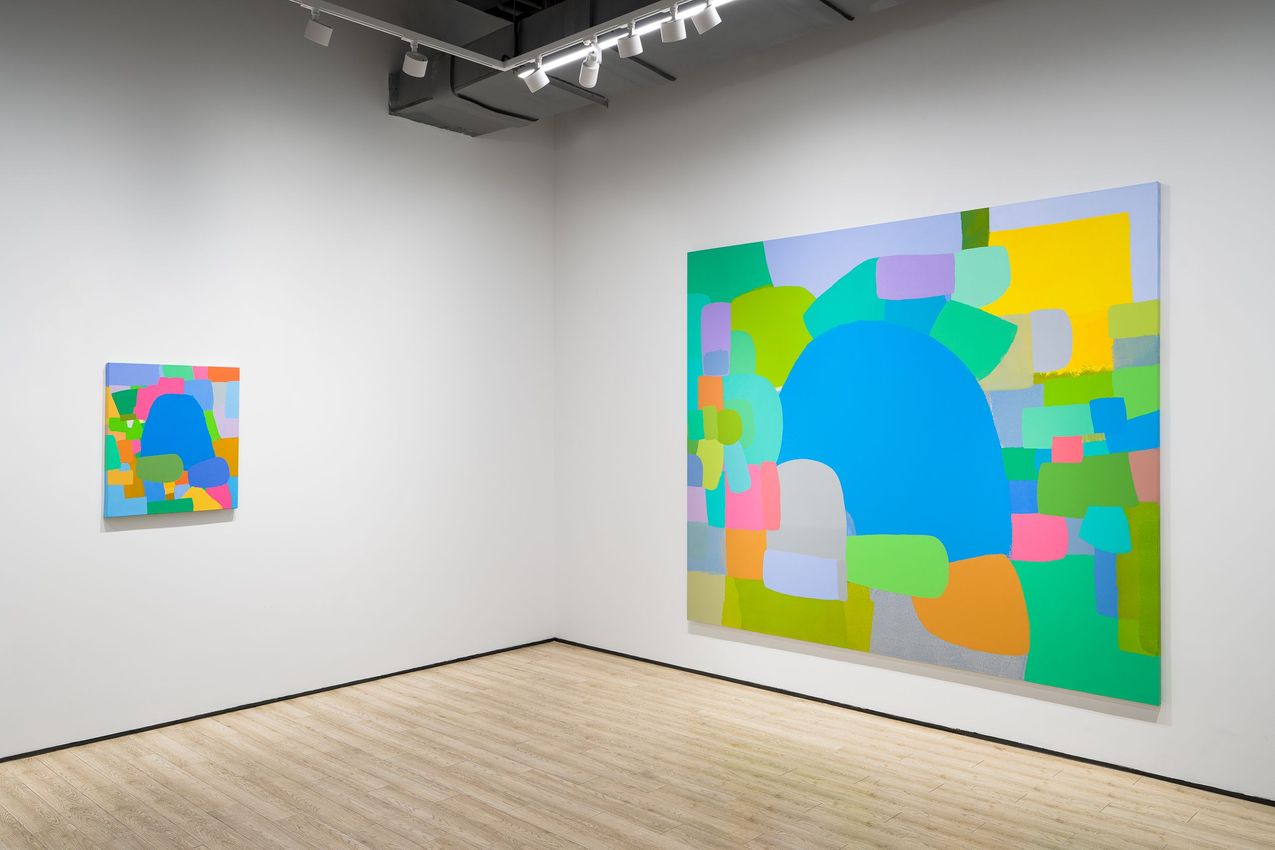
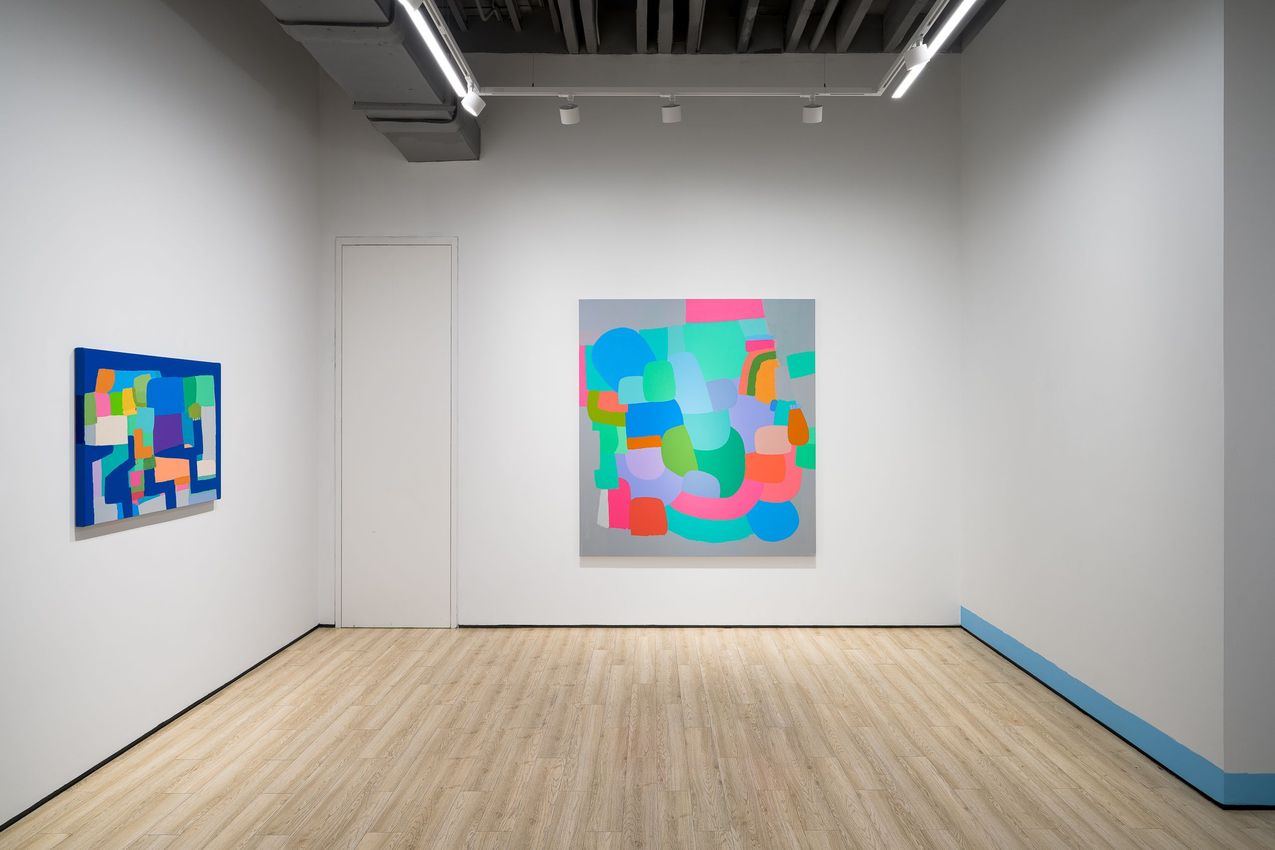
Almine Rech Shanghai is pleased to announce Mountains With Ears, Federico Herrero’s first solo exhibition with the gallery, on view from March 15 to April 13, 2024.

Give any one thought

a push:

it falls down easily;

but the pusher

and the pushed

produce that entertainment

called a discussion.

Shall we have one later?

John Cage, Lecture On Nothing

Where do melodies dwell? We might think the notes being played are the essence of a melody, but melodies are more than that. They are defined by tensions—at the edge of one shape (or pitch) as it transitions to another—and by permeability, a mutual influence that turns each pitch into something else. A melody is not just a succession of notes, it is the shifts and spaces between them.

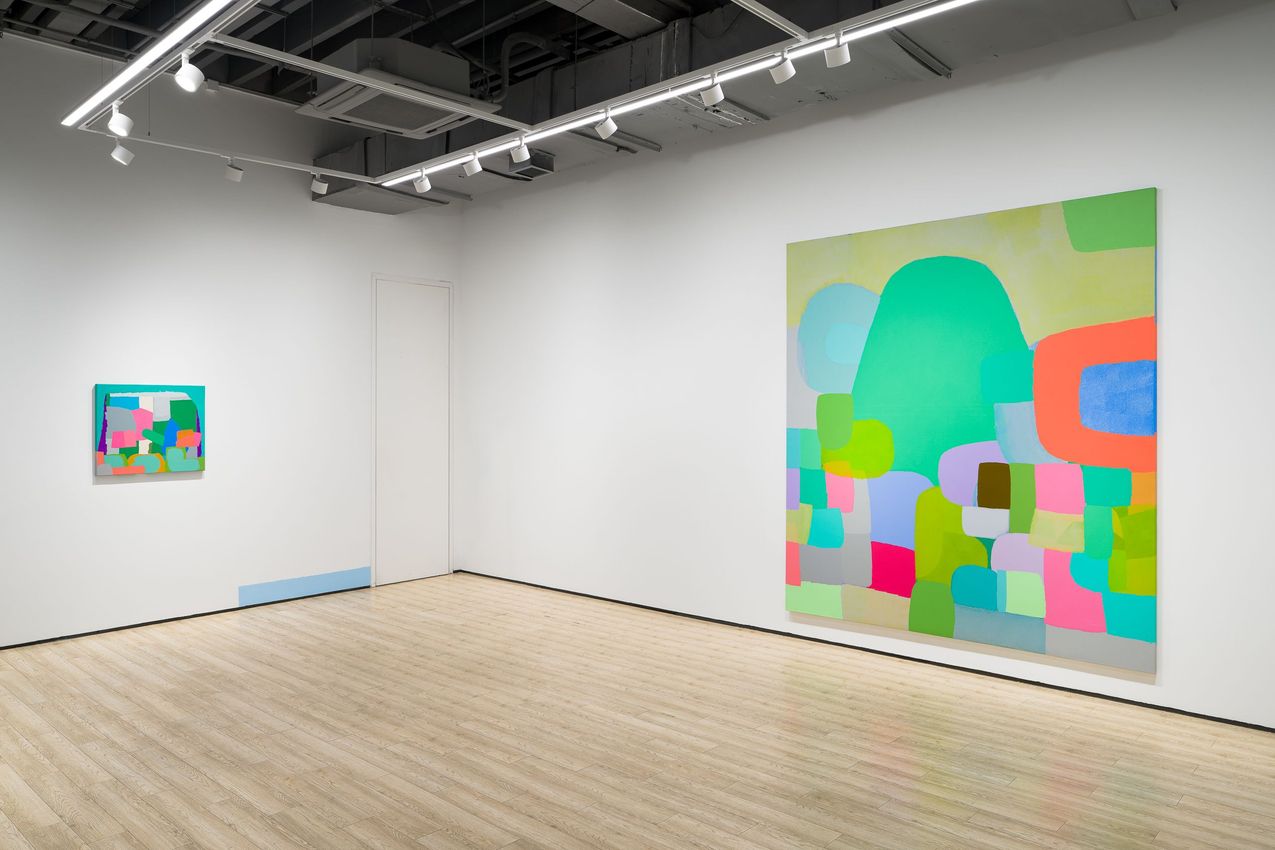
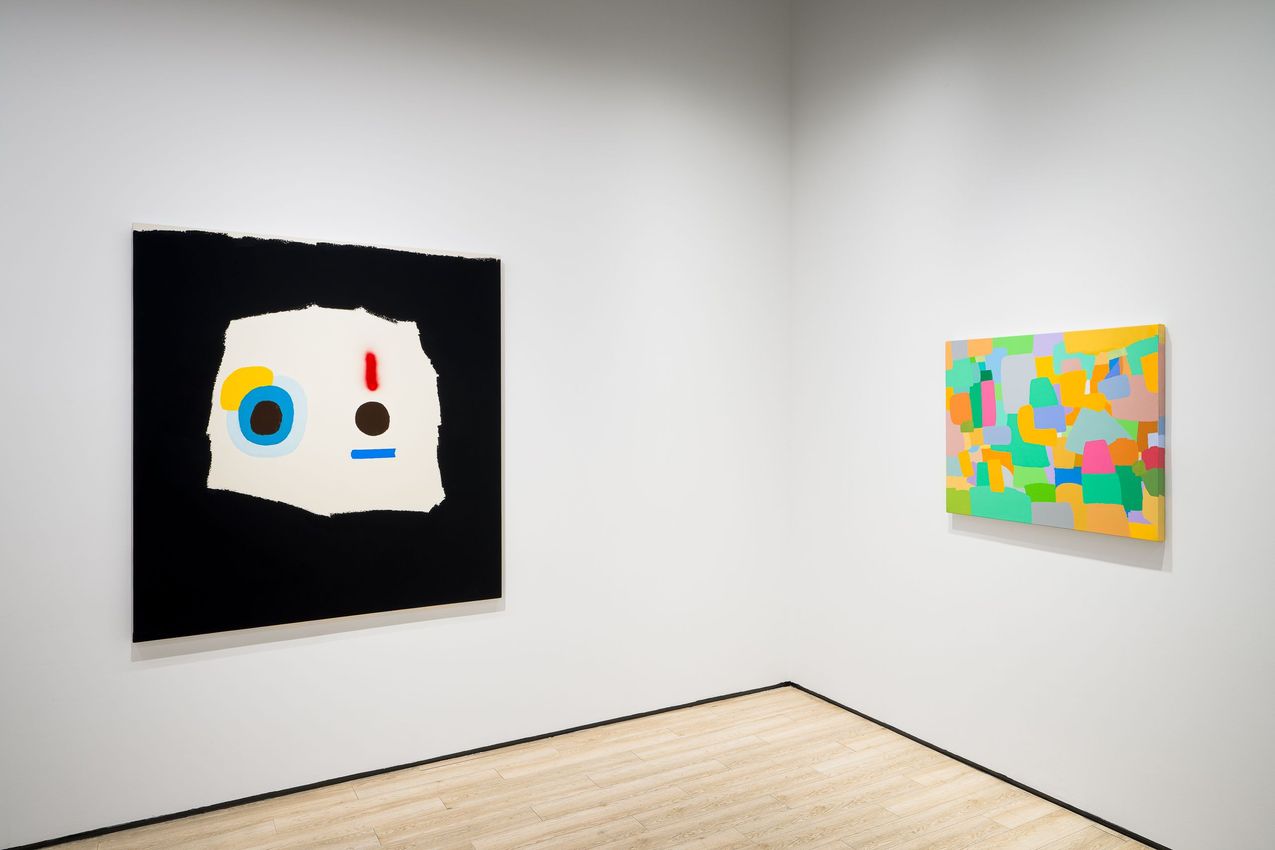
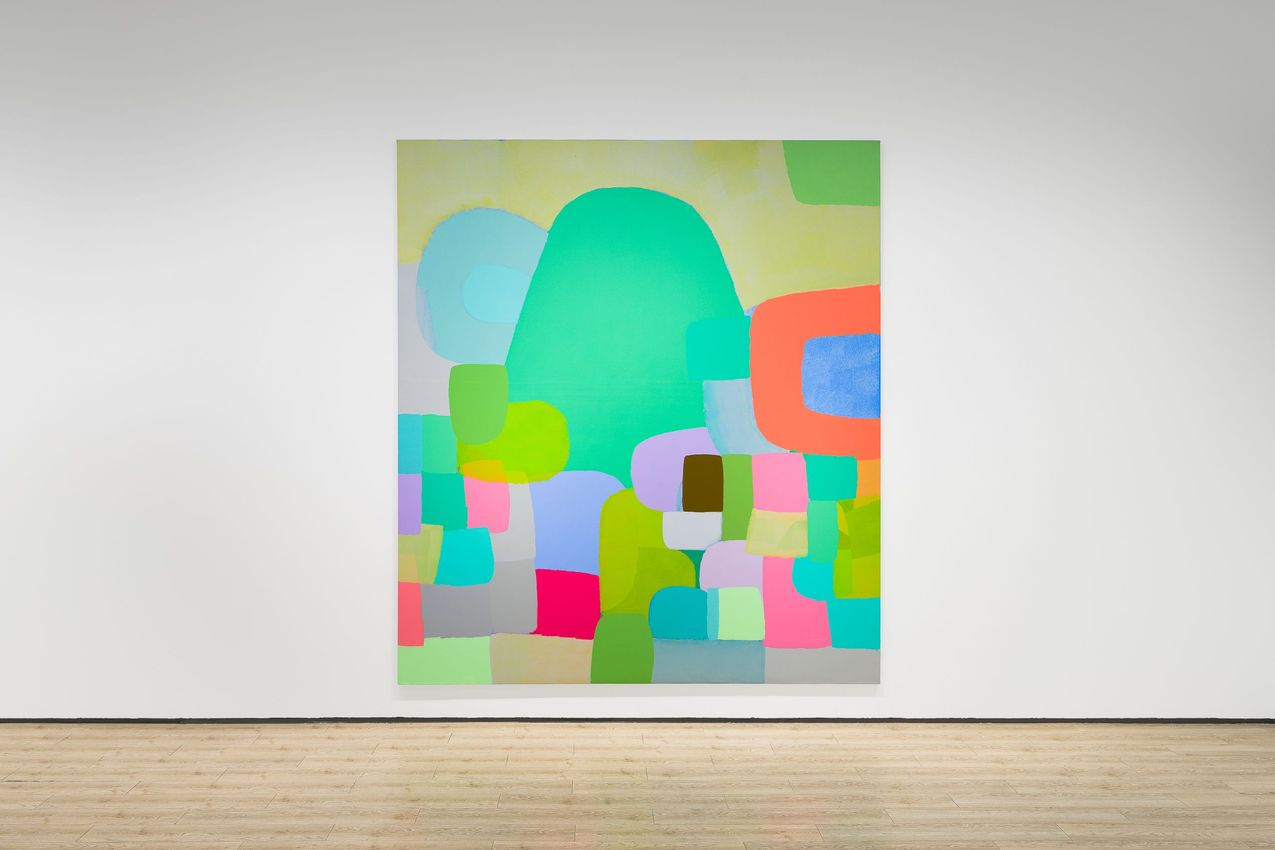
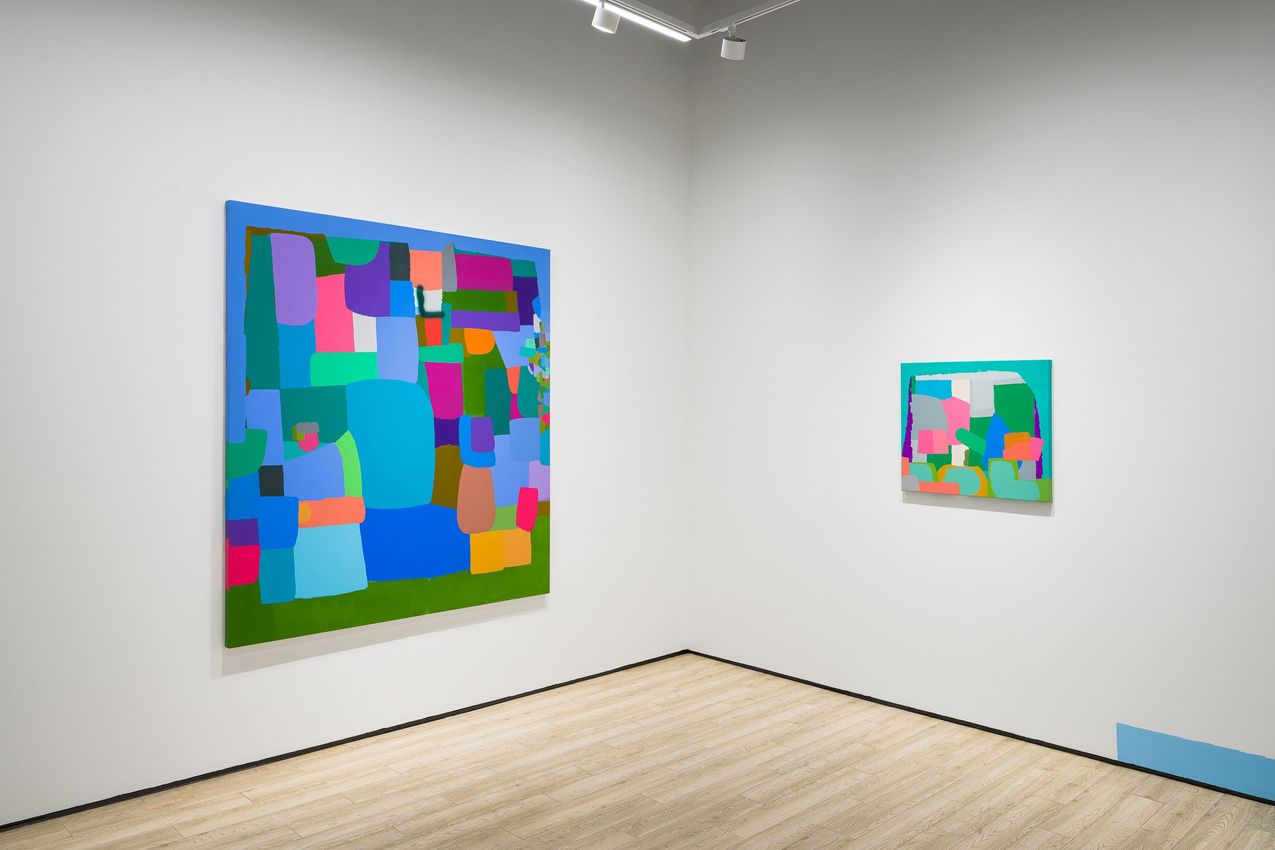
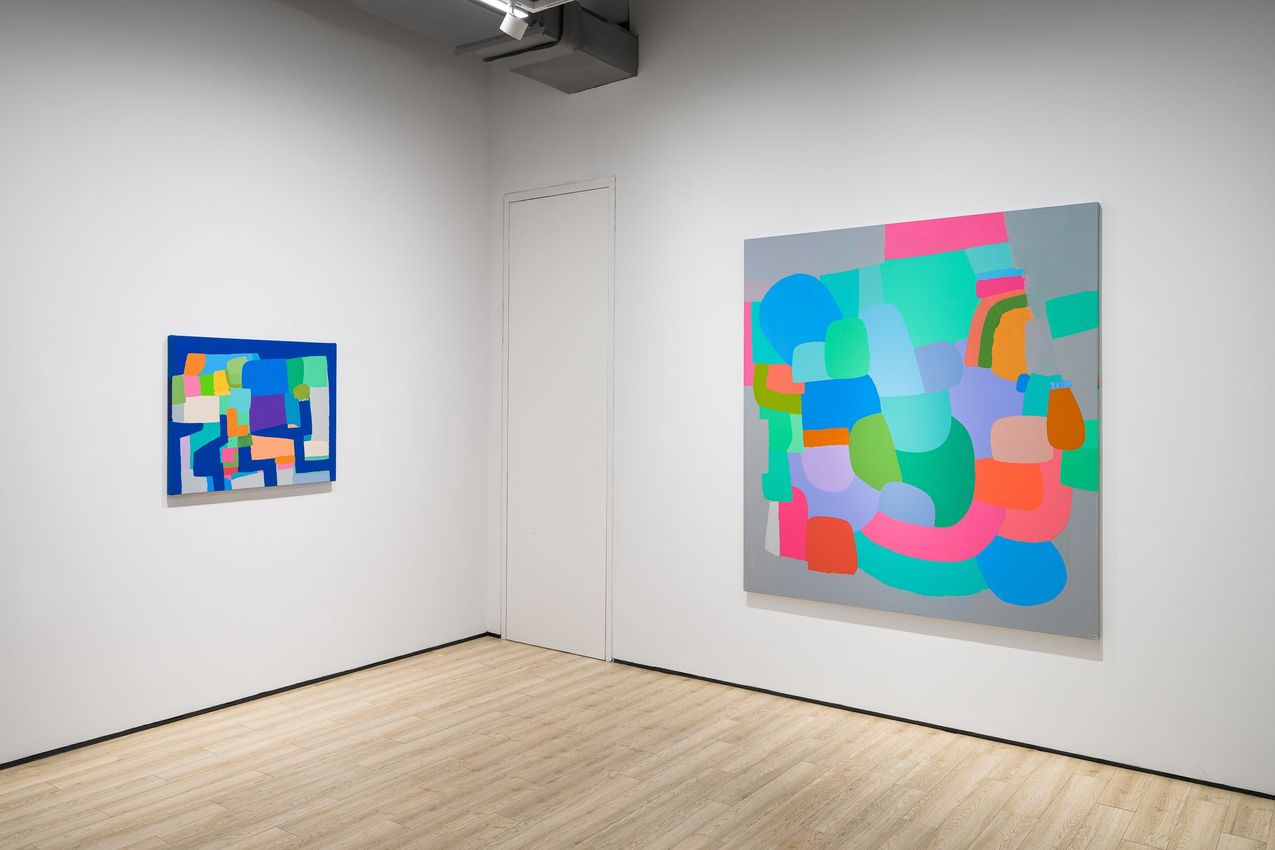
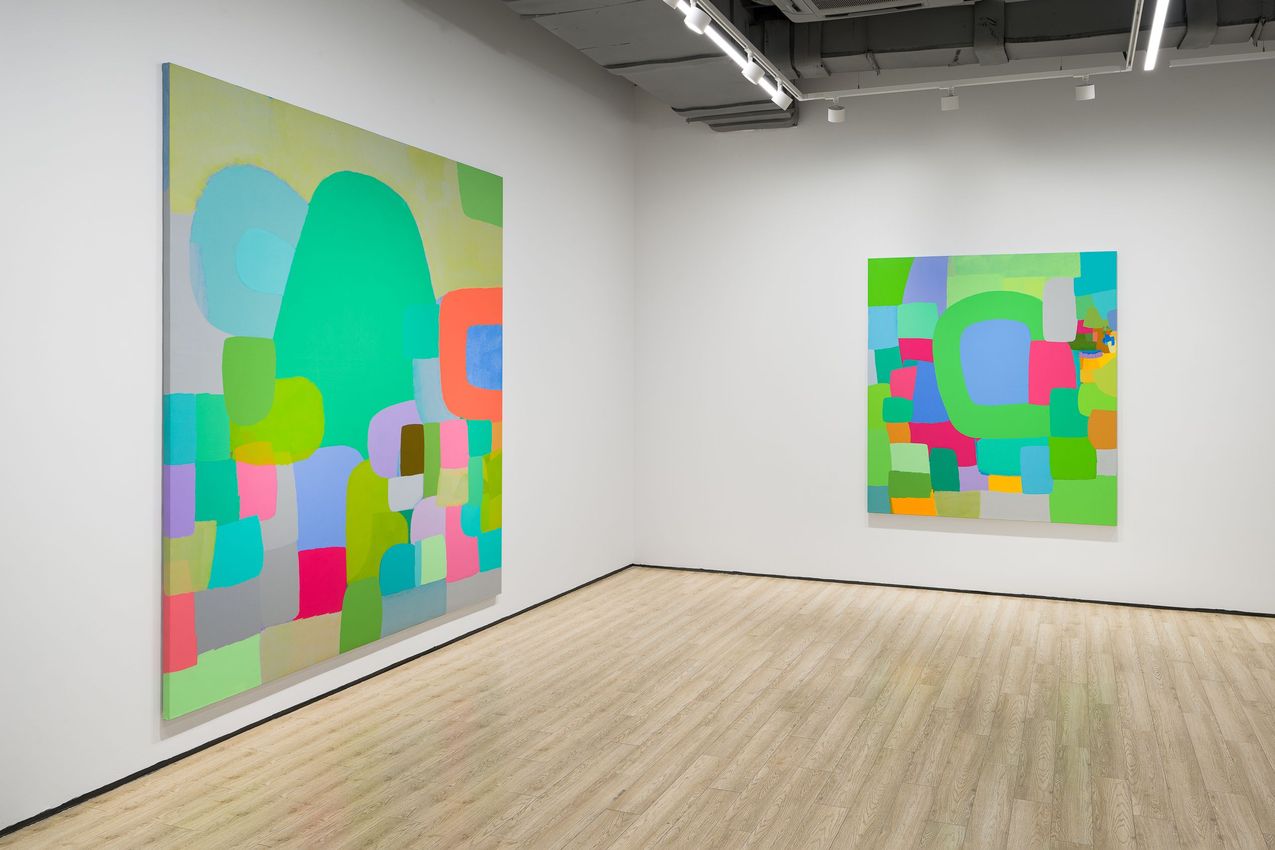
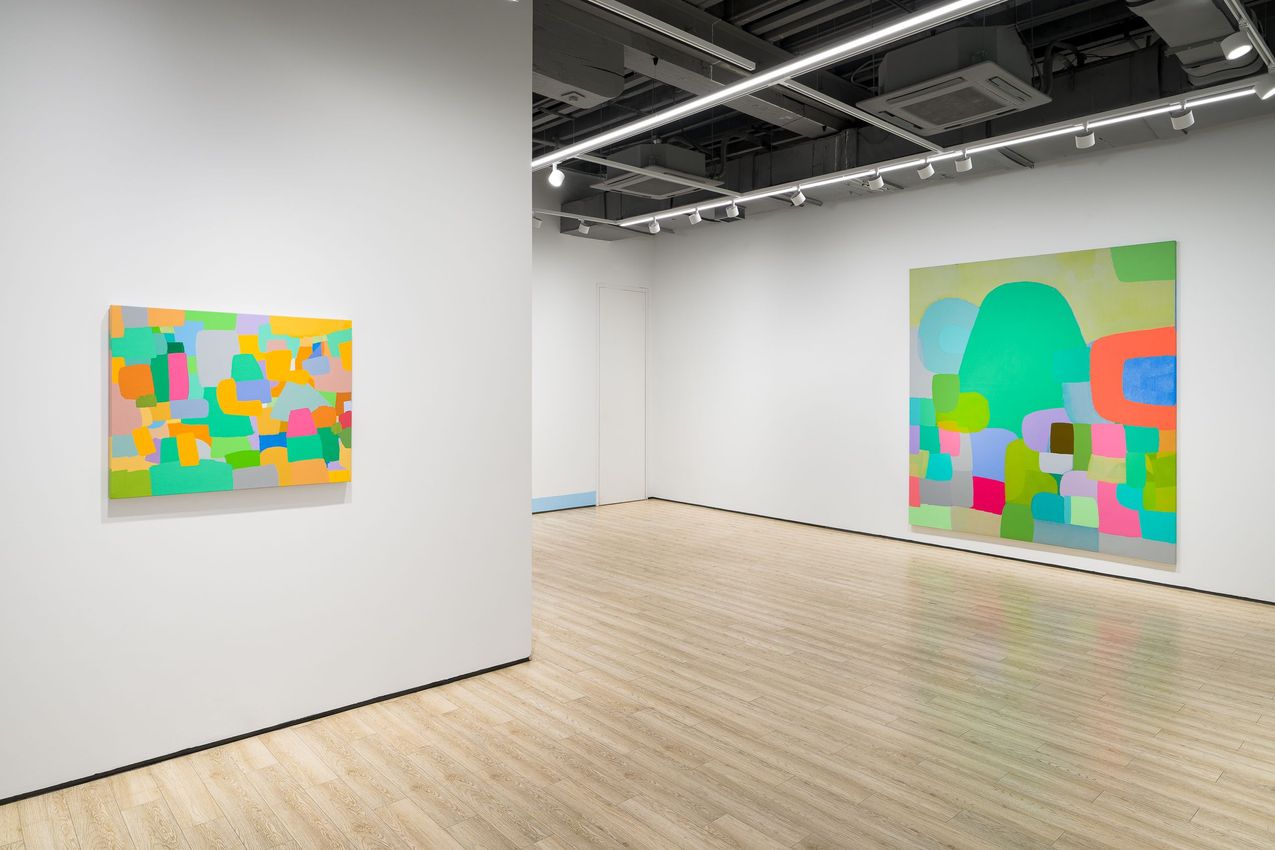
Federico Herrero’s paintings, although visual works, share this essentially melodic form of composition. Their volumetric borders vary, creating ambiguity about where a shape emerges and where it ends, and the interaction between these shapes leads to existential questions about what it means for something to be solid, tangible and finite. When viewing Herrero’s paintings from afar, they may seem to contain clearly defined forms—a group of mountains or a c-shaped volume that resembles an ear—but upon closer inspection, they reveal themselves to be semi-translucent, undefined shapes full of subjective, human energy. The closer we get, the further the big picture recedes into the whispered layers of complexity that we can hear, if we are willing to listen.

The body of work Herrero developed for Mountains With Ears resembles a sort of symphony, a polyphonic composition with several movements. If I use musical terms to describe Herrero’s artistic practice, it is because I find them to be the most accurate way to talk about it: notions of vibration, listening, rhythm, and resonance are central to the way the artist relates to painting, both as a practice, as a result, and as an aesthetic experience for him and the public.

All of the paintings in this show were executed simultaneously and thus affect each other. Spontaneity and presence are at the core of Herrero’s process: during the making of these works, the paintings gained independence and began to guide the artist, demanding particular colours, shapes and harmonies. He had to be mindful and ready to listen to what they had to say.

Herrero has been developing an expanded-listening practice throughout his artistic journey. Like intuition, this is a skill related to what he calls an ‘intelligence of the senses’ that gets activated under certain conditions, providing access to experiences that are beyond the rational mind. Rhythm and narrative play equal parts in this equation as the eyes of both artist and audience move across these images and apprehend them. Even if these works look still, they are not. Taken together, they create a contingent reality, a resonant field that changes when it is moved from the intimate space of the artist’s studio to the social and urban space of the gallery and the city.

As in quantum particles, which behave differently depending on whether they are being observed or not, Herrero’s paintings strike up a conversation with the viewer as he or she activates them. The more we look at these works, the more they look back at us and reveal their stories—stories that are, in a way, our own. Their titles are not actual descriptions of content within the images, even if some of them seem quite figurative (such as Elephant, Ear, Bridges, or Mountain). Instead, they are subtle hints provided by the artist that invite us into the conversation. They function as a mirror, as a parallel dimension, allowing viewer—and work—to emancipate themselves from rationality and intellectual interpretation.

Mountains With Ears asks us, the audience, to allow a moment of clarity to permeate us and trigger our physical intelligence, attuning our bodies and activating our Third Ear, the one that embraces listening as a bodily phenomenon and decentres the sense of hearing away from the tympanic cavities. Herrero is looking for a common ground of perception that we all have access to, an intersubjective language that goes beyond the textual and includes the body as a resonant instrument. He reminds us that melodies emerge from the margins, and everything is perpetually vibrating.

— Ana Ruiz Valencia, curator and musician

Press release courtesy Almine Rech

Read More

Installation Views

About the Artist

Federico Herrero is a Costa Rica-based artist whose practice encompasses painting on canvas, public wall-painting and sculptural installations.

View Artist Profile

Also Exhibiting at Almine Rech

About the Gallery

Almine Rech opened its doors on April 1st, 1997 in the 13th arrondissement in Paris. The gallery was founded on an axis of California Minimal, Perceptual art and Conceptual art, representing artists such as James Turrell, John McCracken and Joseph Kosuth.

View Gallery Profile
Address
27 Huqiu Road, 2nd Floor
Shanghai
China
Opening Hours
Tuesday – Saturday
11am – 7pm
(1)
Shanghai 27 Huqiu Road, 2nd Floor
Almine Rech
27 Huqiu Road, 2nd Floor, Shanghai, China
+86 216 312 0260
http://www.alminerech.com

Opening hours
Tuesday – Saturday
11am – 7pm
The art world in focus