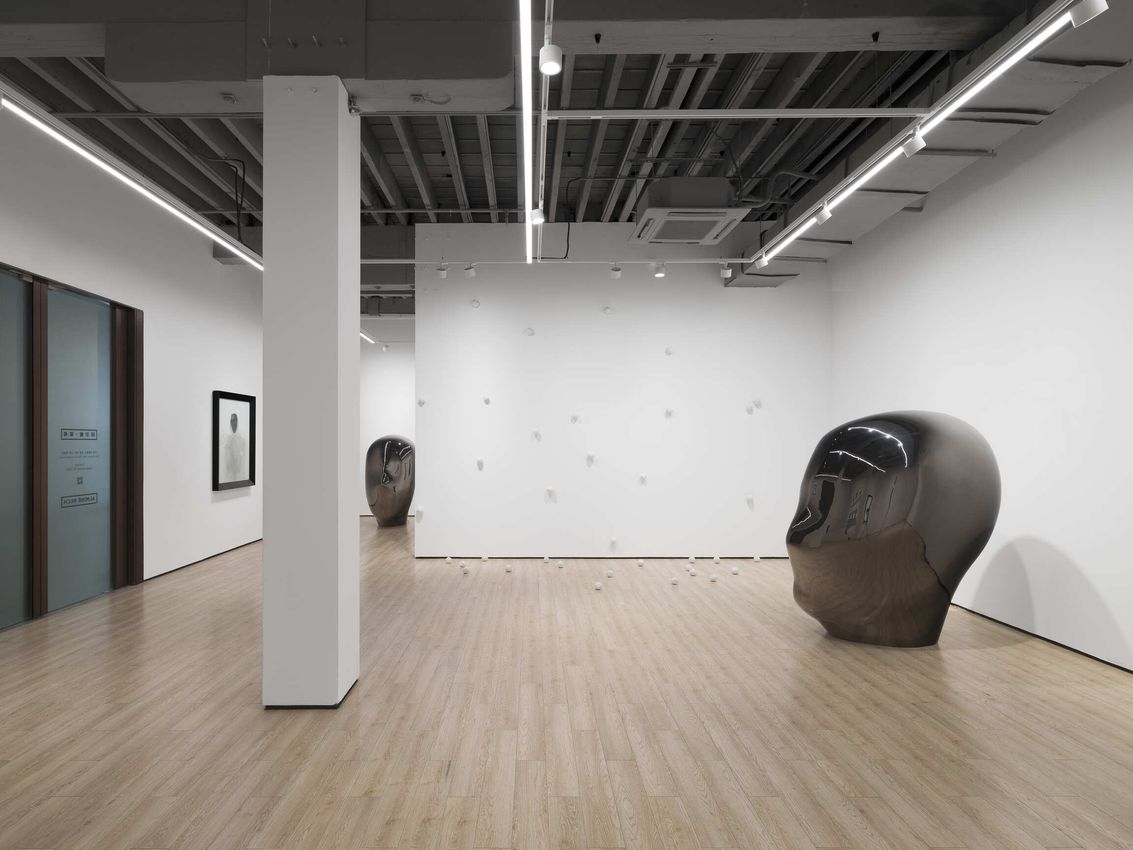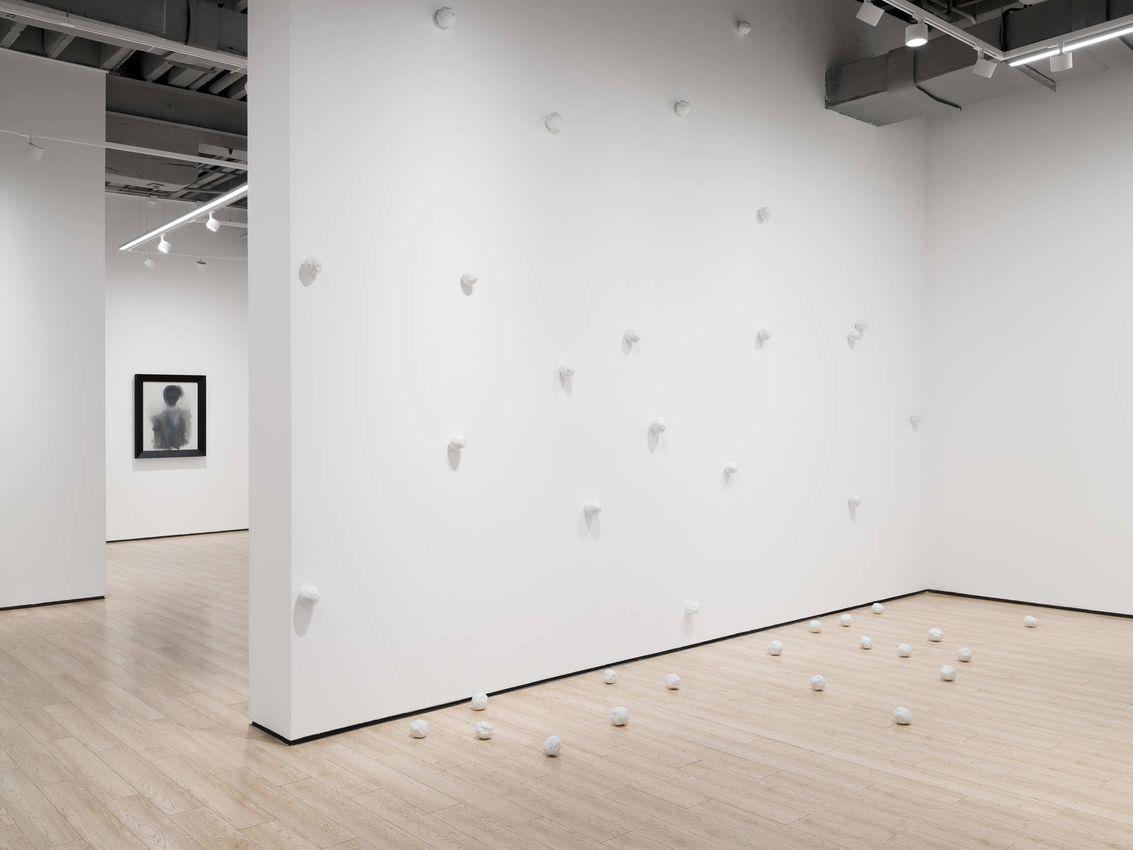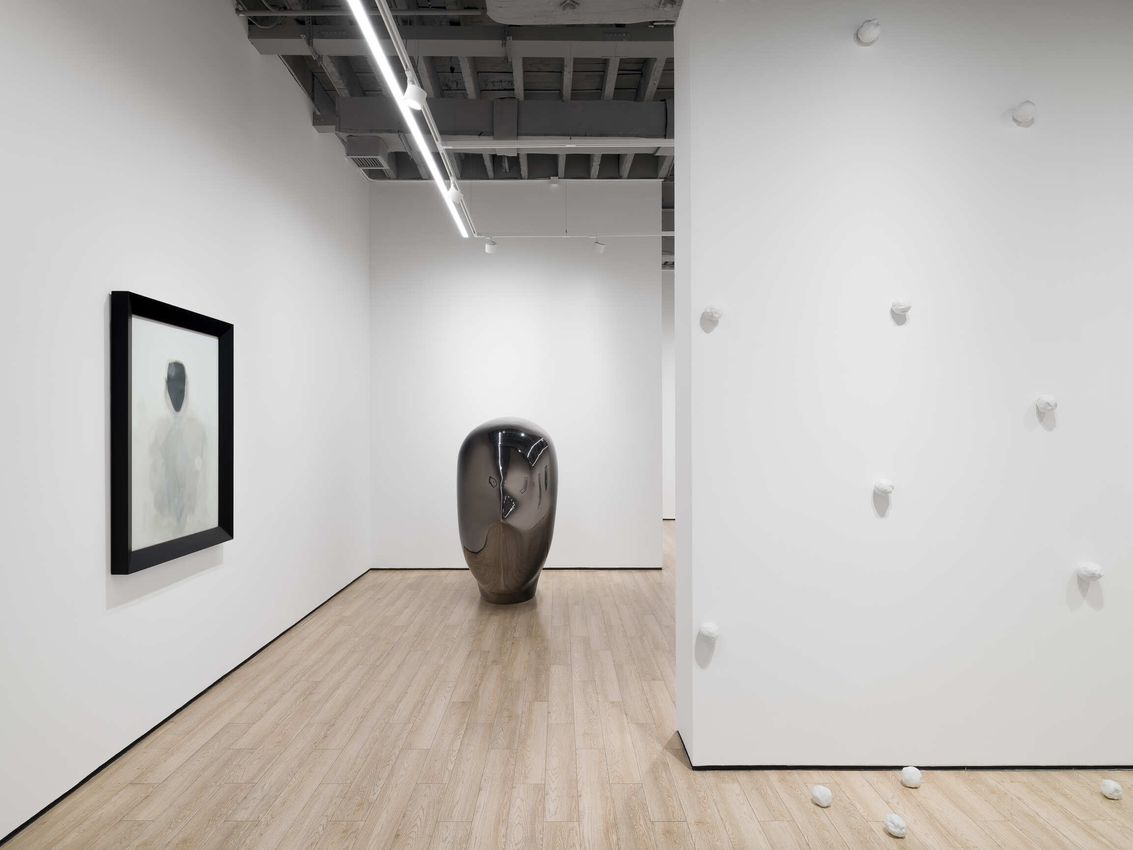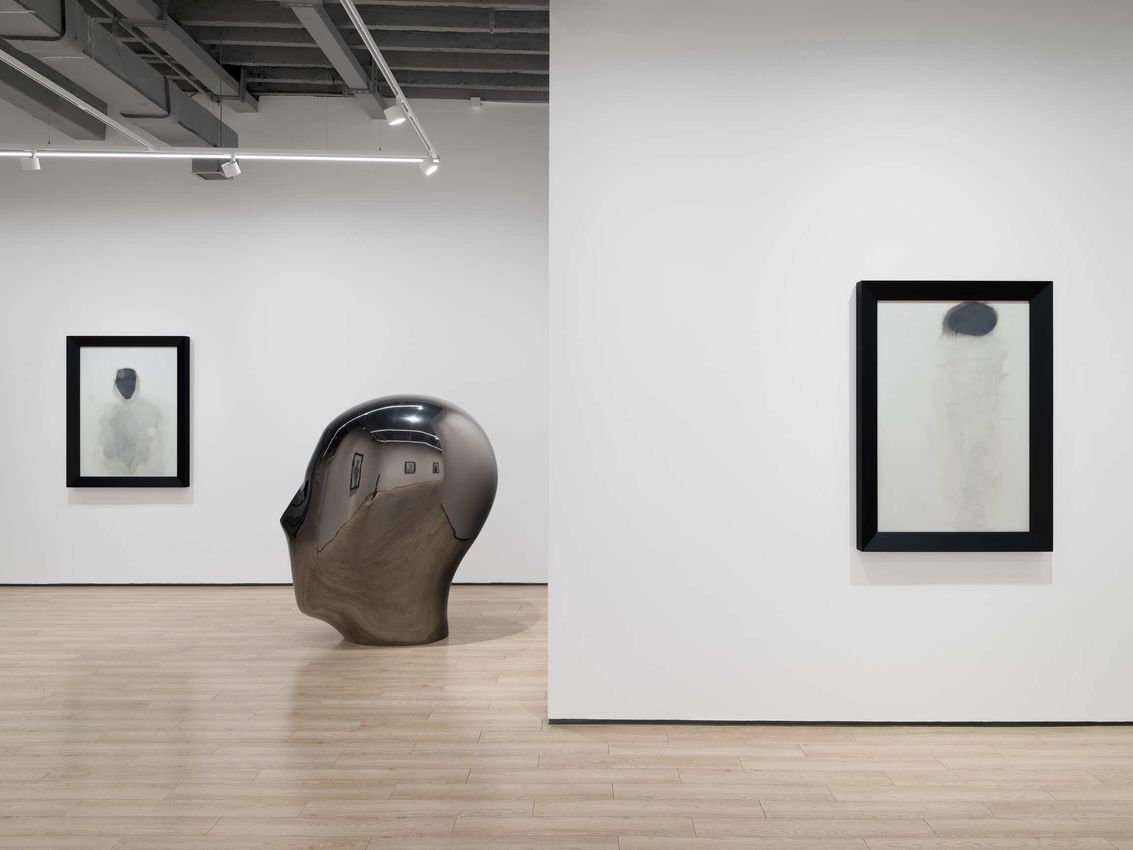
Almine Rech Shanghai is pleased to present ‘Portraits’, Not Vital’s second solo exhibition with the gallery, on view from March 20 to May 16, 2026.
In Not Vital’s artistic practice, the concept of portraiture is a mode of viewing that is in a constant state of adjustment. Whether in painting or sculpture, figures never appear as complete or stable forms. These figures are compressed into limited visual cues by means of blurring, abstraction, fragmentation, or distortion, so that recognition is not possible. Consequently, the portrait no longer serves to identify the subject but rather it guides the viewer’s gaze in a cycle of approach, pause and reassessment.
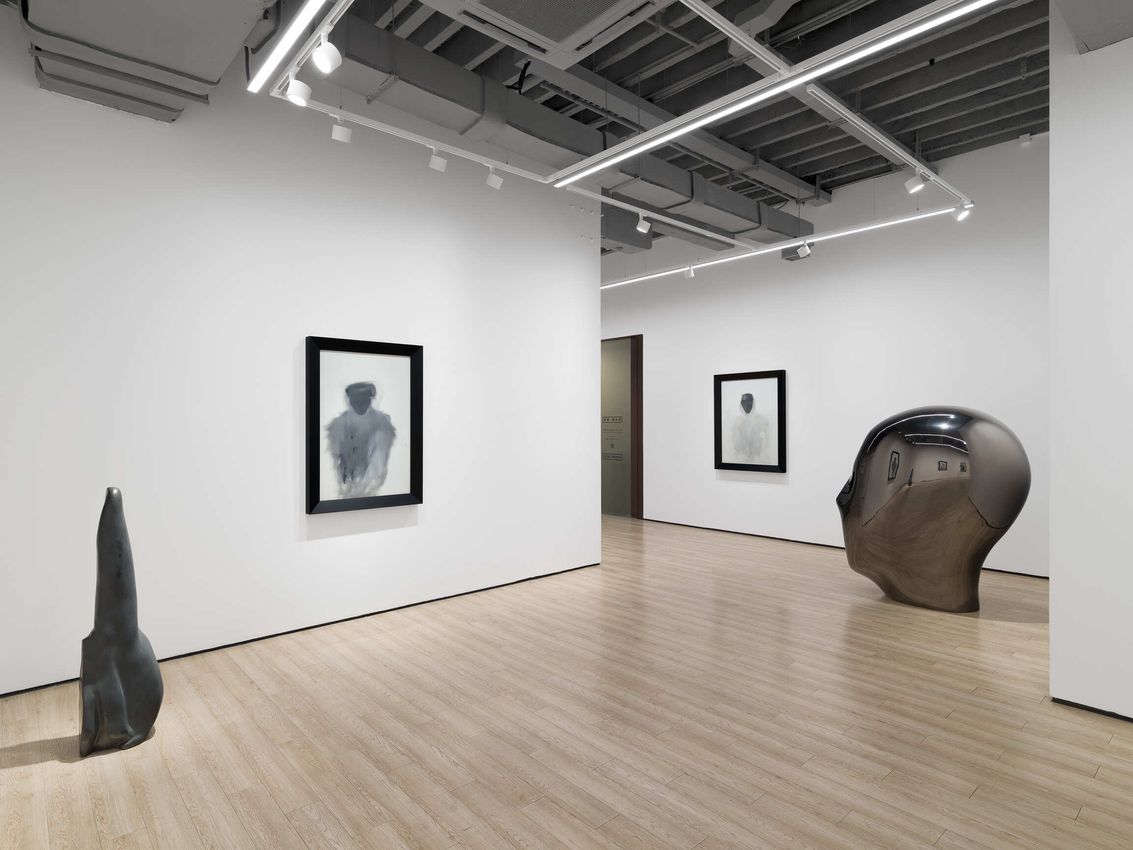
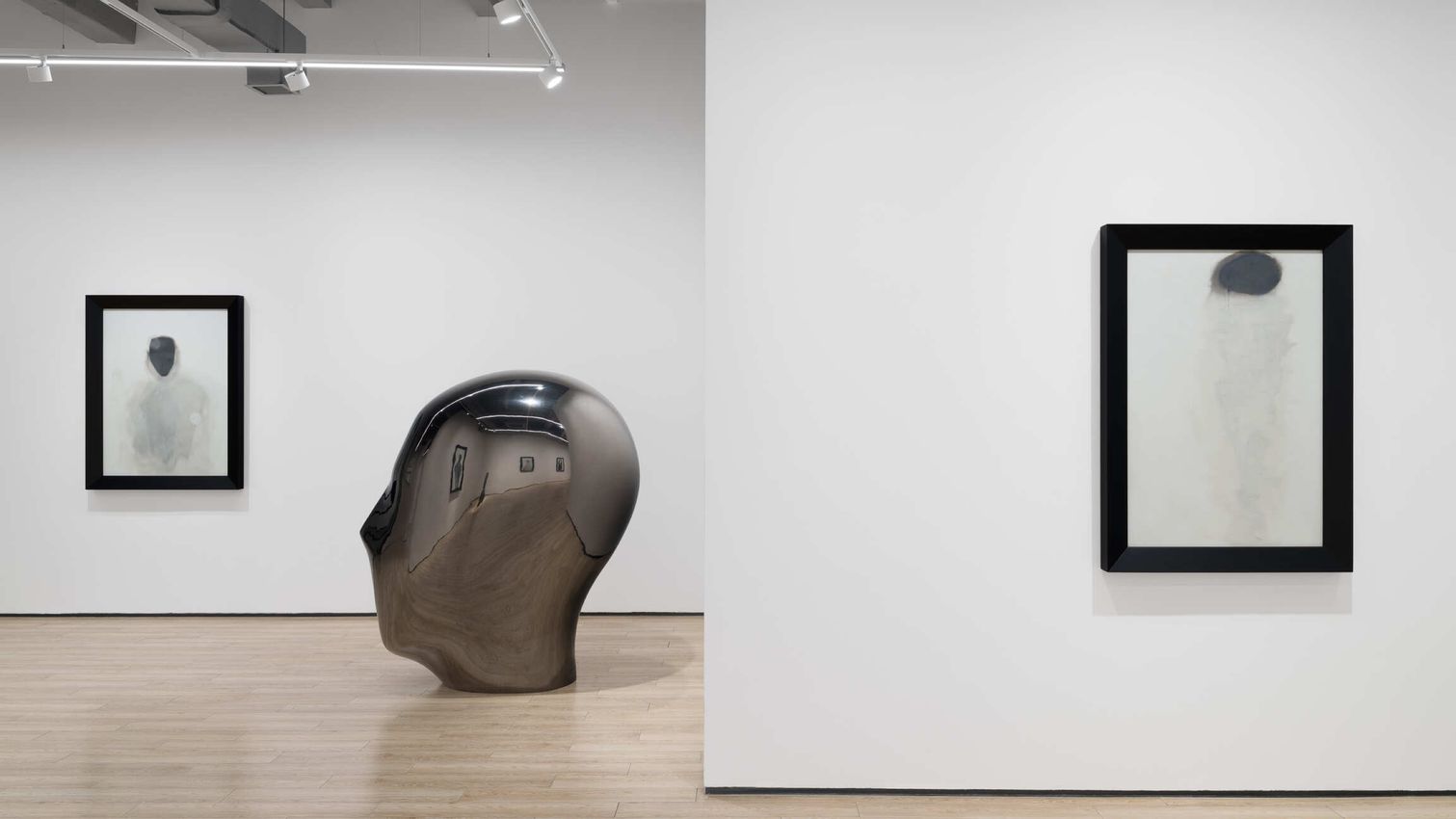
The paintings in the exhibition date back to the artist’s working period in Beijing in 2008. The predominantly monochrome palette of this phase is influenced by the prolonged smog that characterized the city’s atmosphere at the time, as well as the artist’s upbringing in the Engadin valley in Switzerland—a landscape long defined by fog, snow, rock and shadow. In these works, contours, facial features and expressions are reduced to a minimum. Clear backgrounds or spatial markers are absent, and figures are often placed within neutral or indeterminate settings.
The faces in these paintings often appear to be suspended between light and shadow, as if shrouded by humidity, mist, or diffused light. The figures appear indirectly: their identity is conveyed through sensations of climate, mood and duration. In Cixi(2010) and Man(2011), the figures’ expressions remain in an unformed state; they neither actively return the viewer’s gaze nor fully recede into the background, but instead linger within a delayed and asymmetrical viewing relationship. Drooling(2012) takes this further. The face is almost overwhelmed by the action itself, with the mouth exaggerated yet detached from any clear emotion or narrative. The presence of saliva—a physiological instant—interrupts expectations of representation, unfolding perception through discomfort, hesitation and pause. The figure is no longer understood through expression, but encountered through a moment that is difficult to ignore and equally difficult to explain.
Within this portrait practice, self-portraiture emerges as a recurring motif. The artist rarely uses a mirror, instead relying on bodily sensation to construct the image, allowing the “self” to remain mutable and provisional, coexisting with other figures within an open structure that explores how portraits are generated and how they are viewed.
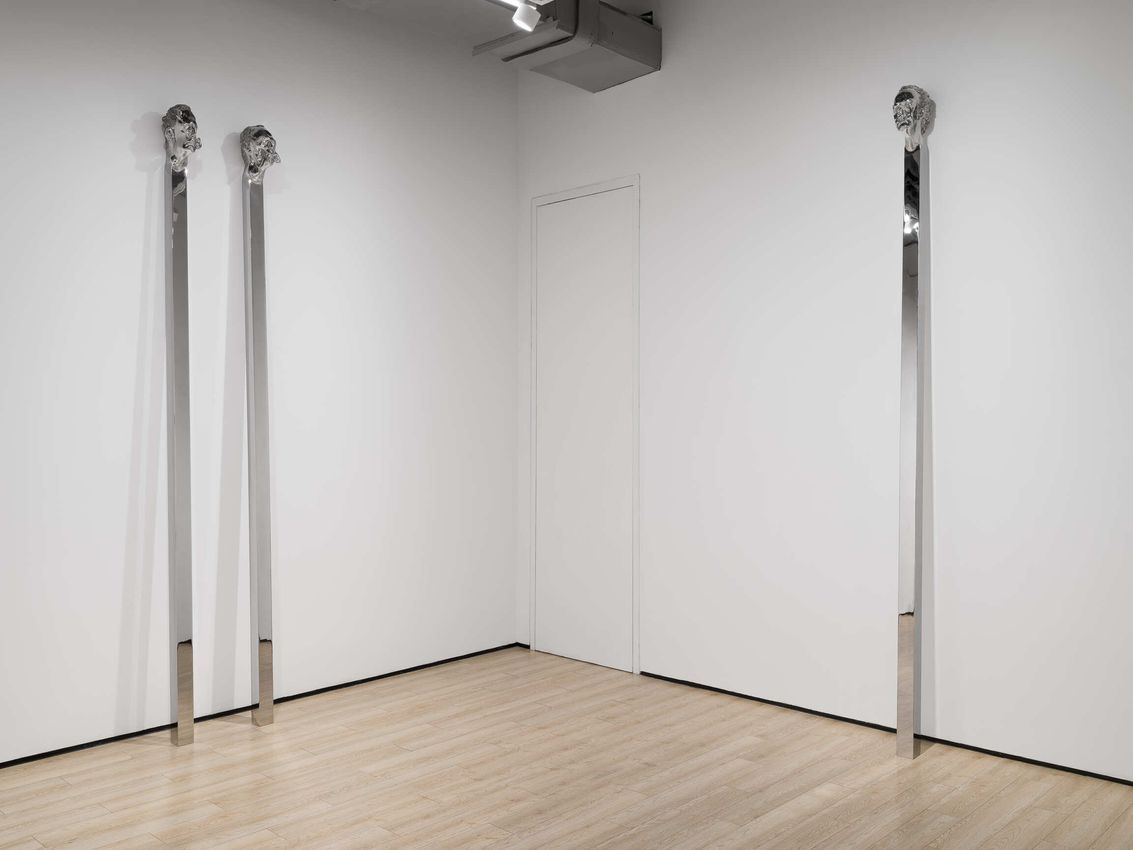
The sculptural works extend this approach to the figure. Take, for example, Village Idiot(2016) which uses the artist himself as its point of departure. Its vertical, elongated form is derived from roadside markers used in Alpine regions during snowy seasons. The “village” referenced is Sent, the small Engadin village where the artist was born and raised—where, particularly decades ago, choosing to become an artist implied a departure from conventional paths. Here, the figure is not recognized through facial features, but through proportion, orientation, and its relationship to the ground, approaching a posture placed within an environment rather than a portrait in the traditional sense.
In HEAD(Clay) and HEAD Everton (2014), figures start out as specific individuals, but are transformed into highly simplified head forms. Likeness is reduced to a minimum with the figures entering perception through mass, proportion, and surface. The PVD-coated metal surfaces shift in response to changes in light, causing the forms to appear to drift within their surroundings. The figures are kept in motion by the constant interaction between material, surface and environment.
Between painting and sculpture, portraiture is not regarded as a fixed genre, but as a technique constantly being employed and adapted. Whether addressing specific individuals, art-historical figures, bodily fragments, or a performative self, these works refuse to offer a definitive image. Instead, they repeatedly reset the conditions of viewing, allowing portraiture to remain an open and continually reactivated field.
— Luan Shixuan


Drawing inspiration from the landscapes, environments, and cultures encountered on his extensive travels, multi-disciplinary artist Not Vital is particularly known for his installations that are akin to architectural monuments.


Almine Rech opened its doors on April 1st, 1997 in the 13th arrondissement in Paris. The gallery was founded on an axis of California Minimal, Perceptual art and Conceptual art, representing artists such as James Turrell, John McCracken and Joseph Kosuth.

A respected voice in contemporary art discourse.
Focusing on ambitious storytelling and insightful art-world commentary. Ocula Magazine publishes in-depth interviews, critical essays and timely analysis on the artists, exhibitions and ideas driving the global art world.
Learn more about Ocula Magazine
Showcasing the best of the art world.
Ocula partners with galleries from around the world to highlight their artists, artworks and exhibitions. Gallery membership is by application and invitation, with each member vetted by an independent panel.
Learn more about Ocula Membership

Specialises in the sale of major artworks.
Led by a team with deep ties to the world’s leading auction houses, galleries and collectors. Ocula’s advisory team offers bespoke services to high-net-worth clients from around the world who are looking to acquire the best of contemporary and modern art.
Learn more about our team and services