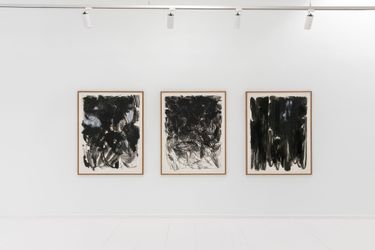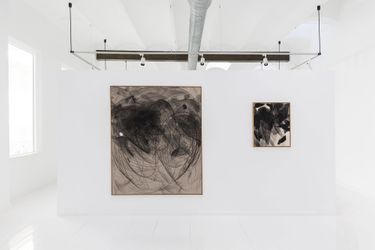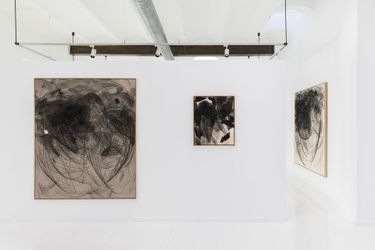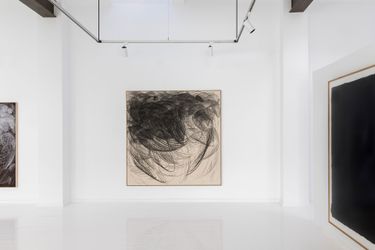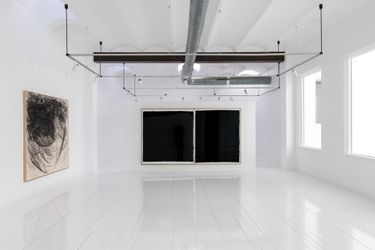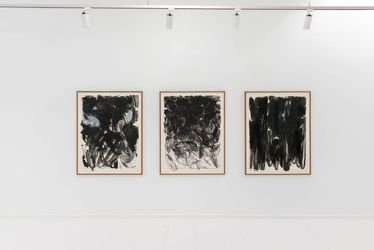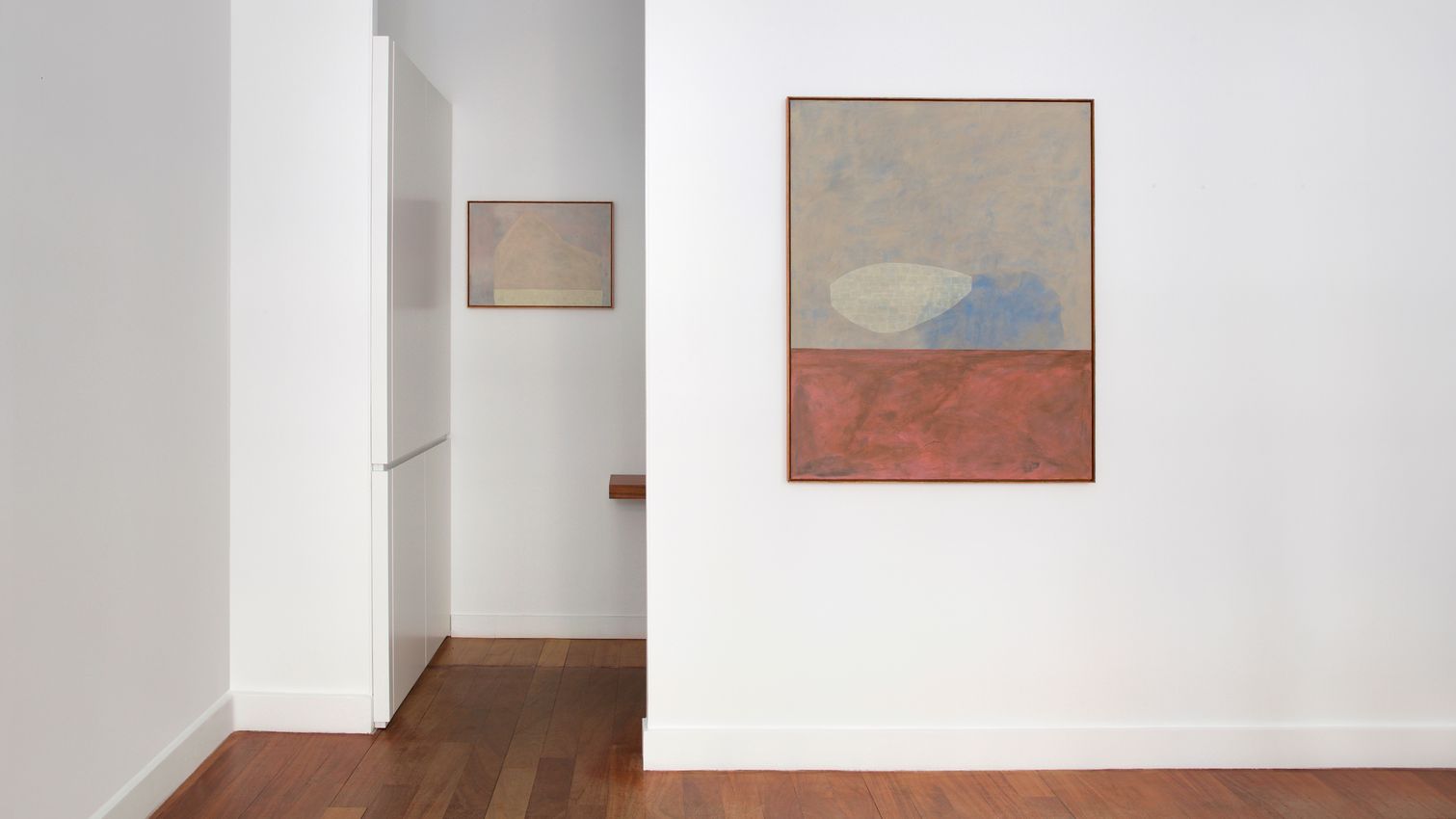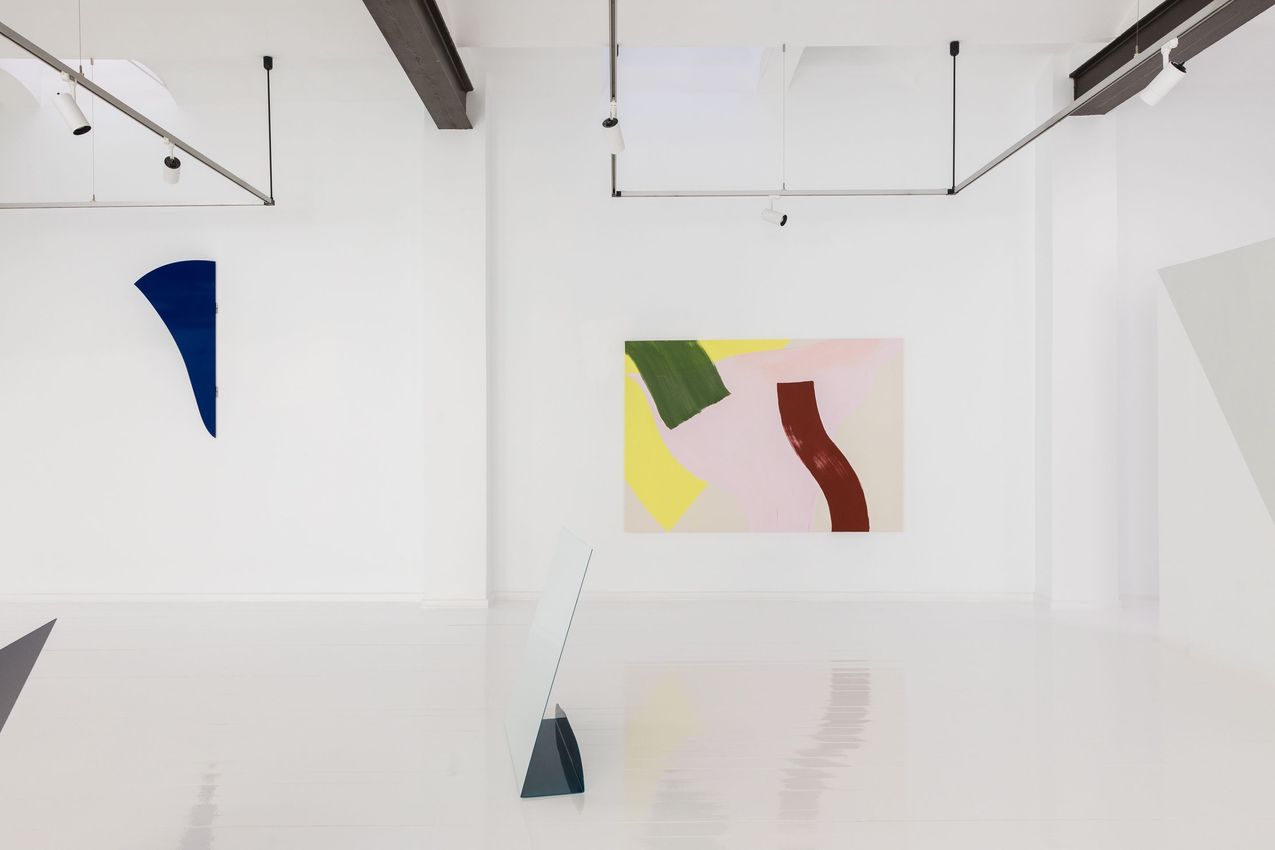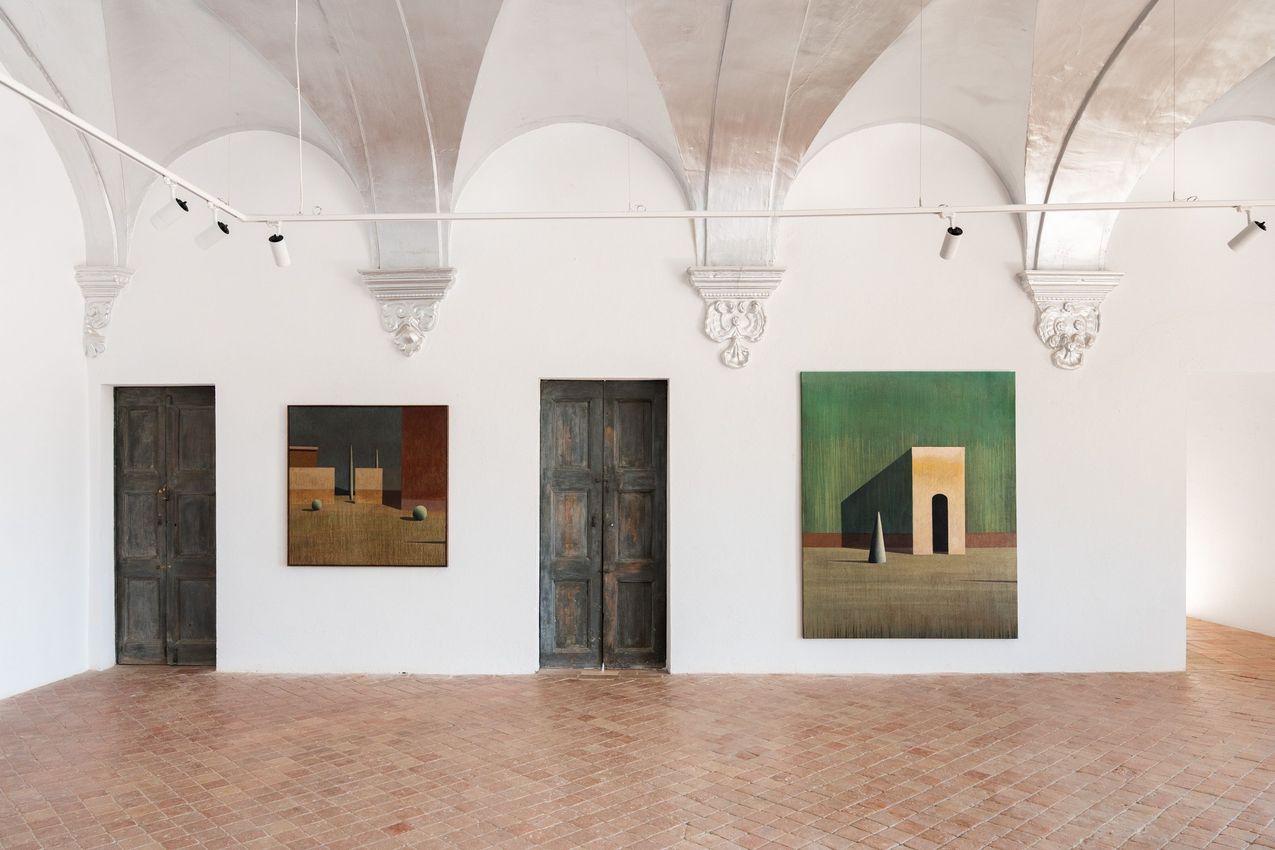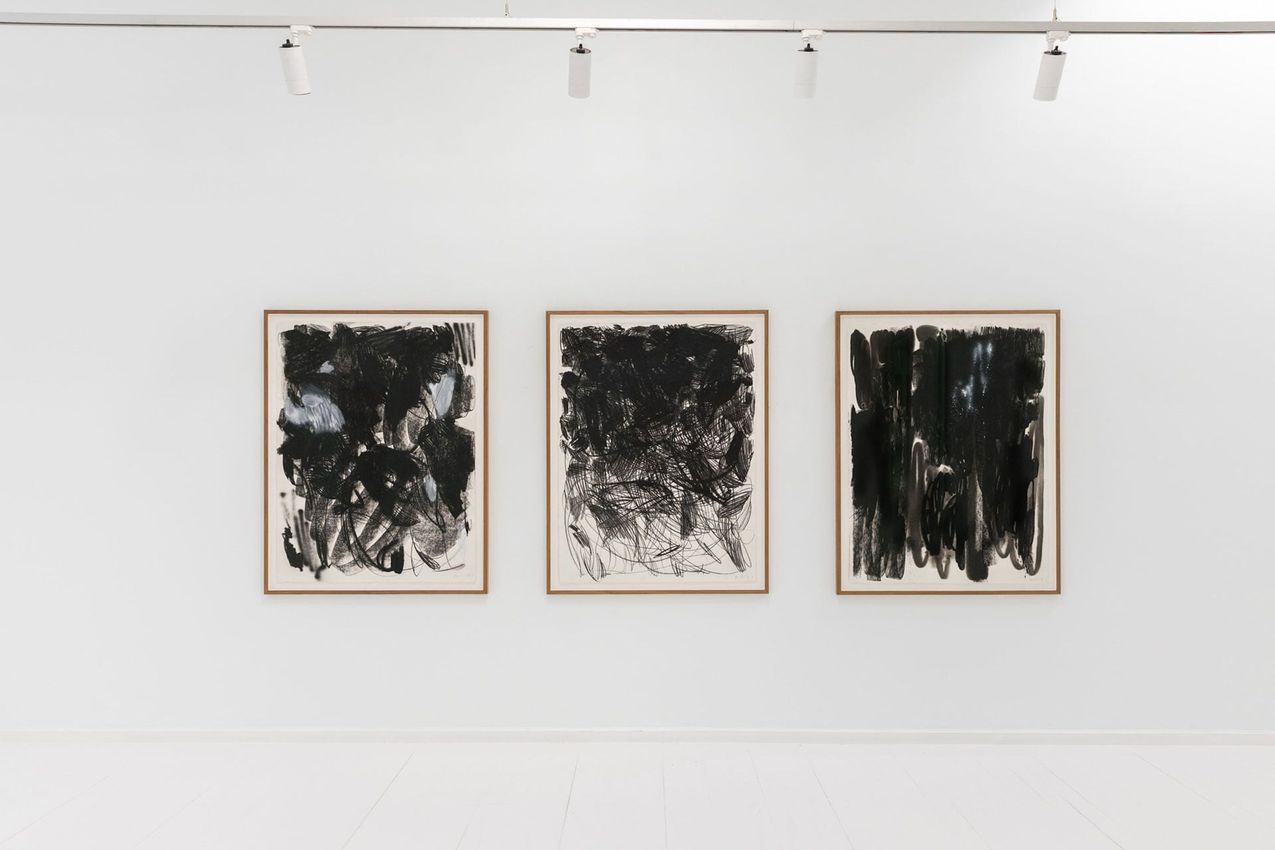
Alzueta Gallery presents Pulso, an exhibition by Aythamy Armas (Spain, 1977) in dialogue with Richard Serra (USA, 1938–2024), on view from April 16 to May 23, 2026, at Alzueta Gallery Barcelona Séneca.
In its most elemental sense, pulse is rhythm: it is the rhythmic expansion of the arteries, the heartbeat that sustains life, or the ticking of a metronome. But pulse is also pressure and contained energy, an internal force that persists until it transforms matter. Like thick lava within a volcano, beating dormant beneath the surface, pulse moves through matter even before form appears.
It is from this same force, from this contained heartbeat, that the Pulso project is born, an exhibition that brings together the work of Aythamy Armas alongside a print by Richard Serra, exploring precisely that moment when energy becomes form. Both artists approach drawing beyond its representational dimension, understanding it as the physical record of a force. Here, drawing is pressure, gesture, repetition, and mass.
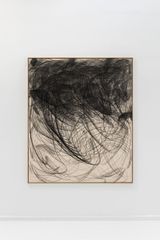
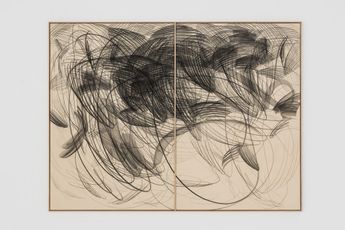
Aythamy Armas’s work stems from a search for the essential within the language of abstraction. Using simple and austere materials such as charcoal or spray paint, Armas constructs surfaces where repeated gestures generate rhythmic structures that seem to expand like a pulse. Each line moves and spreads across the canvas, much like water rippling after a stone is dropped, with the motion propagating outwards. Executed through a continuous arm movement, his compositions possess a hypnotic musicality. They traverse the support following the movement of the body, like a slow choreography leaving a sustained vibration in its wake.
Within this repetition, pauses, variations, and tiny accidents emerge, charging the visual field with energy. The back-and-forth between impulse and contention, between doing and stopping, builds an unstable equilibrium — a pulse that oscillates continuously between opposing forces. The distance between strokes, their repetition, and accumulation transform the canvas into an open space where the eye can wander and lose itself, parcouring and traversing the artwork in multiple directions.
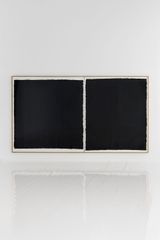
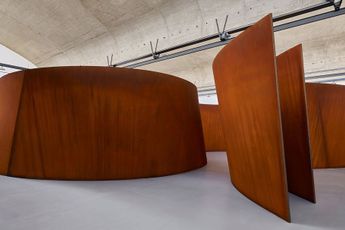
Although Richard Serra is primarily known for his monumental steel sculptures, drawing was always an essential part of his practice. Since the early 1970s, the artist developed an extensive body of graphic work in collaboration with the Gemini G.E.L. workshop in Los Angeles, where he began experimenting with lithography, screen printing, and other techniques that allowed him to translate onto paper the same concerns that structured his sculpture: weight, density, balance, and gravity. Often on a monumental scale, his prints were made from carefully engraved copper plates, which, when run through the press under immense pressure, deeply imprinted and embossed the paper, resulting in compositions with a striking physical presence.
In his pictorial work, black takes on a radical presence. Characterized by fields of saturated black ink set against narrow margins of white paper, his prints impose an almost tactile weight and tension, where each black form seems to float, tilt, or collide with the surrounding light and void, transforming the paper into a territory of gravity and perceptual displacement. For Serra, black is not a color but a material property: a mass that absorbs light, occupies space, and alters the perception of volume. Confronted with these dark fields, the eye does not seek an image. What emerges is a heavy, enveloping presence, a dense surface that seems to compress itself onto the paper, as if the material had been pushed inward. As in his sculptures, drawing becomes a space where weight and tension are made visible.
In both cases, the image is built from tensions: between full and empty, line and stain, sustained and displaced. Abandoning the color palette implies a rejection of art’s illusory qualities, shifting the focus toward experimentation with matter, both natural or industrial. The practice of both artists evokes processes that traverse the mechanical, the geological, and the biological: the pressure that condenses matter, the heat that transforms it, the tension between opposing forces, and the wear and erosion that mark life cycles. A constant oscillation that takes us from one place to another, where the tensions between impulse and contention find their equilibrium.
Perhaps for this reason, the works in Pulso seem to beat, expand, and condense before our eyes. Each stroke, each mark, each black surface bears witness to a movement that traverses time and matter, a pulse that connects the artist’s gesture with the natural forces of the universe. Pulso is a tribute to that contained energy, and also a reminder that drawing and painting are ways of being in the world: a practice connected to reality and to the way we inhabit it.


With over twenty-five years of experience, Alzueta Gallery, founded by Miquel Alzueta in Barcelona, has become a leading name in contemporary art. The gallery has solidified its presence both locally and internationally, with five locations across Barcelona, Madrid, Casavells and Paris. Its program includes exhibitions, art fairs, artist residencies and collaborative projects, involving both physical and digital platforms.
A respected voice in contemporary art discourse.
Focusing on ambitious storytelling and insightful art-world commentary. Ocula Magazine publishes in-depth interviews, critical essays and timely analysis on the artists, exhibitions and ideas driving the global art world.
Learn more about Ocula Magazine
Showcasing the best of the art world.
Ocula partners with galleries from around the world to highlight their artists, artworks and exhibitions. Gallery membership is by application and invitation, with each member vetted by an independent panel.
Learn more about Ocula Membership

Specialises in the sale of major artworks.
Led by a team with deep ties to the world’s leading auction houses, galleries and collectors. Ocula’s advisory team offers bespoke services to high-net-worth clients from around the world who are looking to acquire the best of contemporary and modern art.
Learn more about our team and services