




Press Release

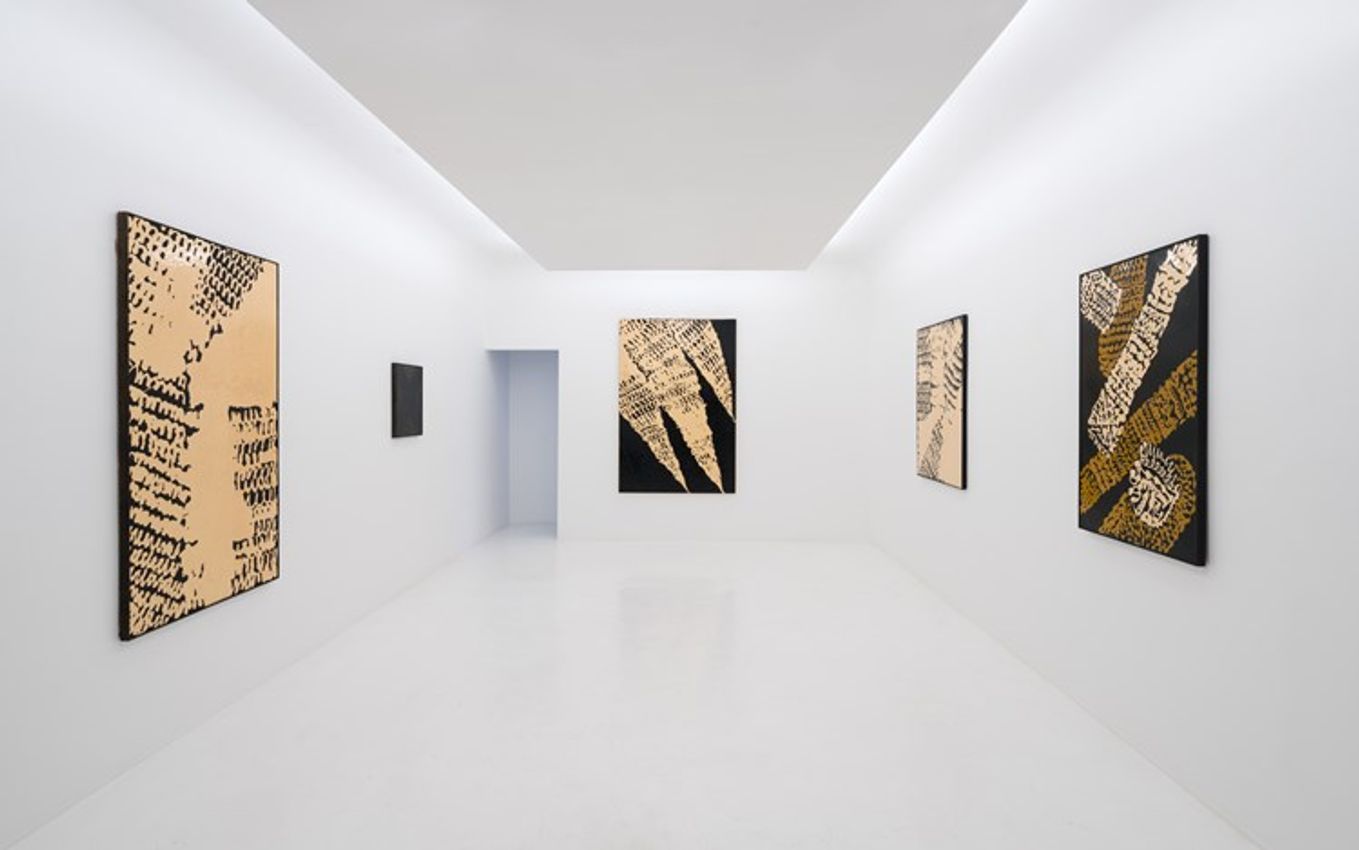
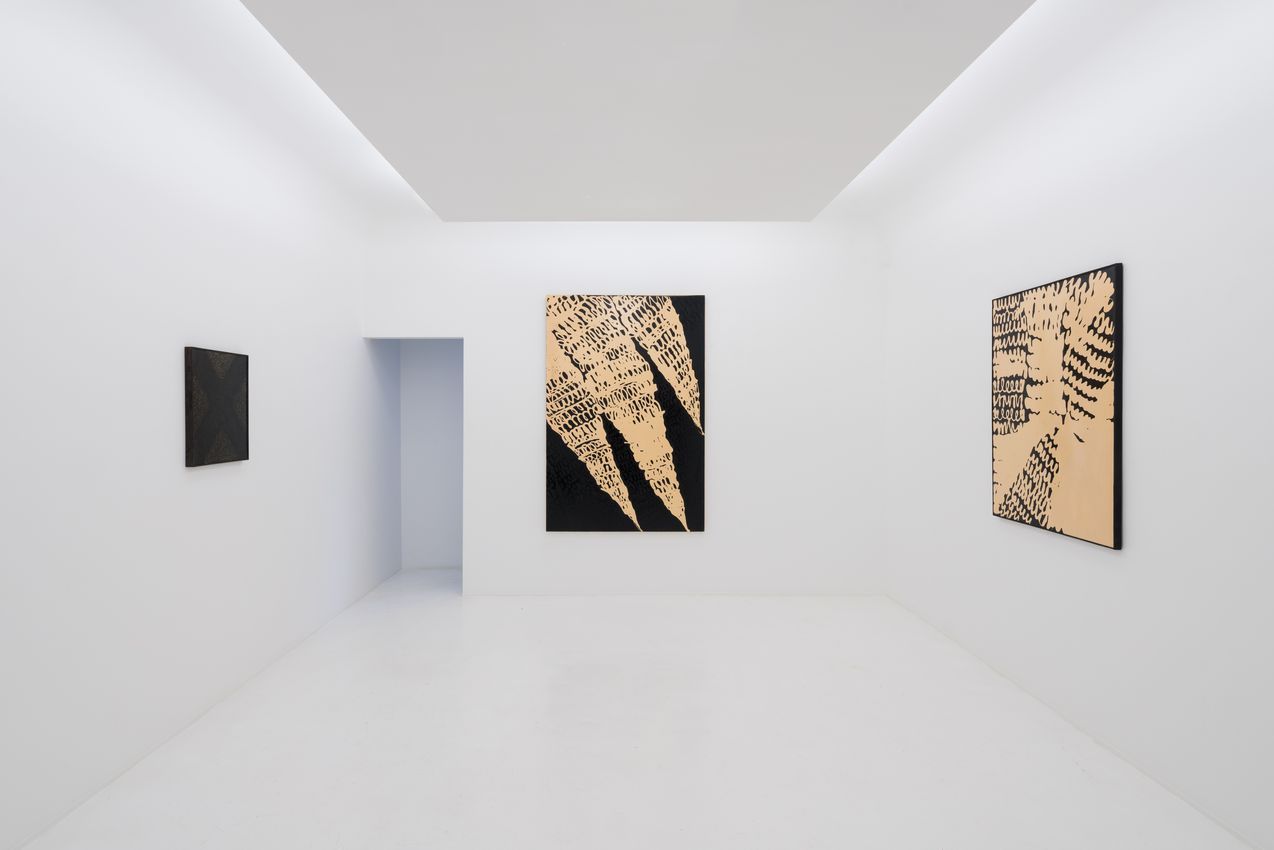
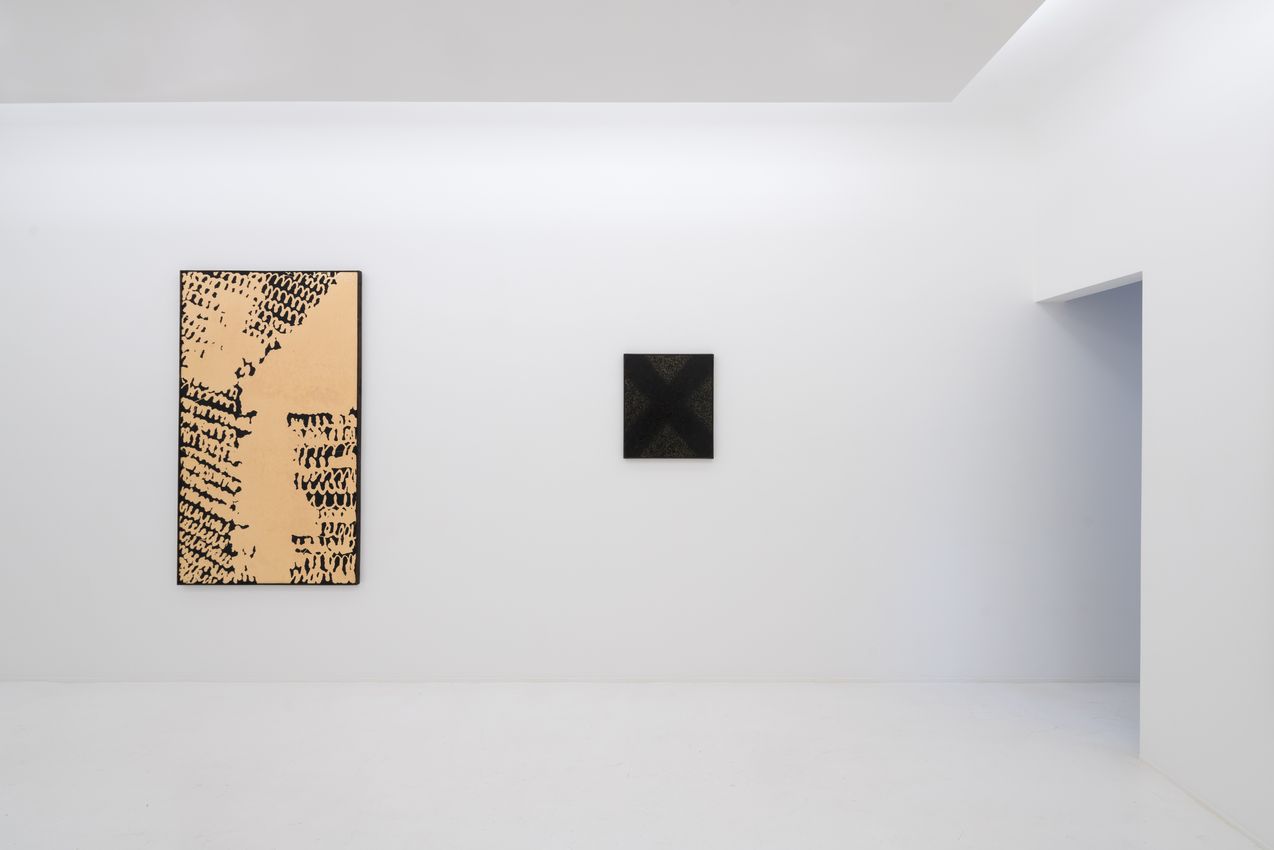
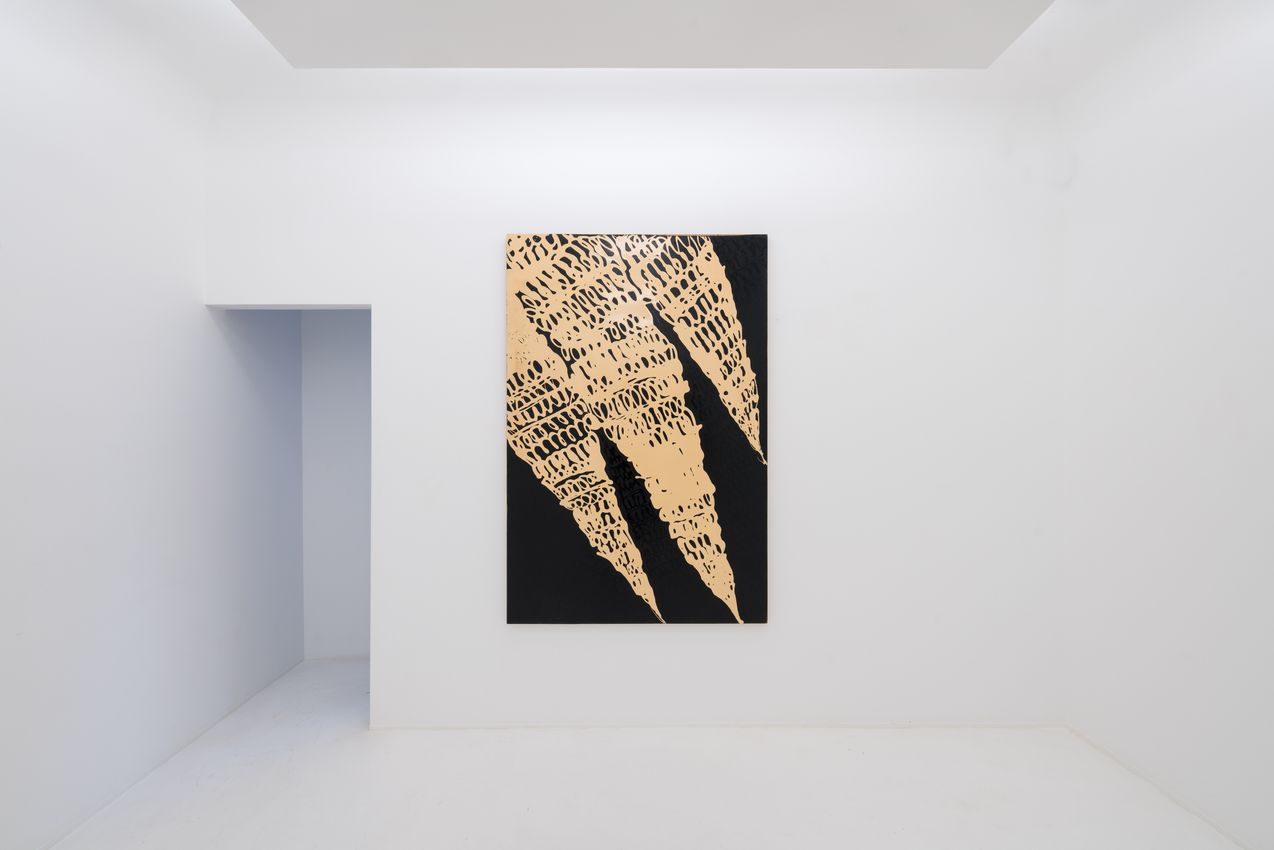
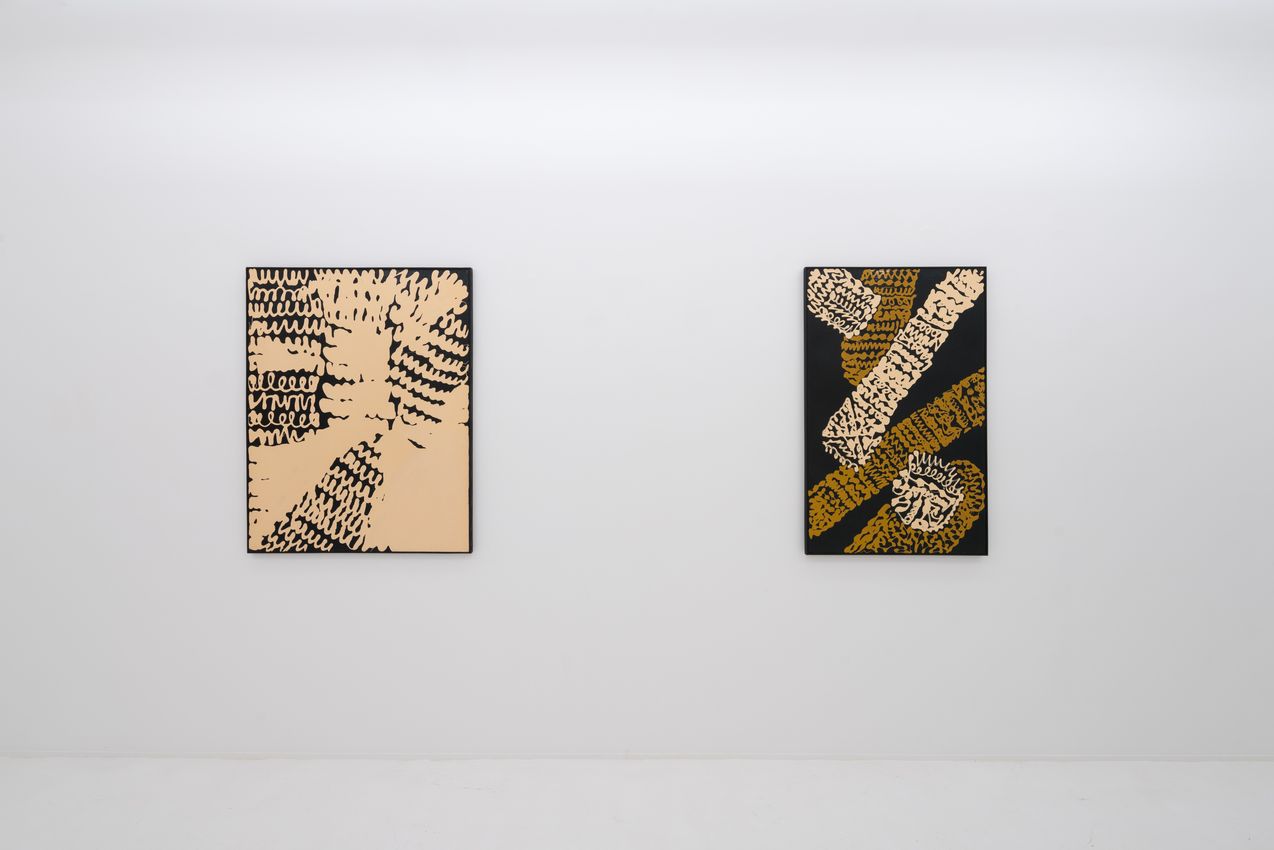
Axel Vervoordt Gallery Hong Kong is pleased to present a solo exhibition of Gutai artist Masatoshi Masanobu (1911-1995). This exhibition features works from the mid 1960s to the early 70s, which marked a significant and prolific evolution of Masanobu’s artistic practice. The following text is an extract from the essay, Wriggling Paintings: The Art of Masatoshi Masanobu, written by scholar Koichi Kawasaki. The essay appears in the Masanobu monograph, which has been recently published and is launched on the occasion of this exhibition.

Among the early-period Gutai members, Masatoshi Masanobu had a modest presence. Even in the group’s outdoor and staged exhibitions, Masanobu’s works were not as conspicuous as the other artists’ efforts. Nor did he make any historic performances or paintings that stood at the forefront of the era. But this is not to say that Masanobu was any less radical than the rest of the group. One reason for his restrained image is that Masanobu was 43 when Gutai was formed in 1954, and he had already been painting for close to twenty years. Masanobu was a rather orthodox Japanese painter, who tried to make a living as an artist while supporting himself as an art teacher. Yet, Masanobu’s creative approach appears much more idiosyncratic to younger viewers than the artist could ever have imagined.

Masanobu was born in Kochi Prefecture, Japan in 1911. After graduating from school Masanobu taught at a local elementary school. Around 1932, Masanobu took part in a summer course offered by the Dokuritsu Bijutsu Kyodai (Independent Art Association) in Osaka and he submitted some sketches to an exhibition organised by the Kochi Prefectural Artists’ League. He also showed his work in the RT Group exhibition, formed by an older painter named Seiichi Nobukiyo. Then in 1935, Masanobu moved to Tokyo, where he also supported himself by teaching. During the war in 1944, Masanobu moved to Kobe.

In 1947, Masanobu attended the Kobe Citizens’ Art Course, where he first met Jiro Yoshihara, who was a teacher in the program. This meeting fuelled Masanobu’s fervent desire to study painting. He began to actively submit his works to invitational exhibitions, including an exhibition organised by the Ashiya City Art Association; he also submitted his work to the Lapan Group Exhibition, the Babel Exhibition and the Seikatsu Zokei Exhibition. He continued these efforts for some time after joining Gutai without ever deviating from his basic approach.

Rather than being naturalistic, the paintings Masanobu made from 1952 to 1954 dealt with motifs like flowers and landscapes. These were explorations of painting based on three-dimensional objects he had made. He reused the same motifs over and over in various paintings. Around 1954, these shapes suddenly disappeared and were replaced by lines and planes. Rather than sensual abstractions, the artist’s works in the first issue of Gutai and the 1st Gutai Exhibition are made up brushstrokes with a wriggling aspect. This tendency continued until April 1958, when the shapes evolved into round, symbol-like forms.

Masanobu’s work displayed an even more fruitful development during the 1960s. In a leaflet for Masanobu’s 1965 solo show at the Gutai Pinacotheca, Yoshihara praised the artist’s use of circles and dots, “More than symbols, they seemed like properties that might emerge when the logical structure of the ground was magnified and reproduced.” The evolution of Masanobu’s work is evident from his highly accomplished Gutai solo exhibition, but he was still not satisfied that the level of completion he had achieved was able to convey a “sense of life” through the intensity of the colours, shapes, and material. He wrote. “I want to bring my work closer to a place where you can sense the unutterable depth of the spirit and life that truly conveys a sense of life.”

After Gutai disbanded in 1972, Masanobu taught painting locally and was invited to hold solo and group shows in Nishinomiya and Kobe. The symbols on Masanobu’s canvases are the product of repeated hand movements, but they also represent the interplay between natural expression and calculated composition that was occurring in the artist’s mind. Masanobu’s work was underpinned by the methodical character that he had developed as a teacher, this same methodical quality imbues his art with its uniqueness.

Read More

Installation Views

About the Artist

Masatoshi Masanobu is one of the lesser known founding members of the Gutai Art Association, but none the less significant, as he produced a remarkable amount of paintings around 1960. As is common to the work of all Gutai artists, Masanobu’s practice entails an authentic and personal approach to creation and materiality.

View Artist Profile

Also Exhibiting at Axel Vervoordt Gallery

About the Gallery

Boris Vervoordt created the Axel Vervoordt Gallery in 2011. The gallery opened in a historic space in the centre of Antwerp with an exhibition by Günther Uecker. Boris chose to open the gallery in the same exact place where his father had mounted exhibitions for Uecker and Jef Verheyen in the 1970s. The first exhibition—and those that followed—linked this new start to the company’s long history with art and its original home in the Vlaeykensgang. This continued a path of more than 40 years of working closely with artists.

View Gallery Profile
Address
Coda Designer Centre
62 Wong Chuk Hang Road
Wong Chuk Hang
Hong Kong
Hong Kong
Opening Hours
Wednesday – Saturday
11am – 7pm
(1)
Hong Kong Coda Designer Centre, 62 Wong Chuk Hang Road
Axel Vervoordt Gallery
Coda Designer Centre, 62 Wong Chuk Hang Road, Wong Chuk Hang, Hong Kong, Hong Kong

Opening hours
Wednesday – Saturday
11am – 7pm
The art world in focus
