Disorientation does not begin with the wandering mind, but with an excess of questioning. In this context, art is not considered a linear path or a complete narrative, but rather a constantly shifting one—moving between memory, origin, and transformation.
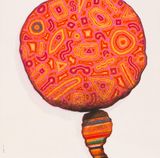
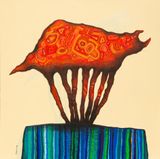
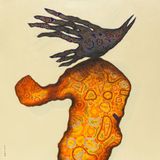
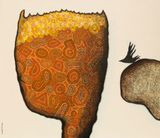
In Exodus through the Maze: Disorientation as Fate, Murad explores art as a practice influenced by existing visuals. Art does not emerge from nothing; it does not announce clear beginning or define itself by rejecting what came before. Instead, art is derived from everyday imagery and experiences, as well as the ongoing development of past visual languages. Murad creates a space that explores tension, deconstruction, and renegotiation.
The use of collage here is not merely a formal technique; it is a stance that recognizes and builds upon all previous art forms. Innovation is not a radical rupture, but a form of critical continuity that merges new and inherited qualities. The works on display reference elements of modern and contemporary art, not to glorify or revive them, but to present them within a new visual framework that undermines their apparent references. The image becomes open to reinterpretation.
Some works take the form of mazes—not as symbols of loss, but as universal, visual structures that reflect perception’s nature. They do not seek a fixed center or a single grand narrative but instead move through intertwined paths of doubt and certainty. Within these labyrinths, the eye is less guided than tested. The viewer is encouraged to experience the work rather than simply read or understand it immediately.
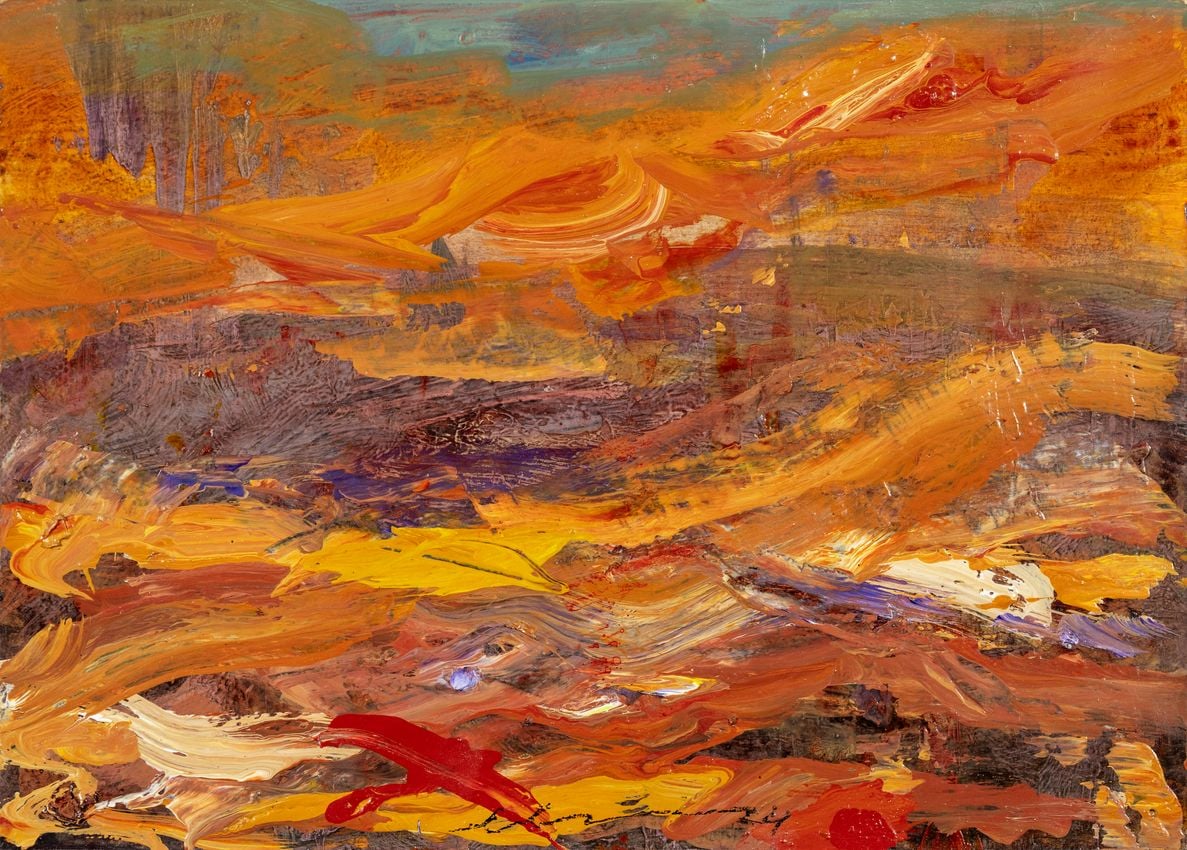
Throughout the exhibition, a tension emerges from the struggle between order and chaos, planning and disruption. This tension goes beyond color or form; it reflects our relationship to knowledge. Knowledge is no longer certain but a delicate negotiation between what we know and what we do not—between memory and experience, vision and interpretation. Here, abstraction is not purely aesthetic but a conceptual approach that suspends meaning rather than erasing it.
_Exodus through the Maze: Disorientation as Fat_e emphasizes lived experience and views wandering not as a cognitive failure but as a form of critical awareness. Maybe the goal isn’t to exit the maze but to explore it through its tensions, generated visuals, and the creative possibilities it presents, all while looking ahead to the future.
—
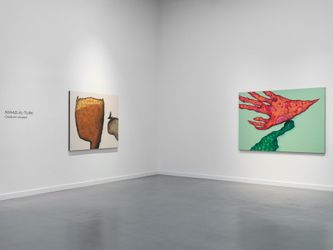
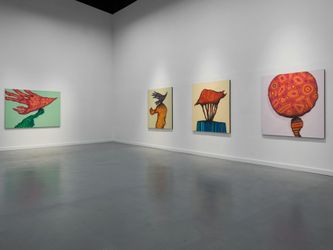
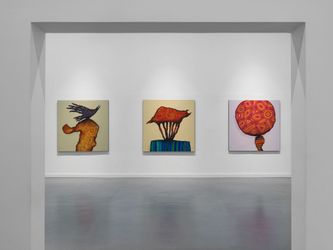
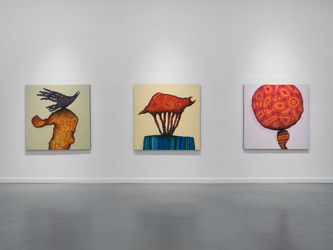
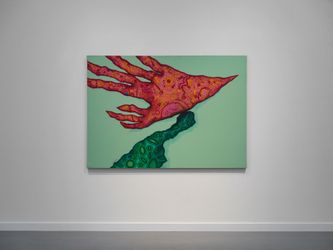
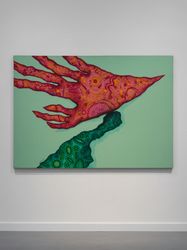
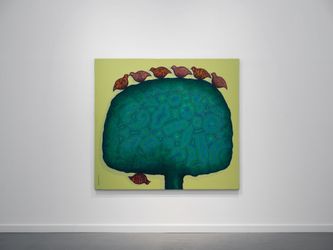
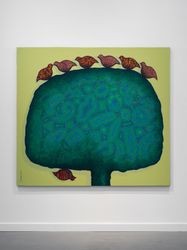
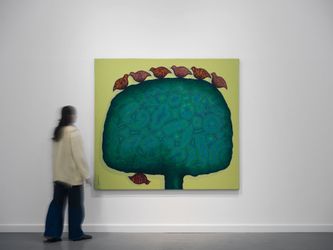
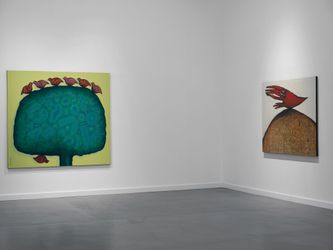
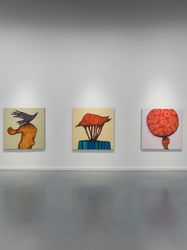
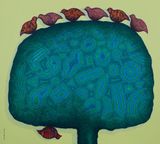
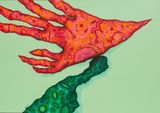
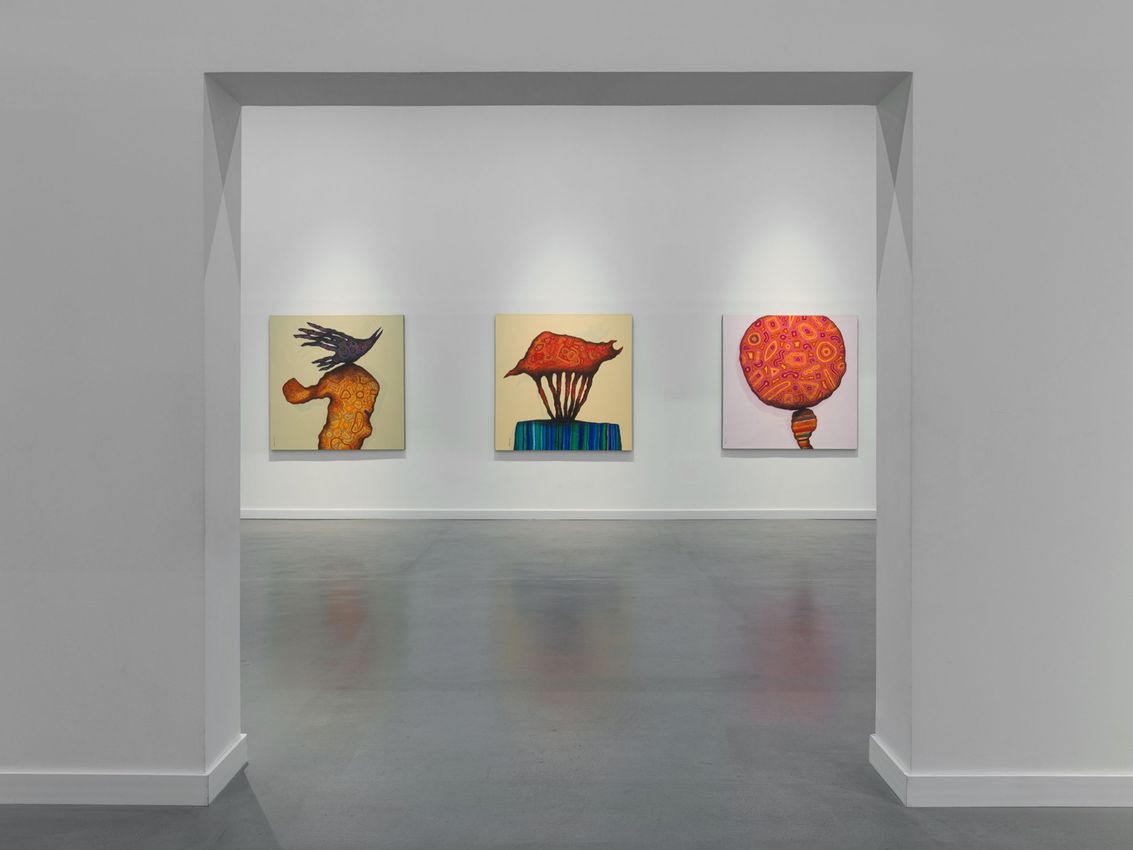
Informed by readings in literature, philosophy, and theory, many of Nihad Al Turk’s deeply psychological compositions can be read as allegorical self-portraits. Central to his work are thematic explorations of the endurance of man amidst the power struggles of good and evil—an existentialist question that has engrossed the artist for some time. Al Turk’s regular cast of imperfect creatures, mythical demons, still lifes, and botanical elements serve as the symbolic outcasts, anti-heroes, and rebels of a harrowing narrative. Recently, he has set aside the dark palette of his earlier mixed media paintings by injecting vivid hues in the form of solid colour fields that accentuate figures. This visible sense of optimism is juxtaposed with the quieting of his protagonists through a physicality that is robust and no longer disfigured as they finally escape the weight of their world.


Informed by readings in literature, philosophy, and theory, many of Nihad Al Turk’s deeply psychological compositions can be read as allegorical self-portraits. Central to his work are thematic explorations of the endurance of man amidst the power struggles of good and evil— an existentialist question that has engrossed the artist for some time. Al Turk’s regular cast of imperfect creatures, mythical demons, still lifes, and botanical elements serve as the symbolic outcasts, anti-heroes, and rebels of a harrowing narrative. Recently, he has set aside the dark palette of his earlier mixed media paintings by injecting vivid hues in the form of solid colour fields that accentuate figures. This visible sense of optimism is juxtaposed with the quieting of his protagonists through a physicality that is robust and no longer disfigured as they finally escape the weight of their world.
Ayyam Gallery was founded in 2006 in Damascus by Khaled and Jouhayna Samawi; while the couple always collected, it was only upon their relocation to Syria in 2001 that they immersed themselves in the Contemporary Damascus art scene, and the idea to open a gallery was born.

A respected voice in contemporary art discourse.
Focusing on ambitious storytelling and insightful art-world commentary. Ocula Magazine publishes in-depth interviews, critical essays and timely analysis on the artists, exhibitions and ideas driving the global art world.
Learn more about Ocula Magazine
Showcasing the best of the art world.
Ocula partners with galleries from around the world to highlight their artists, artworks and exhibitions. Gallery membership is by application and invitation, with each member vetted by an independent panel.
Learn more about Ocula Membership

Specialises in the sale of major artworks.
Led by a team with deep ties to the world’s leading auction houses, galleries and collectors. Ocula’s advisory team offers bespoke services to high-net-worth clients from around the world who are looking to acquire the best of contemporary and modern art.
Learn more about our team and services