



Press Release

‘Not Yet Art,’ Born of Mirror and Stone

In In Search of Lost Time (1913–1927), Marcel Proust wrote:

The writer’s work is merely a kind of optical instrument he provides the reader so he can discern what he might never have seen in himself without this book. The reader’s recognition in himself of what the book says is the proof of the book’s truth.

The ideas of ‘the book (knowledge),’ ‘optical instruments,’ ‘truth,’ and ‘the reader’s recognition’ offer keys to understanding Sung Neung Kyung’s work—a practice that has developed a singular form over the past five decades. Around the same time as Proust, Marcel Duchamp rejected the ‘art of the eye,’ and his repeated optical experiments of selecting and presenting readymades altered the course of art history.

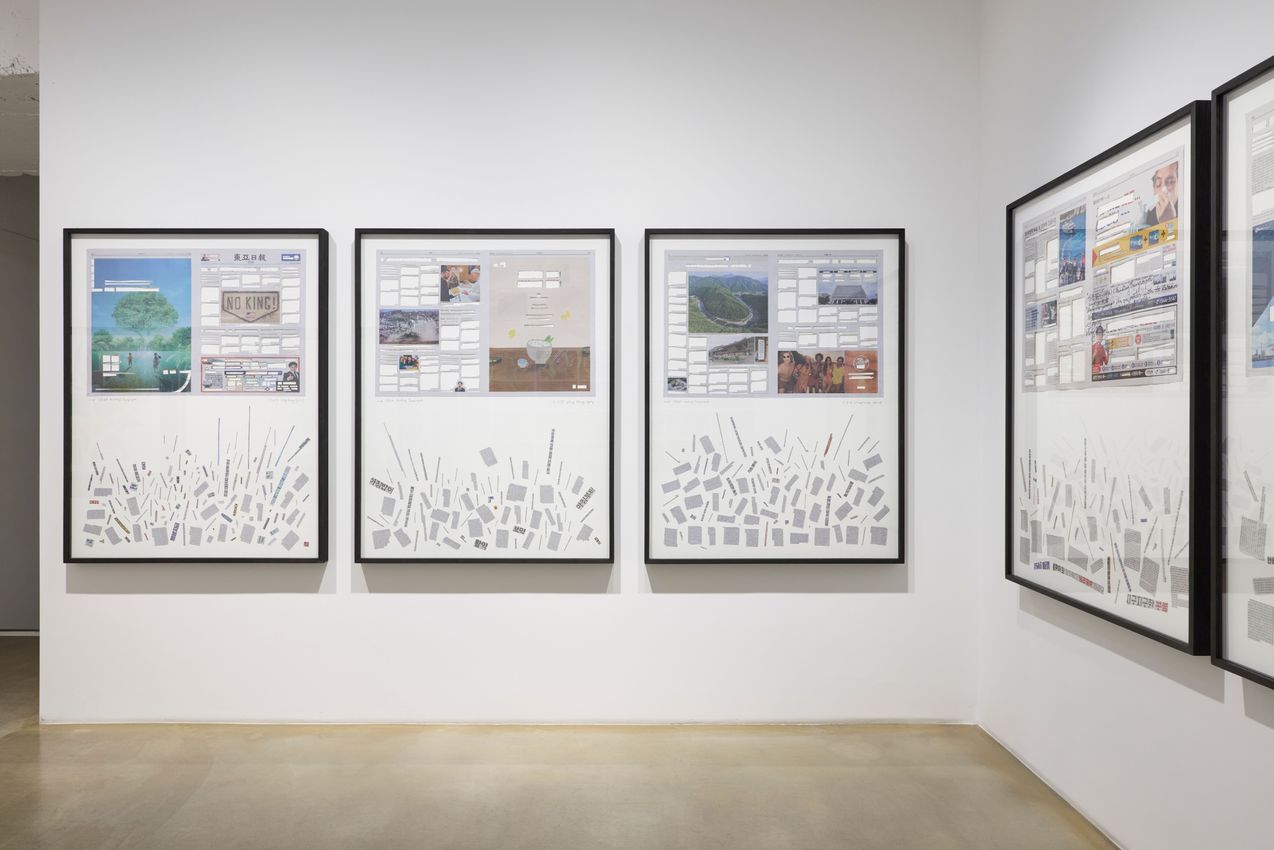
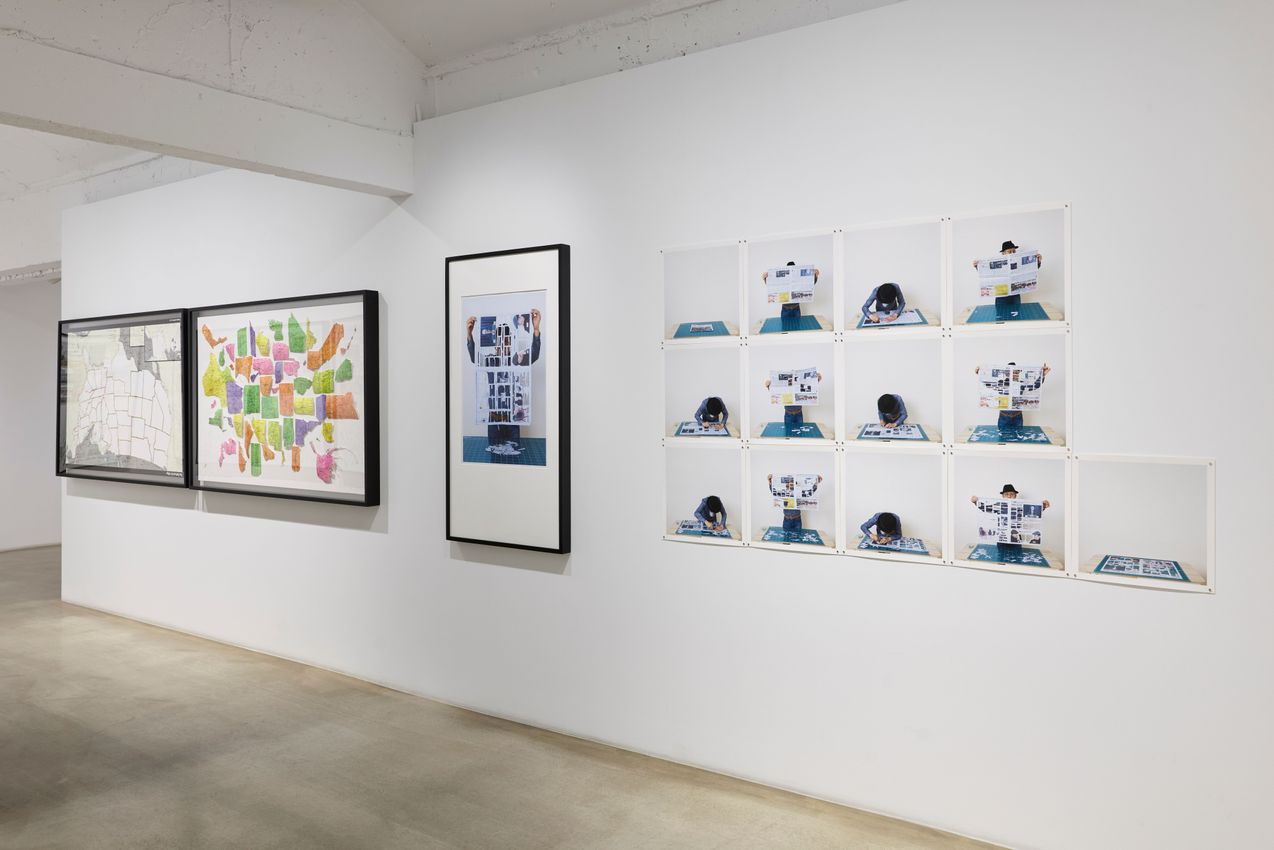
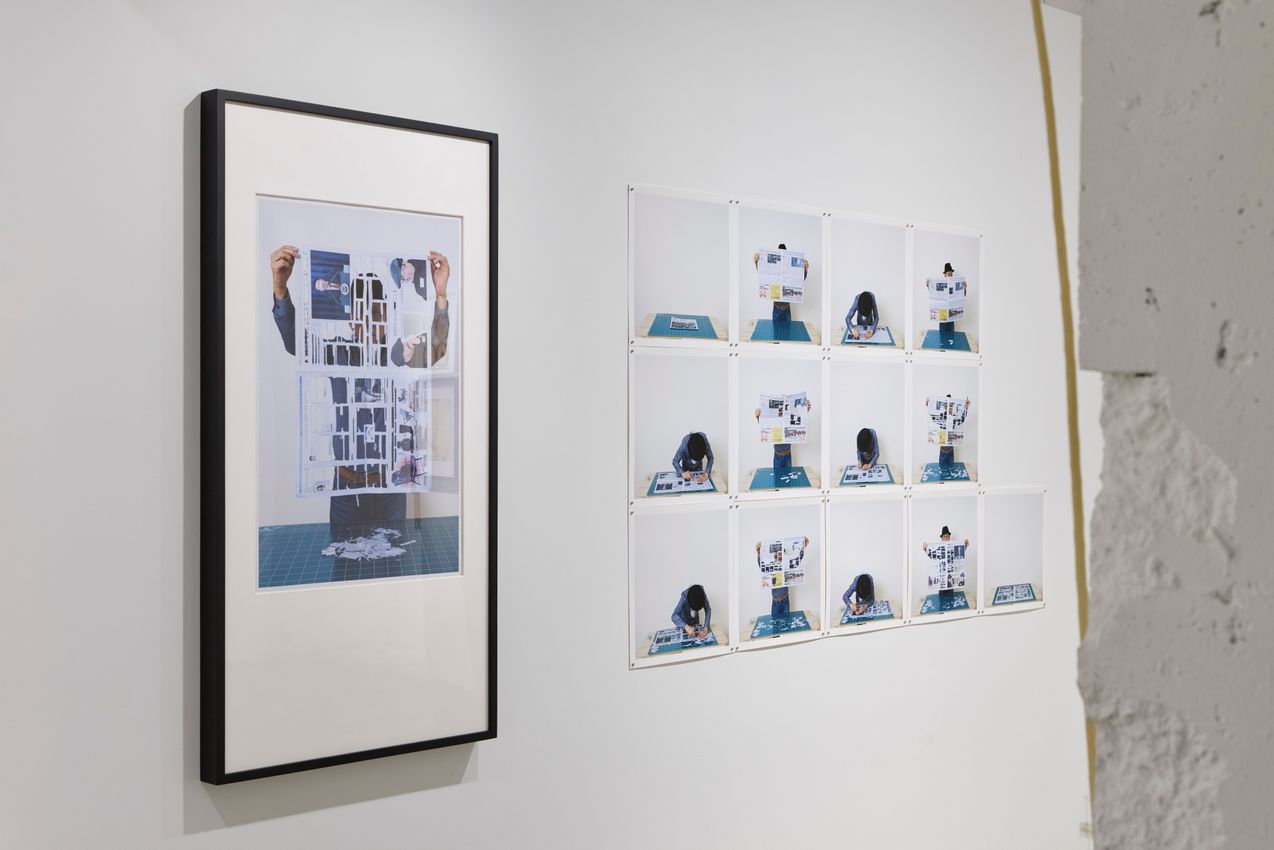
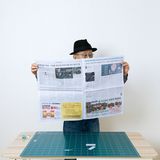
In optics, we tend to believe that light converges on a single point through a lens, but this is a fictional construct produced by theory. The problem of optical aberration remained unsolved for two thousand years until a graduate student in Mexico recently formulated the mathematics to construct a perfect single lens. The statement in Sung’s performance, Botched Photo is more Beautiful is the result of a ten-year series of works on newspapers titled Venue, through which he explored the principles of the camera and optical aberration by photographing his children both in- and out-of-focus snapshots. The discovery was both startling and meaningful not just to viewers, but as a subtle alarm to his peers.

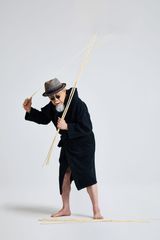
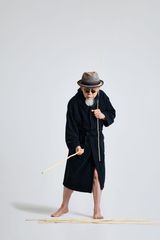
Who else has spent a lifetime experimenting with the body as a metaphorical, and optical instrument while simultaneously introducing both linguistic and performative shifts to Korean contemporary art? With the body as a central axis, Sung’s continuous acts of performance, his ‘ruined’ films, ‘failed’ artworks, and existential inquiries into a ‘ruined life’ have challenged the dominant narratives of modernism, postmodernism, post-conceptualism, and even post-minjoong, positioning him as both a living reservoir of ‘working concepts’ and a singular cutting edge.

In 1973, the 29-year-old Sung presented Circumstances, a three-dimensional work that succeeded by failing, in the Nietzschean sense of being ‘untimely.’ Appearing around the same time as Lee Ufan’s Relatum (the iconic pairing of stone and steel), which caused a literal and metaphorical stir in the art world, Sung’s Circumstances also used stone and steel. But while Lee’s pairing represented a paternal relationship between nature and civilization, Sung’s pairing stages a metaphysical relationship as a casual theatrical scene in which the viewer, the other, became the protagonist standing in front of a mirror. He was less interested in abstract theorizing and more in the anarchic and subversive humor of Dada, the connecting with audiences through playful gestures with children, and miscellaneous, everyday objects.

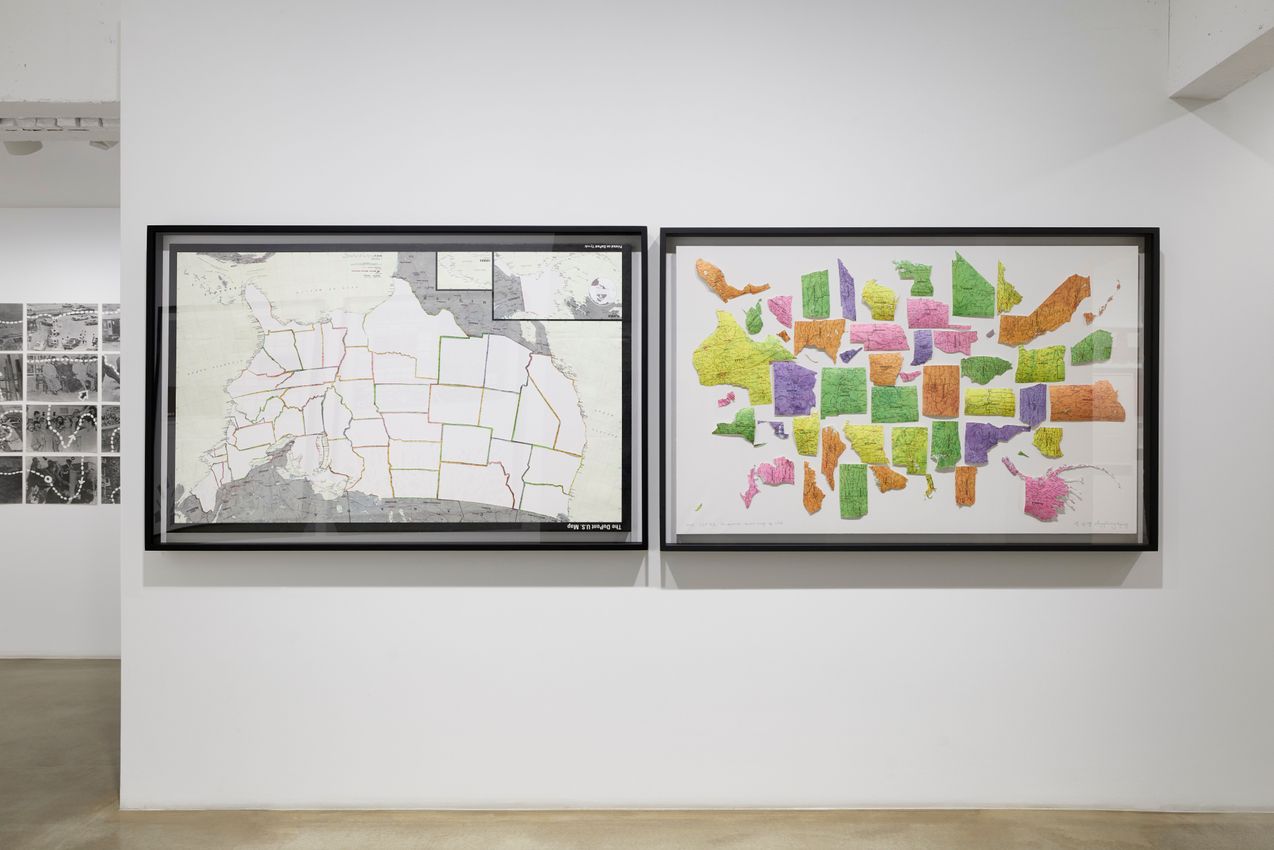
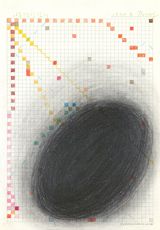
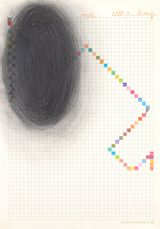
A sheet of stainless steel, a stand-in for the metal mirror and precursor to optical lenses, was propped against a wall, flanked, and stabilized by two large heavy stones. The metal became a large concave mirror. From Circumstances, a metaphorical structure emerged that would continue into his later experiments involving newspapers and maps, with each of the three original materials functioning as a symbolic ground for signification.

Metal mirror — CameraStone (1) — NewspaperStone (2) — Map

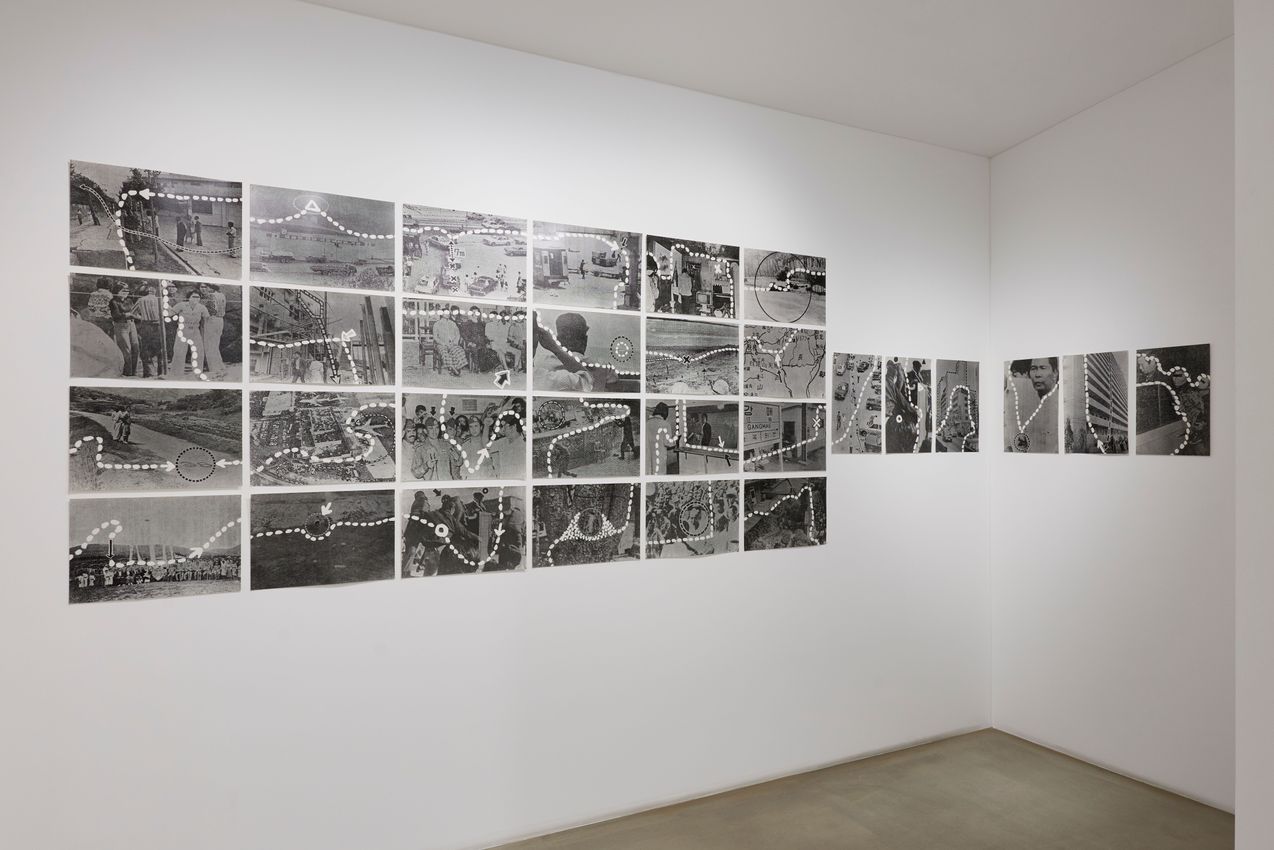
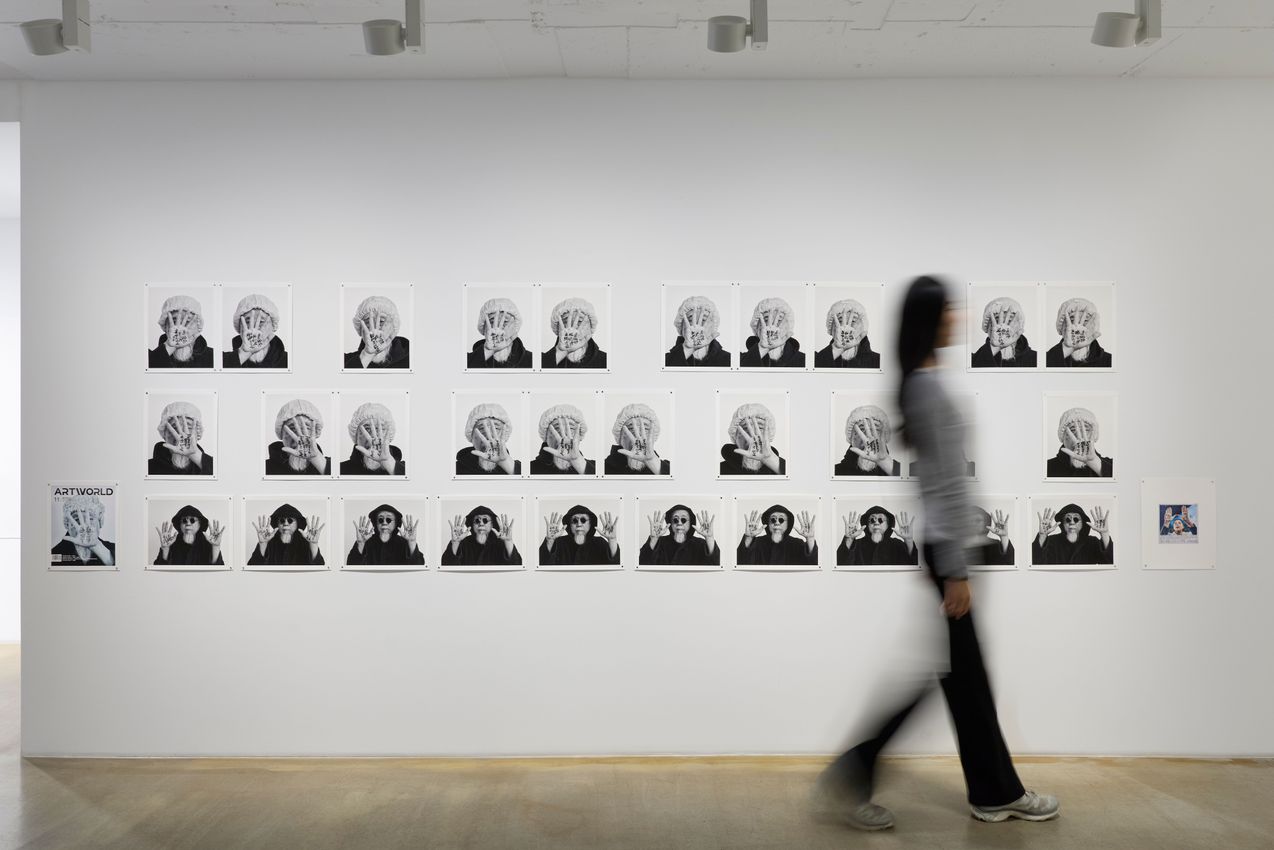
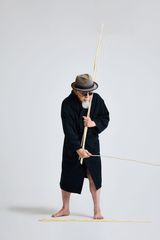
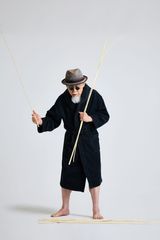
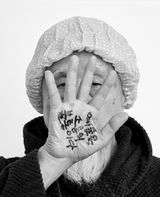
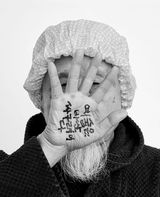
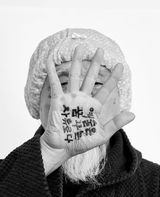
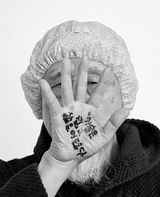
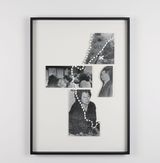
This installation would later reappear in Sung’s iconic performance persona features such as a shower cap and round glasses. The conceptual foundation of this body of work was Camera Lucida (literally, ‘bright room’), which Roland Barthes also invoked in his writing. A camera lucida is a device that allows the user to view an object while simultaneously seeing its projection on a surface. Sung adapted this principle when rephotographing news photographs taken by others. Through the structural logic of both the camera obscura and camera lucida, he embedded a dual intention in his forms: revelation and concealment.

Sung placed a crumpled mass of aluminum foil in the gallery and casually called it ‘nothing at all,’ yet aluminium foil has long been used in making pinhole cameras since foil blocks nearly all light and allows the precision of tiny punctures.

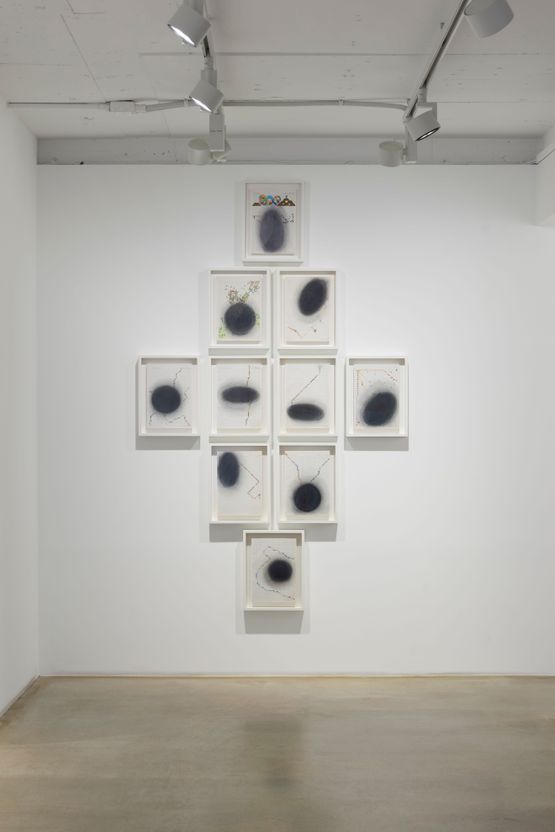
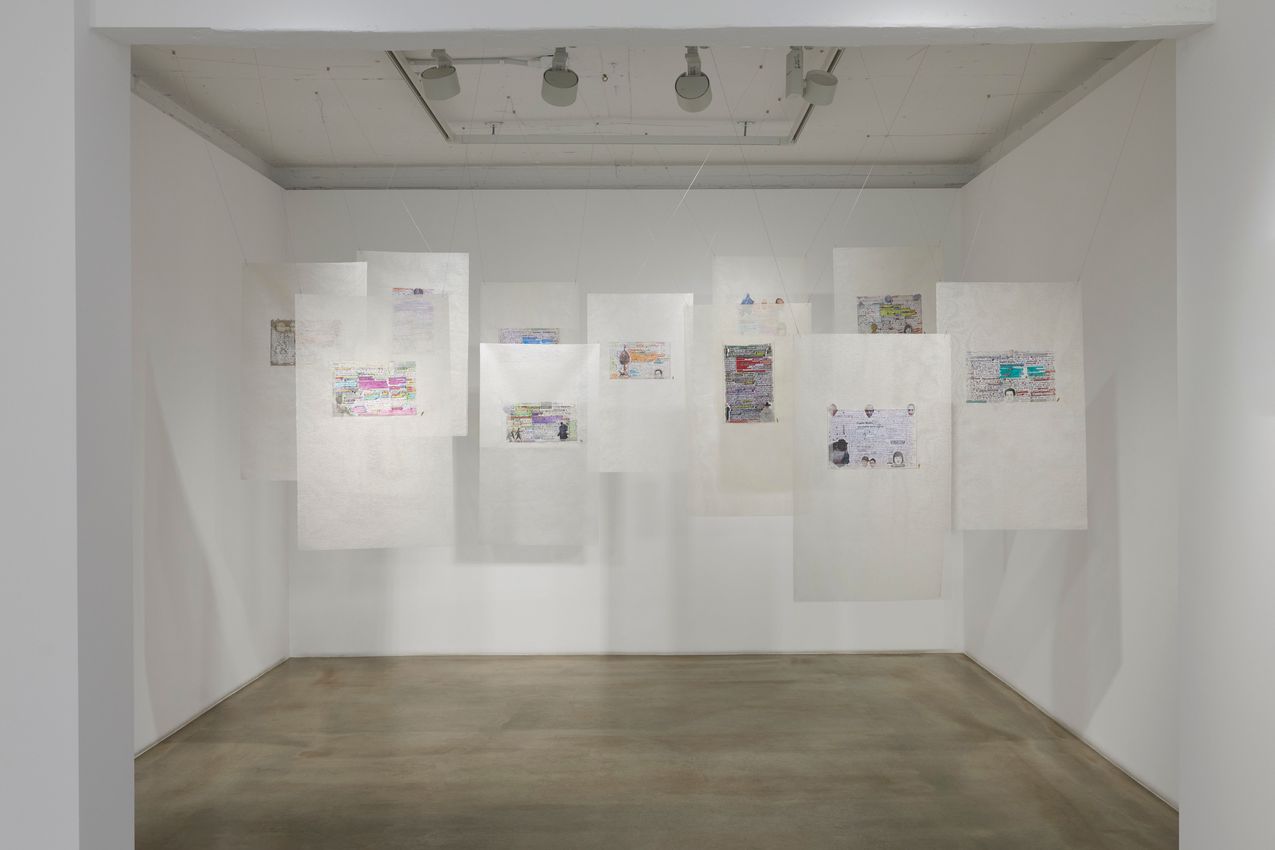
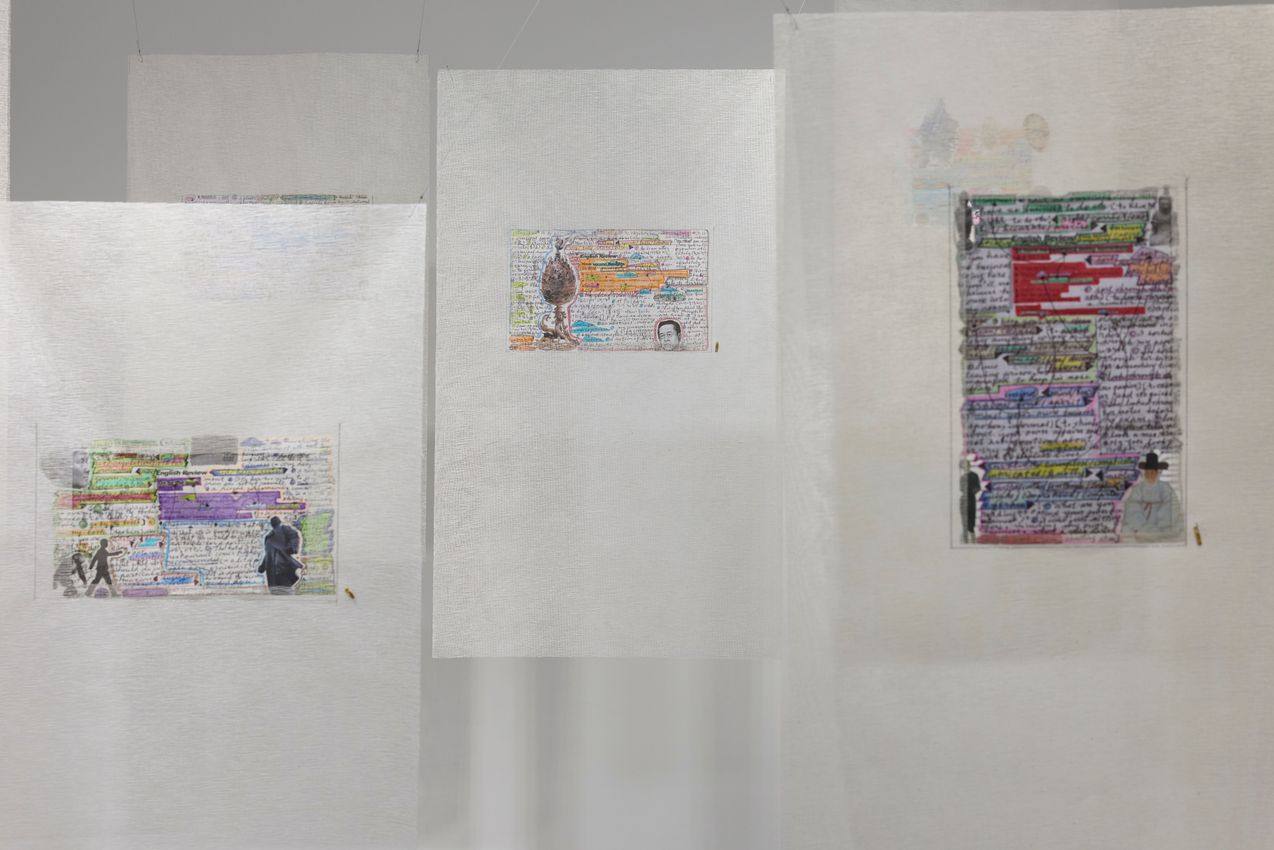
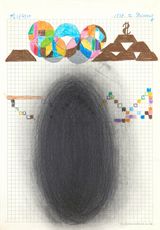
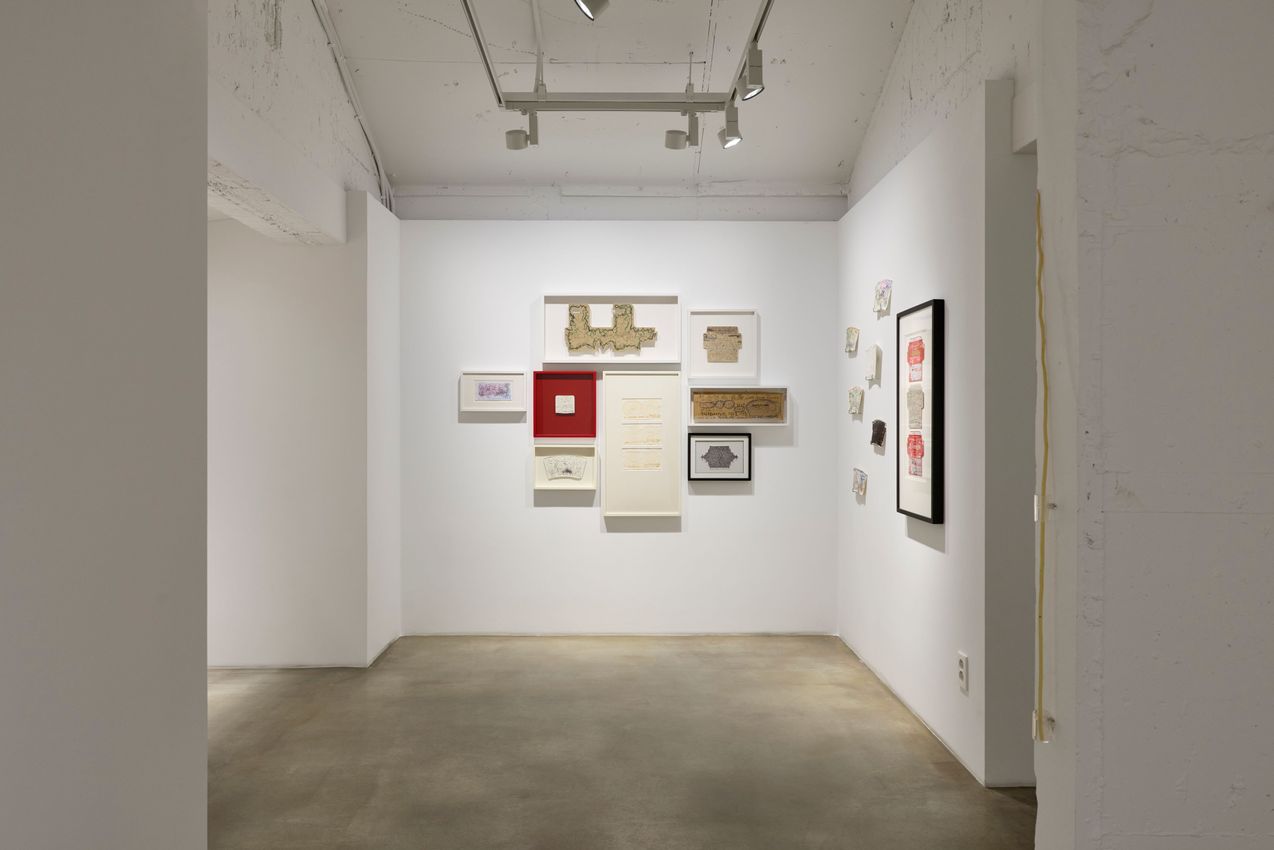
Throughout his career, Sung has followed a consistent thread: combining photography, newspapers, maps, and performance in a sustained anti-art practice. At times, failure becomes a kind of legacy. A lens of the camera can see clearly in places where the human eye sees only darkness.

Sung’s art reflects events, disasters, and crises of our time, inventing a new language of expression. Over fifty years, he has systematically dismantled media and crossed into a post-medium terrain ‘off the beaten track.’ Along the way, he has prefigured the defining features of contemporary visual culture in the digital age: image saturation, clustering, format, and power. It is not an overstatement to say that Sung has not merely practiced within a paradigm; he has created one of his own.

Lee Young Chul (Independent Curator)

Read More

Installation Views

Selected Works

Loading...
About the Artist

A pioneer of experimental art in the 1970s and 80s South Korea, Sung Neung Kyung revisits methodologies of artmarking and widespread ideas about what constitutes an artwork.

View Artist Profile

Also Exhibiting at Baik Art

About the Gallery

BAIK ART is a Los Angeles, Seoul, and Jakarta based contemporary art gallery. Established in Los Angeles in 2014, BAIK ART introduces artists whose works dealt with individual hybridity, globalisation, and cultural diaspora. In 2016, BAIK ART expanded its presence to Seoul, promoting an active artistic exchange between the two cities.

View Gallery Profile
Address
74-13, Yulgok-ro 3-gil
Jongno-gu
Seoul
South Korea
Opening Hours
Tuesday – Sunday
11am – 6pm
(1)
Seoul 74-13, Yulgok-ro 3-gil, Jongno-gu
Baik Art
74-13, Yulgok-ro 3-gil, Jongno-gu, Seoul, South Korea
+82 10 2174 2598
http://www.baikart.com

Opening hours
Tuesday – Sunday
11am – 6pm
The art world in focus