





ROBERT RYMAN
1930-2019, United StatesRobert Ryman was a pioneering American artist whose lifelong commitment to exploring the material and perceptual possibilities of painting made him a central figure in contemporary art.
Renowned for his tactile white paintings and innovative use of diverse supports, Ryman’s works are celebrated for their subtlety, rigour, and ability to transform the viewer’s experience of art and space,
Early Years
Ryman was born in Nashville, Tennessee, in 1930. He studied at Tennessee Polytechnic Institute and George Peabody College for Teachers before serving in the Army Reserve Corps. In 1952, Ryman relocated to New York City to pursue a career as a professional jazz musician. His life changed course in 1953 when he began working as a security guard at The Museum of Modern Art, New York, where he encountered modern art firsthand. This experience inspired him to pursue painting despite having little formal artistic training.
Robert Ryman Artworks
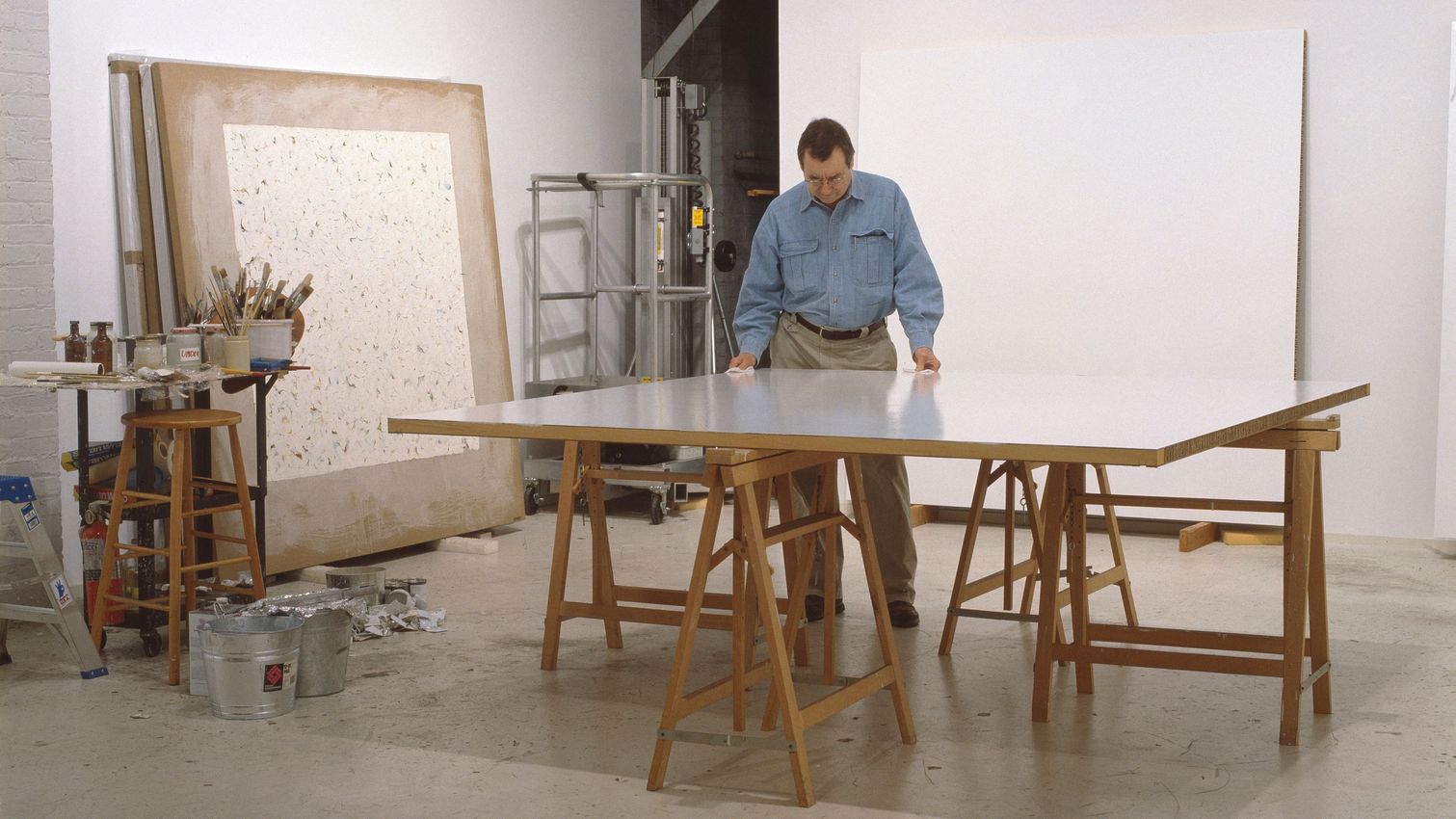
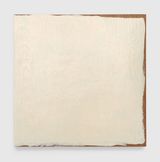
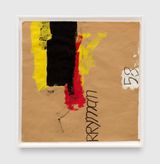
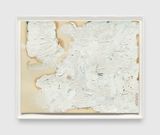
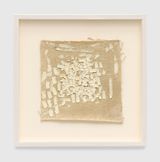
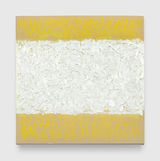
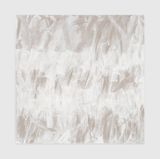
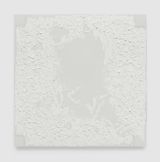
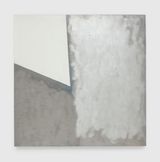
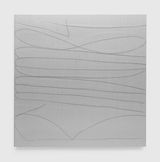
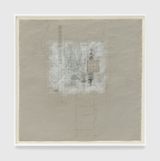
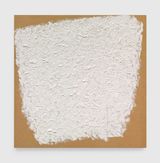
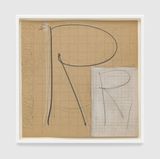
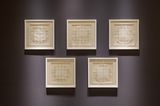
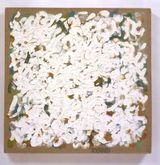
Ryman’s contemporary art practice is characterised by his radical exploration of the act of painting itself. He is best known for his white paintings, created using a range of painterly media on supports, including canvas, linen, aluminium, vinyl, steel, fiberglass, paper, and newsprint. For Ryman, white was not a colour but a means to focus attention on the process, surface, and experience of painting.
Early Experiments and the Square
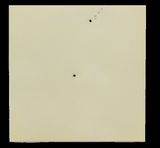
In the late 1950s and early 1960s, Ryman laid the foundations of his practice. He experimented with different supports and media, and by the early 1960s, he had adopted the square as his primary format —a neutral shape that neither referenced landscape nor portrait. Works such as The Paradoxical Absolute (1958) and Untitled (1959) reveal his early interest in the relationship between paint, support, and wall.
Materiality and Process
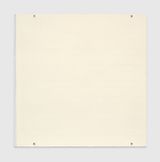
Throughout his career, Ryman was preoccupied with the ‘how’ of painting rather than the ‘what’. He used industrial and artist’s paints, rare pigments, and a wide range of fasteners—often designed specifically for each work—to attach his paintings to the wall, considering these elements integral to the artwork. His Classico (1968—69) and Surface Veil (1970) series highlight his ongoing experimentation with materials, opacity, and the edge of the painted surface.
Challenging Perception
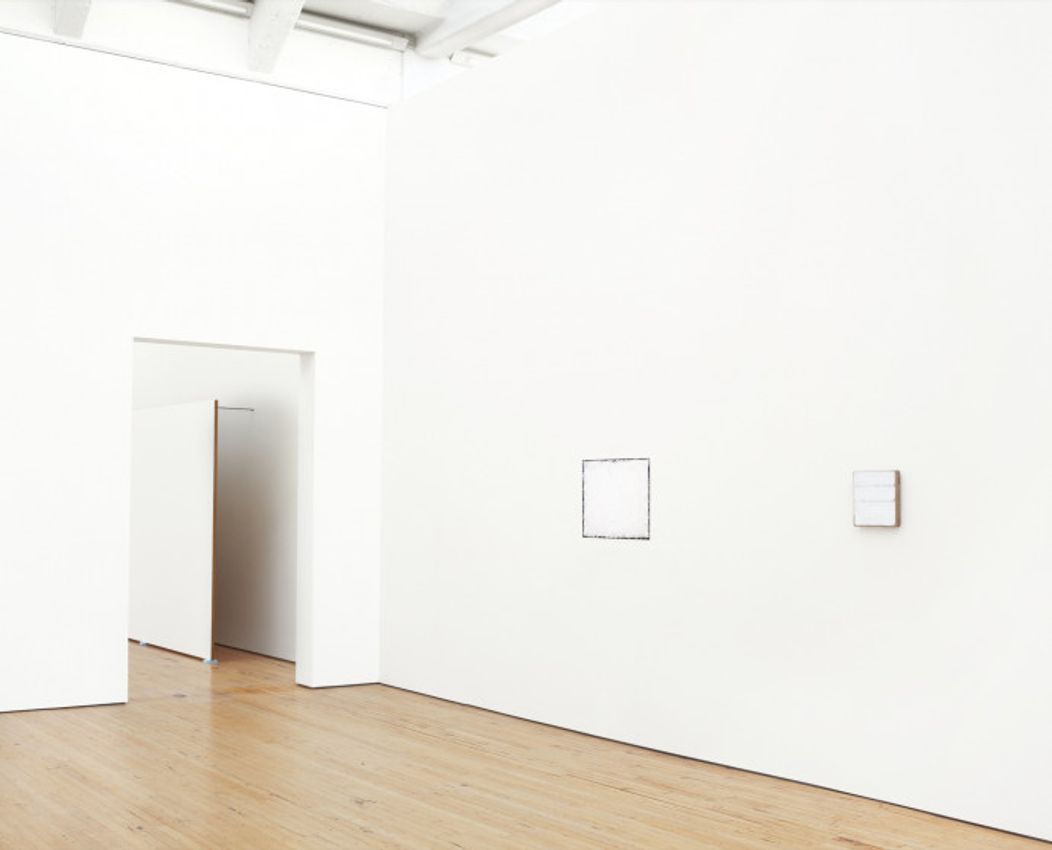
Ryman’s paintings are not about abstraction or representation but about making the act of painting visible. He rejected both labels, focusing instead on the interplay of light, support, and brushwork. Each artwork rewards close viewing, revealing subtle variations and the influence of surrounding space and light. As he stated, ‘What painting is, is exactly what people see’.
Public Commissions
- Long-term installation at Dia Beacon, New York.
- Site-specific works for major museums and collections worldwide
Awards and Accolades
- Praemium Imperiale, Japan Art Association (2005)
- John Simon Guggenheim Foundation Scholarship (1973)
- Skowhegan Medal, Skowhegan School of Painting and Sculpture (1985)
- Member, American Academy of Arts and Letters (from 1994; Vice President, 2003)
Exhibitions
Robert Ryman has been the subject of both solo and group exhibitions at important institutions and galleries. A selection of exhibition highlights are provided below.
Solo Exhibitions
- Robert Ryman: The Act of Looking, Musée de l’Orangerie, Paris (2024)
- Robert Ryman: 1961—1964, David Zwirner, New York (2023—2024)
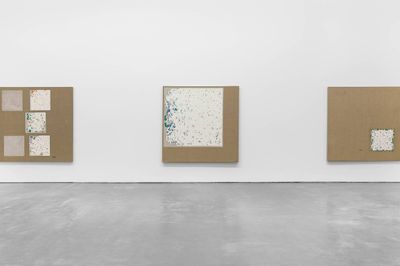
- Robert Ryman, Dia:Chelsea, New York (2015—2016)
- Robert Ryman, Dia Beacon, New York (long-term installation since 2003)
- Robert Ryman, Tate Modern, London (1993)
- Robert Ryman, Museum of Modern Art, New York (1993)
- Robert Ryman, Stedelijk Museum, Amsterdam (1974)
Group Exhibitions
- Flavin, Judd, Kawara, LeWitt, Palermo, Ryman, Sandback, Serra, David Zwirner, Los Angeles (2024)
- Line, David Zwirner, London (2023—2024)
- When Attitudes Become Form, Kunsthalle Bern (1969)
- Minimalism: Space. Light. Object., National Gallery Singapore (2018)
- America is Hard to See, Whitney Museum of American Art, New York (2015)
- The Forever Now: Contemporary Painting in an Atemporal World, Museum of Modern Art, New York (2014)
Robert Ryman FAQs
Why did Robert Ryman focus on white in his paintings?
Ryman used white to draw attention to the act of painting, the properties of materials, and the experience of looking rather than to symbolise purity or emptiness.
Did Ryman consider himself a minimalist or abstract painter?
Although often linked to minimalism and abstraction, Ryman rejected these labels, stating he was interested in ‘real space, the room itself, real light, and real surface’.
How did Ryman’s background as a musician influence his art?
Ryman’s training as a jazz musician informed his improvisational approach to painting, valuing process and variation over predetermined outcomes.
What is unique about Ryman’s approach to installation?
He designed specific fasteners and considered the wall and surroundings as integral to the artwork, making each installation site-specific and responsive to its environment.
Are there any major publications on Robert Ryman?
Yes, Robert Ryman: Critical Texts Since 1967 (2009) collects over 60 key essays and reviews, reflecting the evolution of critical response to his art.
Ocula | 2025





























Explore and Follow Artists Shaping Contemporary Art
A respected voice in contemporary art discourse.
Focusing on ambitious storytelling and insightful art-world commentary. Ocula Magazine publishes in-depth interviews, critical essays and timely analysis on the artists, exhibitions and ideas driving the global art world.
Learn more about Ocula Magazine
Showcasing the best of the art world.
Ocula partners with galleries from around the world to highlight their artists, artworks and exhibitions. Gallery membership is by application and invitation, with each member vetted by an independent panel.
Learn more about Ocula Membership
Specialises in the sale of major artworks.
Led by a team with deep ties to the world’s leading auction houses, galleries and collectors. Ocula’s advisory team offers bespoke services to high-net-worth clients from around the world who are looking to acquire the best of contemporary and modern art.
Learn more about our team and services