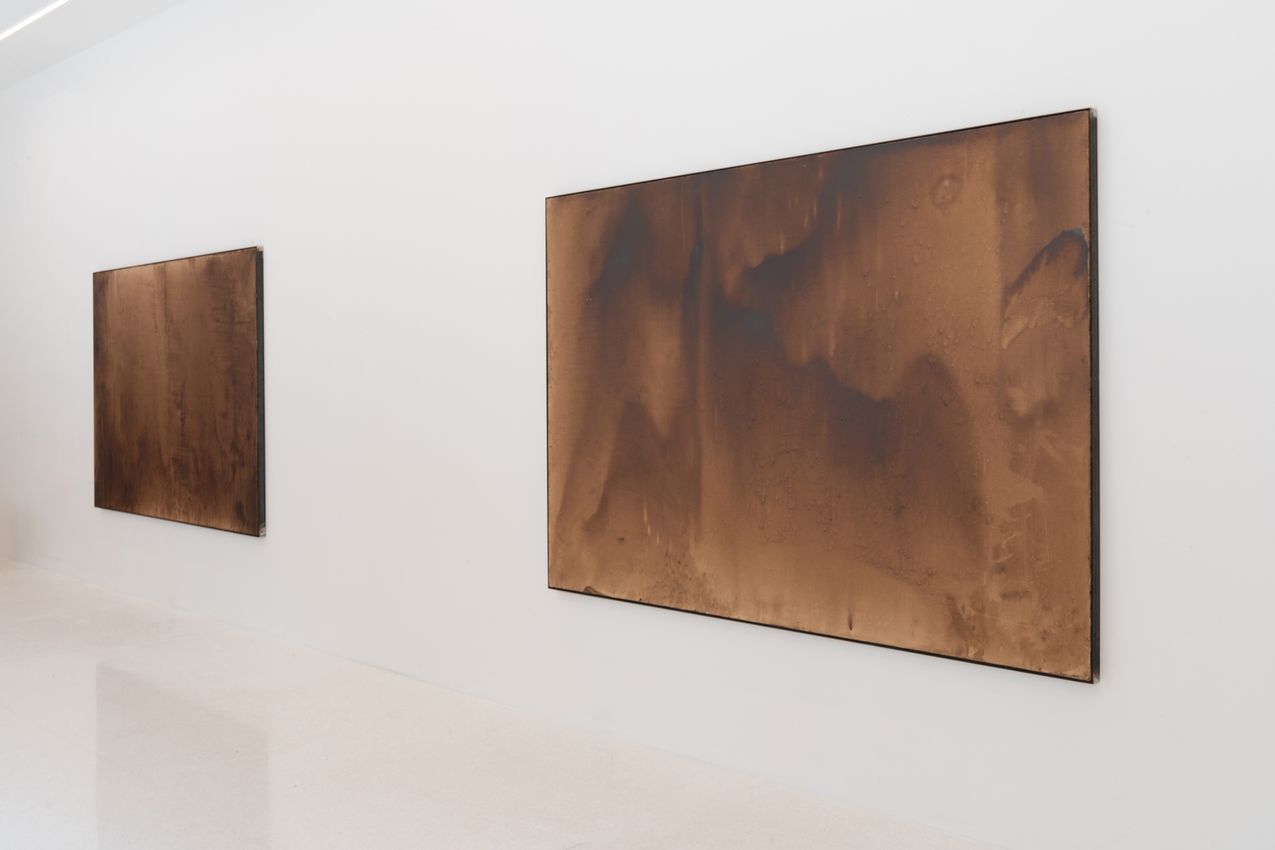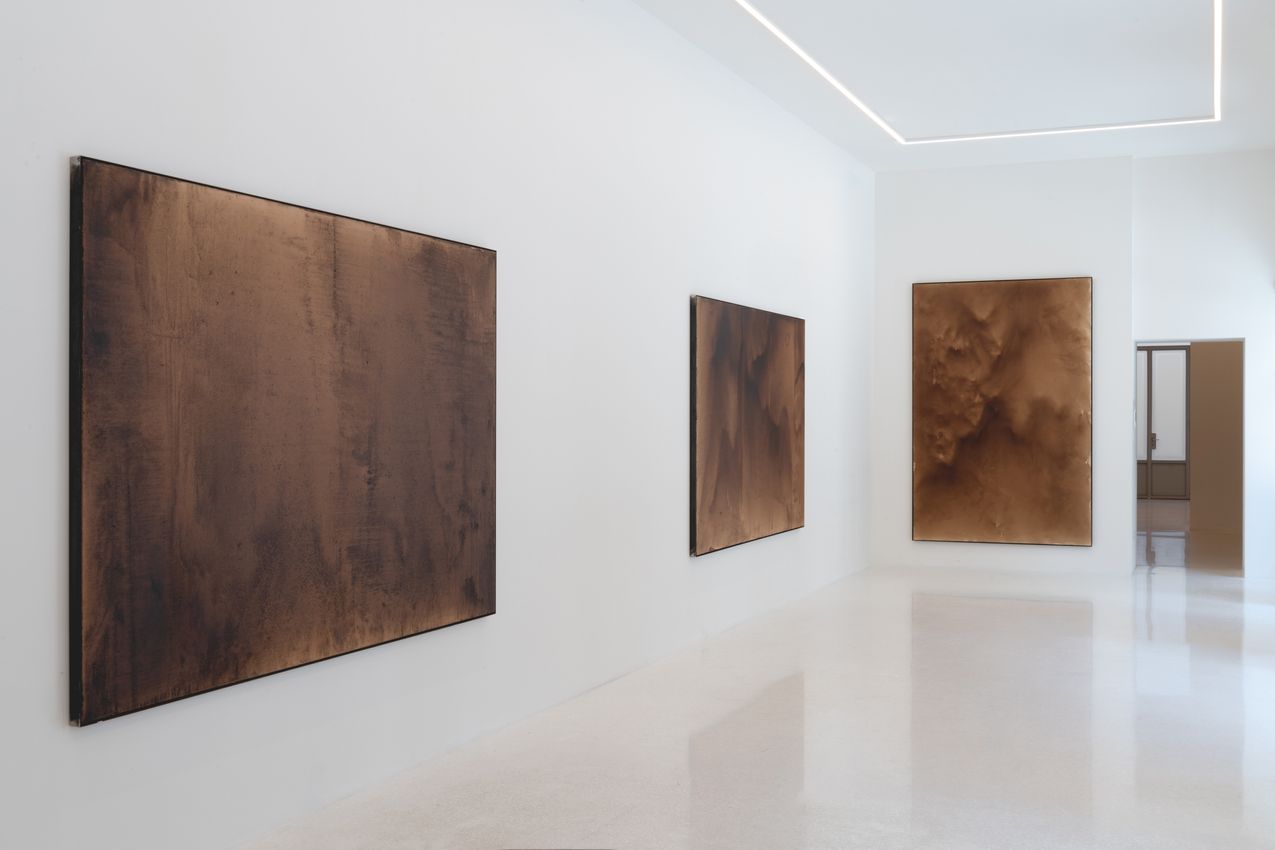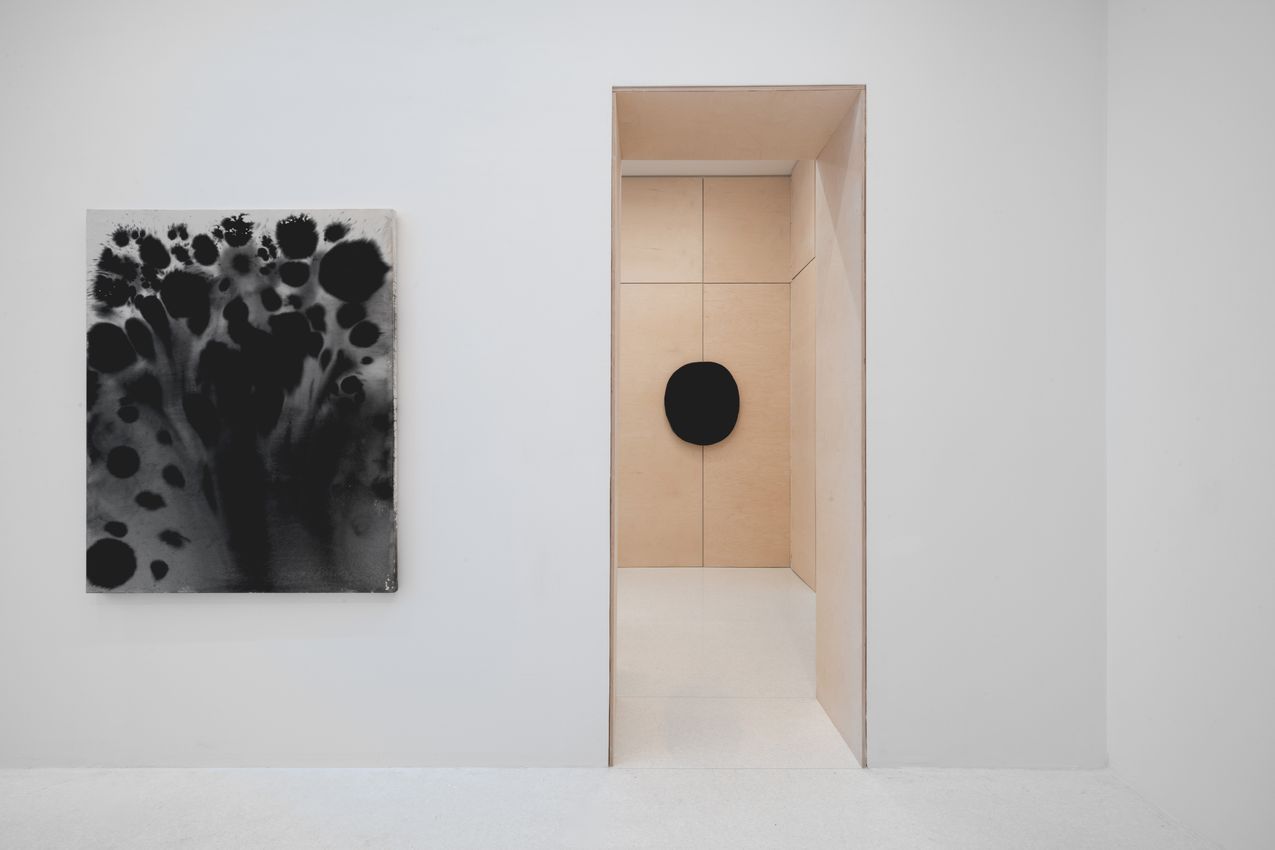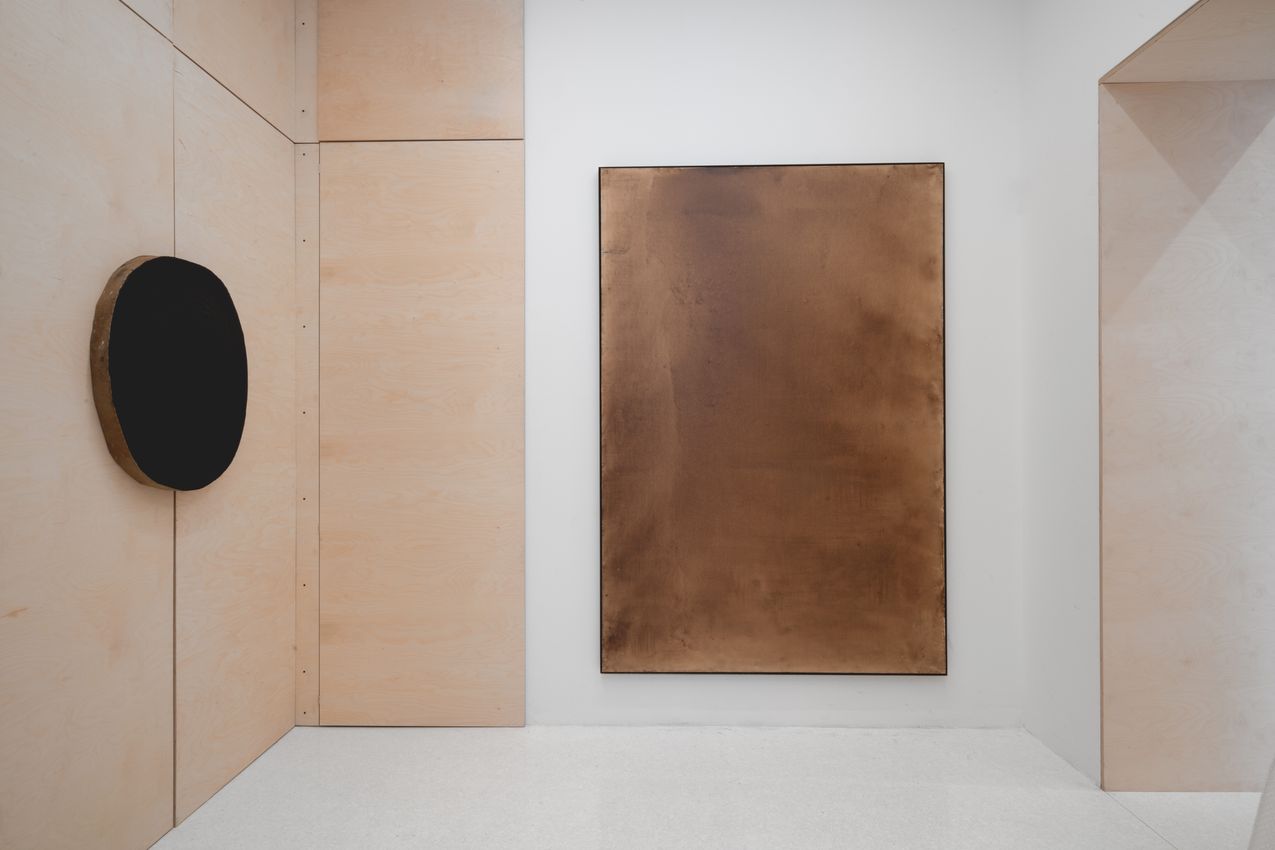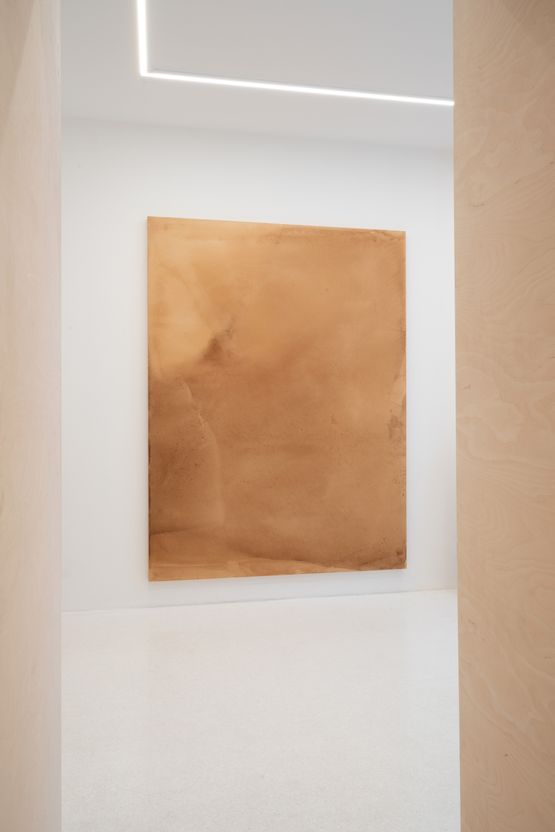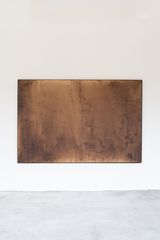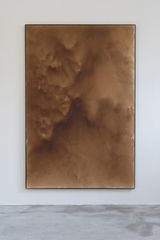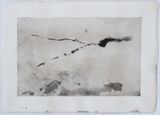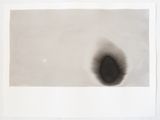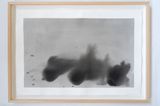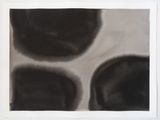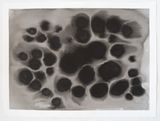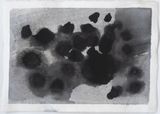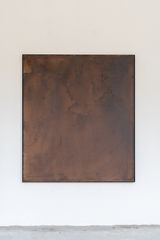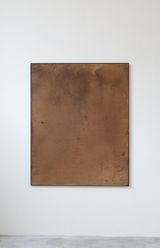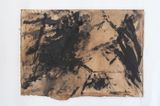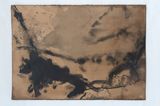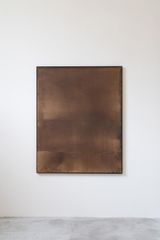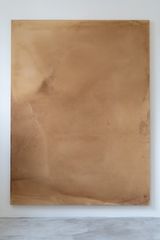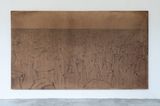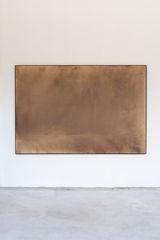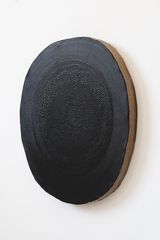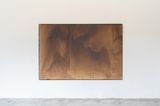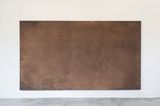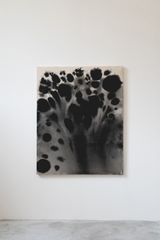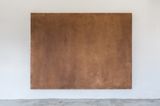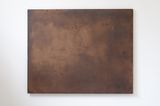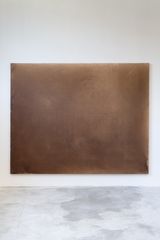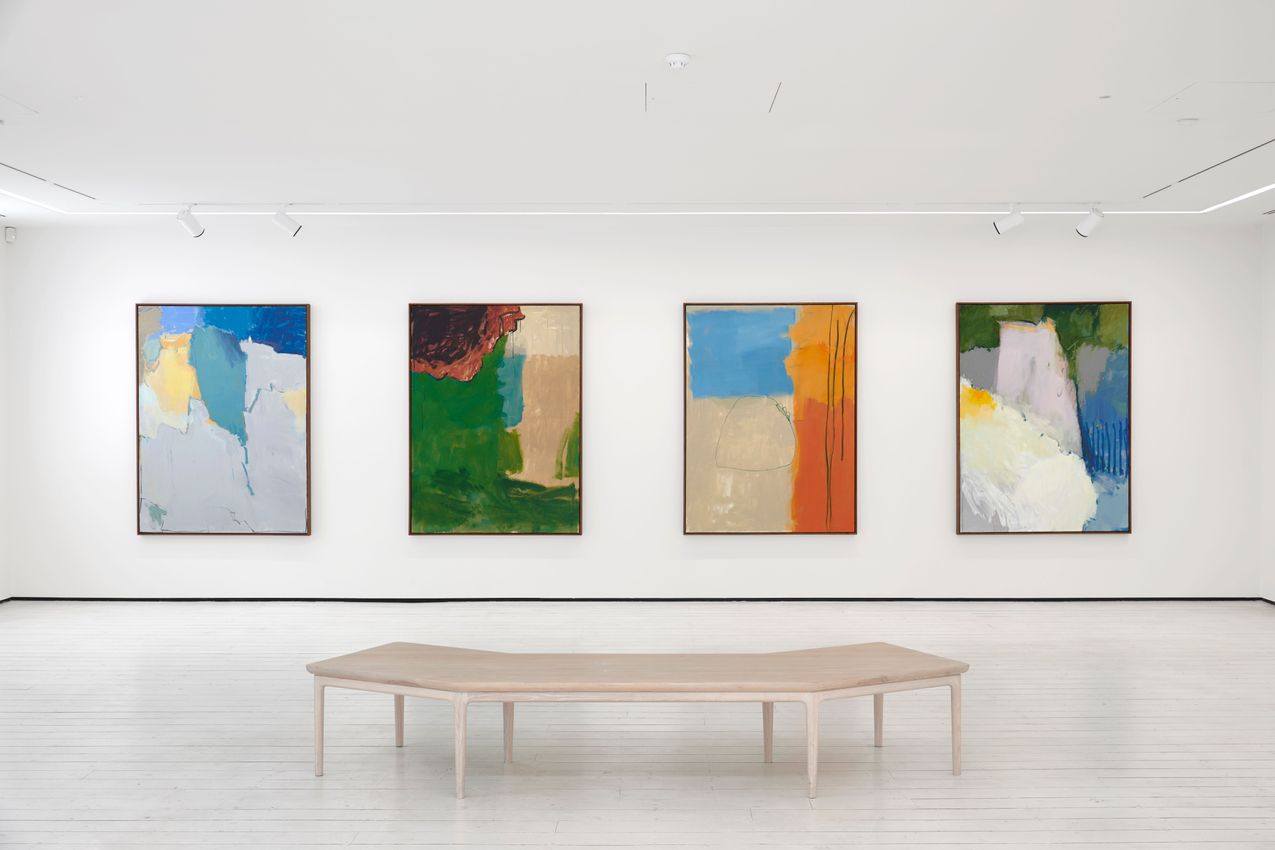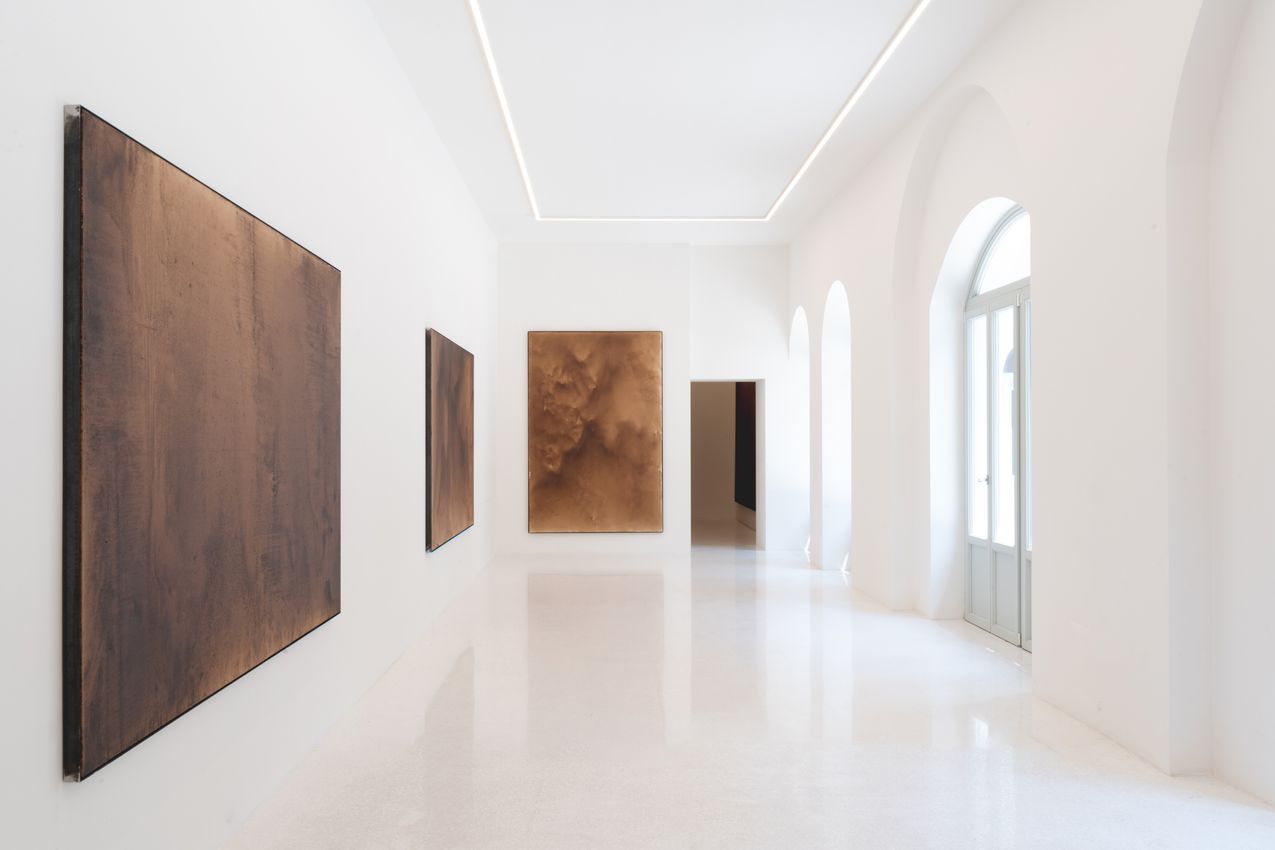
In a Landscape is Leonardo Anker Vandal’s first journey through the land of form. Always an abstract artist, Vandal was inspired by Song dynasty painters of 12th century China, and for the first time, his paintings take shape – or the hint of it, hovering somewhere between abstraction and landscape.
The technique and palette are familiar from the autumn-hued Adagio paintings that have occupied him for the last decade. His familiar influences are all here, hidden under the surface or in a title: the poetry of Keats, the wistful Lieder of his beloved Mahler, the idea of the artist as The Wanderer or traveler – this latter concept shared by the Song painters.
In some only the merest hint of atmosphere appears, like the sun struggling to show itself through clouds. In others, the dark outlines of mountains take shape. Never to be seen is a human form, as is common in Western tradition. Neither Vandal nor the Song artists painted from life – or at least not external life. Both his landscapes and theirs recall an inner wandering.
In The Picture of Dorian Gray, Oscar Wilde warns that an artist should create beautiful things, but should put nothing of his own life into them. Vandal breaks this rule. But then again, so did Wilde, and every artist. Vandal’s story is there, but concealed in the ethereal contours of the canvas. So is his hand: like Helen Frankenthaler, Vandal pours the pigment, but it flows where it will. His action is essential, but once taken, the work takes on a life of its own. When Pygmalion wills his sculpture Galatea to life, she is no longer his alone, but must become her own woman out in the world. Where one viewer sees serenity another may see sturm und drang. As Wilde said, all art is surface and symbol. Those who go below the surface do so at their own peril.
Vandal is a conscientious, multidisciplinary artist. The artist transforms his experiences of personal trauma in his early life into a highly personal and poetic visual language. The process of making art for Vandal is a form of catharsis and the often autumnal colours of his works create a sense of deep and therapeutic serenity. Nostalgia and melancholy permeate the experience of his work, which explores solely the unseen and subconscious. Vandal defines his work as ‘a medley of silence’ and an attempt to bring dreams into a form of reality, creating a direct conversation with what the viewer is experiencing. Vandal’s paintings draw the viewer into an inner world, one begun by the artist but left for the viewer, suspended in a moment in time.


Cadogan is an independent contemporary art gallery with spaces in London, Hampshire and Milan. For over forty years our mission has been to represent, support and curate the work of a diverse roster of emerging and established artists. We care deeply about longevity, developing the careers of our artists and the journey of our collectors.

A respected voice in contemporary art discourse.
Focusing on ambitious storytelling and insightful art-world commentary. Ocula Magazine publishes in-depth interviews, critical essays and timely analysis on the artists, exhibitions and ideas driving the global art world.
Learn more about Ocula Magazine
Showcasing the best of the art world.
Ocula partners with galleries from around the world to highlight their artists, artworks and exhibitions. Gallery membership is by application and invitation, with each member vetted by an independent panel.
Learn more about Ocula Membership

Specialises in the sale of major artworks.
Led by a team with deep ties to the world’s leading auction houses, galleries and collectors. Ocula’s advisory team offers bespoke services to high-net-worth clients from around the world who are looking to acquire the best of contemporary and modern art.
Learn more about our team and services