Press Release

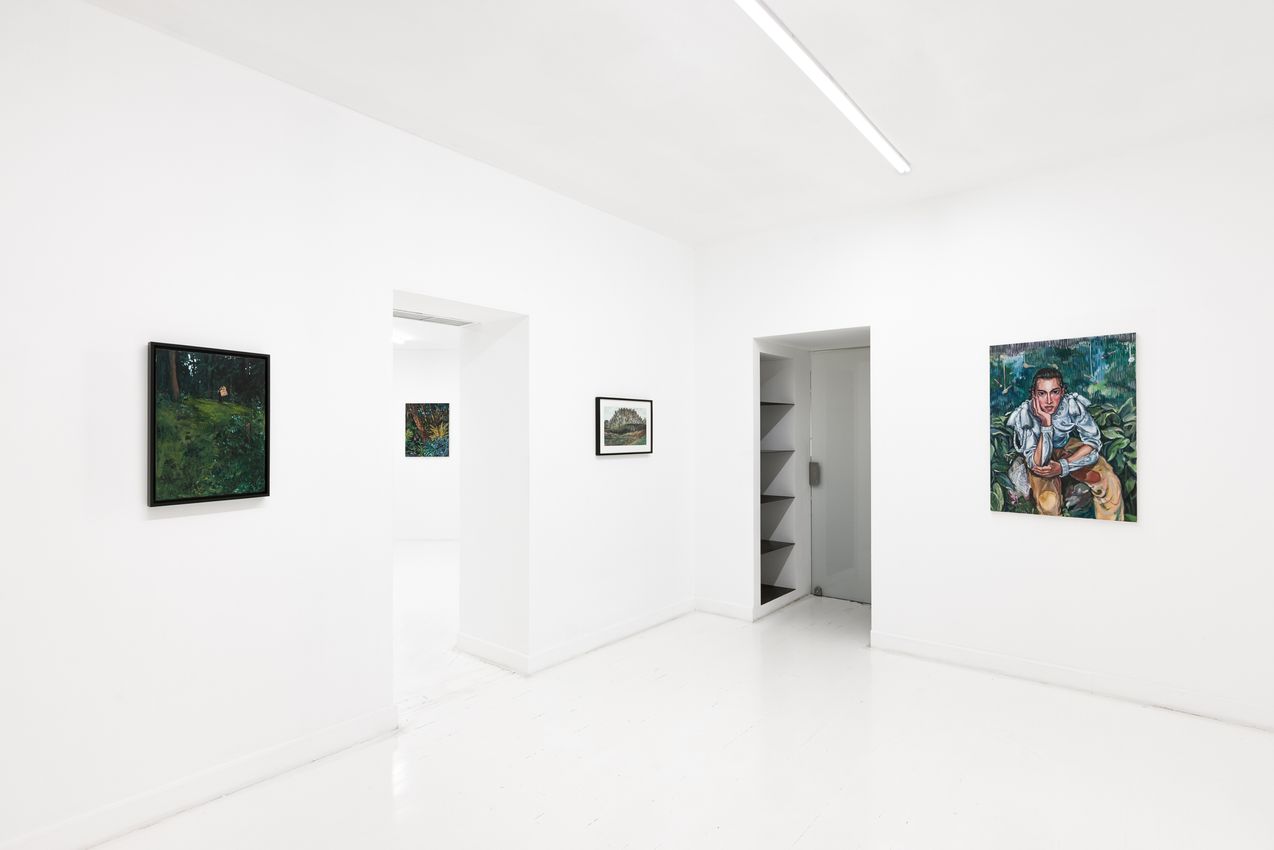
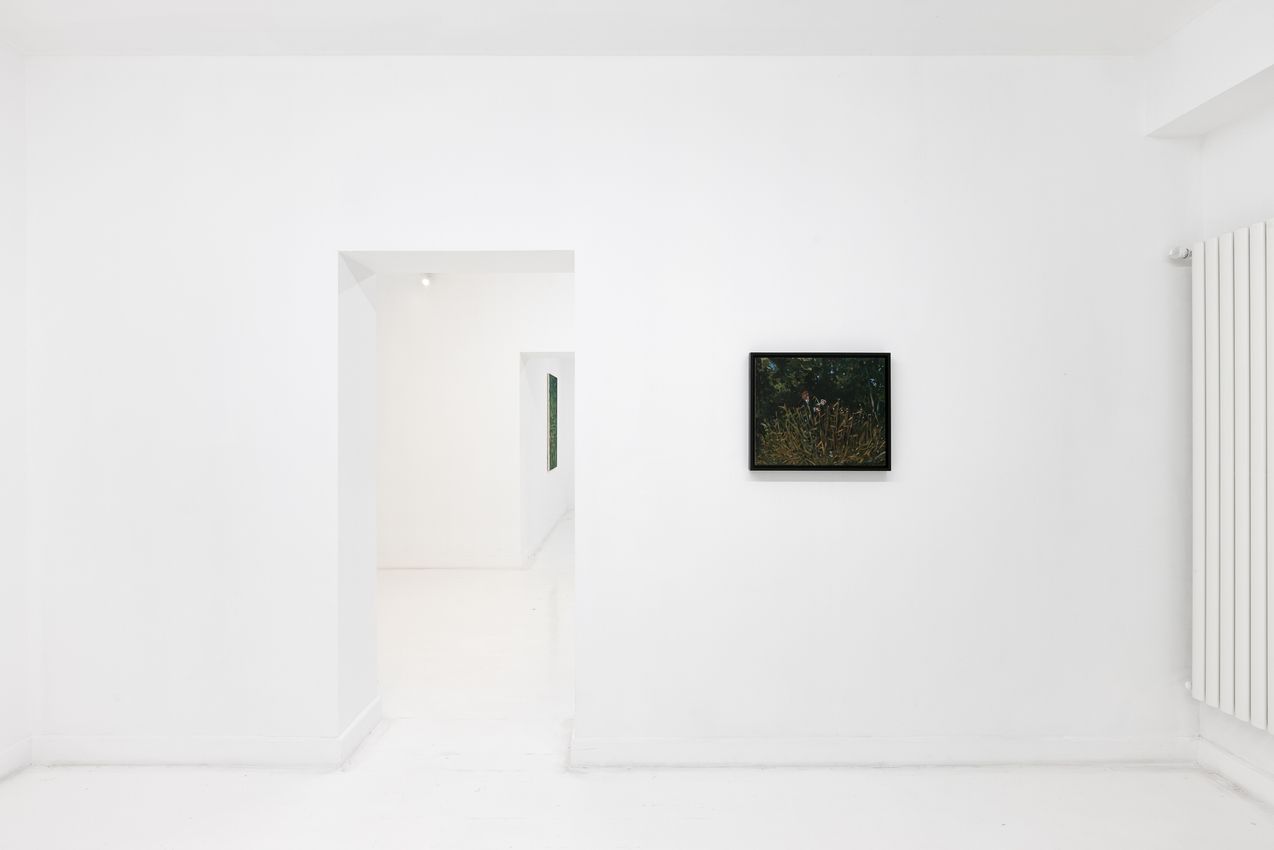
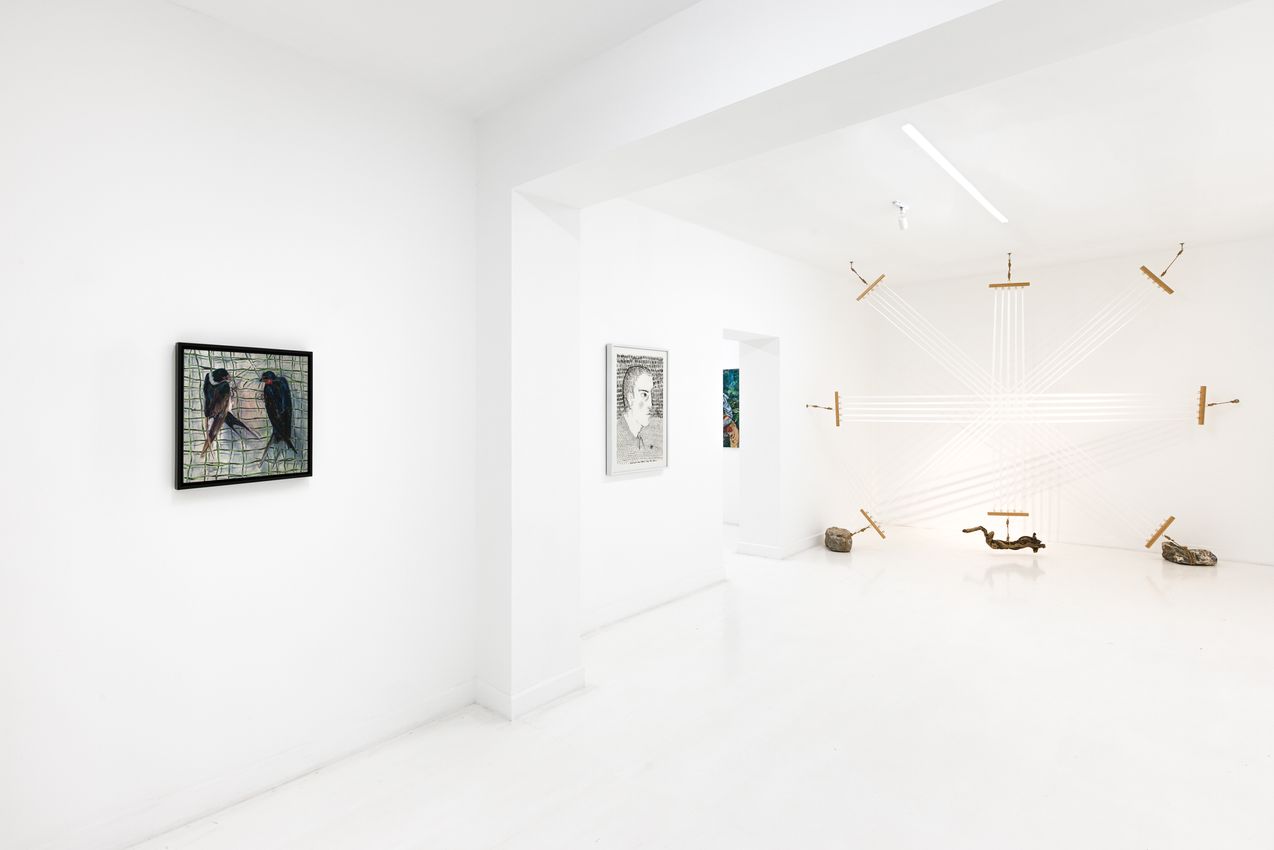
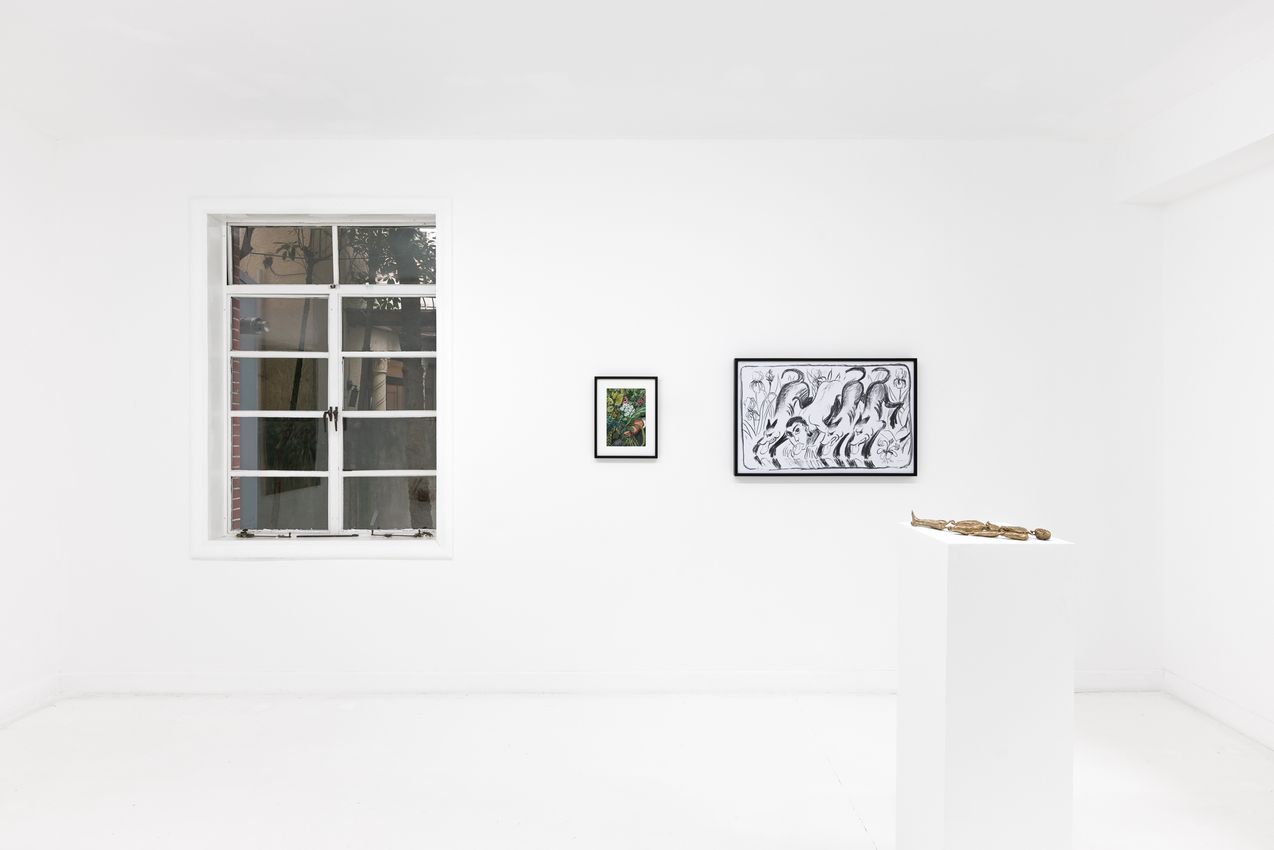
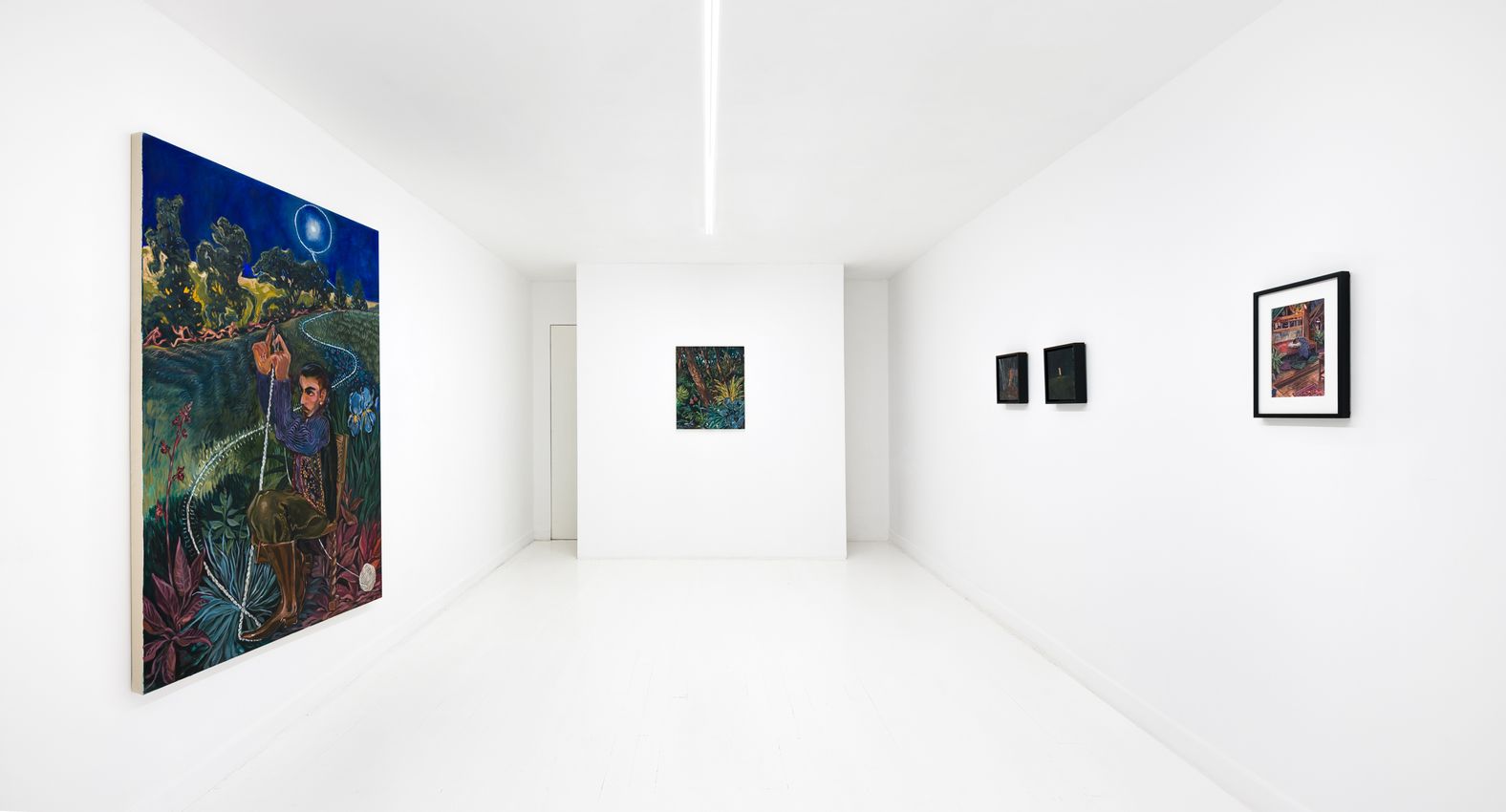
Capsule Shanghai is pleased to present Warping Lines, the first solo exhibition of artist Adrian Geller‘s (b. 1997, Basel; lives and works in Paris) in China, on view from 13 September until 29 October 2022. Showcasing over 20 recent drawings, watercolours and paintings along with a large-scale installation, the exhibition offers a glimpse of Geller’s vibrant and mystic works.

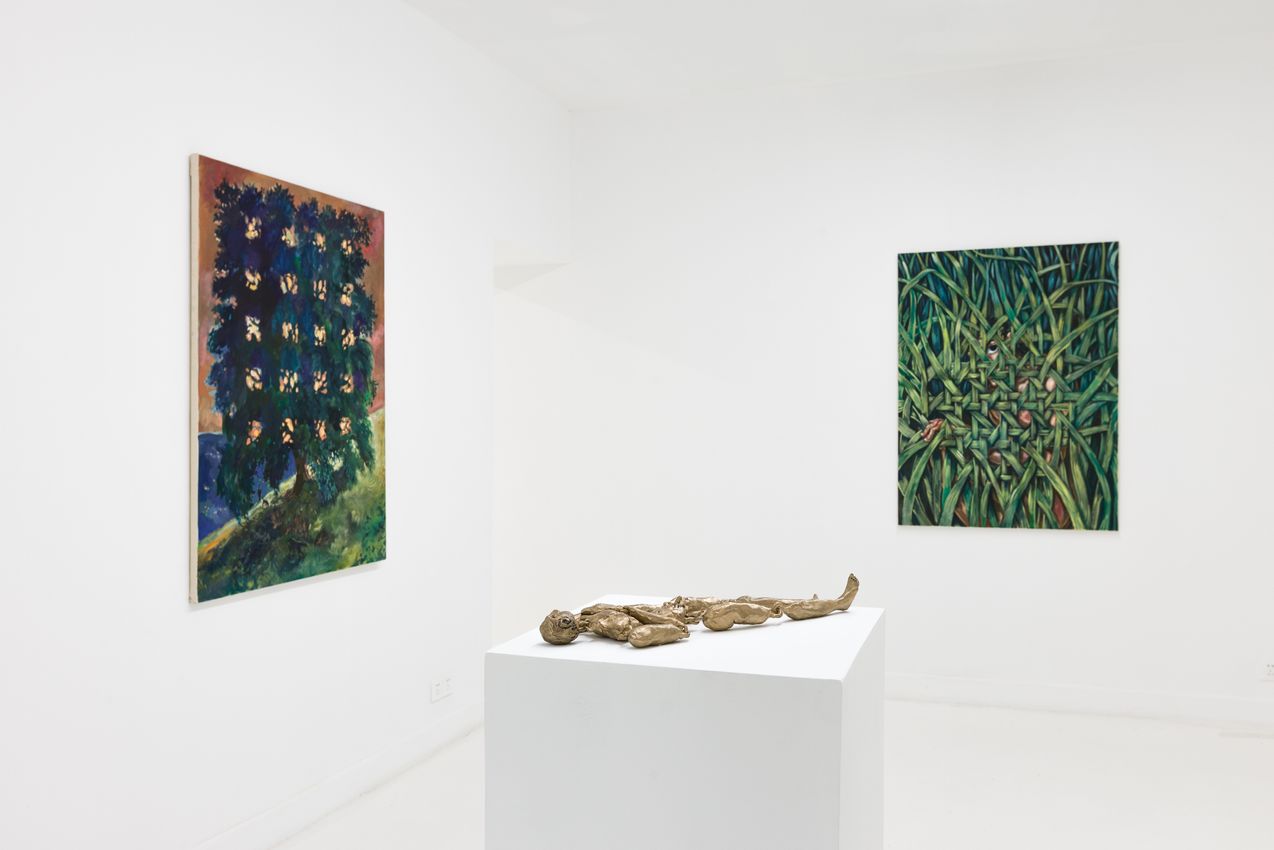
The title Warping Lines not only reflects Geller’s sinuous brushstrokes and his interest in the concept of weaving; it also refers to a key step in producing fabrics—a process of weaving yarns from different cones to form a sheet. Ribbon weaving was once a blooming industry in Geller’s hometown, Basel, mirroring a similar heritage in Shanghai that dates back to the Song and Yuan dynasties (906–1368 C.E.), which was once the center of cotton and silk textile industry in China. Paying tribute to this transregional tie, the artist reinterprets the traditional craft through those ingeniously woven plants, exemplified in Tissage (2022), Cannage (2021) and the installation Ribbon Plane (2022). Spindles, weeds, cotton threads, twigs, and fingers intertwine through the colors of the minerals, the fur of the beasts, and the fingers of the artist. As the very essence of weaving lies in connection, the artist is fascinated with the unveiling of the ties that connect everything in the world, crystalising such connection by weaving a most intimate yet grand allegory about Nature and her contemporary habitants.

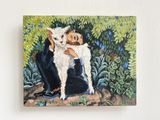
The entanglement of Nature and human is an important thread in Geller’s oeuvre. In his work, Nature is sublime and universal, but also riddled with lurking dangers. Looms, plants, ferocious wolf-dogs, and the somber male character constitute an intriguing scene of Eden. The ubiquitous juxtaposition of natural and man-made objects is by no means an advocation of some Naturalist opposition to urban development and human invention, nor does the artist intend to take the anthropocentric perspective and agitate for human intrusion and intervention. On the contrary, Geller conveys an equivalence between Nature and culture through the juxtaposition, transfer and displacement of objects that cross pre-existing boundaries. Similarly, the interdisciplinary notion of ‘natureculture’ inspires us to question the nature-culture dichotomy that is mainstream in traditional science and modern society, and to realize through personal experience that human and Nature, in our long-standing history of coexistence, constantly shape one another through ancient practices, objective documentations, semiotic expressions and other forms of internal exchange. As a result, human’s understanding of the world is rooted in our interaction with Nature. In the drawing 3 dogs, 1 man, drinking, the male figure is given the same rendering as the animals. The painting I Wish I Was a Tree (2022) seemingly portrays a scene from a fable of interspecies entanglement where a human face emerges from the bark. The recurring character in Geller’s work moves through the landscape, either wearing his exquisite suit like an animal wearing its fur, or while concealing his naked body in a state of insecurity. The hound shifts back and forth between simultaneously being a trustworthy companion and a savage beast. Geller’s juxtaposition of symbols and displacement of environments create a path deep into the dark forest found in ancient myths, in which the viewer is mesmerized and freed of preconceived boundaries between nature and culture. This mythical land mirrors a highly complex and chaotic reality. Like the man in House II (2022), we carry our shimmering house on our back, wandering aimlessly in the woods.

For after all what is man in nature? A nothing in regard to the infinite, a whole in regard to nothing, a mean between nothing and the whole; infinitely removed from understanding either extreme. The end of things and their beginnings are invincibly hidden from him in impenetrable secrecy, he is equally incapable of seeing the nothing whence he was taken, and the infinite in which he is engulfed.1

Text by Neil Zhang.

About Neil Zhang

Neil Zhang joined Ullens Center for Contemporary Art as curator in 2020. He studied at Rhode Island School of Design, Brown University, and Columbia University. His research interests include the analysis of Buddhism and related religions under a postmodern framework, visual culture in pre-modern East Asia, and contemporary art. Zhang recently co-curated the inaugural Diriyah Biennale (2021) in Saudi Arabia.

1 The Thoughts of Blaise Pascal, translated from the text of M. Auguste Molinier by C. Kegan Paul (London: George Bell and Sons, 1901).
Read More

Installation Views

Also Exhibiting at Capsule

About the Gallery

Established in late 2016 by Italian gallerist and long-time influential figure of the Shanghai art scene Enrico Polato, Capsule Shanghai is a self-described ‘gallery and art laboratory’ based in Shanghai’s central Xuhui District. Situated on the first floor of a picturesque 1930s garden house in the idyllic greenery of the former French Concession, the gallery works primarily with emerging Chinese and international artists who push the boundaries of contemporary art. Its special focus has been on artists who have personally and professionally migrated between regions, creating unique trans-national and trans-regional links.

View Gallery Profile
Address
1st Floor, Building 16
Anfu Lu 275 Nong
Xuhui District
Shanghai
China
Opening Hours
You can book via our Wechat Mini-program or by sending a mail to info@capsuleshanghai.com

Tuesday – Saturday
11am – 6pm

Closed Sunday, Monday and national holidays
(1)
Shanghai 1st Floor, Building 16, Anfu Lu 275 Nong
Capsule
1st Floor, Building 16, Anfu Lu 275 Nong, Xuhui District, Shanghai, China

Opening hours
You can book via our Wechat Mini-program or by sending a mail to info@capsuleshanghai.com

Tuesday – Saturday
11am – 6pm

Closed Sunday, Monday and national holidays
The art world in focus