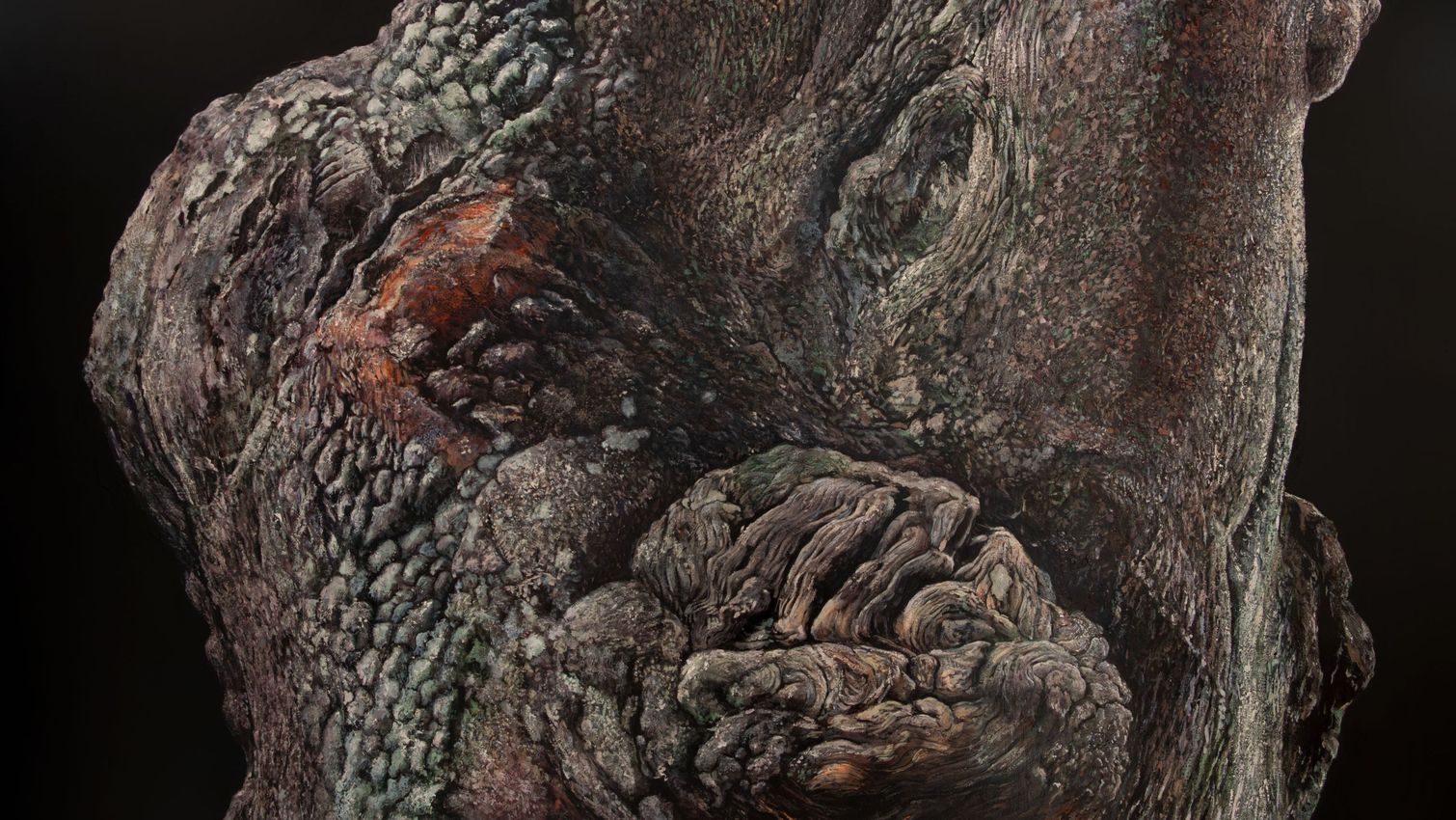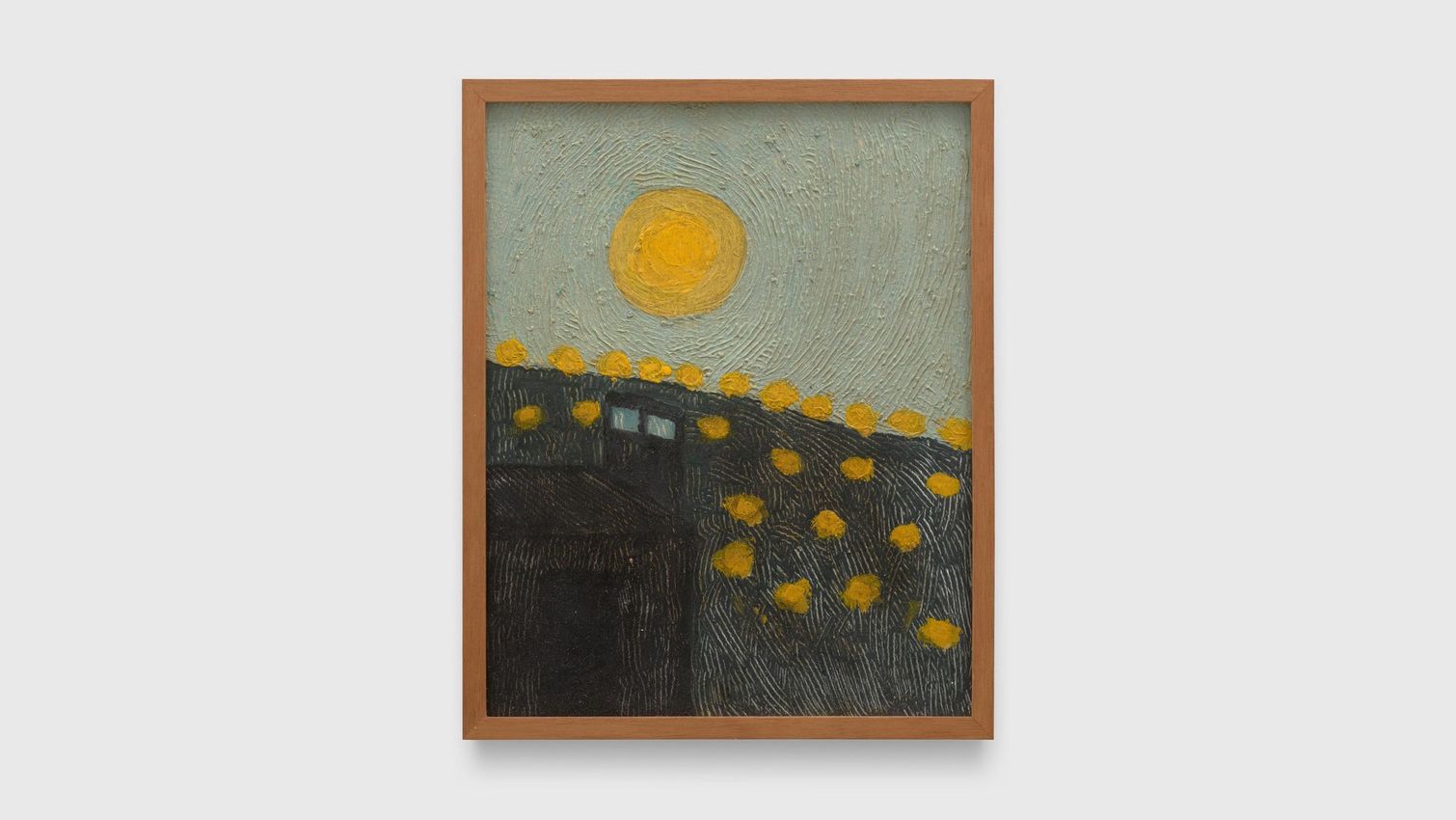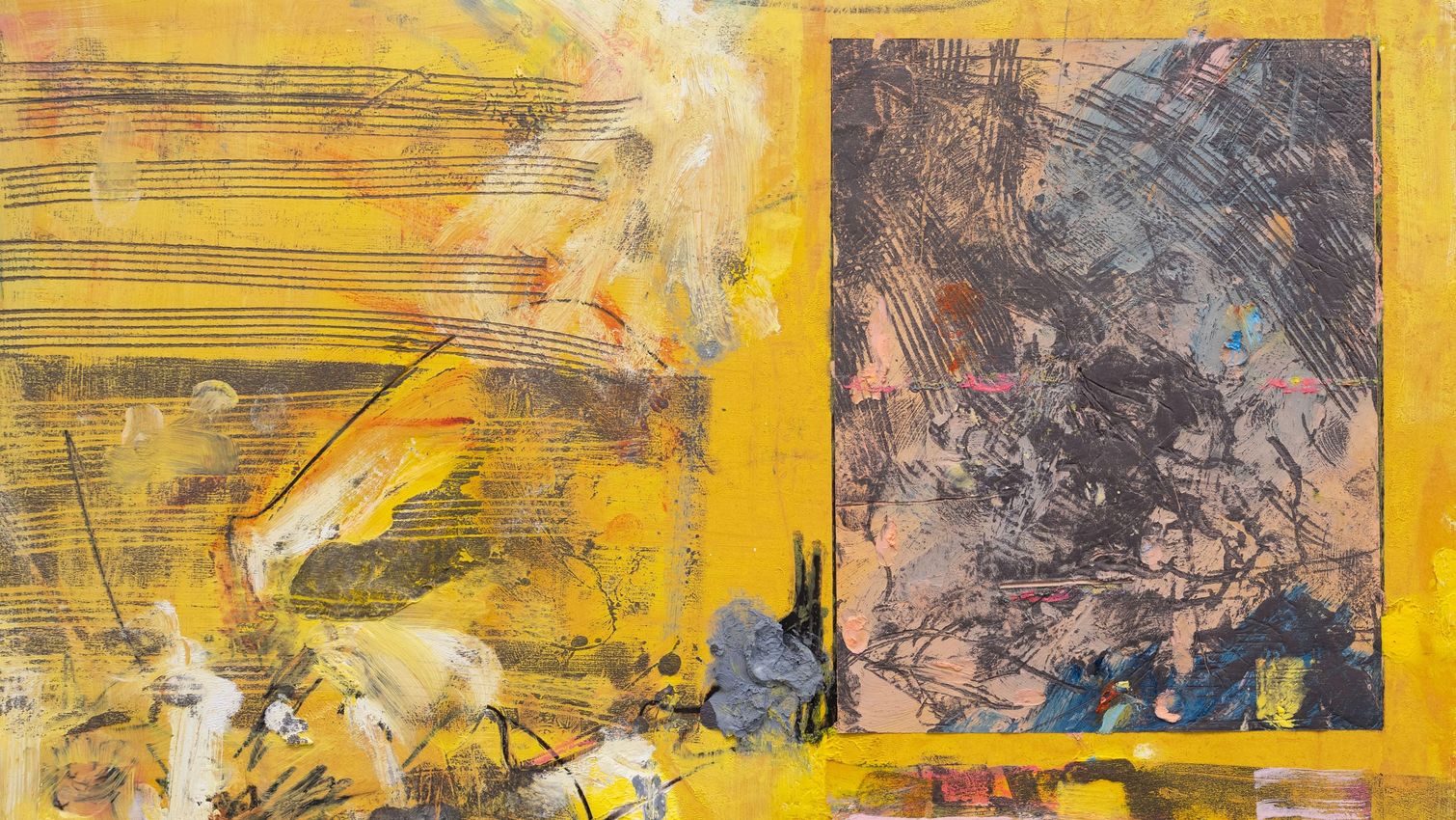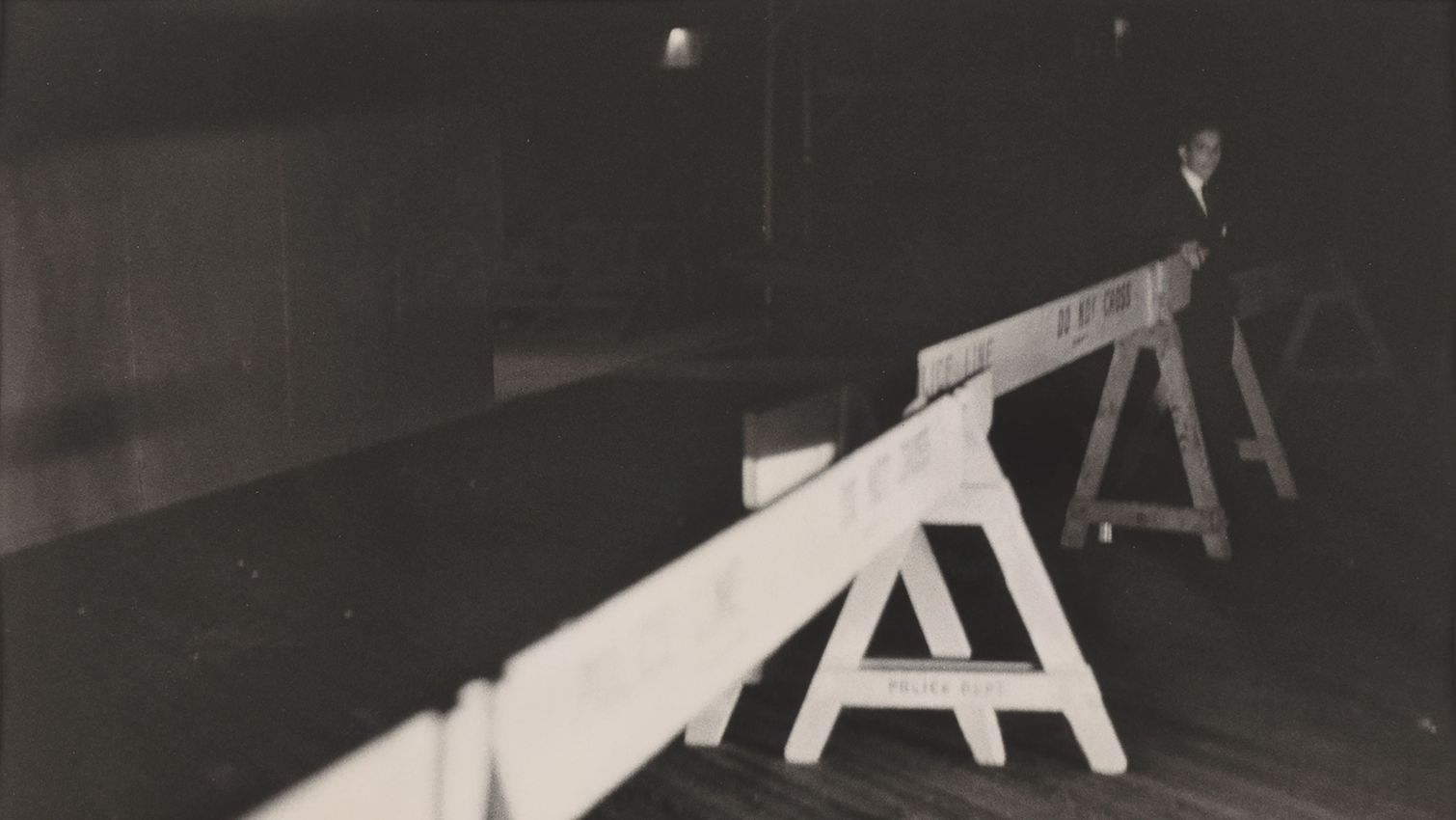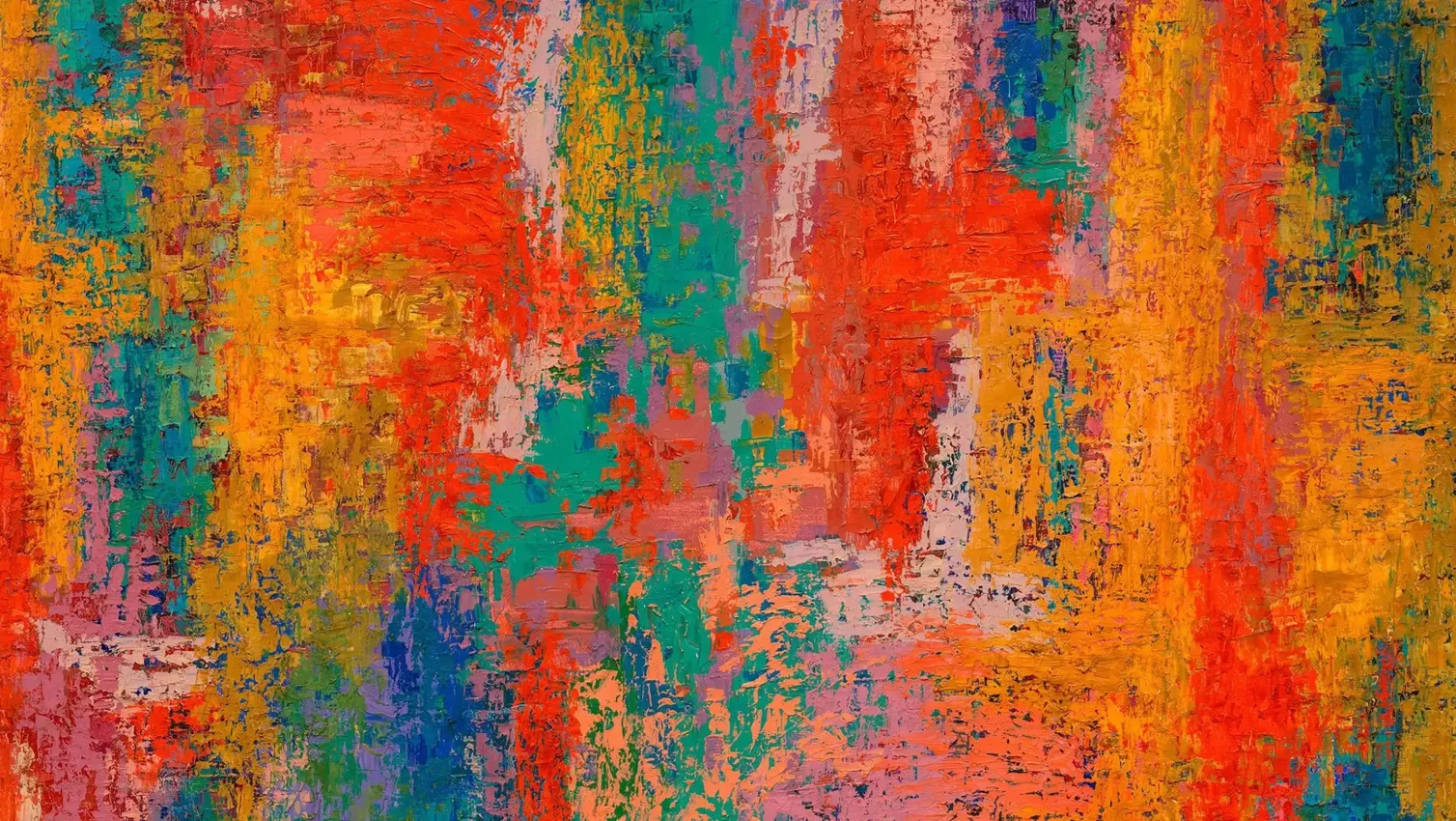
David Zwirner is pleased to announce an exhibition of paintings and works on paper by George Morrison (Grand Portage Band of Chippewa, 1919–2000), on view at the gallery’s 606 N Western Avenue location in Los Angeles. Organized in collaboration with the George Morrison Estate and Bockley Gallery, Minneapolis, this marks the first solo presentation of the artist’s work in Los Angeles.
Morrison is celebrated for compositions that convey both a phenomenology inspired by his birthplace and the fervent creativity of the early period of abstract expressionism. Upon moving to New York in 1943 to begin his studies at the Art Students League, Morrison promptly entered the fold of the dynamic downtown art scene, forging close friendships with artists such as Franz Kline, Louise Nevelson, and Herman Cherry, and becoming acquainted with contemporaries including Willem de Kooning and Jackson Pollock. The artist’s participation in this nascent, influential milieu is evident in his works from this early period, which demonstrate a nuanced integration of his myriad influences with the gestural expressionism of mid-twentieth-century abstraction. Incorporating aspects of cubism and surrealism, Morrison’s decidedly abstract expressionist style invokes an intuitive subtlety with colors and textures while demonstrating a deep understanding of the interconnected effects of light and form.
The works on view in the exhibition date mostly to the 1950s—a significant, generative, and itinerant period in Morrison’s early career, when the artist lived and worked primarily in New York and elsewhere on the East Coast, with sporadic visits to the Midwest. He had spent a formative year in France on a Fulbright Scholarship from September 1952 until the fall of 1953, where he studied in Paris, Aix-en-Provence, and Antibes. He worked frequently on paper, using wash, ink, gouache, tempera, and occasionally oil. This period in particular shows Morrison beginning to privilege the support’s intimacy and material possibilities—a choice that was both artistic and practical, as smaller-format paper was easier to transport during this very active and mobile decade. He considered these small works as important as his larger-scale paintings on paper and canvas, with each practice informing the other throughout his career.
Exhibited works such as Summer Spectrum II (1958) are dominated by warm hues of goldenrod, bright vermillion, and vibrant orange, their gestural marks complemented by swaths of cool lavender or deep indigo. In paintings on paper defined by achromatic or muted palettes, energetic combinations of geometric and organic abstract forms suggest urban space and movement. Other, more colorful compositions anticipate and complement Morrison’s experimentation with abstractions that evoke a defined horizon line. Mostly associated with the artist’s later career, this recurring motif derived from his lifelong relation to coastal horizons—from his childhood and later, his studio, in Grand Portage, Minnesota, on the north shore of Lake Superior, to the Atlantic coastline when living in New York and Rhode Island, to the serene Mediterranean he experienced in the south of France.
For Morrison, landscape was inclusive of natural, built, and imagined realms. While the genre constitutes a long-standing facet of the artist’s oeuvre, this exhibition highlights an important and migratory period during which his focus was abstraction, his aesthetic emphatically nonrepresentational. As Morrison stated: ‘My own sensibilities, the influences, and the attitudes that shaped my art were broad in scope.... I have never tried to prove that I was Indian thru [sic] my art; yet, there may remain deeply hidden some remote suggestion of the rock whence I was hewn, the preoccupation of the textual surface, the mystery of the structural and organic element, the enigma of the horizon, or the colour of the wind.’
Together, the works in this presentation exemplify the significant early career of a modernist whose diverse and ever-evolving oeuvre is increasingly relevant to an expanding art-historical canon.


A respected voice in contemporary art discourse.
Focusing on ambitious storytelling and insightful art-world commentary. Ocula Magazine publishes in-depth interviews, critical essays and timely analysis on the artists, exhibitions and ideas driving the global art world.
Learn more about Ocula Magazine
Showcasing the best of the art world.
Ocula partners with galleries from around the world to highlight their artists, artworks and exhibitions. Gallery membership is by application and invitation, with each member vetted by an independent panel.
Learn more about Ocula Membership

Specialises in the sale of major artworks.
Led by a team with deep ties to the world’s leading auction houses, galleries and collectors. Ocula’s advisory team offers bespoke services to high-net-worth clients from around the world who are looking to acquire the best of contemporary and modern art.
Learn more about our team and services