Press Release

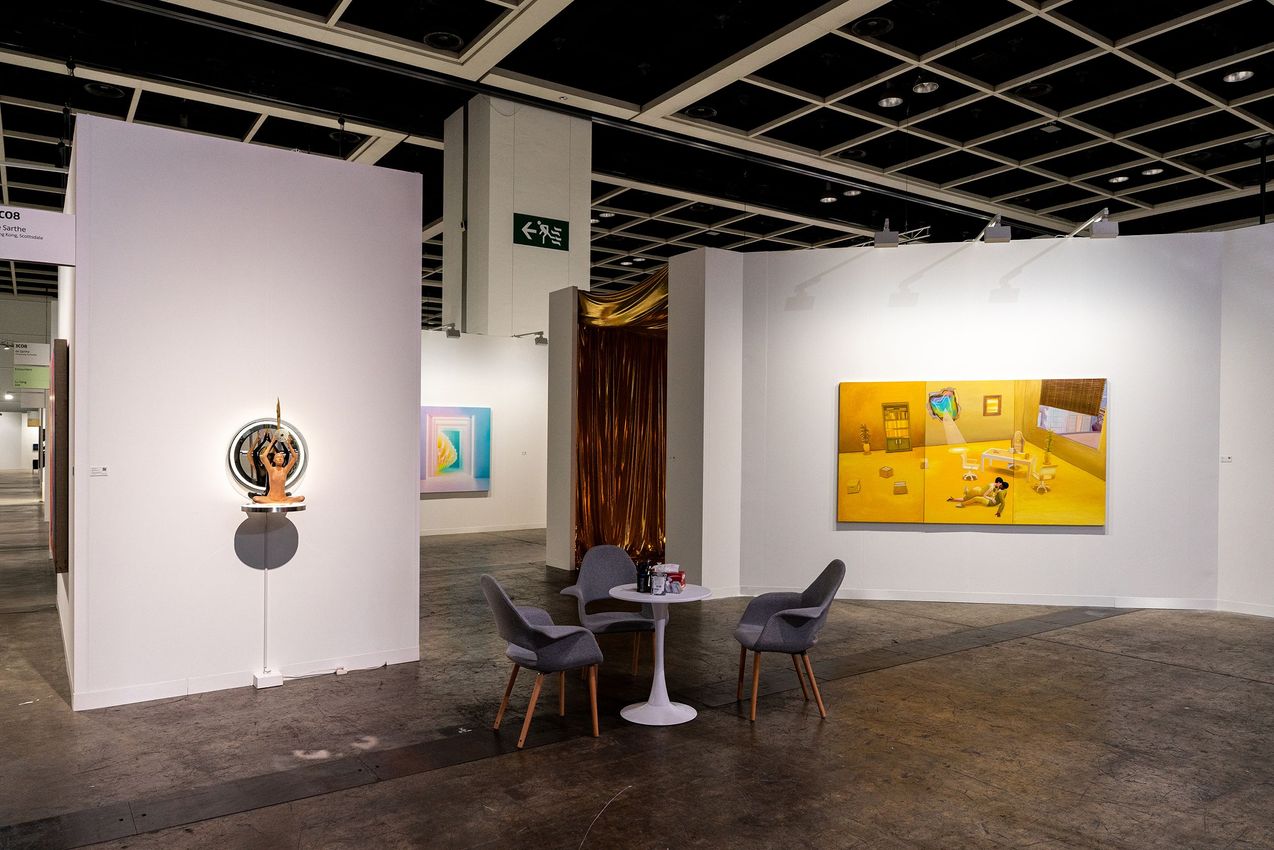
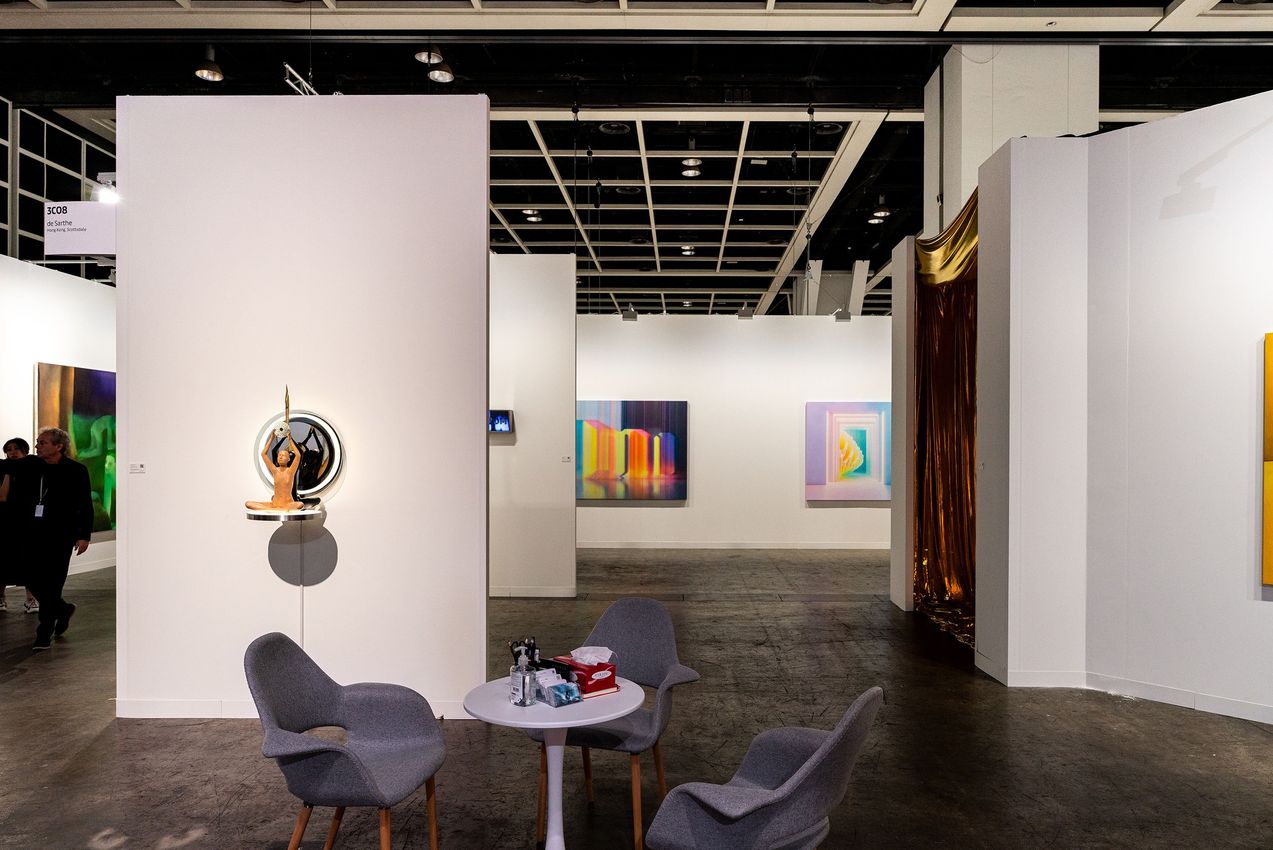
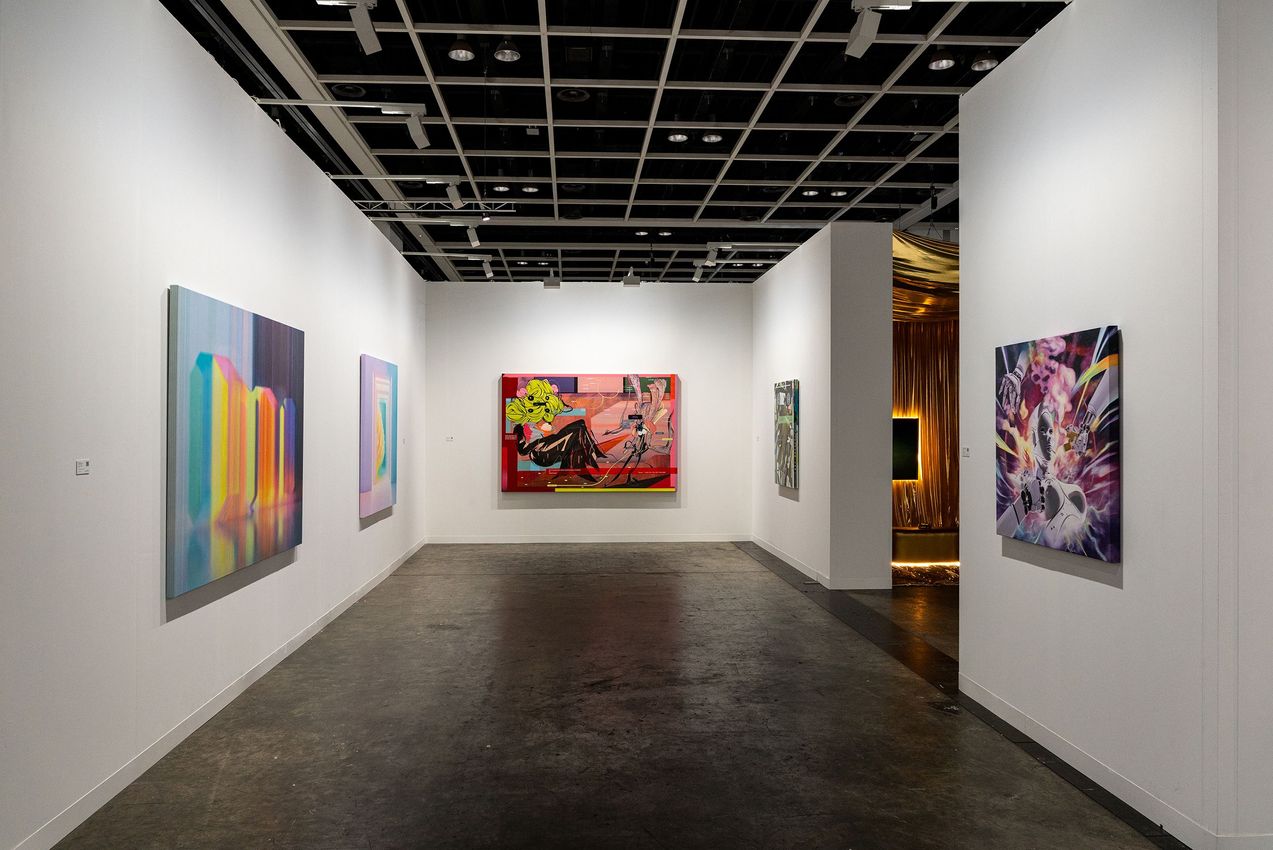
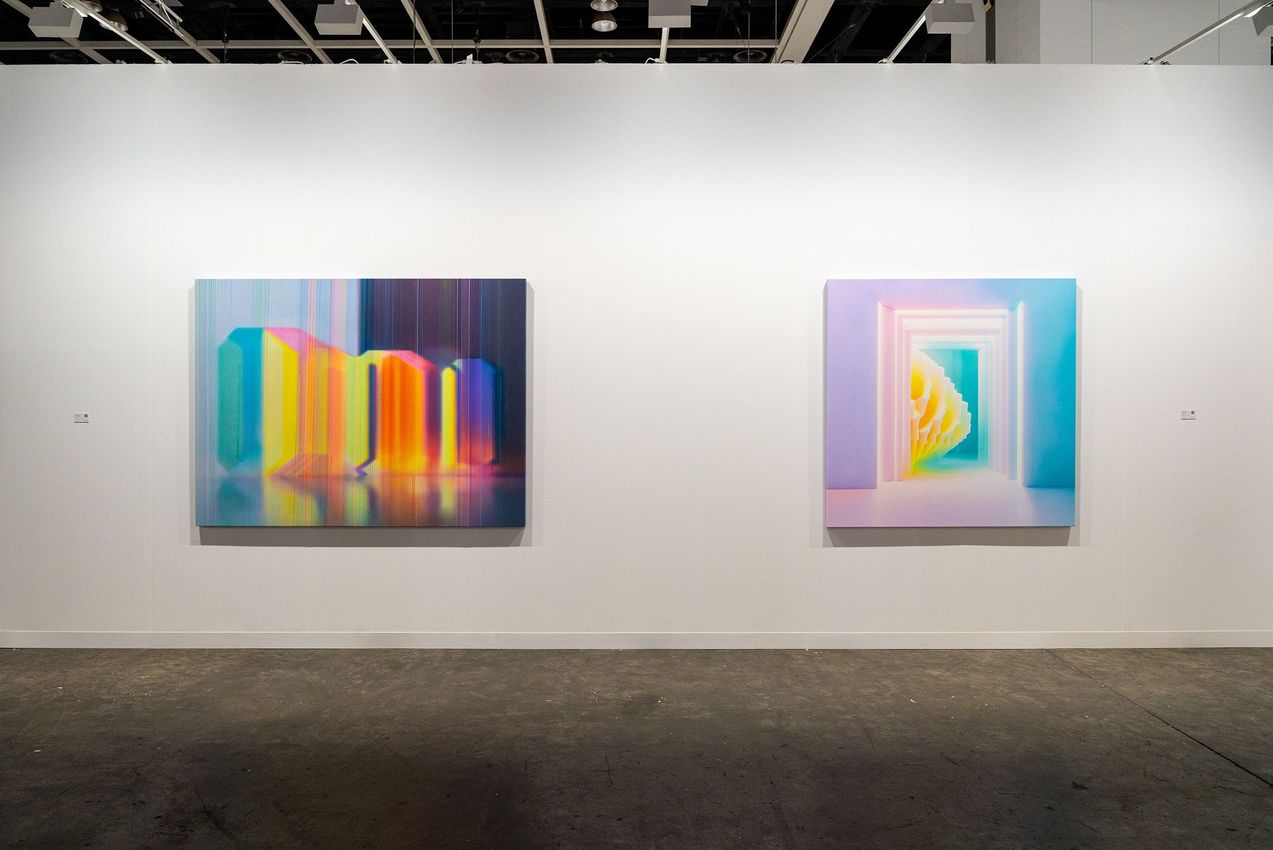
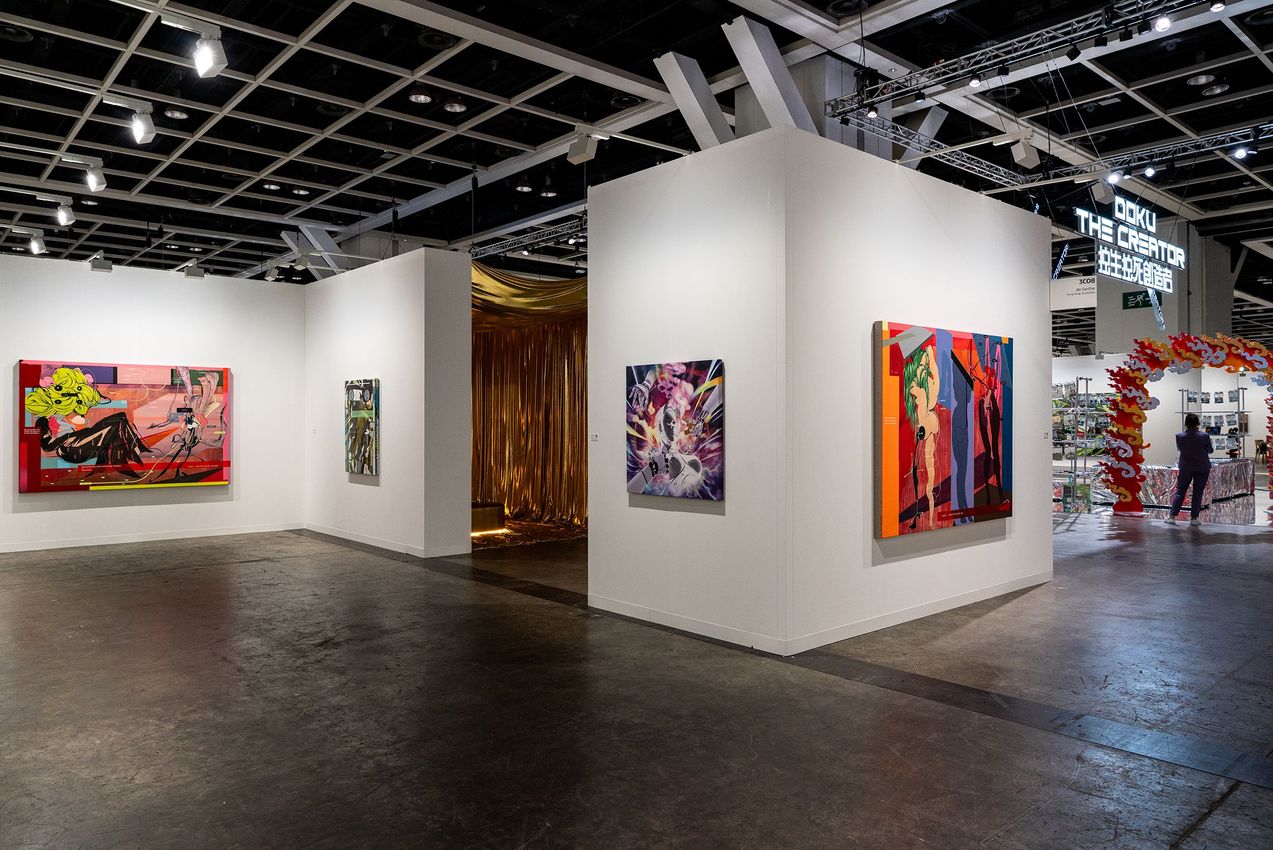
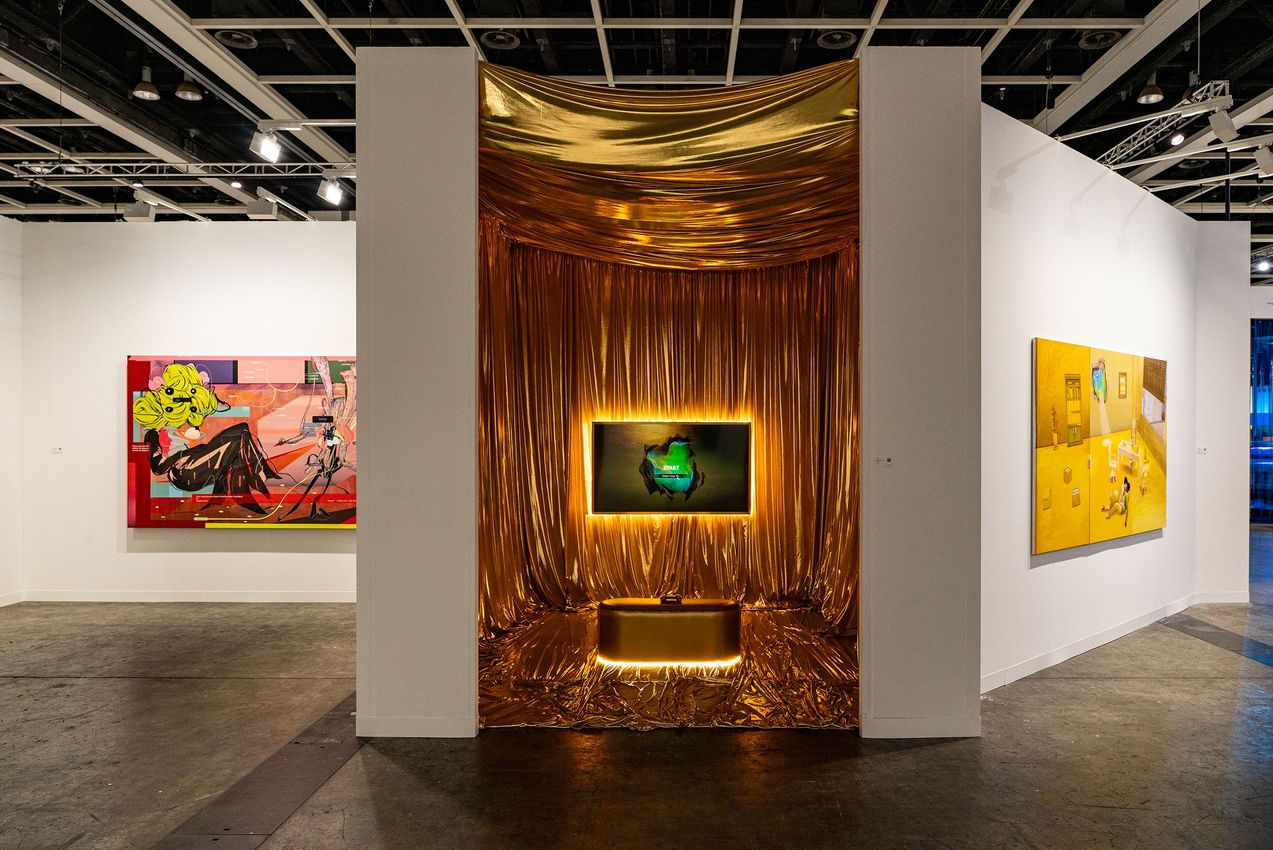
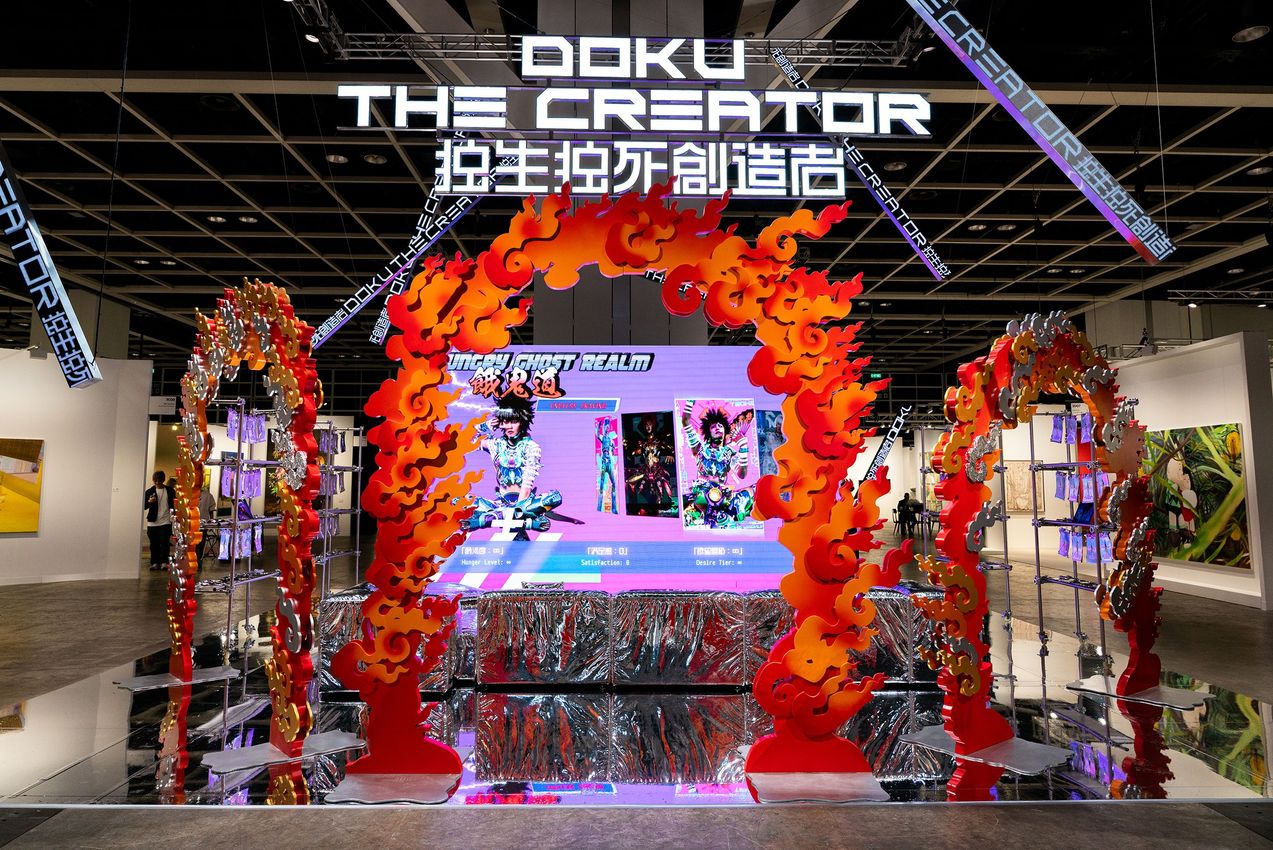
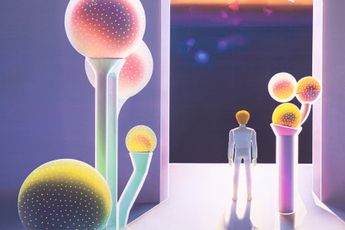
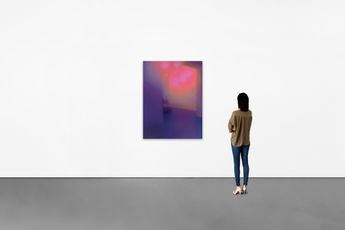
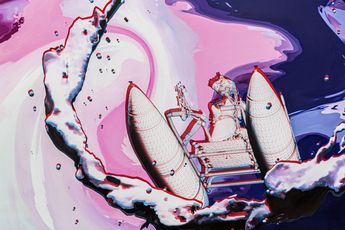
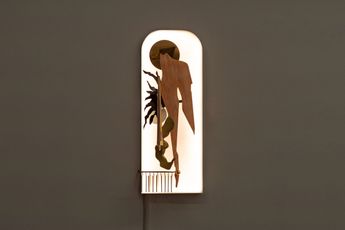
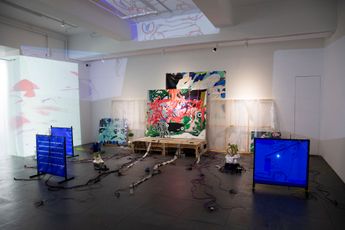
DE SARTHE is pleased to announce its return to Art Basel Hong Kong 2025, with boundary-pushing presentations in the fair’s Galleries as well as Encounters sector. In Galleries, DE SARTHE will be showing a selection of multimedia, interactive, as well as canvas works by its represented and collaborating artists, including artists Chan Ka Kiu, Hou Jianan, Lov-Lov, Ma Sibo, Mak2, Caison Wang, Wang Jiajia, Wang Xin, and Zhong Wei, in an exhibition reflective of the gallery’s evolving contemporary program. In Encounters, DE SARTHE will unveil an immersive installation by Tokyo-based artist Lu Yang, presented in collaboration with COMA in Sydney.

There is a new cultural narrative forming amongst contemporary artists from Asia, cultivated by an emerging phenomenon known as digital diaspora. In the Galleries sector of Art Basel Hong Kong, DE SARTHE will present a curated group presentation, featuring artists Chan Ka Kiu, Hou Jianan, Lov-Lov, Ma Sibo, Mak2, Caison Wang, Wang Jiajia, Wang Xin, and Zhong Wei, that investigates the agents of identity in the post-technological era.

In the age of mobile consciousness, artists are reconfiguring their practices in order to articulate current events. As virtual migration gains prevalence, artists must also position themselves within the increasingly complex relationship between innovation and automation. Under the rapid expansion of digital colonialism, relevance is a moving target that poses a challenge to the grand evolution of art.

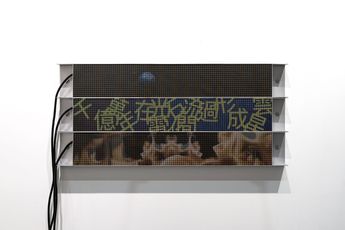
Hong Kong-based artist Chan Ka Kiu (b.1995) works across video, installation, and mixed media. Her visual language not only converses with the audience via vernacular imagery but also exemplifies a generational identity built largely upon the fragmented delivery of contemporary information.__In her video artwork Nightmare (2024), Chan reflects upon the role of trivial but universal experiences in the shaping of digital sociolinguistics. The works also contemplate the notion of shared consciousness, comparing the human cognitive subconscious with machine-learning of artificial intelligence.

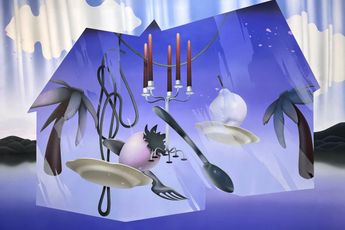
Chongqing-based artist Hou Jianan (b. 1992) treats paintings as a tool rather than an end. His practice mediates between contemporary society’s desire for speed, consumption, and entertainment and the virtual feast of the Internet. His works on canvas often feature artificial landscapes, objects, and still lifes. His visual language combines digitally saturated imagery with the dimensionality of layered acrylics, evoking visual experiences of expansion and desire and alluding to the often hedonistic but ephemeral nature of technology.

Lov-Lov is an AI-like artist identity developed by New York-based artist Lin Jingjing (b.1970). Lin’s practice explores the depths of social and personal identity under the context of contemporary cultural evolutions, her project ‘Lov-Lov’ was developed in response to the growing applications of artificial intelligence. Lov-Lov’s artworks approach often dystopic subjects through lens of poeticism and romance. Her works on canvas comprise of AI-generated images that the artist then meticulously recreates via paint and airbrush. The process of realizing digital imagery via physical labor not only alludes to the growingly complex relationship between art and technology, but comments on the increasingly blurry boundary between the real and unreal.

Beijing-based artist Ma Sibo’s (b. 1979) artworks depict the silhouettes of solitary figures, either sitting or standing amidst displaced objects and structures, set within a misty and ambiguous time-space. Ma reflects upon the experience of time under modern context, wherein occurrences are no longer defined by physical linearity but can happen concurrently and all the time within virtual spaces. His interpretation of the contemporary human experience not only hints at the restructured perception of time but is evocative of the disorientation caused by simultaneous multiplicity.

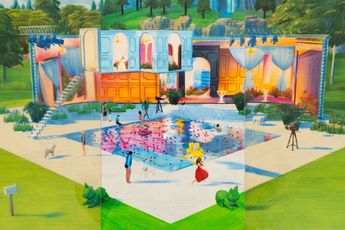
Most recently known for her 7.5-meter-tall installation Copy of Copy of Copy of Copy, presented at Art Basel’s Encounters 2024, Hong Kong-based artist Mak2 (b. 1989) constructs creative examinations of the art world, the art-making process, as well as her own identity as an artist. This year, she will be exhibiting a new series of triptychs on canvas, evolved from her iconic Home Sweet Home series, titled Home Sweet Home Backyard, as well as an accompanying video game about value, mass validation, and market hierarchy that posits itself as the backstage behind her paintings.

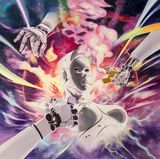
Shanghai-based artist Caison Wang (b. 1991) utilizes 3D modeling software to compose fictional worlds, posing as a God-like figure to the characters she creates. Her newest work on canvas, titled Burning, references an iconic scene from the erotic drama film Malèna (2000), in which the protagonist, a beautiful woman named Malèna is surrounded by a group of men eager to light her cigarette. Wang recreates this cinematic frame using imagery of a female-shaped robot and bodiless robot arms. Manipulating the classic scene with both elements of artificiality and new age spirituality, the resultant artwork alludes to the temptations of technology, and its cultivation of desire, infatuation, and blindness by greed.

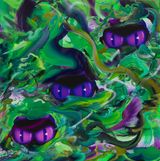
The visual language of Beijing-based artist Wang Jiajia (b. 1985) combines Internet culture and retro video games with reinterpreted techniques of Chinese painting. His mixed media paintings are characterized by large, eloquent eyes with vertically slit pupils that peer through thickets of paint. Referencing a classic interaction common across different video games, the eyes, illuminated and menacing, recall the player confrontation of an end-level boss, the appearance of whom usually signifies the initiation of a one-on-one battle. Wang likens this isolated interaction with contemporary means of distant end-to-end communication, as well as the relationship between the viewer and his artwork.

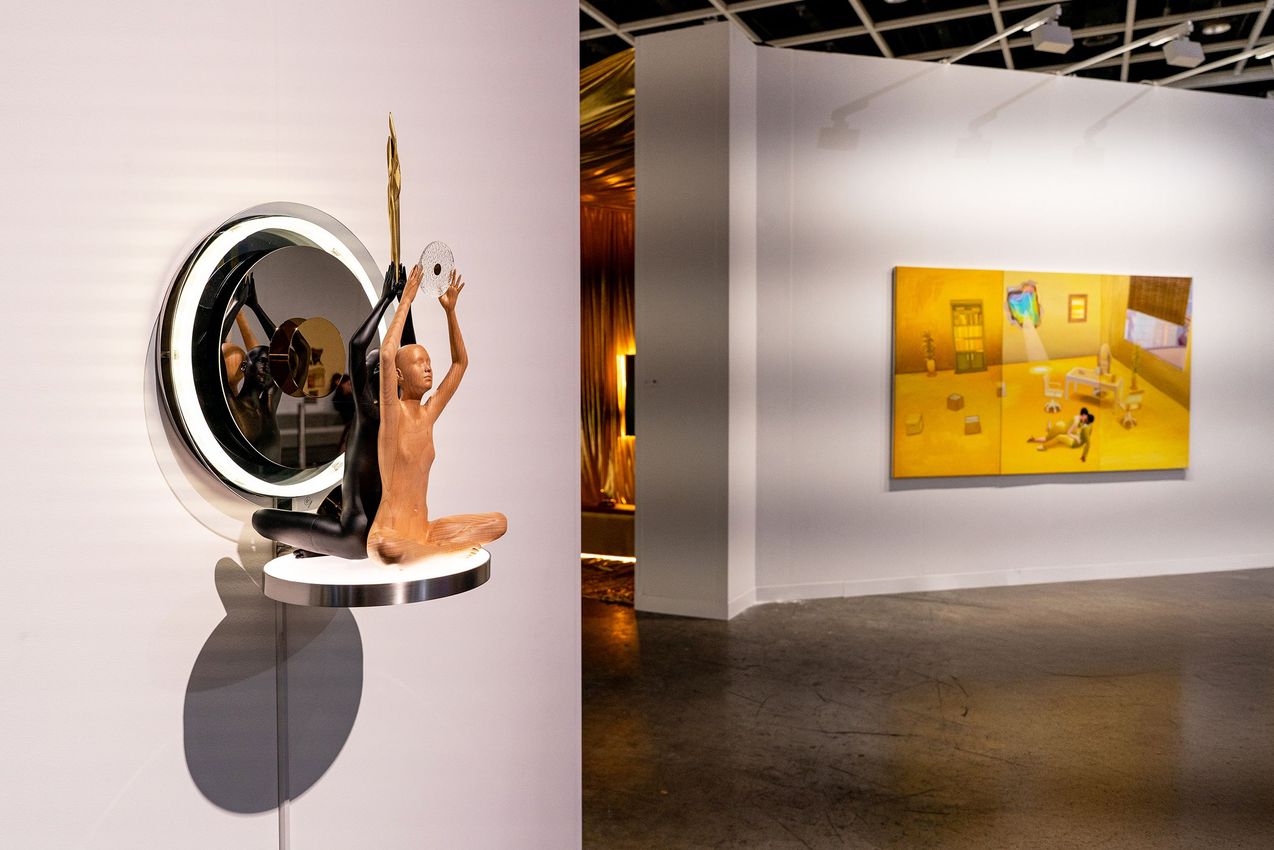
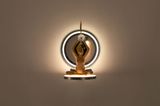
Shanghai-based artist Wang Xin (b. 1983) combines the practice of art, technology, and spirituality under the context of posthumanism. Her artworks meditate the oscillating tension between humans and artificial intelligence, cultivating interactions between the audience, technology, and the human consciousness. Her newest artwork, in relation to her solo exhibition Soul Light Legacy Plan on view at the gallery, explores ideas of spiritual immortality and legacy via preservation via digitization. Integrating the appearance of New Age spirituality with that of Silicon Valley tech, Wang’s most recent body of artworks allude to a certain fragility that underlie the promises of technology.

Beijing-based artist Zhong Wei (b. 1987) attempts to capture the complex narratives of advancing technology from the view of a user. His visceral visual language mimics the rampantly chaotic landscape of the Internet, and his brightly saturated palette recall the experience of a digital screen. Within his artworks, he composes organic and sentient entities using a combination of codes, digital imagery, and man-made markings. His ongoing series of works on canvas dissects and reconstructs the various interactions between humans and AI as well as humans with one another, reflecting upon the fragmentation of information and communication in the digital era.

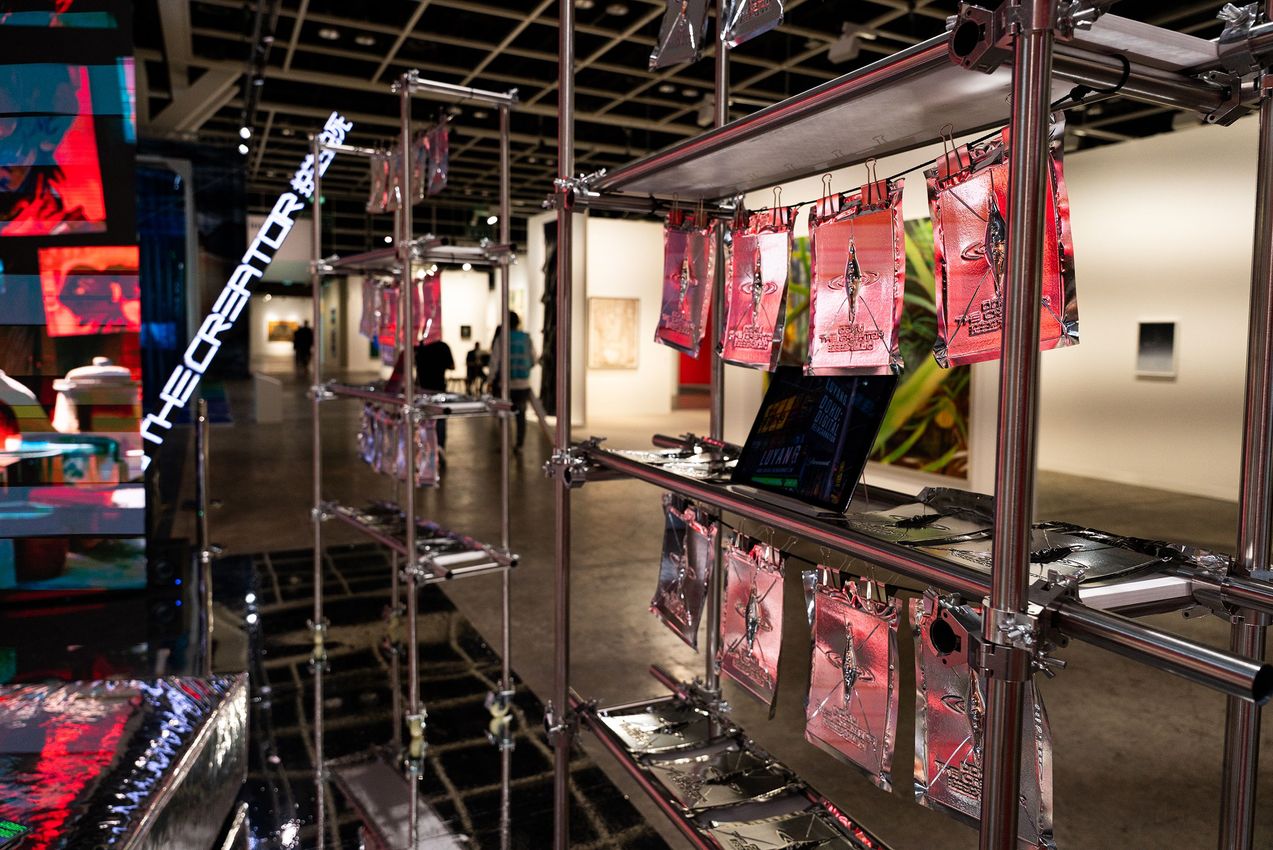
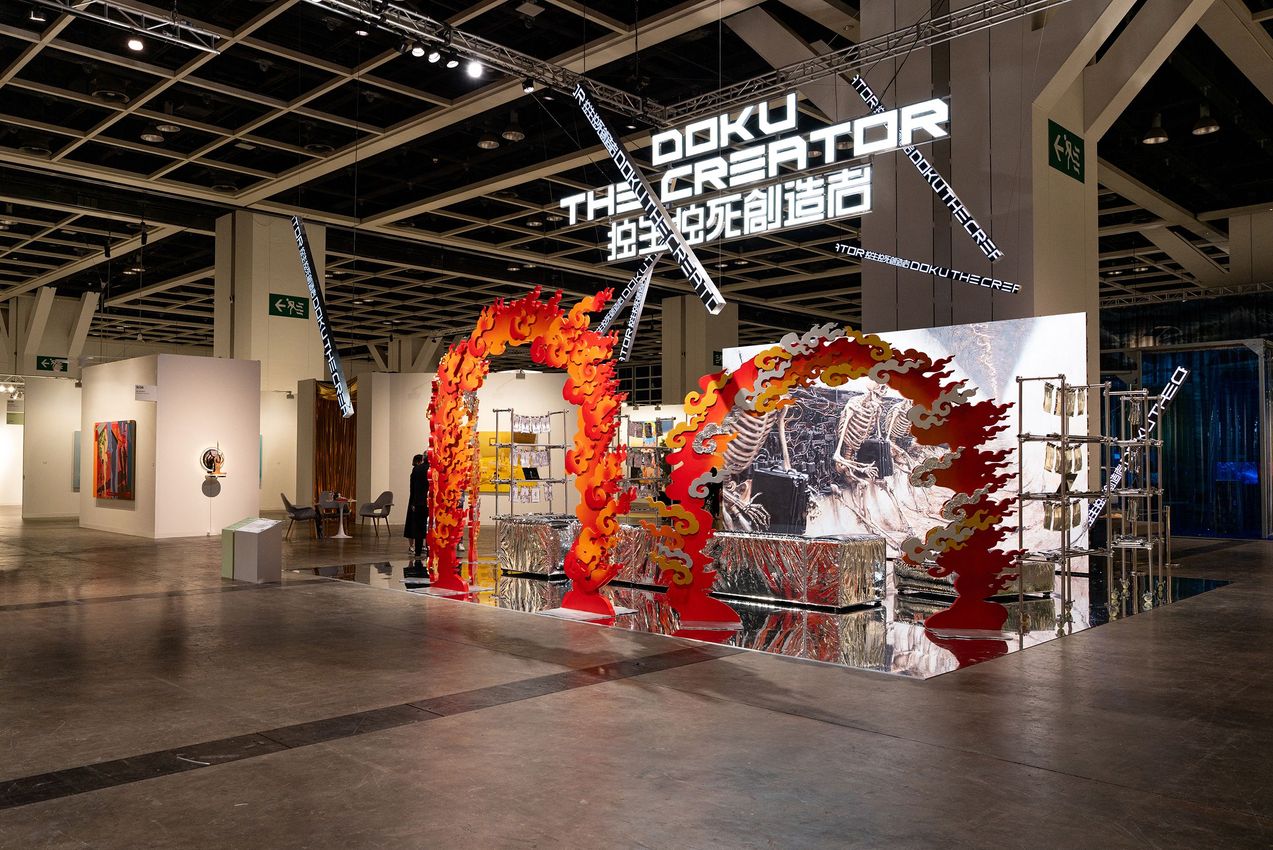
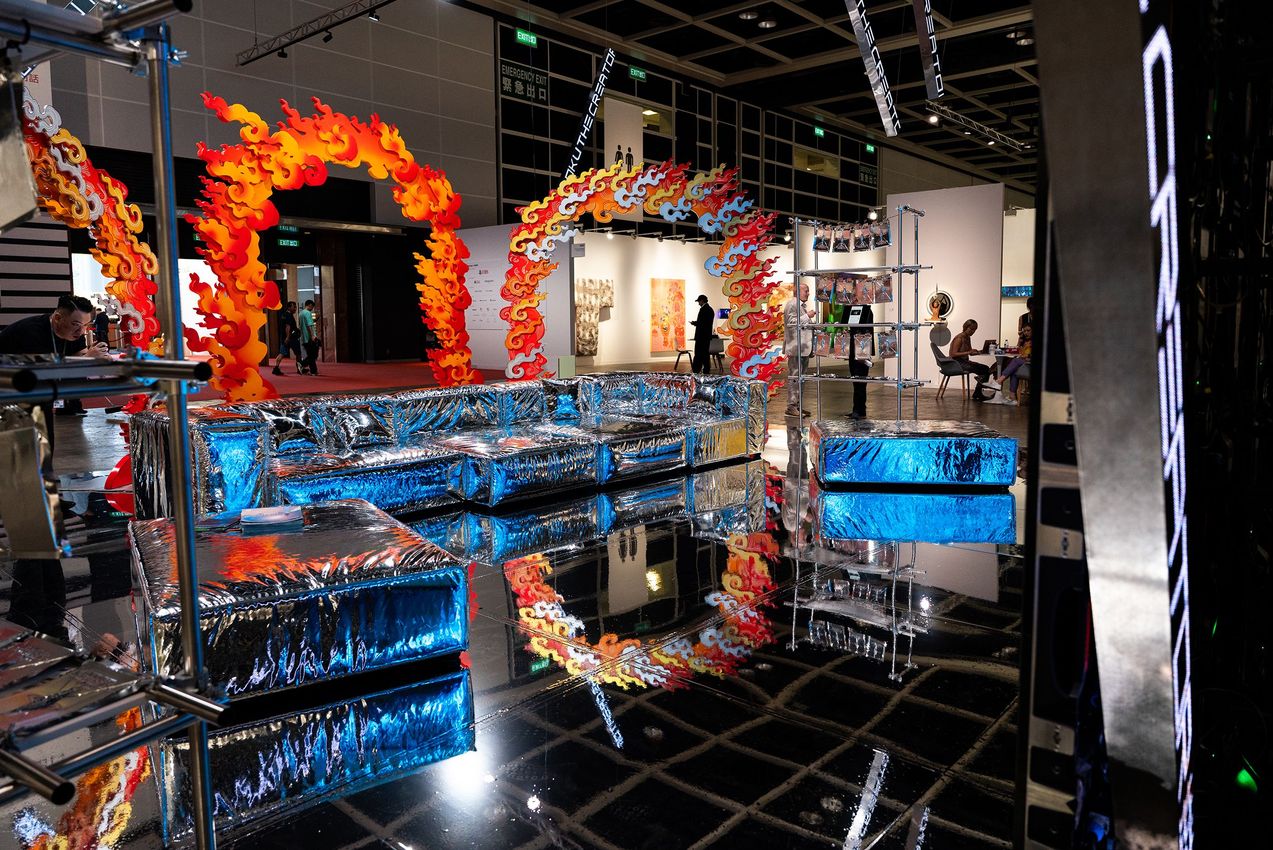
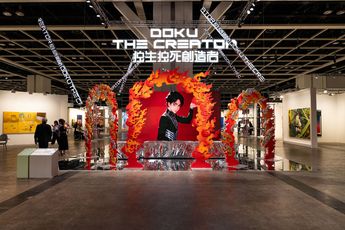
DE SARTHE is also pleased to announce its return to the Encounters sector of Art Basel Hong Kong 2025 with an interactive and immersive art installation by Tokyo-based artistLu Yang, titled DOKU theCreator, presented in collaboration with COMA, Sydney, Australia.

Read More

Installation Views

Artists Exhibiting
Also Exhibiting at DE SARTHE

The art world in focus