





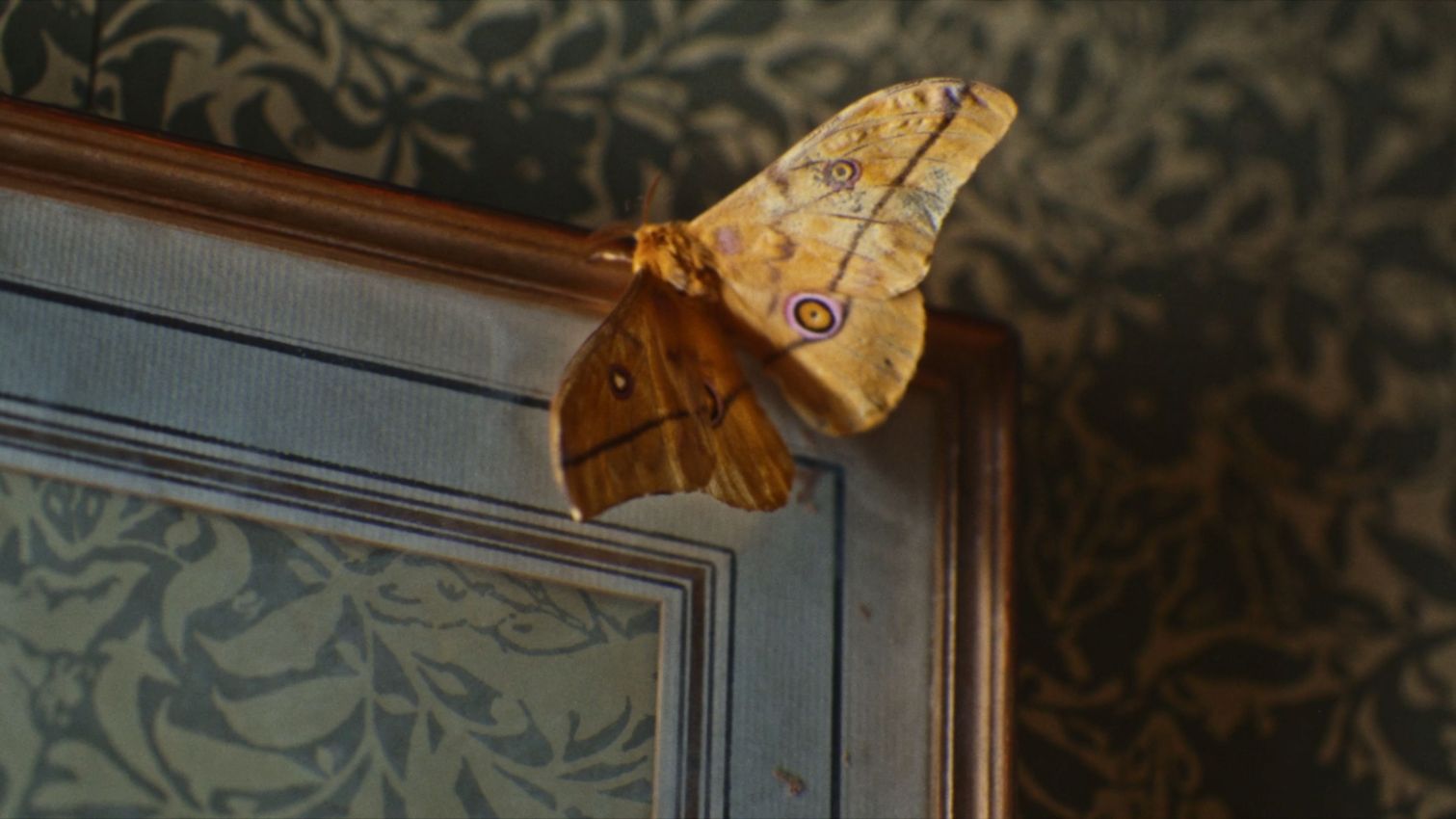
The Haunting of Minne Kersten
The Dutch artist on her obsession with horror films, what makes a room feel eerie, and reading everything by the Norwegian writer Jon Fosse. Save to My OculaMinne Kersten’s installations remind me of the kind of dreams in which you’re trespassing in a strange house which you know, on some level, belongs to you. The life-sized rooms that the Dutch artist builds and then films (an attic, a bedroom, a cabin) exist, as she puts it, in “a certain haunted universe”, evacuated of human presence. Kersten tells me that she is interested in the way objects and spaces act as containers for the “hopes, dreams, fears, and desires of their owners”, and then, in the absence of those owners, become symbols of “absence, failed futures and loneliness”.
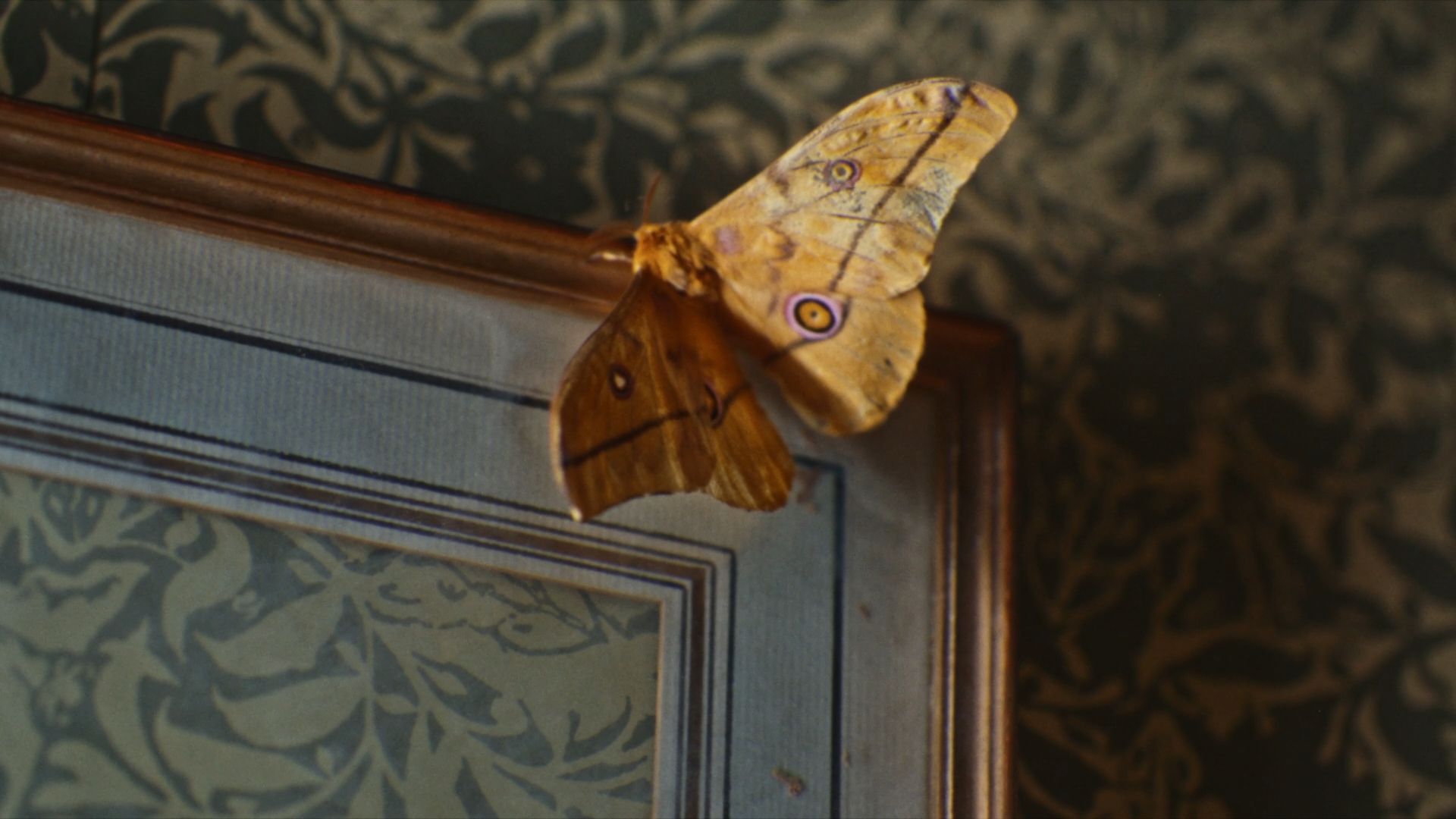
Like the Ramsay’s summer house in To the Lighthouse, which goes abandoned for years, slowly decaying, the rooms in Kersten’s recent films take on their own inner lives as they are invaded by nature (moths, a crow, a flood of seawater). The creatures flit about innocently, as if they are at home rather than unwelcome guests. The rooms are crime scenes, full of clues to some unknown event, or portals into another order of reality. They are suspended “in the moment before you decide whether what you’re looking at is imagined, supernatural, psychological or simply misunderstood”.
Kersten started out studying literature before turning to installation and sculpture. Her earlier practice was concerned, in her words, “with things that were on my mind that I felt I wanted to say”. Experimenting with cinema in recent years has, conversely, brought her work into more direct confrontation with the unspoken or unsayable.
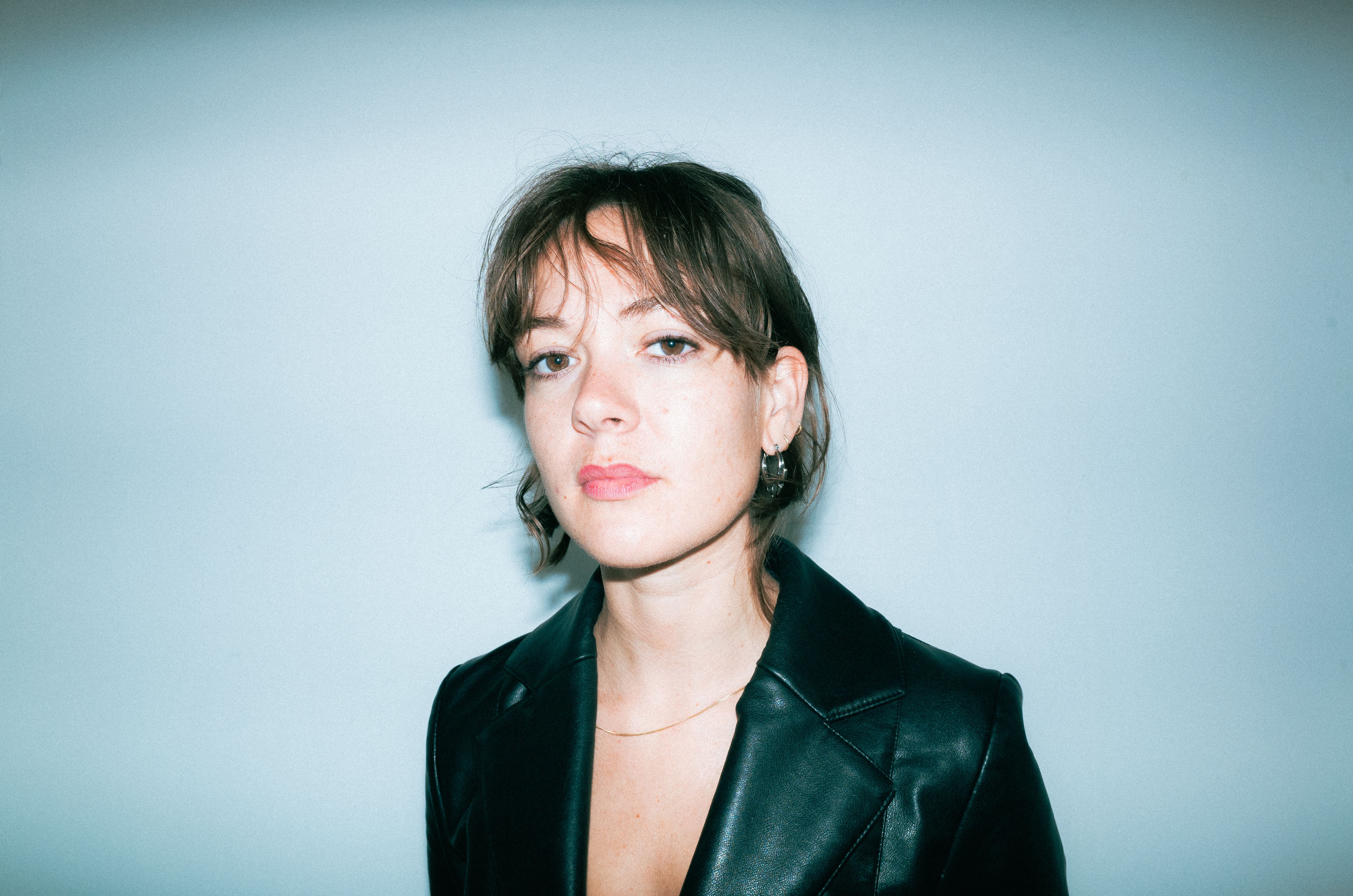
Minne Kersten’s solo exhibition Room Temperature at Ginny on Frederick in London’s Farringdon presents a series of filmed installations alongside recent video works made in response to real places: one for an exhibition in a 13th-century church in Amsterdam, and one filmed in a 17th-century castle.
Julieta Caldas: Do you ever work from dreams?
Minne Kersten: Not directly. But the absurdity of dream logic, the fact that it can move between binaries somehow—this I am interested in. That there’s not such a clear division between what we see as evil or good, or a threat or safe, or day or night. Also, I like how things like gravity don’t exist in dreams. Life is so much more imaginative without gravity!
JC: How did you start building the rooms in your installations?
MK: I just started to make one in my studio one day, a really big domestic space. I wanted to make a film where it was raining inside. I really wanted to see the whole structure becoming wet and dripping. I put this irrigation system in the ceiling that I connected to a tap, and it turned out I caused a real flood in the studio. The next day the studio called me, like, “What the fuck are you doing in here?” so I paused that work. But then later the space came back, because it had a history for me [and became the installation Constant Companion]. During filming, I invited a raven to enter the space, which opened up a new perspective on it. This was during a period when I was experiencing a lot of loss and grief in my life, so it became a way to create images of death, of absence and presence. That piece became a foundation for the works I did after, because it really got me thinking about how architecture can be a witness to traumatic or emotional events that take place, and record them somehow.
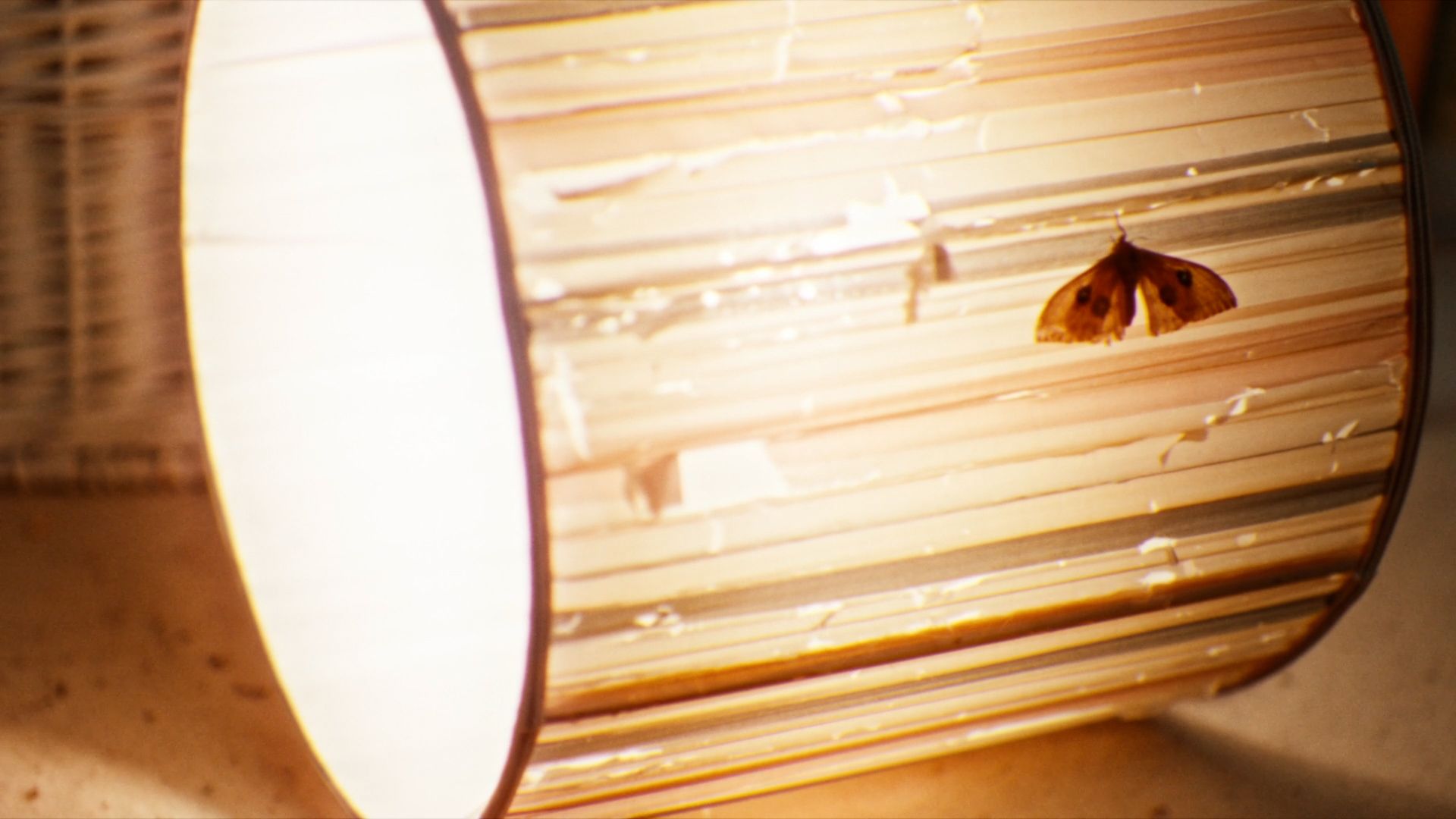
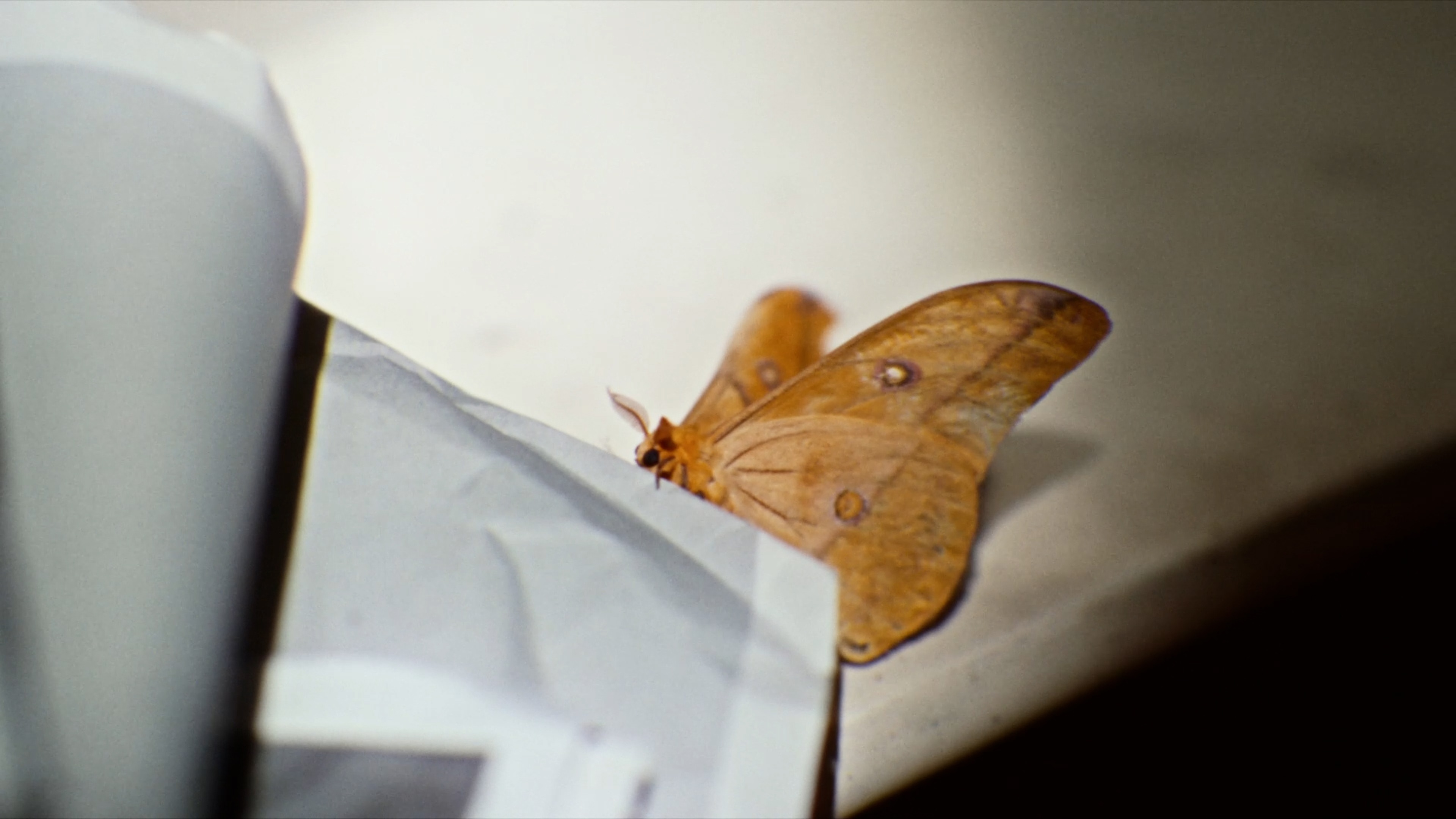
JC: The Same Room is filled with some very convincing modern detritus: cables, a duffel bag, random Ikea kitchenware. How do you shape the personality of the rooms you make?
MK: With The Same Room, I knew I was going to flood everything. We put the installation in a sea basin, so there was literally sea water filling the space. I was thinking about how the objects would look if they’d been completely soaked and dried off again. How can they keep a trace of this event that will take place for them? Sometimes I have an existing space in my head as a reference. This was one I tried to reconstruct from memory. I was working with the idea that some places, if they become traumatised, you can’t enter them again, but you can maybe restage them as fiction.
“I see horror as a model for thinking about history, repression and the unseen”
JC: What’s the relationship between the domestic interiors you build and the films you make inside of them? What does the filming bring out?
MK: To me, the films and installations are different outcomes of an event. I started out building installations; creating scenes in those spaces became the next step, and then filming eventually became a logical outcome. Only later I became interested in form and structure, and started looking at cinema as a tool for the control and manipulation of images. I think I’m interested in events rather than narratives and plot. The language of cinema gives me the ability to stretch, conceal, repeat and manipulate the experience of an event through time.
Because of how the work evolved, I needed to start working with more people on set, because I couldn’t manage alone. It’s a strange sensation to invite others into this process. To anticipate a shoot, arrange all the parameters, and then we mostly wait to see what happens when I invite this creature inside. A set is such a highly controlled environment, and I’m interested in subjecting that control to chaos, decay and disruption.
JC: What kinds of films have influenced you?
MK: Lately I’ve been looking a lot at horror. In general, I would say horror as a genre interests me because it’s a place to relate to our traumas and fears. Also, I think it’s a very inventive genre, where it’s not about the plot, but all about suspense, often built through silence, off-screen space, and what remains concealed. I see it as a model for thinking about history, repression and the unseen, things that surface only at the edge of perception. The camera can move in certain ways that are from a perspective that’s not human; architecture can become the main protagonist. The boundaries of what’s animate or dead can be all over the place.
JC: What are you reading at the moment?
MK: I’m trying to read everything by the Norwegian writer Jon Fosse, who is very repetitive and cyclical. His books feel like you’re orbiting around the essence of something, and you seem to be getting closer as the book goes on, but then you get pulled away again.
JC: What are you working on next?
MK: I’m planning an installation in which I’ll film for the first time with a person. They will be very meticulously cutting up the whole environment. I think the video will be a 10-minute loop. I’m very interested in this kind of repetitive action. If you repeat something once, it could be considered normal, but if you do it a hundred times, when does it start to get out of control entirely? Obviously, you need different tools to cut up a sofa and a piece of paper, so I’ll have to do a lot of tests. I’ll probably need a few sofas.—[O]
Minne Kersten, Room Temperature (until 17 October) at Ginny on Frederick, London
Main image: Film still: Where I’m Calling From. y Minne Kersten.








A respected voice in contemporary art discourse.
Focusing on ambitious storytelling and insightful art-world commentary. Ocula Magazine publishes in-depth interviews, critical essays and timely analysis on the artists, exhibitions and ideas driving the global art world.
Learn more about Ocula Magazine
Showcasing the best of the art world.
Ocula partners with galleries from around the world to highlight their artists, artworks and exhibitions. Gallery membership is by application and invitation, with each member vetted by an independent panel.
Learn more about Ocula Membership
Specialises in the sale of major artworks.
Led by a team with deep ties to the world’s leading auction houses, galleries and collectors. Ocula’s advisory team offers bespoke services to high-net-worth clients from around the world who are looking to acquire the best of contemporary and modern art.
Learn more about our team and services