Press Release

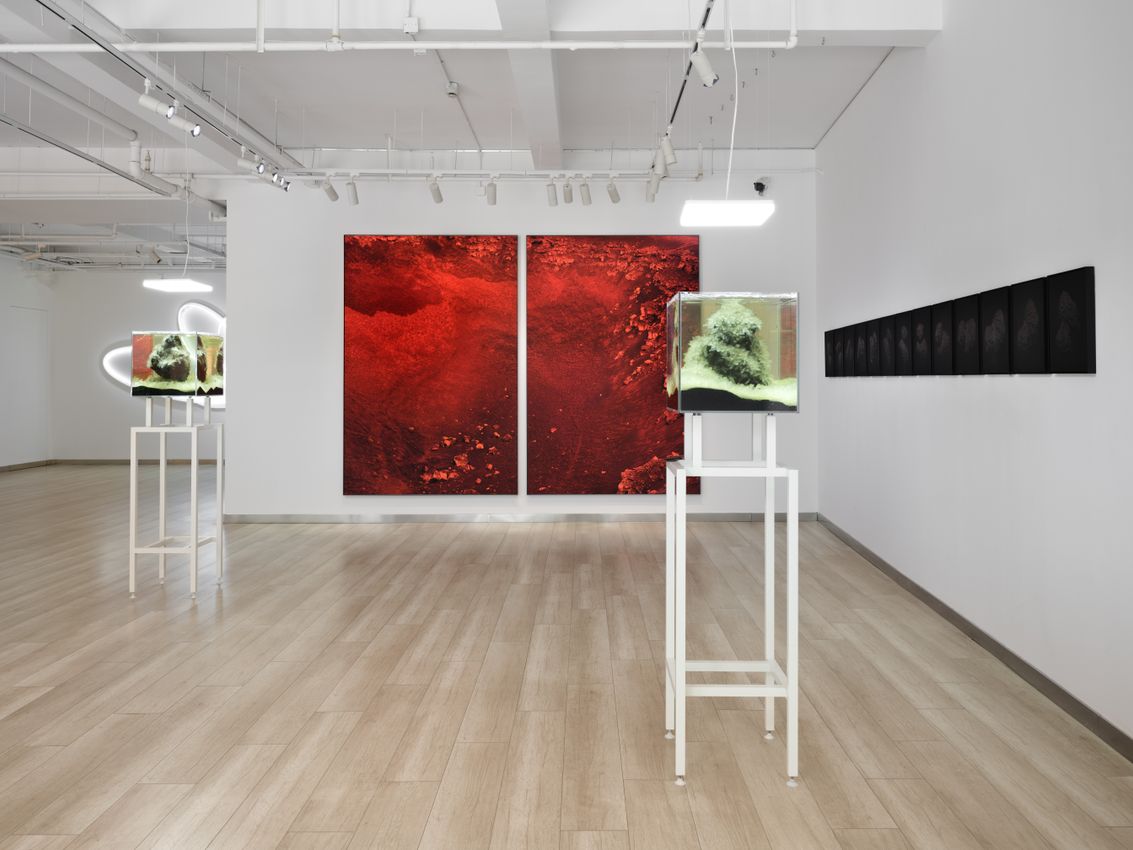
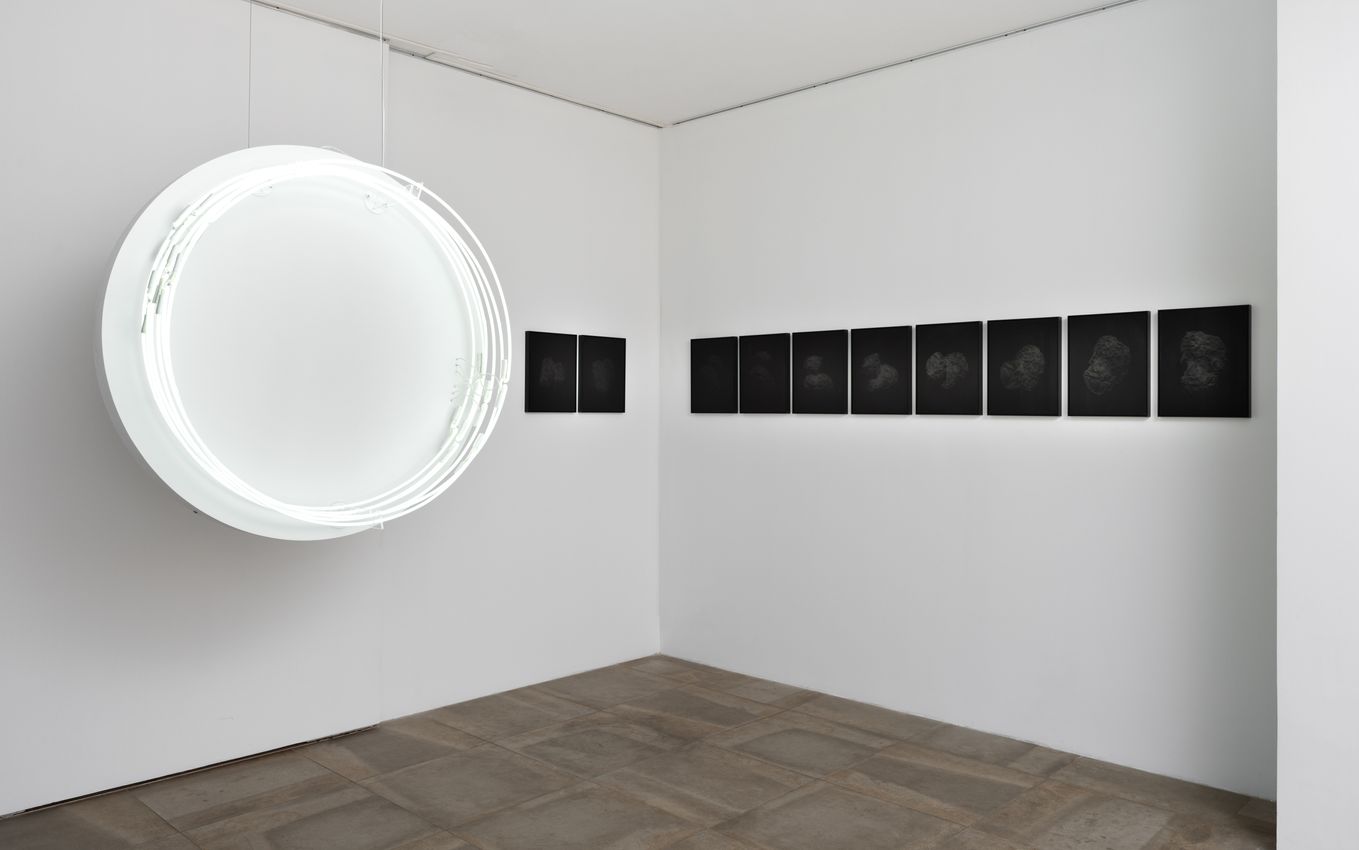
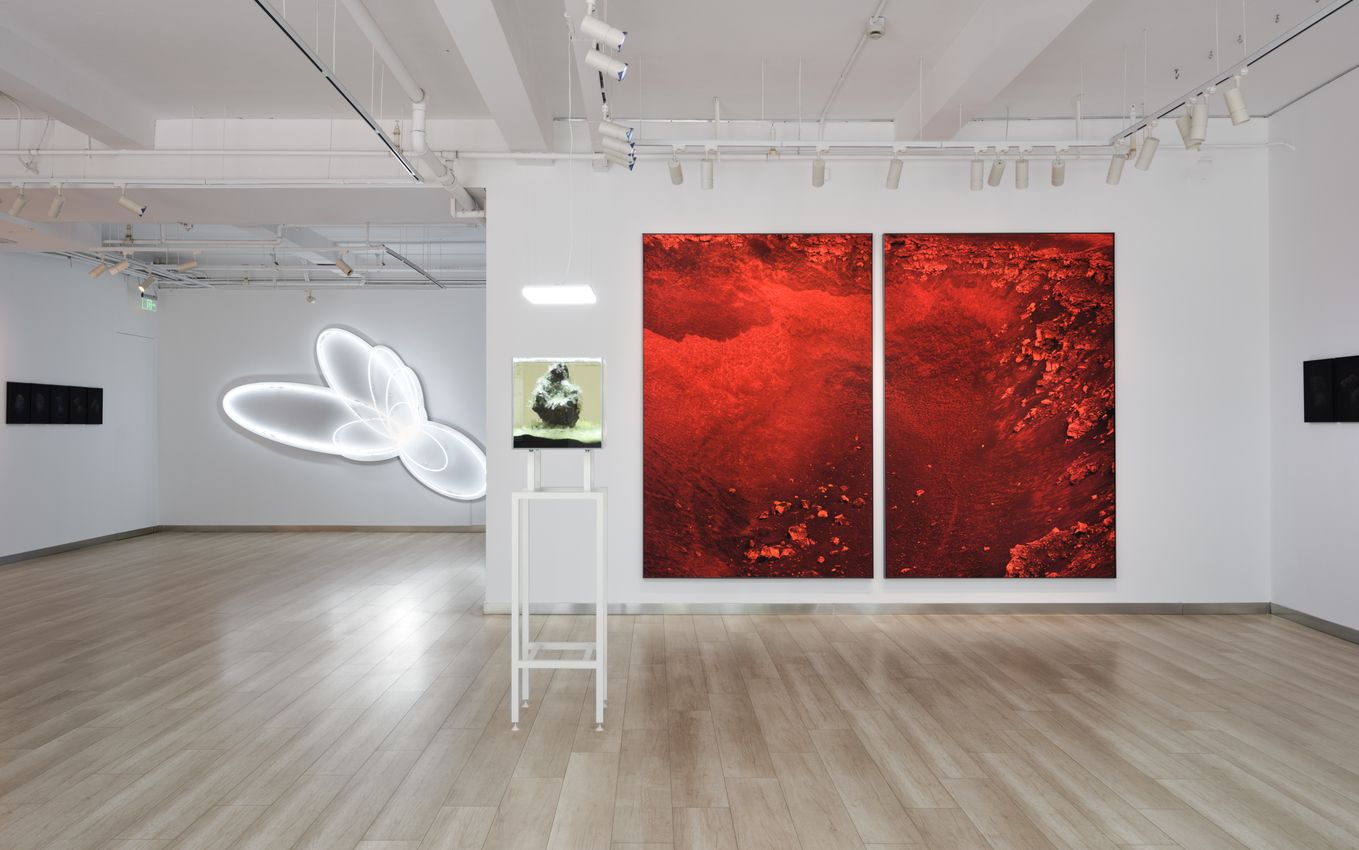
DUMONTEIL is pleased to present “The Far Side”_,_ the first solo exhibition of French artist Hugo DEVERCHÈRE in China. Featuring a series of photography using a variety of techniques, as well as crystallization processes and neon installations, “The Far Side” is a research project focused on the imaginations of space exploration and the fantasies generated by the discovery of new celestial bodies.

Two things fill the mind with ever new and increasing admiration and awe, the more often and steadily we reflect upon them: the starry heavens above me and the moral law within me. I do not seek or conjecture either of them as if they were veiled obscurities or extravagances beyond the horizon of my vision; I see them before me and connect them immediately with the consciousness of my existence.

― Immanuel Kant, “Critique of Practical Reason”

Initiated in 2019, the origin of “The Far Side” coincides with the landing of China’s Chang’e 4 probe on the far side of the moon. For the first time, through this rover, humans were able to observe and study this region from its surface - a territory both close and distant, almost palpable, yet constantly escaping our gaze from Earth.

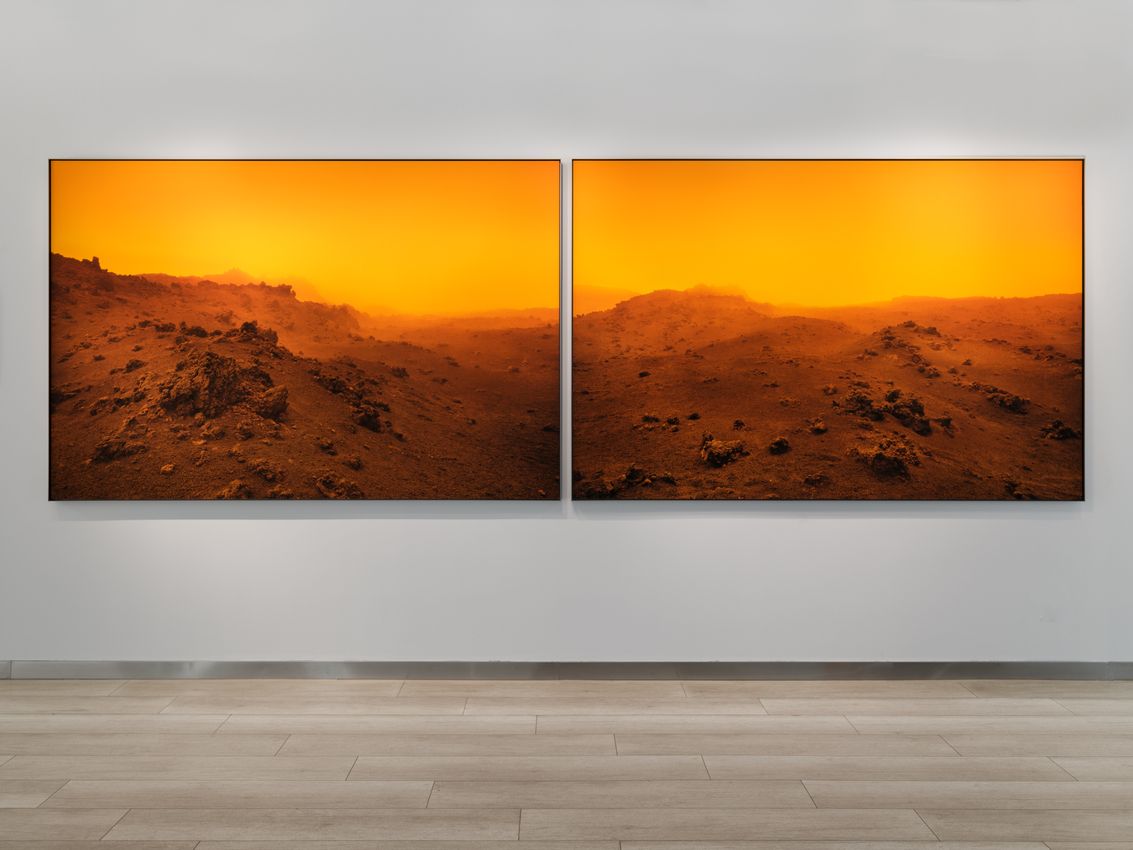
Drawing on recent developments in the sciences related to space exploration, Hugo Deverchère scouted terrestrial territories whose geological and chemical aspects present strong similarities with other planets : analogous landscapes. Thus, exogeologists and astrobiologists teach us that the study of extra-planetary worlds first requires the exploration and rediscovery of our own environment.

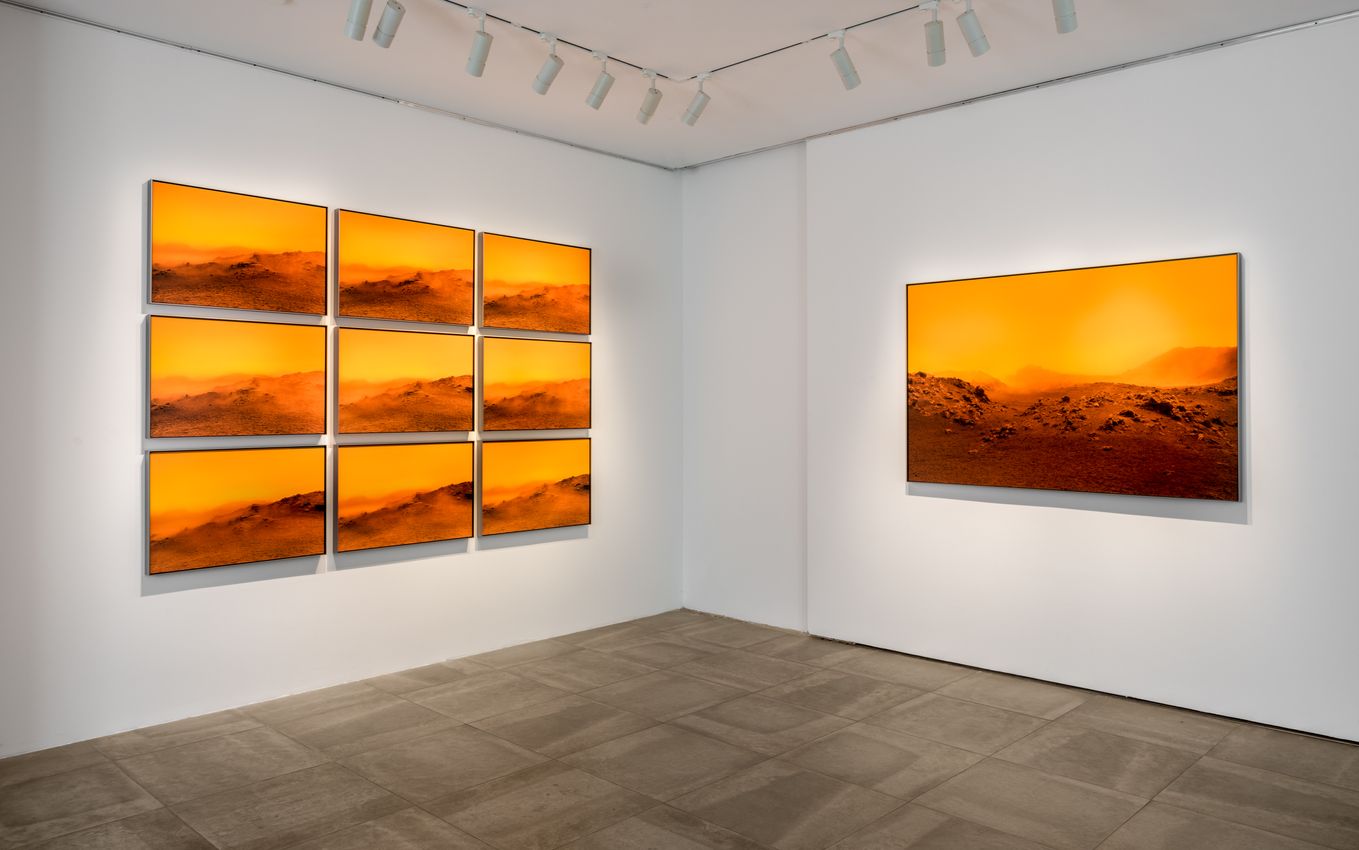
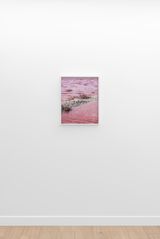
Between the United States, Italy, Chile, Spain, and China, “The Far Side” investigates the multiple physical and symbolic dimensions of these landscapes. Their appearance evokes both what the Earth must have looked like during its chaotic birth and the vision of its destruction and post-human future. They represent the uchronic fantasy of a cosmic elsewhere and embody projections that are both past, present, and future.

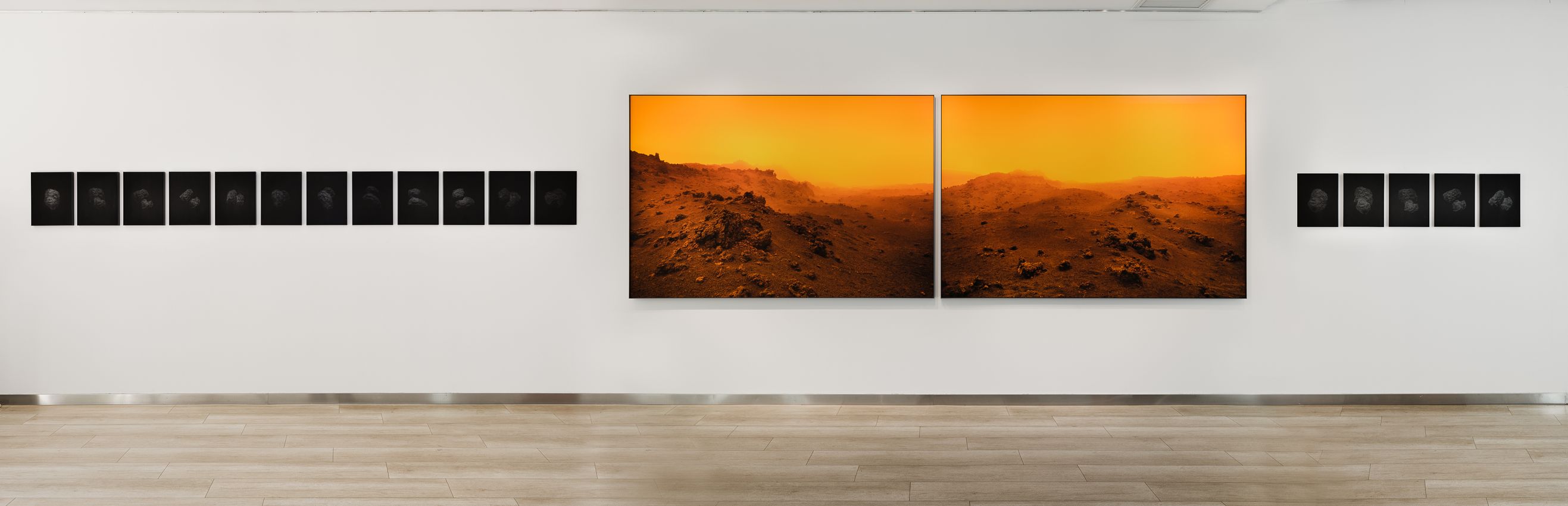
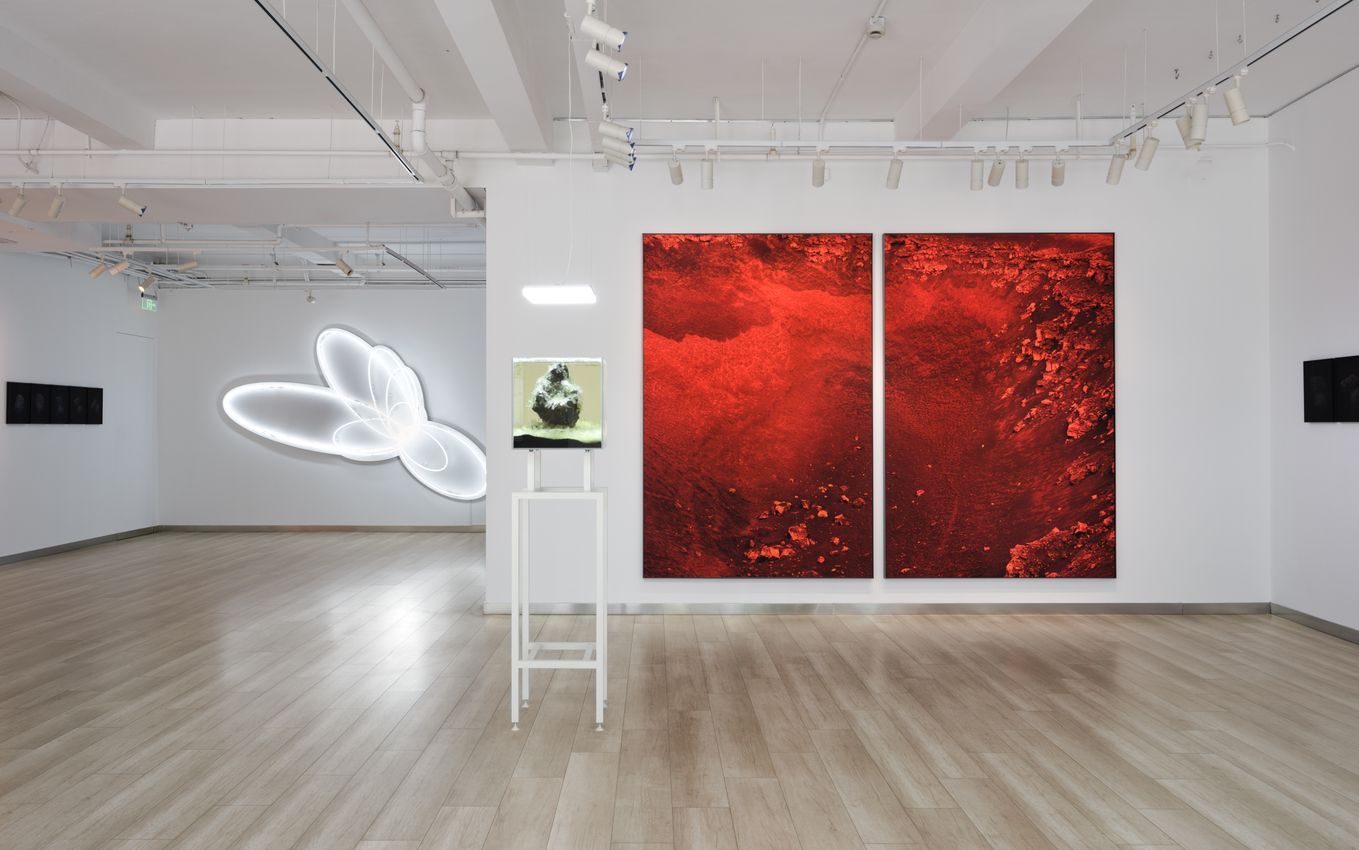
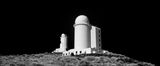
The artist has developed several processes and techniques to materialize these representations. The “Field” and “Uchronia” series are composed of several hundred photographs taken from the same viewpoint, a technique borrowed from astrophotography that allows for a level of sharpness and detail that exceeds our own acuity. This “effect of reality” then insinuates a disturbance on the nature and existence of these sites.

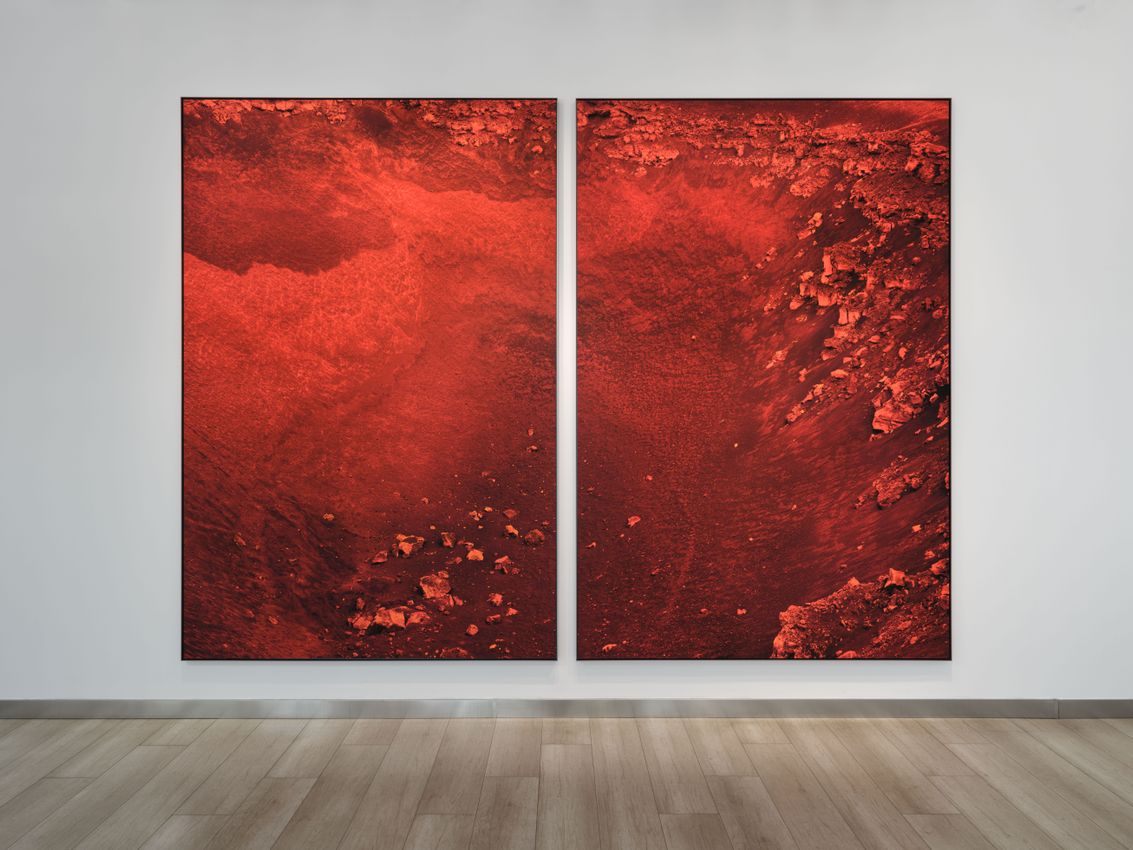
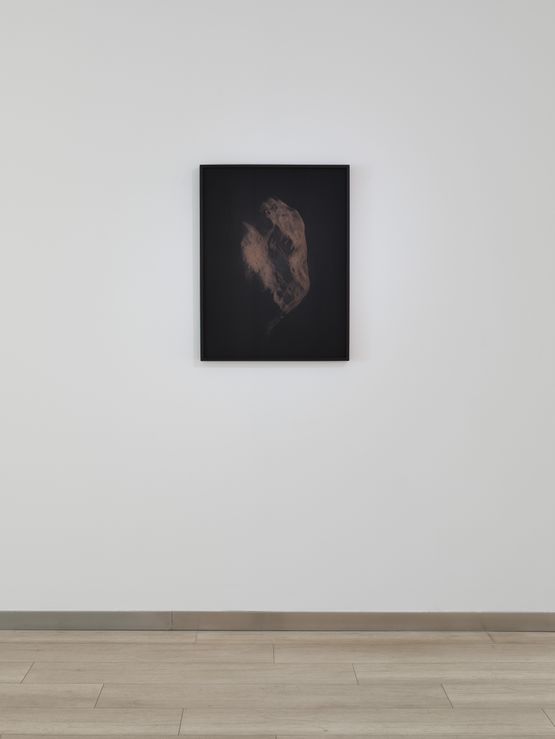
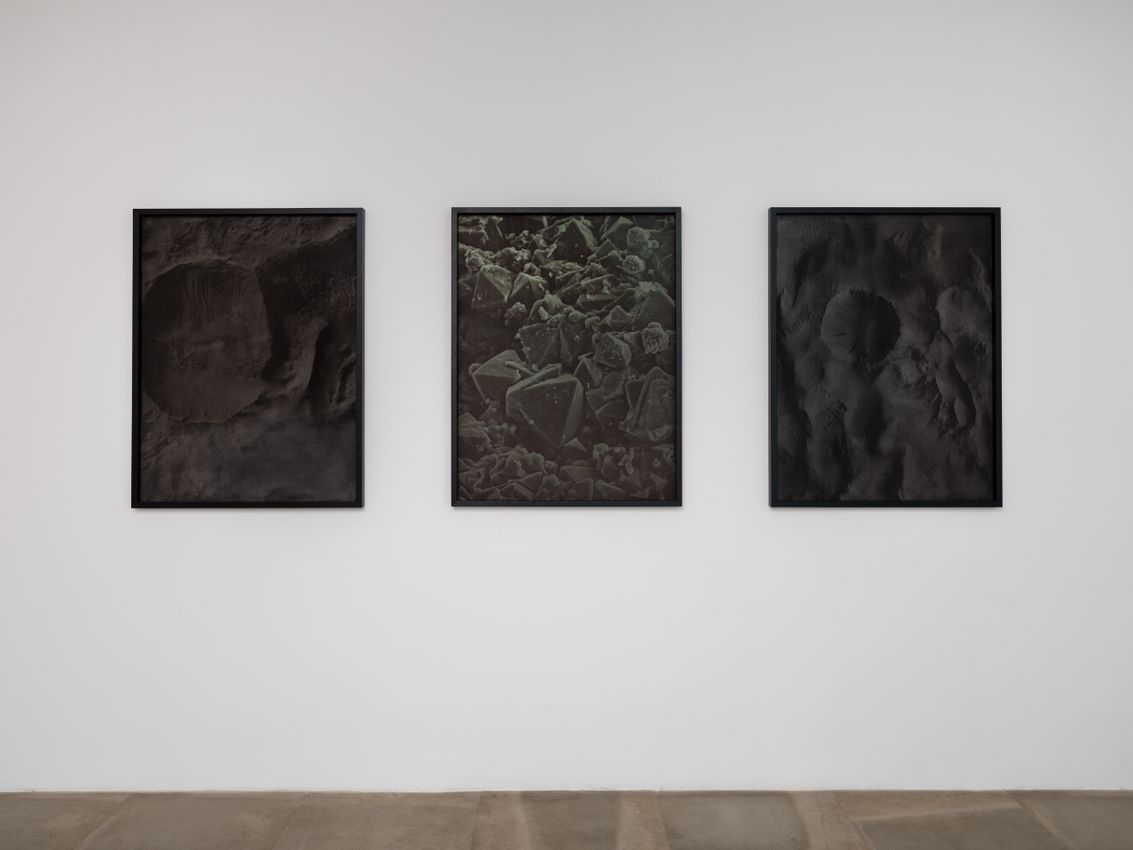
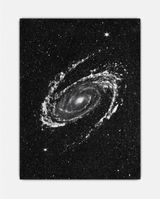
The “67P/T-G” series combines images of the comet Churyumov-Gerasimenko taken by the Rosetta spacecraft with images of rocks collected by the artist during his travels through different algorithms. The resulting images are materialized by this same rock reduced to powder and mixed with carbon - an essential element for the emergence of life - on photo etching plates. The “Regolith” series, created using the same technique, combines images from the Mars Reconnaissance Orbiter with macro photographs of terrestrial soils. The dust from this soil, mixed with a synthetic pigment called “Mars black”, here becomes embedded in the engraved plates.

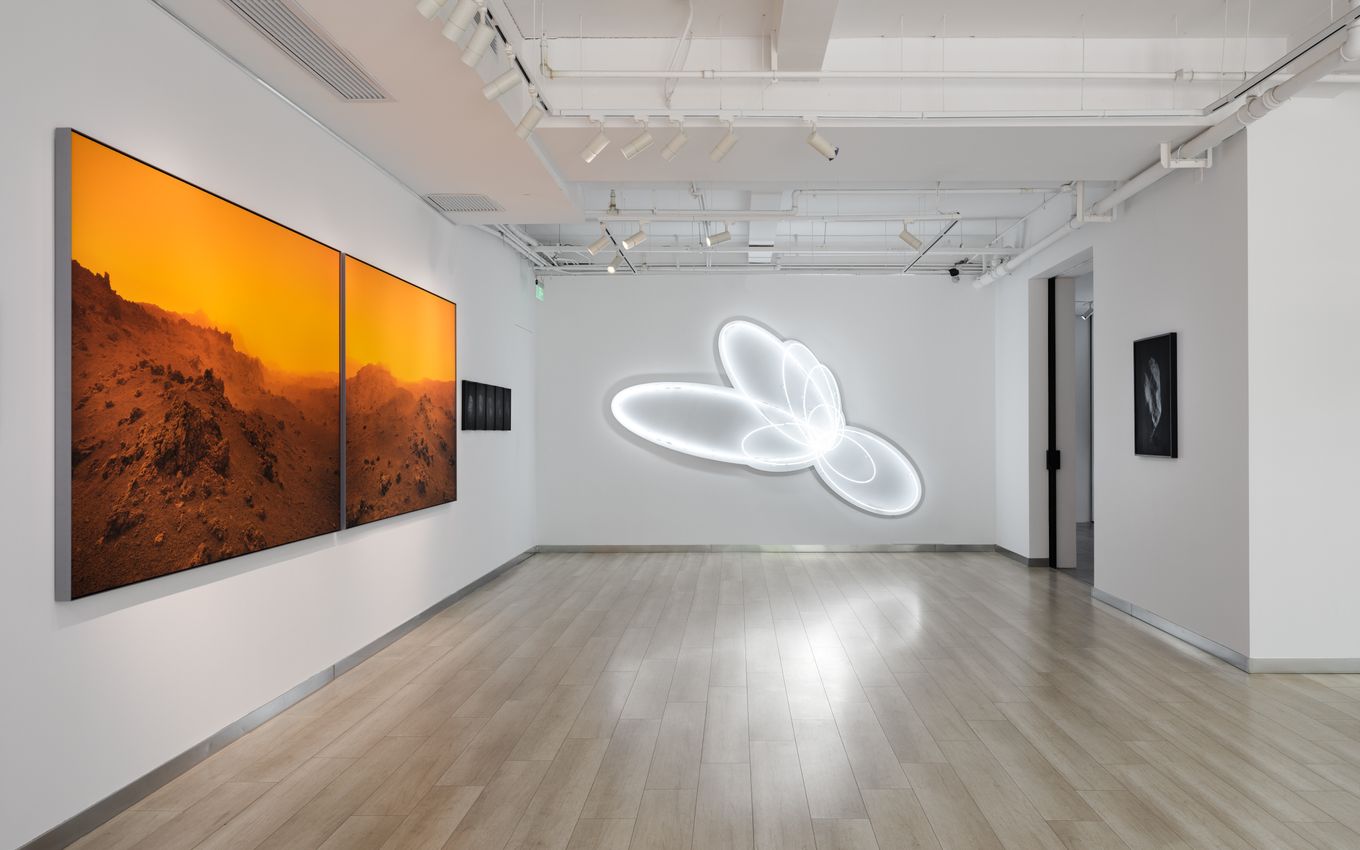
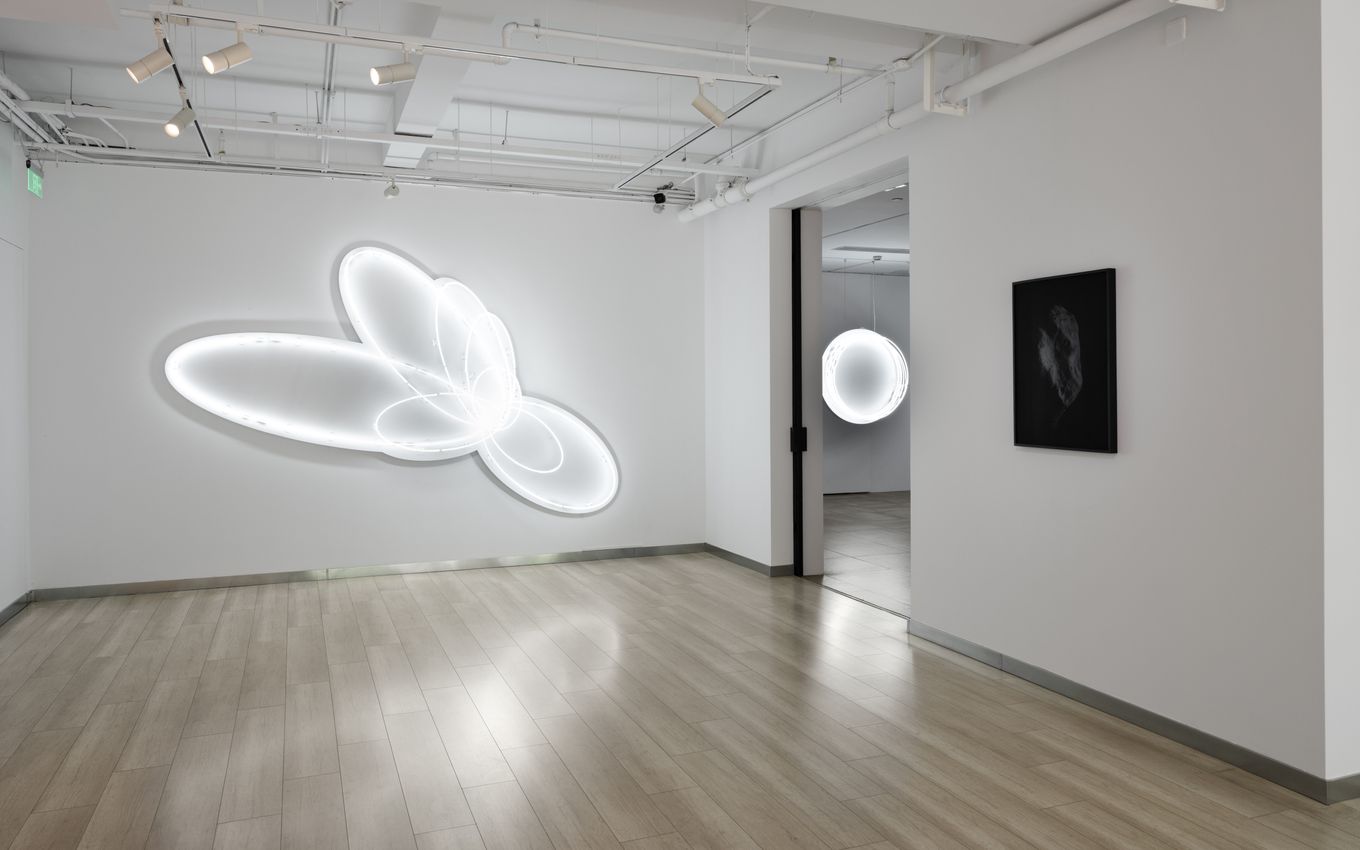
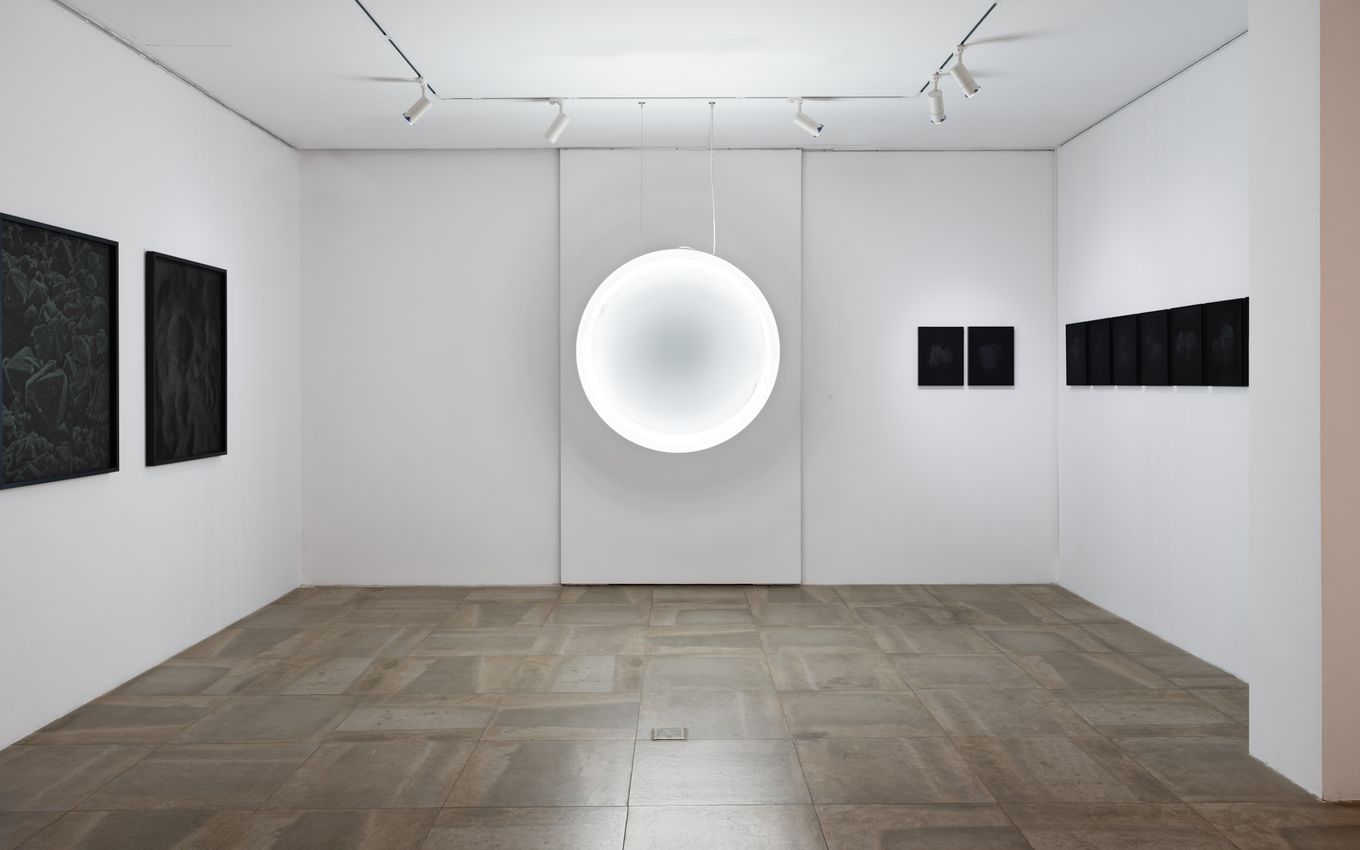
The two neon installations bring us to the latest astronomy hypothesis and discovery. “Planet 9” simulates the orbit of Hypothetical Planet X with possibly ten times the mass of the earth in the most distant eccentric orbit aligned with seven previously known extremely distant objects of our solar system. These ellipses illuminates so many emotions and questions, such as the efforts we have made to discover our own place in the universe – where we come from, how life appeared, and perhaps, where we’re headed.

“Planet h” maps out the possible orbits of an exoplanet of the Trappist-1 system that could host liquid water. The drawing was generated by a computer simulation that attempts to deduce the exact position of the star from various approximate measurements. The work puts us in front of the boundaries of our observation, discovery and understanding abilities, which are above all based on our technical and technological faculties. Here given to see without scale reference, the drawing could equally represent the infinitesimal trajectories of a particle which, according to some quantum theories, can be in several places at the same time, thus defying the logic and intuition with which we understand the world.

Besides space and place, the exploration of time is also key notion in comprehending the exhibition. The “67P/C-G, 5x∞h” series is composed of 40 snapshots on which we gradually observe the comet’s rotational motion as it travels towards us. The anachronism of the techniques used by the artist puts both Muybridge’s early studies — the decomposition of motion and photogrammetric shots of objects intended to create their three-dimensional digital model — back into perspective. The same imaging intervals were then reproduced by the artist on earth in the “Uchronia, ∞+1h” series, in which we now witness the evolution of atmospheric conditions that are merging with smoke plumes of a volcano.

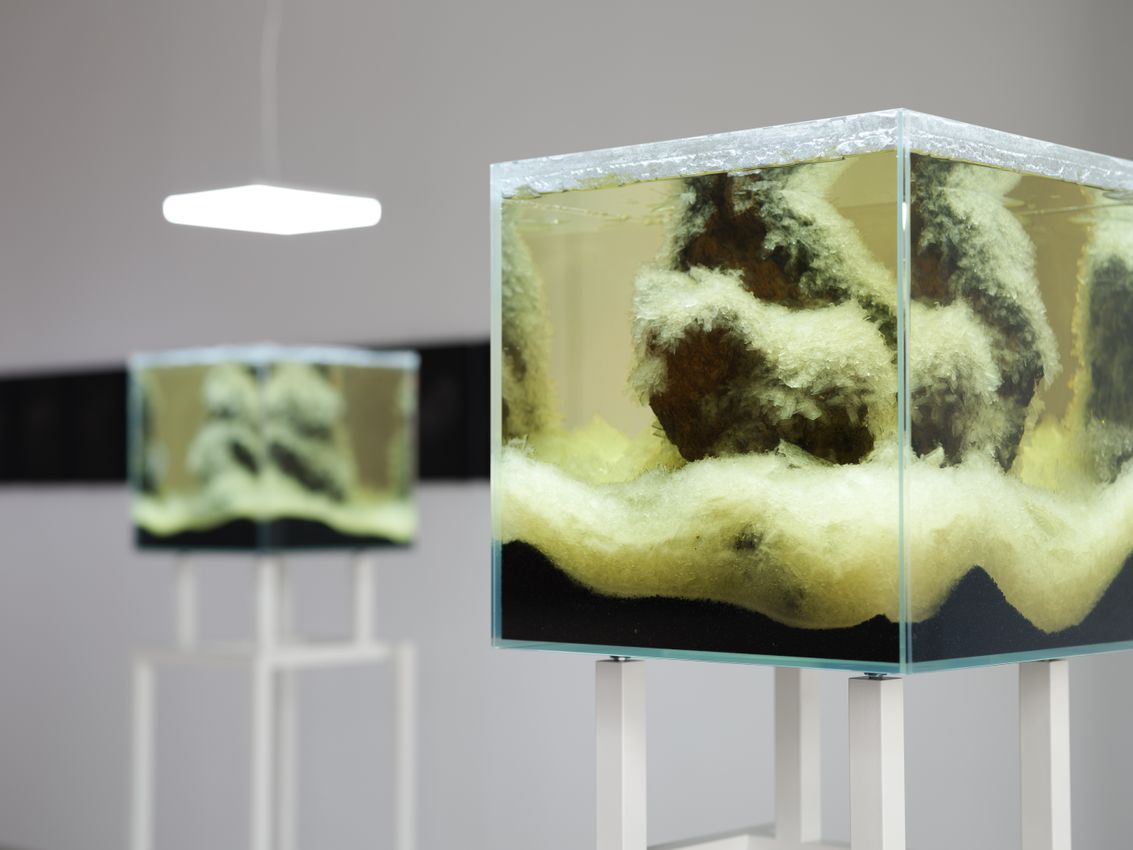
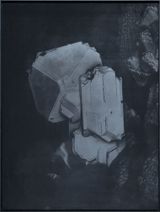
As Henri Guette wrote about his practice, _Hugo Deverchère’s installation work puts us at the crossroads of a sci-film set and a laboratory, allowing visitors to comprehend phenomena beyond them_. “The Far Side - Artefact #01, #02, and #03” is no different and invites us to enter a set of microcosms consisting of volcano rocks, Magnesium sulfate, and water. Natural matter from distinct environments interacts. This process allows, on a microcosmic scale, the emergence of a new landscape in constant evolution that re-enacts some geological phenomena like we see in “Xenotime #01 and #02” that can take millions of years to develop, here brought within our reach in the time span of the exhibition.

Here dissected through multiple scales, times and processes, the landscape, its evolution and its compounds question the materiality of photography itself and its speculative dimension. By bringing together the near and the far, the present, the past and possible visions of the future, and by bringing terrestrial landscapes together with astronomical observations, Hugo Deverchère develops possible evocations of an unexplored elsewhere, perhaps disappeared or not yet realized.

ABOUT THE ARTIST********

Born in 1988 in Lyon, France, Hugo Deverchère graduated from ENSAD Paris (École Nationale Supérieure des Arts Décoratifs) and from Le Fresnoy - National studio for contemporary arts. His work has recently been exhibited and screened in Palais de Tokyo (Paris FR), MAMC+, Saint-Etienne, Collection Lambert (Avignon), Nuit blanche (Paris and Kyoto) FRAC Grand Large (Dunkirk), Pearl Art Museum (Shanghai), MACRO (Rome), the International Film Festival Rotterdam, CPH:DOX (Copenhagen), Ars Electronica (Linz) and the Festival du nouveau cinéma (Montreal).

Driven by an almost scientific approach, Hugo Deverchere’s work attempts to set up a body of experiences which are just as many ways to question and evaluate our relationship with the world. Whether based on stories, collected data, captured or simply found images, his research often involves processes such as modelization, conversion, and transposition.

The resulting forms act as a prism between reality and its representations, revealing the interval which separates our perception of the world and the knowledge and awareness we have of it. By questioning the role of imagination and collective memory in our approach to reality, the artist wishes to highlight phenomena and events which by their very nature are intangible and therefore remain subject to doubt and uncertainty.

Read More

Installation Views

About the Artist

Born in 1988 in Lyon, France, Hugo Deverchère graduated from ENSAD Paris (École Nationale Supérieure des Arts Décoratifs) and from Le Fresnoy - National studio for contemporary arts. His work has recently been exhibited and screened in Palais de Tokyo (Paris FR), FRAC Grand Large (Dunkirk), Pearl Art Museum (Shanghai), the International Film Festival Rotterdam, CPH:DOX (Copenhagen), Ars Electronica (Linz) and the Festival du nouveau cinéma (Montreal).

View Artist Profile Hugo Deverchere contemporary artist
Address
Bldg 105
199 Hengshan Road
Shanghai
China
Opening Hours
Tuesday – Saturday
11am – 7pm
(1)
Shanghai Bldg 105, 199 Hengshan Road
DUMONTEIL
Bldg 105, 199 Hengshan Road, Shanghai, China
+86 216 418 6367
http://www.dumonteil.com

Opening hours
Tuesday – Saturday
11am – 7pm
The art world in focus