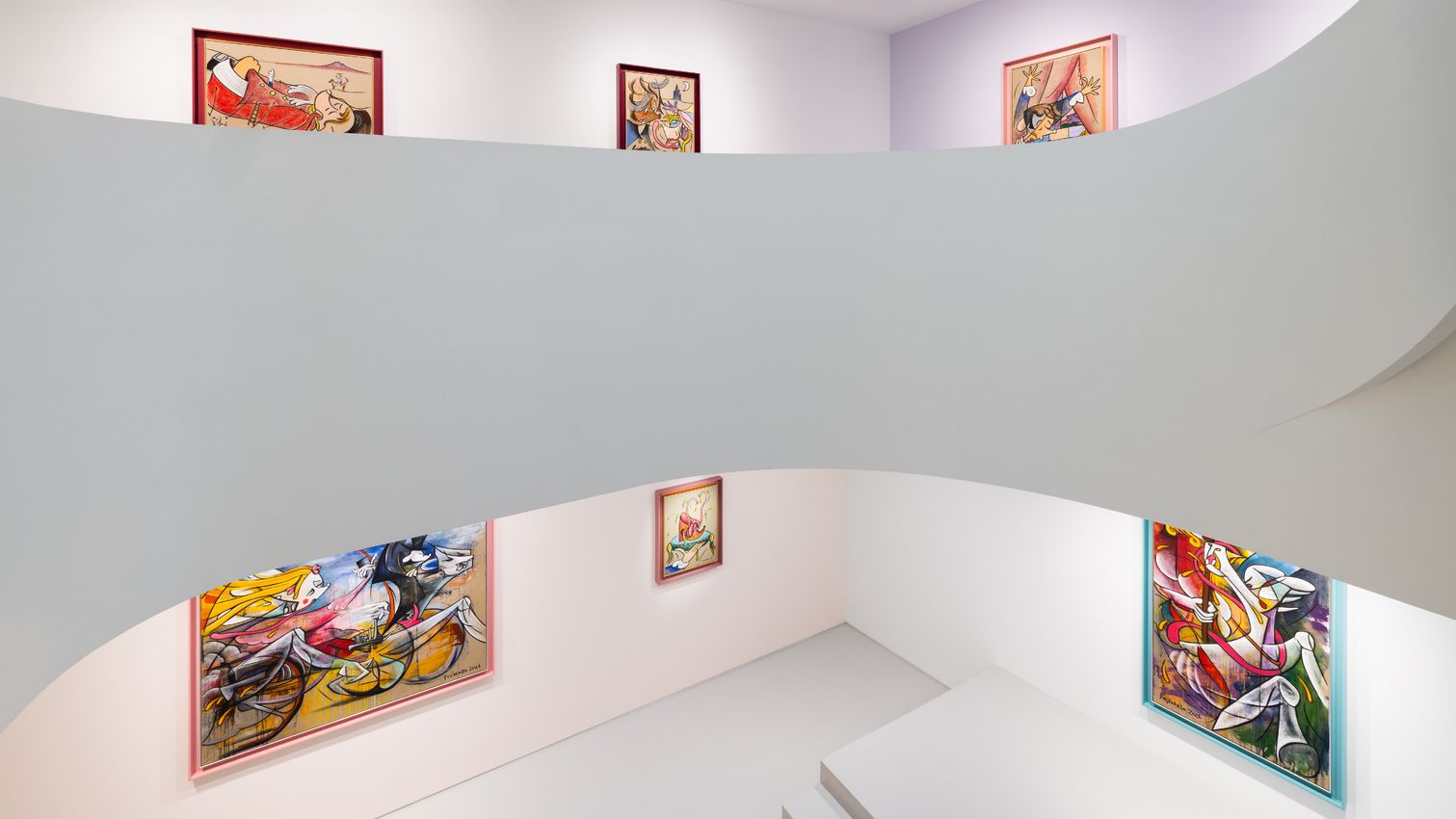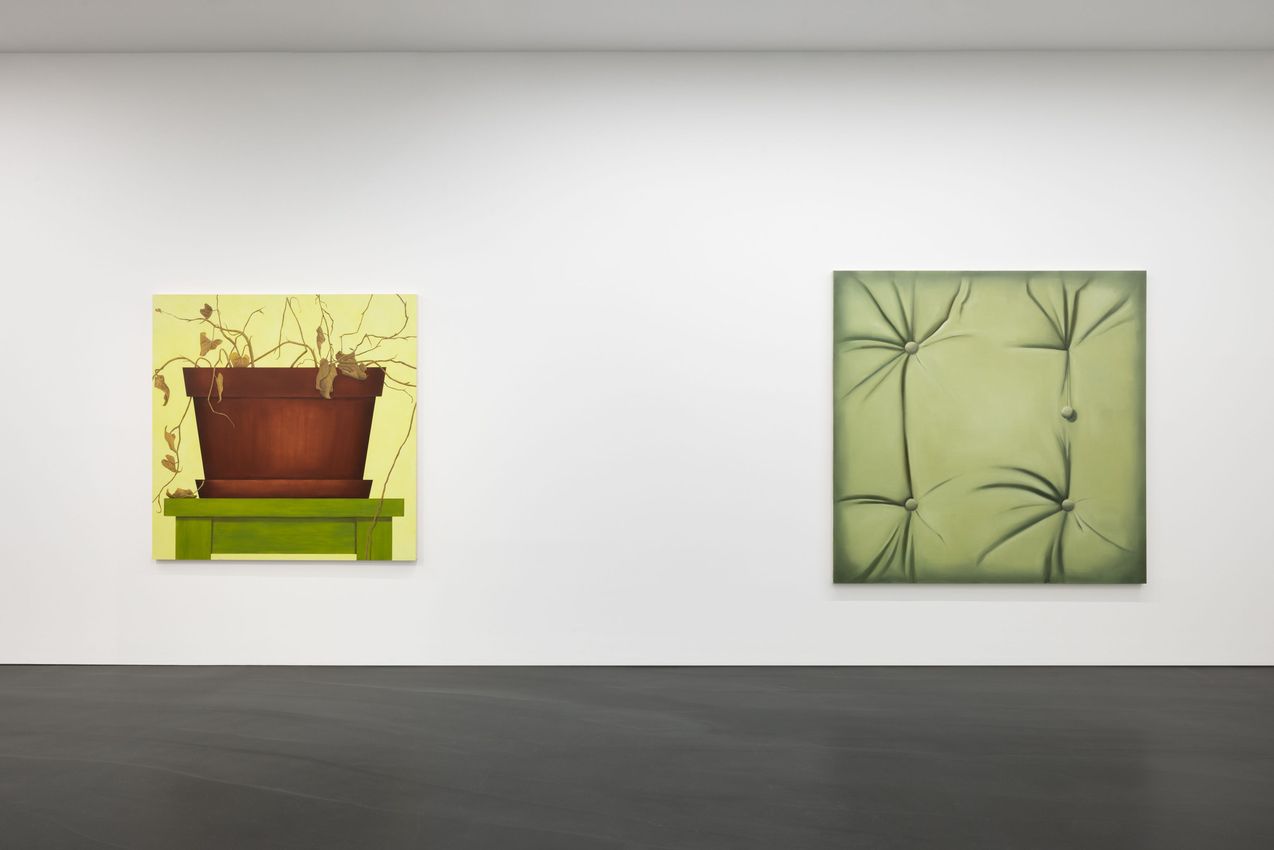
Esther Schipper is pleased to announce Move, Tomasz Kręcicki’s second solo exhibition after his first one in our Seoul gallery in 2024. On view will be all new paintings.
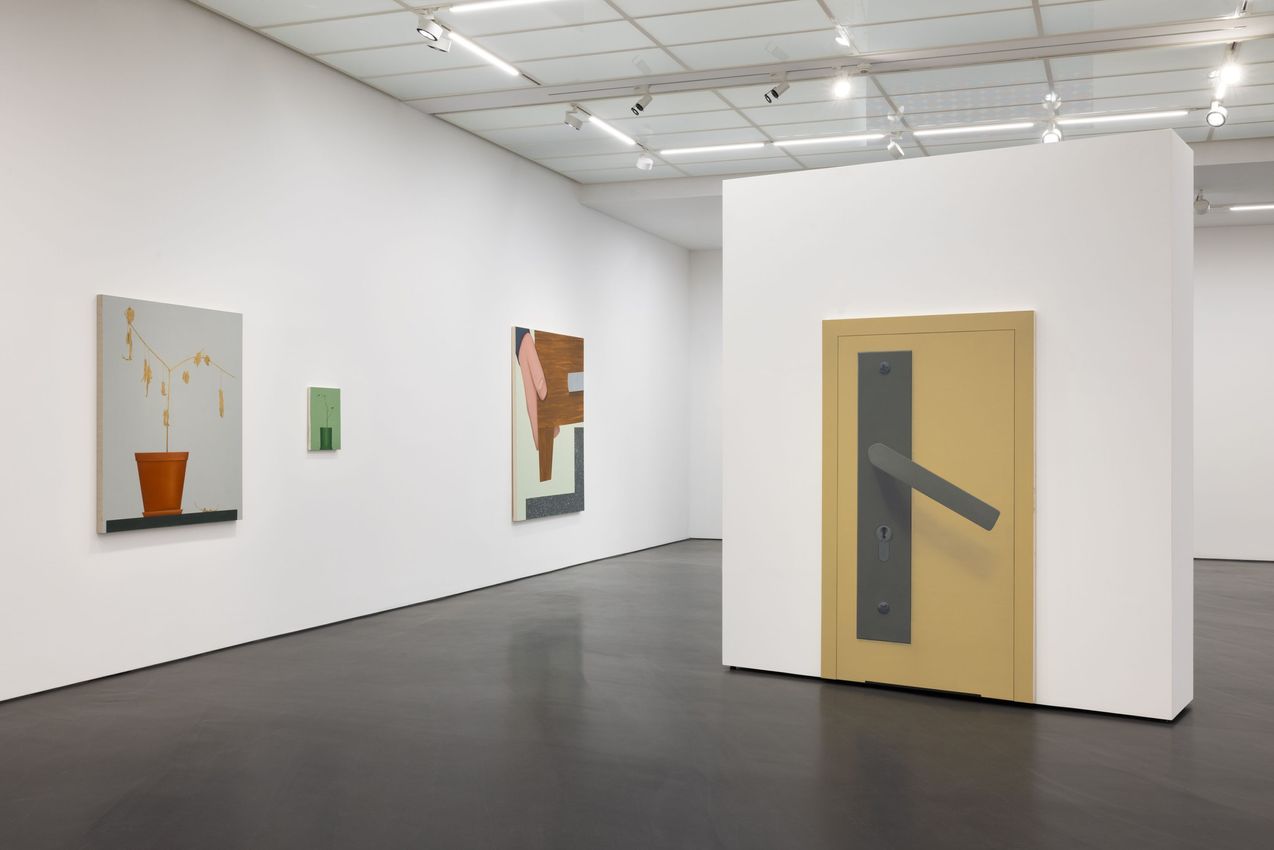
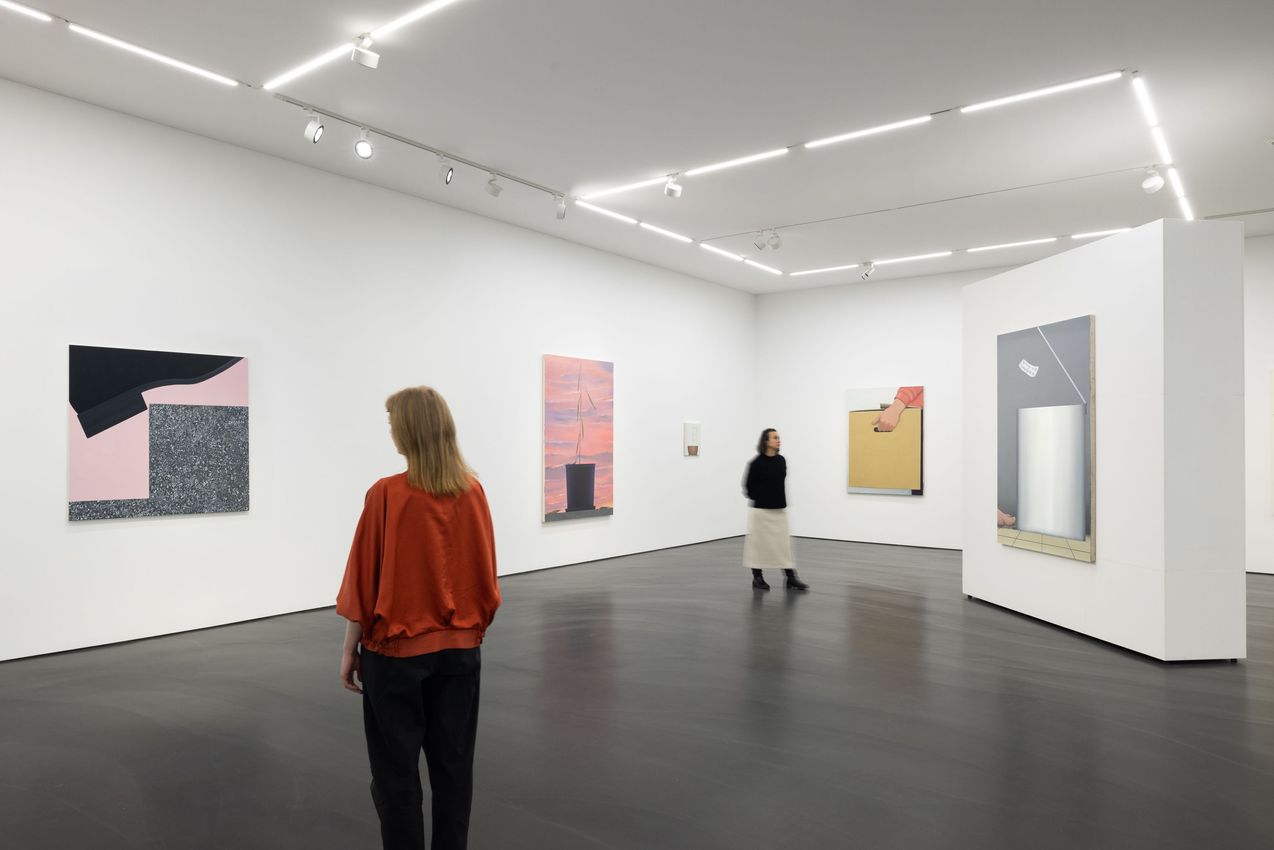
Tomasz Kręcicki’s conceptual approach brings a cinematic dimension to the exhibition, where each painting functions as a storyboard frame, with details that invite viewers to construct their own narrative. The story of this exhibition is about a move that begins when we enter the space. Evoking an entire parallel realm of impressions and even sensations, Kręcicki’s paintings become stepping stones for our imagination: The monumentally enlarged details of seemingly ordinary objects amount to brief glimpses, in close-ups, of a narrative that extends into the past and, importantly, will continue. Events are foreshadowed, creating a viewing experience full of anticipation and suspense. At times, we can even imagine we are hearing a sound, smelling a characteristic scent, or indeed begin to anticipate pain.
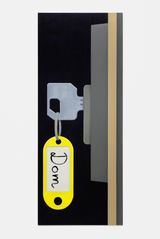
The actions the paintings depict give a vivid impression of what it means to move. The artist, who was anticipating his own move to another studio space when he conceived of the exhibition, seems to have spun out scenarios of such a relocation. The works can be loosely associated with specific moments in the process of moving. One group presents objects—some massive and apparently well-loved from their slightly worn condition—and they may represent the selection process: What will he take, what leave behind?
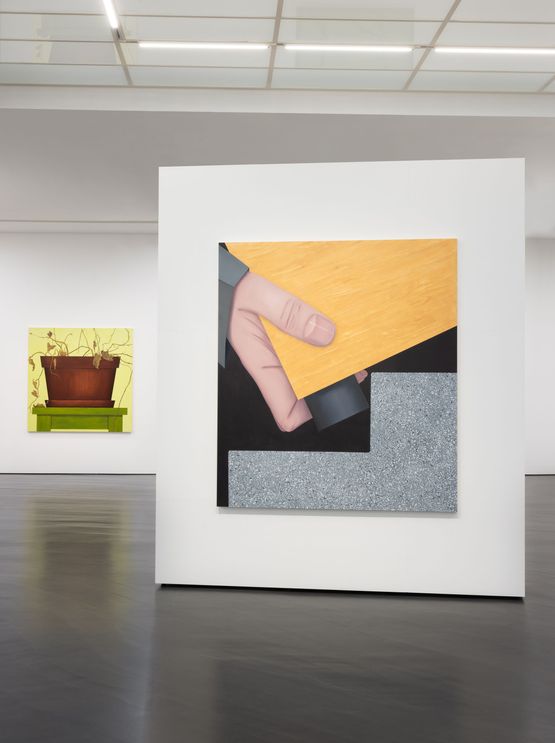
Another cluster of works represents actions: the actual transport of big furniture and heavy appliances carried by large hands across simplified geometric shapes that we immediately know to be steps and staircases. Other paintings allude to the general tidying that goes hand in hand with a move. Throwing things out, in this context is also understood as an act of personal stocktaking. Each of these works show us a detail which is recognised and quickly spins into our own associations with what might happen next: will the hand drop what it’s carrying, the fingers caught on some obstacle?
Paintings of potted plants constitute another group of motifs that even more insistently suggest a past and present, as well as a human presence: Someone cared for them, they may be gifts from friends or family. Represented in various states, they speak of care, neglect, resignation but also resilience. Kręcicki uses the subject to demonstrate his extensive knowledge of and admiration for painters who have represented plants in domestic settings, both the historical genre of vanitas still-lifes and more specifically 20th century and modern depictions as metaphors or symbolic representations. But in a twist characteristic of Kręcicki’s fondness for incorporating subtle touches of humor, the artist also makes strategic use of cinematic tropes, such as the melodramatic fiery sky silhouetting a dried-out plant.
Despite the visual wit and playfulness often associated with the over life-sized scale of his motifs, Kręcicki’s subject matter remains inherently existential, addressing both contemporary politics and its repercussions on the individual. For Kręcicki, who lives in Poland, his move also brought to mind people who have to flee their homes, not in organised “moves” but in often traumatic escapes from home, workplace or country. He knows his is a choice, even a sign of improvement and greater freedom.
Scale and the body are major motifs in the paintings of Tomasz Kręcicki. Grotesquely enlarged fingers, for example, engage in various undefined activities. The paintings have an absurdist element but their formal reliance on simplified and sometimes repeating shapes also evoke the artist’s continued exploration of the abstract in figuration. A surrealist unreality imbues the artist’s depictions of common activities and everyday objects, recalling a Lynchian atmosphere but often cut with a dash of the campy spookiness of B-movie horror. Yet, the recurrence of fingers, hands and eyes, also refers to a painter’s tools.


Esther Schipper founded the gallery in 1989 in Cologne. In 1997 the gallery relocated to Berlin. Through more than three decades of continuous exhibition practice, the gallery has established itself as a major force not only in Germany but in an international context, with offices in Paris and Seoul and representatives in France, Spain, the United States, Latin America, South Korea, Taiwan and China. The gallery holds up to ten gallery exhibitions as well as multiple off-site projects each year and participates in leading art fairs across the globe.

A respected voice in contemporary art discourse.
Focusing on ambitious storytelling and insightful art-world commentary. Ocula Magazine publishes in-depth interviews, critical essays and timely analysis on the artists, exhibitions and ideas driving the global art world.
Learn more about Ocula Magazine
Showcasing the best of the art world.
Ocula partners with galleries from around the world to highlight their artists, artworks and exhibitions. Gallery membership is by application and invitation, with each member vetted by an independent panel.
Learn more about Ocula Membership

Specialises in the sale of major artworks.
Led by a team with deep ties to the world’s leading auction houses, galleries and collectors. Ocula’s advisory team offers bespoke services to high-net-worth clients from around the world who are looking to acquire the best of contemporary and modern art.
Learn more about our team and services