



Press Release

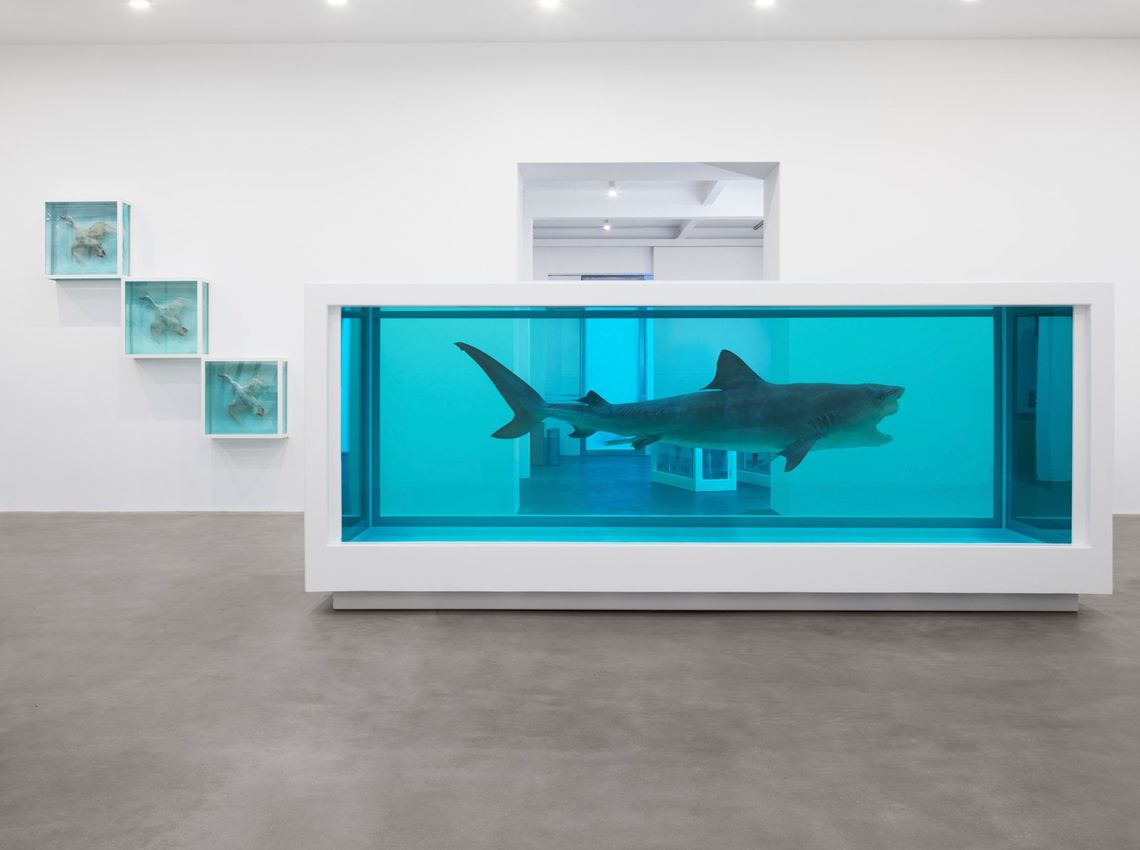
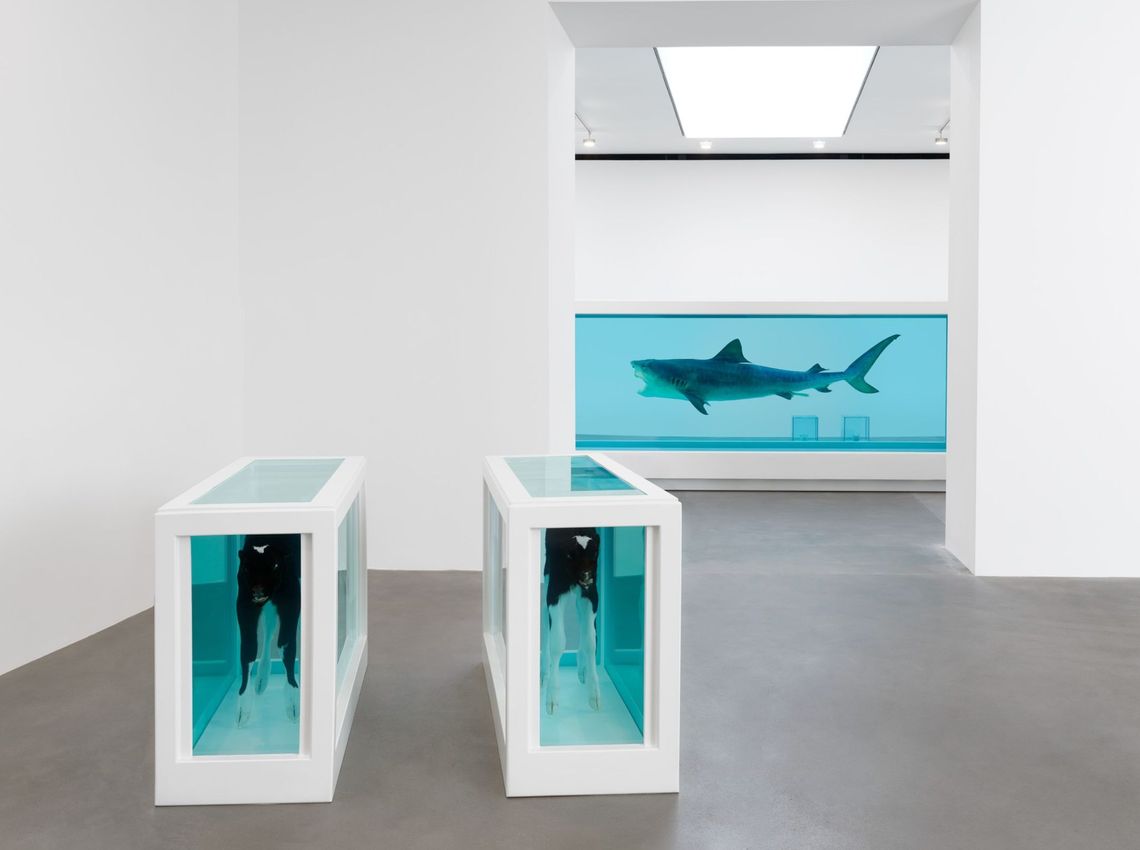
‘I wanted a shark that’s big enough to eat you, and in a large enough amount of liquid so that you could imagine you were in there with it.’—Damien Hirst.

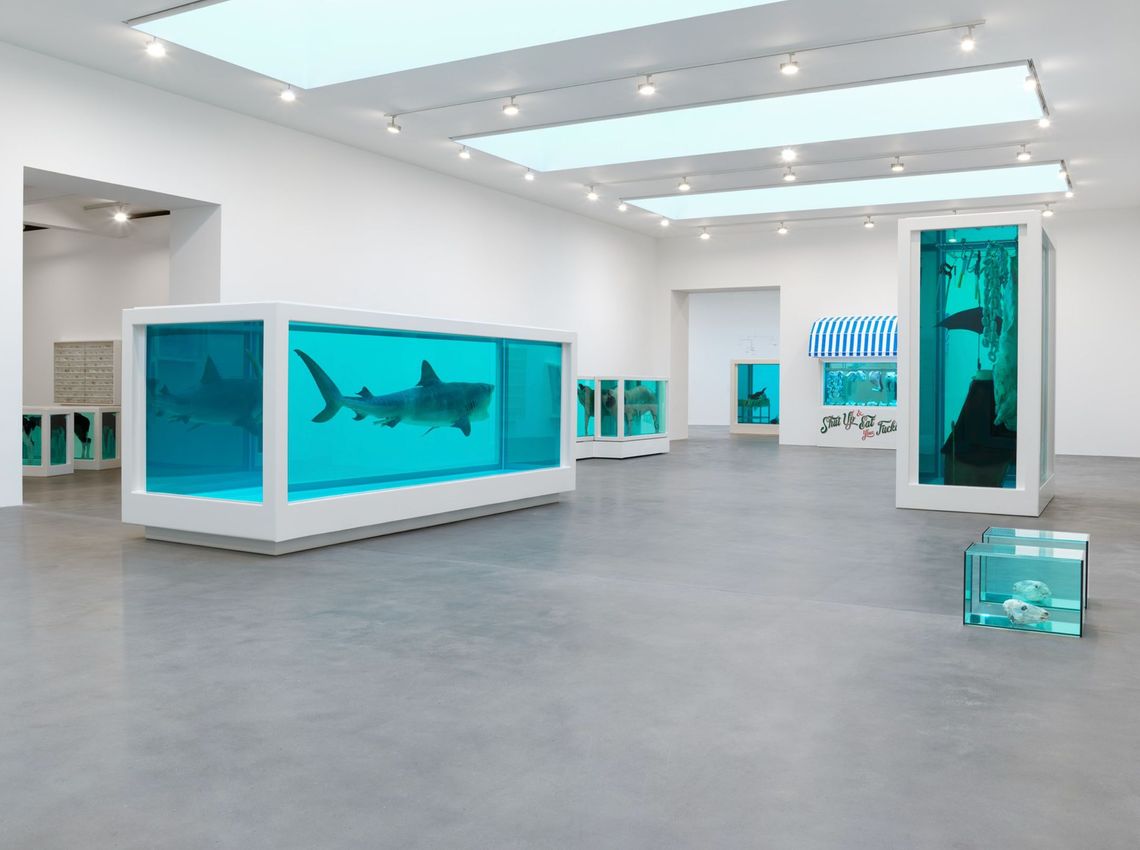
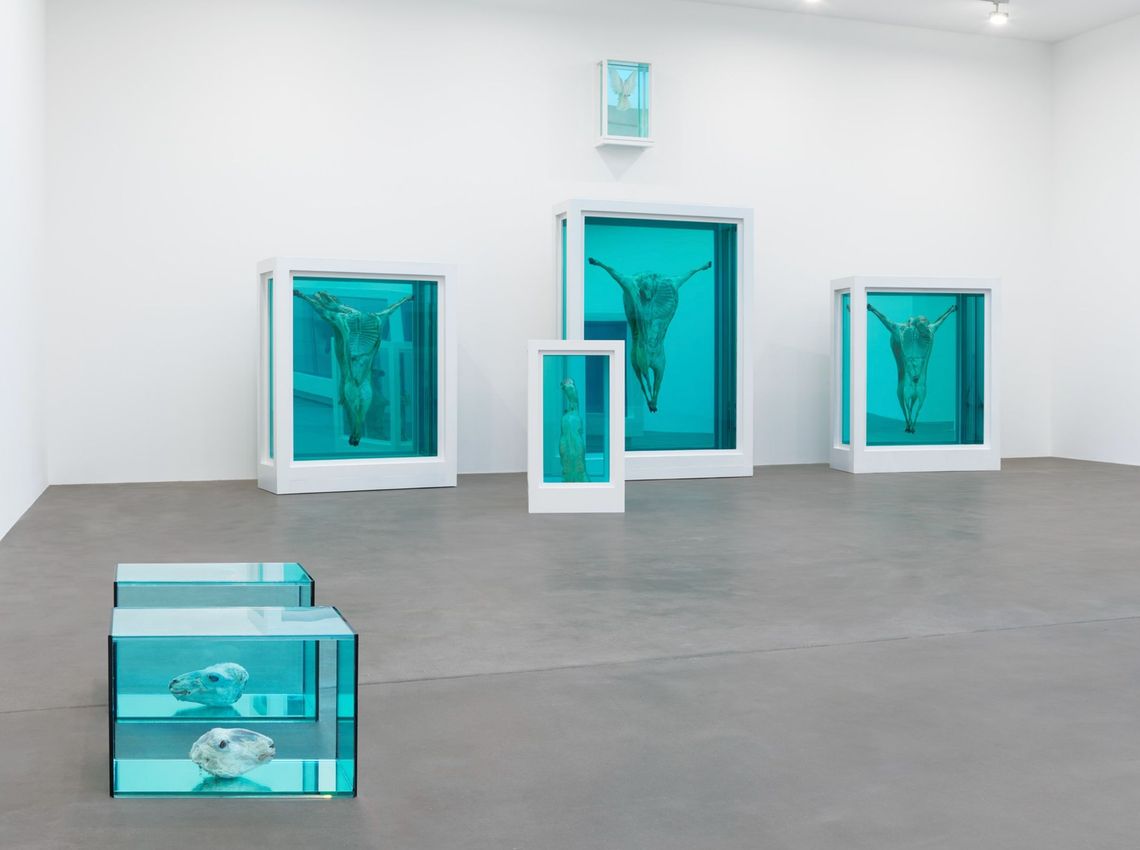
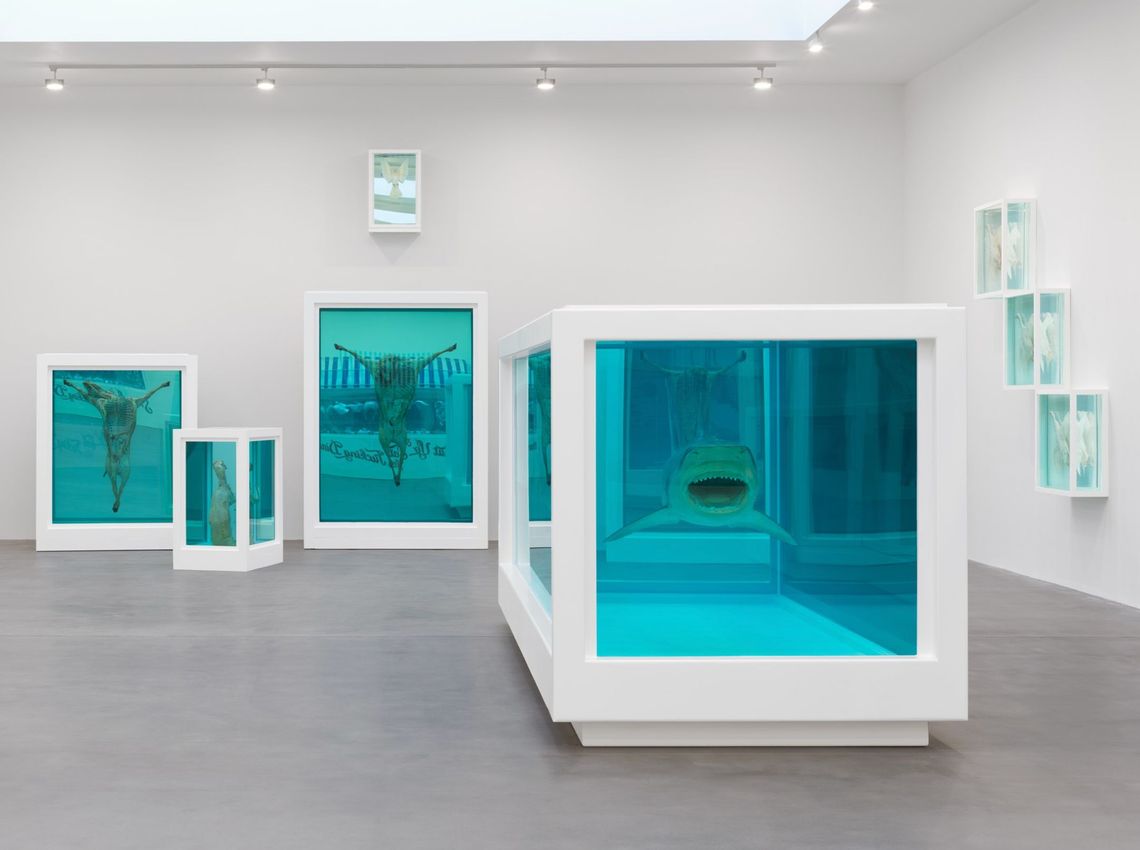
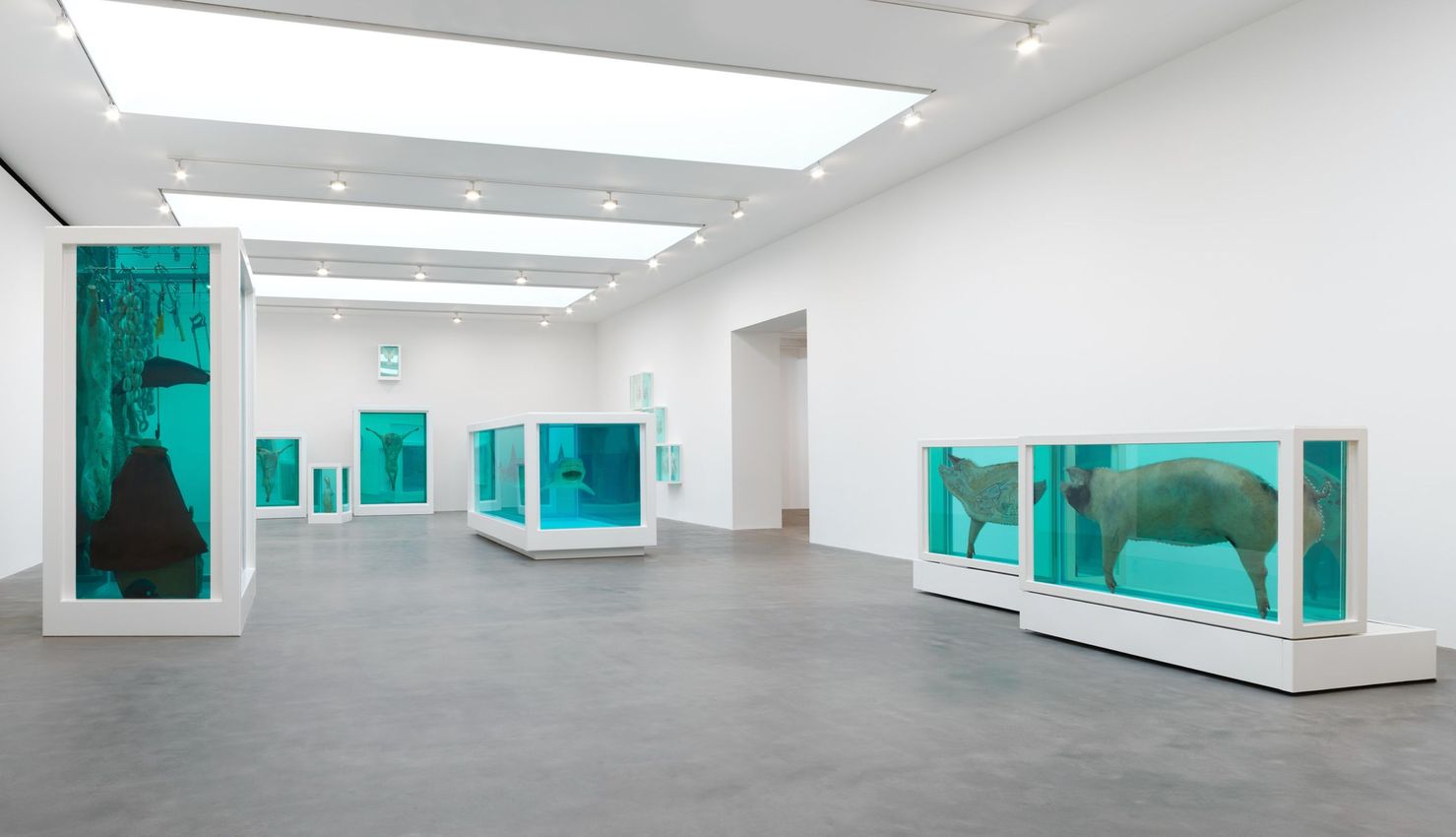
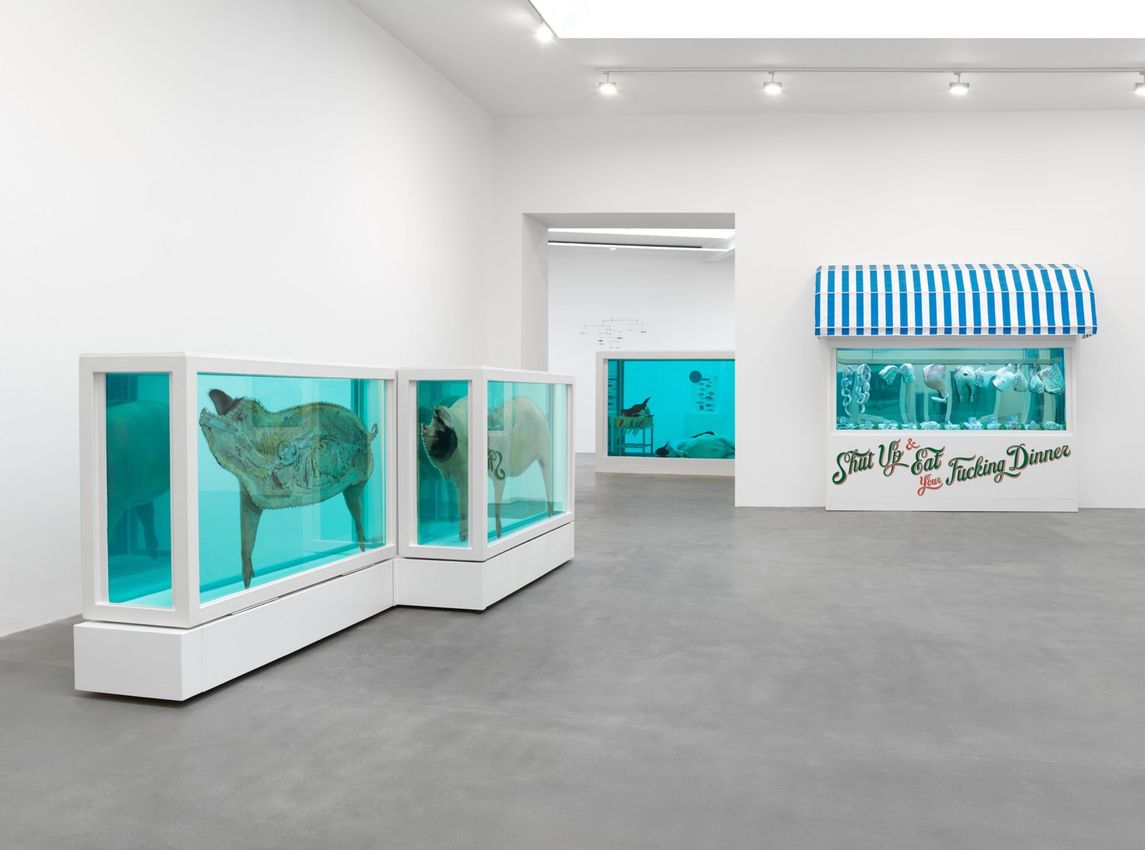
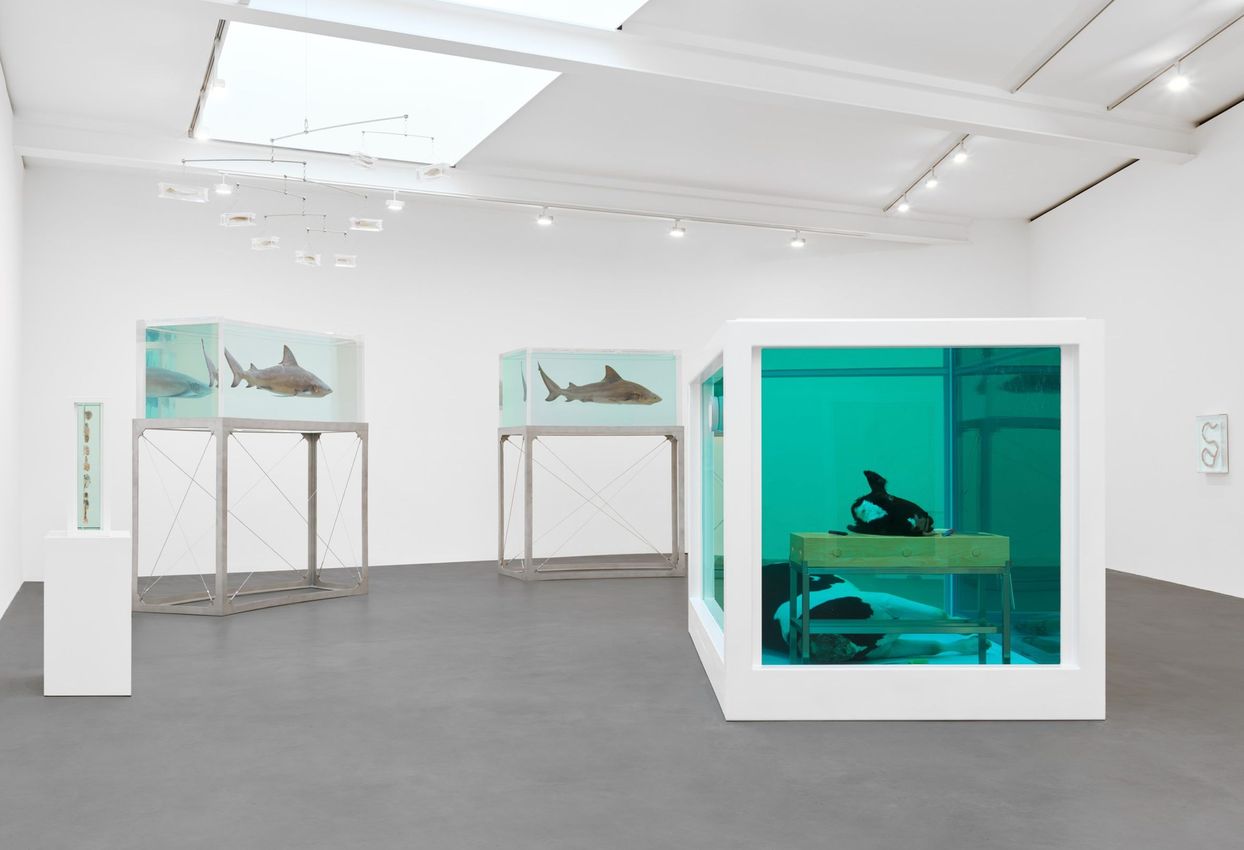
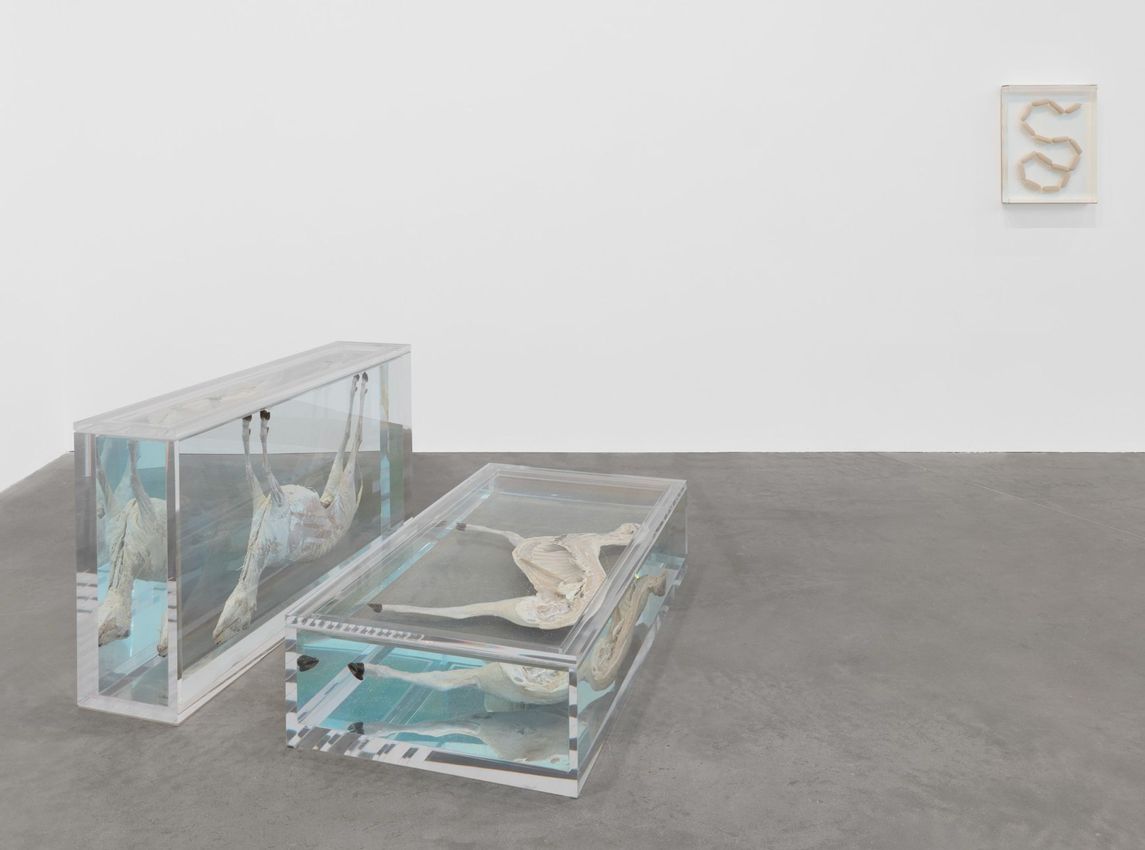
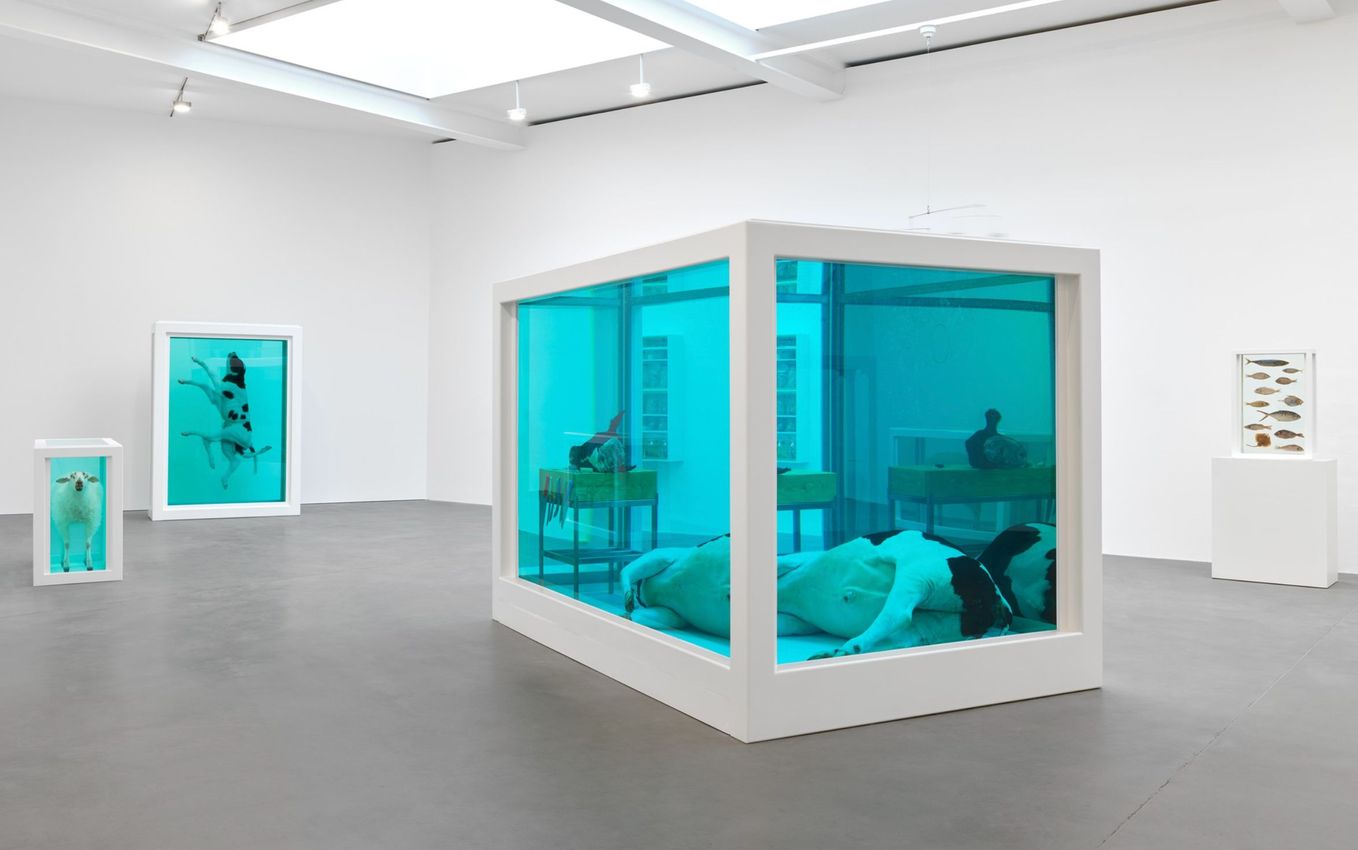
Gagosian is pleased to present Natural History, the first-ever exhibition dedicated to Damien Hirst’s groundbreaking works employing formaldehyde. The exhibition—part of Hirst’s takeover of the Britannia Street gallery—will survey more than twenty of the most iconic examples, dating from 1991 to 2021.

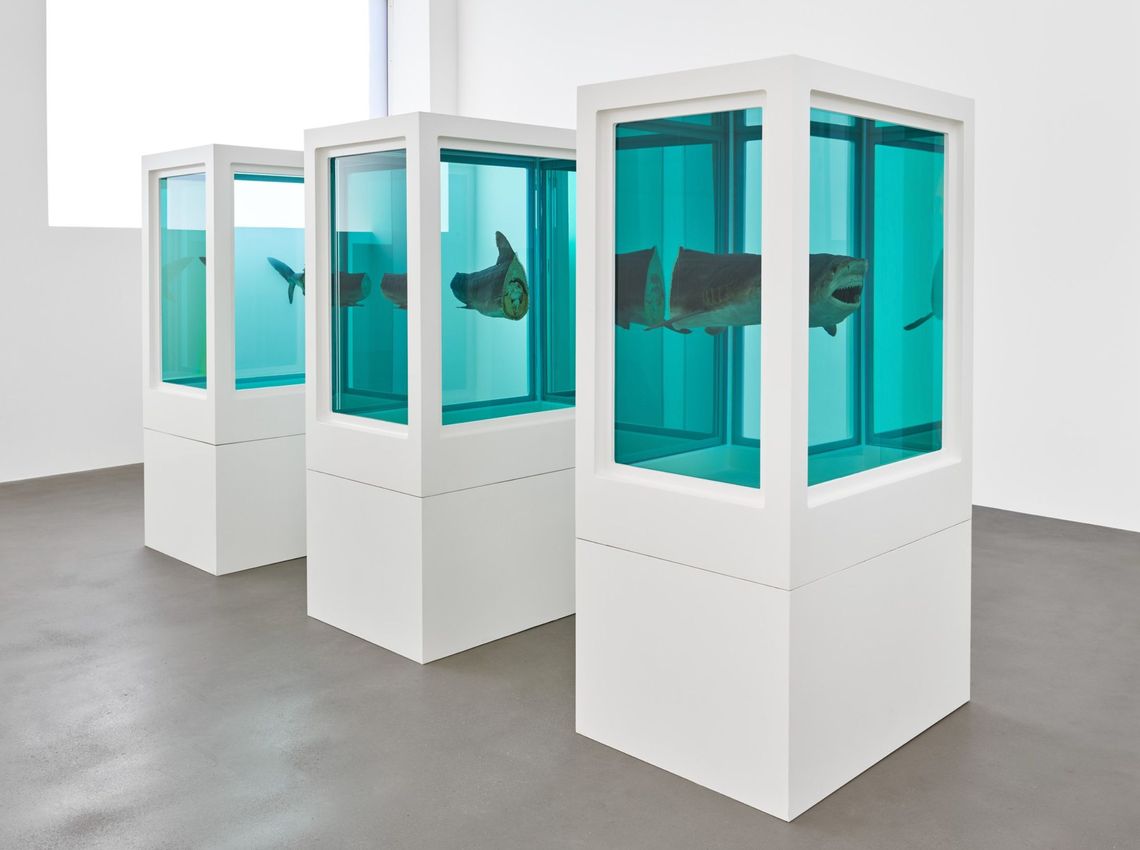
Ever since he first exploded into the public consciousness in 1991 with The Physical Impossibility of Death in the Mind of Someone Living, a fourteen-foot tiger shark preserved in a tank of formaldehyde, Hirst has used the naturally occurring compound in many of his best-known works. Embodying his ongoing drive to bridge the gap between art and science, the Natural History series includes a variety of preserved animals, such as sheep, doves, a zebra, and even a ‘unicorn’—some of which are bisected, sliced into cross sections, or flayed. This exhibition, which features works spanning a thirty-year period, gathers many of these works together for the first time.

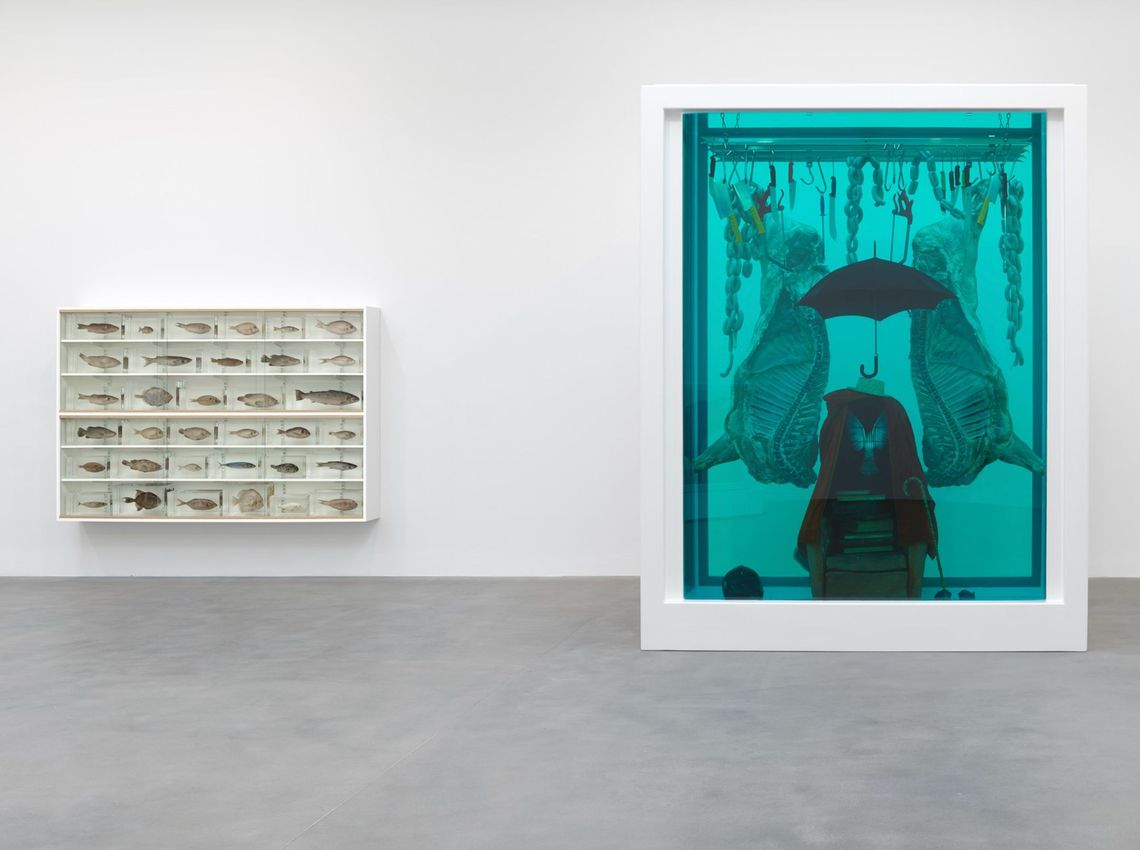
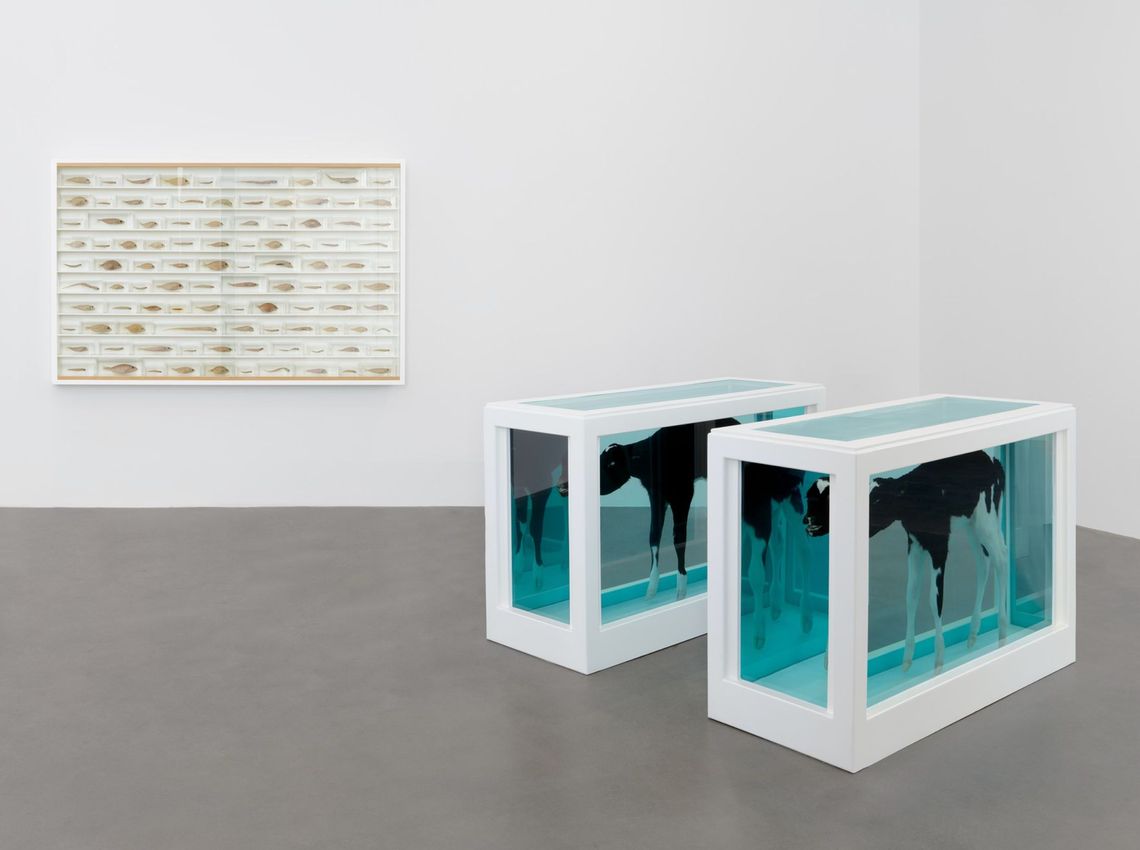
Beginning with The Impossible Lovers (1991), a cabinet filled with glass jars containing preserved cow’s organs, Natural History also includes works incorporating sheep (I Am [1995]), fish (Saint Philip [2005] and Love Is Blind [2008]), calves (Cain and Abel [1994] and The Ascension [2003]), and, of course, sharks (Myth Explored, Explained, Exploded [1993], among others). On view as well are complex tableaux such as The Pursuit of Oblivion (2004), in which animal carcasses are joined by other objects including knives and a chain mail glove. As their titles and components suggest, these arrangements combine strikingly unexpected variations on religious iconography with investigations of phenomenological and psychological facts and events.

Hirst’s use of formaldehyde allows him to present visceral, often disturbing objects in a knowingly cool, clinical style, adapting formal devices identified with Minimalism to a meditation on life and death, fact and faith. The heavy frames of the sculptures’ tanks have been a feature of his work since the 1990s in artworks such as A Hundred Years and A Thousand Years (both 1990). Hirst’s vitrines are rooted in the fear of fragility, and in a consequent desire to isolate and protect. Yet ultimately, far from proposing formaldehyde as an effective medium for preserving objects and the ideas they convey, Hirst concludes that the very idea of preservation is futile in the face of inevitable death.

Read More

Installation Views

About the Artist

Damien Hirst first rose to public recognition in 1988 during his time studying at Goldsmiths College in London, when he conceived and curated Freeze, a group exhibition of his work and that of his contemporaries at Goldsmiths. In the near quarter century since that pivotal show, Hirst has become one of the most prominent artists of his generation. Through work that includes the iconic shark suspended in formeldahyde, The Physical Impossibility of Death in the Mind of Someone Living (1991), to the platinum cast of a human skull set with 8,601 flawless diamonds, For the Love of God (2007), Hirst takes a direct and challenging approach to ideas about existence. Of the latter, art historian Rudi Fuchs has said, ‘The skull is out of this world, celestial almost. At the same time, it represents death as something infinitely more relentless. Compared to the tearful sadness of a vanitas scene, the diamond skull is glory itself.’ His work calls into question our awareness and convictions about the boundaries that separate desire and fear, life and death, reason and faith, love and hate. Hirst uses the tools and iconography of science and religion, creating sculptures and paintings whose beauty and intensity offer the viewer insight into art that transcends our familiar understanding of those domains. ‘There [are] four important things in life: religion, love, art and science,’ the artist has said. ‘At their best, they’re all just tools to help you find a path through the darkness. None of them really work that well, but they help. Of them all, science seems to be the one right now. Like religion, it provides the glimmer of hope that maybe it will be all right in the end…’

View Artist Profile

Also Exhibiting at Gagosian

About the Gallery
Gagosian is a global network of art galleries specialising in modern and contemporary art with eighteen exhibition spaces worldwide.
View Gallery Profile
Address
6–24 Britannia Street
London
United Kingdom
Opening Hours
Tues - Sat, 10am - 6pm
(1)
London 6–24 Britannia Street
Gagosian
6–24 Britannia Street, London, United Kingdom
+44 207 841 9960
http://gagosian.com

Opening hours
Tues - Sat, 10am - 6pm
The art world in focus