Press Release

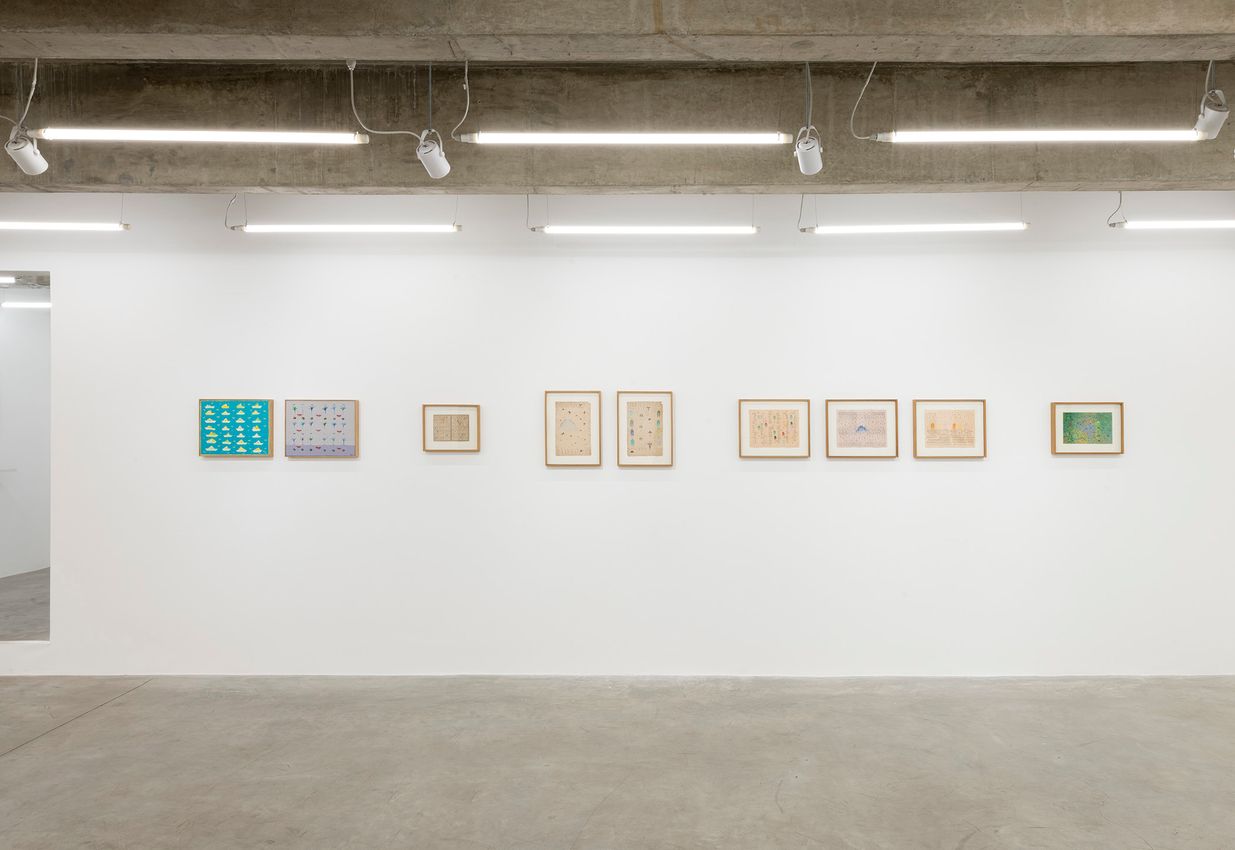
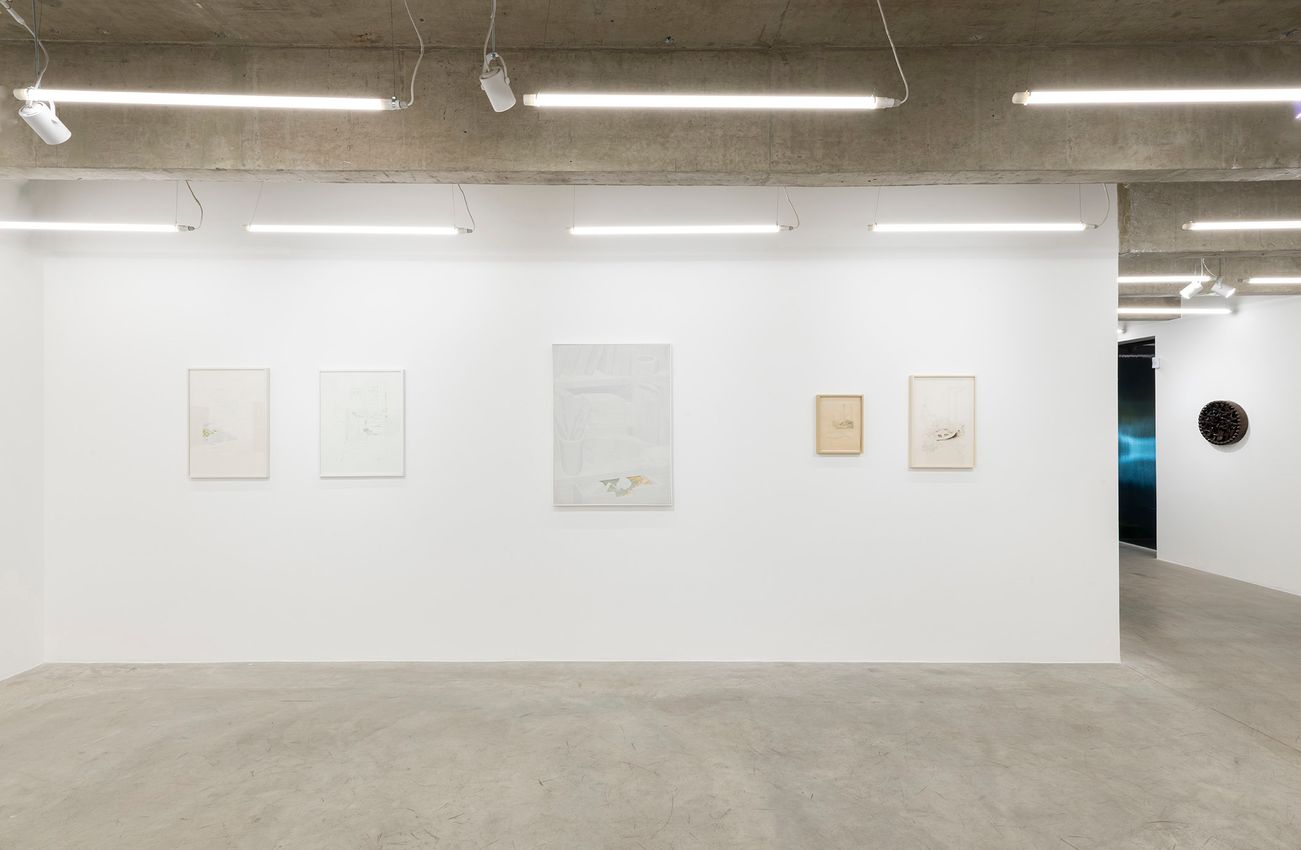
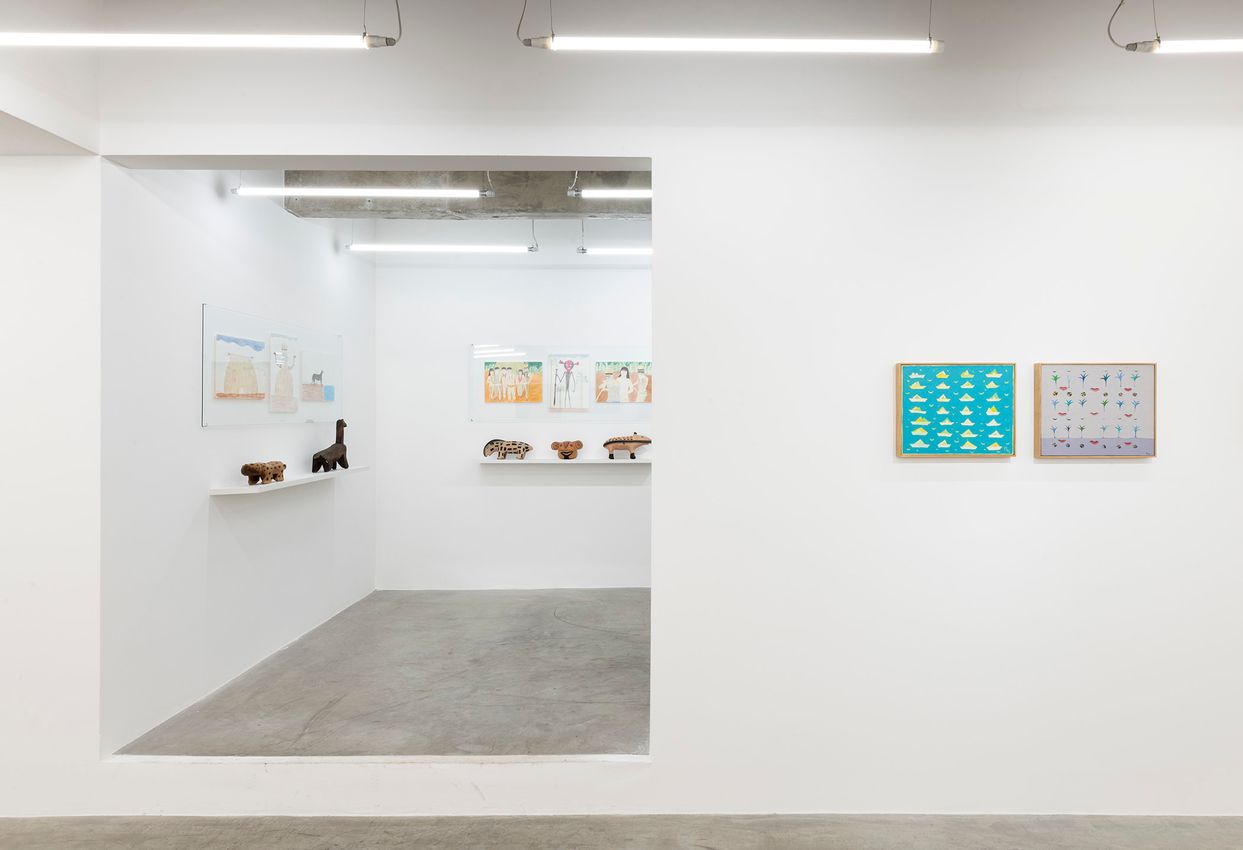
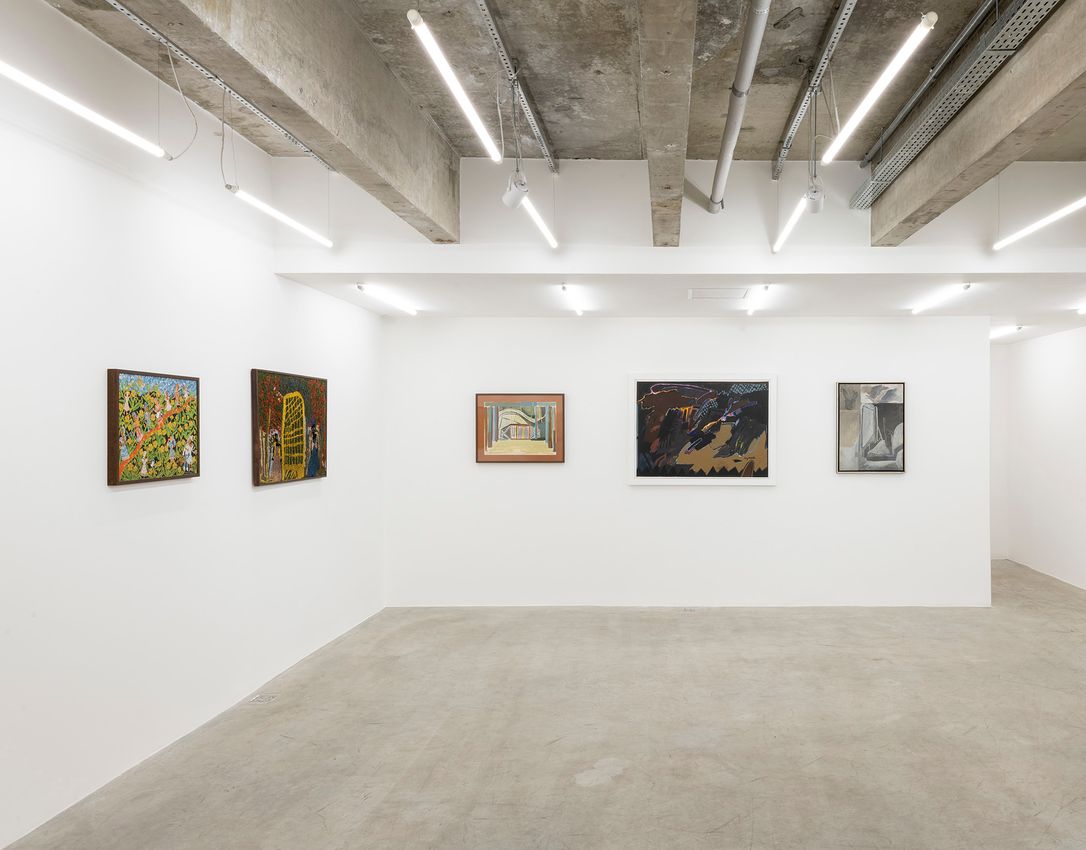
The exhibition Brazilian Representations: Venice Biennale (1978) stems from an investigation into the curatorial project developed by researcher, poet, and curator Lélia Coelho Frota (1938–2010) for the Brazilian Pavilion at the 38th Venice Biennale — From Nature to Art, from Art to Nature [Dalla natura all’arte, dall’arte alla natura].

Held from July 2 to October 15, 1978, the 38th Venice Biennale, curated by Vittorio Gregotti (1927–2020), took as its curatorial premise the articulation and convergence of the natural world and human creation. The exhibition reverberated through critical discourse and public opinion, prompting debates on the relationship between environmentalism and contemporary art, while also drawing attention for the suspension of the awarding of prizes and for the unusual presence of animals in conceptual works presented by several of the selected artists. In the Brazilian context, discussion centered on the diversity of artistic practices then underway in the country and on the breadth of the proposal in relation to the Biennale’s theme.

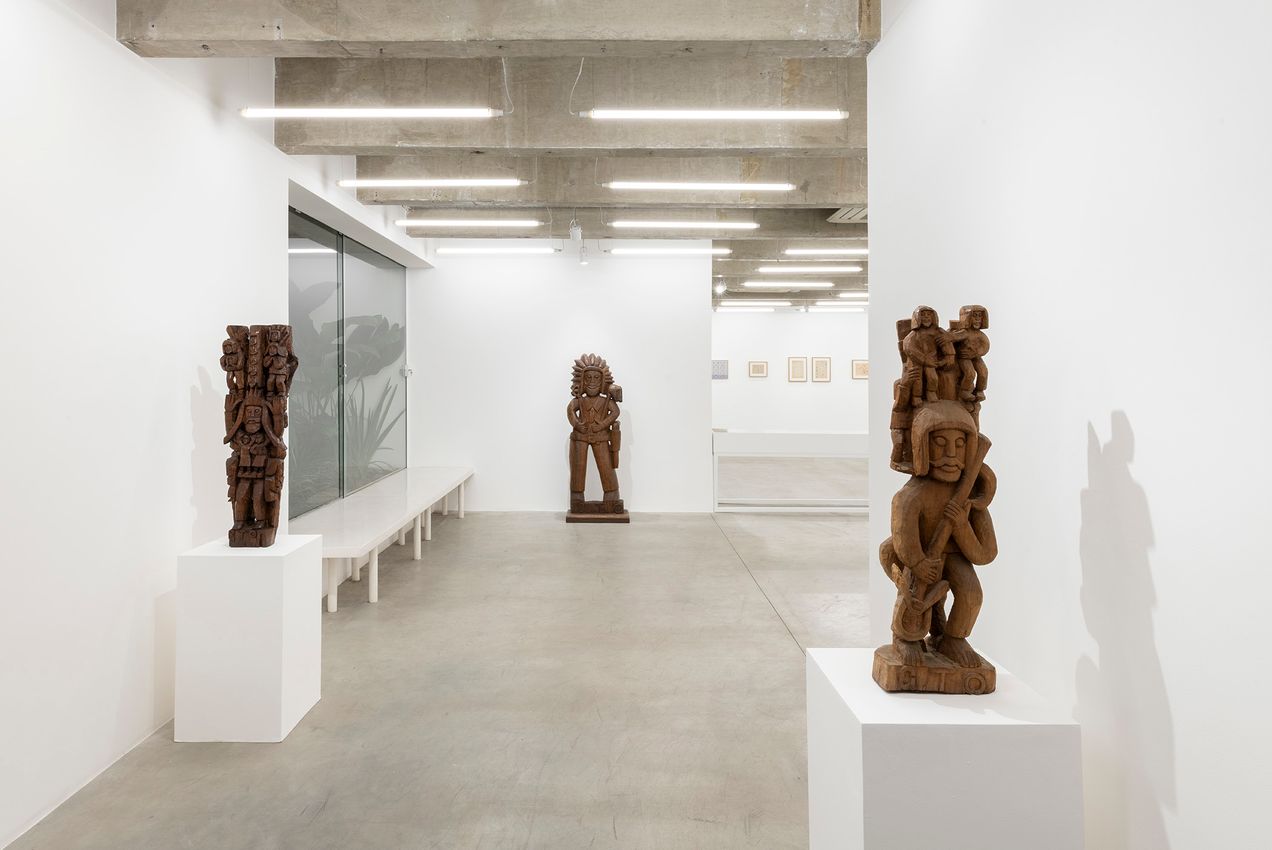
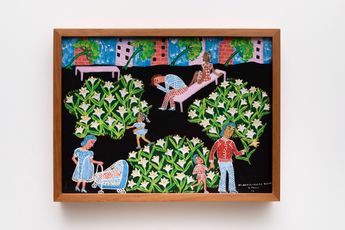
Approximately fifty years after it first opened to the public, Galatea takes the Brazilian representation at the 38th Venice Biennale as a case study and restages the exhibition, recalling its participating artists: Carlos Fajardo (1941), Geraldo Teles de Oliveira, known as G.T.O. (1913–2006), Júlio Martins da Silva (1893–1978), Luiz Aquila (1943), Madalena dos Santos Reinbolt (1919–1976), Maria Auxiliadora (1935–1974), and Wilma Martins (1934–2022), as well as drawings by Indigenous communities of the Upper and Middle Xingu and projects by landscape architect Roberto Burle Marx (1909–1994), presented through audiovisual works commissioned from filmmaker Marcelo Tassara (1933–2020).

Lélia Coelho Frota’s curatorial research reveals a profound interest in debates surrounding the paradigm of the nation and in reflecting on ways of living in and inhabiting the world through local forms of knowledge. This interest is articulated through the notion of border thinking and is guided by a critique of the structures that divide human experience, particularly in relation to territories. Her curatorial approach focused on works that challenge and reveal the subjective and political friction between lives embedded in the urban logic of large cities and the production of self-taught artists, commonly associated with the so-called popular art, from rural backgrounds, who found in the visual arts a means of autonomous expression and poetic elaboration.

Summarizing her curatorial proposition, Frota states:

(...) the Indigenous person, who organizes their social and natural space in the midst of the wild forest, and Roberto Burle Marx, who plans green areas within large cities that grow in a disorderly fashion, therefore constitute the two poles that establish the interaction among the different levels—human, aesthetic, thematic, and social—of the Brazilian representation at this Biennale. 1

Within this framework, the interest in other ways of thinking about art, relationships to territory, and society appears innovative for the period, even as the presence of artists already recognized within the Brazilian art field at the time consolidated the heterogeneity of the curator’s selection.

The curatorial undertaking of the Brazilian representation brings into view an ensemble marked by artists with distinct trajectories and poetics. Frota’s plural interests are evident in her critical writing on artists and subjects addressed after the exhibition, including publications that contributed decisively to the renewal of Brazilian art history, such as her books Mitopoética de 9 artistas brasileiros: vida, verdade e obra Mythopoetics of 9 Brazilian Artists: Life, Truth, and Work and Pequeno dicionário da arte do povo brasileiro — século XX Little Dictionary of the Art of the Brazilian People — 20th Century,2 as well as the catalogue of the exhibition A mão afro-brasileira [The Afro-Brazilian Hand], organized by Emanoel Araújo in 1988 at the Museu de Arte Moderna de São Paulo (MAM-SP), to which she contributed as a guest researcher.

Lélia Coelho Frota’s curatorial project created space for the timely international visibility of Brazilian artists and works that, at the time, were situated within a market largely unreceptive to works categorized as popular art because of their non-academic and non-canonical character. Through paintings, drawings, sculptures, and memories of a Brazil pressing to be seen in Venice at the end of the 1970s, the assembled artists materialized visual syntheses of the complex cultural range particular to the Brazilian nation. This diversity and heterogeneity stood in opposition to the political tensions of a country under Military Dictatorship, which sought to standardize the idea of the homeland.

In this sense, the Brazilian representation at the Biennale diverged from the guidelines imposed by the Military Dictatorship for projecting Brazil’s image abroad. For a long time, the military sought to distance its international communications from imagery associated with popular and rural culture, preferring to promote an image of a modern country focused on progress and, by contrast, framing vernacular production as backward. This stigmatizing and prejudiced view materialized in a well-known and regrettable episode in Brazil’s exhibition history: the 1964 prohibition of Nordeste [Northeast], curated by Lina Bo Bardi (1914–1992), which was to be presented at the Galleria Nazionale d’Arte Moderna in Rome after its first iteration, held in 1963 at the Museu de Arte Popular, at Solar do Unhão, in Salvador, Brazil.

Even before the Italian edition of Nordeste opened to the public, an order issued by the Brazilian Embassy in Rome led to the exhibition being dismantled before its inauguration. In protest against this act of censorship, Italian architect Bruno Zevi (1918–2000) published a critique of the unfortunate episode in the Roman newspaper L’Espresso under the title “L’arte dei poveri fa paura ai generali” [The Art of the Poor Frightens the Generals]. The text addresses the core of the question of “representation” and challenges the military’s conservative and prejudiced thinking, a mindset that can also be found in many sectors of the Brazilian arts and intelligentsia, where vernacular productions, departures from the canon, and works arising from other epistemologies are rejected or feared.

Lina Bo Bardi was a major precursor in the appreciation of Brazilian popular culture and its artistic practices. In addition to organizing a wide range of exhibitions devoted to the subject, such as Bahia no Ibirapuera Bahia at Ibirapuera, the aforementioned Nordeste [Northeast], and the landmark A mão do povo brasileiro The Hand of the Brazilian People, Lina wrote important texts on the role of popular culture and art in Brazil’s intellectual formation, several of which were published in the book Tempos de grossura: o design no impasse [Times of Coarseness: Design at an Impasse]. Another important vector of her thinking was the magazine Habitat, which she co-founded and whose first fifteen issues she edited together with her husband, Pietro Maria Bardi, curator and founding director of the Museu de Arte de São Paulo (MASP). Among the publication’s conceptual guidelines, presented in the editorial of its first issue, are passages that provide useful points of departure for considering Lélia Coelho Frota’s propositions:
The imaginative beauty of a forest, of a wattle-and-daub hut, of a Marajoara pot, of a Baroque church, Aleijadinho, the goldsmiths of Bahia, the Manueline furniture makers of Recife, the epigones of the French Artistic Mission, the architects of the Manaus theater and of the Ministry of Education and Health in Rio, country painters and renowned artists, ceramists, coastal gameleira woodworkers, Indigenous peoples, Africans, descendants of conquerors, emigrants—all those who have contributed, continue to contribute, and participate in some way in art in Brazil will have their activities publicized in Habitat with the commitment of those who know how to appreciate what is most characteristic of the country. 3

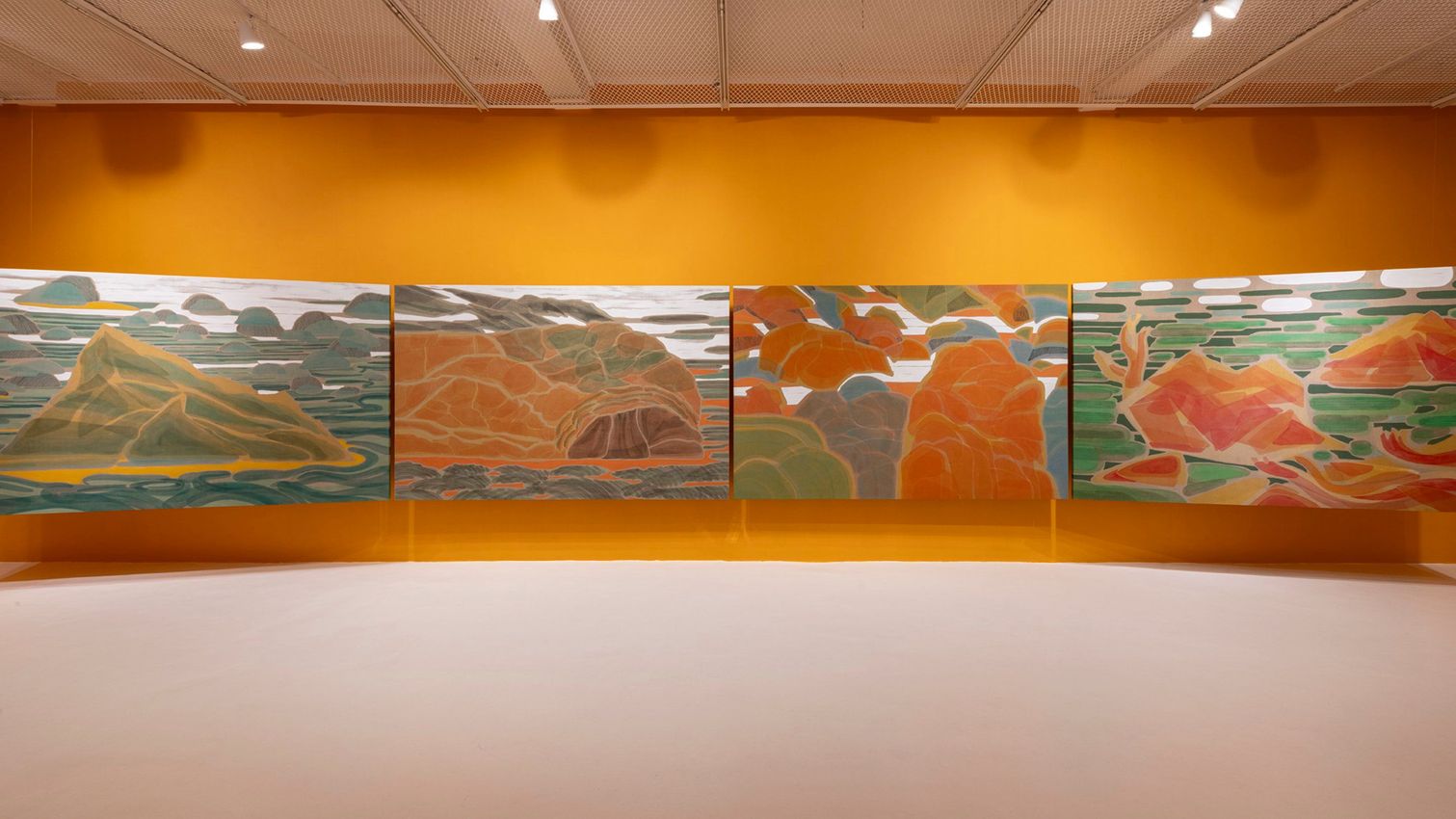
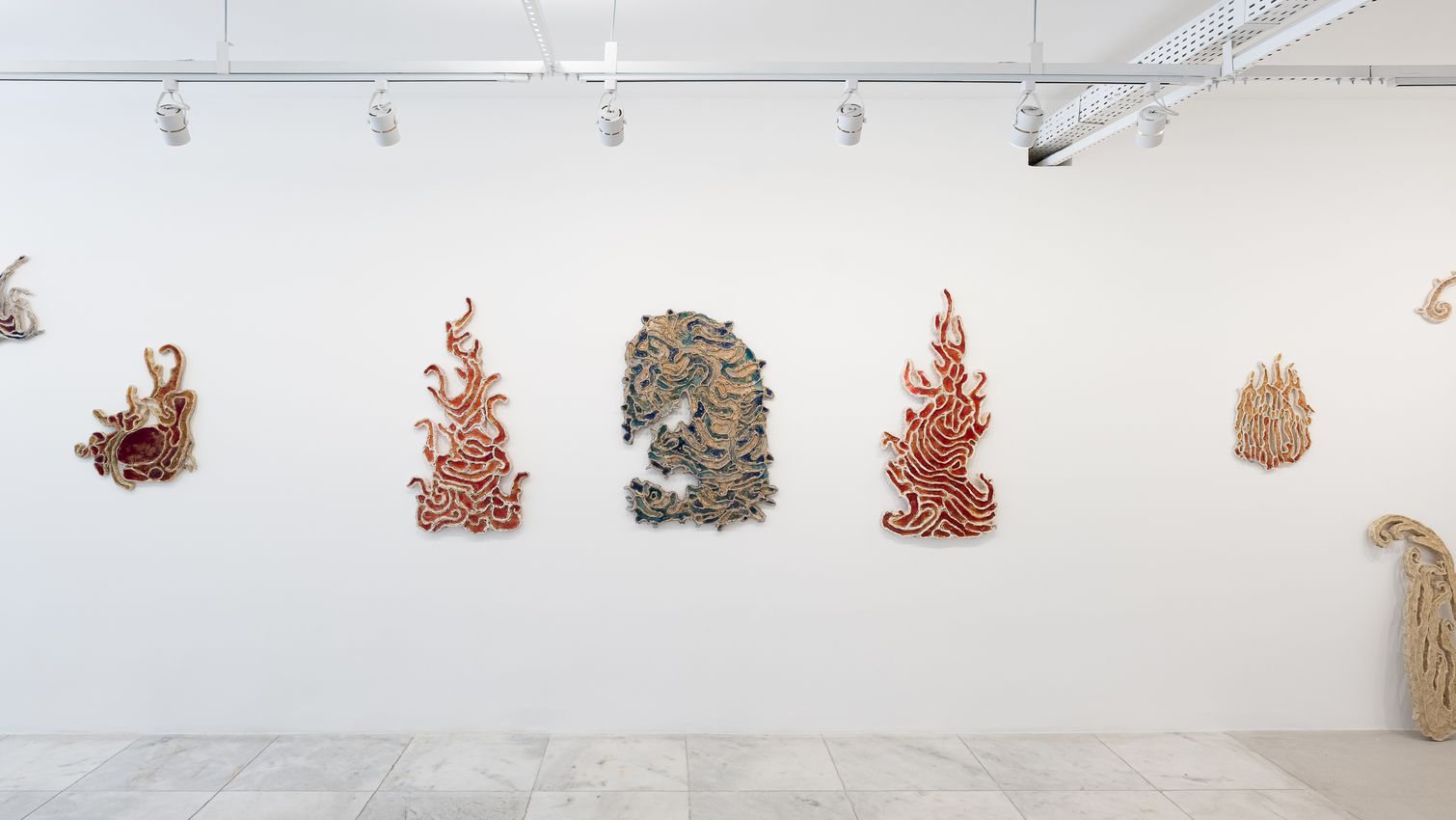
In the restaging of the Brazilian representation at the 38th Venice Biennale presented here, priority was given to artists with a strong presence in Galatea’s collection. Based on this selection, the exhibition centers on four monographic groups devoted to G.T.O., Júlio Martins da Silva, Paulo Garcez, and Wilma Martins, while also including individual works by Burle Marx, Luiz Aquila, Maria Auxiliadora, Madalena dos Santos Reinbolt, and artists from the Upper and Middle Xingu. In general, we sought works produced in periods close to the dates of those presented in the original exhibition, except for the drawings by artists from the Upper and Middle Xingu.

In her text for the Biennale catalogue, translated from Italian and republished especially for this publication, Frota develops her curatorial proposal and emphasizes her intention “(...) to exhibit works that are not usually seen in an international context,” while also offering critical comments on each of the artists. In this sense, we leave Lélia Coelho Frota’s words as the primary voice for interpreting her own exhibition and the work of the artists she selected—a task from which this text refrains.

By bringing these artists together again, the exhibition offers a unique opportunity to revisit their work in another historical and geographical context, after decades of change that have enabled new readings of their themes and poetics, now considered in light of a renewed reception of popular and non-canonical production. Brazilian Representations: Venice Biennale (1978) reasserts a space in which diverse artistic creations can be remembered and reread through the lens of the present, once again affirming the relevance of the polyphony within Brazilian art and of the frictions and questions generated by the juxtaposition of works arising from multiple contexts and points of departure.

1 Lélia Coelho Frota. “Brasile”. In: Živa Kraus (ed.). La Biennale di Venezia 1978: dalla natura all’arte, dall’arte alla natura: catalogo generale. Milan: Electa, 1978, p. 82–85. The full text is reproduced in this publication.

2 In addition to the titles mentioned above, Lélia Coelho Frota contributed to the research and dissemination of the multiplicity of Brazilian art with the books Ataíde (São Paulo: Editora Nova Fronteira, 1982), Mestre Vitalino (Recife: Editora Massangana, 1986), and Roberto Burle Marx: paisagismo no Brasil [Roberto Burle Marx: Landscape Design in Brazil][4].

3 Tomás Toledo. “Os museus populares de Lina Bo Bardi”. In: Adriano Pedrosa, José Esparza Chong Cuy, Julieta González, and Tomás Toledo (eds.). Lina Bo Bardi: Habitat. São Paulo: MASP, 2019, p. 125

[4]: São Paulo: Câmara Brasileira do Livro, 1994

Read More

Installation Views

Artists Exhibiting

Also Exhibiting at Galatea

About the Gallery

Galatea is a gallery that emerges from the different and complementary trajectories and backgrounds of its founding partners: Antonia Bergamin worked for almost a decade as a managing partner of a major gallery in São Paulo; Conrado Mesquita is an art dealer and collector whose specialty is discovering great works in unlikely places; and Tomás Toledo is a curator who actively contributed to the historic institutional renovation of MASP, from which he recently left as chief curator.

View Gallery Profile
Address
Rua Padre João Manuel, 808
Jardins
São Paulo
Brazil
Opening Hours
Monday – Thursday | 10 am to 7 pm
Friday | 10 am to 6 pm
Saturday | 11 am to 5 pm
(1)
São Paulo Rua Padre João Manuel, 808, Jardins

Galatea
Rua Padre João Manuel, 808, Jardins, São Paulo, Brazil
+55 11 3475 0099
http://galatea.art

Opening hours
Monday – Thursday | 10 am to 7 pm
Friday | 10 am to 6 pm
Saturday | 11 am to 5 pm
The art world in focus